A Republican congressman, Thomas Massie, accused Leon Black and magician David Copperfield of being co-conspirators with Jeffrey Epstein in sex trafficking. He urged the Department of Justice to investigate them and others, while pushing for new laws to release more withheld files related to Epstein’s crimes.
Key Facts
Thomas Massie accused Leon Black and David Copperfield of helping Jeffrey Epstein with sex trafficking.
Massie asked the Department of Justice to start an immediate investigation.
Nearly a year after President Trump signed the Epstein Transparency Act, millions of related files remain unreleased.
Leon Black faces possible contempt of Congress for not confirming attendance at a House hearing.
Black claims his relationship with Epstein was limited to legal and financial work and denies knowing about Epstein’s crimes until after charges.
The House oversight committee chairman threatened to hold Black in contempt if he does not cooperate.
FBI documents say Copperfield had a “clear connection” with Epstein, but Copperfield denies friendship.
Massie and two other representatives started a petition to force a vote on a new law for more transparency on Epstein files.
Read the Original
Want the full story? Tap a source to open the original
article.
The Lancaster County coroner is investigating the death of a second child who tested positive for measles. This comes as the Trump administration reviews the situation closely.
Key Facts
Lancaster County Coroner Stephen Diamantoni confirmed a second child’s death linked to measles.
The coroner’s office is actively investigating the cause of the deaths.
The deaths have caused concern and led to scrutiny from the Trump administration.
Measles is a contagious viral illness that can be dangerous, especially for young children.
The state is working to understand how the infections spread and caused these fatalities.
Public health officials may increase efforts to prevent further cases.
Read the Original
Want the full story? Tap a source to open the original
article.
Milo Yiannopoulos, a British commentator, has said he regrets supporting President Donald Trump after being detained and deported by the U.S. immigration agency ICE. Yiannopoulos described his treatment during deportation as harsh and said he feels ashamed of his past support for Trump.
Key Facts
Milo Yiannopoulos once supported President Donald Trump.
He was detained and deported by U.S. Immigration and Customs Enforcement (ICE).
Yiannopoulos called his deportation process fast, rough, and harsh.
He criticized the people influencing President Trump’s actions.
Yiannopoulos said he regrets supporting Trump and feels ashamed.
He described his deportation experience as a “politically motivated weekend of hell.”
The comments were made during an interview on Piers Morgan Uncensored.
Yiannopoulos’s statement reflects personal views on his past political support after his deportation experience.
Read the Original
Want the full story? Tap a source to open the original
article.
Two Democratic members of the U.S. House of Representatives supported Republican bills without telling their party leaders beforehand. This surprised House Democratic leaders as the bills were important for Republican messaging before the midterm elections.
Key Facts
Two Democrats, Rep. Jared Golden from Maine and Rep. Marie Gluesenkamp Perez, voted with Republicans.
Their votes helped the Republican Party move forward with certain bills.
House Democratic leaders had no prior notice about these members crossing party lines.
Rep. Katherine Clark, the Democratic whip, expressed being blindsided by this action.
The votes occurred ahead of the important midterm election season.
The bills supported were primarily for Republican messaging purposes.
This event shows divisions or unexpected actions within the Democratic Party in the House.
Such cross-party votes can affect party strategies and legislative outcomes.
Read the Original
Want the full story? Tap a source to open the original
article.
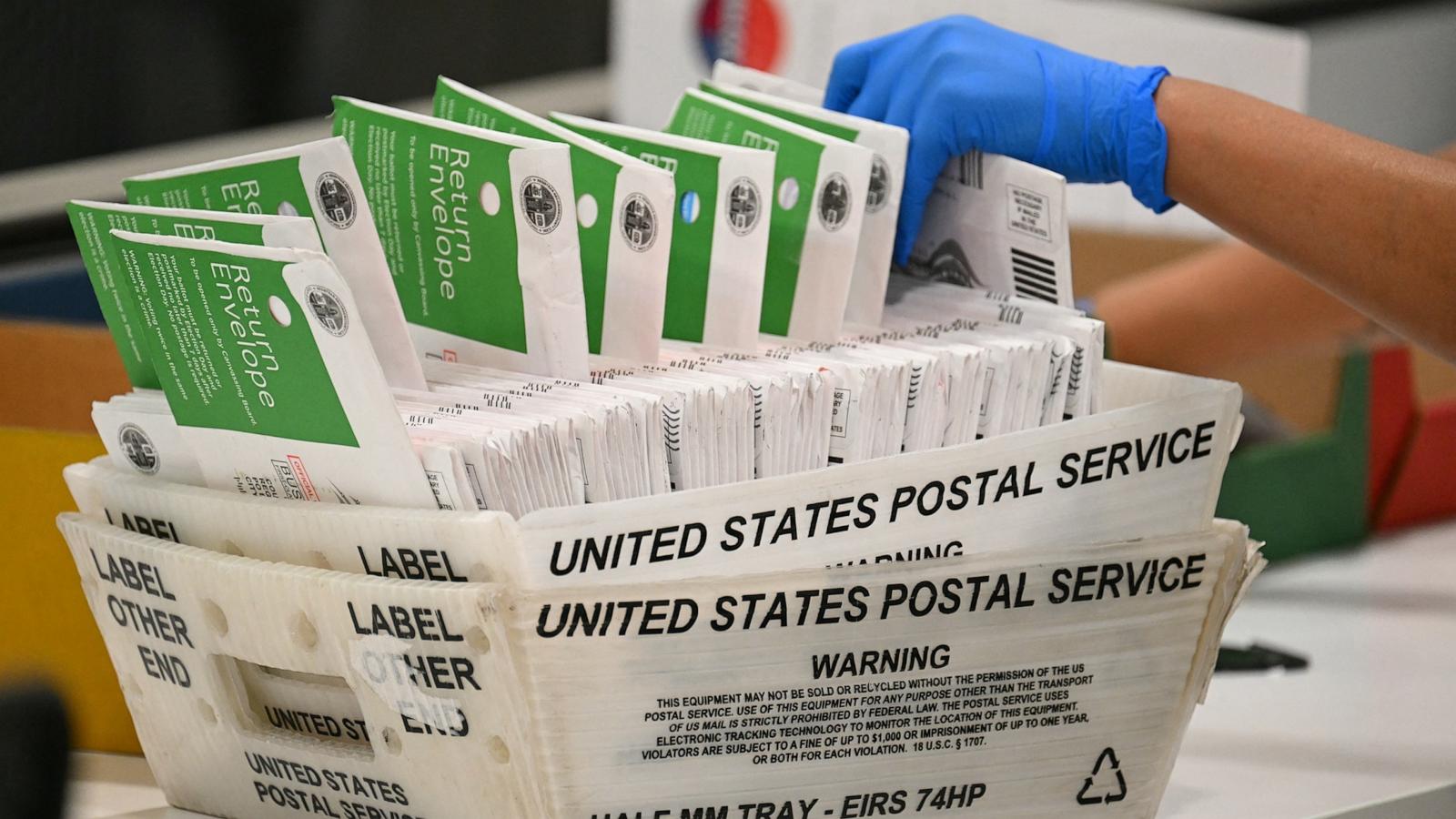
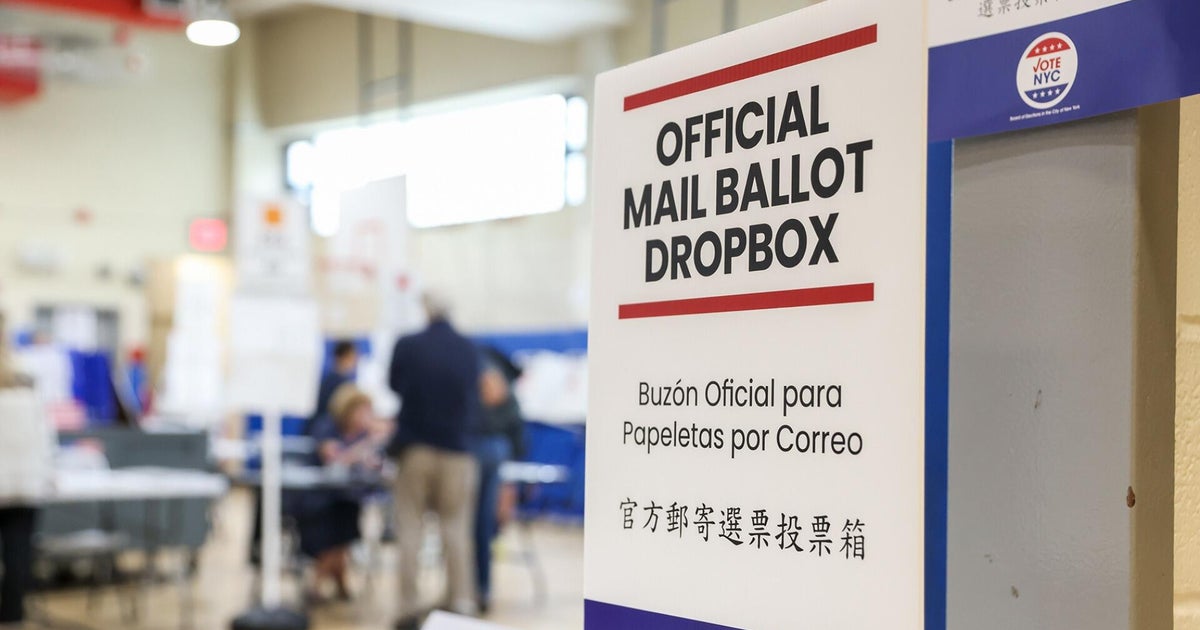
A whistleblower warned that the U.S. Postal Service’s new mail-in ballot system, proposed by President Donald Trump, is rushed and flawed. They said this system could cause major problems and possibly disrupt the upcoming midterm elections by rejecting or mishandling ballots.
Key Facts
The USPS is developing a new electronic system to track mail-in ballots, requiring states to send voter information linked to barcodes on ballots.
Postal workers would only deliver ballots to voters listed in the state-provided database.
A whistleblower with direct knowledge described the system as rushed, chaotic, and prone to "catastrophic failures."
The new USPS system is currently paused by a federal judge due to legal challenges about its lawfulness.
The first mail-in ballots under the current system will be sent soon to overseas military voters from North Carolina.
Critics, including voter advocates, fear the system could prevent some eligible voters from getting ballots because of added bureaucracy and possible errors.
Senator Richard Blumenthal sent a letter to the USPS Postmaster General demanding answers and urging the USPS to stop the plan.
There are allegations that USPS may have continued working on the system despite court orders to pause.
Read the Original
Want the full story? Tap a source to open the original
article.
The House of Representatives approved a funding plan that keeps the U.S. government running until December 11. This decision prevents a government shutdown just before the November midterm elections.
Key Facts
The House passed a continuing resolution to fund the government.
The funding will last through December 11, 2026.
The vote was supported by members from both political parties.
This action stops a potential government shutdown.
The decision was made ahead of the midterm elections in November 2026.
The Senate is expected to vote on the final approval of the resolution soon.
A government shutdown means many federal services stop because funding runs out.
Read the Original
Want the full story? Tap a source to open the original
article.
U.S. officials are working with Venezuelan businessman Alejandro Betancourt to gain control over large oilfields in Venezuela. The Pentagon holds a stake in Betancourt’s company, giving the U.S. rights to buy oil at cost, and officials defend this deal as a practical way to increase American access to oil despite Betancourt’s controversial background.
Key Facts
Alejandro Betancourt leads North American Blue Energy Partners, the company partnering with the U.S. government in Venezuela.
The Pentagon’s Office of Strategic Capital owns 35% of the company.
The U.S. can buy 20% of the oil output at cost after the company pays Venezuelan taxes.
U.S. officials describe Betancourt as a proven oil operator vetted by the administration.
Betancourt has past ties to the Trump administration and helped activities against Venezuelan leader Nicolás Maduro.
In 2018, Betancourt was named a "conspirator" in a money laundering case but was never charged due to lack of evidence.
Swiss authorities paused legal proceedings, allowing Betancourt to travel and finalize the oil deal.
Some experts question the legality and long-term impact of the U.S.-Venezuela oil agreement.
Read the Original
Want the full story? Tap a source to open the original
article.
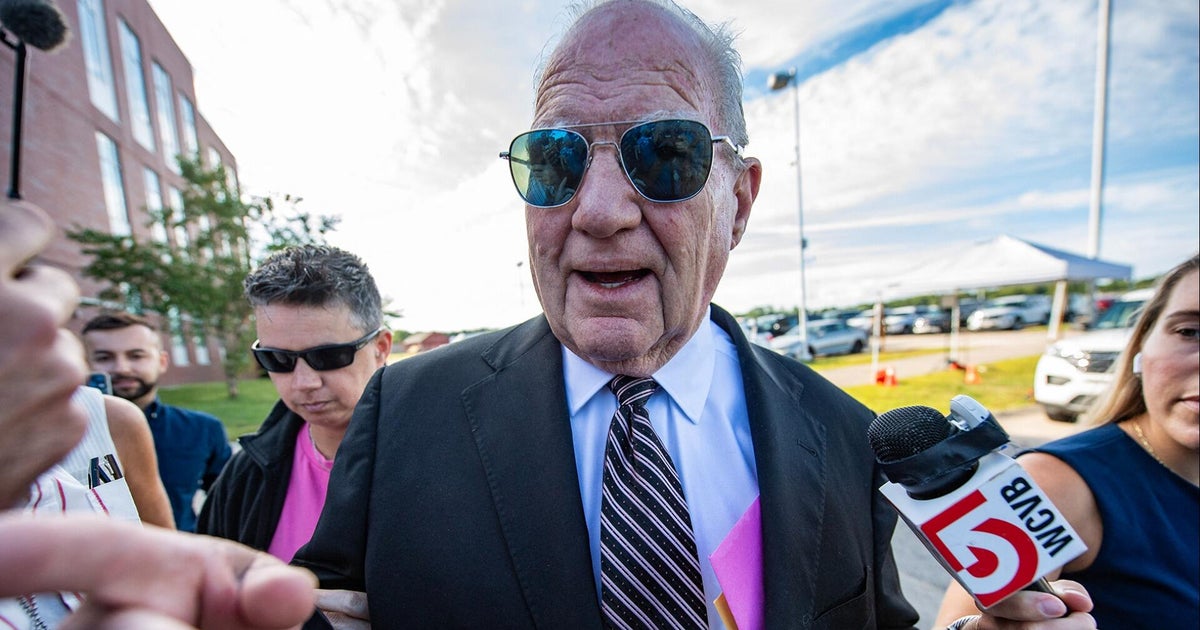
Many people have gathered at a courthouse in Massachusetts where Lindsay Clancy's trial is underway. These people want to meet her defense lawyer, Kevin Reddington.
Key Facts
Lindsay Clancy is on trial in Massachusetts.
Kevin Reddington is her defense attorney.
Supporters have come to the courthouse to meet Kevin Reddington.
The event has attracted public interest and media coverage.
CBS News reporter Shanelle Kaul is reporting on the situation.
Read the Original
Want the full story? Tap a source to open the original
article.
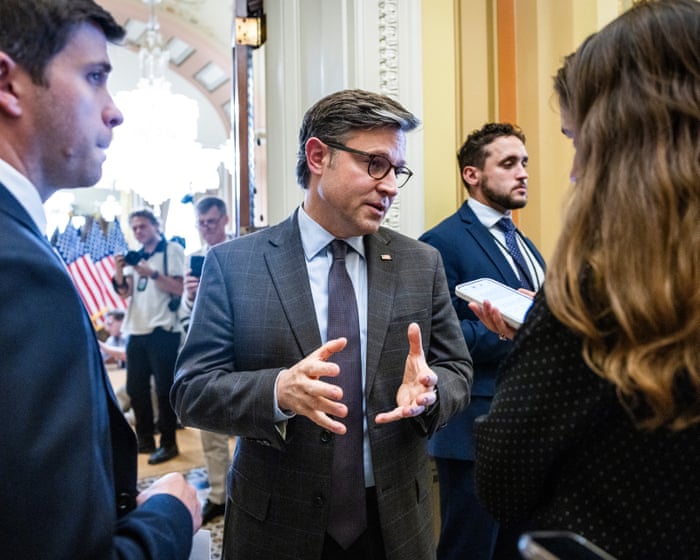
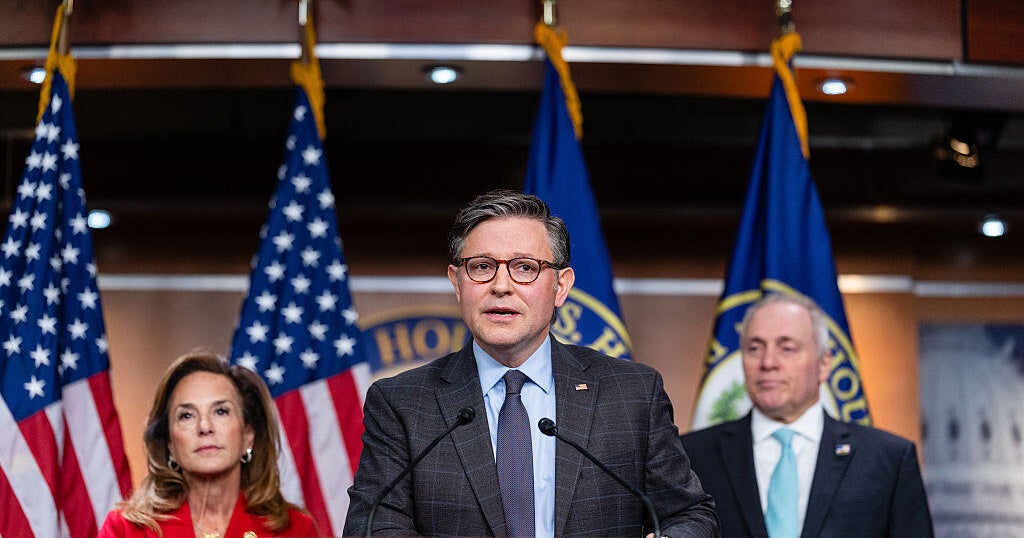
Two Democratic members of Congress voted with Republicans to approve a set of bills supported by the GOP. This helped stop some conservative Republicans from blocking the vote and allowed Speaker Mike Johnson’s plans for the week to move forward.
Key Facts
Two Democrats joined Republicans to advance GOP-backed bills.
The vote passed with a tally of 210 in favor and 208 against.
Five Republicans voted against the bills, showing some dissent.
Speaker Mike Johnson (R-La.) was leading the agenda that the bills were part of.
This kind of cross-party voting is uncommon.
The move prevented conservatives from blocking the vote.
Representatives Jared Golden and another Democrat were part of the cross-party votes.
Read the Original
Want the full story? Tap a source to open the original
article.
A Colorado teenager was arrested for making posts about a viral "Cat in the Hat" social media trend that shows people dressed as the character lurking near schools or homes. Authorities and schools across several states have warned about the trend because it causes fear and can lead to criminal charges.
Key Facts
The trend features videos or photos of people dressed as the Cat in the Hat lurking near streets, homes, or schools.
Some posts include threatening messages or try to scare people.
The trend started on Snapchat and spread to TikTok and other platforms, getting millions of views.
A 14-year-old student in Grand Junction, Colorado, was arrested for harassment related to this trend.
Police found no real threat but increased school security as a precaution.
Similar "killer clown" social media scares happened in 2016, also causing arrests.
Schools and police in Texas, Michigan, and Oklahoma have warned against joining the trend.
Officials say threatening posts on social media are taken seriously and may lead to criminal charges.
Read the Original
Want the full story? Tap a source to open the original
article.
The White House will hold a press briefing on Thursday, which will be the first in more than 40 days. An official confirmed the event but did not say who will speak at the briefing.
Key Facts
The upcoming press briefing is the first in over 40 days.
The briefing is scheduled for Thursday.
A White House official confirmed the plans but did not name the speaker.
The announcement follows the recent departure of former White House press secretary Karoline Leavitt.
The White House has had a long gap between press briefings.
Read the Original
Want the full story? Tap a source to open the original
article.
The US House of Representatives passed a government funding bill to prevent a shutdown before the November midterm elections. The bill keeps government spending at current levels until December 11 and now goes to President Donald Trump for approval.
Key Facts
The House approved the funding bill by a vote of 370 to 48.
The bill is called a continuing resolution (CR), which extends spending at current levels.
Without this bill, the government could have shut down at the end of September.
The Senate already approved the bill last month with strong support.
Earlier, the House passed a different CR, but Democrats rejected it due to concerns over immigration enforcement funding.
The new bill delays a White House rule that Democrats worried could allow Trump’s administration to cancel grants anytime.
Democrats and Republicans made this agreement to avoid a shutdown before crucial midterm elections.
Past funding disputes have led to government shutdowns and delays, especially over health care subsidies and immigration enforcement.
Read the Original
Want the full story? Tap a source to open the original
article.
The U.S. House of Representatives passed a short-term funding bill to keep the federal government open until early December. The Senate already approved the bill, and it now awaits President Donald Trump’s signature to avoid a government shutdown before the elections.
Key Facts
The House passed the funding bill by a vote of 370-48.
The bill prevents a government shutdown at the end of the current fiscal year in September.
The Senate has approved the same bill, so it will go to President Trump for approval.
The funding measure keeps federal agency budgets at current levels through December 11.
This stopgap is meant to avoid the disruption caused by last year’s record-long government shutdowns.
The bill includes changes to prevent money transfers within the Department of Homeland Security.
It delays a proposed rule allowing political appointees to block grants based on alignment with President Trump’s agenda.
Republicans want increased military spending and cuts to non-defense programs in the full-year budget, while Democrats want balanced funding for domestic programs.
Read the Original
Want the full story? Tap a source to open the original
article.
A whistleblower raised concerns about serious issues in the U.S. Postal Service's new system for handling mail ballots. These problems could affect how mail ballots are processed during elections.
Key Facts
A whistleblower has alerted officials about problems in the USPS mail ballot system.
The USPS has recently introduced a new system for processing mail ballots.
The whistleblower described the problems as "potentially catastrophic."
Mail ballots are important for voting, especially in elections where many people vote by mail.
CBS News election law expert David Becker discussed the issue.
The warning was shared as part of a CBS News report.
Read the Original
Want the full story? Tap a source to open the original
article.
The House of Representatives passed a short-term bill to fund the federal government until early December, avoiding a government shutdown during the election season. The Senate already approved the bill, and it now awaits President Donald Trump’s signature.
Key Facts
The House passed the funding bill with a vote of 370-48.
The bill prevents a government shutdown before the fiscal year ends in September.
The measure funds the government at current spending levels through December 11.
The bill includes changes such as limiting the Department of Homeland Security's ability to transfer funds to the Border Patrol.
It delays a proposed rule allowing political appointees to block federal grants on political grounds.
Democrats and Republicans continue to disagree on longer-term funding, especially military vs. domestic spending.
Lawmakers want to avoid shutdowns like the ones that happened last year, which caused major disruptions.
The bill provides more time to negotiate a full-year government budget.
Read the Original
Want the full story? Tap a source to open the original
article.
The Centers for Disease Control and Prevention (CDC) removed two reported measles deaths in Pennsylvania from its latest national data, questioning if measles caused the deaths. The move comes amid a dispute involving anti-vaccine activist Robert F. Kennedy Jr. and Pennsylvania officials, with limited information released about the deaths.
Key Facts
Pennsylvania health officials initially reported two measles deaths, a newborn and a child, both unvaccinated.
The CDC’s new director, Erica Schwartz, decided not to include these deaths in national measles data, citing unclear cause of death.
The CDC website changed measles death numbers multiple times before removing the two deaths and adding a note about uncertain cause.
Robert F. Kennedy Jr. publicly questioned the validity of the reported deaths and spread measles misinformation on social media.
The deaths occurred during a measles outbreak in Lancaster County, where the families involved live, notably in Amish communities.
A coroner suggested that the newborn’s death was due to a ruptured spleen, not directly caused by measles, but medical experts noted the baby was infected.
The baby’s mother was severely ill with measles at birth, and the baby was born with a pulse but died shortly after birth.
Officials have been criticized for not sharing enough details, which has allowed misinformation to spread.
Read the Original
Want the full story? Tap a source to open the original
article.
The U.S. Trade Representative, Jamieson Greer, said that trade talks with Canada are not happening right now because recent negotiations failed. New tariffs from President Donald Trump’s administration on Canadian goods have started, and the U.S. sees the situation as an urgent problem mainly for Canada.
Key Facts
Trade talks between the U.S. and Canada stopped last month.
New tariffs on Canadian products have begun under President Trump’s administration.
U.S. Trade Representative Jamieson Greer said there are no current negotiations with Canada.
Greer described the trade issue as more of an emergency for Canada than for the U.S.
The information was reported by Politico on a Tuesday.
Read the Original
Want the full story? Tap a source to open the original
article.
Senator Mike Rounds expressed disappointment about the resignation of Army Secretary Daniel Driscoll. He is also concerned about many changes happening among top military leaders under Secretary of Defense Pete Hegseth.
Key Facts
Sen. Mike Rounds represents South Dakota and is a senior Republican on the Senate Armed Services Committee.
Army Secretary Daniel Driscoll resigned recently.
Senator Rounds said Driscoll was a reliable and solid leader.
There is a wider pattern of turnover in senior military officers under Secretary of Defense Pete Hegseth.
Senator Rounds feels this turnover may be problematic.
Pete Hegseth is the current Secretary of Defense.
The resignation and leadership changes are taking place during President Donald Trump’s administration.
Read the Original
Want the full story? Tap a source to open the original
article.
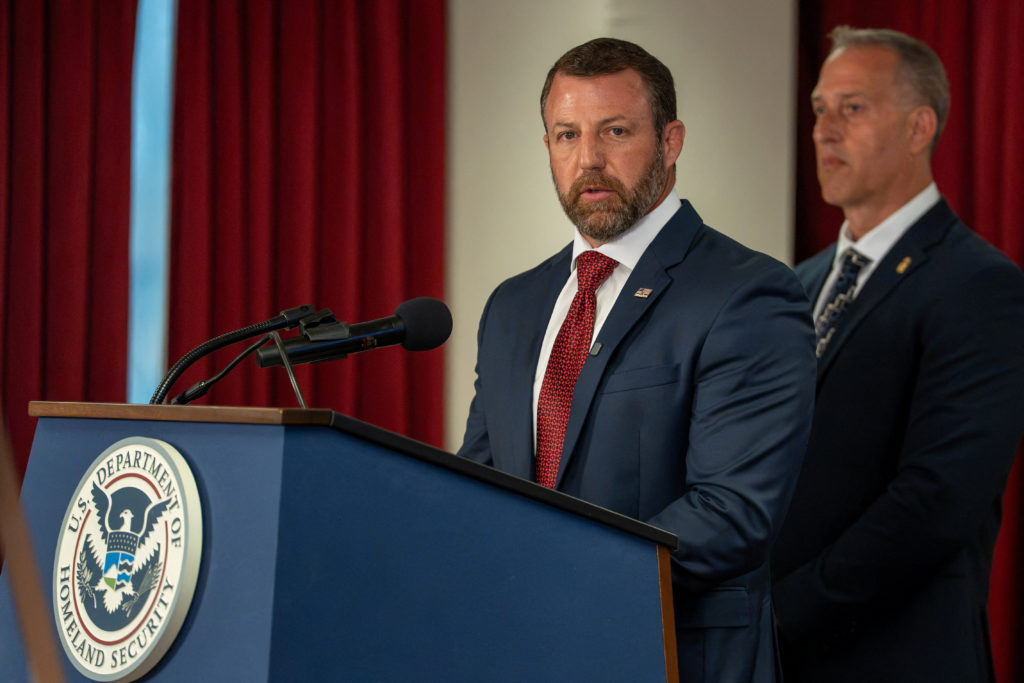
Homeland Security Secretary Markwayne Mullin said that Immigration and Customs Enforcement (ICE) arrested about 2,100 people in a special operation in New York over the past month. He described those arrested as criminals and criticized New York's governor and mayor for not cooperating with ICE.
Key Facts
ICE carried out a targeted arrest operation in New York over the last month.
About 2,100 people were arrested during this operation.
Secretary Mullin called the arrested individuals criminals.
Mullin criticized New York's governor and mayor for not working with ICE.
ICE has increased its operations across the country this summer.
Recent data shows ICE is arresting more people without criminal records.
This news conference took place in New York.
Read the Original
Want the full story? Tap a source to open the original
article.
Congress passed a short-term funding bill to keep the government running until December 11, avoiding a shutdown before the November midterm elections. The House and Senate agreed on the bill after negotiations, but longer-term funding talks remain stalled.
Key Facts
The House passed the funding bill with a vote of 370 to 48.
The Senate approved the bill in early August before its recess.
The bill extends government funding until December 11, beyond the midterm elections.
Without this bill, a government shutdown would have started on September 30.
The House Appropriations Committee has completed all 12 annual funding bills, but none have passed the Senate.
House Majority Leader Steve Scalise said the goal is to fund the government properly for now.
Senate delays, blamed on Democrats, have prevented full-year funding bills from advancing.
The bill includes provisions addressing Border Patrol funding and restrictions on federal grant cancellations.
Read the Original
Want the full story? Tap a source to open the original
article.