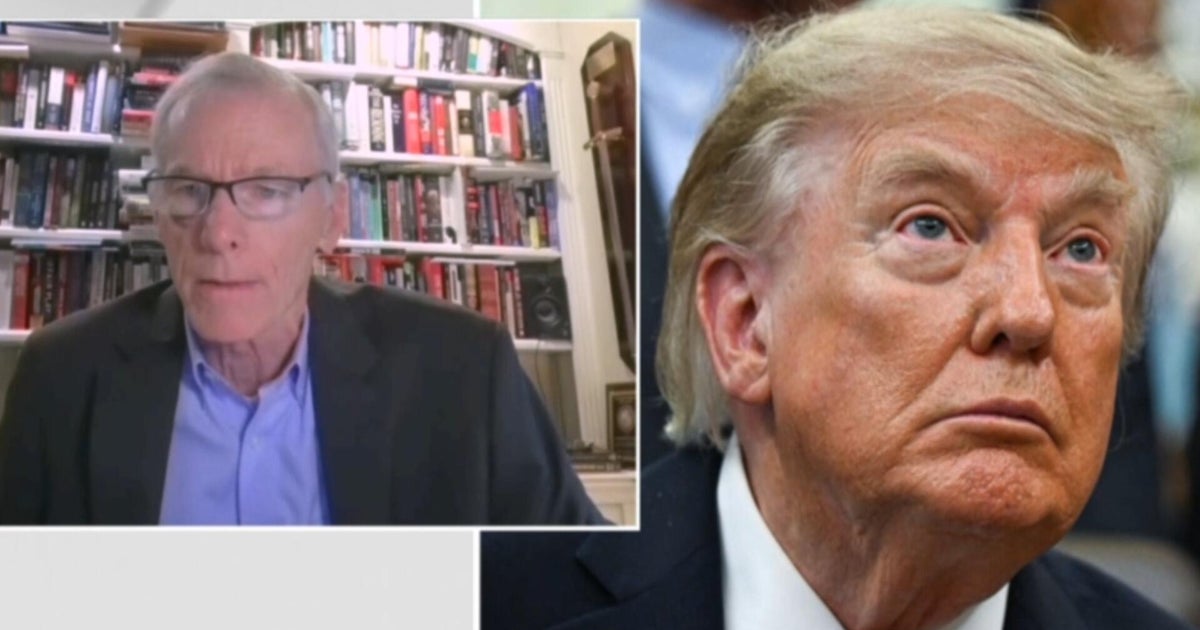
A House Oversight panel will hold a hearing to look into birth tourism, where foreign women come to the U.S. to have babies so their children gain citizenship. This follows a Supreme Court decision that limited President Trump’s attempts to change birthright citizenship rules.
Key Facts
The hearing is scheduled for Tuesday morning.
The focus is on birth tourism, meaning traveling to the U.S. to give birth for citizenship benefits.
The panel will investigate companies that offer maternity services specifically for these foreign women.
Republicans have raised concerns about birth tourism.
This hearing comes months after the Supreme Court ruled against President Trump’s efforts to restrict birthright citizenship.
Birthright citizenship means anyone born in the U.S. automatically becomes a citizen.
The panel is part of the House Oversight Committee, which checks on government and public issues.
Read the Original
Want the full story? Tap a source to open the original
article.
House Speaker Mike Johnson and Republican leaders are set to speak as the House gets ready to vote on a temporary government funding bill. The bill, passed earlier by the Senate, aims to prevent a government shutdown by extending funding until December 11.
Key Facts
The House will vote on a continuing resolution (CR) that funds the government temporarily.
The CR is designed to prevent a government shutdown after the current funding ends on September 30.
The Senate approved the CR earlier this month.
If passed, the CR would keep the government funded until December 11.
House Speaker Mike Johnson is leading the GOP discussion on the bill.
The CR is a short-term fix while lawmakers work on a longer budget deal.
A government shutdown means many federal government operations would stop due to lack of funding.
The vote is happening as the September 30 deadline approaches.
Read the Original
Want the full story? Tap a source to open the original
article.
Health and Human Services Secretary Robert F. Kennedy Jr. is speaking about reducing harmful screen time for children. The government wants stronger rules to protect kids online by involving schools, families, and tech companies to encourage healthier use of digital devices.
Key Facts
Robert F. Kennedy Jr. is the Health and Human Services Secretary.
He is addressing problems with too much screen time for children.
The government is asking for better protections for kids on the internet.
Efforts include actions by schools, families, and technology companies.
Lawmakers are considering new laws related to screen time and online safety.
The goal is to promote healthier digital habits among children.
This topic is part of a larger focus on children's health and safety online.
Read the Original
Want the full story? Tap a source to open the original
article.
President Donald Trump has brought back the Presidential Fitness Test, which had stopped in 2013. This means many children will take different physical tests this year to check their fitness levels.
Key Facts
The Presidential Fitness Test was originally stopped in 2013.
President Trump has decided to bring the test back.
The test measures various physical abilities of children.
The goal is to check and promote physical fitness in young people.
Dr. Amanda Kravitz, a doctor who works with children, provided information about this change.
The news was shared on CBS News.
Read the Original
Want the full story? Tap a source to open the original
article.
Billy Allison, 36, has pleaded not guilty to the murder of Matthew O’Gara and to causing serious injury to another man in Staffordshire. The trial is set to begin in October and is expected to last about 10 days.
Key Facts
Billy Allison is a member of the group Raise the Colours.
He has been charged with the murder of Matthew O’Gara and causing grievous bodily harm to a second person.
The incident occurred outside Ricco & Loren bar in Lichfield on May 24.
O’Gara was a businessman and director of the Plough pub in Huddlesford.
O’Gara died in hospital two days after the assault.
The second man involved also went to hospital but was later discharged.
Allison appeared in court via video from prison and pleaded not guilty.
The trial is scheduled to start on October 28 and may last around 10 days.
Read the Original
Want the full story? Tap a source to open the original
article.
A father shared how he responded calmly when a child used an offensive word to ask about his disabled toddler. He turned the moment into a lesson on respect and understanding, encouraging open and kind conversations about disabilities.
Key Facts
Chris Herring’s 16-month-old son, Oliver, has ReNU Syndrome, a rare brain disorder causing severe developmental delays and physical challenges.
Oliver is non-verbal and requires ongoing support for issues like seizures and muscle weakness.
A young boy asked if Oliver was “retarded,” a hurtful slur, during a public outing.
Instead of getting upset, Chris explained to the boy that Oliver is strong and works hard, and suggested using kinder words.
Chris shared this story on social media to encourage respectful curiosity and educate people about ReNU Syndrome.
The condition affects brain development and is often underdiagnosed, but families can request full genome testing for better diagnosis.
Chris urges parents to teach children to be inclusive and to ask questions politely about people who are different.
He emphasizes that disabilities do not reduce a person’s value or potential.
Read the Original
Want the full story? Tap a source to open the original
article.
Mary Peltola is now the only Democrat in Alaska’s Senate race after fellow Democrat David Leslie dropped out. This changes the race dynamic as Peltola faces three Republicans in the November election, and forecasts have slightly favored her since Leslie’s exit.
Key Facts
David Leslie, a Democrat who finished fourth in the primary, withdrew on August 31.
Leslie’s withdrawal allowed Gerald Heikes, initially fifth, to join the general election.
Mary Peltola received 49.54% of the primary vote; Republican Senator Dan S. Sullivan got 41.40%.
Alaska’s general election uses ranked-choice voting, where voters rank candidates and votes transfer until someone gets over 50%.
Polls show a close race, with Peltola slightly ahead in some but trailing in others.
Prediction markets gave Peltola roughly a 63-66% chance of winning in early August.
The presence of Daniel J. Sullivan Jr., who shares a name with the incumbent Dan S. Sullivan, adds complexity.
Alaska’s election system allows the top four primary candidates to advance regardless of party affiliation.
Read the Original
Want the full story? Tap a source to open the original
article.
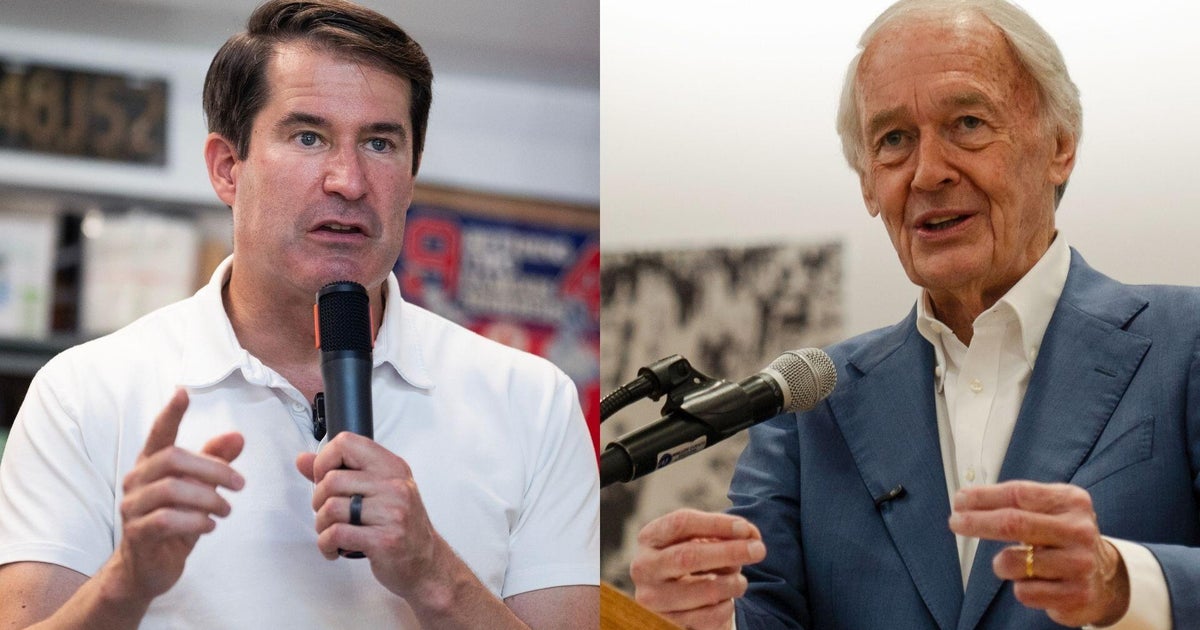
Senator Ed Markey, who has progressive views, is running against Representative Seth Moulton, who has more moderate views, in the Democratic primary for the U.S. Senate seat in Massachusetts. The race is part of the upcoming election.
Key Facts
Ed Markey is the current U.S. Senator from Massachusetts.
Seth Moulton is a U.S. Representative from Massachusetts.
Markey has a progressive political stance.
Moulton is considered a moderate Democrat.
They are competing in the Democratic primary for the Senate seat.
The primary will determine who runs as the Democratic candidate in the general election.
This race has attracted attention because of the differing political views.
The Senate seat could impact the balance of power in the U.S. Senate.
Read the Original
Want the full story? Tap a source to open the original
article.
An opinion piece says that President Donald Trump uses political and legal tactics similar to those of his former lawyer and mentor, Roy Cohn. The article suggests that these tactics are unethical.
Key Facts
President Donald Trump learned political and legal strategies from Roy Cohn.
Roy Cohn was a lawyer known for controversial and unethical methods.
The article claims President Trump uses similar tactics today.
The tactics involve aggressive legal and political moves.
The piece is an opinion article expressing concerns about ethical issues.
Read the Original
Want the full story? Tap a source to open the original
article.
Republican Representative Tim Burchett from Tennessee disagreed with President Donald Trump’s comment that communities opposing data centers want to remain "backwards and poor." Burchett said he is okay with being seen that way and suggested that data centers might be better placed on military sites.
Key Facts
President Trump said communities against data center construction want to be “backwards and poor.”
Rep. Tim Burchett disagreed and said, “I guess I’m backwards and poor.”
Burchett made his remarks on the steps of the House of Representatives.
He suggested that data centers might be better located at military installations.
Burchett is a Republican from Tennessee.
The discussion is about where data centers should be built.
Burchett spoke to Pablo Manríquez from MeidasTouch media.
Read the Original
Want the full story? Tap a source to open the original
article.
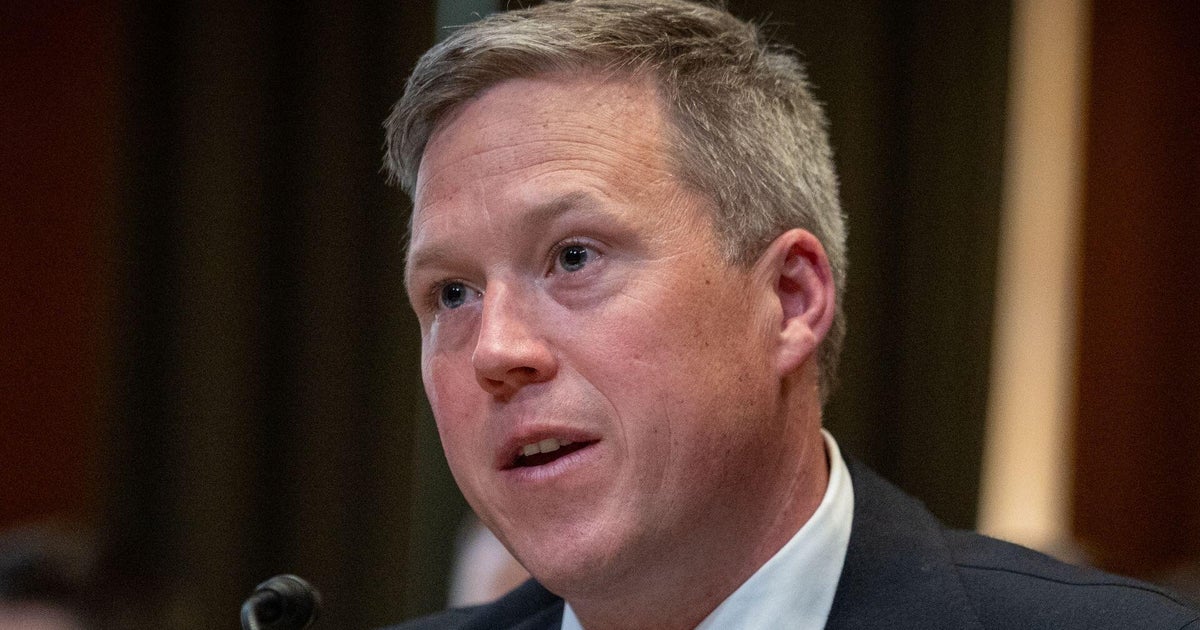
Army Secretary Dan Driscoll resigned after months of disagreements with Defense Secretary Pete Hegseth. Officials expect more high-ranking Pentagon departures to follow Driscoll’s resignation.
Key Facts
Dan Driscoll served as the Army Secretary.
Driscoll resigned due to ongoing conflicts with Defense Secretary Pete Hegseth.
The Pentagon is anticipating additional high-profile resignations soon.
The internal tensions have been reported by CBS News.
The report highlights unrest within the Pentagon leadership under President Donald Trump's administration.
Defense Secretary Pete Hegseth is a key figure involved in these tensions.
The resignations may impact the Pentagon’s operations and leadership stability.
Read the Original
Want the full story? Tap a source to open the original
article.
President Donald Trump’s approval rating is steady at 33 percent, which is the lowest point in his political career between his two terms. This rating comes from a recent Reuters/Ipsos poll released during concerns about the Iran war and rising prices.
Key Facts
President Trump’s current approval rating is 33 percent.
This rating has stayed the same for the third time in recent polling.
It is the lowest approval rating Trump has had between his two presidencies.
The poll was conducted by Reuters and Ipsos.
Public concerns include the war involving Iran and increasing costs of living.
The survey reflects opinions from a period of ongoing geopolitical and economic challenges.
Read the Original
Want the full story? Tap a source to open the original
article.
Ty Cobb, who worked as a lawyer in the White House during President Donald Trump’s first term, criticized the plan to build a ballroom in the White House. He said the building is being changed in a way he compares to a casino and a brothel. This comment came after the Supreme Court allowed construction to proceed.
Key Facts
Ty Cobb worked as a lawyer in the White House under President Trump’s first term.
Cobb criticized the White House ballroom construction project.
He described the changes as making the White House like a mix of a "whorehouse" and "Las Vegas."
The Supreme Court recently approved the construction to continue.
The project involves changing parts of the historic White House building.
Read the Original
Want the full story? Tap a source to open the original
article.
A House Judiciary panel is holding a hearing about sanctuary city policies and how they affect public safety. This hearing is part of the Trump administration and Republican efforts to pressure cities and states that limit their help with immigration enforcement.
Key Facts
The House Judiciary panel is examining sanctuary city policies.
Sanctuary cities limit cooperation with immigration enforcement officials.
The focus is on whether these policies impact public safety.
The Trump administration and Republicans want to withhold federal funding from sanctuary jurisdictions.
Efforts to target sanctuary cities have caused some public disagreement.
The hearing is scheduled for Tuesday morning.
Sanctuary policies are a key issue in current immigration debates.
Read the Original
Want the full story? Tap a source to open the original
article.
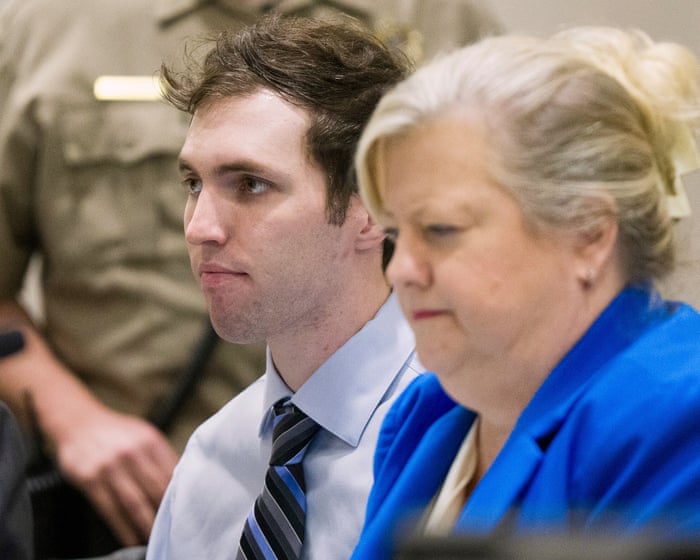
A judge in Utah will decide if Tyler Robinson will go to trial and if he should face the death penalty for the killing of conservative activist Charlie Kirk. Robinson is accused of shooting Kirk during a debate at Utah Valley University in September 2025.
Key Facts
Tyler Robinson, 23, is charged with aggravated murder in the death of Charlie Kirk.
The shooting happened at Utah Valley University on September 10, 2025.
Prosecutors say Robinson fired the fatal shot and seek the death penalty.
Robinson’s DNA was found on the murder weapon, according to prosecution evidence.
Robinson’s lawyers question the DNA evidence and say police did not explore other suspects.
The charge includes endangering others, which is why the death penalty applies in Utah.
Prosecutors claim Robinson targeted Kirk for his political views against gay marriage and transgender rights.
Kirk was a well-known conservative activist and co-founder of Turning Point USA.
Read the Original
Want the full story? Tap a source to open the original
article.
A woman was killed and another injured in a stabbing attack in Times Square, New York City. The suspect, armed with two knives, was shot dead by police after refusing to drop the weapons.
Key Facts
The attack happened late Wednesday afternoon near 41st Street and Seventh Avenue.
The suspect stabbed two victims; one, a 68-year-old man, is stable in hospital, while the other died.
Police tried to talk the suspect into dropping her knives for four minutes.
The suspect threatened to kill officers and waved the knives at them.
Tasers were used but did not stop the suspect.
Police then shot the suspect, who later died at Bellevue Hospital.
The suspect was Pamela Cisneros, 49, from Queens, with a history of mental health issues.
New York City Mayor Zohran Mamdani praised the police for stopping a worse attack.
Read the Original
Want the full story? Tap a source to open the original
article.
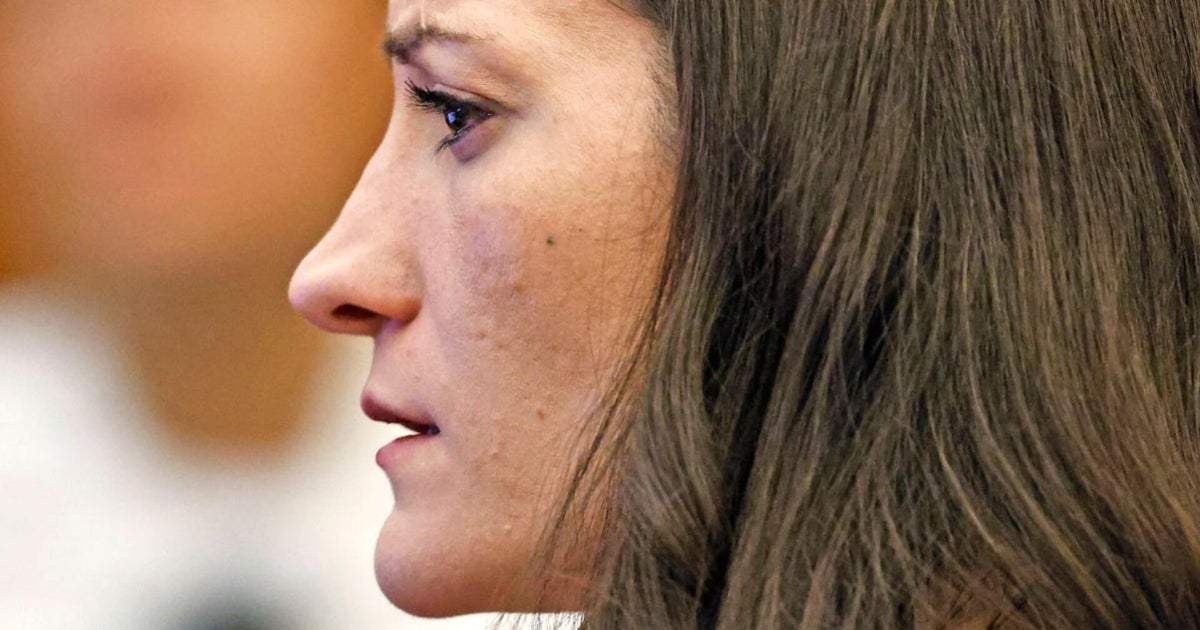
The jury in Lindsay Clancy's murder trial has entered its fourth day of deliberations without reaching a decision. The case remains unresolved as jurors continue to discuss the evidence.
Key Facts
Lindsay Clancy is on trial for murder.
The jury has been deliberating for four days.
No verdict has been announced yet.
The trial is being covered by CBS News.
Jurors are still discussing the case and evidence.
Read the Original
Want the full story? Tap a source to open the original
article.
The United States carried out limited strikes in Iran after a period of calm. President Donald Trump described the strikes as limited but did not rule out more action. Robert Murrett, a retired Navy vice admiral, shared his thoughts on the situation.
Key Facts
The U.S. launched air strikes against Iran following weeks without major conflict.
President Trump called these strikes "limited" in scope.
The president said more military action could still happen.
Robert Murrett, a retired Navy intelligence officer and vice admiral, commented on the strikes.
The situation marks a change after weeks of relative calm between the U.S. and Iran.
The strikes are part of ongoing tensions between the two countries.
The information was shared during a CBS News report.
Read the Original
Want the full story? Tap a source to open the original
article.
House Republicans plan to vote on a resolution condemning socialism that also includes a controversial voting law called the SAVE America Act. Many Democrats oppose the SAVE Act because it requires proof of citizenship to vote, which they say could block some American voters. Some moderate Democrats want a simpler bill that just denounces socialism without the voting law attached.
Key Facts
The House will vote on a resolution condemning socialism and supporting the SAVE America Act.
The SAVE America Act requires proof of U.S. citizenship to vote in federal elections.
Democrats generally oppose the SAVE Act, fearing it could prevent some citizens from voting.
Moderate Democrats tried to remove the SAVE Act from the bill but their amendment was rejected.
Some Democrats support a clean anti-socialism resolution without the voting law attached.
Rep. Josh Gottheimer and other moderates say they oppose the Democratic Socialists of America.
Rep. Brad Schneider called the bill a "voter suppression bill" despite its anti-socialism label.
Retiring Rep. Jared Golden may vote for the whole resolution despite disagreeing with the SAVE Act.
Read the Original
Want the full story? Tap a source to open the original
article.
Army Secretary Dan Driscoll resigned after several months of disagreements with Secretary of Defense Pete Hegseth. His resignation was announced on Monday, marking the end of ongoing clashes between the two officials.
Key Facts
Dan Driscoll served as the Army Secretary before resigning.
His resignation was made public on a Monday.
Driscoll and Pete Hegseth, the Secretary of Defense, had ongoing disputes.
The disagreements continued for several months before the resignation.
The resignation follows a breaking point in their conflicts.
CBS News reported the story with coverage by Charlie D'Agata.
The conflict affected the senior leadership in the U.S. Army and Defense Department.
Read the Original
Want the full story? Tap a source to open the original
article.