The US Supreme Court allowed construction of a $400 million ballroom at the White House to continue. The Court’s 5-4 decision reversed lower courts that had blocked the project, despite opposition from the National Trust for Historic Preservation.
Key Facts
The Supreme Court ruled 5-4 in favor of letting construction go ahead.
The project includes a new ballroom and a military complex at the White House.
The Trump administration requested an emergency ruling to stop lower court blocks.
The National Trust for Historic Preservation filed a lawsuit to stop the construction.
The Trust argued that President Trump cannot build on federal land without Congress’s permission.
The dissenting justices said Congress has not given explicit approval for this construction.
Supporters say the ballroom is needed for events and President Trump’s security.
The Court majority said the Trust may not have legal standing to sue over the project.
Read the Original
Want the full story? Tap a source to open the original
article.
A report by SmartAsset shows that making $120,000 a year is not enough to live comfortably in many U.S. states, especially in places with a high cost of living like Hawaii, California, and New York. Rising prices for housing, food, and other essentials have made it harder for people to afford basic needs despite higher wages.
Key Facts
$120,000 a year used to be seen as a secure income but now often only provides limited financial comfort.
Hawaii requires a single adult to earn about $129,000 and a family of four to earn $313,165 to live comfortably.
Nearly half of U.S. states need a single adult to make more than $100,000 annually for a comfortable lifestyle.
The report uses the 50/30/20 budgeting rule: 50% for needs, 30% for wants, 20% for savings and debt.
Besides Hawaii, Massachusetts, California, and New York require the highest incomes to live comfortably.
Housing costs are the main factor making living expenses high, worsened by pandemic-related price increases and higher mortgage rates.
Other rising costs include food, healthcare, taxes, transportation, and utilities.
Economists expect affordability to remain a major challenge for many Americans in the coming years.
Read the Original
Want the full story? Tap a source to open the original
article.
House Minority Leader Hakeem Jeffries expressed concerns about a Senate bill that would add new sanctions on countries buying Russian oil during the war with Ukraine. He did not fully oppose the bill but warned it might support President Trump’s tariff policies in unwanted ways.
Key Facts
The Senate passed a bill to impose new sanctions on countries purchasing Russian oil.
The sanctions relate to Russia’s ongoing war with Ukraine.
Hakeem Jeffries is the House Minority Leader and a Democrat from New York.
Jeffries raised serious concerns about the potential effects of the bill.
He cautioned the bill might reinforce some of President Trump’s tariff strategies.
Jeffries stopped short of fully opposing the legislation.
The bill is still under discussion in Congress.
Read the Original
Want the full story? Tap a source to open the original
article.
The US Supreme Court, in a 5-4 decision, allowed President Donald Trump to continue building a $400 million ballroom at the White House. This ruling blocks a lower court’s order that had stopped construction while a preservation group challenges the project in court.
Key Facts
The Supreme Court’s decision was split 5 to 4.
President Trump is building a $400 million ballroom at the White House.
A historic preservation group filed a lawsuit to stop the construction.
A lower court had ordered construction to stop, but the Supreme Court blocked that order.
Chief Justice John Roberts disagreed with the latest ruling and joined the dissenting four justices.
The dissenting justices said the construction is “likely unlawful.”
The ballroom replaces the historic East Wing of the White House, which was demolished last year.
President Trump has called the project “a gift” to the American people.
Read the Original
Want the full story? Tap a source to open the original
article.
A federal judge has approved force-feeding an Afghan man accused of attacking two National Guard members in Washington, D.C. The court order permits prison officials to give him medical treatment and nutrition against his will if needed.
Key Facts
The accused is an Afghan national.
He is charged with ambushing two National Guard members in the U.S. capital.
U.S. District Judge Amit Mehta issued the order.
The order allows the Bureau of Prisons to provide medical care and nutrition without the accused’s consent.
This measure is to be used while the accused is in jail.
The decision was made recently, as of Saturday.
The case involves security personnel stationed in Washington, D.C.
Read the Original
Want the full story? Tap a source to open the original
article.
The Supreme Court has decided to let the White House keep building a $400 million ballroom while lawsuits are still ongoing. This decision cancels a temporary stop that Chief Justice John Roberts had set before a lower court's order to stop the work began.
Key Facts
The Supreme Court was divided in its decision.
The ruling permits construction on the White House ballroom project to continue.
The ballroom project costs $400 million.
Construction was previously paused by a lower court order.
Chief Justice John Roberts had earlier issued a temporary order to allow the work to go on.
The new Supreme Court decision replaces Roberts' temporary order.
Legal cases related to the ballroom project are still unresolved.
The building is part of the White House.
Read the Original
Want the full story? Tap a source to open the original
article.
President Donald Trump said it is too soon to talk about whether Defense Secretary Pete Hegseth might run for president in 2028. He praised Hegseth’s current work but did not discuss any plans for a future campaign.
Key Facts
President Trump spoke to reporters in the Oval Office.
He responded to questions about Pete Hegseth potentially running for president in 2028.
Trump said it is very early to discuss Hegseth’s presidential run.
Trump said Hegseth is doing a fantastic job as Defense Secretary.
The comments came amid rumors or discussion about future elections.
No official announcement or endorsement was made regarding Hegseth’s political future.
Read the Original
Want the full story? Tap a source to open the original
article.
The Supreme Court allowed the White House to keep building a $400 million ballroom while legal challenges continue. The court did not decide if the project is legal, but said the group suing over the project probably does not have the right to stop it.
Key Facts
The White House is building a $400 million ballroom on the site of the old East Wing.
The National Trust for Historic Preservation sued, saying President Trump cannot order the project alone without Congress’s approval.
Federal courts first stopped the construction, but the Supreme Court let it continue.
Chief Justice John Roberts and three liberal justices disagreed with the Supreme Court’s decision.
The Trump administration says the project is necessary for national security.
Construction crews are working long hours; parts of the project could finish by November, with full completion in 2028.
Lower courts are still deciding the lawsuit but have disagreed on whether the preservation group can legally challenge the project.
A judge appointed by George W. Bush initially stopped aboveground construction but allowed underground work to continue.
Read the Original
Want the full story? Tap a source to open the original
article.
Seven parents in a Philadelphia suburb sued their local school district for removing the option to opt out of internet use on school devices. They argue the new policy denies parents control over their children’s education and exposes students to harmful online content. The school district denies these claims and will respond through the court system.
Key Facts
The lawsuit was filed against the Lower Merion School District and several officials.
The district’s new policy limits technology use in elementary schools and delays giving laptops or iPads until fifth grade.
The previous policy allowing parents to refuse internet-connected devices was repealed in June.
Parents say the policy creates unsafe conditions and risks exposing students to inappropriate content.
Only three of the seven families suing currently have children enrolled in the district.
The lawsuit is supported by the EdTech Law Center, which is involved in similar cases against education technology companies.
Experts say it is rare for disputes over school tech policies to reach federal court.
The case follows recent statements by Education Secretary Linda McMahon supporting parental rights to request alternatives to certain educational technology.
Read the Original
Want the full story? Tap a source to open the original
article.
President Donald Trump has asked Apple to rename Lake Ontario to “Lake America” on its maps, following his executive order to change the lake's name in the U.S. Geographic Names Information System. Google Maps has already made this change for U.S. users, while Canadian users still see “Lake Ontario,” reflecting differences between the two countries.
Key Facts
President Trump wants Apple to change Lake Ontario’s name to “Lake America” on its maps.
Interior Secretary Doug Burgum said Trump contacted Apple directly about the name change.
Google Maps changed the lake’s name for U.S. users but keeps the original name for Canadian users.
The lake lies between New York state in the U.S. and Ontario province in Canada.
Trump signed an executive order directing the Interior Department to update the lake’s name in the U.S. system.
Canada does not recognize the name change and disagrees with the move.
The Seneca Nation leader said changing the name disrespects Indigenous people and violates a treaty.
Similar renaming was done last year when Trump directed the Gulf of Mexico be called the Gulf of America in U.S. maps.
Read the Original
Want the full story? Tap a source to open the original
article.
The Supreme Court allowed President Trump to continue building the White House ballroom. The court's 5-4 decision means that construction work above ground can move forward after being paused during the court case.
Key Facts
The Supreme Court made the decision on Monday.
The ruling was close, with 5 justices in favor and 4 against.
The decision lets President Trump proceed with the ballroom project.
Construction work above ground was previously stopped due to the legal case.
The ruling is expected to be the final decision on this matter.
Read the Original
Want the full story? Tap a source to open the original
article.
President Donald Trump announced that his administration has made deals with nine more drug companies to help reduce prescription drug costs for Americans. These agreements add to previous ones, involving most of the pharmaceutical market, and are expected to save consumers over $600 billion soon.
Key Facts
President Trump’s administration signed agreements with nine additional pharmaceutical companies.
These deals aim to lower the prices people pay for prescription drugs.
The total saved by these agreements is projected to be more than $600 billion in a short time.
The nine companies include Alcon, Astellas Pharma, BeOne Medicines, BridgeBio, CSL, Kyowa Kirin, Sun Pharma, Teva Pharmaceuticals, and UCB.
Together with earlier deals, 26 companies now represent 90% of the U.S. pharmaceutical market.
The companies will provide their drugs to all state Medicaid programs, offering more savings to Americans.
The companies agreed to invest $19.6 billion in drug manufacturing.
Earlier efforts include the TrumpRx website, which offers drug discounts to consumers.
Read the Original
Want the full story? Tap a source to open the original
article.
The Supreme Court allowed the Trump administration to continue building a ballroom in the White House East Wing during ongoing legal challenges. The Court’s decision means the construction will likely finish before any final court rulings or appeals are made.
Key Facts
The Supreme Court issued an unsigned opinion permitting the White House ballroom construction to proceed.
The construction is on the site where the East Wing once stood.
This decision came while legal cases about the project are still active.
Chief Justice John Roberts and three liberal justices disagreed with the decision.
The project is likely to be mostly finished before the courts reach final decisions.
The Trump administration requested the Court’s permission to continue work during the lawsuit.
The article was published on August 31, 2026.
Read the Original
Want the full story? Tap a source to open the original
article.
The Supreme Court decided by a 5-4 vote to allow the construction of the White House ballroom to continue. This decision stops a lower court from blocking the work above ground until Congress gives more approvals.
Key Facts
The Supreme Court ruling was split 5-4.
The construction is for a new ballroom at the White House.
President Donald Trump said the project is needed for national security.
A lower court had blocked construction above ground pending more congressional approval.
The five justices who allowed construction to continue were conservative.
The decision lifts restrictions set by the lower court on the project.
Congress had not given additional permissions before the construction resumed.
Read the Original
Want the full story? Tap a source to open the original
article.
The Supreme Court allowed construction to continue on a new large ballroom at the White House, which President Trump supports. The Court stopped a lower court from blocking the project and said a preservation group did not have the right to sue.
Key Facts
The new ballroom will be 90,000 square feet and is being built where the East Wing once stood.
The Supreme Court voted 5-4 to allow the construction to proceed.
The National Trust for Historic Preservation sued to stop the project but was ruled not to have legal standing.
The Supreme Court did not decide if the East Wing project itself is legal.
Chief Justice John Roberts and three other justices disagreed with the majority.
Roberts had earlier allowed work to continue temporarily to give the Court more time to decide.
President Trump supports constructing the new ballroom.
The ruling removes a temporary block placed by lower courts on the construction.
Read the Original
Want the full story? Tap a source to open the original
article.
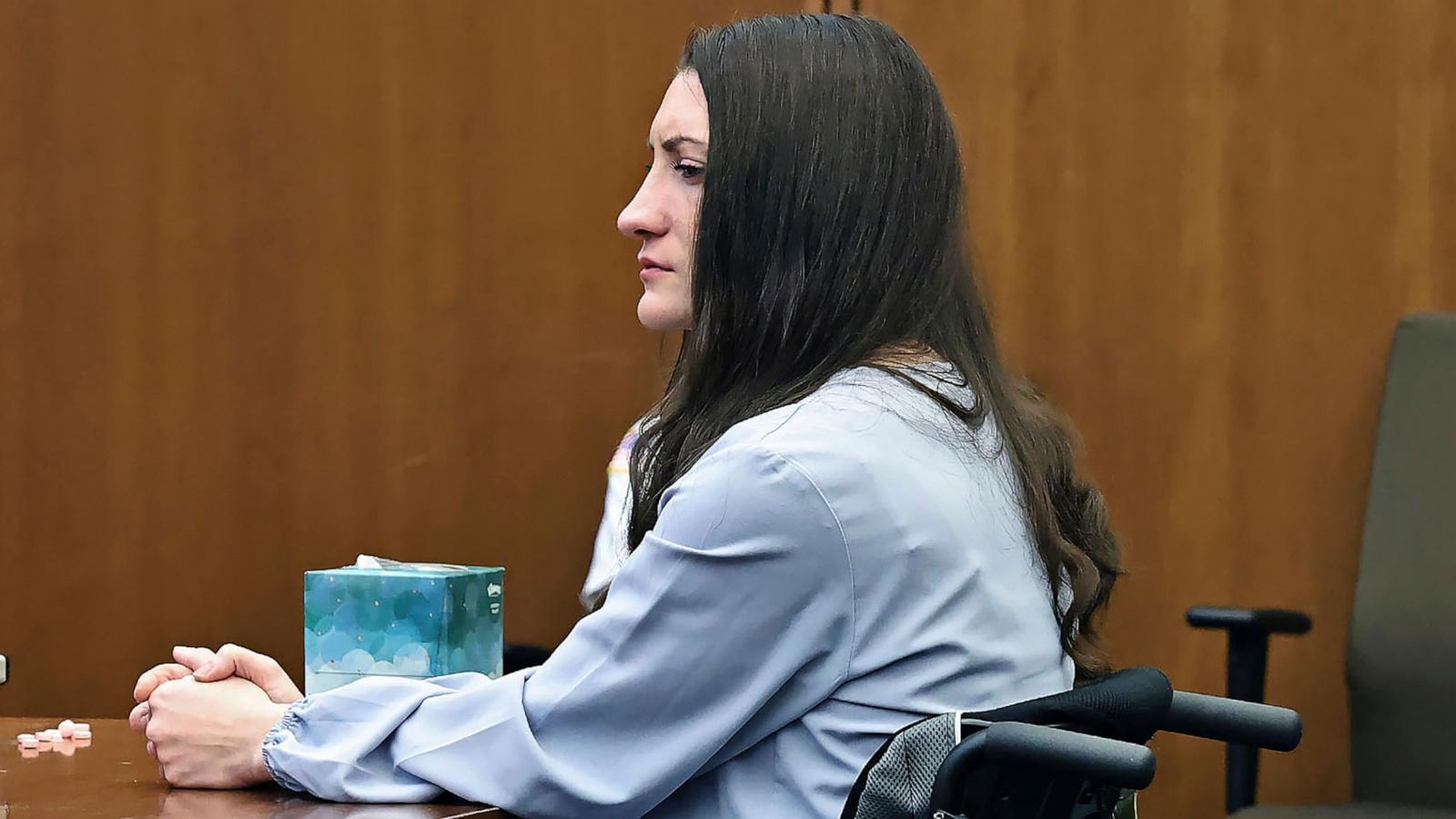
The jury in Lindsay Clancy’s murder trial has paused deliberations without reaching a verdict. Clancy is accused of killing her three children but claims she had a mental illness called postpartum psychosis at the time.
Key Facts
Lindsay Clancy is on trial for killing her three young children in Massachusetts.
The killings happened on January 24, 2023, inside their home.
Clancy pleaded not guilty to three counts of first-degree murder.
Her defense says she was suffering from postpartum psychosis, a severe mental illness related to childbirth.
Prosecutors argue Clancy is responsible for her actions and should be convicted.
If found guilty, she could spend life in prison without parole.
If found not responsible due to mental illness, she would be sent to a state mental health facility instead.
The jury has deliberated for about 16 hours over three days and will continue on the next day.
Read the Original
Want the full story? Tap a source to open the original
article.
US health officials are not counting two recent measles-related deaths in Pennsylvania in their official numbers while they review the cases. This differs from how previous measles deaths were handled, and some officials have questioned the accuracy and political nature of communication around these deaths.
Key Facts
Two measles-related deaths in Pennsylvania in August are currently excluded from official US counts.
These deaths include at least one newborn who died shortly after birth.
The CDC says it is reviewing information to confirm if measles caused or contributed to these deaths.
Last year, three measles deaths in Texas and New Mexico were counted in official reports.
Robert F. Kennedy Jr., HHS Secretary, said only three measles deaths happened in the past 10 years and suggested the Pennsylvania deaths were “fabricated.”
The CDC delayed its weekly measles update and temporarily showed inconsistent information about these deaths.
Health experts say the CDC’s approach is unusual and could harm cooperation between federal and state health agencies.
A mother in Pennsylvania who was ill with measles gave birth early to a newborn who died; she could not get vaccinated during pregnancy.
Read the Original
Want the full story? Tap a source to open the original
article.
House Democrats have introduced a bill to stop President Trump from renaming Lake Ontario to "Lake America." This move comes after President Trump signed an executive order to change the lake's name amid trade tensions with Canada.
Key Facts
Three House Democrats introduced the “Hands Off Our Great Lakes Act.”
The bill aims to stop President Trump from renaming Lake Ontario.
President Trump signed an executive order last week to rename the lake.
The proposed new name is “Lake America.”
The renaming is linked to ongoing trade disputes between the U.S. and Canada.
The bill would prohibit the president and the Interior Department from changing the lake’s name.
Lake Ontario is one of the five Great Lakes in North America.
The legislative effort reflects opposition to the executive order from some U.S. lawmakers.
Read the Original
Want the full story? Tap a source to open the original
article.
President Donald Trump announced new agreements with nine biotechnology and pharmaceutical companies to lower drug prices for Medicaid programs. These deals ensure that Medicaid will pay the lowest prices available worldwide for the covered medicines.
Key Facts
The agreements involve nine midsize biotech and pharmaceutical companies.
The deals apply to state Medicaid programs, which provide health coverage to low-income people.
The companies agreed to offer their drugs at the lowest price they charge anywhere in the world.
President Trump made the announcement in the Oval Office, with executives from the companies present.
The goal is to reduce medication costs for Medicaid recipients.
Medicaid is a government program that helps people pay for health care based on income.
The agreements aim to make spending on drugs more affordable for states using Medicaid.
Read the Original
Want the full story? Tap a source to open the original
article.
Vice President Vance spoke at a campaign rally in Detroit and called Democratic Senate candidate Abdul El-Sayed "very, very evil." He expressed concern about El-Sayed’s influence, saying it represents a harmful trend in the United States.
Key Facts
Vice President Vance held a campaign rally in Detroit.
At the rally, he criticized Abdul El-Sayed, a Democratic candidate for the Michigan Senate.
Vance described El-Sayed as "very, very evil."
Vance suggested that El-Sayed’s views are part of a growing harmful movement in the U.S.
The event was part of the ongoing political campaign in Michigan.
Abdul El-Sayed is running as the Democratic nominee for the Senate seat in Michigan.
The statement took place in a public, political setting during an election season.
Read the Original
Want the full story? Tap a source to open the original
article.