The Trump administration deported an Afghan man and several others to the Central African Republic, despite the man's legal protection from being sent back to Afghanistan. The Afghan man's family helped the US military and faced threats from the Taliban, who control Afghanistan.
Key Facts
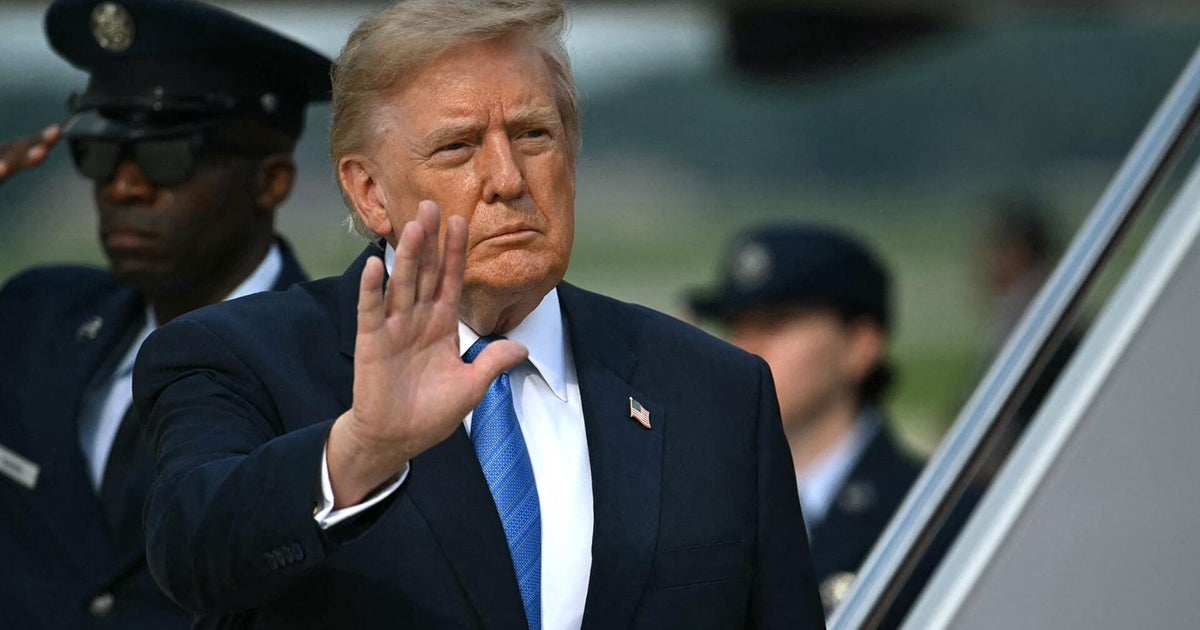
President Donald Trump's administration deported dozens of people, including Afghans and others, to the Central African Republic (CAR).
An Afghan man in his early 20s, protected from deportation to Afghanistan by a US judge due to Taliban persecution fears, was among those deported.
The man's family members worked with the US military and received threats from the Taliban because of this.
One brother served in the Afghan National Army and lives in the US; another was a US-trained pilot killed by the Taliban.
The deportation flight to CAR included 12 Afghans, 8 Iranians, and people from Nepal and Nicaragua.
This was the third US deportation flight to the Central African Republic in 2024.
The US State Department advises citizens not to travel to the Central African Republic due to dangers like crime, kidnapping, and terrorism.
The Trump administration has made agreements to deport people to countries where they have no ties as part of its efforts to crack down on immigration.
Read the Original
Want the full story? Tap a source to open the original
article.
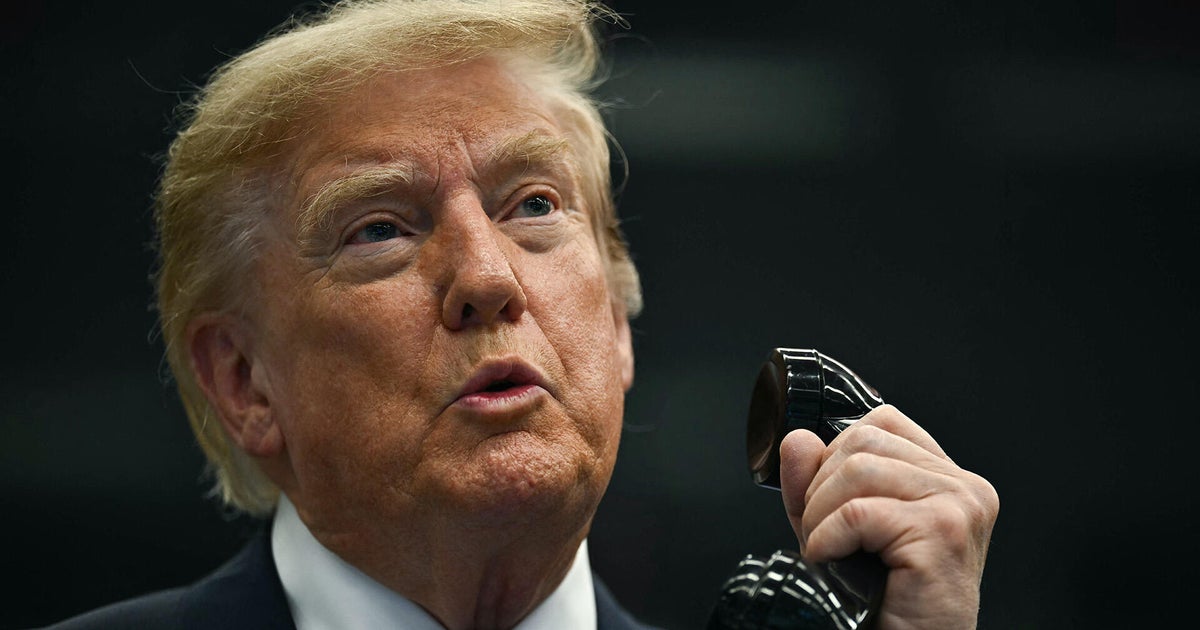
Conservative podcaster Tucker Carlson said President Donald Trump should be removed from office right away if he thinks about using nuclear weapons first. Carlson believes that even thinking about using nuclear weapons first should stop someone from being president.
Key Facts
Tucker Carlson is a conservative podcaster.
He spoke on Friday about President Trump and nuclear weapons.
Carlson said any president who considers first using nuclear weapons should be removed immediately.
He thinks just thinking about this action makes someone unfit to be president.
The statement focuses on the use of nuclear weapons as a reason for removal from office.
This is a political opinion expressed publicly by Carlson.
Read the Original
Want the full story? Tap a source to open the original
article.
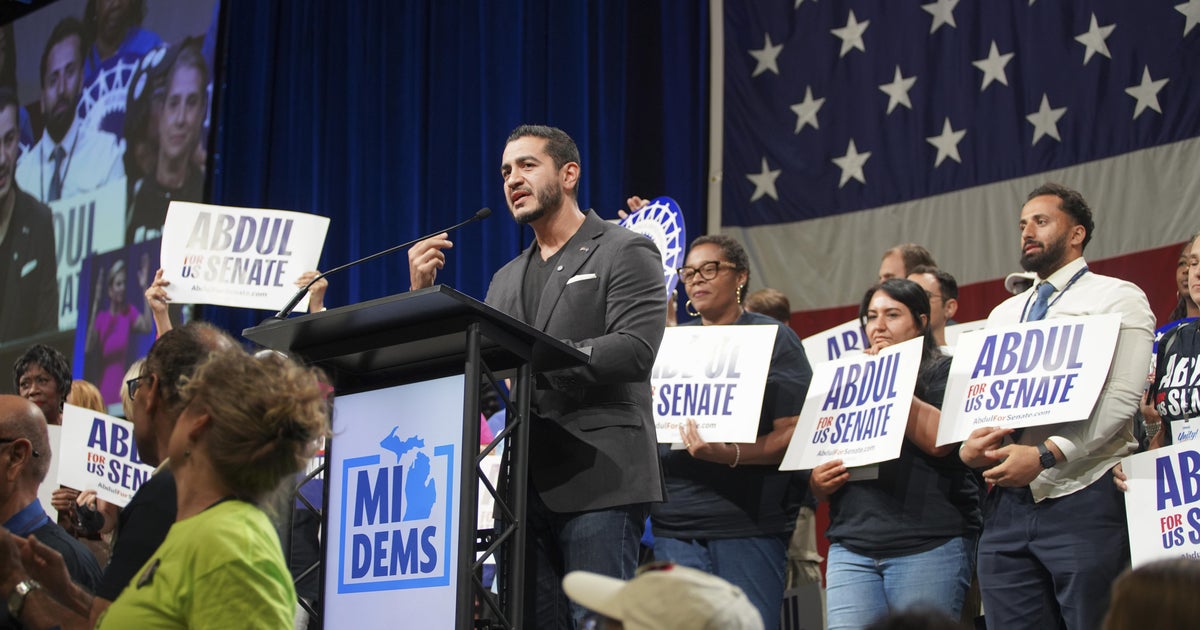
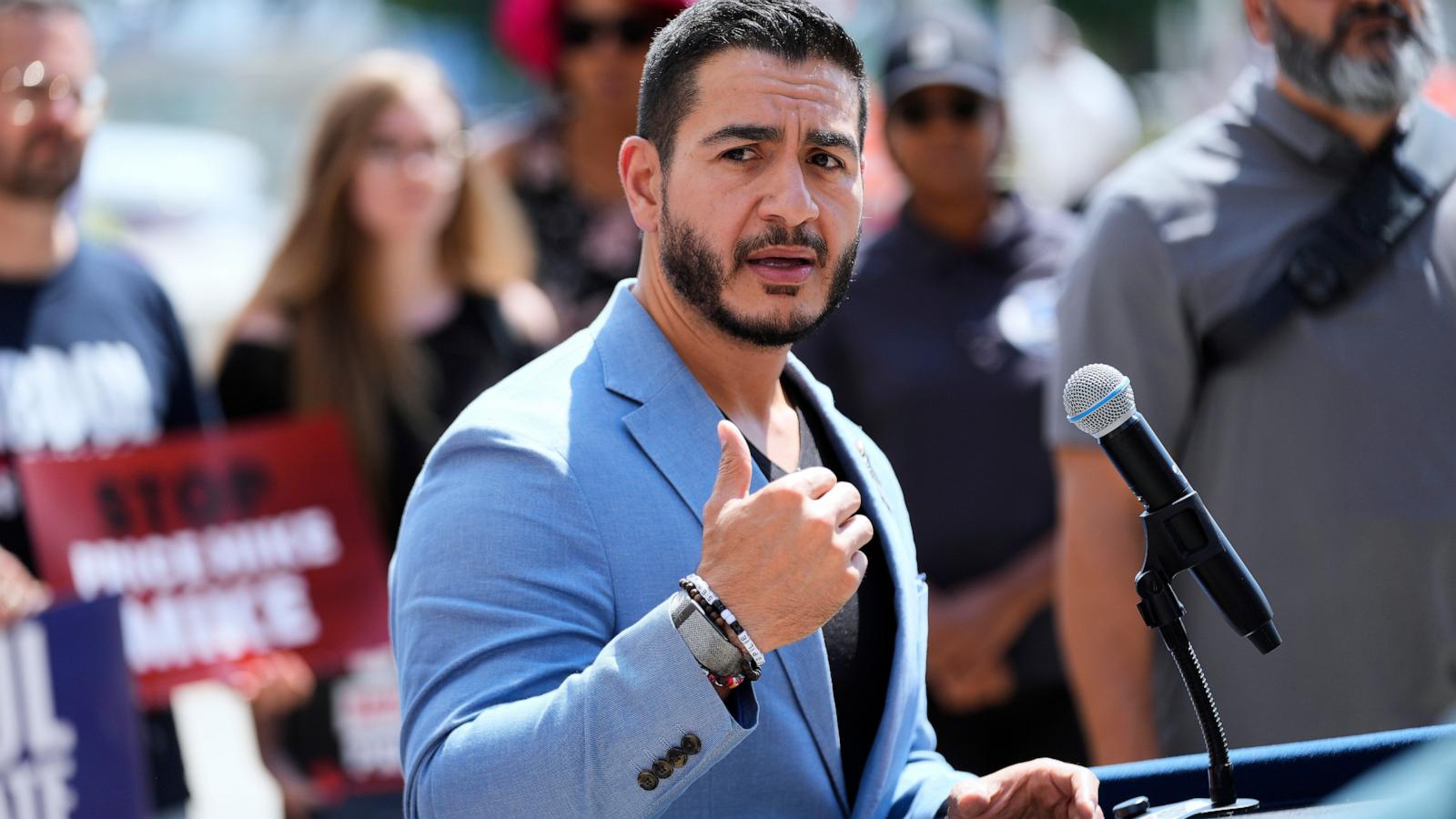
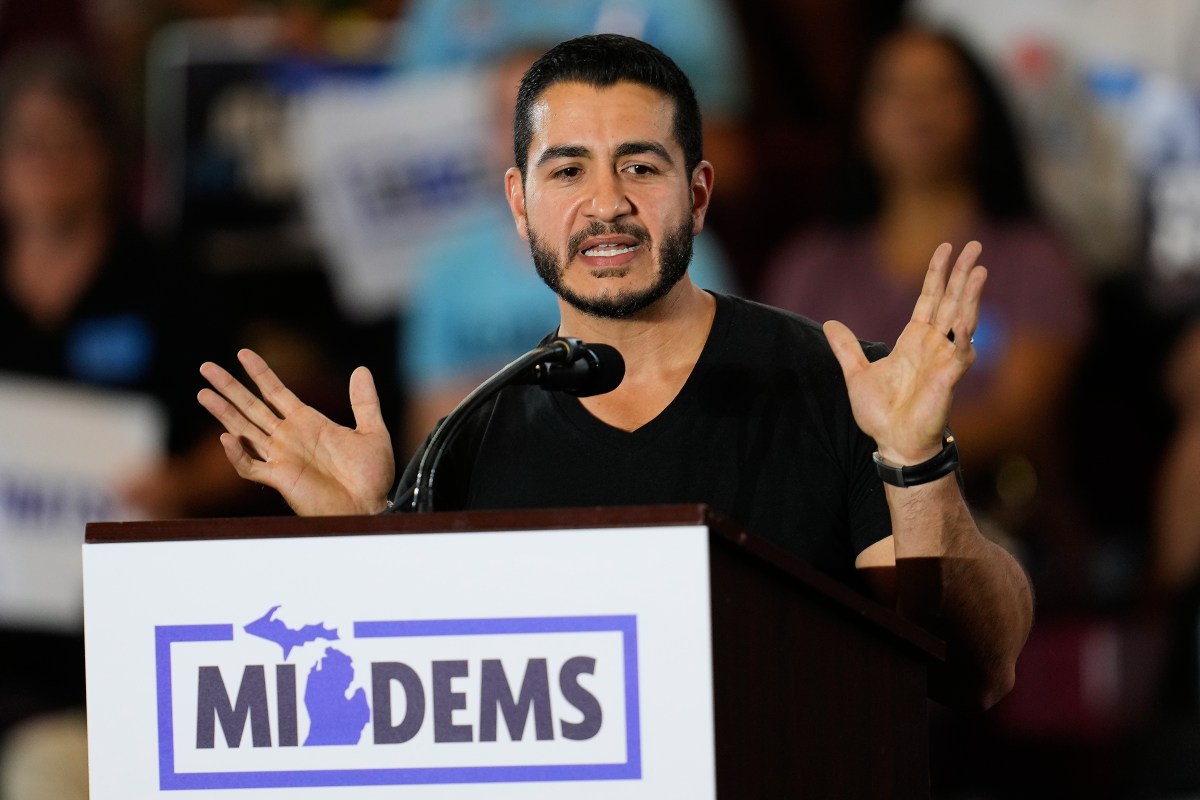
Michigan Senate candidate Abdul El-Sayed apologized for comments he made after an attack on a synagogue in the Detroit area earlier this year. He made the apology during a meeting with the Michigan Democratic Jewish Caucus to address concerns from Jewish voters before the November election.
Key Facts
Abdul El-Sayed is a Democratic candidate for the U.S. Senate in Michigan.
He previously made comments about an attack on a synagogue in the Detroit area.
The attack happened earlier in the year.
El-Sayed apologized publicly for his comments.
The apology took place at an event with the Michigan Democratic Jewish Caucus.
He is trying to reassure Jewish voters before the upcoming November election.
The Michigan Democratic Jewish Caucus is part of the state Democratic Party.
El-Sayed acknowledged that he made a mistake in his earlier remarks.
Read the Original
Want the full story? Tap a source to open the original
article.
Abdul El-Sayed, the Democratic nominee for U.S. Senate in Michigan, apologized for comments he made after a synagogue attack in March. He said his words were misunderstood and he did not intend to justify the violence.
Key Facts
El-Sayed apologized to the Michigan Jewish Democratic Caucus for his earlier comments linking a synagogue attack to Israel’s actions.
The apology came during the Michigan Democratic Nominating Convention in Lansing.
The synagogue attack happened in March when a man drove into a building and shot a security guard before killing himself.
The attacker had lost family members in an Israeli airstrike on Lebanon shortly before the attack.
El-Sayed had previously said “hurt people hurt people” to explain the attacker’s behavior, which some criticized as justifying the violence.
El-Sayed defeated U.S. Rep. Haley Stevens in the Democratic primary for the Senate race.
He now faces Republican Mike Rogers in the general election, which is important for control of the U.S. Senate.
El-Sayed has faced other controversies related to allegations of antisemitism, including connections to a controversial commentator.
Read the Original
Want the full story? Tap a source to open the original
article.
A school district near Philadelphia is facing much higher fuel costs because diesel prices have increased sharply. This rise in diesel prices is linked to the ongoing conflict involving Iran.
Key Facts
The school district is located in the suburbs of Philadelphia.
Diesel fuel prices have risen significantly.
Higher diesel costs are causing extra expenses for the school district.
The rise in fuel costs is connected to the war involving Iran.
These increased costs could total tens of thousands of dollars.
The situation affects the district’s transportation budget, including school buses.
The news report was covered by Ali Bauman for CBS News.
Read the Original
Want the full story? Tap a source to open the original
article.
President Donald Trump said that a new agreement with Venezuela will allow the U.S. to control billions of barrels of oil. He claimed this deal will help reduce high gas prices in the United States as the midterm elections approach.
Key Facts
President Trump announced a new deal involving Venezuela.
The deal gives the U.S. access to billions of barrels of Venezuelan oil.
The goal is to lower gas prices in the U.S.
Rising gas prices are a concern for many Americans.
The announcement came just before the U.S. midterm elections.
Venezuela is a country rich in oil resources in South America.
The article was reported by CBS News and includes a video report by Olivia Gazis.
Read the Original
Want the full story? Tap a source to open the original
article.
A social media influencer in Arizona pleaded guilty to criminal impersonation after pretending to be a worker at several businesses and causing disruptions. The influencer, known as Heston James Cobb, made viral prank videos that involved entering employee-only areas and refusing to leave when asked.
Key Facts
Heston James Cobb admitted to criminal impersonation in Phoenix suburb businesses.
He posed as employees and organized chaotic takeovers shown in viral videos.
Police arrested him in July 2025 after investigating these incidents.
One prank involved Cobb wearing a Chipotle shirt and leading others to disrupt the restaurant.
The videos gained millions of views and likely made a lot of money.
The Arizona Restaurant Association hopes Cobb receives a strong punishment.
Experts say this case shows influencers must follow real-world laws when creating content.
Influencer pranks that break laws can cause serious legal trouble.
Read the Original
Want the full story? Tap a source to open the original
article.
The article offers six simple tips to help parents and children adjust smoothly to returning to school after summer break. Experts and parents recommend keeping a steady morning routine, using a family calendar, asking children easy questions about their day, and preparing kids for school ahead of time to reduce stress.
Key Facts
Children in Scotland started school in mid-August; children in England, Wales, and Northern Ireland will start in early September.
A consistent morning routine helps families stay organized and relaxed before school.
Preparing school bags, uniforms, and lunch the night before saves time in the morning.
Using a family calendar to track events like non-uniform days and exams helps parents remember important dates.
Asking children open-ended questions like “What made you smile today?” can encourage them to talk about their day.
Pick-up time can be emotional for young children, seen as a normal part of separation from parents.
Parents should introduce school routines to younger children before their first day to make the transition easier.
Read the Original
Want the full story? Tap a source to open the original
article.
A South Carolina police officer, Christopher DeLong, died and another officer was injured during a shooting after responding to a domestic dispute call. The suspect, Adam Tyler Dowdy, who had a long criminal record, was also killed in the gunfight.
Key Facts
Officers were called to a home about a man destroying property; the woman had a restraining order against him.
Officer DeLong found the suspect had left but saw a man matching the description near a vehicle.
Officer Dymock arrived as backup, and shortly after they were both shot.
Officer DeLong, 29 years old with two years on the force, died; Officer Dymock was in stable condition.
The suspect, 33-year-old Adam Tyler Dowdy, had prior arrests in multiple states for various offenses.
The South Carolina Law Enforcement Division is investigating the shooting.
DeLong left behind a wife and two young children.
Police Chief Holbrook expressed support for the officers and the department during the difficult time.
Read the Original
Want the full story? Tap a source to open the original
article.
Rep. Joyce Beatty said on Saturday that legal challenges might prevent President Trump’s administration from demolishing the Kennedy Center. President Trump’s team recently suggested tearing down the building as an option, but Beatty, who serves on the center’s board, has worked against those plans.
Key Facts
President Trump’s administration mentioned the possibility of demolishing the Kennedy Center.
Rep. Joyce Beatty is an ex officio member of the Kennedy Center’s board.
Beatty has opposed the proposed changes to the Kennedy Center by President Trump’s administration.
Beatty believes ongoing legal battles could stop the demolition.
The Kennedy Center is a key cultural landmark in the United States.
Discussions about the center’s future have drawn political and public attention recently.
Read the Original
Want the full story? Tap a source to open the original
article.
The U.S. government deported dozens of people, including an Afghan man whose family helped the U.S. military, to the Central African Republic. The Afghan man had legal protection from being sent back to Afghanistan due to fear of Taliban persecution, but was still deported as part of U.S. immigration enforcement.
Key Facts
An Afghan man in his early twenties was deported from the U.S. to the Central African Republic.
He was protected by a U.S. judge from deportation to Afghanistan because of threats from the Taliban.
His brothers worked with the U.S. military; one was a pilot trained by the U.S. and killed by the Taliban.
The deportation flight included people from Afghanistan, Iran, Nepal, and Nicaragua.
The U.S. has deported thousands of people to countries that are not their own under secret agreements.
Advocates say this method is used to indirectly send asylum seekers back to dangerous countries.
This was the second flight sending migrants to the Central African Republic since June 2023.
The deportations are part of the Trump administration’s immigration crackdown.
Read the Original
Want the full story? Tap a source to open the original
article.
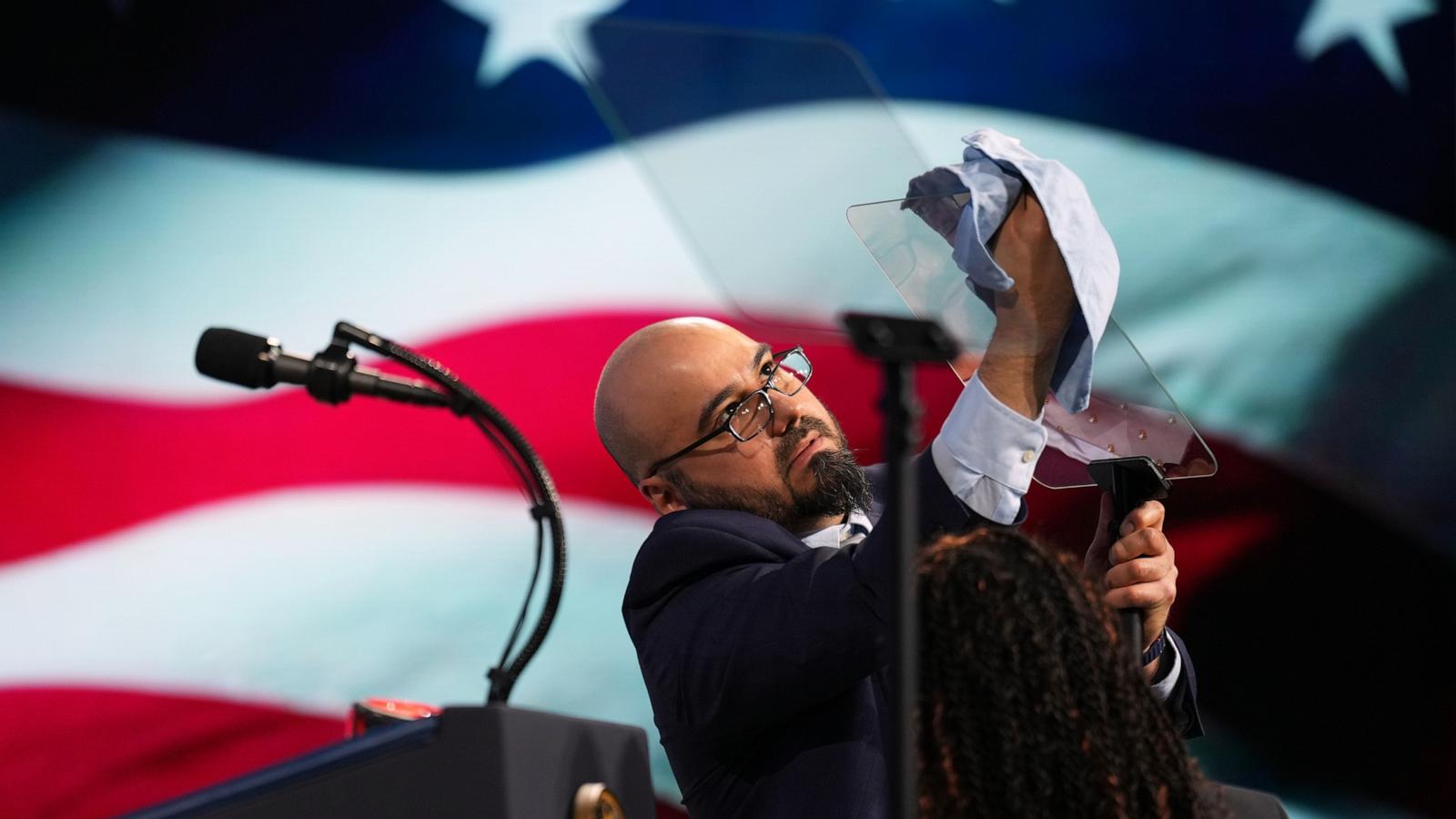
Gabriel Perez, a former White House teleprompter operator, will pay $172,000 to settle charges for betting on President Donald Trump’s speeches using insider information. The Commodity Futures Trading Commission (CFTC) found that Perez made over $100,000 by trading on speech content he knew about before the public.
Key Facts
Gabriel Perez worked as a teleprompter operator at the White House since 2016.
He placed bets on prediction markets about words President Trump would say in speeches.
Perez had early access to Trump’s speech texts before they were delivered.
He earned more than $107,500 in profits by betting on more than a dozen Trump speeches.
The CFTC ordered Perez to return his winnings and pay a $65,000 penalty.
Perez is banned from trading for three years as part of the settlement.
The penalty was reduced because Perez cooperated well with the investigation.
The White House has ethics rules forbidding staff from using insider information for betting.
Read the Original
Want the full story? Tap a source to open the original
article.
A police officer in Columbia, South Carolina, died and another officer was injured during a shooting at a park. The suspect also died, and the injured officer is in stable condition.
Key Facts
The shooting happened when two officers responded to a domestic dispute call.
The deceased officer was 29 years old and had worked for the police for two years.
The injured officer was wounded during a gunfight and is now stable.
The suspect was a 33-year-old man with a long criminal record and also died.
Columbia Police Chief W.H. “Skip” Holbrook gave the information at a news conference.
The deceased officer leaves behind a wife and two young children.
More information and briefings will be provided later.
Read the Original
Want the full story? Tap a source to open the original
article.
Abdul El-Sayed, the Democratic nominee for U.S. Senate in Michigan, apologized for comments he made after a March attack on a synagogue. He said his words were misunderstood and that he did not mean to justify the attack.
Key Facts
El-Sayed spoke at a party convention in Lansing and apologized to the Jewish Democratic Caucus in Michigan.
His original comments linked the synagogue attack to Israeli actions in the Middle East.
The attack involved a man ramming his car into Temple Israel synagogue and shooting a security guard before dying by suicide.
The attacker had lost relatives in an Israeli airstrike on Lebanon the week before.
Critics said El-Sayed's comments seemed to excuse the attack, which he denied.
El-Sayed said he was trying to explain why the attack happened but acknowledged it was not the right time for that.
He previously won a bitter Democratic primary against U.S. Rep. Haley Stevens.
El-Sayed faces Republican Mike Rogers in the Senate race, which will influence control of the Senate.
Read the Original
Want the full story? Tap a source to open the original
article.
Michigan Democratic Senate candidate Abdul El-Sayed apologized to Jewish Democrats for comments he made after a March attack on a synagogue. The apology comes amid a tight Senate race against Republican Mike Rogers, which could influence control of the Senate after the 2026 midterm elections.
Key Facts
Abdul El-Sayed is the Democratic nominee for U.S. Senate in Michigan.
He apologized for comments made after a March attack on Temple Israel, a synagogue in West Bloomfield, Michigan.
The attacker, Ayman Ghazali, drove into the synagogue and was inspired by Hezbollah, an Iran-backed militant group.
Ghazali threatened to kill many people in a video recorded before the attack.
El-Sayed said “hurt people hurt people” after the attack, which some Jewish leaders and Michigan Attorney General Dana Nessel criticized as excusing the attacker.
El-Sayed later said he made a mistake by not stopping after condemning the attack and apologized for causing pain.
The Senate race in Michigan is competitive and important for control of the Senate after 2026.
El-Sayed is trying to maintain support from progressives, Arab Americans, Muslims, and Jewish Democrats while appealing to independents.
Read the Original
Want the full story? Tap a source to open the original
article.
President Donald Trump said that gas prices will go down because of a new deal. However, a war involving Iran is causing the cost of diesel fuel to rise, which affects the price of fuel for school buses.
Key Facts
President Donald Trump announced a new deal expected to lower gas prices.
There is ongoing conflict involving Iran that is increasing diesel fuel costs.
Higher diesel prices are making it more expensive to fuel school buses.
The news was reported on CBS Weekend News on August 29.
Changes in fuel prices have a direct impact on everyday costs like transportation for schools.
Read the Original
Want the full story? Tap a source to open the original
article.
Abdul El-Sayed, the Democratic candidate for U.S. Senate in Michigan, apologized for comments he made after a March attack on a synagogue. He said his remarks were misunderstood and did not intend to justify the violence.
Key Facts
Abdul El-Sayed is the Democratic nominee for U.S. Senate in Michigan.
He apologized to the Michigan Jewish Democratic Caucus for his earlier comments about a synagogue attack.
The attack occurred in March when a man rammed a car into Temple Israel synagogue and shot a security guard before dying by suicide.
The attacker lost family members in an Israeli airstrike prior to the attack.
El-Sayed said his phrase “hurt people hurt people” was meant to provide context, not justify the attack.
Critics accused El-Sayed of defending the attacker’s actions.
El-Sayed wants to move past this controversy ahead of the Senate race against Republican Mike Rogers.
This race is important for determining control of the U.S. Senate.
Read the Original
Want the full story? Tap a source to open the original
article.
The midterm elections in the United States are approaching, and some areas that usually support Republicans are becoming more competitive. This is partly because of disagreements about President Trump’s economic plans. Democrats aim to win key states to take back control of Congress.
Key Facts
The midterm elections happen in November.
Some Republican seats, once considered safe, are now contested.
President Trump’s economic policies are causing tension within the Republican Party.
Democrats want to win several important battleground states.
The goal for Democrats is to regain the majority in Congress.
Senate races in states like Texas are closely watched.
Political competition is increasing ahead of the elections.
Both parties are focusing heavily on these key races.
Read the Original
Want the full story? Tap a source to open the original
article.
A Virginia student, Bethany Hall, has asked the U.S. Supreme Court to overturn a 2004 ruling that allows states to deny public scholarships to students studying ministry or theology. The case challenges whether states can exclude such students from financial aid without violating the First Amendment, which protects religious freedom.
Key Facts
The 2004 Supreme Court case Locke v. Davey allowed states to withhold scholarships from students studying devotional theology.
Bethany Hall, a student at Liberty University, lost her Virginia Tuition Assistance Grant after changing her major to ministry-related fields.
Hall argues that excluding her from the scholarship violates the Free Exercise Clause of the First Amendment.
Lower courts ruled against Hall, citing the Locke decision.
The Supreme Court has recently expanded protections for religious freedom.
If the Supreme Court agrees to hear Hall’s case, it could change scholarship rules in several states.
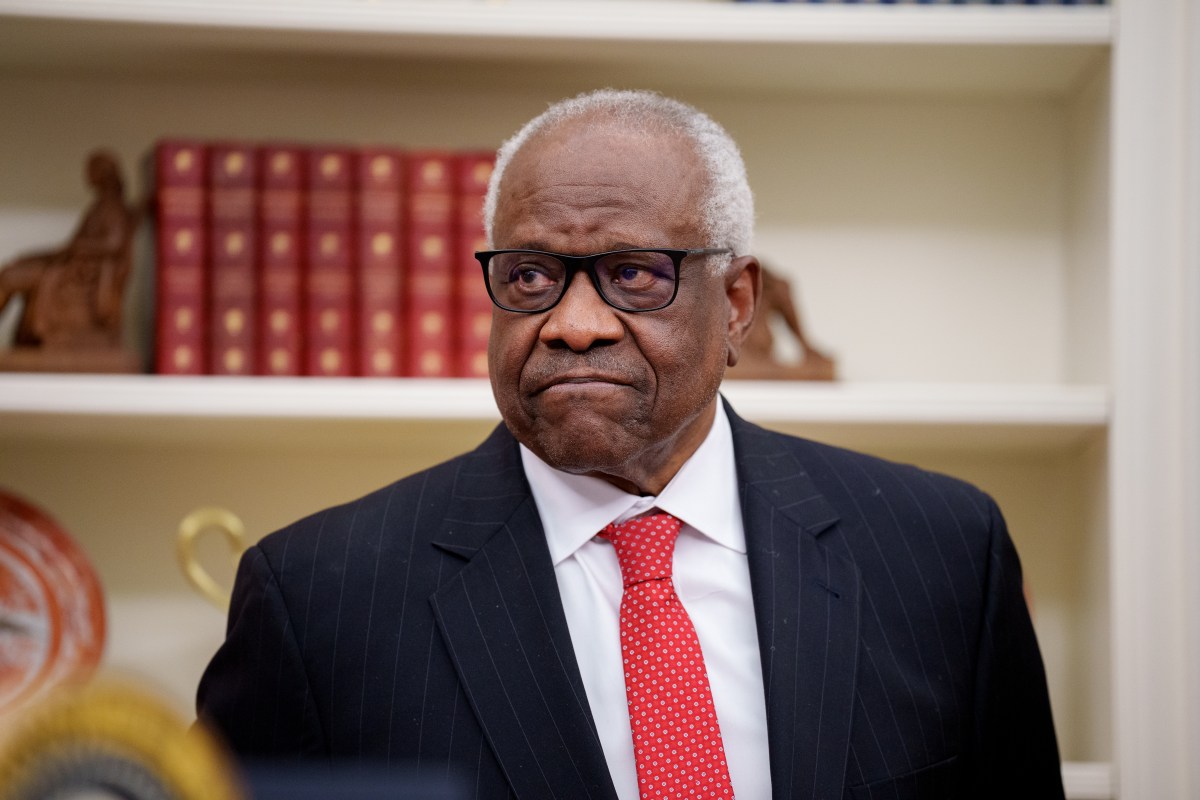
Justice Clarence Thomas disagreed with the Locke ruling and may support overturning it.
The case could affect how public money is used for religious education in the future.
Read the Original
Want the full story? Tap a source to open the original
article.
A federal judge in California ruled that the U.S. government cannot deport international students for criticizing Israel or supporting Palestinians, as this violates their First Amendment right to free speech. The judge blocked parts of the Trump administration’s policy that threatened deportation for political speech on college campuses.
Key Facts
Judge Noël Wise ruled that deporting noncitizens for their political views violates the First and Fifth Amendments.
The case involves international students at Stanford University who feared deportation for expressing opinions about Israel and Palestine.
The ruling supports a previous decision from Boston that found similar government actions unconstitutional.
The judge emphasized that free speech, including criticism of the government, is essential to democracy.
The ruling mentions retaliation by immigration authorities against people supporting Palestinians or criticizing Israel.
The Stanford Daily’s international student reporters had stopped or limited their work due to fear of deportation.
The Foundation for Individual Rights and Expression helped bring the lawsuit and praised the ruling.
The U.S. Justice Department did not comment on the decision at the time of the report.
Read the Original
Want the full story? Tap a source to open the original
article.