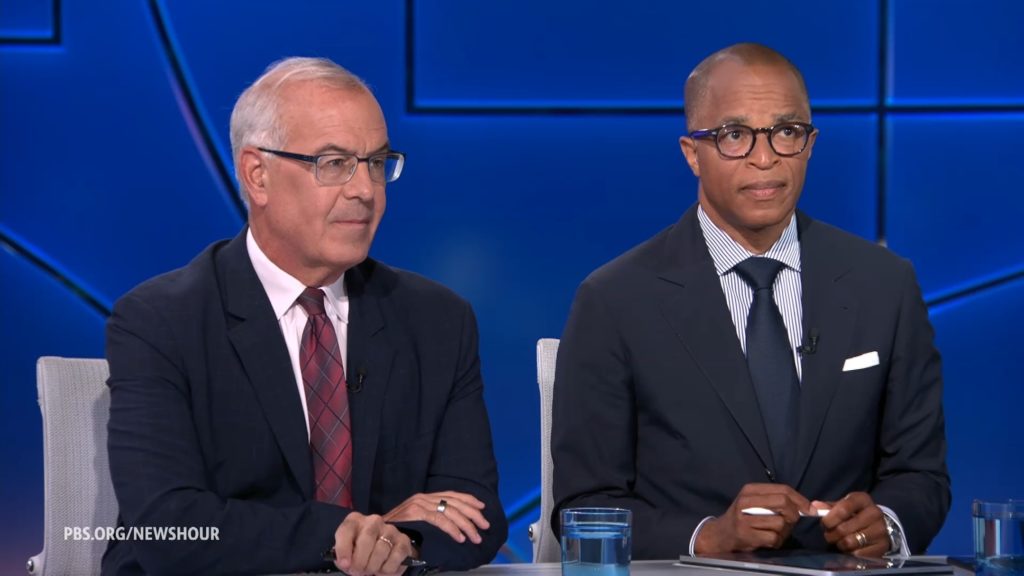
David Brooks and Jonathan Capehart discussed recent political events in the United States. They focused on President Trump's ongoing trade dispute with Canada, legal battles over mail-in voting, public concerns about artificial intelligence and data centers, and the passing of Dolly Parton.
Key Facts
President Trump is involved in a trade dispute with Canada, often called a "trade war."
There is a legal fight happening over mail-in ballots used in elections.
People have expressed concerns and backlash related to artificial intelligence (AI) and the construction of large data centers.
Dolly Parton, a well-known singer and cultural figure, recently passed away.
The discussion took place on a political news program hosted by Geoff Bennett.
David Brooks writes for The Atlantic.
Jonathan Capehart is a political commentator for MS NOW.
Read the Original
Want the full story? Tap a source to open the original
article.
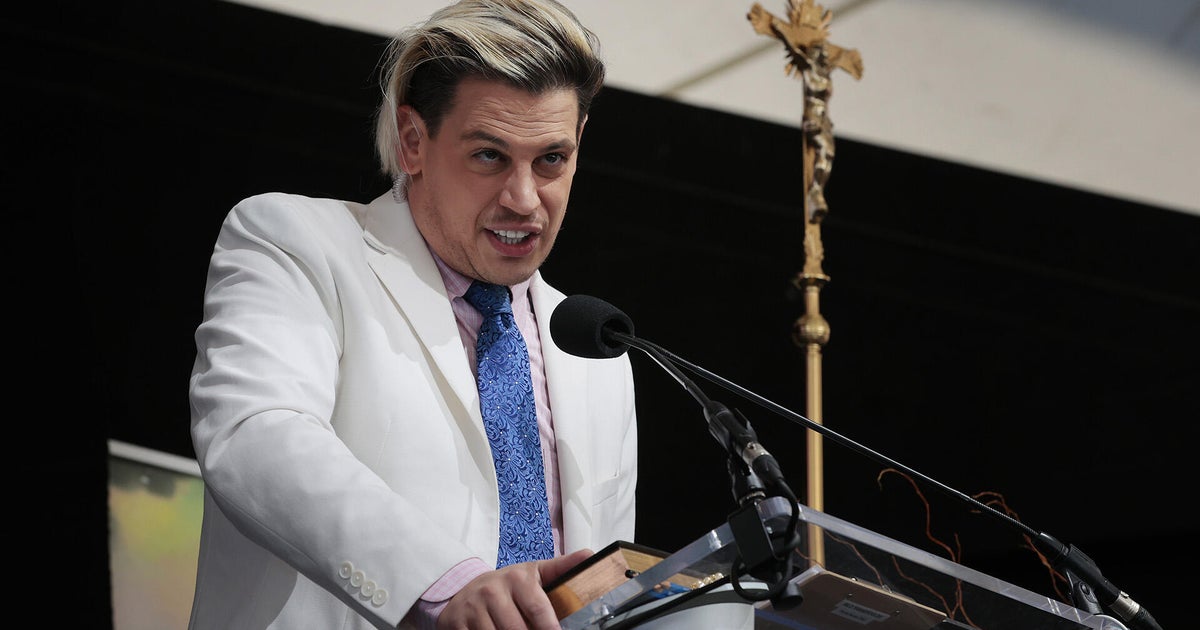
Milo Yiannopoulos was taken into custody by U.S. Immigration and Customs Enforcement (ICE). A jury is still undecided after nine hours of deliberation in a case involving someone named Clancy.
Key Facts
Milo Yiannopoulos is currently held by ICE.
ICE is a government agency that handles immigration enforcement.
A jury is deliberating on a case involving a person named Clancy.
The jury has been deciding the case for nine hours.
No decision has been reached yet by the jury.
This information was reported on the CBS Evening News broadcast on August 28.
Read the Original
Want the full story? Tap a source to open the original
article.
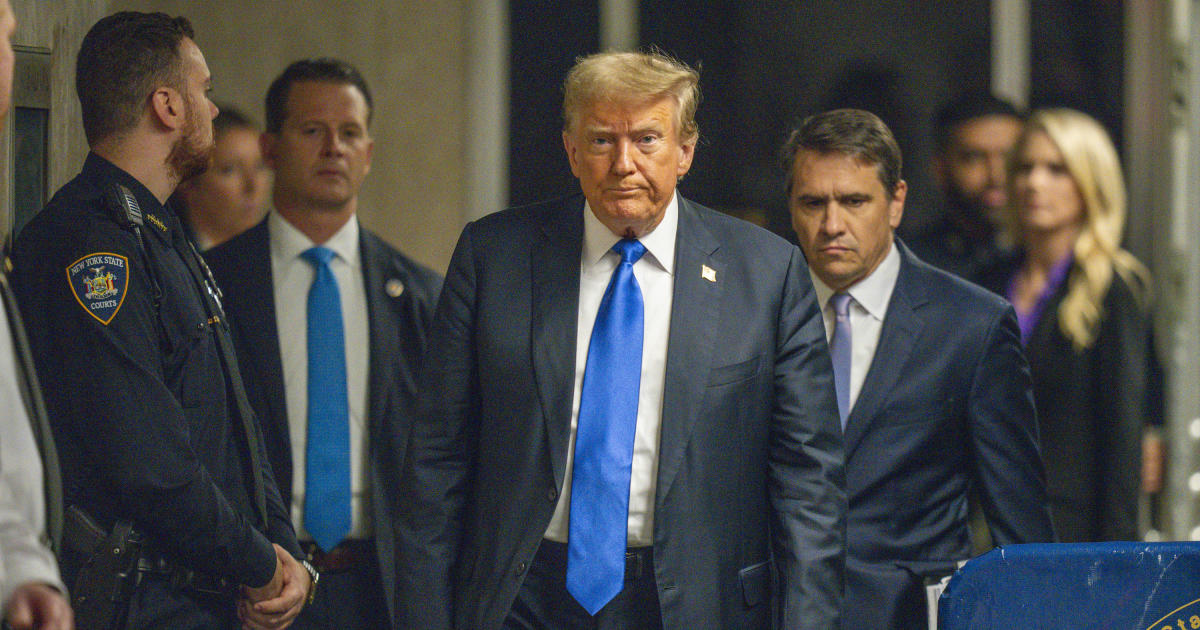
A federal judge rejected President Donald Trump's request to move his New York hush money conviction case from state court to federal court and to dismiss it based on presidential immunity. The judge ruled that paying hush money and covering up an affair are not protected by presidential immunity, and this is the third time the judge blocked the case transfer.
Key Facts
President Trump was convicted in 2024 on 34 felony counts related to falsifying business records for a $130,000 hush money payment to adult film actor Stormy Daniels.
The payment was made to cover up Daniels' claim of an affair with Trump, which he denies.
U.S. District Judge Alvin K. Hellerstein rejected Trump's request to move the case to federal court and to dismiss it using presidential immunity arguments.
The judge said that paying hush money and covering up an affair are not part of official presidential duties and thus not protected by immunity.
This is the third time the judge has blocked Trump’s attempts to move the case from New York state court to federal court.
Trump’s legal team is appealing the ruling and claims the case should be dismissed or moved to federal court based on constitutional and Supreme Court decisions.
The conviction made Trump the first U.S. president, current or former, to be convicted of a crime.
Trump is also challenging the conviction in the New York state appellate courts, and that process is ongoing.
Read the Original
Want the full story? Tap a source to open the original
article.
President Donald Trump denied reports that he will skip the 9/11 anniversary ceremony in New York City. The New York Times said Trump wanted to speak at the event, but organizers refused his request.
Key Facts
The event marks the anniversary of the September 11, 2001 terrorist attacks.
President Trump wanted to give a speech during the ceremony.
Event organizers did not allow President Trump to speak.
The New York Times published a report about Trump’s plans and request.
President Trump publicly rejected the report and its claims.
The ceremony takes place annually in New York City.
The event honors the victims and responders of 9/11.
Read the Original
Want the full story? Tap a source to open the original
article.
The U.S. government has agreed to pause border construction work in Big Bend National Park until mid-September. This pause follows legal challenges and concerns from local officials, environmental groups, and Native American communities about the impact of the construction.
Key Facts
The pause on border construction in Big Bend National Park was extended until mid-September by agreement in court.
Bulldozers began work in the park but were stopped after discussions between Customs and Border Protection (CBP) officials and local leaders.
The planned projects include building a road, installing detection technology, and barriers to prevent illegal vehicle crossings.
No final decisions have been made about the exact construction plans for the park.
The border infrastructure work is part of a $46 billion government plan covering the entire U.S.-Mexico border with walls, barriers, and technology.
The government says Congress authorized CBP to build the wall and bypass some regulations to speed up construction.
A lawsuit claims the construction violates Native American religious rights and exceeds the government’s authority, as the park was established by Congress.
U.S. District Judge Orlando L. Garcia hopes the pause will allow both sides to find common ground.
Read the Original
Want the full story? Tap a source to open the original
article.
Ohio has reduced the number of career credentials that count toward high school graduation from 164 to 70. The state aims to ensure students earn credentials that employers value and that lead to real job opportunities after graduation.
Key Facts
Ohio began allowing career credentials as a way to earn a diploma in 2019.
Many students were earning easy credentials that do not help them get jobs or earn a good salary.
The state cut the approved credential list from 164 to 70, removing low-demand credentials in retail sales and emergency government management.
About 9,000 students earned credentials that match only three jobs.
Ohio also reduced the number of lesser credentials from 700+ to 126, organizing them into 21 bundles focused on specific fields like healthcare and manufacturing.
These changes aim to prevent students from combining many small, unrelated credentials just to graduate without gaining useful skills.
The Ohio Department of Education and Workforce said they want students to earn credentials that make them employable right after high school.
Some experts see Ohio’s experience as a warning to other states about approving too many low-value credentials.
Read the Original
Want the full story? Tap a source to open the original
article.
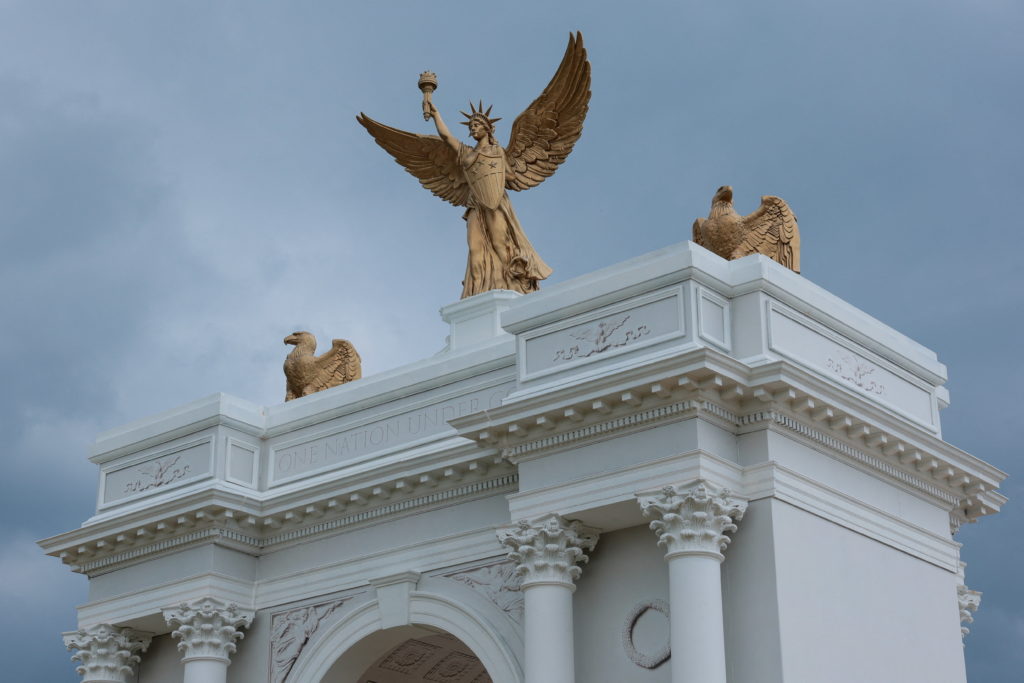
The National Park Service issued a report supporting President Donald Trump's plan to build a 250-foot-tall memorial arch near Memorial Bridge in Washington, D.C. The report acknowledges that the arch will affect the view between important monuments like the Washington Monument and the Lincoln and Jefferson Memorials but says the location is historically suitable for the new structure.
Key Facts
The proposed arch will be 250 feet (76 meters) tall.
It will be built near Memorial Bridge in Washington, D.C.
The arch is expected to disrupt sightlines connecting key monuments such as the Washington Monument, Lincoln Memorial, and Jefferson Memorial.
These sightlines are part of a careful historical design intended to symbolize important moments in U.S. history.
The National Park Service report recognizes the arch will have adverse effects on the area's historic views.
Despite these concerns, the report supports the arch’s construction because the location is historically appropriate.
Memorial Circle, where the arch will stand, is sensitive from a preservation perspective due to its historic significance.
The report was released publicly on a Friday.
Read the Original
Want the full story? Tap a source to open the original
article.
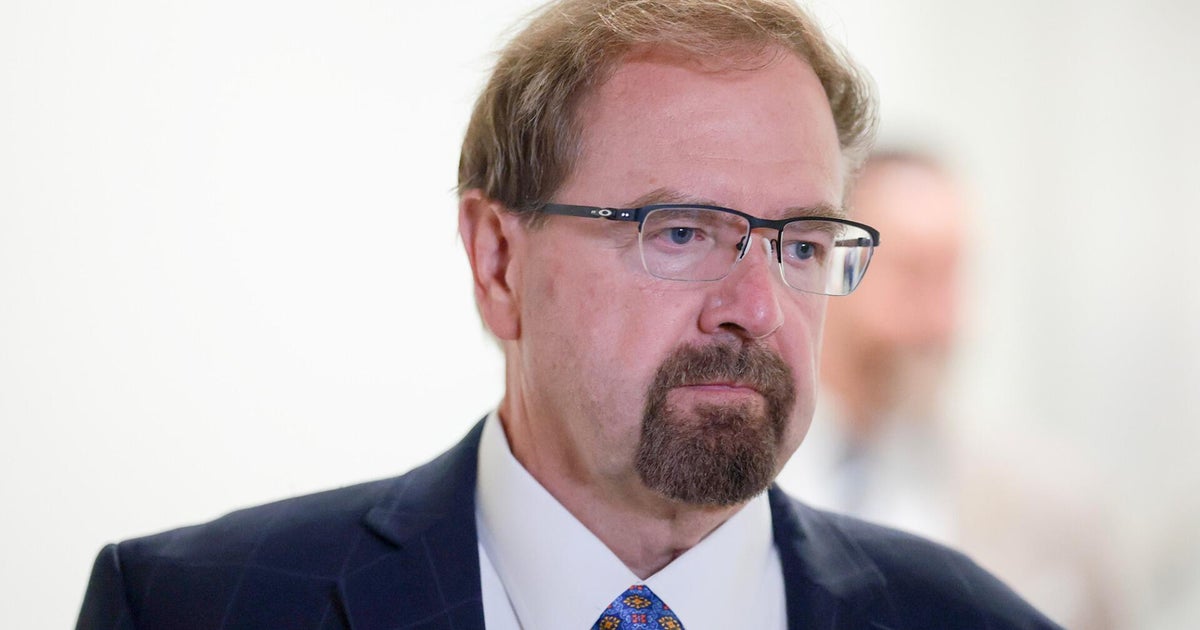
Republican Representative Chuck Edwards from North Carolina wrote a letter to other members of the House of Representatives. In the letter, he denied accusations of sexual harassment and said that writing poetry should not be seen as sexual misconduct.
Key Facts
Chuck Edwards is a Republican representative from North Carolina.
He sent a letter to fellow House lawmakers.
The letter was written to respond to sexual harassment claims against him.
Edwards denied the allegations in the letter.
He stated that poetry should not be considered sexual misconduct.
The news was reported by CBS News and discussed by reporters Oriana González and Sophia Cai.
Read the Original
Want the full story? Tap a source to open the original
article.
A federal judge has temporarily stopped the U.S. Postal Service from applying new rules about mail voting for the upcoming November midterm elections. This decision means the new mail voting requirements will not be enforced for now.
Key Facts
A federal judge issued a temporary block on new mail voting rules.
The rules were set by the U.S. Postal Service.
The block affects mail voting for the November midterm elections.
The new rules will not be enforced during this temporary period.
The decision is related to election law and mail voting procedures.
The ruling aims to ensure that current voting processes remain unchanged for the midterms.
Further legal proceedings may determine if the rules will be enforced later.
Read the Original
Want the full story? Tap a source to open the original
article.
Several thousand people marched at the Lincoln Memorial in Washington DC to mark 63 years since Martin Luther King Jr.’s "I have a dream" speech. The event called for stronger voting rights and took place ahead of the upcoming midterm elections.
Key Facts
The march was held in Washington DC at the Lincoln Memorial.
It commemorated 63 years since Martin Luther King Jr.’s famous speech.
The event was named "March on Washington 2026: Defend the Vote."
The focus of the march was to support stronger voting rights.
Thousands of people participated in the march.
The march happened before the US midterm elections in 2026.
The BBC reporter spoke with people attending the event.
Read the Original
Want the full story? Tap a source to open the original
article.
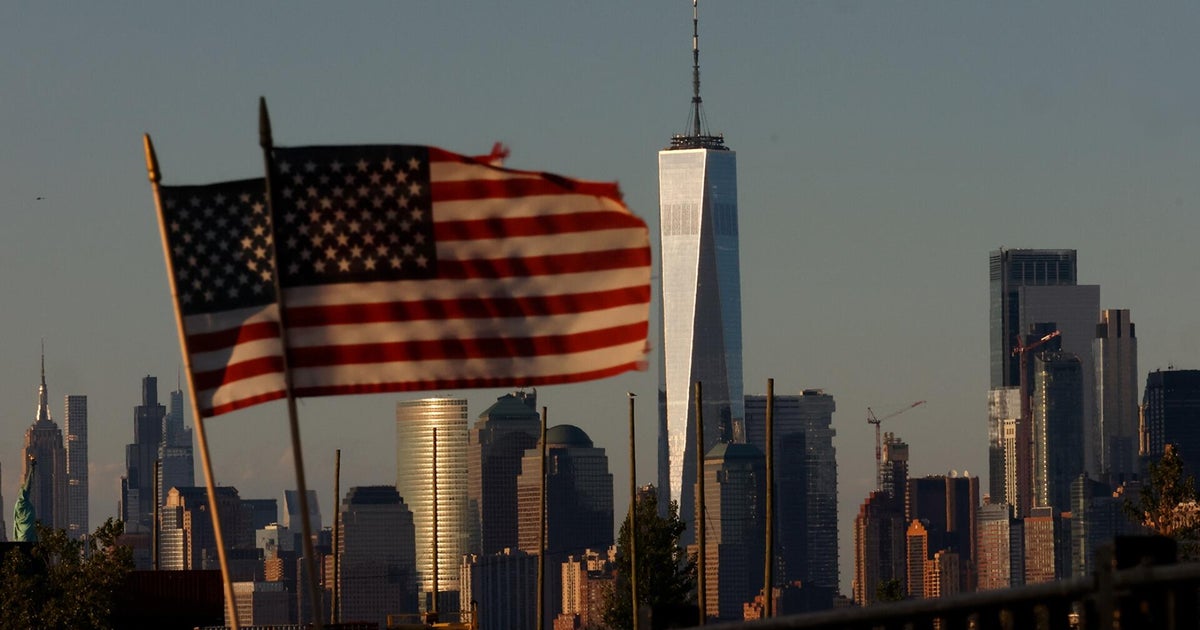
The House Intelligence Committee has released a new report about how national security threats have changed 25 years after the 9/11 attacks. The report focuses especially on new dangers related to artificial intelligence (AI).
Key Facts
It has been almost 25 years since the 9/11 attacks.
The House Intelligence Committee studied how threats to national security have changed.
The committee’s report highlights new risks connected to AI technology.
GOP Representative Rick Crawford of Arkansas is the chair of the committee.
He shared details about the report on the CBS News program "The Takeout."
The report aims to help understand and prepare for future security challenges.
AI is now a major concern in protecting the country from threats.
Read the Original
Want the full story? Tap a source to open the original
article.
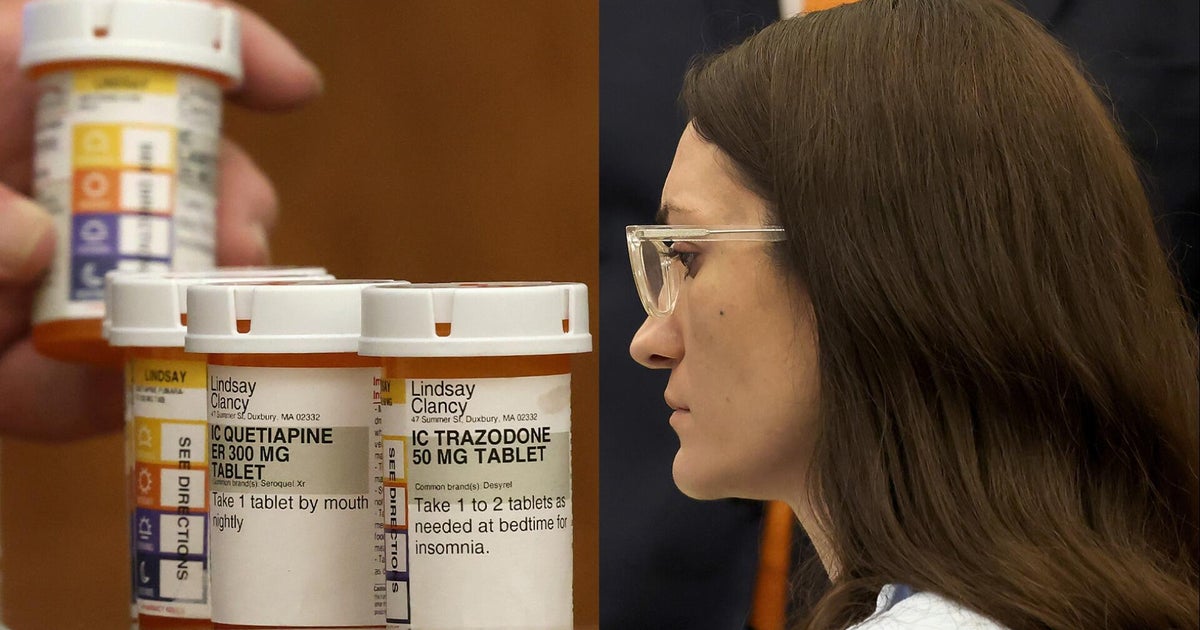
In the trial of Lindsay Clancy’s death, the jury requested to see her medication bottles and the knife she used in a suicide attempt. The trial paused as the jury continues to consider this information.
Key Facts
The trial involves Lindsay Clancy, who died by suicide.
The jury asked to examine her medication bottles.
They also requested to see the knife involved in her suicide attempt.
The jury took a break from the trial after making these requests.
The requests suggest the jury wants to better understand her mental and physical state.
The trial is being reported by CBS News correspondent Shanelle Kaul.
Read the Original
Want the full story? Tap a source to open the original
article.
Country music singer Jelly Roll spoke about his political views on “Jimmy Kimmel Live!” after receiving criticism from supporters of President Trump. He said that watching a fight at a White House event does not mean he agrees with all actions of President Trump’s administration.
Key Facts
Jelly Roll is a country music star.
He appeared on “Jimmy Kimmel Live!” for one last time as host.
He responded to criticism from people who support President Trump.
The criticism came after Jelly Roll watched a fight on TV at the White House’s UFC Freedom 250 event.
Jelly Roll said watching the fight does not mean he agrees with everything President Trump’s administration does.
He described his political stance as “down the middle,” meaning he is moderate or neutral.
Read the Original
Want the full story? Tap a source to open the original
article.
The Department of Justice asked a higher court to review a judge’s temporary ban on new mail-in voting rules by the U.S. Postal Service. This move aims to speed up court decisions before the upcoming midterm elections.
Key Facts
The Department of Justice filed an appeal after a federal judge in Boston blocked new mail-in ballot regulations.
The rules were introduced by the U.S. Postal Service under President Donald Trump’s administration.
The judge’s order came late on a Thursday night and stopped the rules temporarily.
The DOJ wants the appeal to be heard quickly because the midterm elections are only a few months away.
The mail-in voting rules affect how ballots can be sent and handled through the postal system.
Legal battles over voting rules can influence how easy or difficult it is for people to vote by mail.
This case is part of ongoing disagreements about voting methods and election policies under President Trump’s leadership.
Read the Original
Want the full story? Tap a source to open the original
article.
President Donald Trump announced he will mark the 25th anniversary of the September 11 attacks at the Pentagon instead of New York City. Vice President JD Vance will attend the commemorations in New York, and officials will represent all three attack sites.
Key Facts
President Trump will observe the 25th anniversary of 9/11 at the Pentagon, not in New York City.
Vice President JD Vance will travel to New York City to attend the memorial events.
Administration officials will represent all three major 9/11 sites: Manhattan, the Pentagon, and the Pennsylvania crash site.
Trump last attended the Ground Zero ceremony in New York in 2024 while running for president.
He chose not to attend the Manhattan ceremony last year but went to a baseball game honoring 9/11 victims.
In his first term, Trump often honored victims at the Pentagon or the Flight 93 Memorial rather than Manhattan.
Former Presidents Bill Clinton and George W. Bush and their spouses plan to attend the New York ceremony.
The decision was first reported by The New York Times and confirmed by the White House.
Read the Original
Want the full story? Tap a source to open the original
article.
Virginia has started removing three Confederate statues from Capitol Square in Richmond, a site near the state Capitol. The statues will be preserved and moved to battlefield sites by the Shenandoah Valley Battlefields Foundation.
Key Facts
Virginia began taking down statues of Confederate Generals Thomas J. “Stonewall” Jackson and William “Extra Billy” Smith, and Dr. Hunter Holmes McGuire.
These statues had been in Capitol Square for over 100 years.
The Virginia legislature approved the removal during its 2026 session.
The statues will be preserved and relocated to Shenandoah Valley battlefield sites.
Efforts to remove Confederate monuments in Richmond started around 2018.
Supporters say removing the statues does not erase Civil War history but changes which figures are honored at the Capitol.
The United Daughters of the Confederacy said the statues honor valor and heritage and should be shown where donors intended.
Read the Original
Want the full story? Tap a source to open the original
article.
The FBI has changed its hiring rules and will no longer automatically reject applicants who have had sexual encounters with prostitutes. Instead, the FBI will consider these cases more carefully, looking at the context before making a decision, but serious or recent involvement may still lead to disqualification.
Key Facts
The FBI used to automatically bar applicants who had experiences with prostitution.
Now, some applicants with past prostitution encounters may be considered depending on the details.
Applicants with prostitution involvement in the last 10 years, three or more times, or while in a trusted position are still likely to be disqualified.
This change aims to recognize that some candidates, including service members, may have engaged in prostitution where it is legal or may have been victims of sexual abuse.
The FBI says it still holds high hiring standards and rejects criminal sexual behavior.
The change reflects evolving recruitment rules as the FBI tries to fill staff shortages due to retirements and resignations.
The FBI has also altered training programs to help hire agents more quickly.
Some current and former officials worry that easing hiring standards might lower the quality of new recruits.
Read the Original
Want the full story? Tap a source to open the original
article.
Two air traffic controllers at LaGuardia Airport left work about an hour early on the night of a deadly crash involving an Air Canada jet and a fire truck. The Federal Aviation Administration (FAA) is considering firing them because their early departure left fewer controllers available during a busy and emergency-filled time.
Key Facts
The crash happened on March 22, 2026, when an Air Canada jet hit a fire truck on the runway at LaGuardia Airport.
Both pilots of the Air Canada jet died in the crash.
Two controllers who were scheduled to work late left about an hour early before the accident.
Their early departure meant fewer controllers were in the tower during a busy period with many flights and an emergency on the ground.
The FAA is pursuing disciplinary actions against the two controllers, possibly leading to firing.
The National Air Traffic Controllers Association is discussing the case with FAA officials.
Leaving work early despite being scheduled is called an “early shove” and happens in other places, but is being criticized here.
Transportation Secretary Sean Duffy called the early departures timecard fraud and said it will not be tolerated.
Read the Original
Want the full story? Tap a source to open the original
article.
The U.S. Immigration and Customs Enforcement (ICE) plans to spend up to $2 million to buy robot dogs from Boston Dynamics. These robots will help officers by inspecting dangerous or hard-to-reach areas to keep them safe during law enforcement activities.
Key Facts
ICE is looking to buy Boston Dynamics’ Spot robot dogs.
The robots have 360-degree cameras and can open doors.
They are remotely controlled and help with inspections and hazard checks.
The robot dogs do not have attack abilities but have extendable arms.
These robots are already used by the Secret Service and various police departments.
The purchase aims to improve officer safety and support operations at the border and on infrastructure.
DHS also approved $16 million for electric shock gloves for ICE officers.
The robots have been seen before on social media patrolling locations like Mar-A-Lago.
Read the Original
Want the full story? Tap a source to open the original
article.
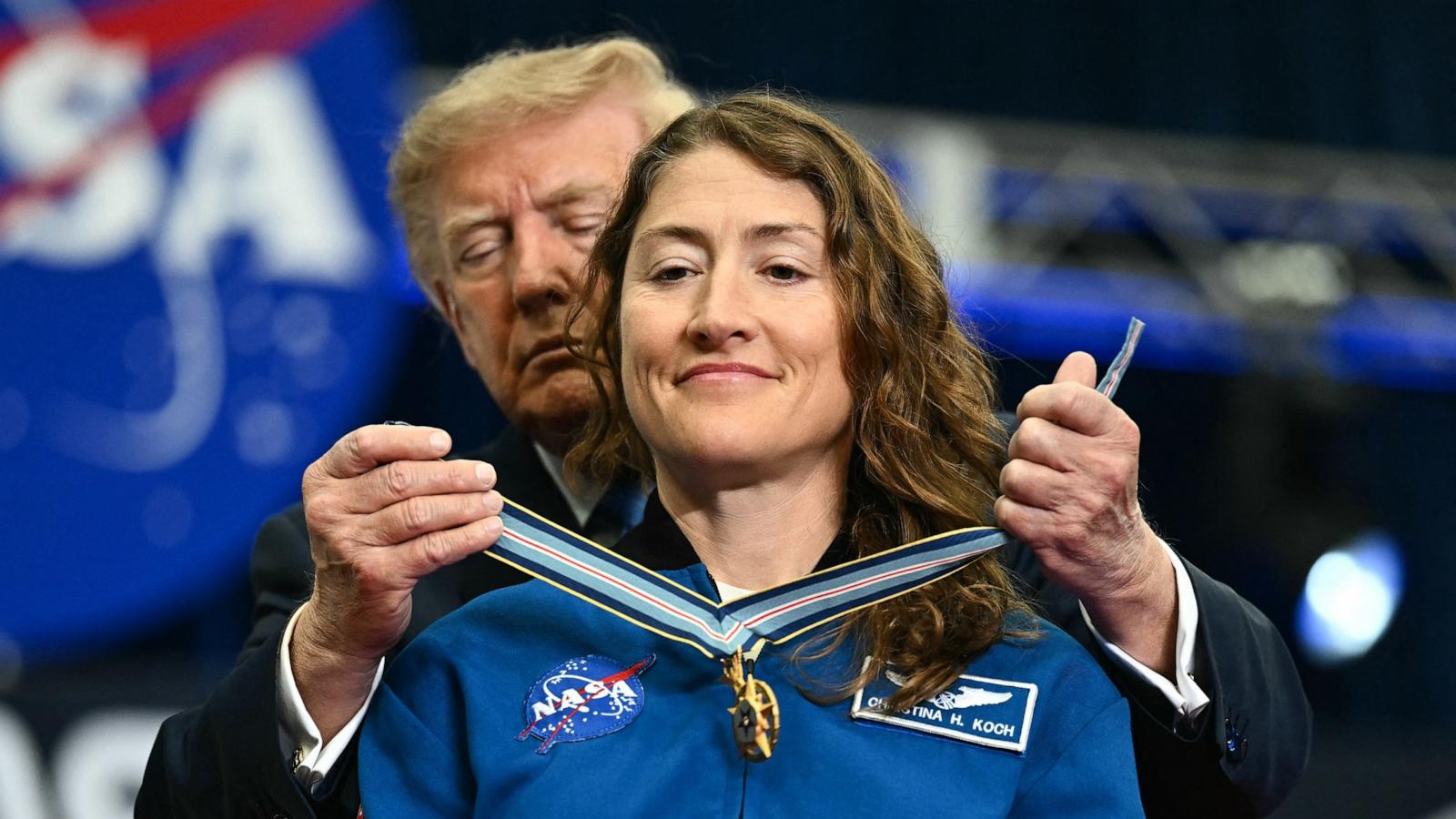
President Donald Trump awarded the Congressional Space Medal of Honor to the Artemis II crew at NASA's Johnson Space Center on August 28, 2026. During the ceremony, he also signed an executive order to create the U.S. Space Academy, aimed at training people for the Space Force, NASA, and civilian space travel.
Key Facts
The Artemis II crew includes NASA astronauts Reid Wiseman, Victor Glover, Christina Koch, and Canadian astronaut Jeremy Hansen.
They traveled farther into deep space than anyone before during their mission around the Moon in April 2026.
Their mission helped gather information to prepare for returning humans to the Moon by 2028.
President Trump personally gave each astronaut the Congressional Space Medal of Honor.
He signed an executive order to start the U.S. Space Academy, similar to military service academies.
The new academy will support both the U.S. Space Force and NASA, and will train civilians involved in space flight.
The location for the Space Academy will be announced soon.
NASA Administrator Jared Isaacman attended the ceremony alongside President Trump.
Read the Original
Want the full story? Tap a source to open the original
article.