President Donald Trump allowed more imported beef to enter the U.S. without tariffs for 90 days to help lower beef prices. Polling shows this decision caused little immediate change in his approval ratings in the top beef-producing states, though his approval has declined overall in these states since the start of his second term.
Key Facts
On August 21, 2026, President Trump announced up to 300,000 metric tons of imported beef would enter tariff-free for 90 days.
This decision upset some U.S. cattle producers who worry it will lower domestic beef prices.
A Civiqs survey of over 126,000 registered voters showed no big change in Trump’s approval in 9 of the top 10 beef states within six days after the announcement.
Kansas was the only state to show a small increase in approval (+1 to +2).
Since January 20, 2025, Trump’s net approval rating has fallen sharply in all top beef-producing states, especially Kentucky, Oklahoma, Missouri, and Texas.
Some major beef states that strongly supported Trump at the start of 2025 now show negative net approval ratings.
Republicans face important midterm elections in several major cattle states, balancing rancher concerns with efforts to lower food prices.
The White House argues imported beef will help reduce food costs for consumers.
Read the Original
Want the full story? Tap a source to open the original
article.
Three 17-year-old boys in Sydney are accused of gang-raping a teenage girl after a football game. Two of the boys were granted bail with strict conditions, while the main accused remains in juvenile detention. The case will continue in court in October.
Key Facts
The incident allegedly happened on the night of August 16 in Sydney.
The main accused is a private school boy charged with 11 offenses, including multiple counts of aggravated sexual assault.
Two other boys were invited by text message to join the attack and are charged with sexual assault.
The boys allegedly bragged about the assault to a friend afterward.
Two of the accused were granted bail with conditions like daily police check-ins, home detention, and no contact with each other or witnesses.
The main accused stayed in juvenile detention and did not apply for bail.
The court described the attack as degrading and humiliating.
The case will return to court in October for further proceedings.
Read the Original
Want the full story? Tap a source to open the original
article.
Joan Rubinger, a nurse practitioner who treated many top athletes for pain, was accused by the U.S. Drug Enforcement Administration (DEA) of illegally prescribing large amounts of addictive painkillers. She settled a federal case by paying $1.4 million and agreed to stop prescribing controlled substances, after authorities said she gave out hundreds of thousands of pills without proper medical reasons.
Key Facts
Joan Rubinger helped many famous athletes, including Kobe Bryant and Dwyane Wade, with pain relief.
The DEA said she prescribed 260,000 pills with controlled substances over four years to patients in over 20 states.
Rubinger settled a Justice Department complaint by paying $1.4 million but did not admit wrongdoing.
The DEA revoked her authority to prescribe opioids after finding serious misconduct.
Rubinger allegedly gave illegal prescriptions to a wide range of clients, including gang members and drug traffickers.
She used encrypted messaging apps to help clients avoid detection by pharmacies.
Former NFL player Thomas Davis was among those who received excessive opioid prescriptions from Rubinger.
Davis’s wife alerted authorities about Rubinger’s prescribing practices.
Read the Original
Want the full story? Tap a source to open the original
article.
Joan Rubinger, a nurse practitioner known for treating top athletes, is accused by the DEA of illegally giving out large amounts of addictive painkillers without proper medical reasons. She settled a civil case by paying $1.4 million but has not faced criminal charges.
Key Facts
Joan Rubinger treated many famous athletes, including NFL, NBA, WNBA players, and Olympic medalists.
The DEA claims she issued illegal opioid prescriptions to clients in over 20 states.
She allegedly gave controlled substances without a valid medical purpose and taught clients how to evade government scrutiny.
The DEA revoked her license to prescribe controlled drugs after an administrative judge found serious misconduct.
Rubinger agreed to pay $1.4 million to settle a civil case without admitting wrongdoing.
She has not been criminally charged despite allegations of violating drug laws around 900 times.
Rubinger was an athlete herself and suffered a severe spinal injury in 2015 but returned to work quickly.
Her work and relationship with athletes helped build her high public profile and reputation.
Read the Original
Want the full story? Tap a source to open the original
article.
A U.S. judge blocked the Pentagon’s decision to blacklist AI company Anthropic, ruling that the Defense Department acted illegally. The court found that the Pentagon targeted Anthropic for criticizing its military use of AI, violating the company’s rights.
Key Facts
District Judge Rita Lin issued a 59-page order blocking the Pentagon’s blacklisting of Anthropic.
The Department of Defense called Anthropic a national security supply chain risk, stopping it from getting military contracts.
Anthropic opposed the military using its AI models for surveillance or autonomous weapons, saying the AI is not reliable enough.
The judge said the government cannot punish companies for criticizing it, referencing First Amendment rights.
Anthropic sued the Defense Department, claiming its rights to free speech and fair legal process were violated.
The Pentagon argued AI models are complex and hard to evaluate, unlike physical equipment.
This case is the first time a U.S. company was publicly labeled a supply chain risk under a rarely used law to protect military systems.
Anthropic said the ban could cost billions in lost business, but it wants to work with the government on AI safety.
Read the Original
Want the full story? Tap a source to open the original
article.
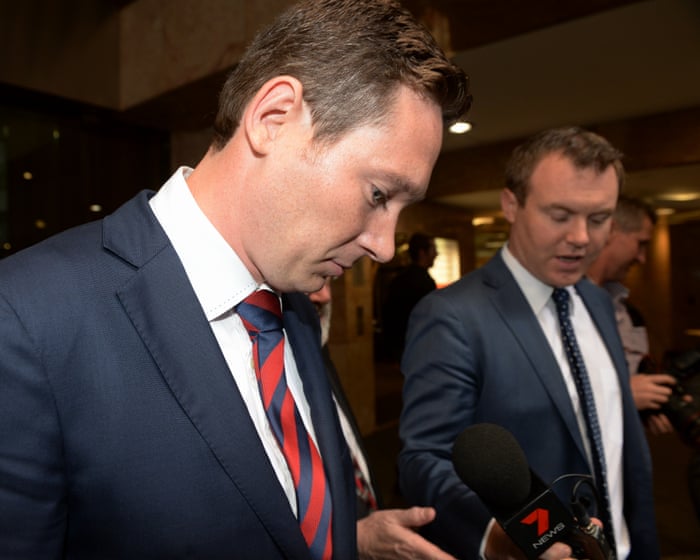
The Independent Commission Against Corruption (Icac) is investigating claims that Charles Perrottet planned to damage a political opponent’s career after his brother, Dominic Perrottet, became New South Wales premier in 2021. The inquiry is looking at whether Charles and others took illegal political donations from a property developer to influence political outcomes within the NSW Liberal Party.
Key Facts
Charles Perrottet wrote about plans to harm a Liberal minister’s career shortly after his brother Dominic Perrottet became NSW premier in October 2021.
The phrase “we execute the prick once party room is over” appeared in messages between Charles and his wife Anita Perrottet.
Icac is investigating whether Charles Perrottet and others received illegal donations from fugitive property developer Jean Nassif.
David Elliott, a former Liberal police minister, was allegedly targeted for political damage connected to these donations.
Dominic Perrottet is not named as a person of interest and is not accused of wrongdoing in the investigation.
Anita Perrottet told Icac she could not recall the details or meaning of the controversial messages.
Evidence shows Charles Perrottet and others expected to share $2 million from Jean Nassif.
Elliott was moved from police minister to transport minister and later retired after losing party support and his seat was abolished.
Read the Original
Want the full story? Tap a source to open the original
article.
President Donald Trump initially predicted the war against Iran would be short, but six months later, the conflict continues with no clear end in sight. The U.S. is now focusing more on economic punishments, like sanctions, instead of military action, while President Trump says he is not rushing to negotiate with Iran.
Key Facts
The U.S.-Israel conflict with Iran has lasted six months, longer than President Trump originally expected.
President Trump claimed the U.S. has weakened Iran’s leadership, military, and economy through bombing and a blockade.
The U.S. government is shifting strategy to use economic sanctions against countries or groups that trade with Iran.
Concerns have arisen about the U.S. running low on weapons after months of conflict.
President Trump said he is “not in a hurry” to bring Iran back to negotiation talks.
The war has cost the U.S. over $37.5 billion so far.
No U.S. troops have been deployed inside Iran during this war.
President Trump is facing political challenges related to the war before upcoming elections.
Read the Original
Want the full story? Tap a source to open the original
article.
A jury in Massachusetts is deciding if Lindsay Clancy is responsible for killing her three children in 2023. Clancy admits to the killings but her lawyer says she was suffering from a rare mental illness called postpartum psychosis, which affected her control over her actions.
Key Facts
Lindsay Clancy killed her three children in 2023 by strangulation.
Clancy says she suffered from postpartum psychosis, a serious mental illness after childbirth.
She had been treated for her mental health problems over several months, including a hospital stay.
Prosecutors argue she knew what she was doing and chose to kill herself and her children.
Jurors can find Clancy guilty of murder, manslaughter, or not guilty due to her mental state.
Clancy did not testify, but experts and relatives spoke about her mental health during the trial.
The killings happened less than three weeks after Clancy left a psychiatric hospital.
After the killings, Clancy tried to kill herself but survived and is now paralyzed from the waist down.
Read the Original
Want the full story? Tap a source to open the original
article.
Thousands of people will gather in Washington, D.C., for a march supporting voting rights and racial justice before the 2026 midterm elections. The event responds to recent changes in voting laws and court decisions that civil rights groups say harm Black voters' representation.
Key Facts
The "Defend the Vote" March on Washington is set for August 2026 on the National Mall.
The march is organized by Rev. Al Sharpton and Martin Luther King III.
It commemorates the 1963 March on Washington led by Martin Luther King Jr.
The march follows a U.S. Supreme Court decision weakening the Voting Rights Act, impacting Black communities’ political representation.
Civil rights groups are protesting new voting laws and redistricting they view as reducing Black voters' power.
Speakers include Senator Bernie Sanders, Virginia Governor Abigail Spanberger, and Representative Alexandria Ocasio-Cortez.
Thousands of activists, especially from the Southeast, are traveling to D.C. by bus for the rally.
The march also protests policies like immigration restrictions on Haitians and cuts to social programs.
Read the Original
Want the full story? Tap a source to open the original
article.
Charity Hospital in New Orleans, damaged and closed since Hurricane Katrina in 2005, will be renovated into a medical research center. Tulane University is leading a $500 million project to transform the old hospital building into a biomedical innovation hub, with construction starting soon.
Key Facts
Charity Hospital closed after Hurricane Katrina in 2005 due to severe damage and flooding.
The hospital was a key medical facility for vulnerable residents of New Orleans.
Tulane University announced a $500 million plan to convert the hospital into a research facility.
The renovation aims to create a biomedical innovation center in downtown New Orleans.
Construction on the project is expected to begin in fall 2026.
The project reflects a commitment to healthcare in the New Orleans community.
Other Katrina-damaged medical facilities in the city remain closed or are being demolished.
Hurricane Katrina caused nearly 1,400 deaths and about $200 billion in damage across several states.
Read the Original
Want the full story? Tap a source to open the original
article.
The U.S. military used a laser system to shoot down three drones near the U.S.-Mexico border. The drones were believed to support drug cartel activities and posed a threat to U.S. military and border personnel.
Key Facts
Three drones were shot down late Tuesday and early Wednesday by the U.S. military’s laser system.
The drones were operated by drug cartels and used to spy and support illegal activities.
The U.S. Northern Command oversees military defense operations in North America and coordinated the drone takedown.
The drones were considered hostile because they threatened U.S. military and Customs and Border Protection personnel.
The Joint Task Force at the southern border has about 8,000 U.S. service members and was created to support President Trump’s immigration policies.
In February, a U.S. military laser accidentally shot down a Customs and Border Protection drone near Texas.
Cartels mainly use drones for spying and smuggling, but they have not used weaponized drones inside the U.S.
The military and FAA have worked together to manage drone threats and airspace safety near the border.
Read the Original
Want the full story? Tap a source to open the original
article.
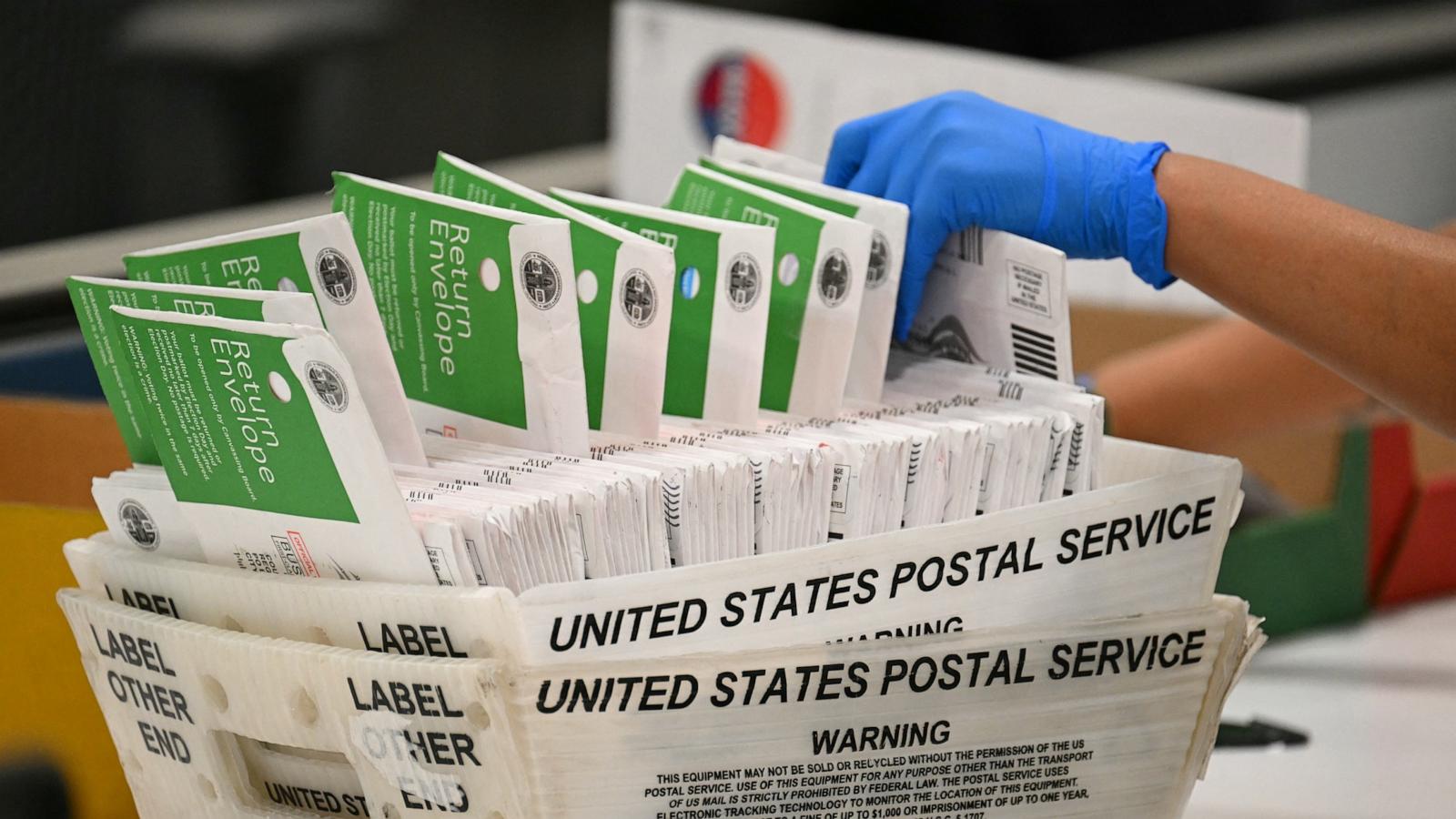
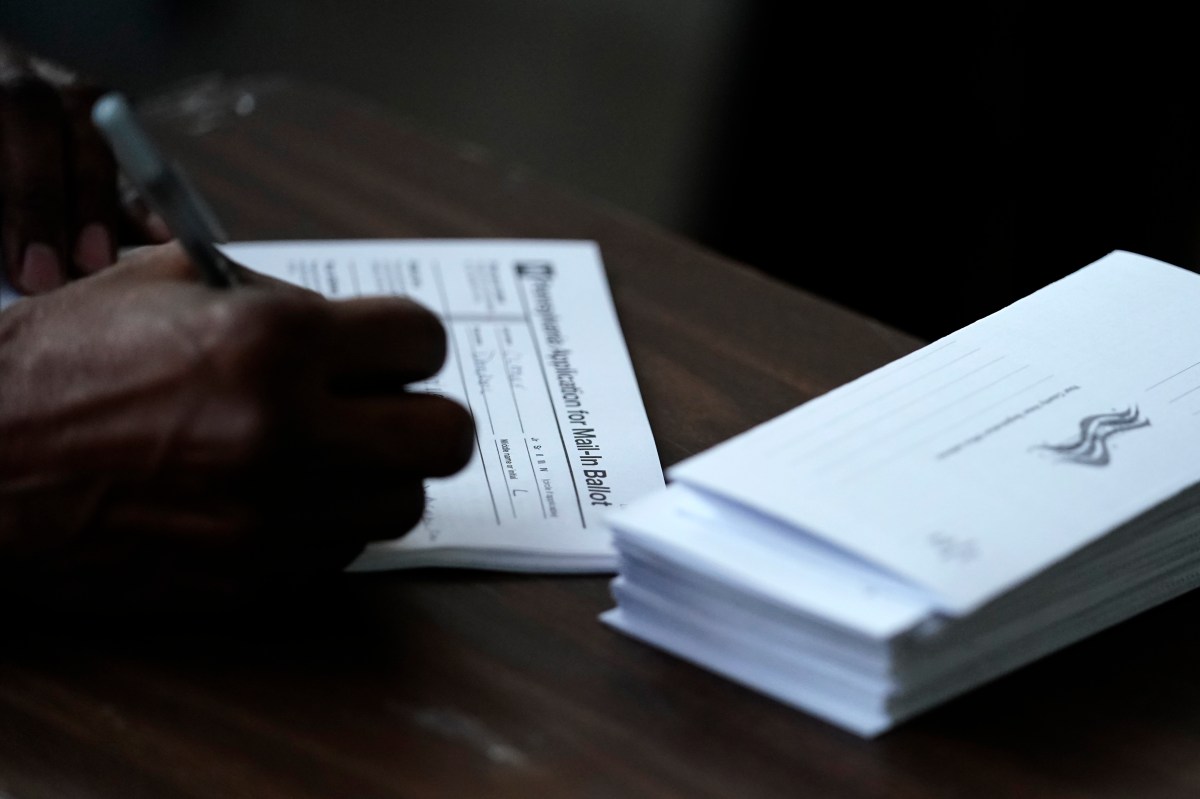
A federal judge temporarily stopped the Trump administration from putting a new rule into effect that would limit mail-in voting. The judge’s order blocks the rule for at least two weeks while the court reviews the case.
Key Facts
A federal judge named Indira Talwani issued the temporary block on Thursday night.
The Trump administration tried to enforce a new rule increasing Postal Service oversight of mail-in voting.
The rule was based on an executive order by President Donald Trump.
The order would have made the Postal Service the main enforcer to check if mail-in voters were allowed to vote by mail.
The judge stopped the rule for at least 14 days.
Judge Talwani had blocked a similar Trump executive order before but changed her decision after the Supreme Court said she acted too fast.
The situation is still developing, and updates may come later.
Read the Original
Want the full story? Tap a source to open the original
article.
The identity of a well-known man from Queensland involved in an ongoing extortion case will remain confidential. A court decided to keep his name secret to protect the privacy of the female alleged victim after a legal challenge was rejected.
Key Facts
The man is called MM in the court documents and is not accused of any crime.
The extortion case is taking place in Cairns, Queensland.
A magistrate ordered that MM’s identity be kept private to protect the female complainant.
The Queensland police commissioner requested the identity suppression.
Media groups challenged the court’s power to hide MM’s identity.
A supreme court judge, Justice James Henry, dismissed the media’s challenge.
The extortion case is still ongoing.
MM is not a legal party in the case.
Read the Original
Want the full story? Tap a source to open the original
article.
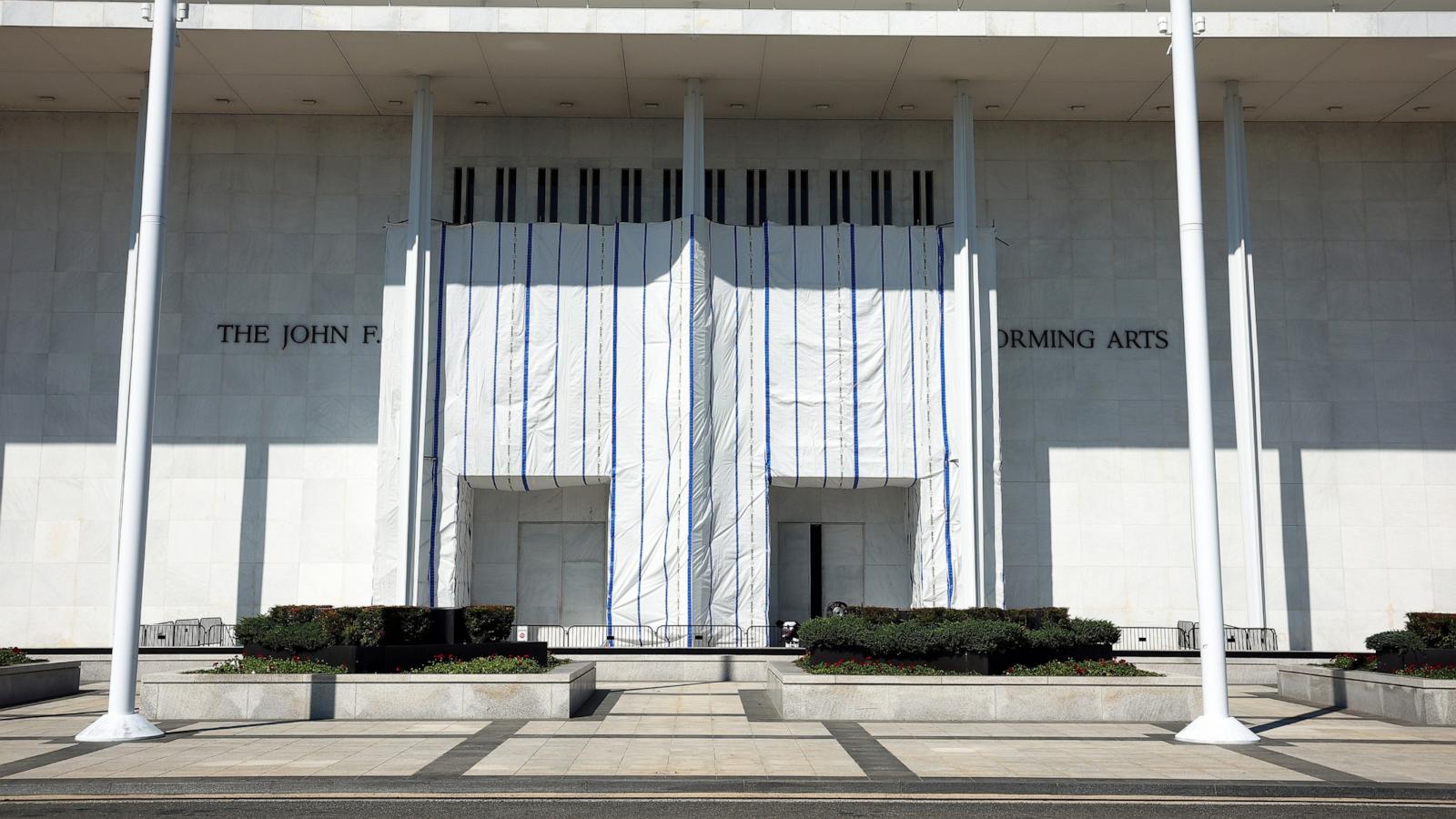
The Justice Department said the Kennedy Center will not add President Donald Trump's name to its building or plaza before October 8, 2026. This delay follows a court hearing about whether the center can honor Trump despite a previous judge's order to remove his name.
Key Facts
The Kennedy Center board voted to honor President Trump by adding his name to the building and plaza.
A federal judge, Christopher Cooper, ordered the removal of Trump's name earlier this year.
Judge Cooper held a hearing to discuss the legality of adding Trump’s name again.
The Justice Department requested a delay in the renaming until after October 8, 2026.
Lawyers for a Kennedy Center board member called the move by the board a defiance of the court order.
The Justice Department said the center is not planning to rename the entire complex after Trump.
The board claims honoring Trump will help fix financial and structural problems at the center.
Judge Cooper questioned if areas outside the building count as public space covered by law restricting new memorials.
Read the Original
Want the full story? Tap a source to open the original
article.
A US federal judge ruled that the Trump administration acted illegally when it blacklisted AI company Anthropic in February. The judge stopped the government from enforcing sanctions that blocked Anthropic from some military work, saying the punishment was a response to the company's public criticism of the Pentagon.
Key Facts
The Trump administration labeled Anthropic a “supply chain risk,” a status usually reserved for foreign companies.
The designation stopped Anthropic from participating in certain military contracts.
Anthropic refused to let the military use its AI chatbot Claude for surveillance or autonomous weapons, citing safety and rights concerns.
Judge Rita Lin ruled that the government’s action violated Anthropic’s free speech rights (First Amendment) and due process rights (Fifth Amendment).
The judge made the suspension of sanctions permanent and blocked the Pentagon from enforcing the blacklist.
The government may appeal the ruling.
Anthropic has another lawsuit pending about a different Pentagon supply chain risk designation related to civilian government contracts.
The Pentagon argued that the designation was about contract terms and military safety, not about punishing Anthropic’s views.
Read the Original
Want the full story? Tap a source to open the original
article.
An autopsy report shows that a 20-year-old man named Tyrin Johnson was fatally shot in the back by members of the Tennessee National Guard in Memphis. This medical finding conflicts with official police statements that said he was facing the guards when he was shot.
Key Facts
Tyrin Johnson was shot by Tennessee National Guard members assigned to a federal anti-crime task force.
Police said Johnson was armed and turned to face the guards before being shot.
The autopsy revealed a bullet entered the right side of Johnson’s back and exited his upper right chest.
The bullet’s path suggests Johnson was running away when he was shot.
The shot was fired from more than three feet away, with no close-range gunfire signs.
Johnson’s family received the autopsy report from the West Tennessee Regional Forensic Center.
The Memphis Safe Task Force, created by President Donald Trump, has been involved in four fatal shootings between May and July 2026.
Johnson’s grandfather, Evaniel Johnson, who is a former corrections officer, said the shooting was not justified.
Read the Original
Want the full story? Tap a source to open the original
article.
A federal judge in Boston has temporarily stopped the Trump administration from enforcing new rules that would limit mail-in voting before the November midterm elections. The judge's decision will last at least two more weeks while a legal challenge by some states and voting groups continues.
Key Facts
Judge Indira Talwani blocked new restrictions on mail-in voting.
The restrictions were introduced by the Trump administration.
The ruling is a temporary pause lasting at least two weeks.
The decision applies before the November midterm elections.
States that voted mostly Democratic and voting rights groups filed the legal challenge.
The court believes these groups have a good chance of winning their case.
The case is ongoing and more decisions will come later.
Read the Original
Want the full story? Tap a source to open the original
article.
A judge ruled that President Donald Trump’s administration acted illegally by punishing the AI company Anthropic over disagreements about its AI model Claude. The court blocked the government from enforcing rules that stopped Anthropic from working with federal agencies, saying these actions violated the company’s free speech and legal rights.
Key Facts
The judge permanently banned the Trump administration from enforcing rules cutting Anthropic off from federal contracts.
The dispute involved the AI model Claude, which Anthropic limited from use in mass surveillance and autonomous weapons.
The military wanted full use of Claude for all legal purposes.
President Trump ordered federal agencies to stop using Claude earlier in the year.
Defense Secretary Pete Hegseth labeled Anthropic a supply chain risk to prevent its use in military contracts.
The government claimed these actions protected national security.
The judge said the government’s actions were retaliation against Anthropic for disagreeing with it, violating the First Amendment.
The judge also said Anthropic’s due process rights were violated.
Read the Original
Want the full story? Tap a source to open the original
article.
A federal judge temporarily blocked parts of the Trump administration’s new mail-in ballot rules, saying states do not have enough time or resources to follow them before the 2026 midterm elections. The judge’s order stops the U.S. Postal Service from enforcing the new rules for 14 days while the legal fight continues.
Key Facts
U.S. District Judge Indira Talwani issued a 14-day temporary restraining order on the new mail-in voting rules.
The rules come from an executive order by President Donald Trump aimed at tightening mail-in voting rules before the 2026 midterms.
The judge said states could not redesign ballots, train officials, or update systems in time for the election.
Mail-in ballots for the midterms are expected to be sent starting early September.
The Supreme Court recently lifted an earlier block on the rules but did not rule on their constitutionality.
Democratic-led states and voting rights groups challenged the new rules, saying they go beyond the administration’s authority.
Election officials warned that changing mail-in ballot procedures close to elections could cause problems.
The legal dispute is expected to continue, with potential effects on how voting happens in November.
Read the Original
Want the full story? Tap a source to open the original
article.
A judge ruled that the US Department of Defense acted illegally when it labeled AI company Anthropic as a supply chain risk. The designation was a response to Anthropic refusing to let the military use its AI technology for surveillance or autonomous weapons.
Key Facts
The US Department of Defense called Anthropic a supply chain risk, which means a potential threat to military technology safety.
Anthropic's refusal was based on not wanting its AI models used for surveillance or weapons without safety guarantees.
US District Judge Rita Lin said the government cannot use national security as a reason to punish critics.
This is the first time an American company has been publicly called a supply chain risk like this.
The Pentagon said private companies should not limit military decisions by setting rules for AI use.
The White House criticized Anthropic as a "radical left, woke company" trying to control military actions.
Anthropic warned this designation could cause billions in financial losses and damage its reputation.
The lawsuit called the government’s action unprecedented and unlawful.
Read the Original
Want the full story? Tap a source to open the original
article.