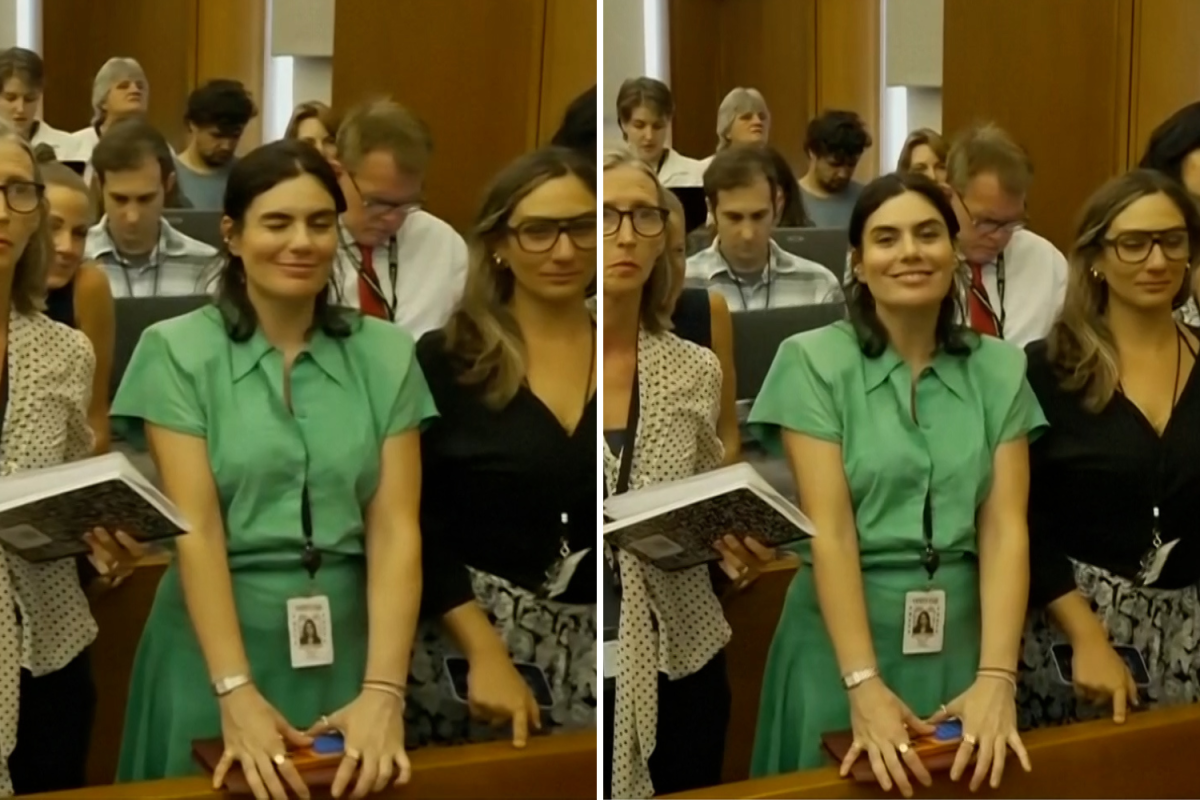
Brittany Romano, a New York City editor, drew attention during the Lindsay Clancy murder trial when a courtroom camera caught her smiling and winking. Romano faced criticism online but denied inappropriate behavior and addressed negative messages she received. Social media users speculate about a possible childhood connection between Romano and Clancy, but no official link has been confirmed.
Key Facts
Brittany Romano is an editor and writer based in New York City with over ten years of experience.
Romano appeared on camera smiling and winking during the Lindsay Clancy murder trial in Massachusetts.
Some people online criticized her for her behavior during a serious trial involving the deaths of three children.
Romano responded publicly, rejecting the criticism and saying she experienced abusive messages.
Social media users shared a childhood photo claiming Romano and Clancy were friends, but this is unconfirmed.
Romano said she smiled because she and Clancy grew up together and exchanged looks during the trial.
Romano has written about the trial on social media, providing commentary on court events.
The Lindsay Clancy trial has gained widespread attention for the case details and courtroom moments.
Read the Original
Want the full story? Tap a source to open the original
article.
The article discusses a plan related to nuclear energy linked to President Donald Trump’s administration. It warns that the plan faces several important hurdles before it can be considered successful.
Key Facts
The article is about a nuclear energy plan associated with President Donald Trump.
The plan has not yet been fully approved or implemented.
There are five main challenges or tests the plan must pass to move forward.
The current situation is described as gridlock, meaning little progress has been made so far.
The article suggests caution before celebrating the plan’s success.
Read the Original
Want the full story? Tap a source to open the original
article.
President Donald Trump won a partial legal victory when the Supreme Court lifted an injunction blocking parts of his executive order to tighten rules on mail-in voting. However, a separate court order still prevents the new mail-in voting restrictions from being used in the November midterm elections, making it unlikely his rules will affect most ballots.
Key Facts
The Supreme Court lifted an early challenge against Trump's March executive order about mail-in voting.
The Court said this does not guarantee that all parts of the order are legal.
A separate nationwide injunction still blocks the U.S. Postal Service (USPS) from enforcing Trump's mail-ballot rules for the November 3 election.
Trump’s order requires new procedures, including lists of eligible voters and specific barcoded envelopes for mail ballots, to reduce voter fraud.
USPS rules say once a ballot is in the mail, it cannot be taken back or delayed.
States will start sending out ballots to some voters in early September, before the new rules can be used.
It would be difficult to apply the new mail ballot rules immediately because election officials need time to prepare.
If the remaining injunction is lifted later, the USPS could apply the new rules to ballots sent after that time, but not to those already mailed.
Read the Original
Want the full story? Tap a source to open the original
article.
Young adults leaving care in England die at about four times the rate of the general population, with many facing serious challenges when they turn 18 and lose support. A new government-commissioned report calls this a national tragedy and says better preparation, housing, and consistent support are needed to help care leavers succeed.
Key Facts
Care leavers aged 18 to 24 had about 130 deaths per 100,000 in 2025, four times higher than others their age.
Most deaths occur at age 18, highlighting difficulties after leaving care.
Around one-third of deaths were suicides, possibly five times higher than the general population.
Other causes included murder, accidents, drug misuse, and unmanaged health problems.
Support varies greatly because personal advisers (PAs) are only required to visit care leavers once every two months.
Housing for care leavers is often managed by profit-focused providers without social work or therapy support.
The government plans a £25 million national program to improve housing that offers community and connection.
Children’s Minister Josh MacAlister said building lasting relationships must become the main goal of the care system.
Read the Original
Want the full story? Tap a source to open the original
article.
Journalist Catherine Herridge faces an $800 daily fine after a court found her in contempt for refusing to reveal her confidential sources related to a 2017 investigation. She has appealed to the supreme court, arguing that revealing sources would end her career and harm press freedom.
Key Facts
Herridge was fined $800 every day for 18 days for not disclosing her sources.
The judge paused the fines until Herridge’s appeal to the supreme court is decided.
The case concerns reporting on Yanping Chen, a scientist investigated for ties to China’s military.
Herridge says revealing her sources would destroy her career and future trust.
Freedom of the Press Foundation stresses that confidential sources are vital for investigative journalism.
Herridge could face jail if she continues refusing to pay the fines and reveal sources.
Former employer Fox News is paying for Herridge’s legal fees, supporting her fight to protect press freedom.
Herridge calls this a landmark First Amendment case about free press rights.
Read the Original
Want the full story? Tap a source to open the original
article.
The Trump administration’s Environmental Protection Agency (EPA) has proposed a new rule that would make it voluntary for datacenters to disclose their air pollution levels to the public. This change would reduce transparency and public oversight of pollution from datacenters, which release harmful pollutants like nitrogen oxide.
Key Facts
The EPA’s new rule aims to stop requiring datacenters to publicly report their air pollution levels.
Datacenters emit pollutants such as nitrogen oxide, which can cause ozone and other harmful substances.
Current law requires “minor” polluters to disclose pollution information through state agencies.
The proposed rule would let states and some local officials decide if disclosure is needed, making it optional.
Many state governments support datacenters and may not require pollution disclosure voluntarily.
Datacenters often split their pollution permits into smaller parts to avoid strict federal review.
Public health groups warn this will reduce community knowledge and ability to challenge pollution legally.
The EPA says this change will reduce paperwork and speed up the approval process for datacenters.
Read the Original
Want the full story? Tap a source to open the original
article.
The U.S. Supreme Court allowed the Trump administration to temporarily enforce parts of an executive order that restricts mail-in voting before the November midterm elections. Mail-in voting is widely used in some states, especially in the West, while many Southern and Midwestern states use it less.
Key Facts
The Supreme Court lifted a lower court’s block on parts of President Trump’s order limiting mail-in voting.
Nearly a third of Americans (30.3%) voted by mail in the 2024 election.
Western states like Oregon, Washington, Utah, and Colorado had the highest mail-in voting rates, with Oregon at 99.3%.
Southern and Midwestern states, such as West Virginia and Texas, had very low mail-in voting rates (around 3%).
President Trump’s order requires federal agencies to create voter lists and the Postal Service to send mail ballots only to those on these lists.
Democratic leaders in 23 states and Washington, D.C. sued to block the order, citing state and congressional authority over elections.
The Supreme Court ruled states and D.C. cannot legally challenge the order at this time but did not decide if the order is lawful.
Studies show mail-in voting fraud is very rare, with about 4 cases per 10 million votes from 2016 to 2022.
Read the Original
Want the full story? Tap a source to open the original
article.
AIPAC, a pro-Israel group that supports politicians in the US, is facing challenges as some politicians from both parties are asking it not to fund or campaign for them. This change is because many Americans, including some Republicans and progressive Democrats, are now questioning US support for Israel.
Key Facts
Mike Rogers, a Republican Senate candidate in Michigan, asked AIPAC not to run a campaign for him.
Michigan has a large Arab American population, which may affect voter opinions.
AIPAC is a pro-Israel lobbying group established in 1954.
It promotes strong US support for Israel and opposes criticism of Israeli government policies.
AIPAC began using political action committees in the 1980s to fund candidates.
Recently, AIPAC shifted to spending directly through political action and super PACs, which can raise unlimited funds.
AIPAC has spent millions supporting candidates who oppose progressive Democrats critical of Israel.
Some politicians worry that AIPAC’s support may hurt their chances with voters who do not agree with US policies on Israel.
Read the Original
Want the full story? Tap a source to open the original
article.
Florida has seen many people drop their Affordable Care Act (Obamacare) health plans after federal subsidies ended in January 2026, causing insurance costs to rise sharply. This has left thousands struggling to afford care or skipping medical treatment, as healthcare prices grow and no new government help has been provided.
Key Facts
About 440,000 people in Florida dropped their ACA health insurance plans in 2026, the highest number in any U.S. state.
Federal subsidies that helped lower the cost of ACA plans expired in January 2026, leading to large premium increases.
Many Floridians, including gig workers and small business owners, rely on the federal health insurance marketplace.
Rising costs for healthcare come alongside other high expenses like food and gasoline.
Some people are avoiding medical care because they cannot afford hospital or doctor bills.
Florida’s political landscape, dominated by Republicans, focuses campaign issues on health program funding and fraud.
Democratic candidates campaign to restore subsidies by changing congressional control.
Stories like Elijah Button’s show how unaffordable healthcare can lead to untreated injuries and financial strain.
Read the Original
Want the full story? Tap a source to open the original
article.
Experts say it is important to help children get good sleep as they return to school after summer. Setting earlier bedtimes gradually and creating relaxing routines can improve kids' sleep and help them focus during the day.
Key Facts
Children need different amounts of sleep depending on their age: preschoolers up to 13 hours, tweens 9 to 12 hours, and teenagers 8 to 10 hours.
Bedtimes often get later in summer due to activities like sleepovers and travel.
Experts recommend moving bedtimes earlier by 15 to 30 minutes each night or starting earlier bedtimes 1-2 weeks before school.
Avoid heavy meals and screen time at least two hours before sleeping; choose relaxing activities instead.
Morning exposure to daylight can help reset the brain’s internal clock.
Parents should talk to their children about any back-to-school worries that may affect sleep.
Visiting the school or meeting classmates before school starts can reduce anxiety.
Kids will adjust over time, so parents are encouraged to start a sleep routine and be patient.
Read the Original
Want the full story? Tap a source to open the original
article.
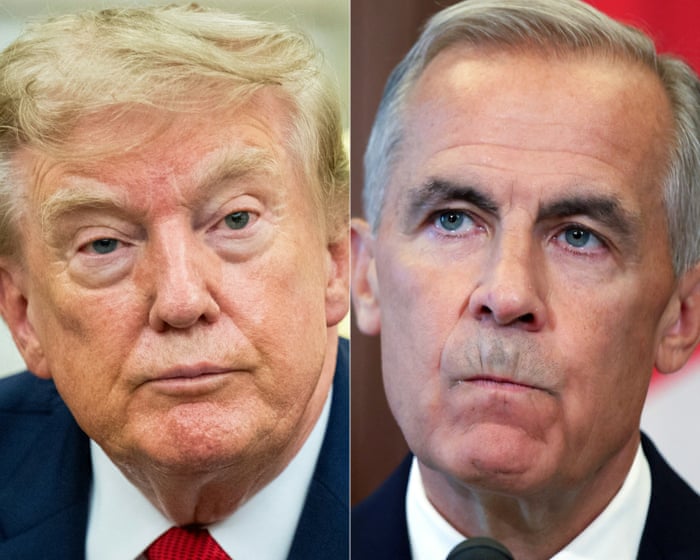
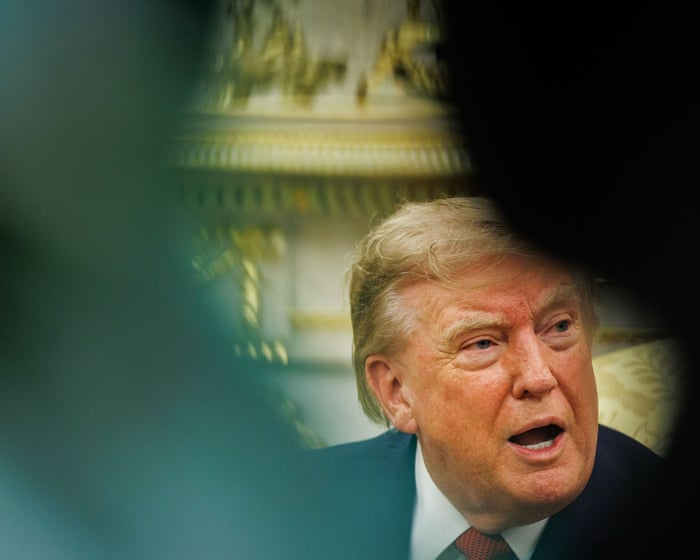
Canada plans to respond to new tariffs imposed by President Donald Trump, who has accused Canada of unfair trade practices and threatened additional tariffs on vehicles. Canadian leaders have pushed back against U.S. proposals seen as threatening French language rights in Quebec and ended trade talks. Several political races are underway in the U.S., and the Supreme Court is involved in voting rule disputes tied to Trump’s executive orders.
Key Facts
President Trump criticized Canada for what he called unfair trade practices and introduced new tariffs on Canadian products, including cars and trucks.
Canada’s Prime Minister Mark Carney defended French language rights in Quebec and rejected U.S. trade proposals seen as harmful to those rights.
Canada stopped trade negotiations with the U.S. and said it will retaliate with its own tariffs in early September.
Quebec’s Premier agreed with Canada’s tough stance, calling the U.S. proposals a “red line” on culture.
Trump’s trade representative said reports about questioning French language protections were false.
Political races in South Carolina and Oklahoma are ongoing, with Trump endorsing one candidate in Oklahoma.
The U.S. Supreme Court supports parts of Trump’s order limiting mail-in voting, but changes may not be fully in place before upcoming elections.
Ukrainian President Volodymyr Zelenskyy said Trump congratulated Ukraine on its independence day and expressed hope for peace despite ongoing conflicts and varying military support.
Read the Original
Want the full story? Tap a source to open the original
article.
Adam Hamilton is running as a Democrat for the US Senate in Kansas, a state that has not elected a Democratic senator since 1932. His campaign is gaining attention as the race becomes more competitive against Republican Senator Roger Marshall, despite Kansas being a traditionally Republican state.
Key Facts
Kansas has not elected a Democratic US senator since 1932.
Adam Hamilton won 35% of the vote in a recent Democratic primary with 11 candidates.
Hamilton’s campaign set a new fundraising record in Kansas for a quarter.
Major election forecasters say the Kansas Senate race is more competitive now but still favor Senator Roger Marshall.
Democrats need to win several seats in states carried by President Trump in 2022 to retake the Senate.
President Trump won Kansas by 16 points in the last election.
Senate Minority Leader Chuck Schumer said Hamilton could win if there is a large wave of Democratic victories nationwide.
Hamilton’s background as a church leader helps him communicate well with voters.
Read the Original
Want the full story? Tap a source to open the original
article.
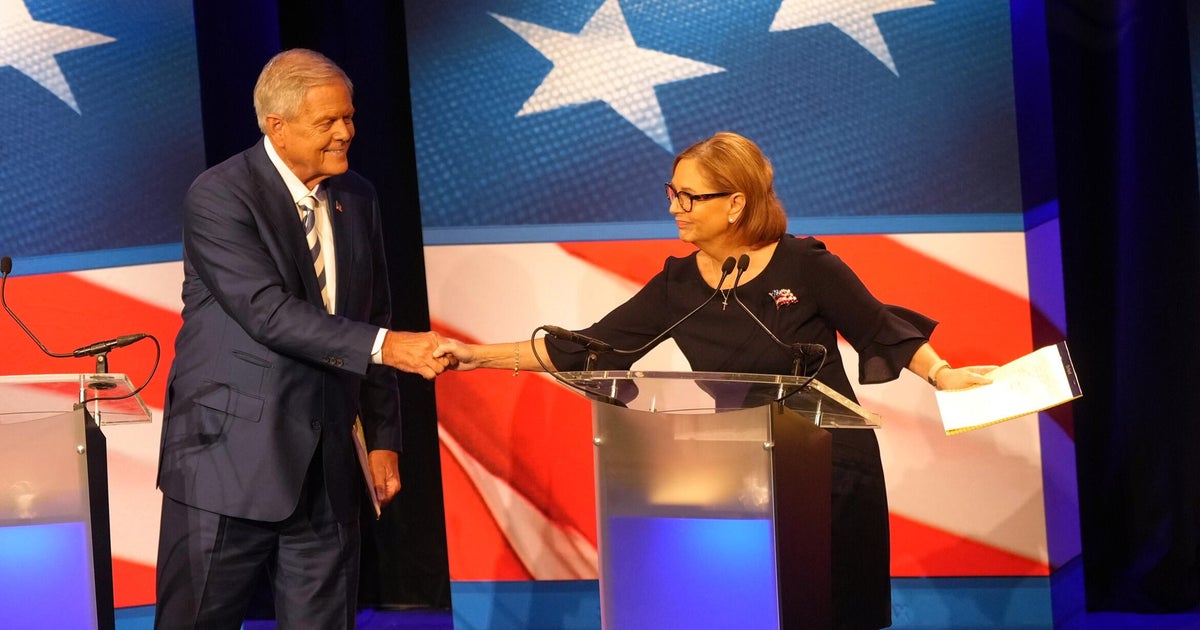
Darline Graham and Ralph Norman will compete in a runoff election for the South Carolina Senate seat after Lindsey Graham’s death. Darline Graham, appointed to fill her brother Lindsey Graham’s term, is running for a full term with President Trump’s support, while Ralph Norman campaigns as a strong conservative.
Key Facts
Lindsey Graham’s unexpected death led to a special election in South Carolina.
Governor Henry McMaster appointed Darline Graham, Lindsey’s sister, to finish his Senate term.
Darline Graham decided to run for a full Senate term and won the top spot in the primary to reach the runoff.
Ralph Norman, a U.S. Representative known as very conservative, is Graham’s opponent in the runoff.
Graham is a political newcomer and career civil servant, previously leading the state’s commission for the blind.
President Donald Trump endorsed Darline Graham, stating he asked her to run.
Some opponents criticize Graham for her lack of legislative experience and comments about defense issues.
The runoff winner will face Democrat Annie Andrews in the November general election in a historically Republican state.
Read the Original
Want the full story? Tap a source to open the original
article.
A new memo from the Department of Justice’s Office of Legal Counsel says private advisers to a president can use executive privilege to avoid subpoenaed questioning. This could make it harder for Congress or courts to get witnesses to testify about possible presidential wrongdoing.
Key Facts
Executive privilege lets presidents keep certain communications private.
The new memo says private advisers can also claim this privilege, extending presidential protection.
This change could block important witnesses from testifying in investigations.
In 2019, White House counsel Don McGahn refused to testify about President Trump’s actions, citing testimonial immunity based on executive privilege.
Courts often reject claims of executive privilege, as seen with Presidents Clinton and Nixon in past cases.
The memo’s approach is broader than previous ones and applies to private advisers, which is unusual.
Executive privilege has been claimed since the early days of the U.S., but courts usually limit its scope.
This policy change raises concerns about accountability and potential presidential corruption.
Read the Original
Want the full story? Tap a source to open the original
article.
South Carolina Republicans are holding a runoff election to choose who will replace Senator Lindsey Graham on the November ballot following his death. The candidates are Graham’s sister, Senator Darline Graham, and Representative Ralph Norman, with President Donald Trump backing Darline Graham.
Key Facts
Senator Lindsey Graham died suddenly in July.
Darline Graham was appointed to finish her brother’s term in the Senate.
Neither Darline Graham nor Ralph Norman won more than 50% in the Aug. 11 primary, leading to a runoff vote.
President Trump has endorsed Darline Graham and campaigned for her.
Darline Graham has no prior elected office experience and admitted limited knowledge on national security.
Ralph Norman, a U.S. House member since 2017, opposes Graham and is backed by former Governor Nikki Haley.
Darline Graham aims to continue her brother’s work but may take a more conservative approach.
South Carolina is a strongly Republican state with only one Democratic member in Congress.
Read the Original
Want the full story? Tap a source to open the original
article.
The South Carolina Senate runoff election is an important test for two wings of the Republican Party: supporters of the "America First" approach and the broader "Make America Great Again" (MAGA) movement. Although voters usually focus on local issues in primaries, this race is influenced by national politics and recent campaign events.
Key Facts
The runoff election is for a U.S. Senate seat in South Carolina.
Republican primary voters are the main participants in this runoff.
The contest highlights a split within the Republican Party between the "America First" faction and the MAGA movement.
National political issues are playing a bigger role in this local election than usual.
A debate mistake by a candidate has added attention to the race.
The outcome could show how much influence each Republican faction has among voters in South Carolina.
The election takes place during a time when the United States' global position seems less stable.
This runoff is seen as a key event ahead of future national elections.
Read the Original
Want the full story? Tap a source to open the original
article.
The South Carolina Senate runoff election is seen as a major test of President Donald Trump’s influence in Republican politics. President Trump supports political newcomer Sen. Darline Graham, who aims to succeed her late brother, Senator Lindsey Graham.
Key Facts
The Senate runoff election in South Carolina is scheduled for Tuesday.
President Donald Trump is actively supporting Sen. Darline Graham.
Darline Graham is new to politics and related to the late Senator Lindsey Graham.
The race is closely watched as a sign of President Trump’s power in the Republican Party.
The Republican Party is divided in this election between supporters of Darline Graham and other candidates.
This election will help show how much influence President Trump has over Republican voters.
The seat became open following the death of Senator Lindsey Graham.
Read the Original
Want the full story? Tap a source to open the original
article.
President Donald Trump plans to pause tariffs on some beef imports to help lower food prices in the U.S. At the same time, he is increasing tariffs on important goods from Canada. This has caused disagreements with Senate Republicans.
Key Facts
President Trump wants to pause tariffs on 300,000 tons of ground beef imports.
The pause aims to address American concerns about high food prices.
Tariffs on key Canadian goods are being increased.
This move is causing tension between President Trump and Senate Republicans.
Senators disagree with the mix of lowering tariffs on beef while raising them on Canadian products.
The beef tariff pause is for products outside the normal quota limits (out-of-quota tariffs).
The situation involves trade policies between the U.S. and Canada.
Read the Original
Want the full story? Tap a source to open the original
article.
The Trump administration is increasing economic pressure on Iran as part of its response to ongoing conflict. Treasury Secretary Scott Bessent announced new plans to target Iran’s financial networks ahead of the upcoming midterm elections.
Key Facts
The U.S. has been involved in a conflict with Iran for six months.
There are less than three months left before the U.S. midterm elections.
Treasury Secretary Scott Bessent is leading the new economic approach.
The plan focuses on targeting Iran’s financial connections.
This approach is called "Plan C" by the administration.
The goal is to create a strong economic impact on Iran.
The current strategy aims to go beyond earlier efforts against Iran.
Read the Original
Want the full story? Tap a source to open the original
article.
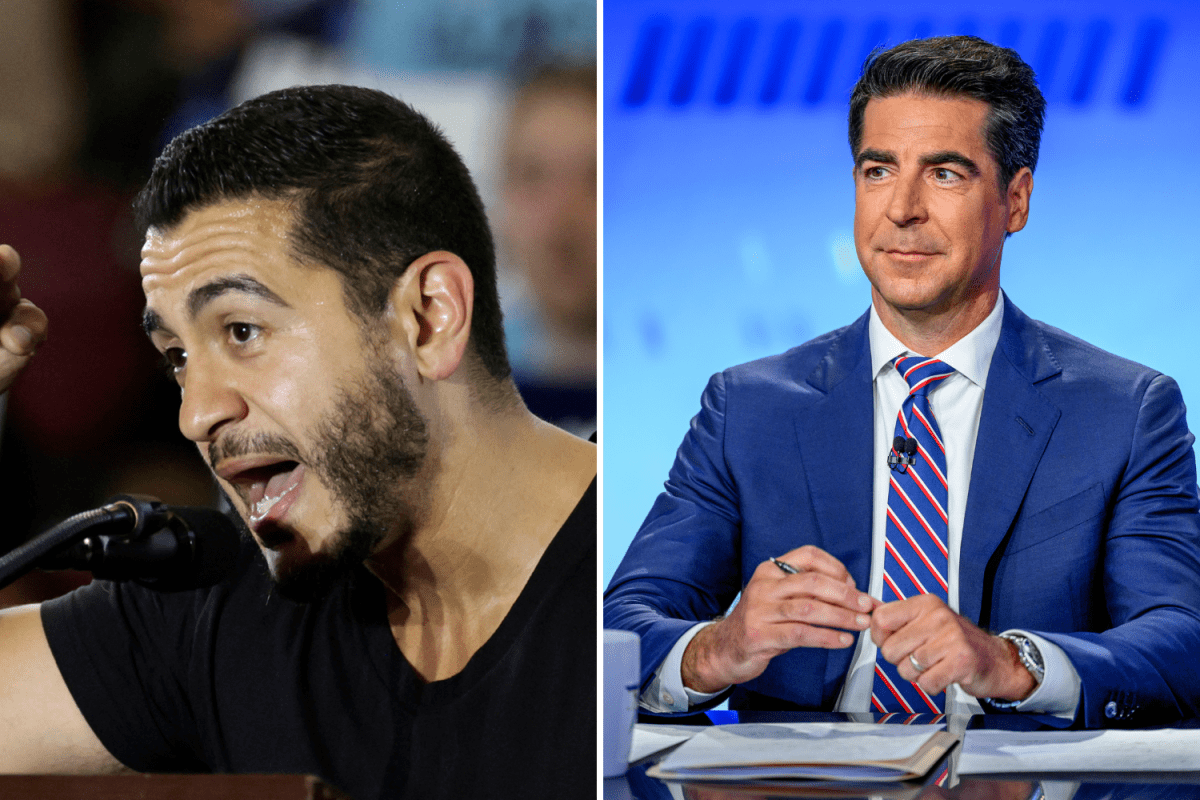
Democratic Senate candidate Abdul El-Sayed spoke on Fox News with host Jesse Watters about key political issues like health care, the economy, and transgender athletes. El-Sayed emphasized voters’ economic concerns and rejected culture-war debates, saying medical decisions should be made by families and doctors, not politicians.
Key Facts
Abdul El-Sayed is the Democratic nominee for a U.S. Senate seat in Michigan for the 2026 midterms.
He appeared on Fox News in a tense interview with host Jesse Watters.
El-Sayed focused on everyday issues like health care costs, gas prices, and groceries.
Watters challenged El-Sayed several times on transgender women competing in women’s sports.
El-Sayed said sports decisions should be made by athletic authorities, not politicians.
He compared debates about gender-care for minors to circumcision, saying these decisions belong to families and doctors.
Watters asked about Sharia law bans in courts; El-Sayed responded that U.S. law is governed by the Constitution.
The interview highlighted the clash between focusing on economic issues versus culture-war topics in campaigns.
Read the Original
Want the full story? Tap a source to open the original
article.