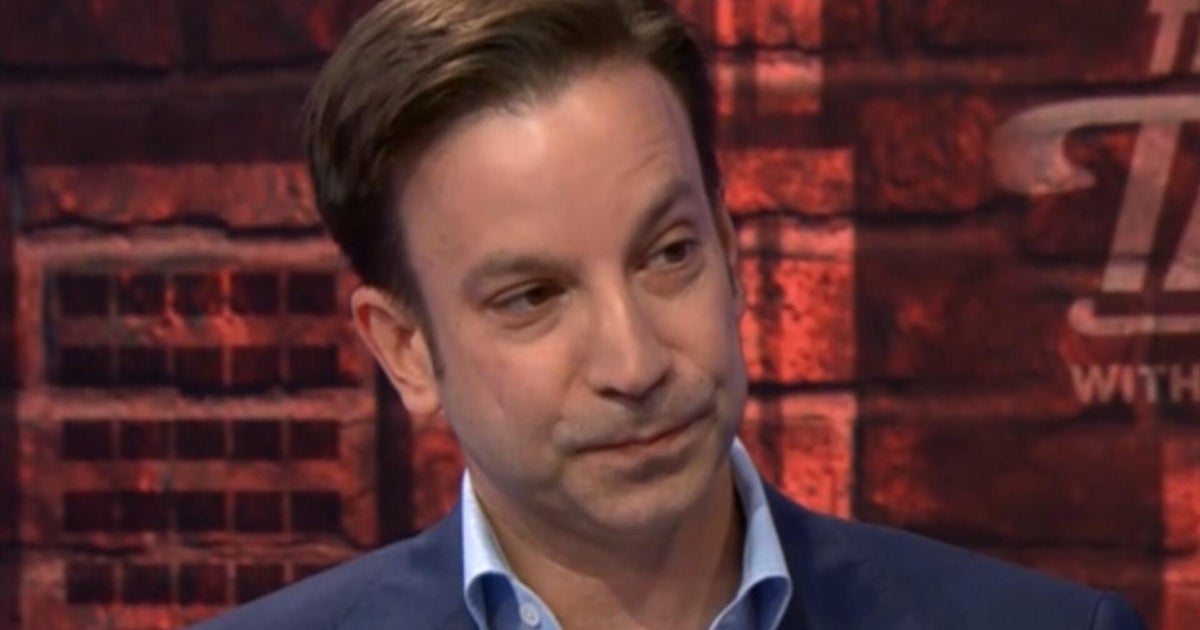
The Pentagon recently fired Erik Slavin, the editor-in-chief of Stars and Stripes, along with two other staff members, citing insubordination. Stars and Stripes is a military newspaper partly funded by U.S. taxpayers that has traditionally operated independently from the government.
Key Facts
Erik Slavin was fired shortly after speaking out about concerns over government censorship at Stars and Stripes.
The Pentagon also terminated publisher Max Lederer and Middle East reporter Lara Korte.
Stars and Stripes has a $29 million annual budget, about half of which comes from U.S. taxpayers.
The paper has operated independently from the government since the Civil War.
Stars and Stripes has an average daily readership of 1.4 million, including service members overseas.
The Defense Department wants to modernize the paper and focus content away from topics it views as harming morale.
The Pentagon attempted to stop Stars and Stripes from publishing syndicated news articles from other outlets.
Navy Capt. William Urban was named as military deputy to the publisher, promising to maintain editorial independence.
Read the Original
Want the full story? Tap a source to open the original
article.
A judge denied 19-year-old Karmelo Anthony's request for a new trial in the fatal stabbing of 17-year-old Austin Metcalf at a Texas high school track meet. Austin’s father, Jeff Metcalf, said that no conviction or prison sentence can bring back his son or true justice. Anthony was convicted of murder and sentenced to 35 years in prison for the stabbing in April 2025.
Key Facts
Karmelo Anthony was convicted of murder in June 2026 for stabbing Austin Metcalf at a track meet in Frisco, Texas.
Anthony was sentenced to 35 years in prison.
Anthony's attorneys requested a new trial, arguing he was forced to waive his right to testify and that courtroom rules harmed his defense.
A retired judge denied the new trial request.
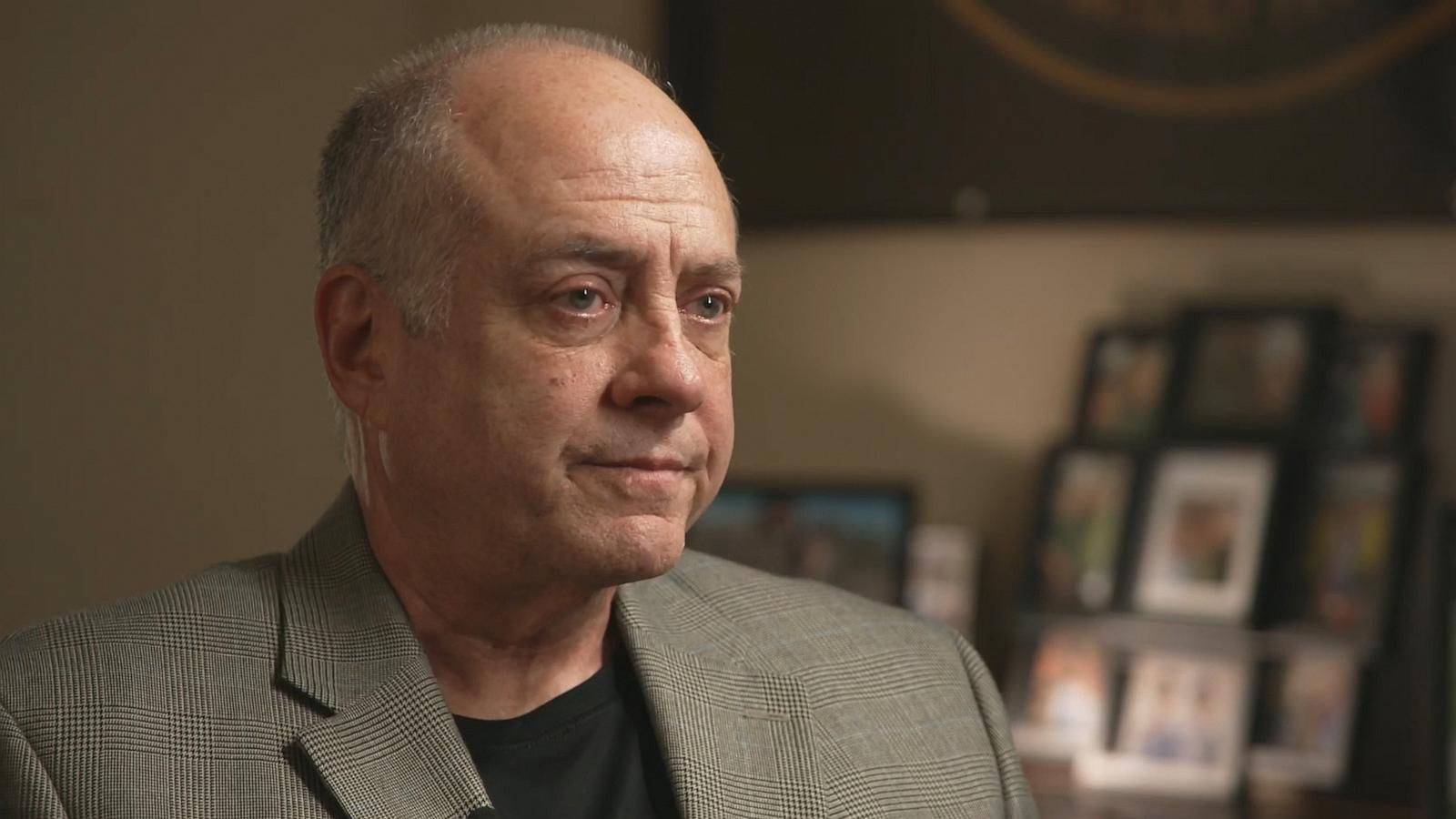
Jeff Metcalf, Austin’s father, said justice cannot bring back his son and described the family’s emotional loss.
Metcalf expressed sympathy for Anthony’s situation in prison but said Anthony must be held responsible for his actions.
The defense plans to continue appealing the conviction in the Fifth Court of Appeals.
The original trial judge was removed after defense challenged his impartiality.
Read the Original
Want the full story? Tap a source to open the original
article.
Mike Lindell is not paying the fee required for a recount of the Minnesota Republican governor primary votes because he disagrees with how the Secretary of State wants to conduct the recount. Lindell wants a full recount of all votes cast in the primary, but state officials plan to recount only votes for the top two candidates, and they say their plan follows Minnesota law.
Key Facts
Mike Lindell finished second in the Minnesota Republican governor primary behind Lisa Demuth.
Lindell's campaign has $825,000 ready to pay for a recount but has withheld payment due to a disagreement over the recount scope.
The Secretary of State's office plans to recount only votes for Lindell and Demuth, not all Republican candidates.
Lindell claims Minnesota law requires recounting all votes for the office in question.
Lindell is asking the state to delay the payment deadline until a court decides on the recount rules.
The Secretary of State says their recount plan has followed state law and administrative rules for 20 years.
No official evidence or findings of fraud or irregularities have been reported in the primary election results.
The winner of the Republican primary will face Democrat Amy Klobuchar in the November general election.
Read the Original
Want the full story? Tap a source to open the original
article.
The California Senate passed a bill that would fine social media influencers who do not disclose when they are paid to promote political candidates or issues. The bill aims to make the enforcement of these disclosure rules quicker and stronger. It now awaits a final vote in the Assembly and possible approval by Governor Gavin Newsom.
Key Facts
California requires influencers to disclose when they are paid to post about political candidates or ballot issues.
The bill would let the Fair Political Practices Commission fine influencers up to $5,000 per violation without going through a slow court process.
The current enforcement involves court orders that can take months to get influencers to reveal payments.
The bill was written by Democratic Assemblymember Marc Berman.
The bill passed the California Senate and now needs a final vote in the Assembly.
If approved, Governor Gavin Newsom has until the end of September to sign or veto the bill.
The state’s campaign watchdog supports this bill to improve transparency.
A similar federal bill proposed by Senator Adam Schiff has not yet been voted on in Congress.
Read the Original
Want the full story? Tap a source to open the original
article.
Dr. Céline Gounder reviewed statements made by Dr. Mehmet Oz, the head of the U.S. agency that manages Medicare and Medicaid, about vaccines and the cost of medicines. She examined whether his claims were accurate during a TV interview.
Key Facts
Dr. Mehmet Oz is the administrator of the Centers for Medicare and Medicaid Services (CMS).
He spoke about vaccines and drug prices on the show "Face the Nation."
Dr. Céline Gounder, a CBS News medical expert, analyzed his statements.
The fact-check focused on the truthfulness of Oz’s comments.
Medicare and Medicaid are government programs that help pay for healthcare and medicines.
The coverage of vaccines and drug costs is important for many Americans who rely on these programs.
The fact-check helps viewers understand if the information they heard was correct.
Read the Original
Want the full story? Tap a source to open the original
article.
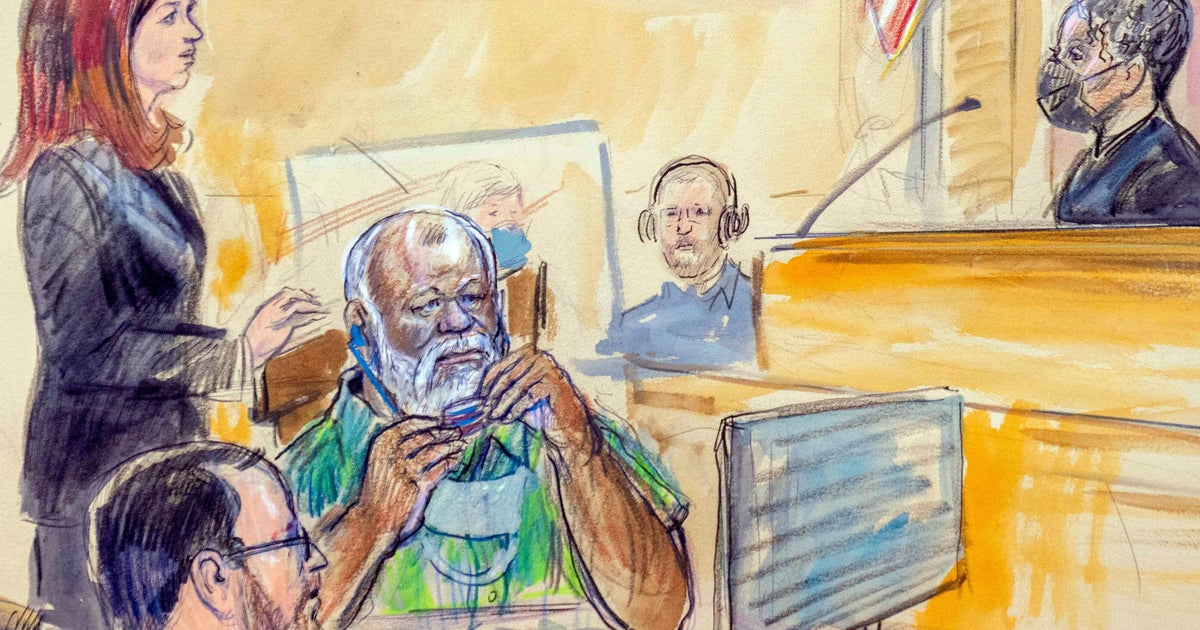
A U.S. judge has postponed the trial of Abu Agila Mohammad Mas'ud Kheir Al-Marimi, charged with making the bomb that destroyed Pan Am Flight 103 over Lockerbie in 1988, killing 270 people. The delay is due to new evidence that defense lawyers need time to review, with the next hearing set for September 1.
Key Facts
Abu Agila Mohammad Mas'ud Kheir Al-Marimi is accused of building the bomb that exploded on Pan Am Flight 103.
The bombing happened on December 21, 1988, over Lockerbie, Scotland, killing all 259 people on the plane and 11 on the ground.
Most victims were Americans, including 35 students from Syracuse University.
The bombing was one of the deadliest acts of air terrorism before 9/11.
The trial was set to start jury selection in Washington, D.C., but was postponed because of newly found evidence.
Al-Marimi is charged with destruction of an aircraft resulting in death and could face life in prison.
Prosecutors say the bombing was ordered by former Libyan leader Muammar Qaddafi.
The judge cited the case’s complexity and the need for the defense to examine new evidence as reasons for the delay.
Read the Original
Want the full story? Tap a source to open the original
article.
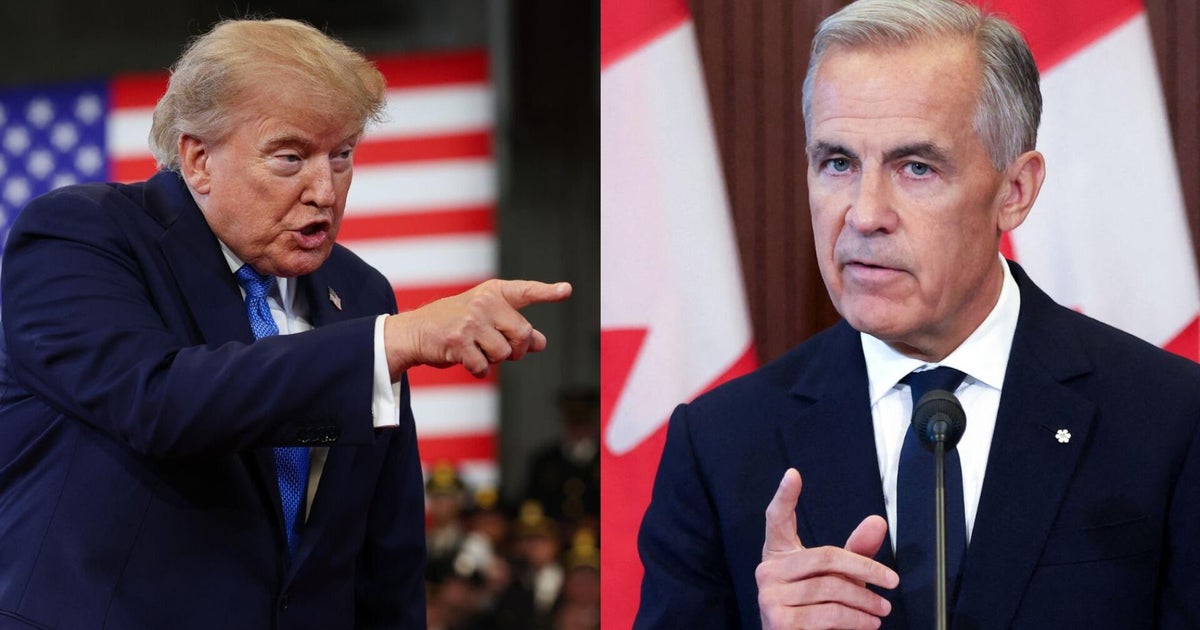
President Donald Trump announced that starting January 1, 2027, the United States will impose a 50% tariff on all cars and steel imported from Canada. This means Canadian auto and steel products will become more expensive in the U.S.
Key Facts
The tariff rate will be 50% on Canadian automotive and steel imports.
The tariff will start on January 1, 2027.
The announcement was made by President Donald Trump.
Canadian industries affected include car makers and steel producers.
Dan Kelly, head of the Canadian Federation of Independent Business, commented on the decision.
The tariff aims to protect U.S. industries by making Canadian imports costlier.
This policy could affect trade relations between the U.S. and Canada.
Read the Original
Want the full story? Tap a source to open the original
article.
A Massachusetts woman, Karen Solomon, who was suspected of killing her police officer husband, Kurt Solomon, was found dead six days after she disappeared. Authorities believe this was a murder-suicide case and are investigating the circumstances around both deaths.
Key Facts
Kurt Solomon, a Worcester police officer for 31 years, was found dead at their home on August 18.
Karen Solomon disappeared after her husband’s death and was named a suspect.
Police believe Kurt Solomon was killed with a sharp object.
Karen Solomon was found dead near a reservoir about a mile from their home.
A handgun found near Karen was not a police weapon, and investigators are trying to find its owner.
Karen co-founded First Help, a group supporting police officer mental health, and wrote books on first responders' challenges.
Law enforcement used drones, boats, and tracking dogs in the search for Karen.
The Solomons’ family thanked law enforcement and expressed their grief in a statement.
Read the Original
Want the full story? Tap a source to open the original
article.
A new study finds that nearly 25% of U.S. workers are "functionally unemployed," meaning they are not fully employed in a way that meets their financial or personal needs. This term highlights hidden problems in the U.S. job market that official unemployment numbers might not show.
Key Facts
About one in four U.S. workers falls into the category of "functional unemployment."
"Functional unemployment" means workers may have jobs but still face issues like low wages, part-time hours, or job instability.
This concept shows that traditional unemployment rates may underestimate job market challenges.
The analysis was reported by CBS News MoneyWatch reporter Megan Cerullo.
The report aims to give a clearer picture of economic conditions in the U.S. labor market.
Understanding this term can help policymakers address underemployment and working conditions.
The data highlights ongoing difficulties faced by many American workers despite being employed.
Read the Original
Want the full story? Tap a source to open the original
article.
The owner of the San Francisco 49ers was arrested at a trailer park in an operation organized by the police. He was reportedly there to pay $140 for sex, but it was part of a police sting.
Key Facts
The arrest happened over the weekend.
It took place at a trailer park.
The owner was caught in a police setup, also called a sting operation.
He was allegedly there to pay $140 for sex.
The San Francisco 49ers owner was the person arrested.
The information was reported by CBS News.
Carter Evans covered the story.
Read the Original
Want the full story? Tap a source to open the original
article.
The Trump administration announced new economic measures against Iran and criticized Canada, warning of possible new tariffs. The Supreme Court also supported President Trump’s order to limit mail-in ballots in a recent ruling.
Key Facts
President Trump’s administration revealed plans described as an "economic D-Day" targeting Iran.
The U.S. government criticized Canada and threatened to impose more tariffs on Canadian goods.
The Supreme Court ruled in favor of President Trump’s order to restrict mail-in voting.
These actions are part of broader economic and political moves by the Trump administration.
The developments involve international trade and U.S. election policies.
Canada is the United States' neighbor and important trading partner.
Tariffs are taxes on imported goods, used here as a trade negotiation tool.
Limiting mail-in ballots relates to ongoing changes in U.S. voting rules during President Trump’s term.
Read the Original
Want the full story? Tap a source to open the original
article.
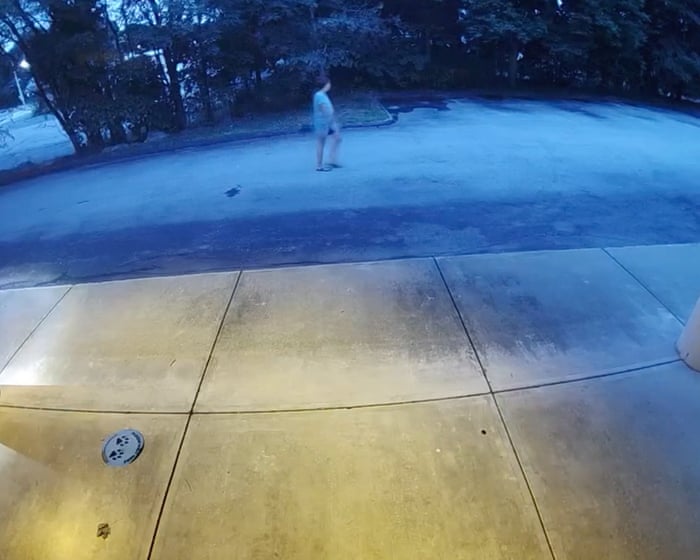
Three people wearing headlamps and rubber overalls came out of a manhole in New York City during the night. This is the third time such an event has been seen, and the police do not have a full explanation yet.
Key Facts
Three individuals were seen leaving a manhole in New York City at night.
They wore headlamps (small lights on their heads) and rubber overalls.
This event has happened at least three times recently.
The sightings were captured on video.
Police have not yet explained why these people are coming out of the manholes.
The activity is mysterious and under investigation.
The incident occurred underground, beneath the city streets.
Read the Original
Want the full story? Tap a source to open the original
article.
The NHS in England will offer nearly 4 million women who missed cervical screening the option to use HPV self-testing kits at home. These kits help detect the high-risk HPV virus, which causes most cervical cancers, and aim to increase screening rates by making the test easier and more private.
Key Facts
Around one-third of women eligible for cervical screening have recently not taken the test.
Nearly 4 million women will receive invitations by app, text, email, or letter to order a free HPV self-test kit.
The self-test involves using a swab to collect a vaginal sample at home, which is sent back for analysis.
If high-risk HPV is found, women will be asked to book a follow-up cervical screening appointment.
High-risk HPV increases cancer risk but does not mean cancer will definitely develop.
Trials in London show the self-testing could increase screening participation by 10%, adding about 400,000 women annually.
Women aged 24 to 64 are invited for cervical screening every five years, or more often if HPV is detected.
The NHS aims to eliminate cervical cancer by 2040 through vaccination and improved screening methods.
Read the Original
Want the full story? Tap a source to open the original
article.
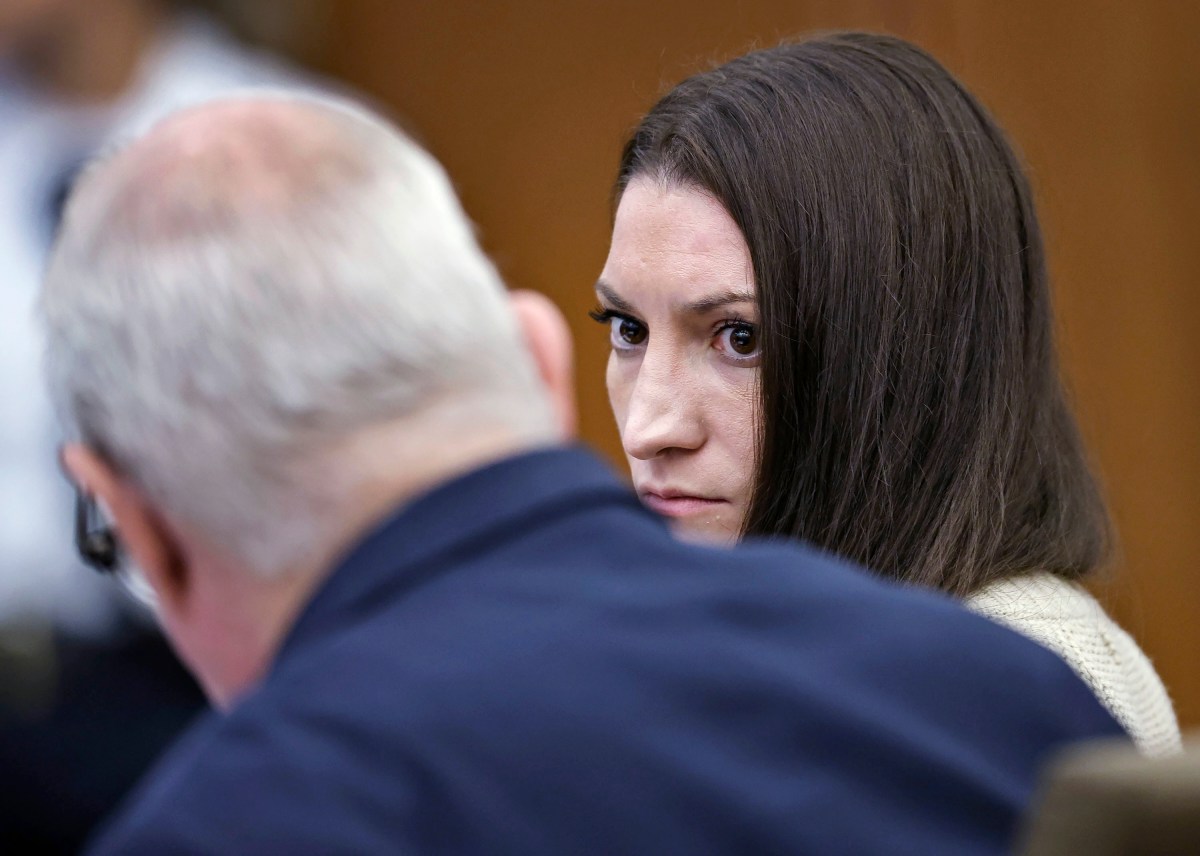
In the murder trial of Lindsay Clancy, the defense asked the judge to declare a mistrial because a prosecution witness mentioned Clancy's Catholic faith and the idea of mortal sin. The trial is ongoing, with closing arguments expected later this week.
Key Facts
Lindsay Clancy is on trial for murder.
A prosecution witness spoke about Clancy's Catholic faith during their testimony.
The witness referred to the concept of mortal sin, which is a serious sin in Catholic teaching.
The defense believes mentioning Clancy's religion was unfair and asked for a mistrial.
The judge has not yet decided on the defense’s request.
Closing arguments in the case are expected this week.
The case is taking place in a U.S. courthouse.
Read the Original
Want the full story? Tap a source to open the original
article.
More than 38,300 homes and businesses in Gary, Indiana, lost power after storms on August 11, 2026, leaving some without electricity for nearly two weeks. The local utility company says most customers have had power restored, but some in Gary and Memphis remain without service.
Key Facts
A powerful storm on August 11, 2026, caused widespread power outages in Gary, Indiana.
Over 38,300 homes and businesses in Gary lost power due to the storm.
As of August 24, some residents in Gary still did not have electricity 13 days after the storm.
The Northern Indiana Public Service Co. reported that more than 370,000 customers lost power overall, with over 364,000 restored.
The company expects to restore power to all customers in affected areas by Tuesday following the report.
Gary’s mayor criticized the slow pace of power restoration, calling 12 days without power “unacceptable.”
Community groups and local celebrities organized relief events providing food, supplies, and support to residents without power.
Nearby Memphis, Tennessee, also experienced power outages after storms, with about 34,000 customers still affected.
Read the Original
Want the full story? Tap a source to open the original
article.
Lindsay Clancy’s murder trial is nearing its end, with a major dispute over whether she was psychotic when she killed her three children. The defense argues she suffered from postpartum psychosis and was not responsible, while prosecution psychiatrists see her as severely depressed but not psychotic.
Key Facts
Lindsay Clancy is on trial for the murder of her three children.
The defense claims she had postpartum psychosis, including hearing harmful voices, which made her not responsible for the crime.
Prosecution psychiatrist Dr. Avram Mack said Clancy had major depression but no psychosis at the time of the killings.
Mack testified that psychosis does not always stop a person from knowing right from wrong.
Defense attorney Kevin Reddington challenged Mack’s qualifications and findings in court.
Another prosecution psychiatrist, Dr. Kirk Heilbrun, diagnosed Clancy with bipolar II disorder, differing from Mack’s diagnosis.
Both prosecution experts disagreed with the defense’s claim that Clancy was acutely psychotic during the killings.
The defense suggested possible bias in the prosecution experts’ evaluations.
Read the Original
Want the full story? Tap a source to open the original
article.
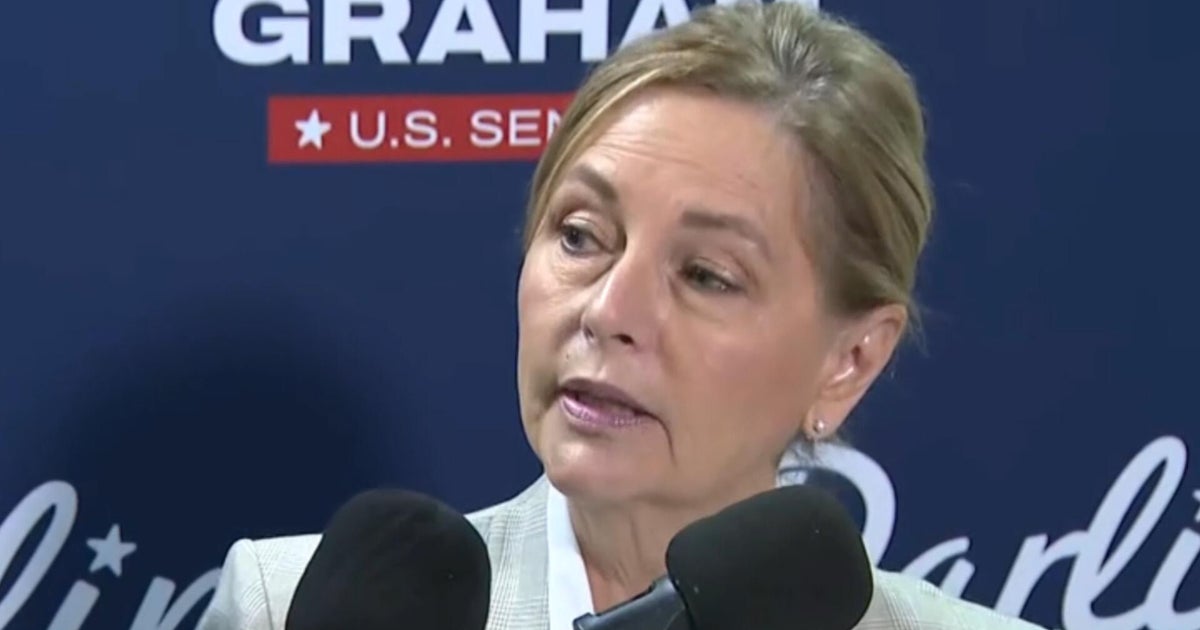
Darline Graham is a candidate in the Republican Senate primary runoff in South Carolina. She says she is focusing on making things more affordable but did not share a detailed plan before the election day.
Key Facts
The runoff election is between Darline Graham and Ralph Norman.
The election is a special Senate primary in South Carolina.
Republican voters will vote on Tuesday.
Darline Graham emphasizes affordability as a key issue.
She did not present a specific or detailed plan before the runoff.
CBS News correspondent Ed O'Keefe reported on the race.
Read the Original
Want the full story? Tap a source to open the original
article.
Supreme Court Justice Ketanji Brown Jackson criticized the court's decision to allow President Trump’s executive order on mail-in voting to go forward. She said the ruling causes unnecessary confusion for this year’s elections.
Key Facts
Justice Jackson is the Supreme Court’s junior liberal member.
The court lifted a block that had stopped President Trump’s executive order on mail-in voting.
Justice Jackson said this ruling creates chaos for upcoming elections.
She described the situation as a "Kafkaesque nightmare," meaning a confusing and difficult problem.
The decision relates to legal precedents affecting certain groups of voters and plaintiffs.
Read the Original
Want the full story? Tap a source to open the original
article.
A sailor serving on the USS Lincoln reported that his father was detained by immigration officers. CBS News correspondent Camilo Montoya-Galvez provided more information about the situation.
Key Facts
The person speaking is a sailor aboard the USS Lincoln.
He says his father was arrested by immigration officials.
This was reported on CBS News.
Immigration correspondent Camilo Montoya-Galvez gave additional details.
The news was shared through the CBS News app and website.
Read the Original
Want the full story? Tap a source to open the original
article.
The coroner’s court system in parts of the UK is experiencing major delays and problems, making it difficult for families to find answers after unexpected deaths. Daniel Lindsay’s family faced a stressful and confusing process during his inquest, highlighting issues like backlogs, underfunding, and a shortage of pathologists who perform post-mortems.
Key Facts
Coroners investigate deaths that are unexpected, violent, or happen in state care.
Daniel Lindsay, who had Down Syndrome and diabetes, died unexpectedly in 2023 at a care home in Surrey.
Nearly 148,000 deaths were reported to coroners in England and Wales last year; about 25% had formal inquests.
Post-mortems, which help determine cause of death, are delayed due to too few pathologists and low pay.
Some families wait up to a year for post-mortem results because of these shortages.
Courts often have poor facilities like bad acoustics or uncomfortable rooms, adding to families' stress.
Experts warn the coronial system is in crisis and underfunded by the government despite growing demand.
Family members report feeling overwhelmed and frustrated by the legal and emotional challenges during inquests.
Read the Original
Want the full story? Tap a source to open the original
article.