Nancy Kassebaum Baker, a former U.S. senator from Kansas, died at the age of 94 from natural causes. She was the first woman elected to the Senate without following a spouse and served three terms from 1978 to 1997, known for her moderate Republican views and ability to work across party lines.
Key Facts
Nancy Kassebaum Baker was born on July 29, 1932, and died recently at 94 years old.
She was the first woman elected to the U.S. Senate without succeeding a husband.
Served as a U.S. senator from Kansas for 18 years, from 1978 to 1997.
Known as an independent-minded, moderate Republican who worked well with politicians from different parties.
Married former Senator Howard Baker of Tennessee in 1996; he passed away in 2014.
Chaired the Senate Labor and Human Resources Committee and was involved in health insurance reform legislation with Senator Ted Kennedy.
Daughter of Alf Landon, a former Kansas governor and 1936 Republican presidential nominee.
Continued public service work after retiring from the Senate.
Read the Original
Want the full story? Tap a source to open the original
article.
The Manhattan District Attorney is encouraging low-income workers in New York City to report if their employers do not pay them the full wages they earned. This is part of a larger effort to stop wage theft, which causes workers to lose billions of dollars every year.
Key Facts
Wage theft happens when employers do not pay workers the full amount they are owed.
The Economic Policy Institute says workers lose over $50 billion annually because of wage theft.
New York City authorities are increasing efforts to stop wage theft and protect low-income workers.
The Manhattan DA is actively asking workers to report wage theft incidents.
Stopping wage theft helps improve workers’ financial well-being in the city.
Read the Original
Want the full story? Tap a source to open the original
article.
The United States has seen over 160 food recalls this year. A Cyclospora outbreak has made nearly 11,000 people sick and caused two deaths. Cuts to federal staff have raised concerns about the strength of food safety oversight.
Key Facts
There have been more than 160 food recalls in the US this year.
A Cyclospora outbreak affected almost 11,000 people.
The outbreak caused two deaths.
Federal government staff responsible for food safety have been cut.
These staffing cuts have caused worries about weaker food safety controls.
Cyclospora is a parasite that can cause illness through contaminated food or water.
Read the Original
Want the full story? Tap a source to open the original
article.
Nearly 40,000 bottles of Clear Eyes Maximum Itchy Eye Relief eye drops are being recalled across the US because of concerns they may not be sterile. The recall was issued by Prestige Brand Holdings and the FDA classified it as a moderate-risk issue.
Key Facts
The recall involves 39,060 bottles of Clear Eyes Maximum Itchy Eye Relief eye drops.
The affected bottles are 15ml with lot code 2552A and expire on September 30, 2027.
The product is sold at major stores like Walmart, Target, Kroger, and Dollar General.
The FDA calls this a Class II recall, meaning the product might cause temporary health problems but serious issues are unlikely.
Consumers should stop using the eye drops and return them for a refund.
People worried about health effects should talk to a pharmacist or doctor.
Eye drop recalls are rarer than food safety recalls but can happen due to contamination risks.
In 2023, a similar recall happened for EzriCare Artificial Tears linked to bacterial infection that caused serious illness.
Read the Original
Want the full story? Tap a source to open the original
article.
A federal judge blocked President Donald Trump’s order to stop issuing visas to people from 75 countries. The judge said this policy was against the law and that Secretary of State Marco Rubio did not have the authority to make it.
Key Facts
The judge’s decision was 61 pages long.
The visa pause affected immigrants from 75 different countries.
The judge said the policy broke the law.
The policy was created by the Trump administration.
Secretary of State Marco Rubio was named as the official who issued the visa pause.
The ruling prevents the government from continuing the visa ban.
The decision was made by U.S. District Judge Jeannette Vargas.
The visa pause was part of an immigration control effort by the administration.
Read the Original
Want the full story? Tap a source to open the original
article.
A federal judge ruled that President Trump's policy suspending immigrant visas for people from 75 countries is illegal. The judge said the policy overstepped legal authority and canceled visa denials made only based on that policy, requiring normal immigration rules to be used again.
Key Facts
The policy was announced in January by the State Department and stopped immigrant visa processing from 75 countries.
The suspension aimed to prevent people from entering the U.S. who might use public welfare benefits.
Judge Jeannette A. Vargas said the policy contradicted federal immigration law giving visa decisions solely to consular officers.
The judge’s ruling cancels visa denials made just based on this policy.
The suspension affected families, separating spouses, parents, and children who followed legal immigration steps.
The Catholic Legal Immigration Network filed the lawsuit challenging the policy.
The State Department has not said whether it will appeal the judge’s decision.
Earlier, the State Department said the policy was to stop people who would become a public charge and misuse U.S. generosity.
Read the Original
Want the full story? Tap a source to open the original
article.
President Donald Trump has asked a judge to deny the BBC's request to get testimony and documents from his family members in a $10 billion defamation case. The case involves Trump's claim that the BBC edited his January 6, 2021 speech in a way that made him look bad, and the dispute over subpoenas to his family is ongoing in court.
Key Facts
President Trump filed a $10 billion defamation lawsuit against the BBC in December.
Trump says the BBC edited his January 6, 2021 speech to misrepresent what he said.
The BBC aired a documentary a week before the 2024 presidential election, which Trump says tried to influence the outcome.
The BBC wants to get testimony and documents from Ivanka Trump, Jared Kushner, and Donald Trump Jr. through subpoenas.
Trump’s lawyers argue the BBC is trying to gain political advantage and oppose the subpoenas.
Attempts to serve subpoenas to family members in person were unsuccessful due to Secret Service involvement.
A federal judge nominated by Trump recently took over the case, with a trial scheduled for February.
The BBC apologized for the misleading edit but denies defaming President Trump.
Read the Original
Want the full story? Tap a source to open the original
article.
A federal judge in New York canceled a policy from President Trump’s administration that stopped processing immigration visas from 75 countries. The judge ruled that the policy was illegal because it stopped visa decisions based only on nationality, ignoring the rules that give consular officers the authority to decide visa eligibility.
Key Facts
The policy suspended visa processing from 75 countries, including Afghanistan, Iran, Russia, and Somalia.
The policy was created under Secretary of State Marco Rubio during President Trump’s administration.
U.S. District Judge Jeannette Vargas ruled that the policy violated the Immigration and Nationality Act.
The judge said consular officers must have the power to decide visa applications individually.
Two nonprofits and 11 individuals challenged the policy in court because it separated families.
The Trump administration justified the policy by saying many immigrants from these countries used public assistance.
The court decision supports the goal of family reunification and enforces existing immigration law.
The State Department declined to comment on the ongoing legal case but defended its Visa screening procedures.
Read the Original
Want the full story? Tap a source to open the original
article.
Thousands of people in northwest Indiana have been without electricity for 11 days because storms damaged power lines and poles. The main utility company, Nipsco, has restored power to most customers but some, especially in Gary, may have to wait several more days. Residents have criticized the company and filed a lawsuit, saying the company did not properly maintain trees near power lines.
Key Facts
Storms on August 11 caused trees and power lines to fall in northwest Indiana.
Over 33,000 customers were still without power as of the 11th day after the storms.
Nipsco restored power to about 341,000 of 374,500 affected customers.
Gary residents may wait until Tuesday for power restoration, nearly two weeks after the storms.
A class-action lawsuit accuses Nipsco of failing to trim trees that caused outages; Nipsco denies this and says it has increased vegetation management spending.
About 300 power poles were damaged in the storms.
The storms also caused flooding, winds over 80 mph, and tornadoes affecting parts of Indiana, Ohio, Illinois, and Kentucky.
Some residents reported difficulties like spoiled food, no phone service, and unsafe living conditions in hot weather without electricity.
Read the Original
Want the full story? Tap a source to open the original
article.
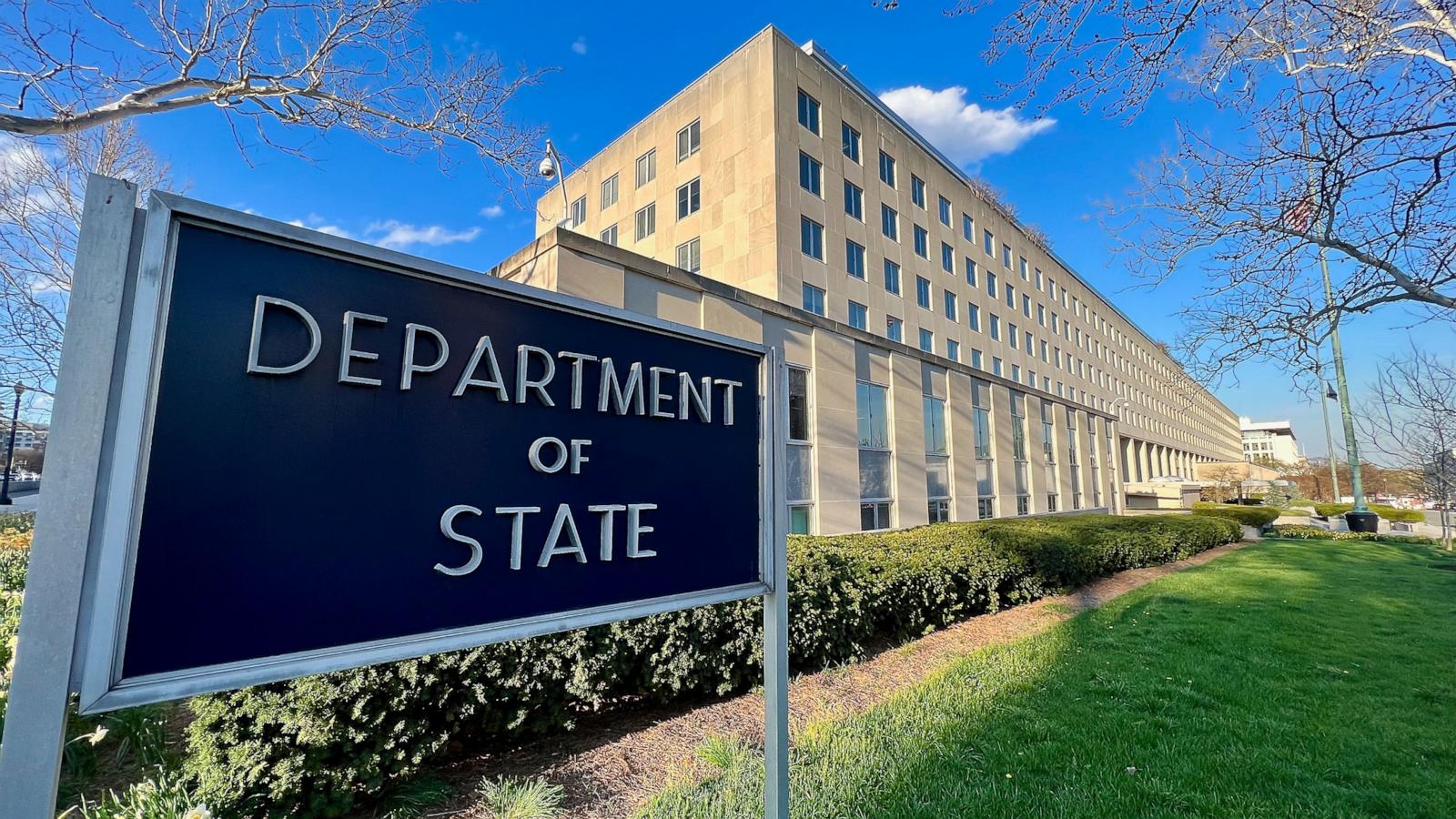
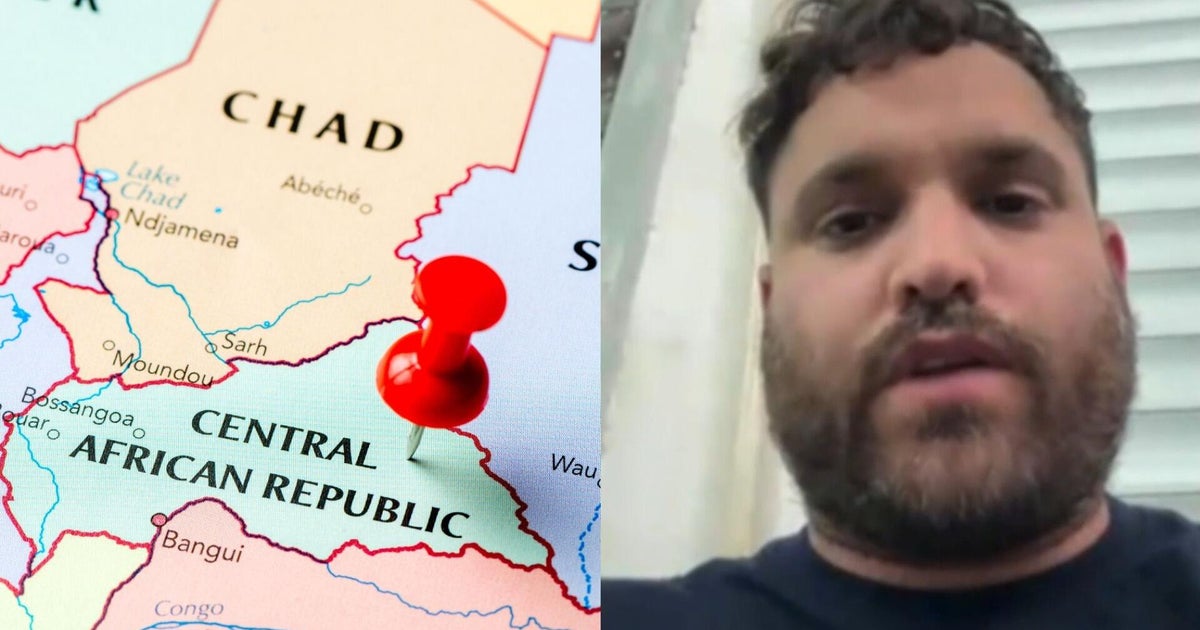
The U.S. government has issued a warning to avoid travel to the Central African Republic because of violence and crime. Despite this warning, the Trump administration has sent some immigrants back to that country. Journalists spoke with these deported immigrants and their families about their experiences.
Key Facts
The U.S. Department of State advises people not to travel to the Central African Republic.
The warning is due to problems like violence, crime, kidnappings, and terrorism.
The Trump administration has deported immigrants from other countries to the Central African Republic.
Immigrants who were deported spoke about their situations.
Families of these deported immigrants were also interviewed.
The Central African Republic is considered one of the most dangerous countries in the world.
The deportations occurred even with the official travel warning in place.
Read the Original
Want the full story? Tap a source to open the original
article.
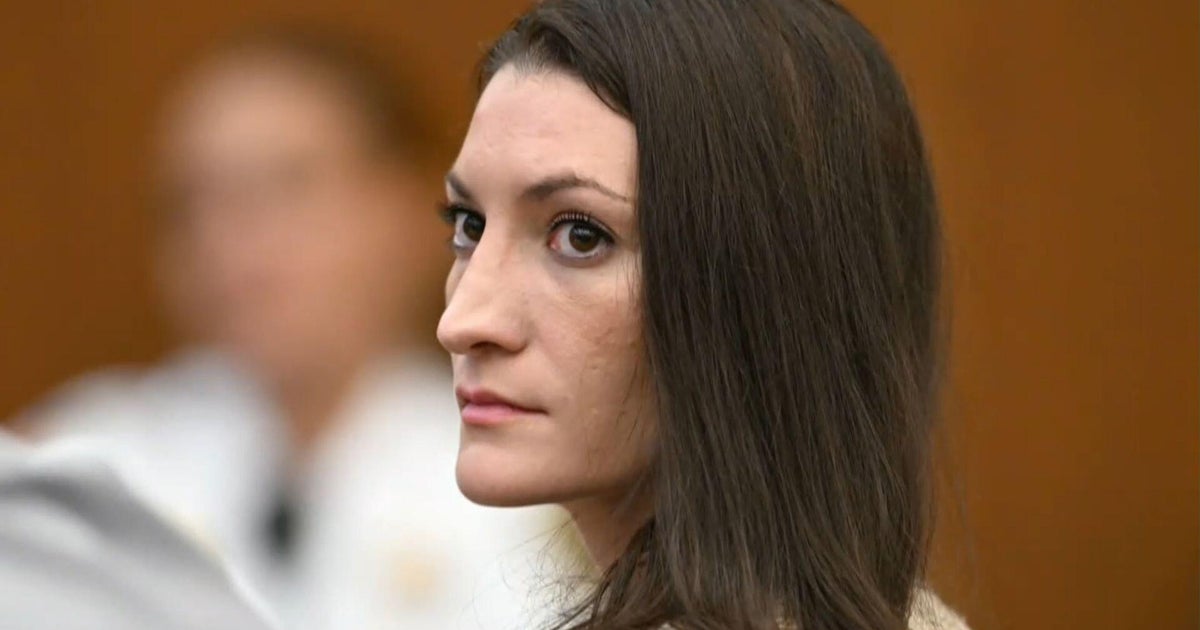
Lindsay Clancy admitted to killing her three children. Psychiatrists testified that she was experiencing postpartum psychosis, a serious mental illness, during the incident. Experts recommended that she should not be held responsible for the crimes because of her mental state.
Key Facts
Lindsay Clancy admitted to killing her three children.
Medical experts testified at her murder trial.
Psychiatrists said Clancy was "psychotic" during the incident.
Clancy was diagnosed with postpartum psychosis, a rare and severe mental illness that can occur after childbirth.
Experts recommended that she should face no criminal charges due to her mental condition.
The trial examined her mental state to determine criminal responsibility.
Postpartum psychosis can cause hallucinations, confusion, and impaired judgment.
The testimony aimed to explain how her illness affected her actions.
Read the Original
Want the full story? Tap a source to open the original
article.
The U.S. Postal Service (USPS) has released a new rule outlining how mail-in ballots should be handled, in line with President Donald Trump’s March executive order aimed at tightening election rules. The rule changes how ballots are tracked and verified but does not stop states from allowing mail voting. Legal challenges have delayed full implementation, but USPS wants the rule active before upcoming elections.
Key Facts
The USPS finalized a 95-page rule on processing absentee and mail-in ballots following President Trump’s executive order from March.
The rule requires states to share lists of eligible voters with federal agencies and imposes new data entry and verification standards.
USPS can refuse to deliver ballots if states do not meet these verification requirements.
Courts in California and Massachusetts have blocked parts of Trump’s executive order, delaying the rule’s full rollout until after those injunctions are lifted.
USPS plans to implement the rule immediately to help election officials prepare for upcoming midterm elections.
More than 200,000 public comments were received during the rule’s review, with mixed opinions.
President Trump has criticized mail-in voting as prone to fraud but has voted by mail himself under exceptions for presidential duties.
The rule does not change voter eligibility or states’ ability to use mail voting; it focuses on ballot handling procedures.
Read the Original
Want the full story? Tap a source to open the original
article.
Federal Reserve officials say they may raise interest rates again if inflation stays high. Meanwhile, unemployment claims in the U.S. fell last week, showing that job layoffs remain low. Mortgage rates dropped slightly but are still higher than last year, which may slow home buying.
Key Facts
The Federal Reserve kept its short-term interest rate at about 3.6% in July but signaled possible hikes if inflation does not improve.
Inflation has eased a bit, but higher gas prices due to Middle East conflicts have affected overall costs.
Wall Street expects the Fed to hold rates steady in September and possibly increase them in December.
The average 30-year mortgage rate fell slightly to 6.65%, down from 6.67% last week but still above 6.58% a year ago.
The 15-year mortgage rate also eased to 5.95% but remains higher than last year’s 5.69%.
Higher mortgage rates have reduced homebuyers’ ability to purchase houses, leading to slower home sales.
U.S. unemployment claims decreased to 206,000 last week from 212,000 the previous week, indicating low layoffs.
The four-week average of jobless claims rose slightly to 204,000 but stays within a low historical range.
Read the Original
Want the full story? Tap a source to open the original
article.
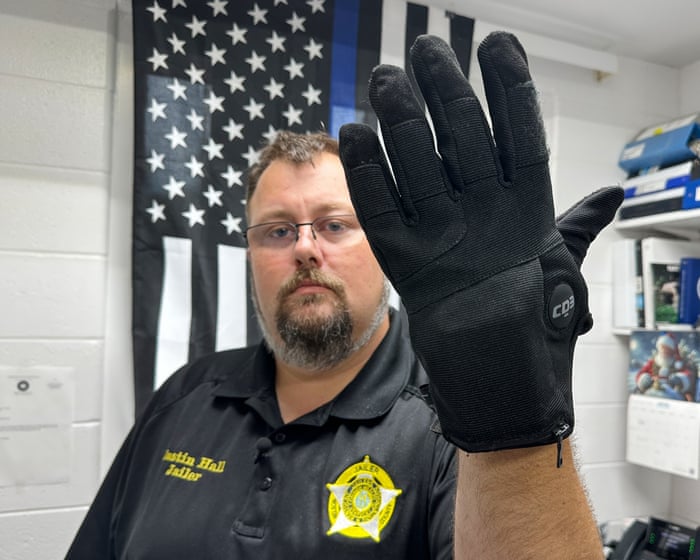
Omaha police agreed to stop carrying shock gloves, which deliver electric shocks, in most middle and high schools in Nebraska’s largest public school district after the superintendent requested it. However, some nearby police departments and school districts will continue using the gloves, while community members have expressed concern about the devices being used on students.
Key Facts
Omaha police will no longer carry shock gloves in most Omaha public middle and high schools.
The superintendent, Matthew Ray, asked the police to stop using the gloves on August 18; the police agreed two days later.
Bellevue police, serving nearby schools, will keep using the gloves.
Other large school districts patrolled by Omaha officers have not stopped the use of the gloves.
Shock gloves are designed to quickly control someone who isn’t following commands by delivering a low voltage electric shock.
Omaha police used the gloves twice during the 2025-26 school year; Bellevue police also used them twice in past years.
About 30 people at a school board meeting spoke against the use of the shock gloves on students; none spoke in favor.
School leaders and safety experts urged careful review before using such devices, especially considering students’ medical needs and parents' involvement.
Read the Original
Want the full story? Tap a source to open the original
article.
California Governor Gavin Newsom spoke positively about initiatives from President Donald Trump's administration related to investment accounts for children and programs to help foster youth. Newsom compared these federal efforts to California’s own CalKIDS program, which offers savings accounts to children.
Key Facts
Governor Gavin Newsom praised President Trump’s investment account program for children.
Newsom also supported Trump’s initiatives to assist foster youth.
Newsom mentioned his own CalKIDS program during a press conference.
CalKIDS is a state program that provides savings accounts for children in California.
Newsom encouraged people to consider opening a "Trump Account."
The Trump administration’s efforts focus on helping children and foster youth with financial programs.
This praise is considered unusual given the typical political differences between Newsom and President Trump.
Read the Original
Want the full story? Tap a source to open the original
article.
The article says that the right to worship freely and without fear is important for all people in the United States. It is not limited to one religion but is a broad American value.
Key Facts
The right to worship without fear should be protected.
This right applies to all religions, including Judaism, Christianity, and Islam.
The issue is described as an American concern, not just a religious one.
Worship rights are part of American values and freedoms.
The article emphasizes unity across different faiths regarding this right.
Read the Original
Want the full story? Tap a source to open the original
article.
A planned agreement to resolve U.S.-Canada tariffs did not succeed. New York City is increasing efforts to stop wage theft, where workers are not paid what they are owed. The show "CBS Saturday Morning" also features the return of musician Grace Potter.
Key Facts
The U.S. and Canada failed to reach a tariff deal.
Tariffs are taxes on imports that can affect trade costs.
New York City is cracking down on wage theft to protect workers.
Wage theft means employers do not pay employees their rightful wages.
Grace Potter, a musician, is making a comeback on the show.
These topics were part of the "CBS Saturday Morning" program on August 22.
The CBS News app offers ways to watch the news.
Read the Original
Want the full story? Tap a source to open the original
article.
Mobility tests like hand grip strength, balance, and sit-to-stand are used to check physical health and risks like falls in older adults. These tests help doctors find causes of weakness but cannot predict exactly how long someone will live.
Key Facts
Mobility tests measure strength, balance, and ability to move, helping assess healthy aging.
The CDC’s 30-second chair-stand test measures how many times a person over 60 can stand up from a chair in 30 seconds.
A social media popular test scores how well someone can sit cross-legged on the floor and stand back up without support.
The “Timed Up and Go” test asks a person to stand, walk 10 feet, and sit back down to check balance and strength.
These tests identify specific problems like knee pain, poor balance, or cardiovascular issues.
Doctors use such tests to evaluate frailty, meaning how well the body can handle illness or injury.
Screening tests give clues but do not replace full medical diagnoses.
Researchers found higher sit-to-stand scores linked to lower risk of death over a decade in some studies outside the U.S.
Read the Original
Want the full story? Tap a source to open the original
article.
Nebraska’s second congressional district is holding an open seat election where a Republican and a Democrat are competing. The district is unique because it voted for Democrat Kamala Harris in the presidential race but still sent a Republican to Congress. President Donald Trump remains influential in this area and is actively supporting Republican candidates.
Key Facts
Nebraska has not supported a Democrat for president since 1964.
Nebraska’s second district includes Omaha, which is becoming more Democratic.
The current representative, Don Bacon, is retiring, creating an open seat.
Republican Brinker Harding and Democrat Denise Powell are running for the seat.
The district voted for Democrat Kamala Harris in 2024 but elected a Republican to Congress.
President Trump held an event and plans a Republican midterm convention in Dallas.
Trump is actively campaigning in closely contested districts despite low approval ratings.
Voters express concerns about President Trump as part of their political decisions.
Read the Original
Want the full story? Tap a source to open the original
article.
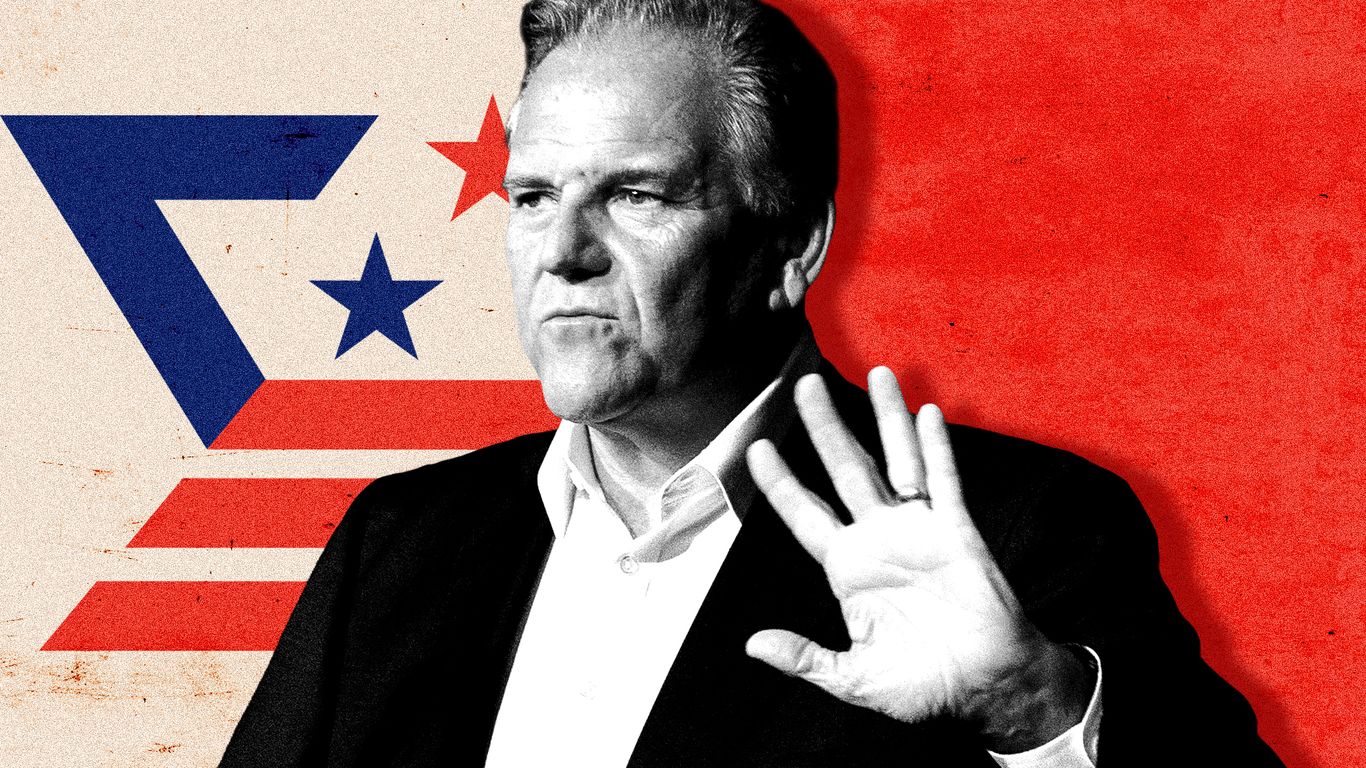
Mike Rogers, the Republican nominee for the U.S. Senate in Michigan, has asked the pro-Israel group AIPAC not to run ads for him in the upcoming election. This has caused tension between Rogers’ team and AIPAC, as the group had spent millions trying to defeat Rogers' Democratic rival, Abdul El-Sayed, who is critical of Israel.
Key Facts
Mike Rogers is the GOP nominee for the U.S. Senate in Michigan.
Rogers’ team asked AIPAC not to advertise for him in the general election.
AIPAC had spent over $30 million to oppose Abdul El-Sayed in the Democratic primary.
Abdul El-Sayed criticizes Israel and used AIPAC’s spending against his opponent in the primary.
AIPAC wanted a public role in defeating El-Sayed because Rogers is pro-Israel.
Rogers’ team believes AIPAC’s ads helped El-Sayed by giving him a target to attack.
Talks between Rogers’ team and AIPAC have stalled, with GOP donors trying to mediate.
Michigan has a large Arab American population and a majority of voters oppose continued U.S. aid to Israel.
The election outcome may depend more on voters’ views of the economy than on Israel-related issues.
Read the Original
Want the full story? Tap a source to open the original
article.