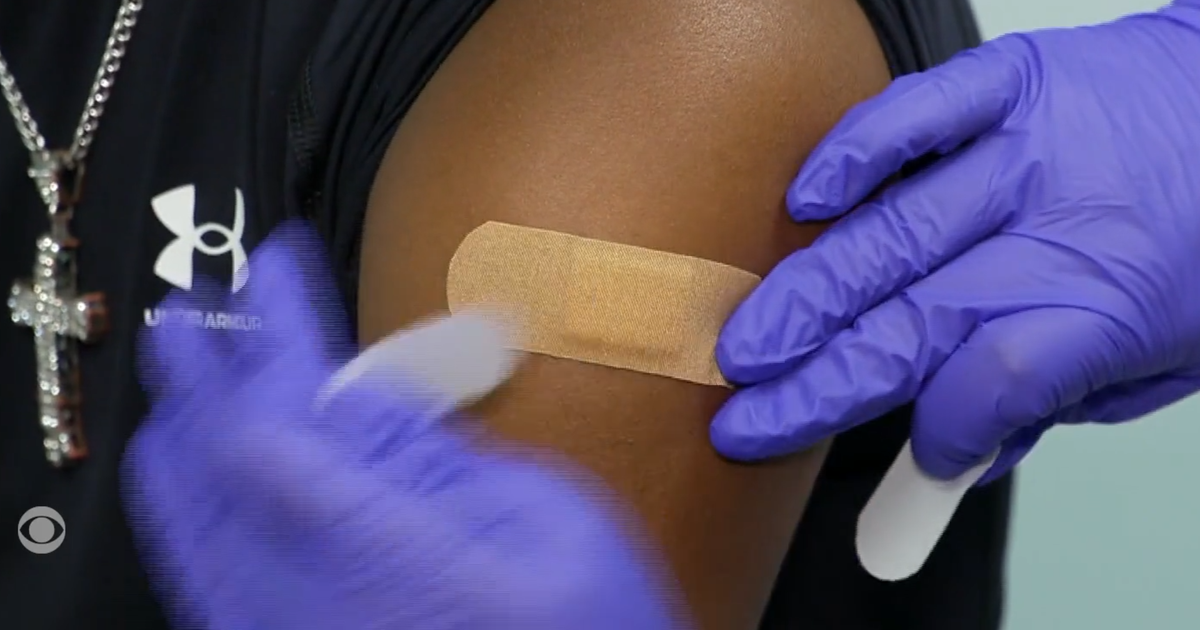
Dr. Mehmet Oz, head of the Centers for Medicare and Medicaid Services, talked about how President Donald Trump’s administration has promoted lower prescription drug prices. He also shared information about a new vaccine trial that shows promise in treating skin cancer.
Key Facts
Dr. Mehmet Oz is the administrator of the Centers for Medicare and Medicaid Services.
He discussed efforts by President Trump’s administration to reduce prescription drug costs.
The administration is promoting these lower drug prices as a key achievement.
Dr. Oz mentioned a vaccine trial that may help treat skin cancer.
The vaccine trial is currently showing encouraging results.
The discussion took place on CBS News during an interview segment called "The Takeout."
The Centers for Medicare and Medicaid Services is a government agency that handles health programs for many Americans.
Read the Original
Want the full story? Tap a source to open the original
article.
Senator Jon Ossoff from Georgia criticized President Donald Trump’s relationship with a personal aide named Natalie Harp. This comment upset President Trump and his team, while many Democrats reacted positively to Ossoff’s remarks.
Key Facts
Jon Ossoff is a Democratic senator representing Georgia.
Ossoff questioned President Trump’s connection with Natalie Harp, who works as a personal aide.
President Trump and his White House staff were annoyed by Ossoff’s comments.
Some Democrats expressed satisfaction with Ossoff’s challenge to the president.
The issue has remained a topic of discussion since Ossoff’s remarks earlier this week.
Read the Original
Want the full story? Tap a source to open the original
article.
A Missouri court has stopped a proposed constitutional amendment from going on the November ballot. The amendment aimed to give stronger protections to laws and constitutional changes passed by voter initiatives, but the court ruled it violated the state constitution by covering too many different topics.
Key Facts
The amendment was designed to protect laws passed by citizen initiative, which allows voters to propose laws by collecting signatures.
Missouri Secretary of State Denny Hoskins blocked the amendment from the ballot, saying it violated the constitution.
The court agreed the amendment combined multiple issues and limited the state’s republican form of government.
The decision came from Cole County Circuit Judge Daniel Green and is likely to be appealed.
Missouri has experienced political battles over voter initiatives, including the repeal of a voter-approved paid sick leave law and challenges to abortion-related amendments.
About half of U.S. states allow citizens to propose laws or constitutional changes through initiatives.
The group Respect Missouri Voters led the petition drive for the amendment.
The amendment would have made it harder for lawmakers to change or repeal voter-approved laws by requiring an 80% legislative vote.
Read the Original
Want the full story? Tap a source to open the original
article.
Tens of thousands of people in northwest Indiana are still without power more than a week after severe storms damaged power lines and trees. The local power company and outside crews are working to restore electricity, but many residents continue to face hardships like spoiled food, medical concerns, and extended outages.
Key Facts
Northern Indiana Public Service Company (NIPSCO) has restored power to 285,000 customers since August 11, but 85,000 remain without power.
Gary, Indiana, has over 22,000 people still without electricity, with residents depending on community centers for meals and phone charging.
Some residents, like Jeremy Spurrier, use generators that consume expensive fuel and still face food spoilage and medical supply challenges, such as keeping insulin cold.
The storms have caused seven deaths, including a 4-year-old boy and six adults.
More than 600 line repair workers are focusing on restoring power in Gary and the surrounding area.
NIPSCO described the storm damage as “unprecedented and widespread” and brought in crews from across the country to help fix electrical infrastructure.
A NIPSCO repair vehicle was shot at during work in Gary, leading to increased security for workers.
Repeated power outages and communication difficulties with the utility company continue to frustrate residents like Myra Carden, who relies on a generator to keep some food cold.
Read the Original
Want the full story? Tap a source to open the original
article.
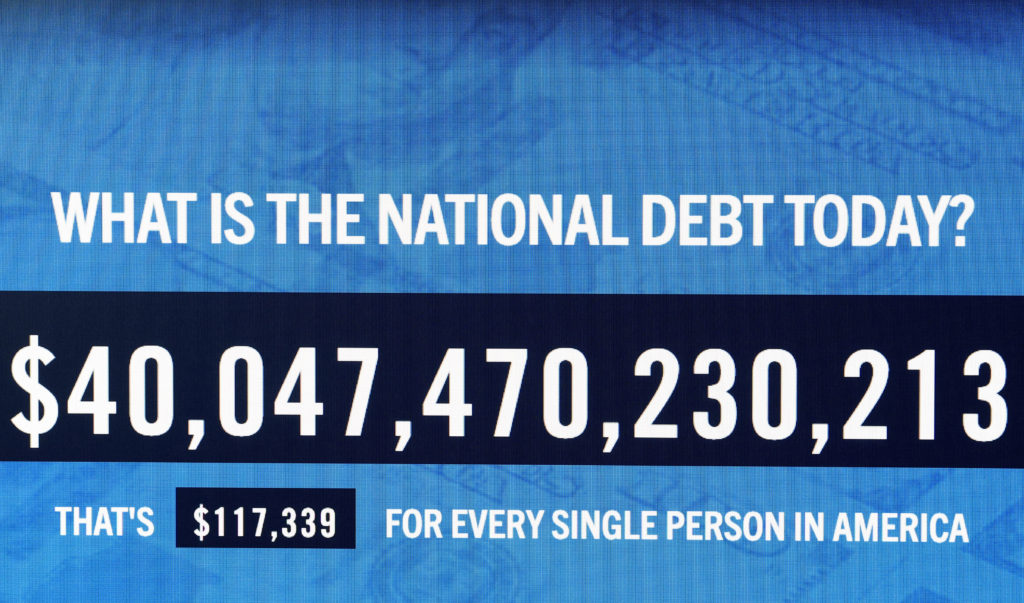
The U.S. national debt has reached a record $40 trillion, driven by high spending on defense, social programs, and interest payments. Experts warn that the growing debt is increasing costs for Americans and may cause economic problems in the future.
Key Facts
The U.S. national debt hit $40 trillion, a new high.
The debt grew rapidly, reaching $39 trillion just five months earlier.
Major spending includes defense, Social Security, Medicare, and interest on the debt.
President Donald Trump's administration is focusing on reducing waste and boosting economic growth.
Rising debt leads to higher borrowing costs for things like mortgages and cars.
Experts say the debt could hurt wages and raise prices for goods and services.
Congress sets the legal limit on how much the U.S. can borrow, currently at $41.1 trillion.
The debt limit may be reached between late winter and mid-summer 2027, requiring congressional action.
Read the Original
Want the full story? Tap a source to open the original
article.
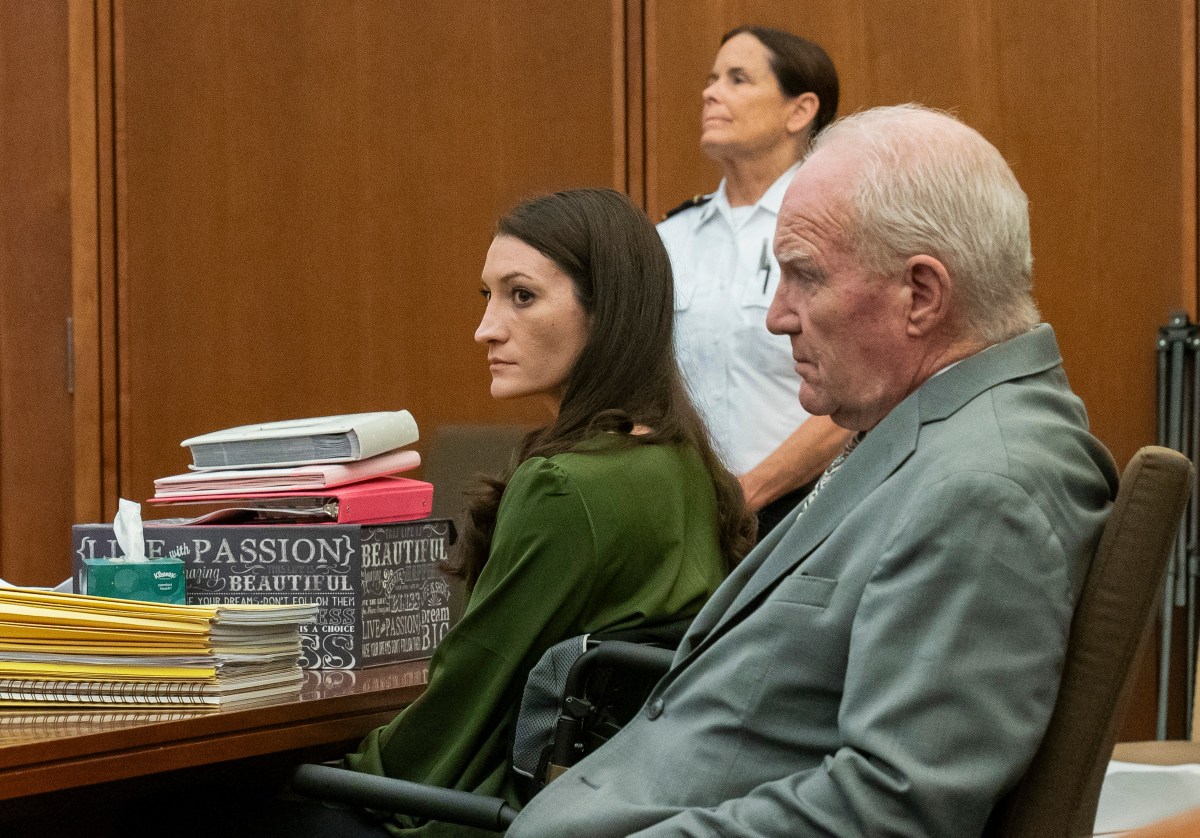
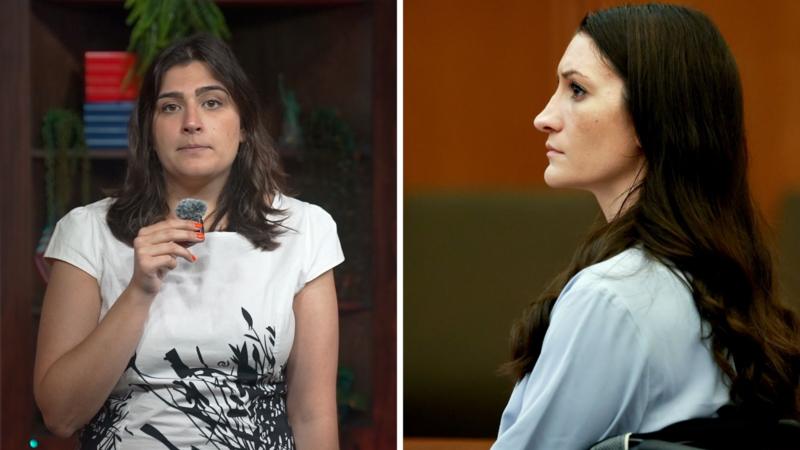
In the trial of Lindsay Clancy, a forensic psychologist testified that Clancy was not responsible for the deaths of her three children due to a mental illness called postpartum psychosis. The judge rejected a defense witness who was a TikTok creator and ended the court session early due to an unexpected issue.
Key Facts
Lindsay Clancy is on trial for the deaths of her three children in Massachusetts.
A forensic psychologist testified that Clancy had bipolar disorder with postpartum psychosis, which affected her ability to understand right and wrong.
Clancy reportedly heard a male voice telling her to kill her children and herself.
Prosecutors argued Clancy showed normal behavior on certain dates and had not heard voices since the incident.
The judge disallowed a TikTok creator and former hospital worker from testifying for the defense.
Court was cut short unexpectedly on Wednesday, but the schedule remains on track.
Clancy has pleaded not guilty to murder charges.
The children who died were between 8 months and 5 years old.
Read the Original
Want the full story? Tap a source to open the original
article.
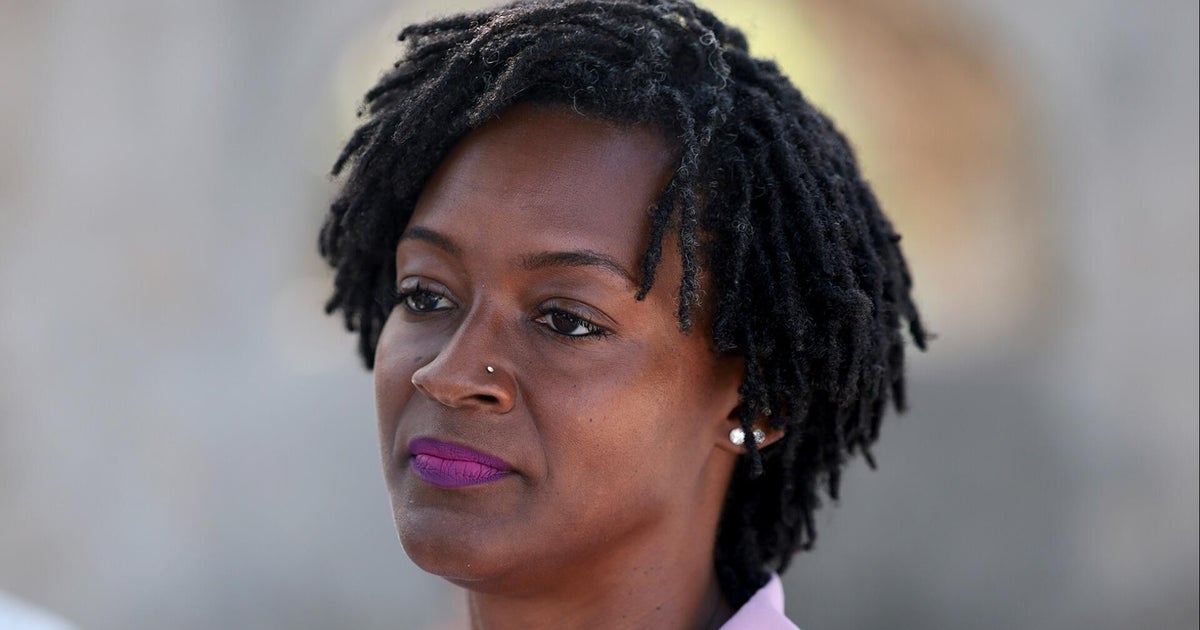
Angie Nixon won the Democratic primary race for the U.S. Senate in Florida, defeating Alex Vindman. This result was considered unexpected by some observers.
Key Facts
Angie Nixon competed in the Democratic Senate primary in Florida.
She won against Alex Vindman.
The primary election took place on a Tuesday.
Alex Vindman is a public figure who also ran in the same race.
The victory by Nixon was seen as an upset.
CBS News analyst Major Garrett commented on the surprise of the result.
Read the Original
Want the full story? Tap a source to open the original
article.
Lindsay Clancy is on trial in Massachusetts for killing her three children in 2023. Her defense says she had severe postpartum mental illness called postpartum psychosis, while prosecutors say she acted on purpose. This mental illness is a central issue in the case.
Key Facts
Lindsay Clancy is accused of killing her three children in 2023 in Massachusetts.
Her defense claims she was suffering from postpartum psychosis, a severe mental illness after childbirth.
Prosecutors argue that Clancy intentionally caused harm.
Postpartum psychosis can cause confusion, hallucinations, and loss of contact with reality.
The court case is focusing on whether her mental illness affected her actions.
Postpartum psychosis is rare and serious compared to more common postnatal depression.
Support organizations exist for people facing distress or mental health challenges after childbirth.
The trial highlights the need to understand mental health issues linked to childbirth.
Read the Original
Want the full story? Tap a source to open the original
article.
The Trump administration plans to build more than 100 miles of border wall through the Big Bend region, including parts inside Big Bend National Park in Texas. This plan has faced opposition from local community members, environmental groups, and law enforcement officials.
Key Facts
The federal government wants to build over 100 miles of border wall in the Big Bend area.
The wall would go through Big Bend National Park, a protected natural area.
Local residents and environmental activists are opposing the construction.
County sheriffs have also expressed resistance to the plan.
The controversy highlights concerns about environmental impact and community effects.
The border wall project is part of broader efforts to control immigration.
Big Bend National Park is known for its natural beauty and wildlife.
The opposition includes a mix of different local groups and officials.
Read the Original
Want the full story? Tap a source to open the original
article.
Mike Lindell, a supporter of President Donald Trump and founder of MyPillow, lost the Republican primary for Minnesota governor but is offering to pay for a full recount of all paper ballots. He claims Minnesota law allows candidates to request a hand count even if the vote difference is large. Lindell refuses to accept the election results and questions the vote counting process.
Key Facts
Mike Lindell finished second in the Minnesota Republican primary for governor, losing by about 11 percentage points to Lisa Demuth.
Lindell says Minnesota law lets candidates request a full hand recount of paper ballots regardless of the vote margin.
The state automatically funds a recount only if the vote difference is less than 0.25%; Lindell’s loss is much bigger, so he must pay for it himself.
Lindell announced he will fund the recount and audit to challenge the primary results.
Minnesota officials estimate the recount of both governor and lieutenant governor races would cost about $825,000.
Lindell’s campaign claims there were problems with the electronic reporting of votes on election night.
Lindell has a history of claiming the 2020 U.S. election was stolen, a claim courts have rejected.
Last month, Lindell settled a $1.3 billion defamation lawsuit related to false election claims involving voting technology companies.
Read the Original
Want the full story? Tap a source to open the original
article.
President Donald Trump said he has a good relationship with North Korea’s leader Kim Jong Un. He also said he plans to meet Kim later this year. Recently, Trump ordered the U.S. military to stop joint drills with South Korea earlier than planned.
Key Facts
President Trump spoke positively about his relationship with Kim Jong Un.
Trump plans to hold a meeting with Kim later this year.
The U.S. was conducting joint military exercises with South Korea.
President Trump ordered these joint drills to end sooner than originally scheduled.
The military exercises involved both the U.S. and South Korea forces.
The decision to cut the drills short may affect the region’s military activities.
This move is part of ongoing efforts related to U.S.-North Korea relations.
Read the Original
Want the full story? Tap a source to open the original
article.
The FDA has issued several major food recalls in 2026 due to outbreaks of illnesses linked to contaminated produce and other products. These recalls include shredded lettuce from Taylor Farms, frozen blueberries sold at Publix, fresh jalapeños, and eggs, affecting many states and leading to widespread product removals.
Key Facts
Taylor Farms recalled shredded iceberg lettuce linked to a cyclospora outbreak that sickened thousands and caused two deaths in Michigan.
The recalled lettuce was distributed in over 30 states and sold at major retailers like Walmart and suppliers to Subway and Taco Bell.
GreenWise organic frozen blueberries sold at Publix stores were recalled due to an E. coli outbreak affecting consumers in eight states.
Consumers were advised to check and discard frozen blueberry products even if bought weeks earlier, as frozen fruits can be stored for months.
Fresh jalapeños imported from Mexico were recalled because of potential salmonella contamination, causing many related recalls of food products like salads and dips.
The jalapeño recall involved major grocery chains such as Kroger, Walmart, Whole Foods, and Trader Joe’s.
Egg recalls also occurred and affected multiple states in 2026.
These recalls reflect ongoing food safety challenges and prompt federal warnings and product removals to protect public health.
Read the Original
Want the full story? Tap a source to open the original
article.
A crash involving Milligan University’s cycling team happened on Wednesday morning in the Tri-Cities area of Tennessee. Two people died in the accident. Nearby universities have expressed their sympathy to Milligan University.
Key Facts
The crash involved Milligan University’s cycling team.
It occurred on a Wednesday morning in Tennessee’s Tri-Cities region.
Two people lost their lives in the crash.
Universities in the region have offered condolences to Milligan University.
The Tri-Cities region includes cities like Johnson City, Kingsport, and Bristol.
The incident is being treated as a serious accident involving students or team members.
No further details about the cause of the crash were shared in the article.
Read the Original
Want the full story? Tap a source to open the original
article.
Friends of a boy who recently died stepped in to take a special first day of school photo with his younger sister. The gesture showed support for the sister on an important and emotional day.
Key Facts
A boy passed away before the new school year started.
His friends helped by taking a first day of school picture with his younger sister.
The photo was meant to honor the memory of the boy.
The friends’ support helped the sister feel cared for on the first day.
The event took place around the start of the school year in August 2026.
Read the Original
Want the full story? Tap a source to open the original
article.
The U.S. national debt has surpassed $40 trillion, according to recent data from the Treasury Department. This shows the total amount of money the U.S. government owes has doubled in less than ten years.
Key Facts
The U.S. national debt exceeded $40 trillion on Tuesday.
The Treasury Department released this new data.
The debt doubled in under a decade.
The debt first reached $20 trillion in late 2017.
Before crossing $40 trillion, the debt was at $39 trillion recently.
National debt represents the total money the government owes to creditors.
The increase reflects ongoing government spending and borrowing needs.
Read the Original
Want the full story? Tap a source to open the original
article.
The U.S. national debt has reached a new high of $40 trillion. This increase reflects rising costs in defense, social programs, and interest payments, and it has an impact on the economy and everyday expenses for Americans.
Key Facts
The U.S. national debt hit $40 trillion, a record high.
The debt climbed from $38 trillion in October to $39 trillion in March, then to $40 trillion in August.
Spending includes defense, Social Security, Medicare, and interest on past loans.
Higher debt increases borrowing costs for Americans, affecting mortgages and car loans.
It also limits businesses' ability to invest and can lead to higher prices for goods and services.
Experts warn continued debt growth could cause long-term financial problems and tougher budget choices.
The legal debt limit is $41.1 trillion, expected to be reached between late winter and mid-2027, requiring Congress to act.
The U.S. has the worst fiscal situation compared to other developed countries, according to an international organization.
Read the Original
Want the full story? Tap a source to open the original
article.
Dr. Erica Schwartz, the new director of the Centers for Disease Control and Prevention (CDC), held her first meeting with staff and recognized ongoing issues such as employee burnout and understaffed programs. She committed to supporting the agency and working quietly with other leaders, including Health Secretary Robert F. Kennedy Jr., while promising transparent and honest communication.
Key Facts
Dr. Erica Schwartz began leading the CDC last week after a period of temporary directors.
She acknowledged some CDC programs have congressional funding but are not functioning due to staff layoffs from President Trump’s administration.
The CDC has lost over 3,000 employees, about one-quarter of its workforce, causing low morale.
Schwartz promised to advocate for the CDC and meet staff to understand their challenges better.
She said she would disagree with Health Secretary Kennedy when needed but only in private, not publicly.
Schwartz aims to build public trust using transparency, scientific accuracy, and honest communication.
The CDC is setting up a task force on childhood vaccine safety, with Schwartz serving on it; it will report to President Trump in 90 days.
The CDC staff has faced leadership struggles, partly because many political appointees lacked medical or public health experience.
Read the Original
Want the full story? Tap a source to open the original
article.
Max D. Lederer Jr., the longtime publisher of the military newspaper Stars and Stripes, announced he will retire at the end of September due to differences with Pentagon leadership. The Pentagon, led by Defense Secretary Pete Hegseth, is seeking to control the newspaper’s direction by focusing coverage strictly on military topics and removing what it calls “woke distractions.”
Key Facts
Max D. Lederer Jr. is retiring as publisher of Stars and Stripes after many years.
Lederer cited fundamental disagreements with the Department of Defense’s leadership about the newspaper’s mission.
The Pentagon fired Jacqueline Smith, the newspaper’s ombudsman who protected editorial independence, earlier this year.
Stars and Stripes receives some funding from the Defense Department but traditionally operates independently.
The Pentagon wants Stars and Stripes to focus only on military-related content like weapons, fitness, and warfighting.
Defense Secretary Pete Hegseth’s team is pushing to eliminate what they call “woke distractions” from the paper.
Journalists have faced increasing restrictions at the Pentagon, including access badge limitations and escort requirements, which are legally challenged.
The changes reflect a broader Pentagon effort to control media coverage and messaging about the military.
Read the Original
Want the full story? Tap a source to open the original
article.
Derek Chauvin, the former police officer convicted for the killing of George Floyd in 2020, has asked the state to drop the murder charges against him. This is his third time making this request, and his earlier requests were not approved.
Key Facts
Derek Chauvin was a police officer in Minneapolis.
He was convicted in 2020 for the murder of George Floyd.
Chauvin is now asking the state to dismiss the murder charges.
This is the third dismissal request Chauvin has made.
His first two requests to dismiss the charges were denied by the courts.
His lawyers filed the most recent petition on his behalf.
The case is part of ongoing legal proceedings related to George Floyd’s death.
Read the Original
Want the full story? Tap a source to open the original
article.
Doctors in the United States are encouraging parents to make sure their children are vaccinated before the school year begins. This is because diseases that vaccines can prevent, like measles, are increasing again.
Key Facts
Measles and other diseases that vaccines can prevent are becoming more common in the U.S.
Pediatricians want students to be fully vaccinated before starting school.
Vaccinations help protect children and others from catching these diseases.
Doctors stress the importance of staying up to date with all recommended vaccines.
The rise in these diseases has raised concerns among health experts.
Parents are the main focus of this message, as they decide on vaccines for their children.
Vaccines have been effective in reducing serious illnesses in the past.
Read the Original
Want the full story? Tap a source to open the original
article.