A new Georgia law requires restaurants to disclose if their shrimp is imported from other countries. The law aims to inform consumers and support local shrimp fishermen by promoting transparency about seafood origin.
Key Facts
House Bill 117 started on July 1, 2026, but restaurants have until January 2027 to comply with the shrimp origin labeling.
The law applies to all Georgia restaurants except those run by state agencies.
Restaurants must label imported shrimp on menus or public signs.
Georgia shrimpers face strong competition from cheaper farm-raised imported shrimp.
About 94% of seafood eaten in the U.S. is imported, with shrimp being the most popular.
Imported shrimp has occasionally been recalled for safety reasons, like the 2025 incident involving radioactive shrimp from Indonesia.
The law’s sponsor, State Rep. Jesse Petrea, hopes it will protect local shrimp businesses and help consumers make better choices.
Some local Georgia restaurants already serve fresh, locally caught shrimp to support nearby fishermen.
Read the Original
Want the full story? Tap a source to open the original
article.
A former Meta engineer, Arturo Béjar, testified in a federal trial that Meta ignored safety concerns for children under 13 on Instagram and focused on user time and profit instead. The trial, involving four U.S. states, accuses Meta of harming children's mental health and collecting data without parental consent, which Meta denies.
Key Facts
Arturo Béjar is a former Meta engineering director who worked on child safety at Instagram.
Béjar said Meta had a "don’t ask, don’t tell" policy about users under 13.
The trial is held in Oakland, California, with California, Colorado, Kentucky, and New Jersey suing Meta.
The lawsuit claims Meta designed addictive features that harm children’s mental health.
Meta is accused of collecting children’s data under 13 without permission from parents, violating federal law.
Meta denies the accusations and says it is committed to user safety.
The case is part of a larger legal effort, with 29 states suing Meta; 25 states’ cases will go to trial later.
Béjar testified in Congress in 2023 about social media’s impact on teen mental health.
Read the Original
Want the full story? Tap a source to open the original
article.
President Donald Trump has nominated Dr. Heidi Overton to be the next commissioner of the Food and Drug Administration (FDA). Overton is a physician and health policy adviser known for a mainstream medical background, and her nomination comes amid debates over vaccine policies inside the administration, where Robert F. Kennedy Jr. has been a vocal vaccine skeptic.
Key Facts
President Trump nominated Dr. Heidi Overton as the next FDA commissioner.
Overton is a physician with training from Johns Hopkins and a Ph.D. in clinical investigation.
She currently works as deputy director of the White House Domestic Policy Council.
The FDA commissioner oversees vaccine approvals, drug regulation, food safety, and public health policy.
Overton has generally aligned with mainstream medical views on vaccines.
Robert F. Kennedy Jr., a vaccine skeptic in the administration, has pushed for major changes to vaccine policy.
Overton has sometimes resisted Kennedy’s more aggressive vaccine policy proposals.
Senate confirmation hearings will closely examine Overton’s views on vaccines and public health.
Read the Original
Want the full story? Tap a source to open the original
article.
Jonathan Turley, a law professor, said a fake poll about two political candidates raises legal concerns. The fake poll falsely showed Los Angeles Mayor Karen Bass and Francesca Hong leading their races by large margins.
Key Facts
Jonathan Turley is a law professor at George Washington University.
A fake poll claimed Mayor Karen Bass was leading her race in Los Angeles.
The same fake poll also showed Francesca Hong, a former Wisconsin candidate, leading.
The fake poll was released by a group called Median Strategies.
Turley stated the situation raises legal questions about such fake political polls.
The polls are related to Democratic candidates.
The issue highlights concerns about false information in political campaigns.
Read the Original
Want the full story? Tap a source to open the original
article.
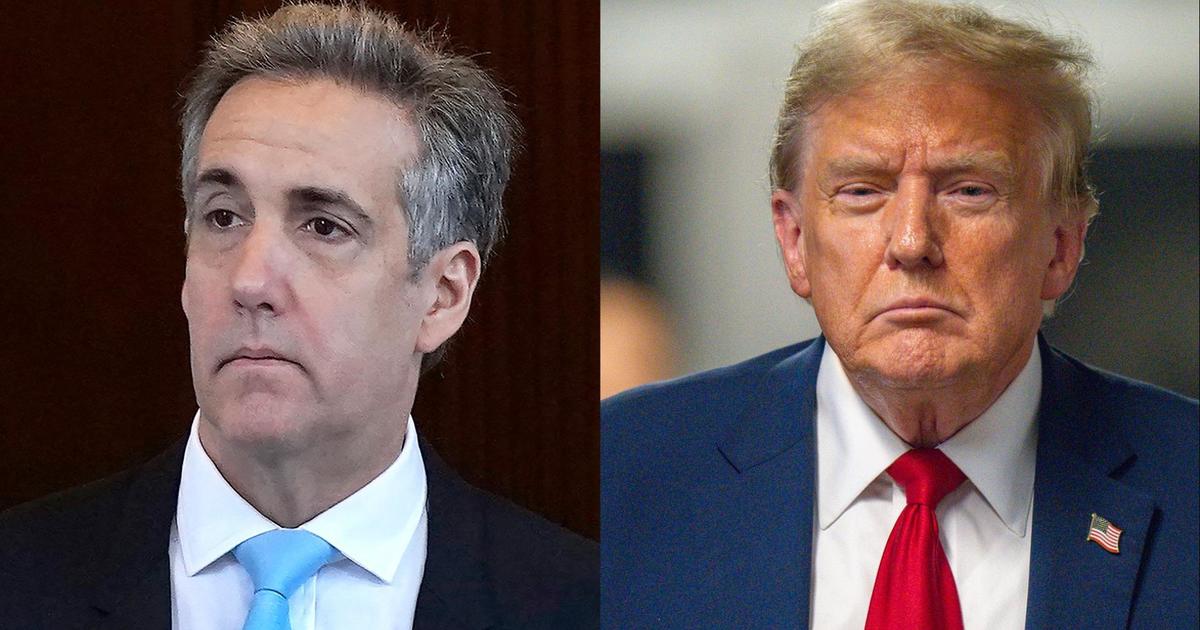
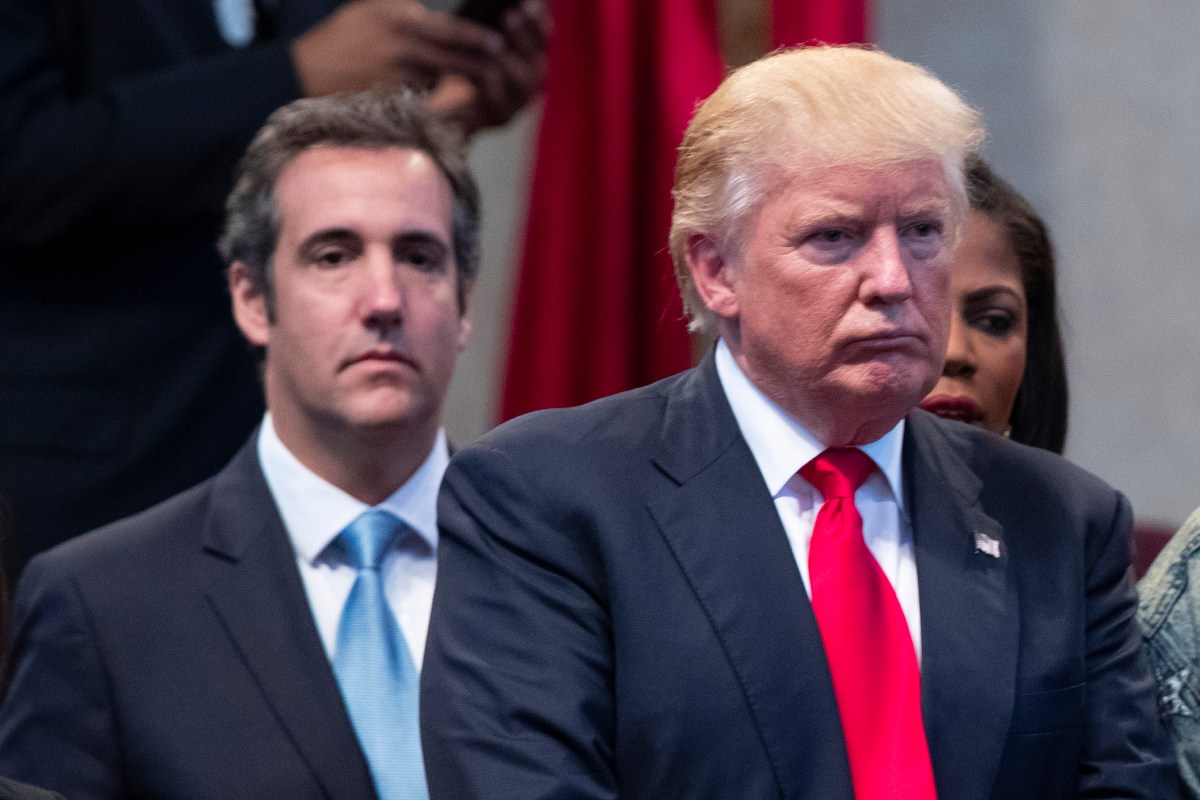
Michael Cohen, who was once President Donald Trump's close aide and lawyer, will publicly interview the president on his radio show for the first time in eight years. Cohen, who previously testified against President Trump in court, said he reached out and received the president's agreement for the interview.
Key Facts
Michael Cohen worked for President Trump for over ten years as his fixer, handling sensitive matters.
Their relationship broke down after Cohen paid $130,000 to Stormy Daniels before the 2016 election on Trump’s behalf.
Cohen pleaded guilty in 2018 to financial crimes and lying to Congress and spent time in prison.
He testified against President Trump in both civil and criminal trials, contributing to Trump’s conviction on 34 felony counts related to falsification of business records.
Cohen later expressed feeling pressured by prosecutors to testify against Trump.
In 2024, Cohen reached out to the White House and President Trump agreed to a public interview.
The interview will be recorded and broadcast on Cohen’s radio show on New York’s 770am WABC station.
This marks the first public conversation between Cohen and President Trump in eight years.
Read the Original
Want the full story? Tap a source to open the original
article.
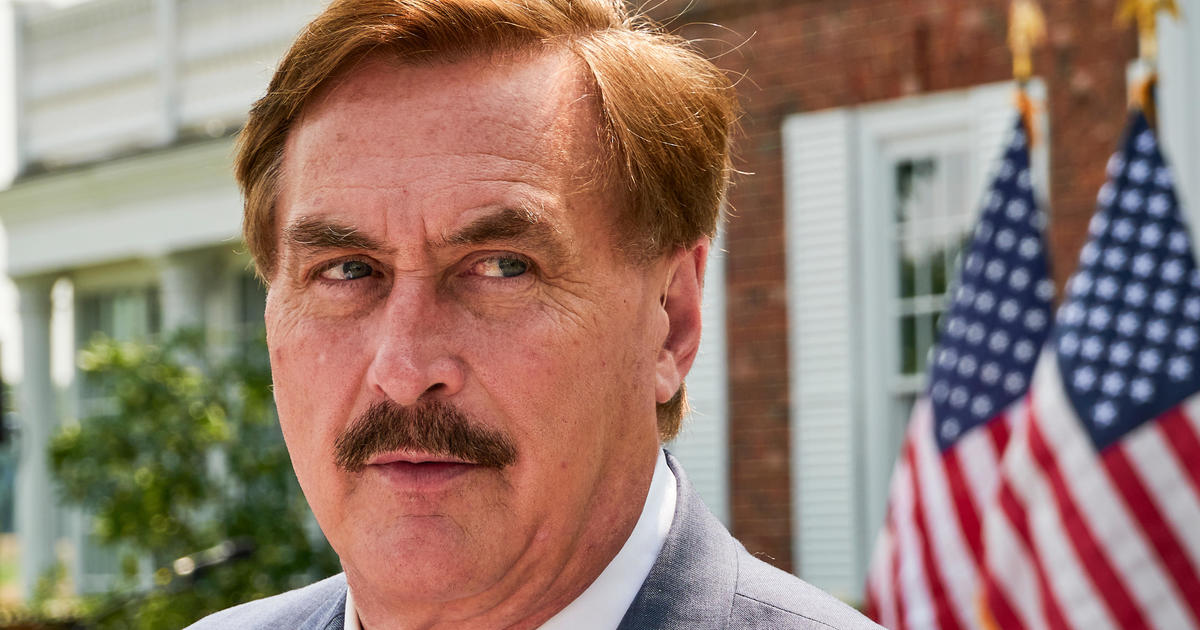
Mike Lindell, founder of MyPillow, is paying for a hand recount and audit of the Minnesota Republican governor primary. He lost the primary by about 11 percentage points and claims there were problems with the vote counting.
Key Facts
Mike Lindell is funding the recount and audit himself.
The recount is for the Minnesota Republican governor primary.
Lindell lost the primary by roughly 11 percentage points.
Lindell says his team found voting irregularities on election night.
One claim is that some vote totals decreased, which is unusual.
The recount is being done by hand to verify results.
Lindell publicly announced the recount effort on a Wednesday.
Read the Original
Want the full story? Tap a source to open the original
article.
President Donald Trump will appear on Michael Cohen’s radio show for their first public conversation since their falling out. The interview will air on New York radio station 77 WABC in two parts, one on Thursday and the other on Sunday.
Key Facts
President Trump and Michael Cohen had a close relationship for 15 years before it ended.
The interview will be broadcast on 77 WABC, first on Thursday at 6 p.m. ET, and then on Sunday from 5 p.m. to 6 p.m. ET.
Cohen is Trump’s former personal lawyer and fixer who later pleaded guilty to crimes including campaign finance violations.
Cohen served about 13 months in federal prison and completed his sentence with home confinement.
The two men’s relationship broke down in 2018 after Cohen’s legal troubles and his guilty plea involving hush-money payments made on Trump’s behalf.
Cohen said in July that their relationship had improved to “cordial and growing.”
Cohen did not reveal if they have fully repaired their friendship but invited people to listen to the show to find out.
Read the Original
Want the full story? Tap a source to open the original
article.
Authorities in Greenwood, South Carolina, investigated the death of Davis McClendon, who was hit by a truck in May 2023. Evidence from the truck’s onboard computer suggested that Bud Ackerman deliberately targeted McClendon, leading prosecutors to charge him with murder.
Key Facts
Davis McClendon was found fatally injured about 50 feet from his damaged BMW sedan.
No other vehicle with damage was found at the scene except for Ackerman’s Ford F-250 truck.
McClendon’s girlfriend, Meredith Haynie, said McClendon left a club unexpectedly and she suspected he was going to meet Ackerman.
Text messages showed Ackerman repeatedly called and messaged Haynie that night.
An oil trail connected the crash site to Ackerman’s nearby house.
Video and timing data placed Ackerman near the crash site around the time of the incident.
Data from the truck’s infotainment system provided detailed information about when, where, and how the truck was driven.
Prosecutors say the computer data proves Ackerman acted with "malice aforethought," meaning he intentionally caused McClendon’s death.
Read the Original
Want the full story? Tap a source to open the original
article.
Angie Nixon, a democratic socialist, won the Democratic primary for a U.S. Senate seat in Florida, beating Alex Vindman by a large margin despite being outspent. Nixon will face incumbent Republican Ashley Moody in the November midterm elections, with questions about her appeal to the broader Florida electorate.
Key Facts
Angie Nixon won the Democratic Senate primary in Florida against Alex Vindman.
Nixon is a democratic socialist and former union organizer representing Jacksonville since 2020.
Nixon raised about $975,000 for her campaign, while Vindman raised $16.3 million.
Nixon received over 750,000 votes, Vindman about 550,000 votes.
Vindman is a retired army intelligence officer who previously testified against President Trump.
Nixon is charged with trespassing and resisting an officer after a protest at Governor Ron DeSantis’ office.
Experts note strong support for progressive social Democrats among Florida’s Democratic voters.
Political analysts have shifted the Florida Senate race rating to “safe Republican” after Nixon’s win.
Read the Original
Want the full story? Tap a source to open the original
article.
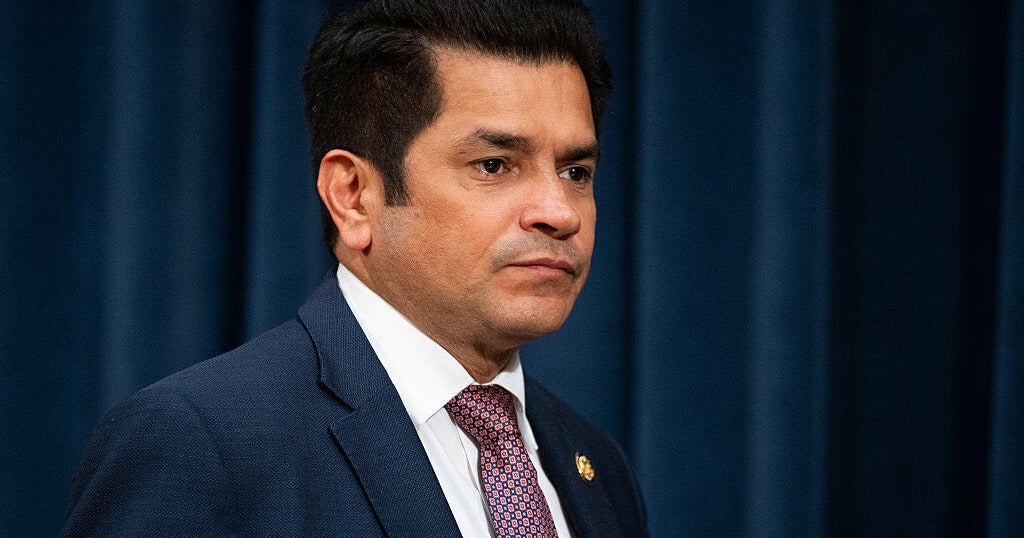
A woman has told the House Ethics Committee that Representative Jimmy Gomez sexually assaulted her, according to her lawyers. Gomez admits to personal mistakes but says the actions were consensual, while the woman’s attorneys disagree and expect the committee to find misconduct.
Key Facts
The House Ethics Committee is investigating sexual misconduct allegations against Rep. Jimmy Gomez.
The allegations include inappropriate sexual contact with a House staffer.
Gomez said his actions were consensual and acknowledged making personal mistakes outside his marriage.
The woman’s lawyers said Gomez’s actions were not consensual with their client.
Gomez said he will cooperate with the Ethics Committee investigation but will not comment further.
The Ethics Committee will not make any public statements outside its official rules during the investigation.
The House is considering new rules that would ban lawmakers from having sexual relationships with any congressional staffers.
The woman who made the claim remains unnamed and CBS News has not independently verified her allegations.
Read the Original
Want the full story? Tap a source to open the original
article.
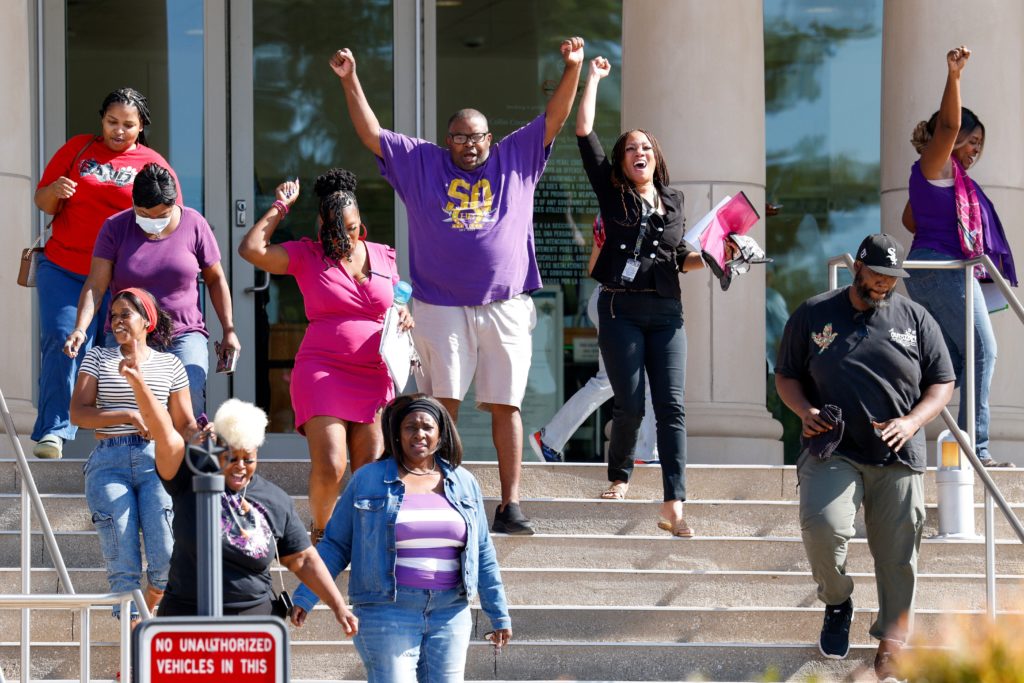
A judge was removed from a case involving Karmelo Anthony, a Texas teenager convicted of murdering a 17-year-old athlete at a high school track meet. Anthony’s legal team is seeking a new trial, arguing that the previous judge behaved improperly, including giving an interview after the trial.
Key Facts
Karmelo Anthony, now 19, was convicted of murder and sentenced to 35 years in prison.
The victim was Austin Metcalf, a 17-year-old athlete fatally stabbed during a dispute at a track meet.
The case attracted national attention partly due to social media discussions about race; Anthony is Black and Metcalf was white.
Lawyers told the jury that race was not a factor in the stabbing.
Anthony’s legal team requested a new trial, saying the judge enforced strict rules and made a public statement supporting the jury’s decision after the trial.
A new judge has been assigned for the upcoming hearing on Anthony’s request for a retrial.
The stabbing happened after Anthony refused to leave a tent belonging to Metcalf’s team, leading to a confrontation.
Witnesses said Anthony was the aggressor and that he pulled a knife and stabbed Metcalf.
Read the Original
Want the full story? Tap a source to open the original
article.
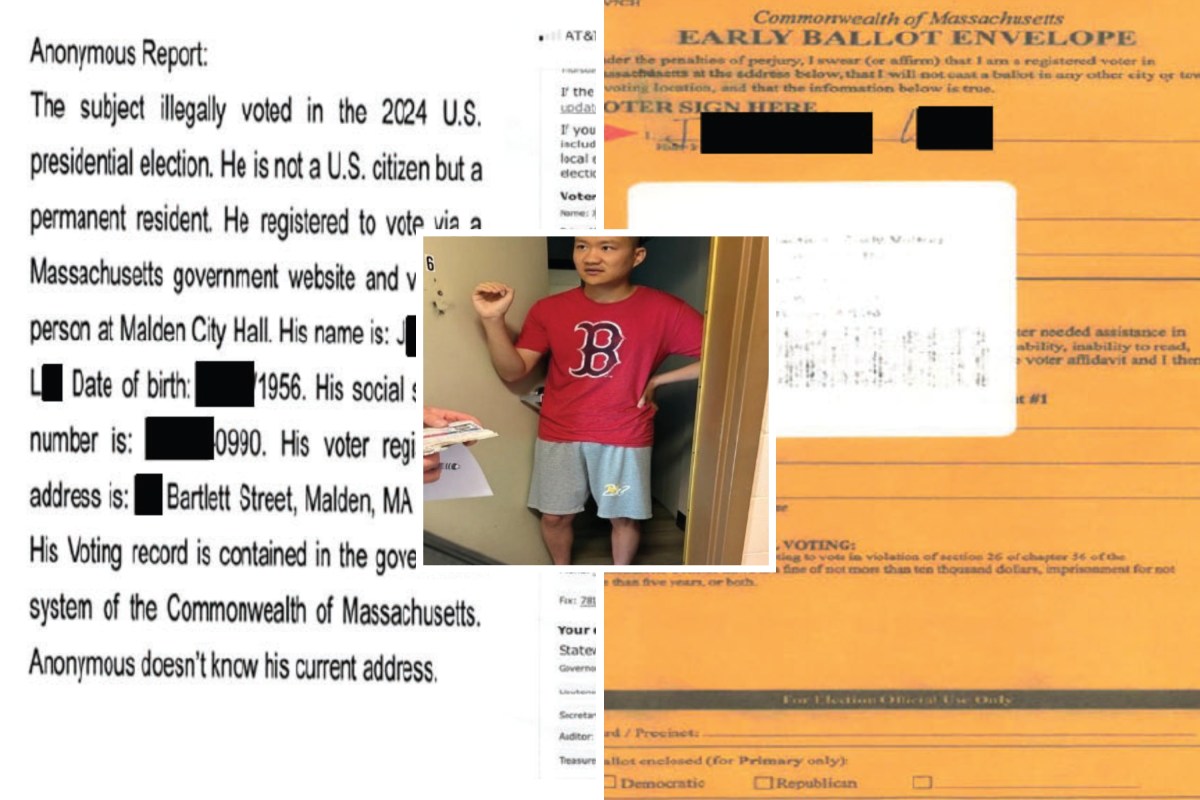
A Chinese man in Massachusetts, Yupeng Sun, is charged with pretending to be a green card holder to illegally vote in the 2024 election. He then reported the real green card holders he lived with, leading to their green cards being revoked and potential deportation.
Key Facts
Yupeng Sun, 33, is charged with fraudulent voter registration and fraudulent voting.
Sun allegedly used another person’s identity, J.L., a lawful permanent resident, to register and vote.
J.L. and his wife had their green card status revoked after fraudulent forms were submitted in their names.
Sun reported J.L. and his wife to immigration authorities through anonymous tips and mailings.
Sun admitted to both voting illegally and sending the complaints.
The incident involved disputes between Sun and J.L.’s family, including past legal conflicts.
The case was announced by the U.S. Attorney’s Office for the District of Massachusetts.
J.L. and his wife are contesting the claims in immigration court, saying their personal information was stolen.
Read the Original
Want the full story? Tap a source to open the original
article.
The Los Angeles District Attorney lowered felony charges to misdemeanors against LAPD Officer Daniel Flores, who secretly recorded fellow officers making racist and sexist remarks. The decision came after criticism that harsh charges could discourage other police whistleblowers from reporting misconduct.
Key Facts
Officer Daniel Flores recorded LAPD colleagues making racist and sexist comments in 2025.
Flores reported the recordings to the LAPD’s internal affairs division.
He was charged with 16 felonies in July 2026 under an old California law against secret recordings without consent.
The original felony charges carried up to 13 years in prison.
Public backlash criticized the prosecution for punishing someone exposing wrongdoing.
District Attorney Nathan Hochman reduced all charges to misdemeanors to allow a diversion agreement, meaning no jail time if Flores follows the law for a year.
The DA condemned the offensive comments but said there was not enough evidence to charge the officers who made them with hate crimes.
Flores was suspended for 22 days without pay in an internal LAPD investigation related to the case.
Read the Original
Want the full story? Tap a source to open the original
article.
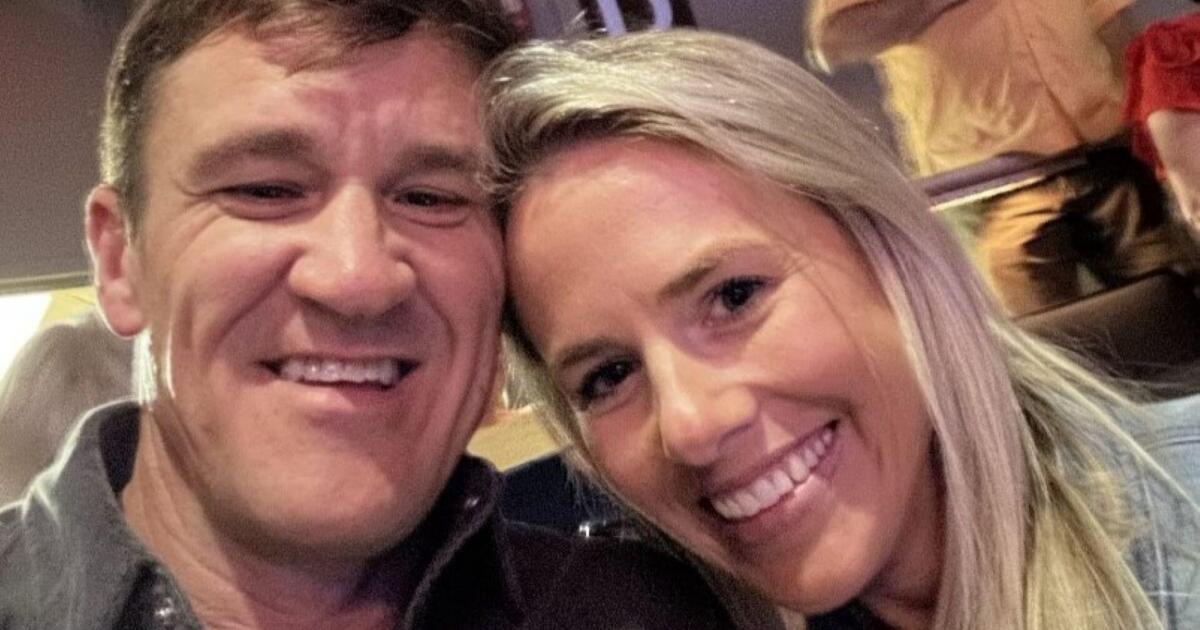
A man named Davis McClendon died in a hit-and-run accident near his damaged car. His new romantic partner believes his death was not an accident. The story will be covered by CBS News on the program "48 Hours."
Key Facts
Davis McClendon was found dead near his damaged car.
His death was caused by a hit-and-run incident.
McClendon had recently started a new romantic relationship.
His new partner thinks the death was not accidental.
The story will be featured on CBS's "48 Hours" show.
The report airs on Saturday, August 22 at 10/9c on CBS and Paramount+.
The reporter for this story is Anne-Marie Green.
Read the Original
Want the full story? Tap a source to open the original
article.
CBS News covered the main wins, losses, and unexpected results in important primary elections across the United States, from Florida to Alaska. Their political experts discussed what these outcomes mean for upcoming general elections.
Key Facts
The article focuses on key primary election races in several states.
It highlights both expected and surprising results.
Florida and Alaska are among the states mentioned.
CBS News political director Fin Gómez and congressional correspondent Nikole Killion provided analysis.
The coverage is meant to help understand the impact of these primary results on future elections.
The information comes from CBS News and is available on their app.
Read the Original
Want the full story? Tap a source to open the original
article.
Senator Darline Graham, running to fill her late brother Lindsey Graham’s Senate seat, said in a debate that she is not very informed about national security. Her comment drew criticism, including from former South Carolina Governor Nikki Haley, who said national security knowledge is essential for a senator.
Key Facts
Darline Graham is competing in a special GOP runoff to replace the late Senator Lindsey Graham from South Carolina.
She was endorsed by President Donald Trump for the full Senate term.
During a debate, Graham said she is “not that informed on national security.”
She emphasized her focus will be more on domestic issues like the cost of living.
Graham stated she supports the military because of her family’s service.
Her opponent, Rep. Ralph Norman, praised President Trump’s approach to Taiwan and national security.
Former Governor Nikki Haley criticized Graham’s lack of knowledge on national security, saying it is vital for a senator.
Graham said she believes South Carolina voters care more about domestic issues than foreign policy topics like the South China Sea.
Read the Original
Want the full story? Tap a source to open the original
article.
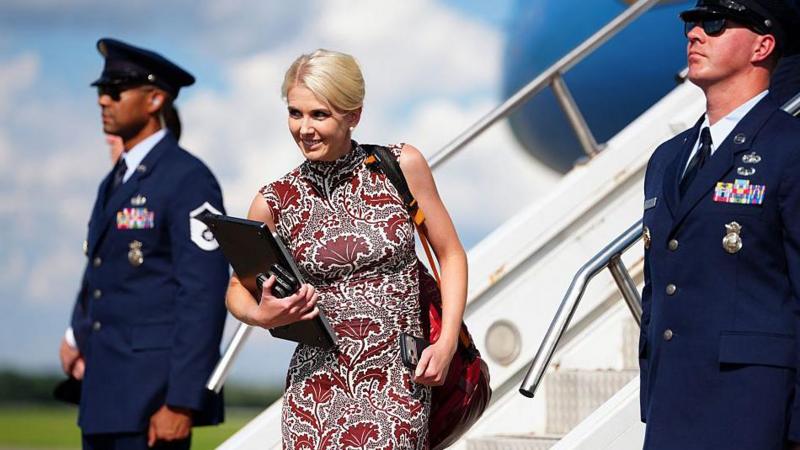
Natalie Harp is a longtime aide to President Donald Trump who helps manage his schedule, communications, and social media posts on Truth Social. She gained prominence after using an experimental cancer treatment made possible by a law Trump supported and now holds an influential role close to the president.
Key Facts
Natalie Harp is a 35-year-old executive assistant to President Trump.
She types Trump’s posts on Truth Social and manages his communications.
Harp credits Trump with saving her life through the Right to Try Act, which allowed her access to experimental cancer treatments.
She spoke about her experience at the 2020 Republican National Convention and joined Trump's 2020 re-election advisory board.
After the 2020 election, she worked for the conservative One America News Network before joining Trump’s 2024 campaign.
Harp is often seen near Trump in the Oval Office and on Air Force One, making her a key figure in his daily activities.
White House insiders call her a "gatekeeper" because she controls what information Trump receives.
She carries a portable printer for Trump, who likes reading printed articles and posts.
Read the Original
Want the full story? Tap a source to open the original
article.
Mike Lindell, who lost the Republican primary for Minnesota governor by about 11 points, announced he will pay for a hand recount and audit of all the paper ballots in the race. Minnesota law allows candidates to request and pay for a recount even if the margin of loss is large.
Key Facts
Mike Lindell is the founder of MyPillow and ran for governor of Minnesota in the Republican primary.
Lindell lost the primary to Minnesota House Speaker Lisa Demuth by about 11 percentage points.
Minnesota law lets candidates request a full hand recount of ballots, even if the loss margin is larger than the automatic recount threshold (0.25%).
Lindell said he will pay for the recount himself and use this legal right to audit every paper ballot.
The campaign must request the recount and provide funds within five days of the primary election results certification.
There is no official evidence of fraud or problems in the election results.
Lindell had previously spread claims of election fraud related to the 2020 presidential vote, which led to defamation lawsuits.
Lisa Demuth will face Senator Amy Klobuchar in the November general election to replace Governor Tim Walz.
Read the Original
Want the full story? Tap a source to open the original
article.
Former House Speaker Kevin McCarthy said he is concerned about the Republican Party’s chances to keep control of Congress in the November midterm elections. He noted that recent polls show Democrats have a lead of more than 6 percentage points in the generic ballot.
Key Facts
Kevin McCarthy is a former House Speaker and a Republican from California.
McCarthy expressed worry about the Republican Party’s performance in the upcoming midterm elections.
Polls show Democrats are leading by over 6 percentage points in a generic ballot, which asks voters which party they support.
The midterm elections are scheduled for November.
McCarthy said he is uncertain about the plan to improve the GOP’s chances.
He shared these comments during an interview on Fox News with Dana Perino.
Control of Congress depends on which party wins more seats in these elections.
Read the Original
Want the full story? Tap a source to open the original
article.
President Donald Trump showed reporters the construction of a new helipad and ballroom at the White House. He explained details about the materials used, including granite that can withstand heavy pressure, and highlighted the upgrades to the South Lawn area.
Key Facts
President Trump gave a tour of the White House construction projects on August 19, 2026.
The projects include a new helicopter landing zone (helipad) and a new ballroom.
Trump emphasized that the granite used is very strong, able to withstand 35,000 pounds per square inch.
He replaced the walkway from the diplomatic entrance and part of the driveway with white granite.
Trump compared granite’s durability favorably against asphalt and concrete.
The helipad is expected to impress foreign leaders like Chinese President Xi Jinping, who will visit soon.
Construction work continued despite ongoing legal challenges related to the ballroom.
Trump enjoys managing building projects and highlights these efforts even during other major issues like the Iran conflict and midterm elections.
Read the Original
Want the full story? Tap a source to open the original
article.