The Department of Education under President Trump has reversed some previous credit counts for the Public Service Loan Forgiveness (PSLF) program. This change affects federal student loan borrowers who work in government or nonprofit jobs and could delay their loan forgiveness.
Key Facts
PSLF forgives remaining federal student loans for borrowers working in public service after 120 qualifying monthly payments.
The rollback results from coding errors in payment counts linked to changes made in May 2024 during the Biden administration.
Some borrowers who thought they were close to forgiveness will now have to make more payments.
The Department of Education has corrected the errors and notified most affected borrowers.
The exact number of borrowers impacted by the rollback has not been disclosed.
Errors included inaccurate billing, incorrect payment credits, and confusion about forgiveness eligibility.
PSLF was created in 2007 and may benefit over 9 million borrowers in government or nonprofit roles.
The Department says it remains committed to properly crediting all qualifying payments.
Read the Original
Want the full story? Tap a source to open the original
article.
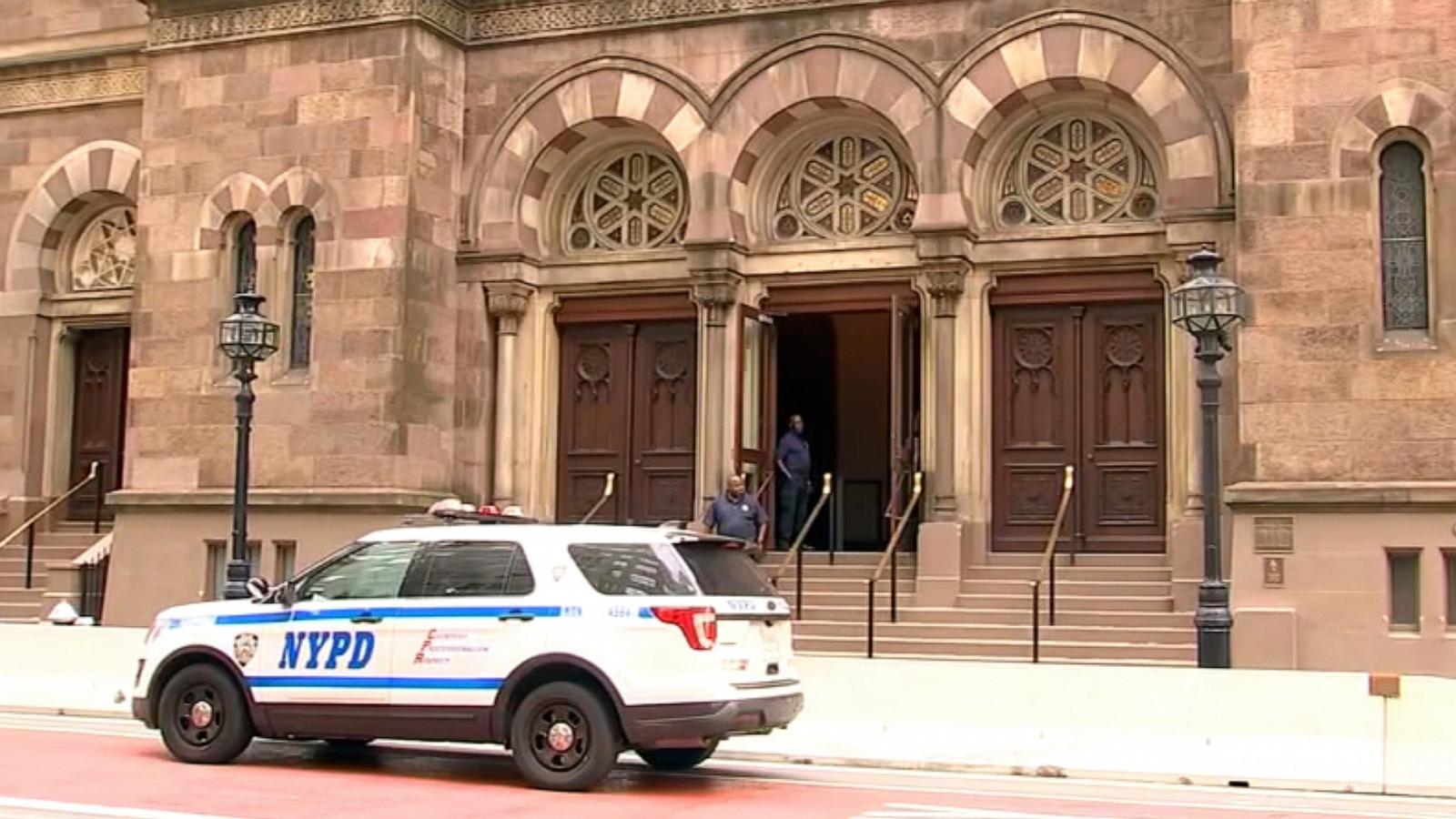
A man named Larry Montes was arrested for attacking a synagogue in New York City during a religious service. He now faces federal hate crime charges for damaging property and injuring people in what officials called a hate-driven attack.
Key Facts
Larry Montes, 46, disrupted a service at Central Synagogue in Manhattan.
He shouted "I am Hashem," knocked over candles, and broke candle holders.
Montes injured a 63-year-old woman and headbutted a security guard.
He used a racial slur during the attack, according to police.
Montes said he felt disrespected and that his actions were racially and religiously motivated.
He is charged with two counts of hate crimes and one count of damaging religious property.
Montes is held on $10,000 bail awaiting further legal proceedings.
The FBI condemned the attack and praised security and first responders.
Read the Original
Want the full story? Tap a source to open the original
article.
The Trump administration has proposed removing the "Roadless Rule" from 44 million acres of U.S. national forests. This rule, created in 2001, currently limits road building and logging to protect these forest areas.
Key Facts
The "Roadless Rule" was put in place in 2001 to protect 44 million acres of national forest land.
The rule stops new roads from being built and restricts logging in these areas.
The Trump administration wants to remove this rule.
Removing the rule would make it easier to build roads and increase logging in national forests.
The U.S. Forest Service is the agency responsible for managing national forests and enforcing this rule.
Supporters say changing the rule will help manage forests and create jobs.
Critics worry it will harm the environment and wildlife habitats.
Read the Original
Want the full story? Tap a source to open the original
article.
Alaska is holding a special primary election to choose candidates for an open U.S. Senate seat. This primary is different because it does not separate voters or candidates by political party.
Key Facts
The primary is taking place in Alaska on a Tuesday.
It is for an open U.S. Senate seat, meaning the current senator is not running again.
Alaska uses a nonpartisan primary system, so all candidates run together regardless of party.
All voters can choose from all candidates in this primary.
The top candidates from this primary will move on to the general election.
This system is different from most states that have separate primaries for each party.
The system aims to give voters more choice and reduce party influence.
Read the Original
Want the full story? Tap a source to open the original
article.
Senator Bernie Sanders plans to introduce a bill that stops the federal government from taking Social Security payments to collect unpaid student loan debt. The bill aims to protect seniors' retirement and disability benefits from being reduced due to outstanding student loans.
Key Facts
Senator Bernie Sanders is introducing the Stop Social Security Garnishment Act of 2026.
The bill would prevent the Education Department from cutting Social Security benefits to collect unpaid student loans.
It covers both Social Security retirement payments and disability benefits.
The goal is to protect seniors who owe money on student loans.
Currently, the government can reduce Social Security payments to recover unpaid federal student loans.
The proposal seeks to change this practice to avoid financial hardship for older adults.
The bill is part of ongoing efforts to address issues related to student loan repayment and seniors' welfare.
Read the Original
Want the full story? Tap a source to open the original
article.
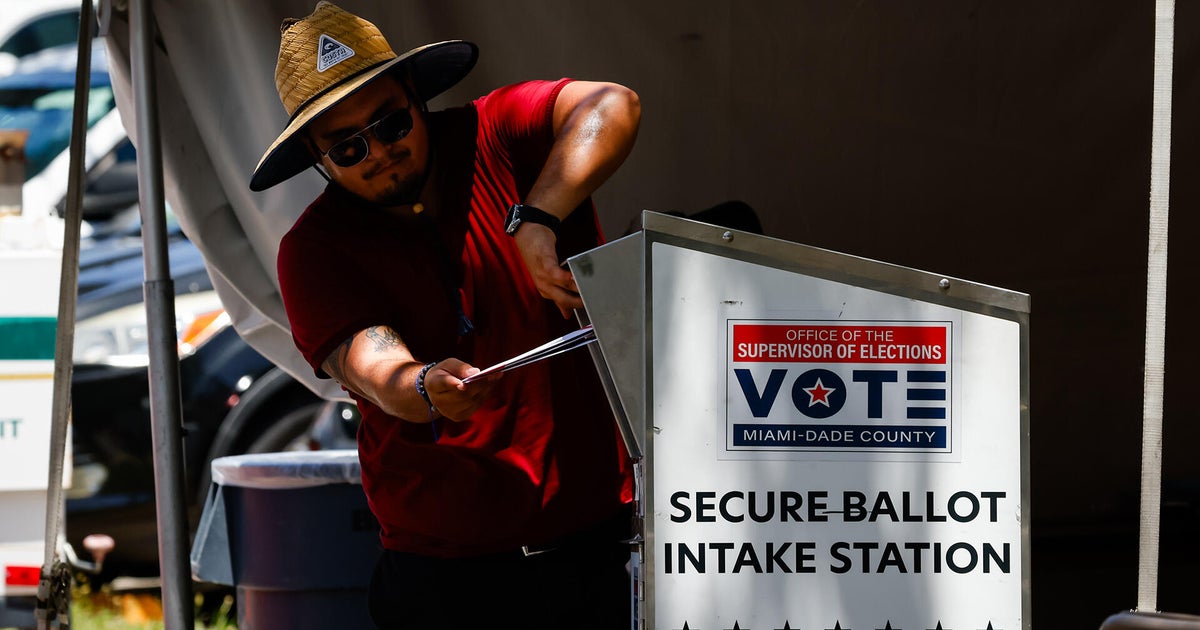
Florida is holding primary elections to choose candidates for governor, U.S. Senate, and U.S. House of Representatives. Experts are discussing the details of these races and their possible effects on national politics.
Key Facts
The primary elections are taking place in Florida on a Tuesday.
Voters will select candidates for the governor’s race.
Primaries are also being held for Florida’s U.S. Senate seat.
Elections for Florida’s U.S. House members are part of the primaries.
CBS News contributors are providing analysis of the local races.
CBS News experts are discussing how these elections could impact U.S. politics across the country.
The information is available through CBS News coverage and their app.
Read the Original
Want the full story? Tap a source to open the original
article.
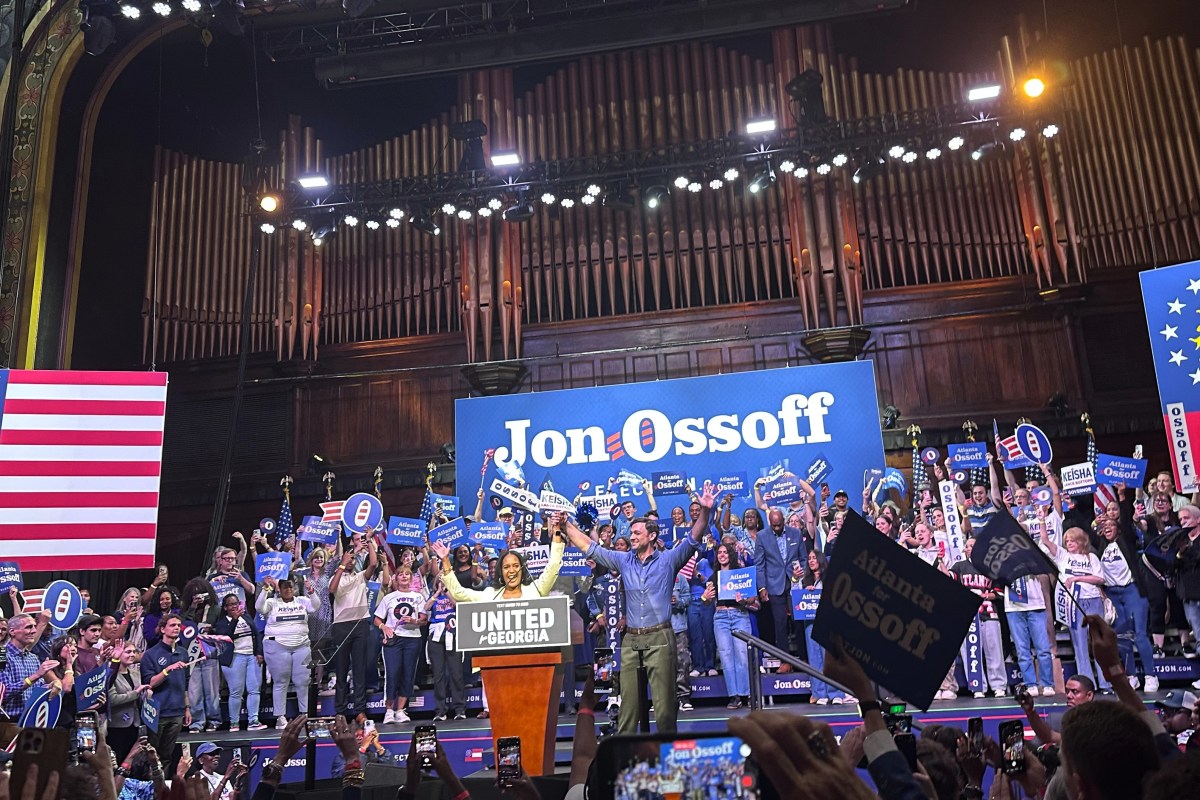
Georgia Senator Jon Ossoff is running for reelection in 2024 and has faced questions about a possible 2028 presidential run, which he denies. Ossoff recently criticized President Donald Trump and his aide Natalie Harp during a campaign speech, leading to mixed reactions in prediction markets about his chances in a future presidential race.
Key Facts
Jon Ossoff is a Democratic Senator from Georgia running for reelection in November 2024.
There is speculation about Ossoff as a potential Democratic presidential candidate for 2028, but he says he is not interested.
Ossoff criticized President Trump’s priorities and mentioned Trump traveling with aide Natalie Harp during a campaign speech.
Prediction markets showed mixed changes in Ossoff’s odds of getting the 2028 Democratic nomination after his comments.
Ossoff has raised about $42 million for his Senate campaign, much more than his Republican opponent Mike Collins.
Ossoff emphasized the importance of the 2024 midterm elections and restoring election integrity for the future.
His speech calling out Trump and Harp was widely viewed and sparked discussion among Democrats and Republicans.
Ossoff focuses on serving Georgia and says the 2028 presidential race is a "fantasy" not on his mind.
Read the Original
Want the full story? Tap a source to open the original
article.
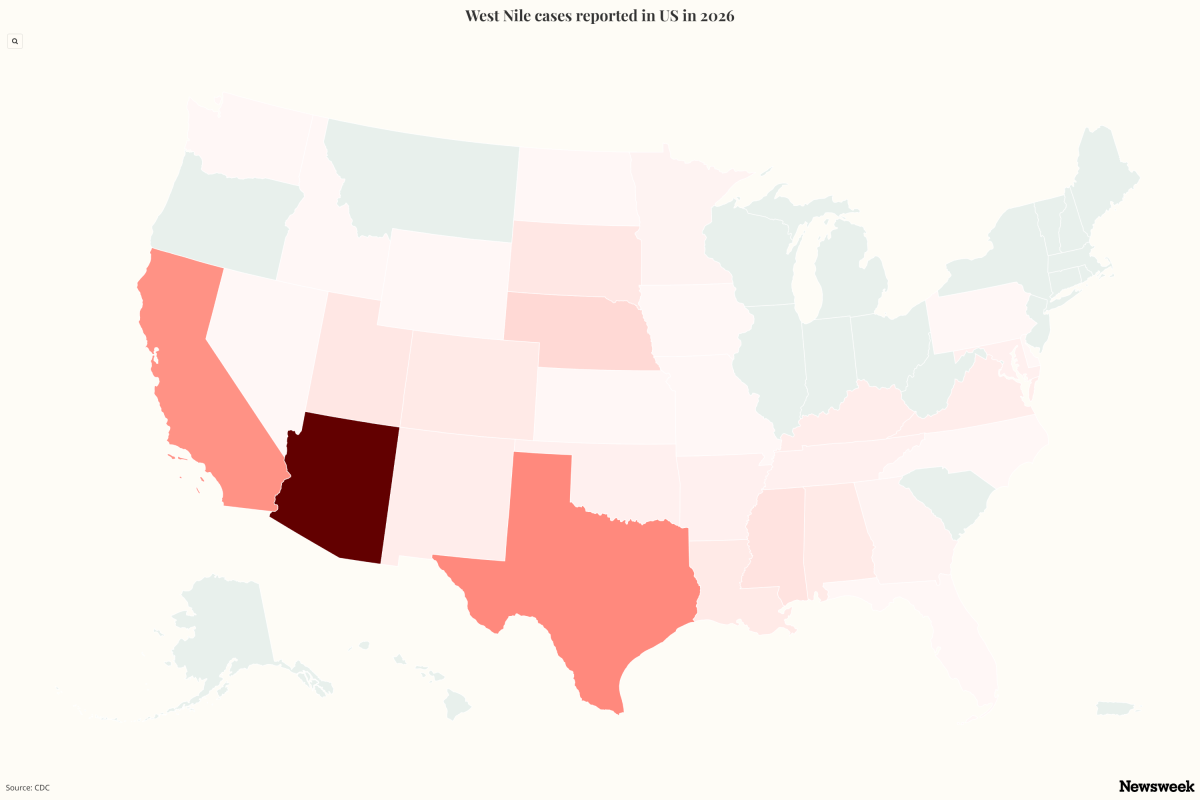
West Nile virus cases have been reported in 32 U.S. states this year, with 222 human infections recorded by August 18, including 156 severe cases affecting the brain and nervous system. At least eight people have died, mostly in Arizona and California, as the virus spreads through mosquitoes during the summer and early fall.
Key Facts
The CDC reported 222 human cases of West Nile virus in 32 states as of August 18, 2024.
There have been 156 neuroinvasive cases, the most serious form affecting the brain and nervous system.
At least eight deaths have occurred: five in Arizona and three in California.
Arizona has the highest number of cases this year (76), followed by Texas (31) and California (29).
The virus spreads through mosquitoes and also infects birds and animals.
Most infected people (about 80%) do not show symptoms; around 20% get mild illness (West Nile fever).
Severe symptoms can include high fever, neck stiffness, confusion, muscle weakness, and vision loss.
There is no vaccine or specific treatment; prevention includes using insect repellent, wearing protective clothing, and removing standing water where mosquitoes breed.
Read the Original
Want the full story? Tap a source to open the original
article.
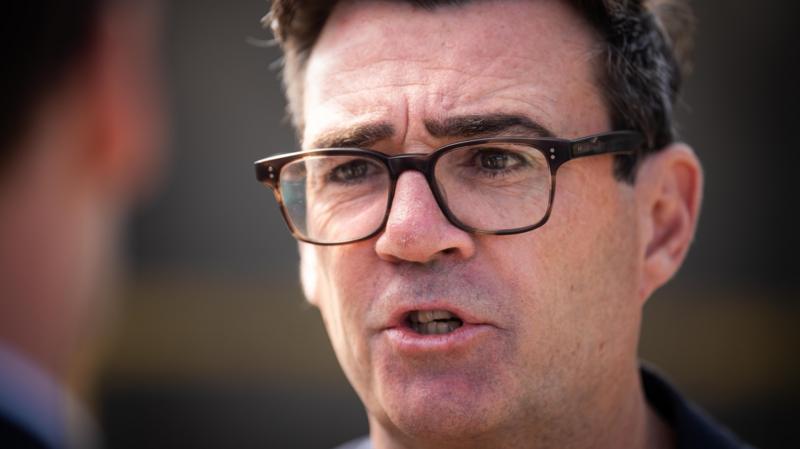
Andy Burnham, now prime minister, reported receiving £345,000 in donations over the past year, including £164,347 from businessman Lord Sainsbury. He also declared gifts and hospitality received before returning to Parliament, such as festival tickets and accommodation.
Key Facts
Andy Burnham registered £345,000 in donations during the past year.
£164,347 of these donations came from Lord Sainsbury.
Donations supported Burnham’s campaign to become Labour leader and included contributions from individuals, a TV company, and a think tank.
Various types of support were funded, including office space, IT equipment, staffing, travel, social media, and polling.
Burnham also declared gifts and hospitality received before rejoining Parliament, including tickets to Glastonbury, Brit Awards, and sporting events.
The donations and gifts were declared following Parliamentary and Electoral Commission rules.
Labour Party stated political campaigns should be funded by donors, not public money.
Previous controversy involved Labour leader Sir Keir Starmer returning gifts and tightening rules on ministers accepting gifts.
Read the Original
Want the full story? Tap a source to open the original
article.
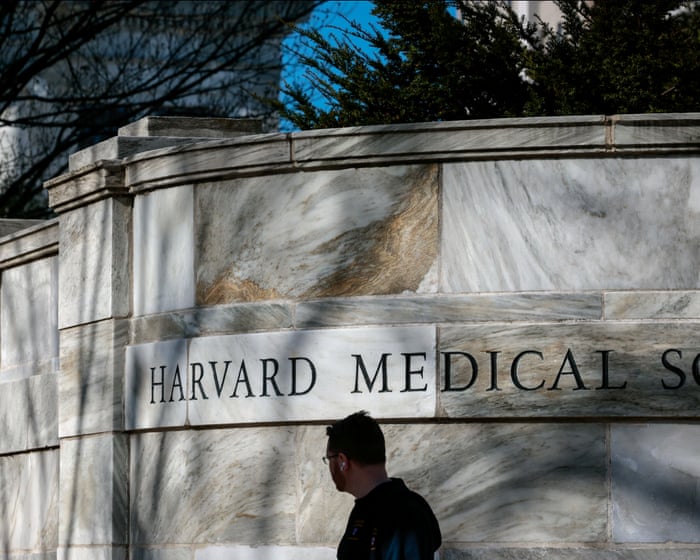
Harvard University will pay $53 million to settle lawsuits over a scheme involving the theft and sale of human body parts donated to its medical school. A former morgue manager and his wife were convicted for stealing and selling these donated remains without permission.
Key Facts
Harvard agreed to a $53 million settlement to resolve civil lawsuits about stolen human remains.
Cedric Lodge, a former morgue manager, was sentenced to eight years in prison for stealing and selling body parts.
The illegal activity took place from 2018 to at least March 2020.
Lodge’s wife, Denise Lodge, received a prison sentence of just over one year for her involvement.
The stolen remains included organs, skin, brains, and dissected heads donated for research.
The Lodges shipped the stolen body parts from Harvard to buyers in several states.
Harvard will hold a live webinar apologizing to affected families and will create a scholarship honoring anatomical donors.
Harvard medical school leaders described the thefts as morally wrong and said they regret the harm caused to donor families.
Read the Original
Want the full story? Tap a source to open the original
article.
A court has confirmed an EPA rule requiring companies that pollute with certain toxic chemicals to pay for cleaning up those chemicals. The rule officially labels two specific chemicals, PFOA and PFOS, as dangerous, allowing the EPA to act more strongly against pollution.
Key Facts
The EPA’s rule targets “forever chemicals” known as PFOA and PFOS.
These chemicals are called “forever chemicals” because they do not break down easily and can stay in the environment for a long time.
The rule classifies PFOA and PFOS as “hazardous substances.”
By doing this, the EPA gains more power to investigate pollution and require cleanup.
Industry groups challenged the rule in court, but the court upheld it.
The decision means polluters must pay to clean contamination caused by these chemicals.
The EPA can now enforce actions against sites contaminated by PFOA and PFOS more effectively.
Read the Original
Want the full story? Tap a source to open the original
article.
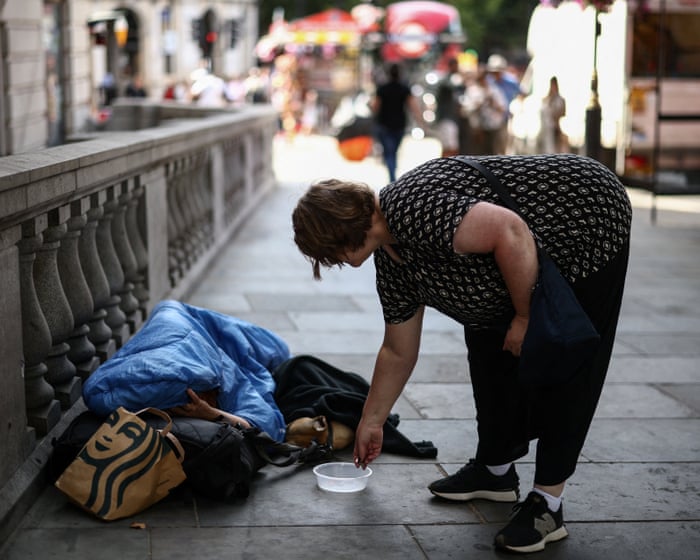
Prime Minister Andy Burnham has launched a national campaign to help all rough sleepers in England find housing by Christmas. He pledged an extra £100 million to support this effort, focusing on providing homes and services like medical and addiction help.
Key Facts
Andy Burnham announced a new campaign to get rough sleepers off the streets by Christmas.
He pledged £442 million to help end rough sleeping, with £340 million over three years for new homes and support.
An additional £102 million will fund services including medical care and addiction support.
This money will support building 1,200 homes and help 3,000 people over five years.
Local leaders will decide how to use the funds as they know local needs best.
The government will not force local authorities to house all rough sleepers but aims to offer help to anyone who wants it.
Rough sleeping rose again after Covid-era housing schemes ended, with nearly 4,800 people sleeping rough in England as of autumn 2025.
Burnham previously worked on reducing homelessness as mayor of Greater Manchester.
Read the Original
Want the full story? Tap a source to open the original
article.
The USDA has proposed ending the 2001 Roadless Area Conservation Rule, which currently restricts road building and logging on nearly 45 million acres of national forest. The proposal aims to help reduce wildfire risk by allowing local forest managers more control over the land. Environmental groups oppose the change, fearing it will increase wildfires and harm wildlife habitats.
Key Facts
The 2001 Roadless Rule bans road construction and logging on about 45 million acres of national forest land.
USDA Secretary Brooke Rollins supports removing the rule to improve forest health and reduce wildfire risk.
The Trump administration and some Republican leaders believe local control will help firefighters access wildfires more easily.
There are already roads near many roadless areas; about half are within 1 mile of an existing road.
Environmental groups warn that building roads could increase the chance of human-caused wildfires.
Roadless forests provide habitats for animals like jaguars, owls, and ocelots.
The US has had a severe wildfire season, with 7.3 million acres burned in about 49,000 fires so far in 2024.
Public comments on the proposal will be accepted until September 21, 2024.
Read the Original
Want the full story? Tap a source to open the original
article.
The U.S. Department of Defense has made a large contract with Raytheon to grow the production of Tomahawk missiles quickly. This move suggests concerns about low missile stockpiles and the need to strengthen U.S. military supplies.
Key Facts
The Pentagon is increasing the production of Tomahawk missiles.
Raytheon, a long-time U.S. weapons supplier, will deliver missiles faster and in greater numbers than before.
Tomahawk missiles play an important role in U.S. defense strategy.
Military experts are watching to see if this increase could lead to a global arms race.
Concerns about running low on critical weapons partly drive this decision.
The deal is worth billions of dollars.
The Pentagon is urging faster production of weapons due to stockpile worries.
Read the Original
Want the full story? Tap a source to open the original
article.
A U.S. Navy destroyer, the USS Benfold, lost power for four days in the South China Sea last month. During this time, sailors aboard did not have working toilets, air conditioning, kitchen service, or drinking water.
Key Facts
The USS Benfold is an Arleigh Burke-class guided-missile destroyer.
The ship lost power on July 24 due to an “engineering casualty.”
The power outage lasted for four days while the ship was in the South China Sea.
Sailors were unable to use toilets or air conditioning during the outage.
The galley (kitchen) service was unavailable, and there was no potable (safe to drink) water.
The incident was reported by the U.S. Navy’s 7th Fleet.
The South China Sea is part of the Indo-Pacific region.
Read the Original
Want the full story? Tap a source to open the original
article.
COVID-19 cases are increasing in almost every state in the United States. Health officials expect more people to show symptoms like coughing in the coming weeks.
Key Facts
COVID-19 is spreading more widely across the U.S. again.
Nearly every state is seeing growth in case numbers.
This rise may lead to more people experiencing symptoms such as coughing.
The Centers for Disease Control and Prevention (CDC) is tracking this increase.
Public health experts monitor local COVID-19 levels to guide safety measures.
Read the Original
Want the full story? Tap a source to open the original
article.
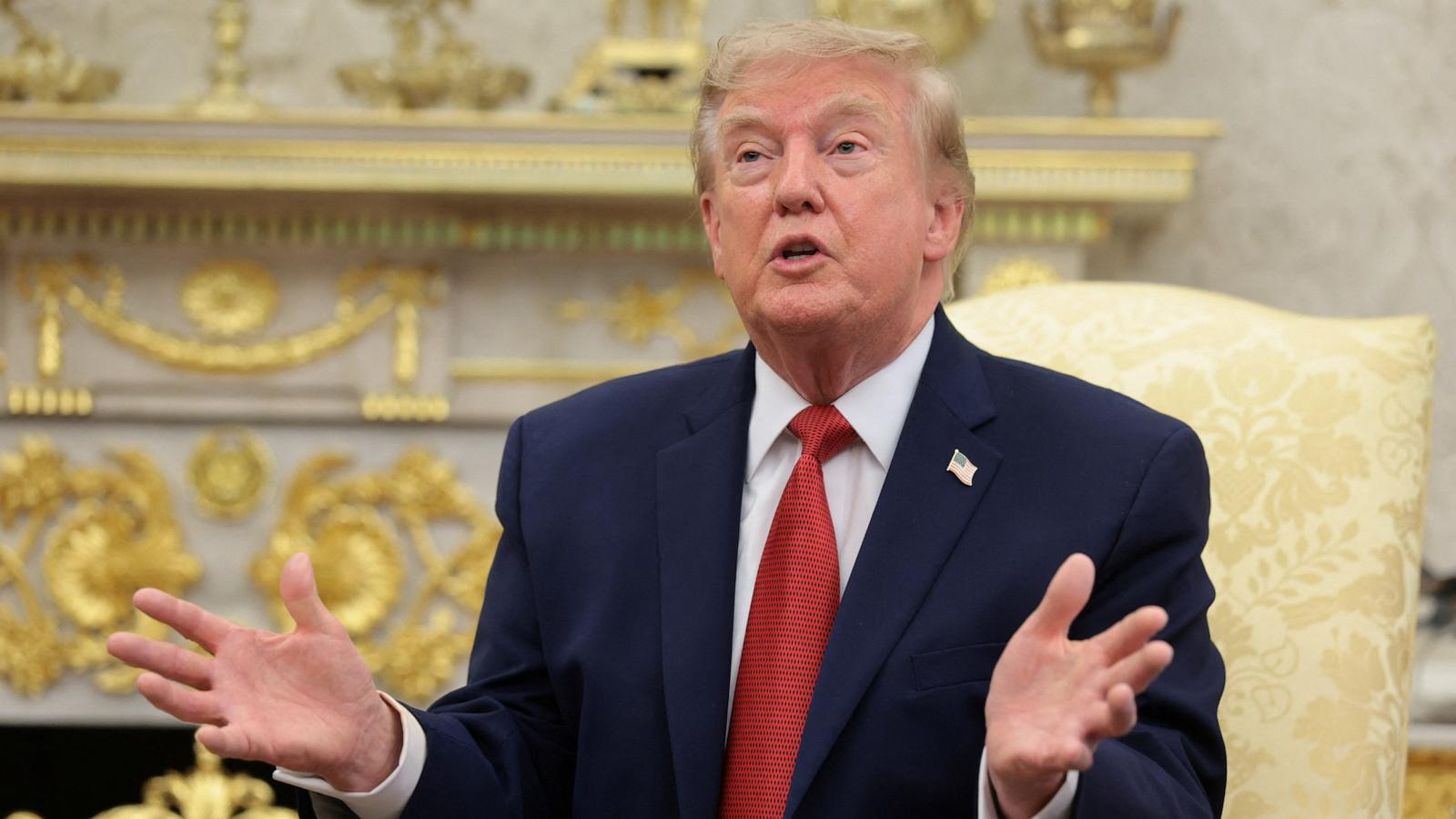
President Donald Trump voted by mail in Florida’s recent primary election, marking his second mail ballot in the state this year. Despite his criticism of mail-in voting, the White House said the president voted by mail due to his role and residence, and continues to support legislation to restrict mail-in ballots except for certain cases.
Key Facts
President Trump voted by mail in Florida’s primary on August 13, 2026.
This is his second mail-in vote in Florida in 2026.
The White House said Trump primarily lives at the White House but is a Florida resident.
Trump supports the SAVE America Act, which would require voter ID and restrict mail voting to cases like illness or military service.
The president has criticized mail-in voting as prone to fraud but used it himself, saying it is allowed for him as president.
About two dozen states and DC have opposed new federal restrictions on mail-in voting, saying they could reduce voter participation.
An analysis by the Brookings Institution found mail-in voter fraud to be rare.
Voting records showing Trump’s mail ballot request appear private and are not publicly disclosed by officials.
Read the Original
Want the full story? Tap a source to open the original
article.
Senator Jon Ossoff from Georgia and the White House have entered a heated dispute. The conflict grew worse after Ossoff mentioned Natalie Harp, a longtime aide to President Donald Trump, during a political event.
Key Facts
Jon Ossoff is a Democratic senator from Georgia.
Ossoff is known as a rising figure within the Democratic Party.
The White House is involved in a political confrontation with Ossoff.
Ossoff referenced Natalie Harp, an aide to President Donald Trump, during a campaign event.
The clash intensified at an event where Ossoff appeared with Senator Mark Kelly from Arizona.
The disagreement involves strong political language and insults.
Read the Original
Want the full story? Tap a source to open the original
article.
Wyoming voters are choosing the Republican and Democratic candidates to run in the November election. They will pick someone to replace Senator Cynthia Lummis, who is retiring. Representative Harriet Hageman is running as the Republican candidate.
Key Facts
Senator Cynthia Lummis from Wyoming is retiring.
Wyoming voters are selecting candidates for the November election.
The election will decide who fills Lummis’s Senate seat.
Harriet Hageman, Wyoming’s only member of Congress, is running as a Republican.
Wyoming is known as a reliably Republican (red) state.
Both Republican and Democratic candidates are being chosen in this primary election.
The winner will serve as Wyoming’s U.S. Senator.
Read the Original
Want the full story? Tap a source to open the original
article.