American workers’ pay is not keeping up with rising prices again, a problem that started during the pandemic. Many workers are still earning less when adjusted for inflation than they did several years ago, as companies tend to give small, regular pay raises instead of raises that match inflation.
Key Facts
From February 2021 to June 2022, real wages (paychecks’ buying power) dropped by over 4%.
37% of workers earned less in inflation-adjusted terms in December 2024 than they did four years earlier.
Rising oil and gasoline prices due to the Iran war pushed inflation higher, reaching 3.4% annual increase in July.
Workers’ hourly wages rose 3.2% in the same period, less than inflation, causing real wage losses.
Many companies give standard wage raises around 3%, which works only if inflation is low.
When inflation rises above the usual raise rate, workers effectively lose purchasing power.
Workers who change jobs tend to get pay increases closer to inflation but face other challenges.
Despite low unemployment, low real wages hurt how consumers feel about the economy.
Read the Original
Want the full story? Tap a source to open the original
article.
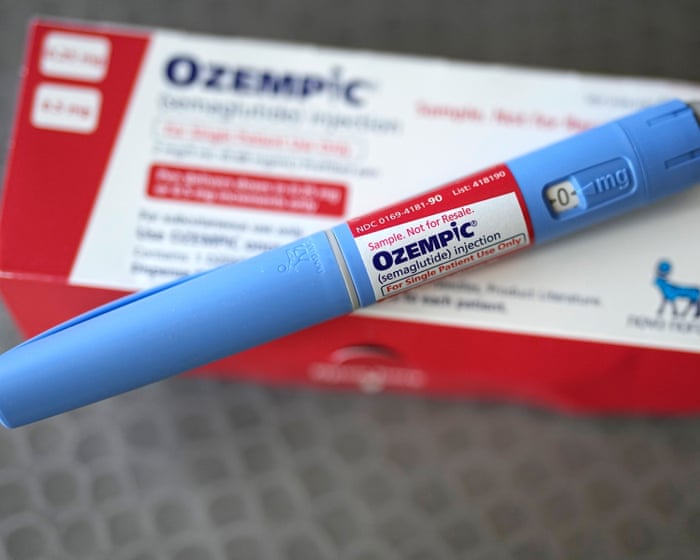
An Illinois man named Rodney Greer is charged with pretending to be doctors to get fake prescriptions for weight-loss drugs Ozempic and Mounjaro. He used stolen doctor information to call pharmacies and get these drugs for customers who paid him money.
Key Facts
Rodney Greer allegedly posed as doctors using their personal data from about 60 doctors in 19 states.
From January 2023 to March 2026, Greer made over 3,000 calls to 261 pharmacies to get prescriptions fraudulently.
He was charged with wire fraud, healthcare fraud, and aggravated identity theft.
Greer allegedly used names “Rodney Greer,” “Christian Marchand,” and the online name “$hotboy1.”
Customers paid Greer to get unauthorized access to GLP-1 drugs like Ozempic and Mounjaro, which help weight loss.
The scheme involved using stolen doctor identification including national provider identification numbers (NPI).
Greer enabled false use of health insurance benefits worth hundreds of thousands of dollars.
One buyer involved in the case pleaded guilty and cooperated with prosecutors.
Read the Original
Want the full story? Tap a source to open the original
article.
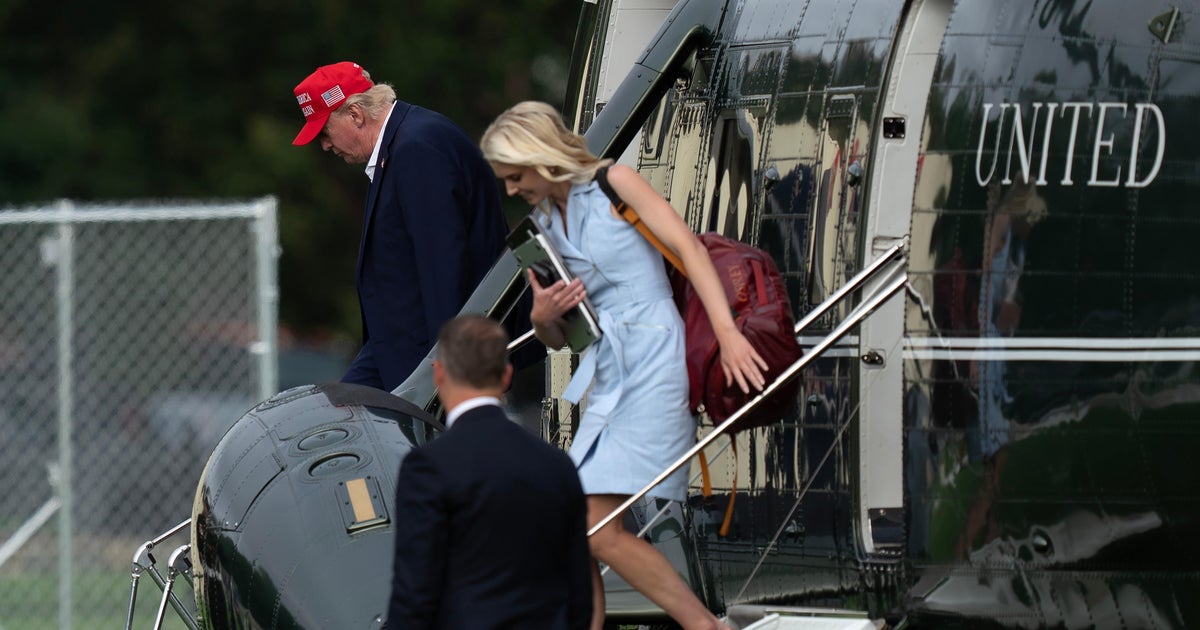
Natalie Harp is a close aide to President Donald Trump, serving as his special assistant and executive assistant. Known for her loyalty, she helps the president by providing printed news and typing posts on his behalf. Harp has worked with President Trump for years and has been involved in sensitive moments, including traveling on a secret flight for the president’s safety.
Key Facts
Natalie Harp is President Trump’s special assistant and executive assistant.
She is known for quickly printing positive news for the president to read.
President Trump often dictates social media posts for Harp to type and publish.
Harp has worked on Trump’s 2020 and 2024 presidential campaigns and started in the White House in 2025.
She traveled with the president on a secret plane from Turkey after a missile threat was detected.
Harp previously worked at the pro-Trump One America News Network and hosted a TV show.
She has publicly credited President Trump for a cancer law that allowed her to try experimental treatments.
Harp was criticized in a political remark by Senator Jon Ossoff, which the White House defended as unfair.
Read the Original
Want the full story? Tap a source to open the original
article.
The Trump administration is ending Temporary Protected Status (TPS) for over a million people, many of whom have lived and worked legally in the U.S. for many years. This move affects communities and employers who rely on these workers, while some TPS designations for other countries may still be extended depending on government decisions.
Key Facts
TPS offers temporary legal protection from deportation to people from countries facing danger or disaster.
The Trump administration is ending TPS protections for many people, including those from Syria, Haiti, and Ethiopia.
Tens of thousands of affected individuals have lived in the U.S. legally for over a decade.
Some 170,000 TPS holders from El Salvador and 101,000 from Ukraine face upcoming expiration dates for their status.
The decision has caused concern for industries like health care and construction that depend on TPS workers.
The Department of Homeland Security says TPS was not meant to be a long-term solution and defends the administration’s actions.
TPS does not grant permanent residency; some people may need to apply for asylum to stay in the U.S.
Activists and groups argue that ending TPS threatens families who have built lives in the U.S. over many years.
Read the Original
Want the full story? Tap a source to open the original
article.
A US federal judge has allowed President Donald Trump’s administration to end Temporary Protected Status (TPS) for more than 5,000 Ethiopians, removing legal protections that prevented their deportation. TPS lets people from unsafe countries stay and work in the US temporarily, but the Trump administration is ending this protection for several nationalities as part of its immigration policies.
Key Facts
US District Judge Brian Murphy approved ending TPS for Ethiopians on Tuesday.
TPS lets people from dangerous countries live and work in the US temporarily.
Over 5,000 Ethiopians had TPS but now face possible deportation.
The Trump administration aims to end TPS for many groups, including Venezuelans, Nicaraguans, South Sudanese, and Somalis.
About 1.29 million people from 17 countries had TPS as of March.
The US Supreme Court limited court reviews of ending TPS protections in a recent 6-3 ruling.
The US State Department advises against traveling to Ethiopia due to violence and insecurity.
Critics say conditions in Ethiopia remain unsafe despite the decision to end TPS protections.
Read the Original
Want the full story? Tap a source to open the original
article.
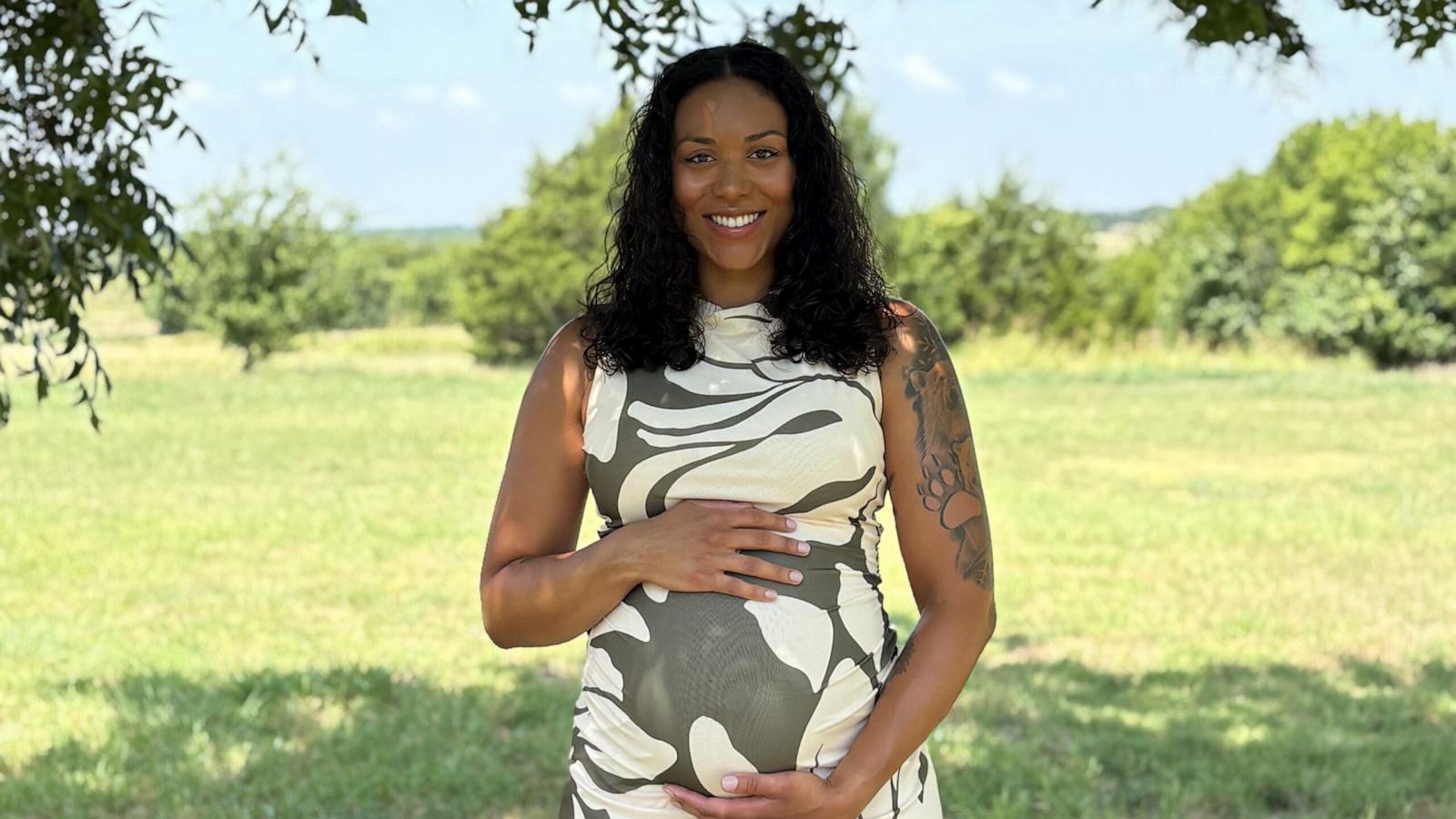
A baby born through surrogacy is recovering after his first of three heart surgeries to treat a serious condition. The infant was born in Texas after a legal dispute between his surrogate and the intended parents from Los Angeles.
Key Facts
Omar Ahmed and Nausheen Gilkar, a Los Angeles couple, hired McKenna West from Alaska as their surrogate.
The fetus was diagnosed with hypoplastic left heart syndrome, a serious heart defect.
The couple wanted to end the pregnancy, but West continued and gave birth in Texas.
The baby, named Rumi by the parents and called "Baby Gabriel" by activists, is now under the parents’ custody.
Rumi had a complex heart surgery on August 17, which is the first of three planned operations.
The surgery was done with the parents’ consent as soon as possible.
The baby’s condition is still critical, and the family asks for privacy during recovery.
Read the Original
Want the full story? Tap a source to open the original
article.
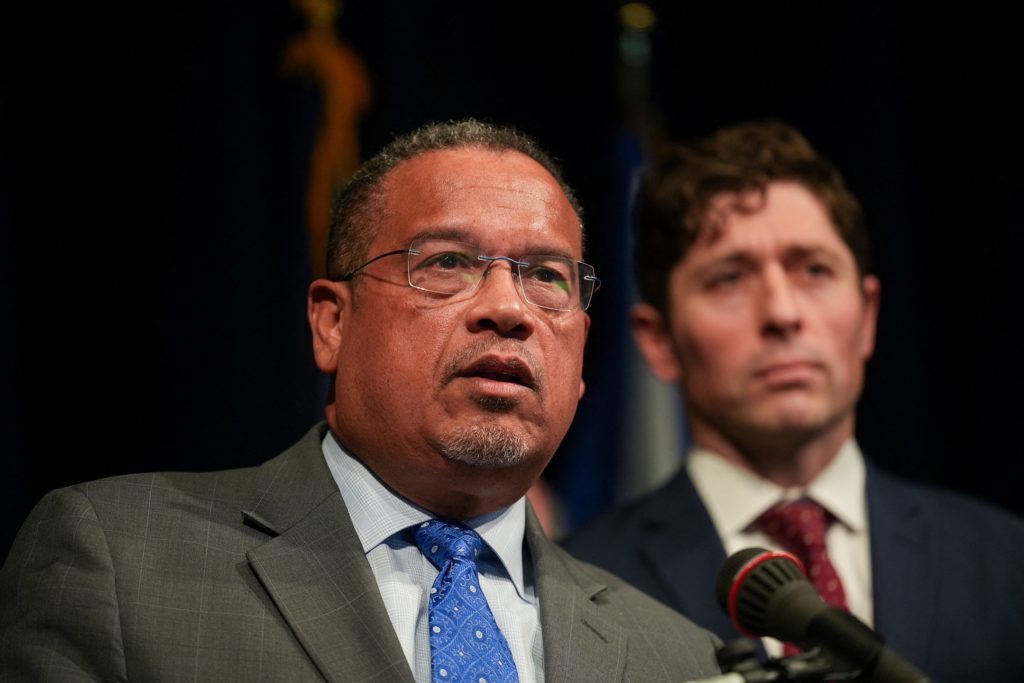
Minnesota's attorney general sued Texas Governor Greg Abbott to force the extradition of ICE agent Christian Castro, who faces charges of assault and false reporting for shooting a man in Minneapolis. The lawsuit seeks to prevent Castro's release in Texas and requires the governor to sign the extradition papers so Castro can stand trial in Minnesota.
Key Facts
ICE agent Christian Castro is charged in Minnesota with assault and falsely reporting a crime after shooting Julio Cesar Sosa-Celis in January.
Castro allegedly fired through a front door, hitting Sosa-Celis in the leg, and then accused him and another man of attacking an officer.
Minnesota Attorney General Keith Ellison wants Texas to extradite Castro so he can face trial in Minnesota.
Texas law may allow Castro's release after 90 days in jail if he is not extradited.
Castro was arrested in Texas in May but has not yet been extradited to Minnesota.
Minnesota officials say Castro has made calls from jail discussing plans to move to Mexico if released.
Texas Gov. Abbott has not yet signed the extradition warrant, and his office declined to comment on the case.
The lawsuit argues that Texas must comply with the Constitution's extradition rules and cannot refuse the request.
Read the Original
Want the full story? Tap a source to open the original
article.
Jose Aristimuño, a former deputy national press secretary for the Democratic Party, said on Monday that candidates from the Democratic Socialists of America (DSA) do not represent the Democratic Party. He emphasized that most Democrats are center-left and believe this group should have a stronger voice.
Key Facts
Jose Aristimuño previously worked as deputy national press secretary for the Democratic Party.
Aristimuño said the democratic socialists in the party do not represent the majority.
He described most Democrats as center-left, meaning moderate or middle-of-the-road in their political views.
Aristimuño believes the center-left group within the party is still the dominant force.
He suggested that center-left Democrats need to speak up more within the party.
The statement was made during a discussion about the direction and representation within the Democratic Party caucus.
Read the Original
Want the full story? Tap a source to open the original
article.
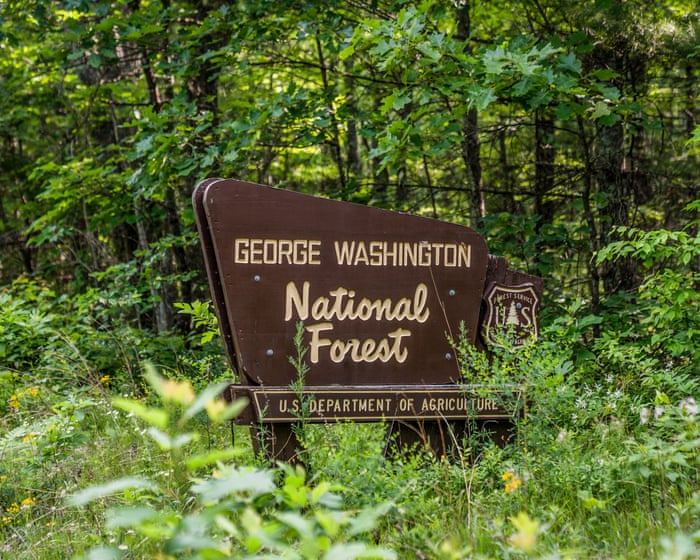
The Trump administration is moving forward to cancel a 2001 rule that limited logging and road building in national forests. The change aims to give local forest managers more control to reduce wildfire risks, but environmental groups warn it could harm forests, wildlife, and water supplies.
Key Facts
The roadless rule was created in 2001 under President Bill Clinton to protect undeveloped national forest land.
It currently protects about 30% of national forests, roughly 59 million acres.
The rule blocks activities like logging, road building, and mineral leasing in these areas.
The Trump administration claims the rule has stopped forest managers from reducing wildfire risks.
Public comments are being collected on the proposal and its environmental impact.
Environmental groups argue removing the rule risks damage to old growth forests, wildlife, and water sources.
Alaska’s Tongass National Forest is a major focus of concern due to past changes in protections.
The Biden administration reversed earlier Trump actions that lifted restrictions on logging and road-building in the Tongass.
Read the Original
Want the full story? Tap a source to open the original
article.
President Donald Trump has claimed credit for a recent drop in U.S. prescription drug prices, citing his drug deals and a website called TrumpRx. However, experts say the situation is more complex and point to a law from President Joe Biden’s term that lets Medicare negotiate drug prices as an important factor.
Key Facts
U.S. prescription drug prices fell by 0.8% in July and by 3.1% over the past year.
This marks the largest year-over-year drop in drug prices since 1963.
The White House credits President Trump’s "most favored nation" drug deals with pharmaceutical companies.
The TrumpRx website is also highlighted as helping reduce drug costs.
Experts say other factors, like a law from President Biden allowing Medicare to negotiate drug prices, likely played a bigger role.
This Medicare negotiation law was passed during Biden’s presidency.
Drug pricing experts call the reasons behind the price drop more complicated than just Trump’s actions.
Read the Original
Want the full story? Tap a source to open the original
article.
President Donald Trump’s administration plans to cancel the “roadless rule” that has protected nearly 45 million acres of old growth forests in U.S. national forests for 25 years. This change would allow more road building, logging, and drilling in those forests, which has raised concerns among environmental groups.
Key Facts
The roadless rule was created in 2001 during President Bill Clinton’s administration to protect old growth forests by limiting road construction.
The Trump administration filed a proposal to completely remove this rule.
Brooke Rollins, Secretary of Agriculture under President Trump, called the rule “overly restrictive” and a barrier to forest management and development.
The U.S. Forest Service supports the change, saying it will help reduce wildfire risks and improve forest health through active management.
Environmental groups, like the Sierra Club and NRDC, oppose the move, saying it will lead to more industrial damage and harm wildlife habitats.
They also argue that roads increase wildfire risks rather than reduce them.
The roadless rule still allows some actions to reduce fire hazards without opening forests to extensive development.
The areas affected include significant forests such as California’s Tahoe, Alaska’s Tongass, and lands near the Appalachian Trail.
Read the Original
Want the full story? Tap a source to open the original
article.
Secretary of State Marco Rubio announced new sanctions against the president and a senior trial lawyer of the International Criminal Court (ICC). These sanctions come amid growing tension between the Trump administration, the ICC, and international human rights organizations.
Key Facts
Secretary of State Marco Rubio announced sanctions on ICC officials.
The sanctions target ICC President Tomoko Akane and Senior Trial Lawyer Abdoulaye Seye.
The move is part of an ongoing conflict between the Trump administration and the ICC.
The sanctions reflect disagreements over international law and human rights enforcement.
The Trump administration has taken a firm stance against the ICC’s investigations involving U.S. personnel.
These actions affect the relationship between the United States and international justice organizations.
The announcement was made publicly on a Tuesday.
Read the Original
Want the full story? Tap a source to open the original
article.
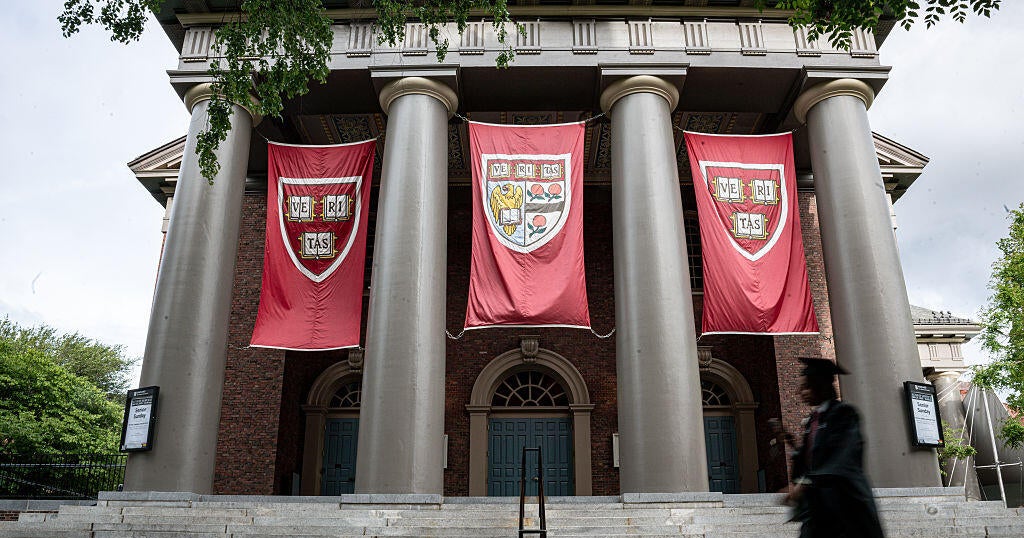
A former Department of Justice (DOJ) lawyer, Haley Van Erem, accused the Trump administration of pressuring civil rights attorneys to investigate antisemitism at Ivy League schools without solid evidence. These investigations involved Harvard, Columbia, and Brown universities and raised concerns about political influence over legal processes.
Key Facts
Haley Van Erem, a DOJ civil rights attorney, filed a whistleblower complaint alleging improper pressure in antisemitism investigations.
The investigations targeted Harvard, Columbia, and Brown universities regarding antisemitism claims.
DOJ and Health and Human Services (HHS) officials pushed for adverse findings despite lack of legal or factual basis.
Investigations had shortened timelines that compromised thoroughness and fairness.
Van Erem and colleagues felt some enforcement outcomes were decided before gathering all evidence.
A DOJ spokesperson denied Van Erem's involvement in these university investigations.
A federal judge dismissed the DOJ's lawsuit against Harvard for alleged antisemitism, finding the incidents too rare to support a legal claim.
Brown and Columbia settled similar allegations with the federal government, restoring their federal funding.
The complaint criticizes changes under Assistant Attorney General Harmeet Dhillon, who shifted civil rights focus to new priorities, including campus protests and gun rights.
Read the Original
Want the full story? Tap a source to open the original
article.
A one-year-old boy is safe after a thief stole his mother’s car in Philadelphia with the child inside. The baby was found unharmed on the sidewalk about a block away from where the car was taken.
Key Facts
The car was stolen just after 11 p.m. on Henry Avenue in Philadelphia.
The mother had stepped out briefly while the baby was still inside the car.
The vehicle had a tracker that helped police find it abandoned on Parkside Avenue.
The child was not in the car seat when the car was found.
The baby’s grandparents found him about 30 minutes later, sitting on a sidewalk one block from the car theft location.
Police believe the thief did not know the child was in the car and left the baby on the street.
Investigators are using security footage and collecting fingerprints and DNA from the car to find the thief.
Read the Original
Want the full story? Tap a source to open the original
article.
Florida plans to execute William Frances Silvia, convicted of killing his estranged wife and injuring his mother-in-law, marking the 13th execution in the state this year. Florida has carried out more than half of all U.S. executions so far in 2026 and has two more executions scheduled for September.
Key Facts
William Frances Silvia, 61, is set to be executed by a three-drug injection at Florida State Prison.
Silvia was convicted of first-degree murder and attempted first-degree murder for a 2006 shooting.
He was sentenced to death twice, with the second sentence upheld after a 2018 resentencing phase.
The U.S. Supreme Court denied an appeal to stop Silvia’s execution.
Florida has executed 13 prisoners so far in 2026, more than half of the 22 executions nationwide this year.
The state scheduled two more executions in September, for Harold Gene Lucas and Daniel Owen Conahan Jr.
Florida’s executions use a combination of a sedative, a paralytic, and a drug that stops the heart.
In 2025, Florida set a state record with 19 executions, the highest since the death penalty returned in 1976.
Read the Original
Want the full story? Tap a source to open the original
article.
A group of 29 US states has started a trial against Meta, the company behind Facebook and Instagram, accusing it of harming the mental health of young users through its app designs. The trial is happening in a federal court in California and Judge Yvonne Gonzalez Rogers will make the final decision.
Key Facts
The lawsuit claims Meta designed its apps to "hook" young users and keep them engaged for long periods.
The states argue Meta collected data from children under 13, breaking federal law.
Meta denies the claims and says it has protections for teenagers, such as Instagram Teen Accounts and parental time limits.
The trial is before Judge Yvonne Gonzalez Rogers with an eight-person advisory jury.
The states seek fines of around $200 billion, while Meta's market value is about $1.5 trillion.
Meta has already paid nearly $1 billion in fines from a different lawsuit in New Mexico.
The case builds on whistleblower claims from 2021 that Meta prioritized profits over children’s mental health.
The states want Meta to add new age limits and change features like the infinite scroll on its platforms.
Read the Original
Want the full story? Tap a source to open the original
article.
Lindsay Clancy admitted to killing her three children. Her defense team says she had postpartum psychosis, a serious mental illness after childbirth, and was given too much medication.
Key Facts
Lindsay Clancy confessed to killing her three children.
Her lawyers claim she suffered from postpartum psychosis.
Postpartum psychosis is a serious mental health condition that can affect some mothers after giving birth.
The defense argues that Clancy was overmedicated, which may have worsened her symptoms.
An expert witness testified about Clancy’s dissociative state and other symptoms.
The case is currently being heard in court.
CBS News covered the story and included reports from correspondent Shanelle Kaul.
Read the Original
Want the full story? Tap a source to open the original
article.
A historic preservation group sued to stop the construction of a new White House ballroom under President Donald Trump's administration. The group asked the Supreme Court to pause the project while legal questions about its approval are decided, as the administration seeks to continue work during appeals.
Key Facts
The National Trust for Historic Preservation wants the Supreme Court to suspend the White House ballroom construction.
The Trump administration requested the Supreme Court to let construction continue during legal appeals.
The project involves demolishing part of the East Wing and building a 90,000-square-foot ballroom with an underground military facility.
The preservation group argues the administration lacks legal permission from Congress to do this work.
A lower court judge ruled against the president’s authority to proceed without congressional approval.
The administration says the president has full authority to renovate the White House and that the project is important for national security.
The appeals court has temporarily paused the aboveground construction until the case is resolved.
The construction is about 65% complete and has been ongoing for 10 months.
Read the Original
Want the full story? Tap a source to open the original
article.
Oswaldo Pirela, a former Venezuelan baseball player and current minor league coach for the San Diego Padres, was detained by U.S. immigration officials at an airport in El Paso, Texas, during a work trip. Pirela has lived in the U.S. for 12 years, applied for asylum in 2015, and has a family living in Arizona.
Key Facts
Oswaldo Pirela is a catching coach for the San Diego Padres’ minor league system.
He was detained by U.S. Immigration and Customs Enforcement (ICE) at an airport in El Paso, Texas.
His detention happened early Sunday morning around 5 a.m. during a work trip with the Padres.
Pirela has lived in the United States for 12 years and applied for asylum in 2015.
He lives in Peoria, Arizona, with his wife and two children, who are U.S. citizens.
Pirela had a brief career as a minor league catcher for the Texas Rangers organization.
The San Diego Padres said they are aware of Pirela’s arrest and are trying to learn more details.
ICE had not provided an immediate comment regarding the detention.
Read the Original
Want the full story? Tap a source to open the original
article.
A whistleblower complaint says the Justice Department under President Donald Trump decided outcomes in advance during investigations into antisemitism at Ivy League universities. The complaint claims investigators sometimes found no legal wrongdoing but the Trump administration still pushed for settlements.
Key Facts
The complaint involves the Justice Department’s handling of antisemitism investigations at Ivy League schools.
Whistleblowers say the outcomes were “predetermined,” meaning decisions were made before all facts were considered.
Some investigations found no violations of the law.
Despite this, the Trump administration pushed for settlements with the schools.
The complaint suggests investigations were rushed to reach these settlements.
The issue raises concerns about fairness and proper legal process during these probes.
The whistleblowers’ claims are part of ongoing discussions about how antisemitism is investigated and addressed on college campuses.
Read the Original
Want the full story? Tap a source to open the original
article.