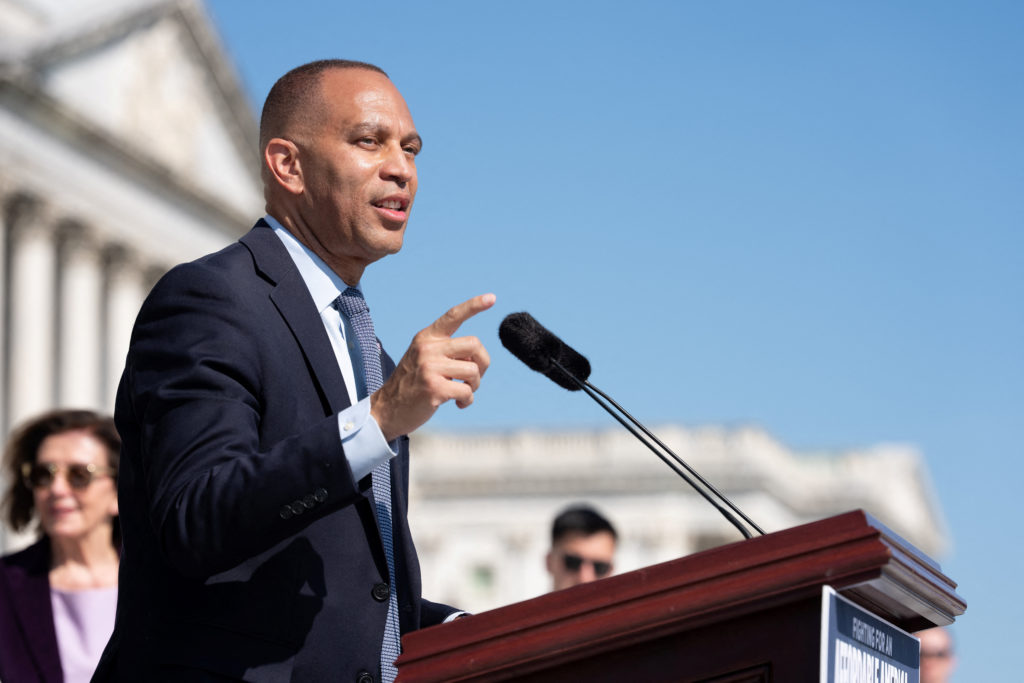
Supreme Court Justices Elena Kagan and Ketanji Brown Jackson said during recent talks that their fellow justices are more often writing public opinions explaining quick decisions on emergency appeals. These appeals have increased under President Trump’s administration, which frequently uses a fast process called the "shadow docket" to ask the court for urgent rulings.
Key Facts
The Supreme Court is receiving many emergency appeals, which need fast decisions.
The Trump administration has increased the use of these emergency appeals.
Justices Kagan and Brown Jackson spoke about these issues at events with judges and law students.
They noted progress as more justices now write public opinions explaining their quick decisions.
The “shadow docket” refers to this fast-track process where rulings can come without full arguments or full written opinions.
The liberal justices often disagree with these quick rulings, but they are seeing more transparency.
Public explanations help people understand the court’s emergency decisions better.
Read the Original
Want the full story? Tap a source to open the original
article.
President Donald Trump's biggest news this week was not his meeting with Chinese leader Xi Jinping, but a ban he announced on social media. He called Xi's visit “magnificent” but was unhappy about the low number of Democrats showing interest in the upcoming midterm elections.
Key Facts
President Trump hosted Chinese leader Xi Jinping and his wife Peng Liyuan in the U.S.
Trump praised Xi’s visit as “magnificent.”
Trump announced a new ban related to social media during this time.
The media coverage focused more on Trump’s social media ban than the state dinner or their tour.
Trump expressed concern about low Democratic enthusiasm for the midterm elections.
The midterm elections are approaching soon.
The interaction between Trump and Xi took place at important U.S. locations, including the National Archives.
Read the Original
Want the full story? Tap a source to open the original
article.
Senator John Fetterman from Pennsylvania explained why he stays a Democrat even though he disagrees with his party on some important issues. He did not say how he would vote if the Democrats gained a 51-seat majority in the Senate after the November elections.
Key Facts
John Fetterman is a U.S. Senator from Pennsylvania and a member of the Democratic Party.
He sometimes has different views than other Democrats on key political issues.
Fetterman spoke at the Texas Tribune Festival in Austin.
He defended his identity as a Democrat during his speech.
He did not share how he would vote if the Democrats reached a 51-seat majority in the Senate.
The 51-seat mark is important because it can affect which party controls the Senate.
The November elections will decide if Democrats reach this majority.
Read the Original
Want the full story? Tap a source to open the original
article.
Senator Darline Graham, a Republican from South Carolina, and her Democratic challenger, Annie Andrews, are very close in the race for South Carolina’s Senate seat. A recent poll shows Graham leading Andrews by only one point, indicating a tight contest.
Key Facts
The race is for South Carolina’s U.S. Senate seat.
Senator Darline Graham is the Republican candidate.
Annie Andrews is the Democratic candidate.
A new poll was released on Saturday evening.
The poll was conducted by the Trafalgar Group, a right-leaning polling firm.
Graham leads Andrews by one point in this poll.
The margin is within three points, showing a very close race.
Read the Original
Want the full story? Tap a source to open the original
article.
President Donald Trump criticized news reports saying that Representative Byron Donalds took down mentions of Trump’s endorsement from Donalds’s campaign website. Trump called these reports false on his social media platform, mentioning his past election successes in Florida.
Key Facts
President Trump spoke out against media reports about Byron Donalds removing Trump’s endorsement from his website.
Byron Donalds is a GOP representative from Florida running for governor.
Reports said Donalds removed references to Trump’s endorsement from his campaign site.
Trump called these reports “Another Fake Story” on Truth Social.
Trump highlighted his victories in Florida during his three presidential runs.
The issue concerns the relationship between Trump and a Florida GOP candidate.
The removal of the endorsement mentions was reported by various media outlets.
President Trump used his social media to directly address and deny the reports.
Read the Original
Want the full story? Tap a source to open the original
article.
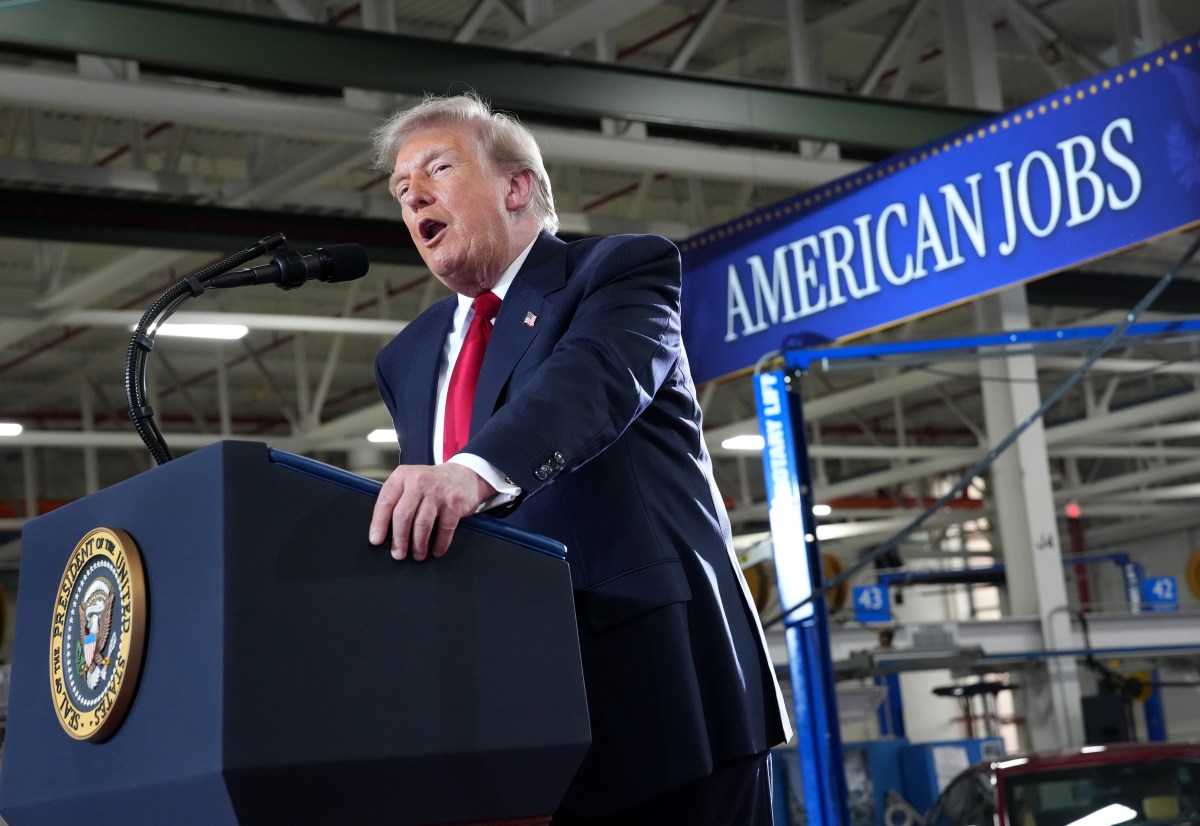
President Trump announced new fuel economy standards that remove the electric vehicle (EV) requirements set by President Biden's administration. The previous rules aimed to reduce pollution by encouraging car makers to produce more EVs, but the new standards no longer require this.
Key Facts
President Trump approved new fuel economy rules that cancel Biden’s electric vehicle mandate.
The 2024 EV mandate was designed to help move from gas-powered cars to electric vehicles.
The earlier standards set pollution limits that were hard for automakers to meet without adding more EVs.
The updated standards give automakers more flexibility in meeting pollution and fuel efficiency goals.
The change shifts away from strongly encouraging electric car production.
The new rules affect car manufacturers and their future vehicle plans.
The move is part of President Trump’s broader policy approach on energy and the environment.
Read the Original
Want the full story? Tap a source to open the original
article.
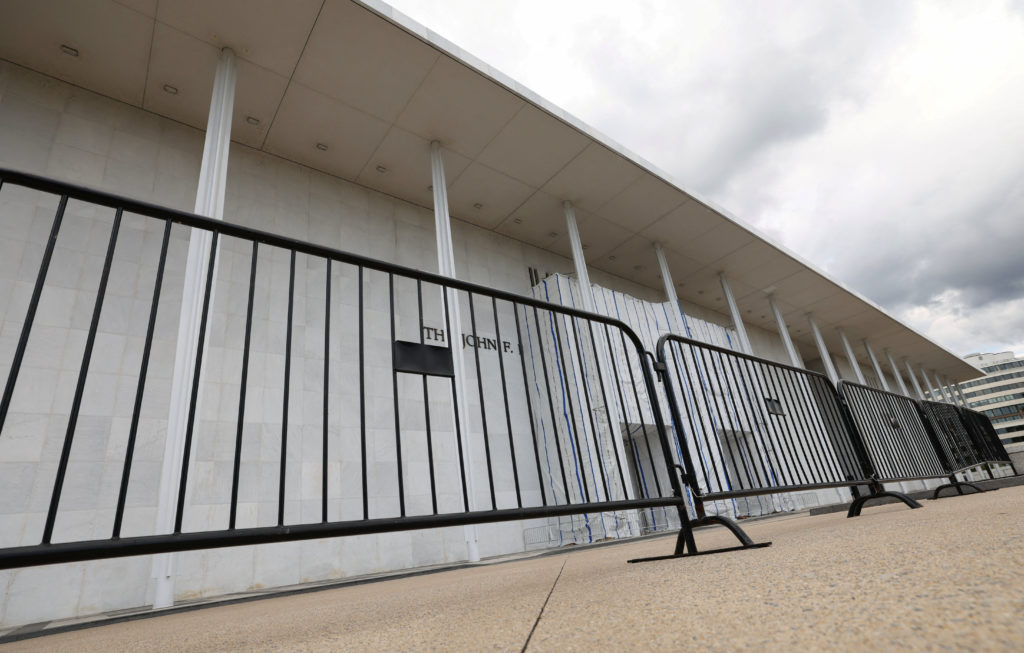
Former employees of the Kennedy Center say that the venue’s leaders stopped repair work that was supposed to fix leaks several months before the building was closed. They sent a letter with documents to Congress to challenge the idea that leaks were the main reason for the closure.
Key Facts
Former Kennedy Center workers claim repairs to stop water leaks were stopped earlier this year.
The employees sent a letter to Congress with internal documents as proof.
These documents question the board’s statement that leaks caused the immediate closure of the center.
An attorney named David Seide represents the employees who reported this.
The Kennedy Center is a well-known performing arts venue.
The timing of stopping repairs and closing the center is a key concern.
The letter was made public on a Thursday.
The issue involves leadership decisions at the Kennedy Center.
Read the Original
Want the full story? Tap a source to open the original
article.
A Texas city council candidate, Misael Ramos, was arrested on a misdemeanor charge for participating in a riot during protests over the shooting of Wilber Rafael Garces Perez by a federal immigration officer. Ramos denies the charge and plans to contest it.
Key Facts
Misael Ramos was arrested on September 26, 2026, for “riot participation” related to a protest on September 20.
The protest was over the shooting of Wilber Rafael Garces Perez, a Venezuelan man, by an immigration officer in Austin.
Ramos is a member of the Democratic Socialists of America and is running for Austin city council.
Ramos' lawyer says he only saw people chanting and protesting, not rioting.
Wilber Rafael Garces Perez was shot after an encounter with ICE officers and taken to a detention center with the bullet still in his back.
Garces Perez was reportedly an asylum seeker with a valid work permit.
The arrest was made by the Texas Department of Public Safety; the Travis County Sheriff's Office confirmed booking Ramos.
The exact reasons for the shooting by ICE have not been fully explained by ICE or the Department of Homeland Security.
Read the Original
Want the full story? Tap a source to open the original
article.
House Democrats are planning a large and detailed set of investigations into President Donald Trump, his family, and his administration if they win control of the House in the November elections. These investigations could include subpoenas and potentially lead to impeachment of the president and some Cabinet members.
Key Facts
House Democrats aim to launch many investigations into President Trump and his administration.
This effort depends on Democrats winning the House majority in the November elections.
Winning majority means more budget and staff for investigations.
Democrats plan to use their power to check for corruption and abuse of power.
Committees in the House will be involved in these investigations.
Subpoenas may be issued to gather information.
Impeachment of President Trump and Cabinet officials is being considered as a possible step.
Read the Original
Want the full story? Tap a source to open the original
article.
President Donald Trump announced new fuel economy rules for cars that roll back standards set by President Joe Biden. The rollback aims to lower car prices and encourage more car production in the United States by reducing fuel efficiency requirements.
Key Facts
President Trump is reversing fuel economy rules set by the Biden administration.
The previous rules aimed to increase average miles per gallon (mpg) to about 50.4 by 2031.
Trump claims the rollback will lower car prices and help manufacturers produce more cars in the US.
The Biden-era rules encouraged carmakers to produce more electric vehicles to meet fuel economy goals.
There is no federal law requiring Americans to buy electric vehicles.
Trump’s proposed new standard would lower the fleet average to about 34.5 mpg by 2031.
The US Congress, controlled by Republicans, reduced tax incentives for electric vehicle buyers last year.
The US Transportation Secretary Sean Duffy said a formal announcement on the standards would be made soon.
Read the Original
Want the full story? Tap a source to open the original
article.
President Donald Trump announced he approved new car fuel economy rules that reverse stricter standards from the Biden administration. He said these changes will lower car prices and encourage more car manufacturing in the United States.
Key Facts
President Trump said the new rules end the electric vehicle (EV) push from the Biden administration.
He claims the changes will lower car prices, saving families money.
The administration has not yet released detailed information about the new standards.
The Department of Transportation plans a major announcement about auto worker support soon.
Trump said the new policy would boost manufacturing jobs in states like Michigan, Ohio, Indiana, and South Carolina.
Auto companies including General Motors, Ford, and Stellantis told Trump they want to increase U.S. manufacturing.
The earlier Biden-era standards required higher fuel economy, aiming to reduce emissions and encourage EVs.
The National Highway Traffic Safety Administration’s prior proposal would lower fuel economy requirements to about 34.5 mpg by 2031, down from 50.4 mpg.
Read the Original
Want the full story? Tap a source to open the original
article.
An Afrikaner group displayed crosses in Washington DC claiming white people in South Africa are victims of genocide. South Africa's ambassador rejects this claim, saying no mass attack on white Afrikaners exists. The Trump administration plans to allow up to 17,500 white Afrikaners into the U.S. as refugees in the next year.
Key Facts
An Afrikaner lobby group showed thousands of white crosses on the National Mall in Washington DC.
The crosses represent victims of what the group calls a "white genocide" in South Africa.
South Africa's ambassador to the U.S., Roelf Meyer, says the idea of a genocide against white Afrikaners is false.
The Trump administration notified Congress about accepting up to 17,500 white Afrikaner refugees in the next 12 months.
The claim of white genocide is disputed and controversial.
This refugee decision highlights the U.S. role in the debate about the situation of Afrikaners in South Africa.
Read the Original
Want the full story? Tap a source to open the original
article.
Tasia Fortune, a 29-year-old mother of four, was found hanging from a tree in Jackson, Mississippi. Police say she was already dead before being hung, and her death was staged; three people have been arrested in connection with the case.
Key Facts
Tasia Fortune was found hanging from a tree at an abandoned home in Jackson in August.
Authorities say Fortune died before her body was hung, meaning the scene was staged.
The medical examiner ruled her death a homicide but has not released the exact cause or motive.
Three black suspects have been arrested, but their connection to Fortune is unclear.
Police suggested the death may be related to a drug dispute, including allegations of drug theft.
Fortune’s mother denied the theft claims but said her daughter had struggled with addiction.
At the time of her death, Fortune was homeless and her four young children are now living with family and friends.
The case caused public concern due to Mississippi’s history of racial violence, but the investigation’s findings have raised questions.
Read the Original
Want the full story? Tap a source to open the original
article.
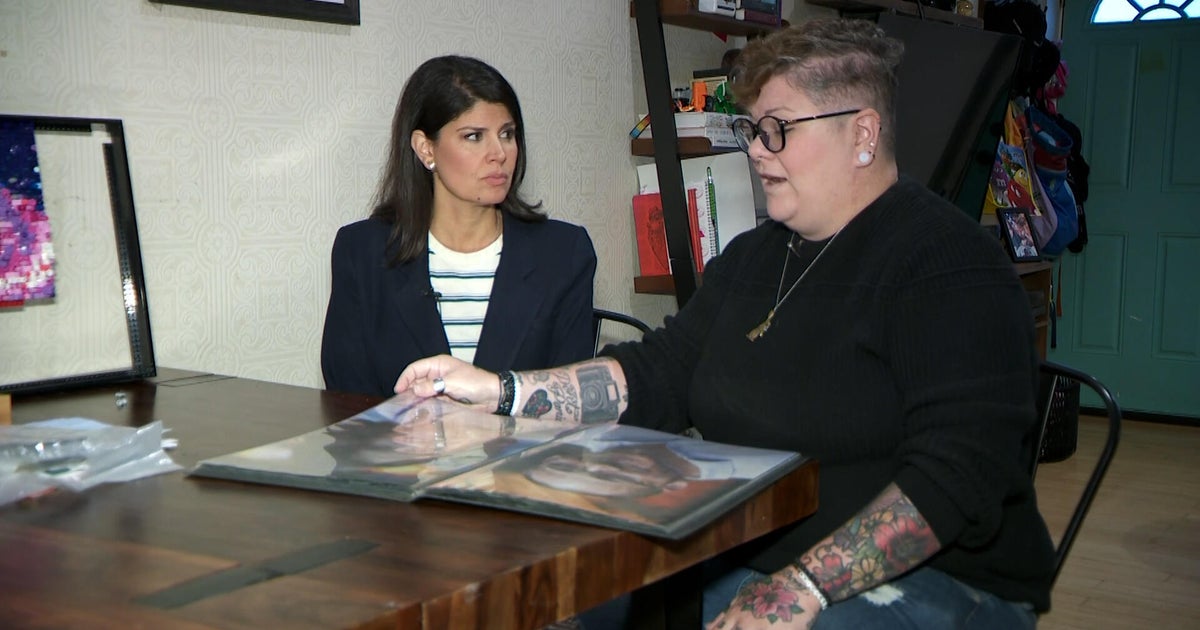
Natalie Brand spoke with a suicide survivor who wants to help others avoid the same pain. New research has found that small, positive moments can help prevent suicide and support people in crisis.
Key Facts
The article is about suicide prevention during Suicide Prevention Awareness Month.
A survivor of suicide attempts shared their mission to support others facing similar struggles.
Recent studies show that small positive experiences, called "small joys," can help reduce suicidal thoughts.
The survivor hopes to encourage people to find hope and seek help when they feel in crisis.
The goal is to raise awareness and offer new ways to prevent suicide.
CBS News covered this story to share information and support resources.
Mental health experts emphasize the importance of early intervention and social support.
Read the Original
Want the full story? Tap a source to open the original
article.
Pollsters and independent election experts say Democrats are not just temporarily popular but are showing real strength in current polls. Several measurements suggest that the environment favors Democrats in the upcoming midterm elections, and some experts predict that Republicans may lose seats.
Key Facts
Democrats are not experiencing a temporary boost in poll support, often called a "sugar-high."
Multiple independent groups are using different ways to measure voter sentiment.
These measures indicate a favorable situation for Democrats in the midterm elections.
The Cook Political Report, a respected nonpartisan forecaster, predicts Republicans may lose seats.
The positive outlook for Democrats comes from consistent trends, not short-term changes.
Pollsters are paying attention to different factors, not just raw poll numbers, to make predictions.
Election forecasts help show which party might do better or worse in upcoming votes.
Read the Original
Want the full story? Tap a source to open the original
article.
Former employees of the Kennedy Center say the center's leaders knew about serious roof problems but delayed repairs, even after receiving money from Congress. The center's executive director disagrees, saying new damage was discovered recently and that work is being done with a different plan due to cost issues.
Key Facts
The Kennedy Center was suddenly closed due to structural problems like a leaking roof and ceiling collapse.
Former staff claim the center’s executive director, Matt Floca, ignored known roofing issues and stopped repair plans in April.
Congress gave $257 million for repairs in a 2025 bill signed by President Donald Trump.
Floca says recent inspections found more damage than was known before and adjusted repair plans because initial cost estimates were too high.
A judge ordered the removal of President Trump’s name from the building and requires 30 days’ notice before major changes, including demolition.
The Kennedy Center must report on the closure and repairs by Friday.
Senator Sheldon Whitehouse is investigating possible financial mismanagement and excess spending at the center.
The Kennedy Center leadership and a Trump-aligned board have been involved in controversies over the building’s future and management.
Read the Original
Want the full story? Tap a source to open the original
article.
A Palestinian careers adviser at a Sydney government school is suing the state of New South Wales for racial discrimination. He claims he was told to stop wearing a keffiyeh, a traditional Palestinian scarf, because it was seen as a symbol of conflict and might cause problems at school.
Key Facts
Wasim El-Haj worked as a careers adviser at Sydney Girls High School.
He began wearing the keffiyeh at school in January 2024, after conflicts in the Middle East escalated.
The acting principal told him in May 2024 to remove the keffiyeh, saying it was seen as a symbol of conflict.
The direction came from higher authorities, possibly from the education minister.
The school emailed that the keffiyeh should not be worn because it might cause strong emotions and discord.
An internal complaint by El-Haj was rejected, and a senior education official upheld the ban, citing safety and neutrality.
El-Haj alleges the ban breached the Australian Racial Discrimination Act.
He took leave from his job from May 2024 until the end of the year.
Read the Original
Want the full story? Tap a source to open the original
article.
Private colleges in Australia are offering discounts and rushing students into a graduate diploma that the federal government will cancel on October 5 due to concerns about misuse by students trying to stay in Australia without genuine study intentions. Students already enrolled by that date can finish the course, but many are being pushed to start early or take more difficult study loads to meet visa rules.
Key Facts
The Australian government will cancel the graduate diploma of management (learning) on October 5.
About 450 institutions offer this course, with more than 15,000 current students and 40,000 future enrolments.
The diploma is suspected to be misused by students aiming to remain in Australia without genuine study reasons.
Private colleges and education agents are promoting discounts and quick enrolments before the cancellation deadline.
Students already enrolled before October 5 can complete the course; new enrollees after that date cannot.
Some students are advised to study both a vocational course and the graduate diploma simultaneously to keep their visa.
Some education providers and migration agents warn that rushing students into the course may harm the education sector's reputation.
The International Education Association of Australia supports the government’s action to stop misuse but acknowledges financial harm to some private providers.
Read the Original
Want the full story? Tap a source to open the original
article.
Captain Chesley “Sully” Sullenberger III, the pilot who safely landed a plane on the Hudson River in 2009, was inducted into the US National Aviation Hall of Fame. He recently shared that he has been diagnosed with Alzheimer’s disease and hopes to raise awareness by speaking openly about his condition.
Key Facts
Chesley “Sully” Sullenberger is famous for landing US Airways Flight 1549 on the Hudson River in 2009, saving all 155 people on board.
He was honored by being inducted into the US National Aviation Hall of Fame in Washington DC.
The Hall of Fame class for 2026 includes astronauts and aviation researchers.
Sullenberger joined the ceremony by video and said he loved flying throughout his career.
The plane lost both engines after hitting birds shortly after takeoff from LaGuardia Airport.
In July 2023, Sullenberger revealed he has Alzheimer’s disease, a brain illness that affects memory and thinking.
He wants to encourage others with Alzheimer's and their families to speak openly about the disease.
According to the Alzheimer’s Association, about 7.4 million Americans aged 65 or older have Alzheimer’s, with most being over 75.
Read the Original
Want the full story? Tap a source to open the original
article.
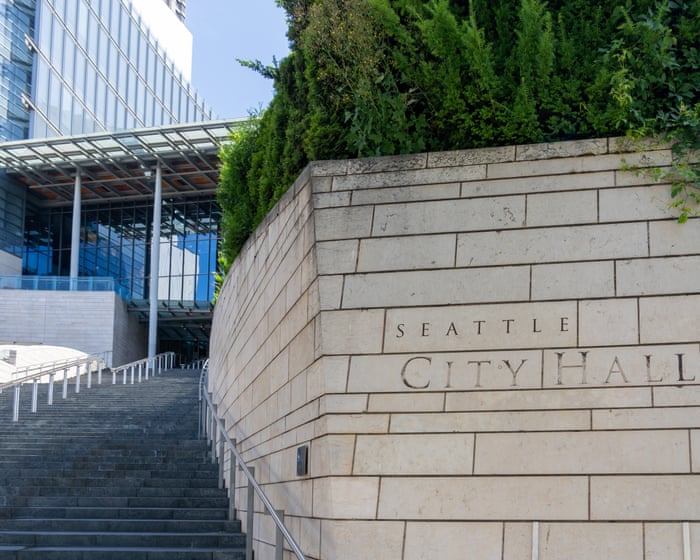
A Seattle woman was attacked in broad daylight by another woman who bit a circle out of her forehead and made racist and homophobic insults. The suspect is charged with second-degree assault, and prosecutors are considering adding a hate crime charge.
Key Facts
The victim, Diana Gonzalez, was walking to a store when the attack happened on September 18.
The attacker, Kamilia Chadli, threw a food wrapper at Gonzalez, then called her “an inferior race” and used a homophobic slur.
Chadli spat on Gonzalez, dragged her to the ground, and bit a 1-inch circle of flesh from her forehead.
Police found a piece of Gonzalez’s flesh that Chadli spat out.
Chadli was living in a shelter nearby and has a history of mental health and substance abuse issues.
A witness chased Chadli, leading to her arrest and bail set at $150,000.
Chadli faces second-degree assault charges; prosecutors are reviewing evidence to possibly add a hate crime charge.
The victim said she will have a permanent scar from the attack.
Read the Original
Want the full story? Tap a source to open the original
article.