Starting April 1, disabled people in England will be able to use their bus passes to travel for free at any time of day. Currently, free travel is limited to certain hours on weekdays, but the change will help about one million people travel more easily to work and events.
Key Facts
Disabled bus passes in England currently allow free travel only from 9:30 a.m. to 11 p.m. on weekdays.
Pass holders can already travel for free anytime on weekends and bank holidays.
From April, free bus travel will have no time limits for disabled people throughout the week.
About one million people with disabilities are expected to benefit from this change.
The government is funding the £60 million plan through the Departments of Transport and Work and Pensions.
Similar free bus travel policies already exist for disabled people in Scotland, Wales, and parts of Northern Ireland.
The change aims to reduce living costs and help disabled people access work and social activities more easily.
Local leaders and disability charities have welcomed the move, calling it an important step to remove travel barriers.
Read the Original
Want the full story? Tap a source to open the original
article.
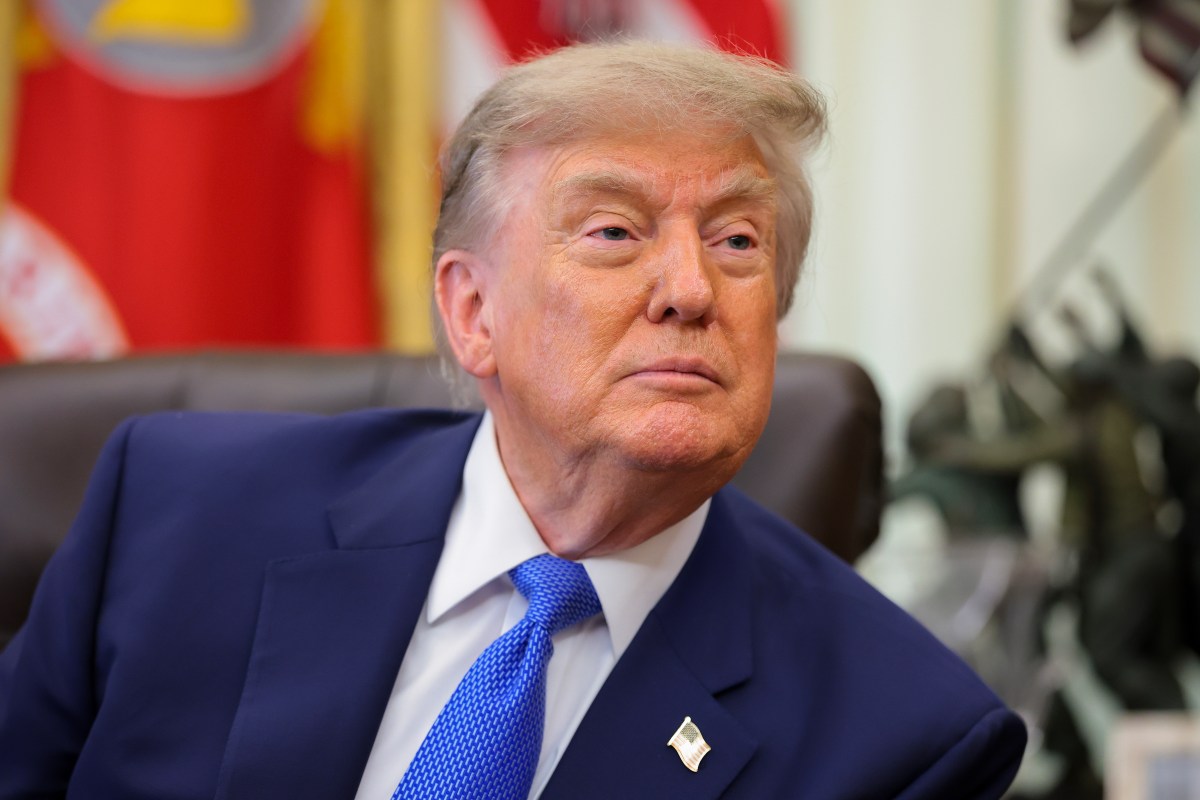
President Donald Trump ordered a reduction in joint military exercises with South Korea, citing South Korea’s refusal to support the U.S. war in Iran and emphasizing his personal good relationship with North Korean leader Kim Jong Un. This decision surprised South Korea and raised concerns about U.S. security interests in Asia and the impact on U.S. alliances.
Key Facts
President Trump decided to scale back the Ulchi Freedom Shield military exercises with South Korea.
Trump criticized South Korea for not joining the U.S. war in Iran.
He praised North Korean leader Kim Jong Un, saying Kim treats him with "great respect."
The joint exercises have been important for deterring North Korea’s nuclear threats.
South Korea has been a close U.S. ally, especially on security matters related to North Korea.
Experts and some U.S. lawmakers said the decision weakens U.S. alliances and benefits North Korea and China.
The military exercises continued as scheduled but were reduced as ordered by Trump.
Some U.S. officials and former diplomats said the move could embolden U.S. adversaries and unsettle allies in the region.
Read the Original
Want the full story? Tap a source to open the original
article.
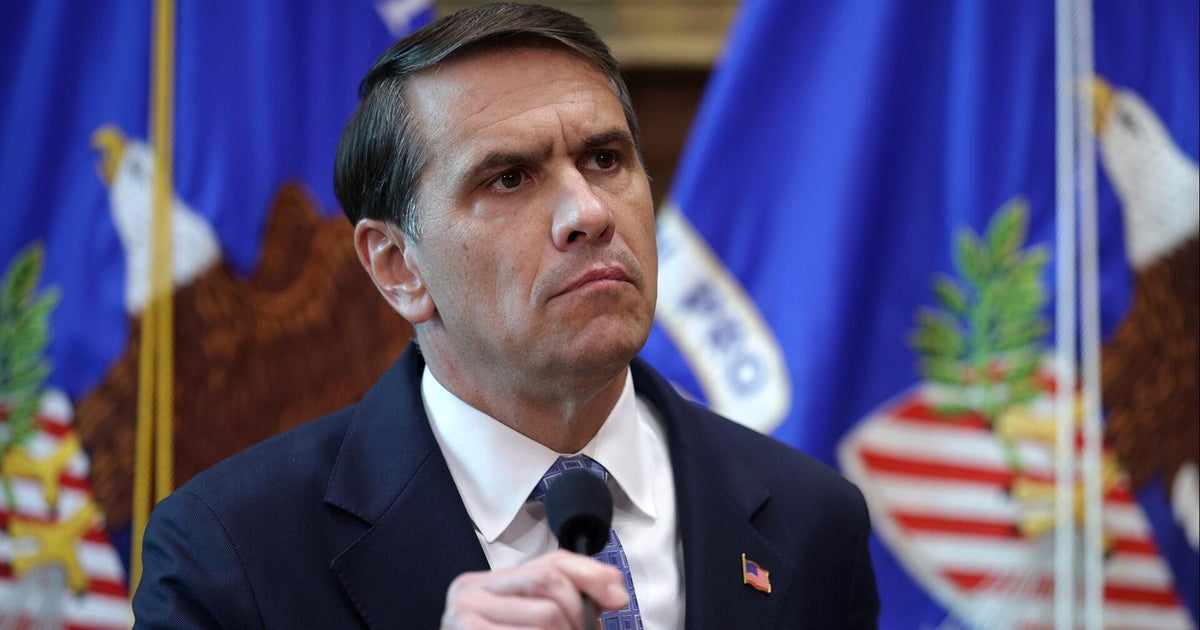
Attorney General Todd Blanche has declined to promise that the Justice Department will act independently from the White House. This means he is not committing to keep the department separate from the president’s influence.
Key Facts
Todd Blanche is the Attorney General.
He refused to commit to Justice Department independence from the White House.
The Justice Department is part of the executive branch but is expected to work without political influence.
The refusal raises questions about the department’s impartiality.
CBS News and legal experts are reporting on this situation.
Read the Original
Want the full story? Tap a source to open the original
article.
President Donald Trump’s administration has temporarily stopped building part of the border wall in Texas’ Big Bend National Park. The head of Customs and Border Protection, Rodney Scott, is visiting the area to review the project and talk with local people about security concerns and environmental impacts.
Key Facts
Construction of the border wall in Big Bend National Park has been paused temporarily.
Rodney Scott, leader of Customs and Border Protection (CBP), is conducting an on-site review.
The project faces opposition from both Democrats and Republicans due to environmental concerns.
The park’s remote landscape has historically kept border crossings in the area low.
The administration has already started building the wall elsewhere after receiving $46 billion from Congress.
Earlier plans to build a 30-foot tall wall in the parks were dropped, but other measures like roads, lights, and barriers are still planned.
Local sheriffs, park officials, residents, and some Texas politicians have expressed strong opposition.
The project may affect tourism in the park, known for activities like rafting and stargazing.
Read the Original
Want the full story? Tap a source to open the original
article.
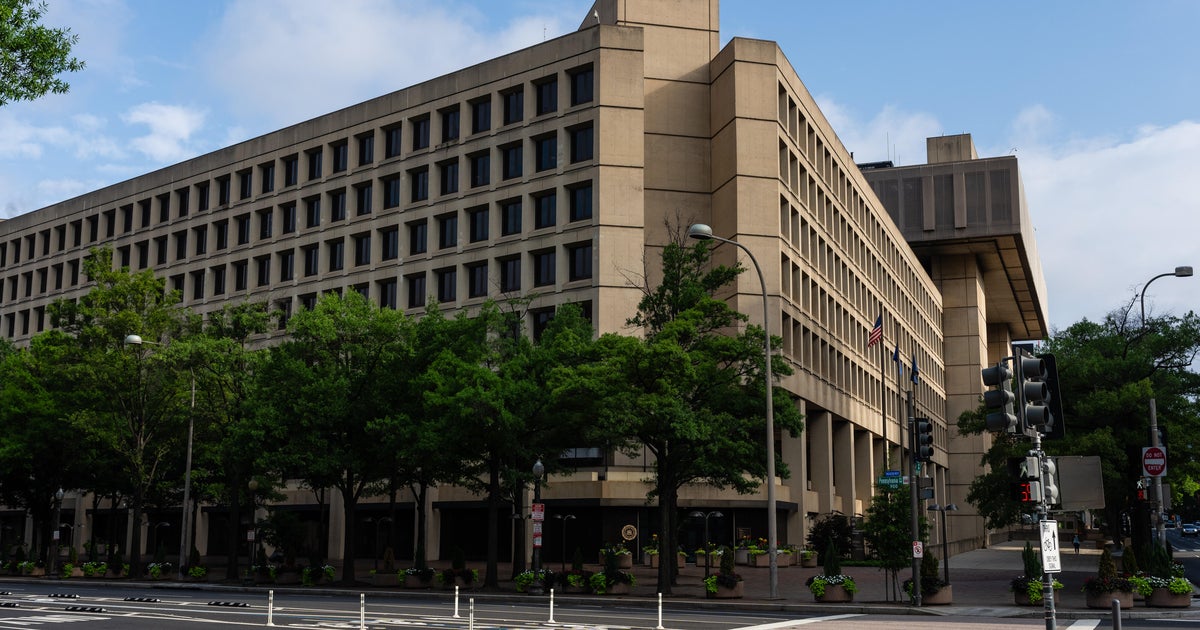
A federal judge blocked President Donald Trump’s plan to move the FBI headquarters to the Ronald Reagan Building in Washington, D.C. The judge ruled that diverting funds meant for a 2023 plan to relocate the FBI to Greenbelt, Maryland, was illegal. Maryland had sued, accusing the Trump administration of trying to cancel the Greenbelt move and redirect money unlawfully.
Key Facts
President Trump’s administration planned to move the FBI headquarters to the Ronald Reagan Building in Washington, D.C.
In 2023, the Biden administration had planned to move the FBI headquarters to Greenbelt, Maryland.
FBI Director Kash Patel announced a plan to move the headquarters only a few blocks away to the Reagan Building instead.
Maryland sued, claiming the Trump administration illegally diverted over $323 million set by Congress for the Greenbelt project.
Judge Theodore Chuang ruled the Trump administration’s cancellation and fund diversion were against federal law.
The FBI has been in the J. Edgar Hoover Building in Washington since 1975, but that building has structural problems.
The General Services Administration (GSA) under Biden finalized the Greenbelt site, ending years of debate.
Maryland and Prince George’s County had worked for over ten years and invested heavily to get the FBI headquarters to Greenbelt.
Read the Original
Want the full story? Tap a source to open the original
article.
The new £400 million HMP Millsike prison in East Yorkshire has faced serious problems in its first 18 months, including staff shortages and safety issues. Former workers described a chaotic workplace with some employees feeling unsafe, while the prison operator Mitie said they prioritize safety and follow Ministry of Justice plans.
Key Facts
HMP Millsike opened in March 2025 with 1,500 places and focuses on rehabilitation and education.
About 1,100 inmates are currently held there.
Former staff reported understaffing, inadequate training, and a chaotic work environment.
Some employees came from non-prison backgrounds like supermarkets and fast food before their training.
An elite prison squad was called in November 2025 after a violent incident with a prisoner.
A sewage pumping station broke in November 2025 amid reports of inmates flushing clothes, which Mitie denied.
A female prison officer was convicted in June 2026 for having a relationship with an inmate.
Mitie said recruitment and training are aligned with the prison’s growth, and they recruit from military and justice sectors.
Read the Original
Want the full story? Tap a source to open the original
article.
President Donald Trump said that reports about problems with service members on the USS Abraham Lincoln were false and called them “a CNN fake report.” He also told a CNN reporter to be quiet during a press event in the Oval Office.
Key Facts
President Trump addressed concerns about the USS Abraham Lincoln.
He called the reports from CNN false, labeling them as “fake.”
The incident happened during a question-and-answer session in the Oval Office.
Trump told a CNN reporter to be quiet, calling her “very disrespectful.”
The interaction occurred while journalists were asking questions to the President.
Trump quickly moved on to answer another reporter after the exchange with CNN.
Read the Original
Want the full story? Tap a source to open the original
article.
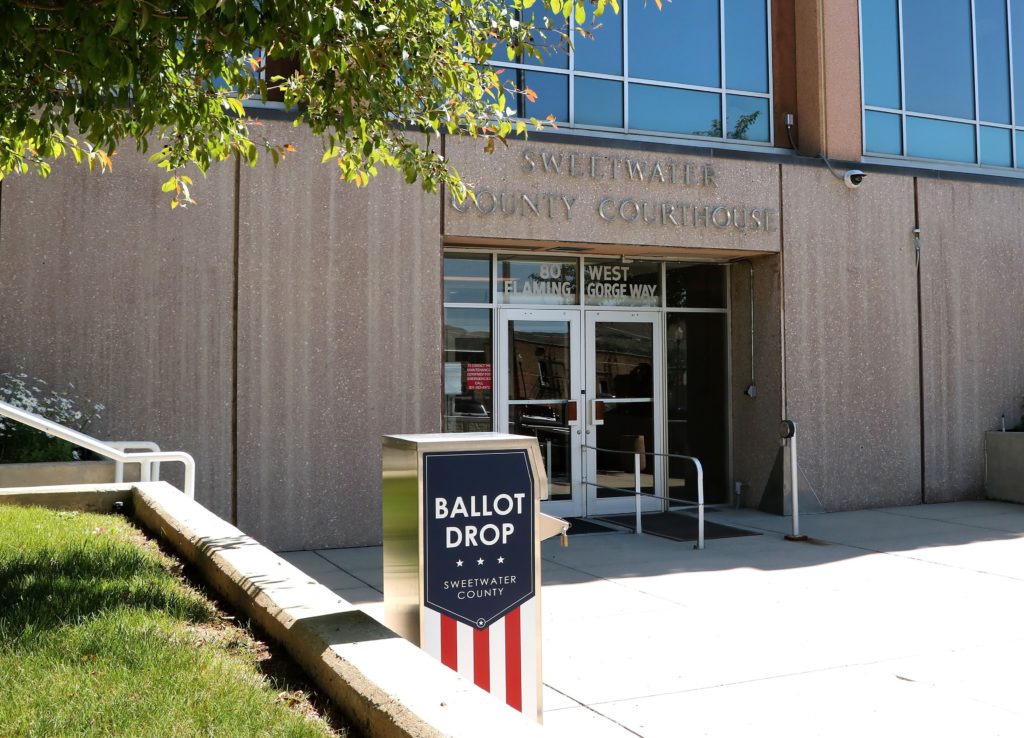
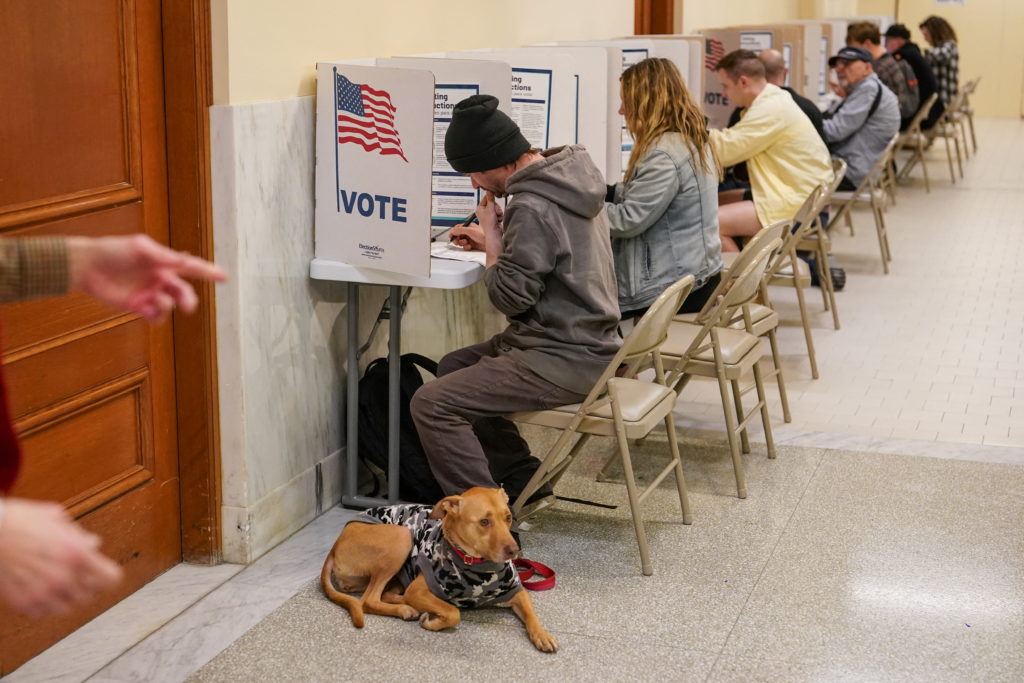
Wyoming held primary elections to choose candidates for many open political positions because several top Republican leaders are retiring. This is the first time in 32 years that Wyoming has open races for governor, U.S. Senate, and U.S. House all at once.
Key Facts
Wyoming voters participated in primary elections for many open political seats.
Governor Mark Gordon and Senator Cynthia Lummis announced they will retire.
Representative Harriet Hageman is running to replace Senator Lummis.
These retirements created open races for governor, U.S. Senate, and U.S. House simultaneously for the first time in 32 years.
Other open seats include Wyoming Secretary of State and Superintendent of Public Instruction.
Current officeholders in Wyoming are all Republicans.
The primaries took place on a Tuesday, as part of selecting party nominees for upcoming elections.
Read the Original
Want the full story? Tap a source to open the original
article.
Alaska held primary elections to choose candidates for U.S. Senate, governor, House, and state Legislature races. The U.S. Senate contest is highly competitive, with incumbent Republican Senator Dan Sullivan facing former Democratic Representative Mary Peltola among many others.
Key Facts
Alaska voters took part in a primary election on Tuesday.
The election includes races for U.S. Senate, governor, U.S. House, and state Legislature.
Republican Senator Dan Sullivan is running for a third term.
Mary Peltola, a former Democratic U.S. Representative, is a strong challenger.
Sixteen candidates are competing in an all-party primary, where the top four move on to the general election.
Alaska uses ranked choice voting, meaning voters rank candidates by preference.
This is the third election cycle where Alaska is important in deciding control of the U.S. Congress.
Alaska has a law approved in 2020 that changed how general elections work using ranked choice voting.
Read the Original
Want the full story? Tap a source to open the original
article.
Florida voters are choosing candidates to replace Governor Ron DeSantis, who cannot run again due to term limits, and to finish the rest of Senator Marco Rubio’s term. The state is also holding its first congressional primary under new district boundaries that favor Republican candidates.
Key Facts
Governor Ron DeSantis cannot run again because of term limits.
Voters will select nominees for governor and for the rest of Senator Rubio’s term.
Florida has new congressional district boundaries designed to help Republicans in the November elections.
The governor’s race has many candidates, including 11 Republicans.
Some notable Republican candidates are Lieutenant Governor Jay Collins, U.S. Representative Byron Donalds, James Fishback, and Paul Renner.
The Republican contest is influenced by the rivalry between DeSantis and President Donald Trump.
Moderate and progressive Democrats are competing to improve their party’s election chances in Florida.
Read the Original
Want the full story? Tap a source to open the original
article.
California's 14th Congressional District is holding a special election to replace Rep. Eric Swalwell, who resigned amid sexual assault allegations. Two Democrats are running, so the seat will stay with the Democratic Party, reducing the Republican majority in the House.
Key Facts
Rep. Eric Swalwell resigned from Congress due to sexual assault allegations.
The special election is to fill Swalwell's seat for the remainder of his term.
The election took place in California's 14th Congressional District.
Two Democrats, State Sen. Aisha Wahab and BART Board President Melissa Hernandez, are competing.
Both candidates advanced from a June 16 special primary.
The winner will also run against the other in the fall for a full term starting in January 2027.
The seat is expected to remain Democratic, shrinking the Republican majority in the House.
The district boundaries have been slightly changed for the 2026 election.
Read the Original
Want the full story? Tap a source to open the original
article.
A judge stopped President Donald Trump’s administration from moving the FBI headquarters to a federal office building in Washington, D.C. The judge said the administration broke the law by canceling a previous plan to build a new FBI building in Maryland.
Key Facts
The FBI headquarters move was blocked by U.S. District Judge Theodore D. Chuang.
The Trump administration wanted to move the FBI into the Ronald Reagan Building in Washington, D.C.
A prior plan approved under President Joe Biden’s administration called for building a new FBI headquarters in Greenbelt, Maryland.
The judge ruled the Trump plan to repurpose the Reagan Building was illegal.
The state of Maryland and Prince George’s County filed the lawsuit to stop the move.
Maryland spent over ten years working to get the FBI headquarters and pledged hundreds of millions of dollars for the project.
The FBI’s current building on Pennsylvania Avenue was built in 1975 and is considered outdated and in poor condition.
Maryland was chosen over Virginia for the new FBI headquarters after competition between the states.
Read the Original
Want the full story? Tap a source to open the original
article.
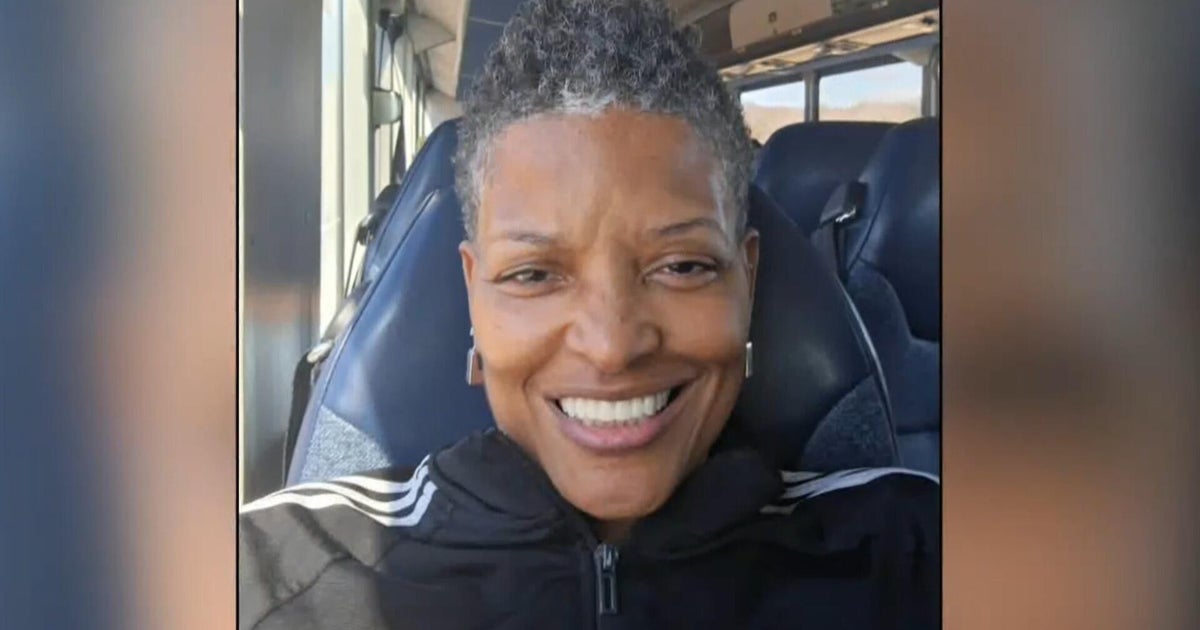
A 63-year-old woman in Las Vegas went missing after going to the drugstore. Her family started receiving text messages from her phone, raising concerns about her safety.
Key Facts
The missing woman is 63 years old and lives in Las Vegas.
She disappeared after a trip to the drugstore.
Her family received texts that appeared to come from her phone.
The messages caused worry among her family members.
Nicole Valdes is involved or connected to the family’s story.
Authorities or news outlets are reporting on the situation.
Read the Original
Want the full story? Tap a source to open the original
article.
A recent CBS News poll shows that many Democrats have a positive opinion of socialism, while half of them view capitalism negatively. This shift comes as economic conditions in the U.S. influence people's views on these systems.
Key Facts
58% of Democrats surveyed have a favorable view of socialism.
50% of Democrats have a negative view of capitalism.
The poll was conducted by CBS News.
Economic factors are influencing changes in political and economic opinions among Americans.
The report was presented by CBS News journalists Anthony Salvanto and Fin Gómez.
The information is available through the CBS News app and website.
Read the Original
Want the full story? Tap a source to open the original
article.
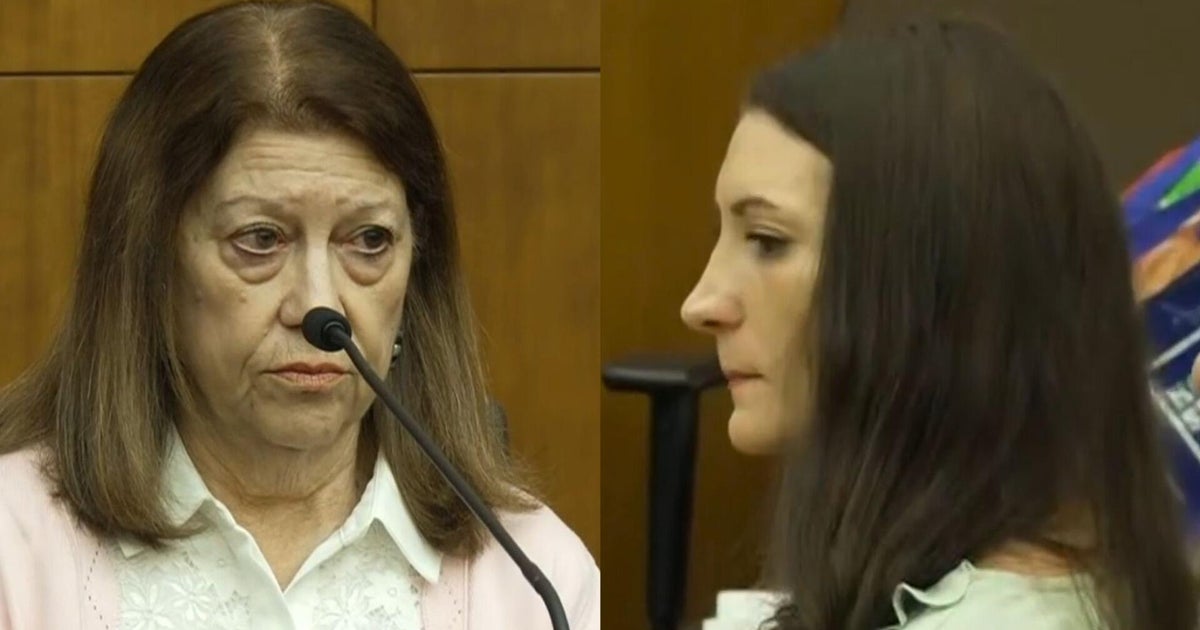
The trial of Lindsay Clancy, a woman from Massachusetts accused of killing her three children, has started. Her mother and sister testified as part of the defense's case.
Key Facts
Lindsay Clancy is on trial for the deaths of her three children.
The trial is taking place in Massachusetts.
The defense began presenting evidence and witnesses on Monday.
Lindsay Clancy’s mother took the stand to testify.
Lindsay Clancy’s sister also testified in court.
The testimony aims to support the defense’s case.
CBS News is covering the trial and providing updates.
Read the Original
Want the full story? Tap a source to open the original
article.
Fourteen people, including thirteen former and current Penn State students and one student's father, have been charged in connection with a cocaine distribution ring. Prosecutors say drugs were mixed and packaged at two fraternity houses, sometimes involving new members called pledges.
Key Facts
Fourteen individuals have been charged related to a cocaine ring at Penn State.
Thirteen of those charged are current or former Penn State students.
One charged person is the father of a student.
Cocaine was reportedly cut (mixed with other substances) and packaged in fraternity houses.
Some of the drug packaging was done by fraternity pledges (new members).
The investigation is connected to activities inside college fraternities.
Charges were announced by prosecutors.
The report comes from a CBS News story by Michael George.
Read the Original
Want the full story? Tap a source to open the original
article.
Heavy flooding affected central and southern Indiana, causing widespread water damage. More than 100,000 people lost electricity due to the severe weather.
Key Facts
Flooding hit parts of central and southern Indiana.
The flooding was described as historic or very severe.
Over 100,000 people experienced power outages.
The event took place on a Monday.
Local news reported on the situation and its impact.
Read the Original
Want the full story? Tap a source to open the original
article.
President Donald Trump voted by mail in the Florida Republican primary, even though he has repeatedly criticized mail-in voting and called it “inherently corrupt.” This is not the first time he has voted by mail; he also did so in a Florida special election earlier this year while publicly opposing the practice.
Key Facts
President Trump requested and returned a mail-in ballot for the Florida Republican primary in August 2026.
He previously voted by mail in a Florida special election in March 2026.
Trump has publicly called mail-in voting “inherently corrupt” and pushed for restrictions on when it can be used.
Fact-checkers and studies, including one by the Brookings Institution, have found very little fraud associated with mail-in voting.
About 30% of ballots in the 2024 presidential election were cast by mail.
Trump is promoting the SAVE America Act, which would require proof of U.S. citizenship to register to vote in federal elections.
Supporters believe the bill would improve election security; opponents say it could make voting harder for some eligible voters.
Trump has used political pressure and social media posts to try to get Congress to pass the voting bill.
Read the Original
Want the full story? Tap a source to open the original
article.
Lindsay Clancy is on trial in Massachusetts for the deaths of her three young children in 2023. Clancy’s defense says she had severe mental health issues like postpartum psychosis and bipolar disorder, while prosecutors argue she planned the murders.
Key Facts
Lindsay Clancy, 36, is charged with murdering her three children aged 8 months, 3 years, and 5 years.
Clancy pleaded not guilty but does not deny causing the deaths.
Her defense claims she suffered from postpartum psychosis and bipolar disorder and was overmedicated.
Her mother testified Clancy had expressed thoughts of harming her children before the incident.
Court revealed Clancy’s private writings showed depression, confusion about medication, and mental health struggles.
Clancy searched online for topics about sociopaths, suicide methods, and mental illness before the deaths.
Clancy became emotional and had to be taken out of court during graphic testimony about the children’s injuries.
She is paralyzed from the waist down after jumping from a second-story window after the killings.
Read the Original
Want the full story? Tap a source to open the original
article.
President Donald Trump ordered the U.S. military to reduce joint training exercises with South Korea. He made this decision because South Korea did not support the U.S. efforts to stop Iran from developing nuclear weapons.
Key Facts
President Trump told the Pentagon to cut down on military exercises with South Korea.
The joint exercises involve both U.S. and South Korean forces training together.
The reduction is a response to South Korea not joining the U.S. campaign to denuclearize Iran.
Denuclearization means stopping a country from having nuclear weapons.
The decision was reported by CBS News Pentagon reporter Eleanor Watson.
The news was shared through CBS News and their app.
Read the Original
Want the full story? Tap a source to open the original
article.