Some public school districts in Pennsylvania are stopping traditional yellow bus rides for charter school students and instead giving them public transit cards to get to school. This change follows a state Supreme Court ruling that allows districts to replace bus service with alternative free transportation, such as public transit.
Key Facts
Woodland Hills School District will no longer provide yellow bus service to over 140 students at LIFE Male STEAM Academy charter school.
Instead, students will receive Pittsburgh Regional Transit bus passes to travel to and from school.
Pennsylvania law requires school districts to provide free transportation for most charter school students living in their boundaries.
The state Supreme Court ruled that districts can end bus service for charter students if they provide free alternatives like public transit.
Some districts, especially in cities like Philadelphia and Pittsburgh, already use public transit for transporting students.
School districts face rising costs and a shortage of bus drivers, which drives efforts to change transportation methods.
Charter school advocates worry that public transit is less safe and reliable in rural and suburban areas and could pressure families to avoid charter schools.
Pennsylvania reimburses around half of the transportation costs for school districts that provide student transport.
Read the Original
Want the full story? Tap a source to open the original
article.
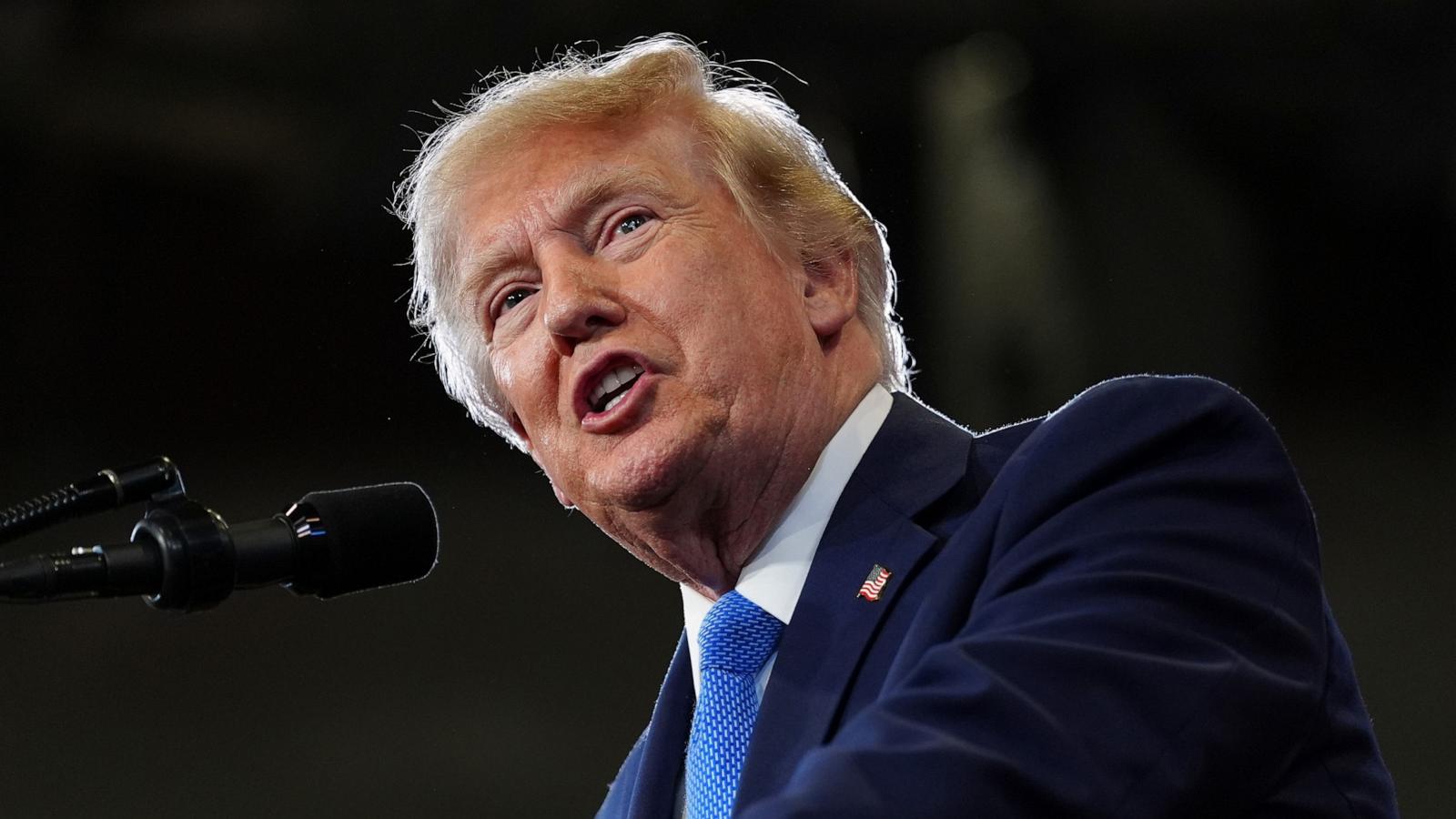
President Donald Trump said stopping Iran from getting nuclear weapons is the top priority for the U.S., contradicting Vice President JD Vance’s recent statement that keeping oil and gas prices low is the main focus. The White House emphasized that both goals are important but highlighted the president’s commitment to preventing Iran from acquiring nuclear weapons.
Key Facts
President Trump stated the number one goal is to prevent Iran from getting a nuclear weapon.
Vice President JD Vance previously said keeping oil and gas prices low was the administration’s top priority.
Vance placed preventing Iran’s nuclear weapons as the second priority.
The White House press secretary said both goals—low gas prices and stopping Iran’s nuclear program—are important to the president.
President Trump has said in the past that preventing Iran’s nuclear weapon development is more important than worrying about Americans’ financial situation.
The conflict in Iran has affected global oil markets and gas prices in the U.S., with prices around $4.02 a gallon.
The president rejected the idea that the U.S. economy should influence military decisions regarding Iran.
White House officials responded to calls for clearer U.S. objectives by reaffirming the priority of stopping Iran’s nuclear weapons program.
Read the Original
Want the full story? Tap a source to open the original
article.
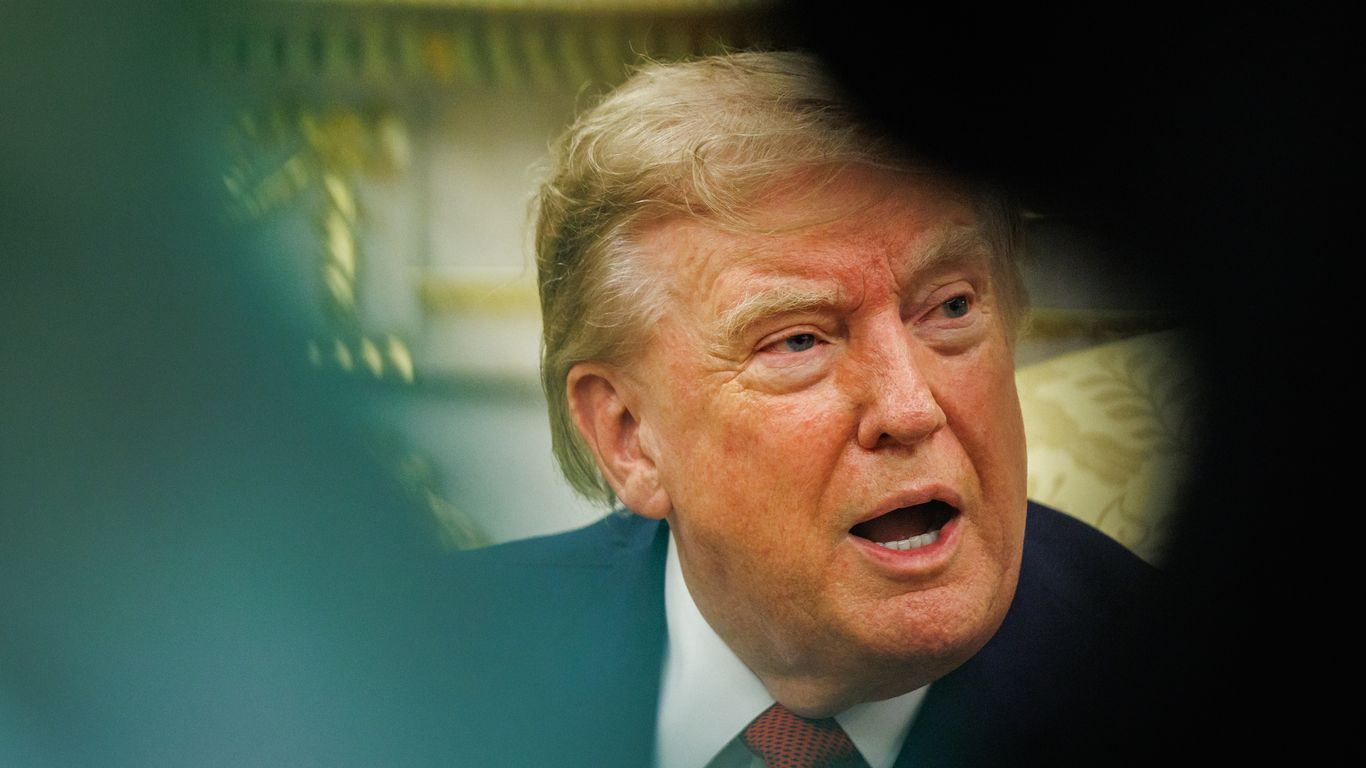
President Donald Trump said that vandals caused damage to the grass near the World War II Memorial on the National Mall. This area was where he held a July 4 celebration and built a stage. He shared a photo showing the damaged grass but did not explain why he thinks vandals were responsible.
Key Facts
The damaged grass is located near the World War II Memorial on the National Mall in Washington, D.C.
President Trump held a July 4 celebration there and built a stage on the spot.
Large areas of the grass have turned brown and patchy.
President Trump blamed vandals for the damage in a social media post.
He did not provide a reason for blaming vandals instead of normal wear from the event.
The photo shared shows a wide area of dead grass.
This statement came shortly after the Independence Day festivities.
Read the Original
Want the full story? Tap a source to open the original
article.
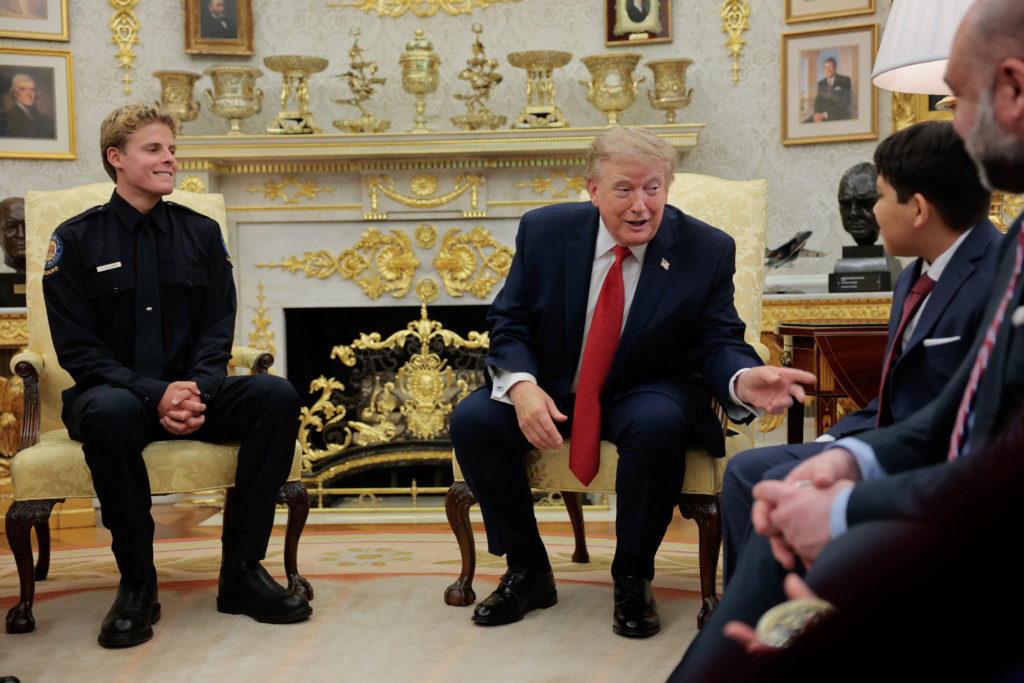
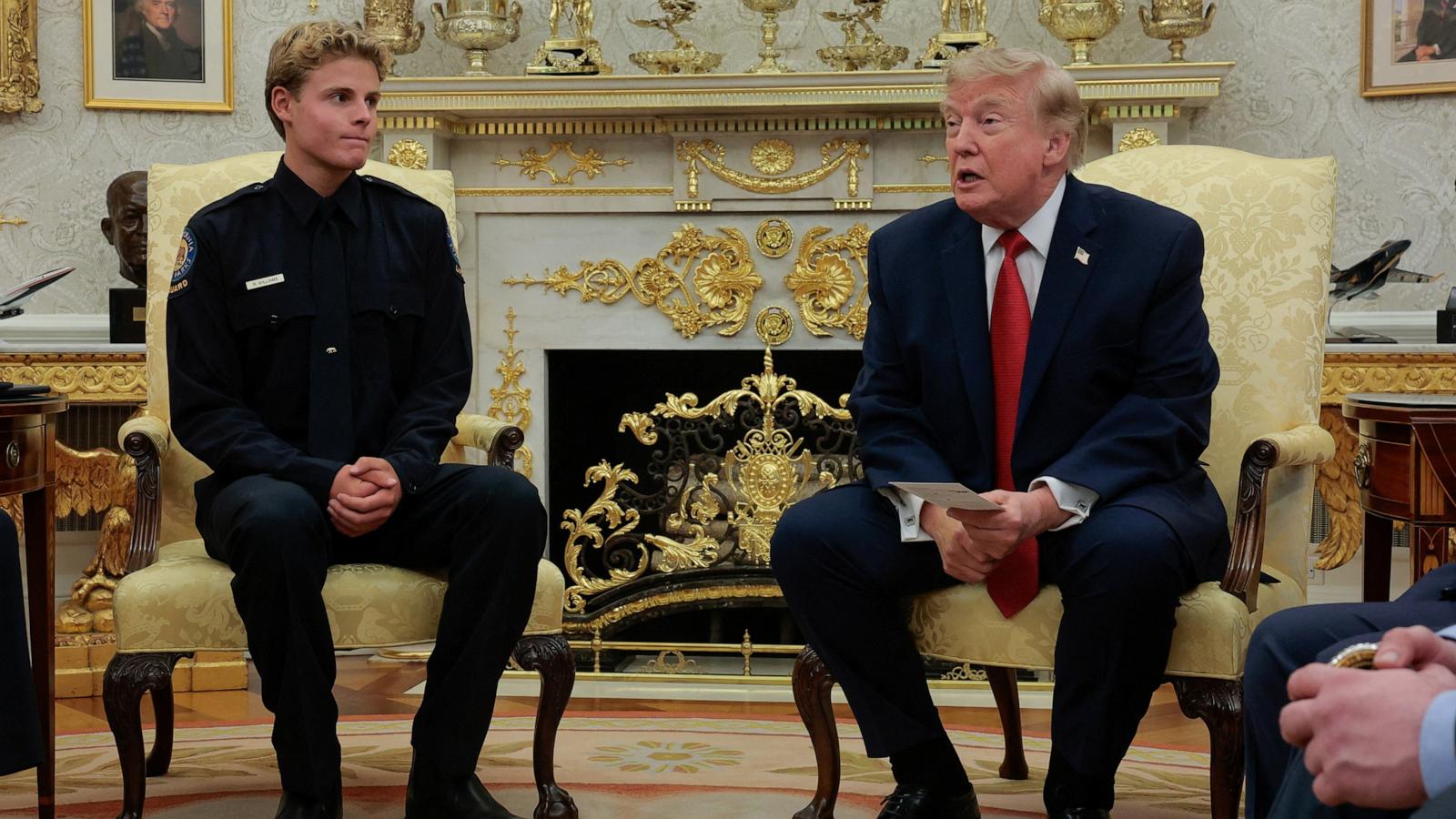
President Donald Trump honored a 16-year-old lifeguard, Ryder Williams, at the White House for rescuing a 10-year-old boy from dangerous waves in California. The rescue video went viral, and the president praised Williams, calling him a hero during the Oval Office event.
Key Facts
Ryder Williams, a teenage lifeguard, saved 10-year-old Nathaniel Rai from strong waves at Seabright Beach in Santa Cruz, California.
A second lifeguard helped bring both Williams and Rai safely back to shore.
President Trump invited Williams to the White House to recognize his bravery.
During the event, Trump described the rescue video and said he might not have been able to do the same.
Nathaniel Rai, the rescued boy, sat with his father and President Trump on a gold couch in the Oval Office.
President Trump also discussed other topics during the event, including Flock Safety cameras, North Korea communications, and military exercises with South Korea.
Trump mentioned he is reviewing Flock Safety cameras, which some call helpful for solving crimes while others see as privacy threats.
Trump confirmed that North Korean leader Kim Jong Un has responded to a request for conversation.
Read the Original
Want the full story? Tap a source to open the original
article.
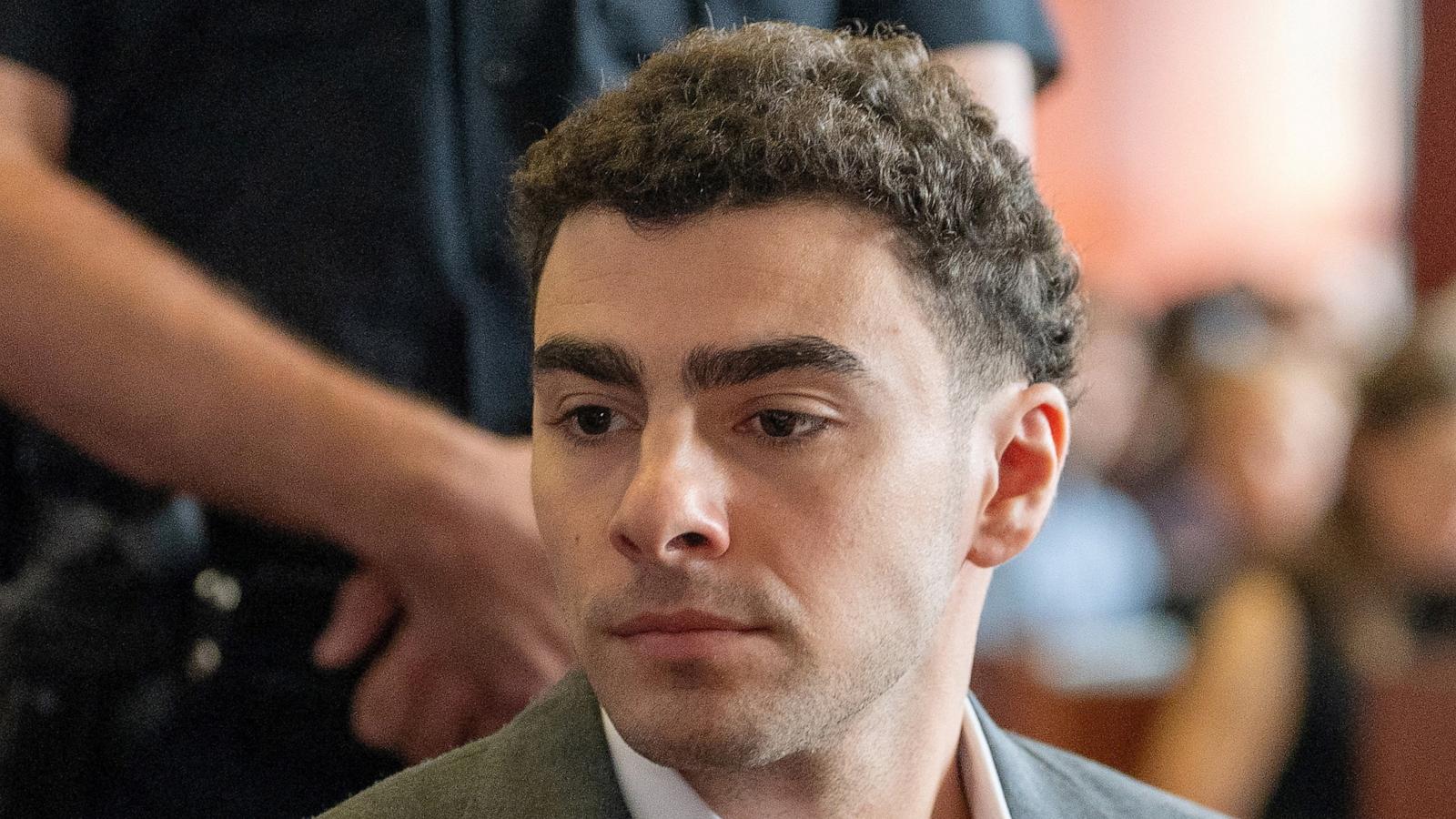
A judge in New York delayed Luigi Mangione's state murder trial to allow time for prosecutors to respond to a request to dismiss the charges. Mangione has pleaded guilty in federal court to stalking and admitted to shooting UnitedHealthcare CEO Brian Thompson, who died from the shooting.
Key Facts
Luigi Mangione is accused of murdering UnitedHealthcare CEO Brian Thompson in December 2024.
Mangione pleaded guilty to federal stalking charges and admitted to shooting Thompson.
A New York judge postponed Mangione's state murder trial, originally set for September 8, until at least December 10.
Prosecutors have until October 9 to respond to Mangione’s request to dismiss the state charges.
Mangione’s defense argues the state charges violate New York’s double jeopardy law, which prevents someone from being tried twice for the same crime.
Mangione faces a maximum federal sentence of life in prison, with his sentencing scheduled for December 18, 2026.
In the state case, Mangione pleaded not guilty to second-degree murder and weapon-related charges.
Read the Original
Want the full story? Tap a source to open the original
article.
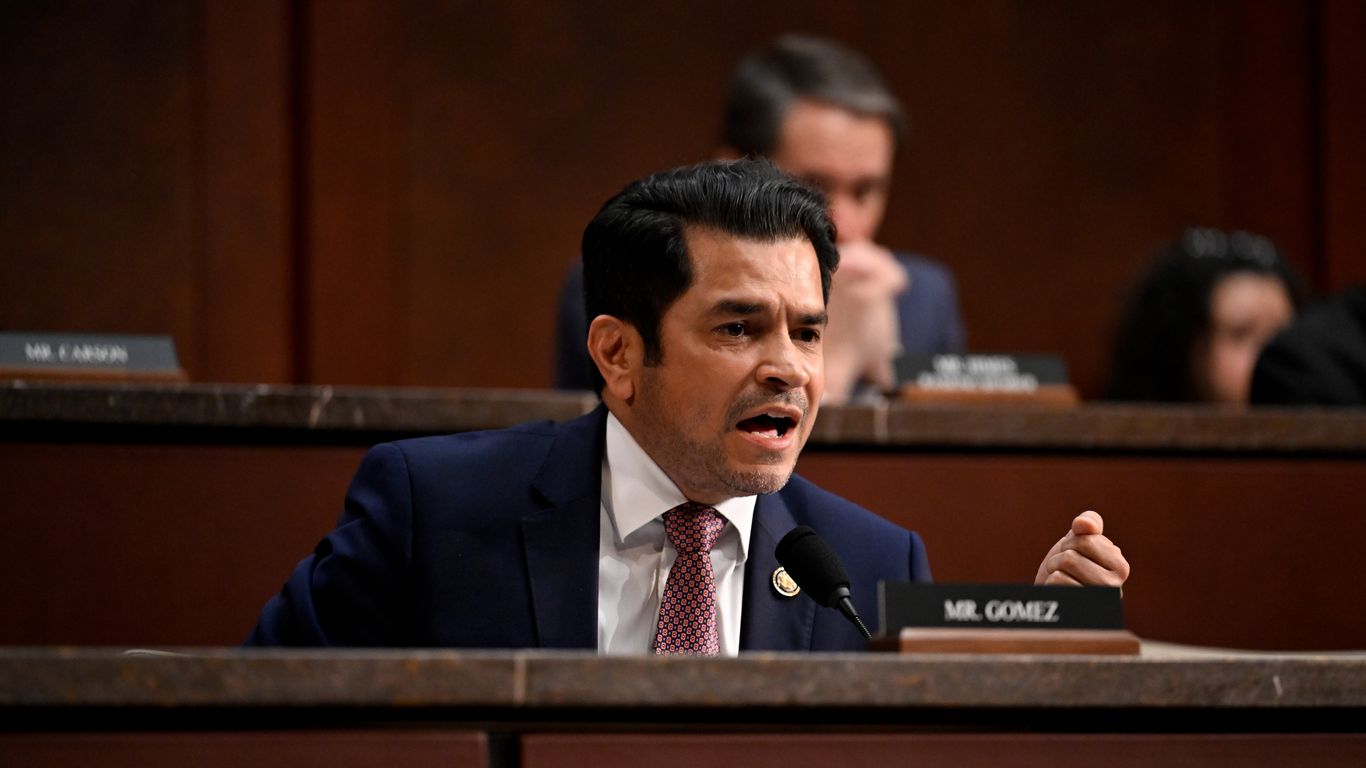
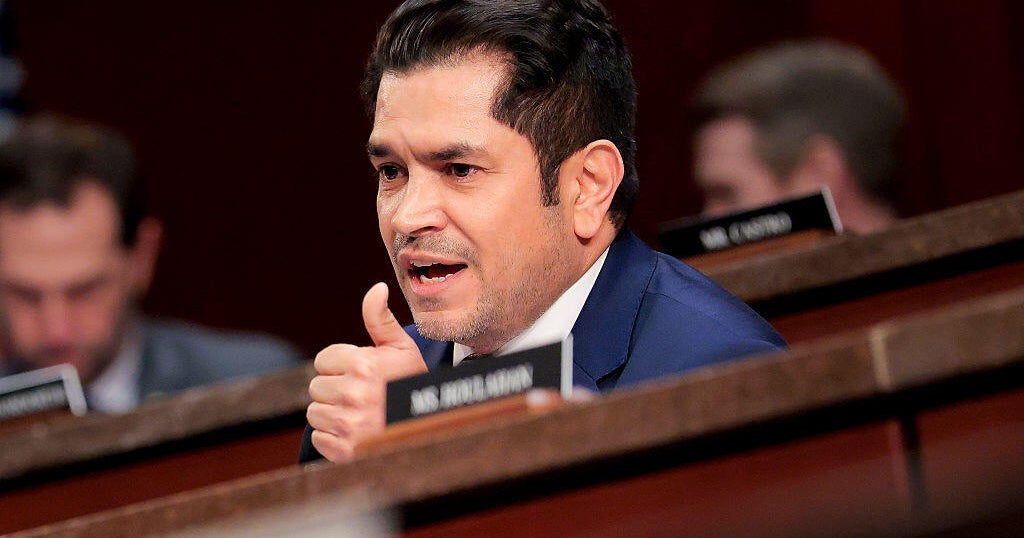
The House Ethics Committee is investigating Congressman Jimmy Gomez from California for alleged sexual misconduct. The panel is reviewing whether he violated rules of official conduct.
Key Facts
The investigation involves Rep. Jimmy Gomez, a Democrat from California.
The House Ethics Committee announced the investigation on a Monday.
The inquiry focuses on possible sexual misconduct allegations against Gomez.
The committee is checking if Gomez broke the Code of Official Conduct or other standards.
The investigation is currently ongoing with no final decision reported yet.
The Ethics Committee is the body responsible for overseeing behavior of House members.
The case involves claims that need careful examination before conclusions are made.
Read the Original
Want the full story? Tap a source to open the original
article.
The American Civil Liberties Union (ACLU) asked the U.S. Supreme Court to review a Texas law. The law requires public schools to display the Ten Commandments in classrooms, and the ACLU argues this breaks the First Amendment's rule about religion and government.
Key Facts
Texas has a law that says public school classrooms must post the Ten Commandments.
The ACLU filed a request for the Supreme Court to hear a case challenging this law.
The challenge comes from parents of different religions who oppose the law.
The ACLU says the law violates the First Amendment, which protects religious freedom.
The Supreme Court will decide whether to take up the case and review the law.
Read the Original
Want the full story? Tap a source to open the original
article.
Congressional Democrats are preparing to introduce a resolution to limit President Trump's ability to use military force after he threatened to bomb Oman. Senator Tim Kaine plans to lead this effort when the Senate returns, aiming to gain support from both parties.
Key Facts
President Trump threatened to bomb Oman during a Fox News interview if Oman interferes with reopening the Strait of Hormuz.
Oman is a U.S. ally with a strong diplomatic relationship and a free trade agreement with the United States.
Democrats see war powers resolutions as a way to control what they view as President Trump's frequent threats of military action.
Rep. Ro Khanna joked about needing to file war powers resolutions for many countries due to the President’s behavior.
Senator Tim Kaine will introduce a war powers resolution targeting the Oman threat next month.
Kaine hopes some Republican senators will join Democrats in limiting the President’s military authority.
The White House did not respond immediately to requests for comment on the matter.
President Trump said Oman has “not behaved very well” but insisted the U.S. could handle them easily if needed.
Read the Original
Want the full story? Tap a source to open the original
article.
Senator Tammy Baldwin from Wisconsin said there should be no federal immigration officers, specifically ICE agents, at voting locations before the November elections. She made this statement on the social media platform X. This comment relates to concerns about immigration enforcement affecting voters.
Key Facts
Senator Tammy Baldwin represents Wisconsin and is a member of the Democratic Party.
She specifically mentioned ICE, which stands for Immigration and Customs Enforcement.
Baldwin called for no ICE presence at polling places during the upcoming November elections.
Her comment was posted on the social platform X.
The issue connects to worries about federal immigration enforcement influencing voter turnout or behavior.
The Department of Homeland Security oversees ICE.
The article implies there is ongoing debate about immigration enforcement near voting sites ahead of elections.
Read the Original
Want the full story? Tap a source to open the original
article.
A 16-year-old lifeguard named Ryder Williams saved a 10-year-old boy, Nathaniel Rai, from the ocean surf at Seabright Beach in Santa Cruz, California. President Donald Trump invited Williams and the boy to the White House to honor Williams with a High Civilian Honor for his brave rescue.
Key Facts
Ryder Williams is a 16-year-old lifeguard who rescued Nathaniel Rai, age 10, from the surf on July 25, 2026.
The rescue took place at Seabright Beach, where high surf conditions existed that day.
Williams noticed Nathaniel struggling in ankle-deep water about 20 yards from his lifeguard tower.
Williams radioed for help, quickly ran to the boy, and saved him before he lost consciousness.
President Donald Trump met with Williams and Nathaniel at the White House on August 17, 2026.
Trump announced that Williams would receive a High Civilian Honor for his actions.
Nathaniel’s father expressed deep gratitude for the lifeguard’s heroic efforts.
Williams said keeping the public safe and performing rescues is part of his job and that he appreciates his fellow lifeguards’ work.
Read the Original
Want the full story? Tap a source to open the original
article.
President Donald Trump invited 16-year-old lifeguard Ryder Williams and the 10-year-old boy he rescued, Nathanial Rai, to the White House to honor Williams’s bravery. The rescue took place on a California beach and was captured on video that became popular online.
Key Facts
Nathanial Rai, age 10, was swept away by waves on a California beach.
Ryder Williams, a 16-year-old lifeguard, rescued Rai from the water.
The rescue video showed Williams holding onto Rai while waves crashed over them.
Another lifeguard, Aaron Bohnen, helped bring them safely to shore.
President Trump called Williams a hero and said he might not have done the rescue himself.
Trump invited Williams to the White House to recognize his courage.
California lawmakers are considering a bill to make lifeguards official first responders.
Designating lifeguards as first responders could provide them with more support and benefits, but training and funding questions remain.
Read the Original
Want the full story? Tap a source to open the original
article.
More than 8,000 customers in Kent, UK, have faced water supply problems due to hot weather, pipe bursts, and power issues. South East Water is working hard to fix the problems but warns some people may take a few days to get full water service again.
Key Facts
Over 8,000 people in Kent, including Herne Bay, Blean, and Brabourne, have had water supply issues.
Problems include pipe bursts, high water demand during heat, and power outages.
A storage tank in Wraik Hill is critically low, affecting water supply.
Around 400 properties in Benenden and nearby areas have little or no water.
South East Water staff are tired and working hard to restore water.
Some customers are upset and have been rude to water company staff.
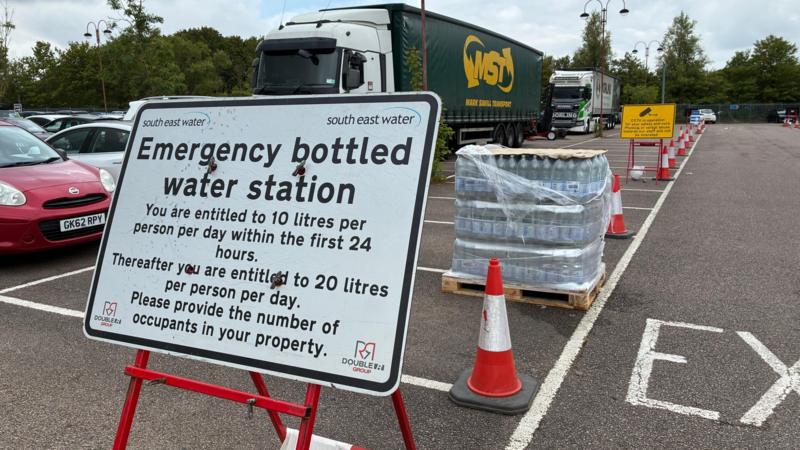
Bottled water stations have been set up in affected locations.
Officials say the company must improve to prevent future water outages in dry weather.
Read the Original
Want the full story? Tap a source to open the original
article.
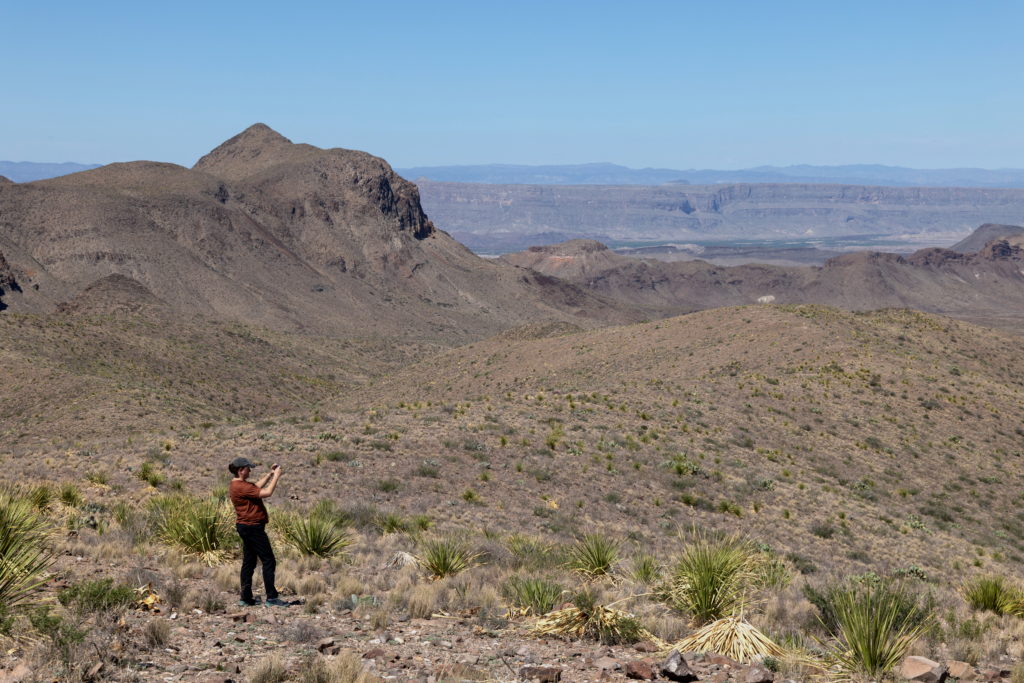
The Trump administration has temporarily stopped building a border wall in Big Bend National Park in Texas. The pause happens while Rodney Scott, head of US Customs and Border Protection (CBP), visits the area to review the project.
Key Facts
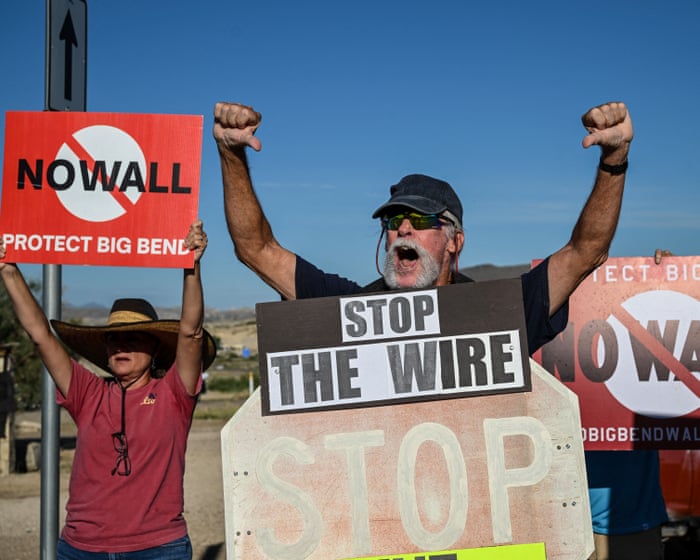
The border wall project in Big Bend National Park faces strong opposition from both Democrats and Republicans.
Critics say the wall harms the park’s natural environment and that the rough terrain already deters migrants and smugglers.
Rodney Scott, leader of CBP, announced he would personally inspect the site before continuing work.
Congress approved $46 billion last year to build the border wall across the U.S.-Mexico border.
The Trump administration has been speeding up construction by bypassing many usual rules.
Scott expects the first layer of the wall to be finished by the end of next year.
Opposition is especially strong in Texas near Big Bend and a nearby state park.
Read the Original
Want the full story? Tap a source to open the original
article.
Senator Jack Reed criticized President Trump for praising North Korea. He said the president’s view is unrealistic and that Trump believes all powerful leaders should respect him.
Key Facts
Senator Jack Reed is from Rhode Island and is a Democrat.
Reed spoke on Monday about President Trump’s praise of North Korea.
Reed called the president’s view “delusional.”
He said President Trump believes that other strong world leaders must bow down to him.
Reed mentioned a similar approach President Trump took with Russian President Vladimir Putin.
The criticism focuses on President Trump’s attitude toward international leaders.
Read the Original
Want the full story? Tap a source to open the original
article.
President Trump announced that Kevin Rideout, an American who was held hostage in Niger, has been released and reunited with his family. Rideout is a 50-year-old pilot working for a Christian missionary group and was freed with help from a Libyan military leader.
Key Facts
Kevin Rideout is an American pilot for a Christian missionary organization.
He was held hostage in Niger, a country in West Africa.
Rideout was imprisoned for several months overseas.
He was released and has now returned to the United States.
The release involved assistance from Khalifa Haftar, a military leader in eastern Libya.
President Trump shared this news publicly on a Sunday.
Read the Original
Want the full story? Tap a source to open the original
article.
The House Ethics Committee is investigating Congressman Jimmy Gomez for alleged sexual misconduct involving a House staffer. Gomez admits to making personal mistakes but says the actions were consensual and plans to cooperate with the investigation.
Key Facts
The House Ethics Committee is looking into claims that Rep. Jimmy Gomez engaged in inappropriate sexual contact with a House staffer.
Gomez acknowledges mistakes outside his marriage but says his actions did not break laws or House rules.
The committee gave few details but confirmed the investigation is ongoing.
Gomez was reportedly involved in a 2023 relationship with an aide who worked for another lawmaker.
Current House rules do not ban relationships between members of Congress and staffers of other offices.
A bipartisan task force is considering whether to ban all relationships between lawmakers and staffers.
House Speaker Mike Johnson supports banning such relationships to keep the workplace appropriate.
Several other lawmakers have faced sexual misconduct allegations and investigations this year, leading to resignations or ethics reviews.
Read the Original
Want the full story? Tap a source to open the original
article.
The House Ethics Committee is investigating Democratic Representative Jimmy Gomez for alleged sexual misconduct involving a House staffer. Gomez admitted to past personal mistakes but denied breaking any laws or House rules and said he will cooperate with the investigation.
Key Facts
The investigation was confirmed by the bipartisan House Ethics Committee.
Allegations include inappropriate sexual contact with a House staffer.
The committee said investigating does not mean wrongdoing has been proven.
The inquiry began after a news report about Gomez kissing a younger aide in 2023.
Gomez acknowledged mistakes outside his marriage but denied legal or ethical violations.
He apologized to his family and said he is working to heal relationships.
Gomez promised to cooperate fully with the Ethics Committee.
The committee can recommend punishments if rules or laws are broken.
Read the Original
Want the full story? Tap a source to open the original
article.
The Trump administration has temporarily stopped building a border wall project in Big Bend National Park in Texas. Rodney Scott, head of Customs and Border Protection, is visiting the area to review the project in person before deciding how to proceed.
Key Facts
Construction on the border wall in Big Bend National Park is paused temporarily.
Rodney Scott, leader of Customs and Border Protection, is conducting an on-site evaluation in Texas.
The project has faced opposition due to environmental concerns and the belief that the area's natural terrain already limits migration.
Congress approved $46 billion for border wall construction last summer.
The administration has been working quickly and reducing regulations to build the wall faster.
Scott expects to complete the first layer of the wall by the end of next year.
Opposition is particularly strong in Texas near Big Bend National Park and a nearby state park.
Read the Original
Want the full story? Tap a source to open the original
article.
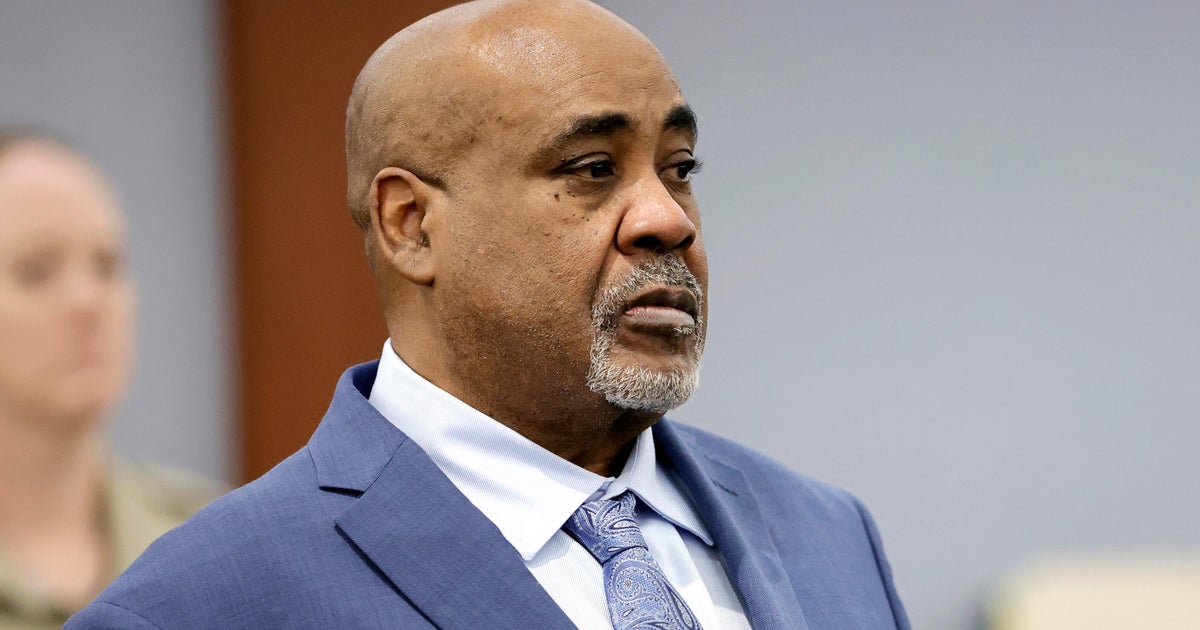
A man named Duane "Keffe D" Davis is on trial for planning the 1996 murder of rapper Tupac Shakur in Las Vegas. Prosecutors say Davis ordered the shooting in revenge after Shakur’s crew attacked his nephew, while Davis denies the charges.
Key Facts
Duane Davis is accused of murder with a deadly weapon and gang-related intent in Tupac Shakur’s killing.
The shooting happened two and a half hours after Tupac’s crew beat Davis’s nephew, Orlando Anderson.
Davis allegedly gave a gun to someone else to shoot Tupac in a drive-by shooting from a white Cadillac.
Davis pleaded not guilty and could face life in prison if convicted.
Tupac Shakur was killed in 1996 and is a famous rapper, inducted into the Rock & Roll Hall of Fame in 2017.
Prosecutors plan to call 35 to 45 witnesses during the trial, while the defense will call a few.
Tupac’s family and fans are attending the trial, seeing it as important despite being difficult emotionally.
The trial opened on August 17, 2026, in Las Vegas and could last several weeks.
Read the Original
Want the full story? Tap a source to open the original
article.
The Justice Department, led by Attorney General Todd Blanche, has created a new rule allowing some people with felony convictions to apply to restore their gun ownership rights. This process reviews cases carefully to ensure public safety while giving eligible people a chance to regain their legal right to own firearms.
Key Facts
The rule allows certain people barred from owning guns due to felony convictions to apply for restoration of gun rights.
Attorney General Todd Blanche supports restoring rights while protecting public safety.
The rule uses an online application system to handle requests.
People convicted of violent crimes or registered sex offenders are generally not eligible to have rights restored unless there are extraordinary reasons.
The Trump administration has been easing firearm restrictions through several recent actions.
Congress had blocked the federal agency from processing such applications since 1992, so this rule creates a new path.
Gun safety advocates are reviewing the new rule, concerned about risks to public safety.
The restoration of rights will be decided on a case-by-case basis, considering the individual’s history and risk.
Read the Original
Want the full story? Tap a source to open the original
article.