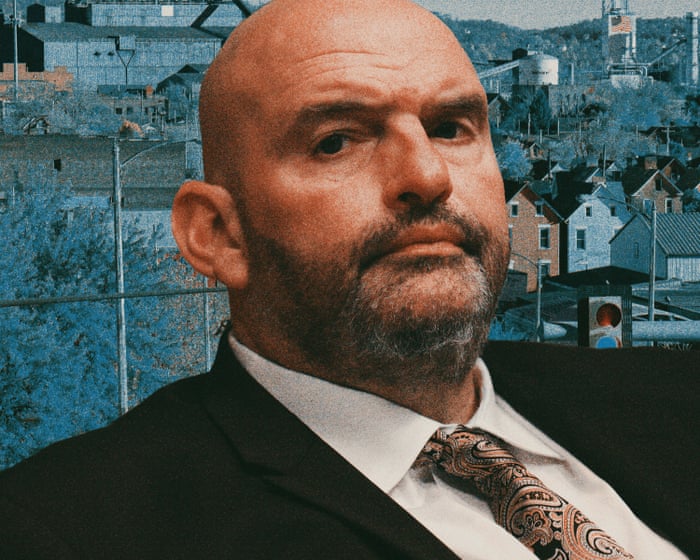
John Fetterman, a U.S. senator from Pennsylvania, has shifted from being known as a progressive Democrat to showing support for some Republican positions and politicians. This change has upset many Democrats, who worry he might switch parties and hurt their chances in upcoming elections.
Key Facts
Fetterman was once a popular progressive known for helping the struggling town of Braddock, Pennsylvania.
In 2018, he criticized Donald Trump for not helping industrial towns like Braddock.
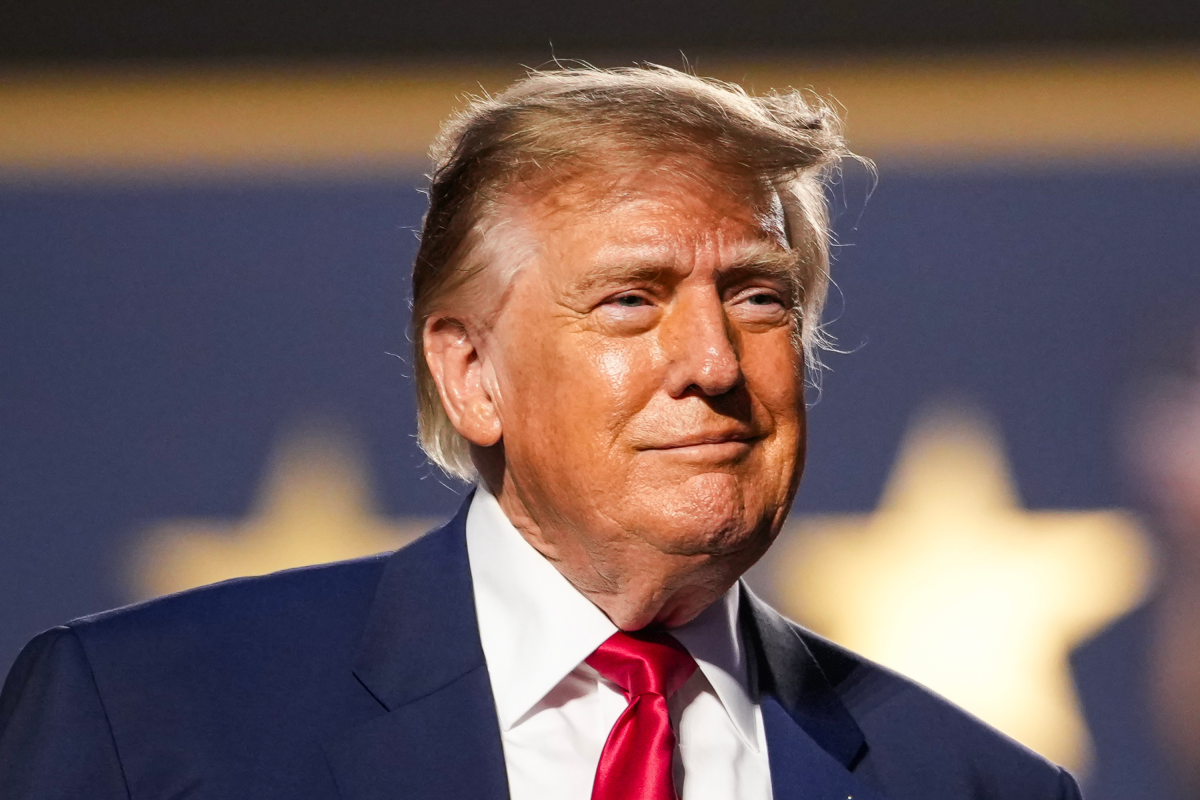
Recently, Fetterman appeared in a video at a Republican convention praising Republican Senator Dave McCormick and President Trump’s support for industry.
This video marked a clear shift in Fetterman’s political stance, aligning more with Republican views on some issues.
Many Democrats are upset and fear Fetterman might leave their party or lose their support.
Some Democratic activists say Fetterman’s chances of winning re-election as a Democrat are very low because of this shift.
Fetterman has said he plans to remain a Democrat despite these concerns.
The steel industry and working-class voters in Pennsylvania remain central topics in Fetterman’s political messaging.
Read the Original
Want the full story? Tap a source to open the original
article.
Many American voters are frustrated with the current political system, feeling angry at both major parties and economic problems like rising prices and lack of healthcare. This widespread anger is driving votes in the 2026 midterm elections and could affect President Donald Trump’s second term and the future of the Democratic Party.
Key Facts
Voter anger is focused on various issues, including political dishonesty, money in politics, and the country’s global standing.
Many voters feel voting choices are oversimplified into “progressive vs. establishment,” but people’s views are more complex.
Economic issues such as healthcare, childcare, inflation, tariffs, and trade wars are major concerns.
Social issues like women’s rights and abortion access are perceived to be worsening.
The Working Families party, a third political party, is gaining strength by channeling voter anger.
President Trump first gained power by appealing to anti-establishment anger but now faces that same anger during his second term.
Local stories show small towns pushing back against certain technologies and policies they dislike.
The national mood includes frustration with ongoing wars and political scandals.
Read the Original
Want the full story? Tap a source to open the original
article.
President Donald Trump’s family and friends have received large contracts and loans related to AI and defense technology recently. Meanwhile, President Trump supports the AI industry and opposes new government rules, even as experts warn about AI risks and public concern grows.
Key Facts
Trump’s sons gained $620 million in Pentagon loans and defense contracts linked to AI and robotics.
Michael Dell, a longtime friend of Trump, won a nearly $9 billion Pentagon contract.
President Trump posted on social media that AI only needs a smart president to control it, opposing new AI regulations.
Some government advisors argue that strict AI rules could hurt U.S. competition with China.
AI experts from top companies Anthropic and OpenAI resigned, warning that AI development is risky and uncontrolled.
A cybersecurity firm showed AI could quickly create a virus that could hijack over a billion devices, but the main target company fixed the issue before harm occurred.
U.S. public opinion polls find low support for AI data centers and growing criticism of Trump’s handling of AI issues.
The House of Representatives voted overwhelmingly to make AI data centers pay for electricity upgrades their operations require.
Read the Original
Want the full story? Tap a source to open the original
article.
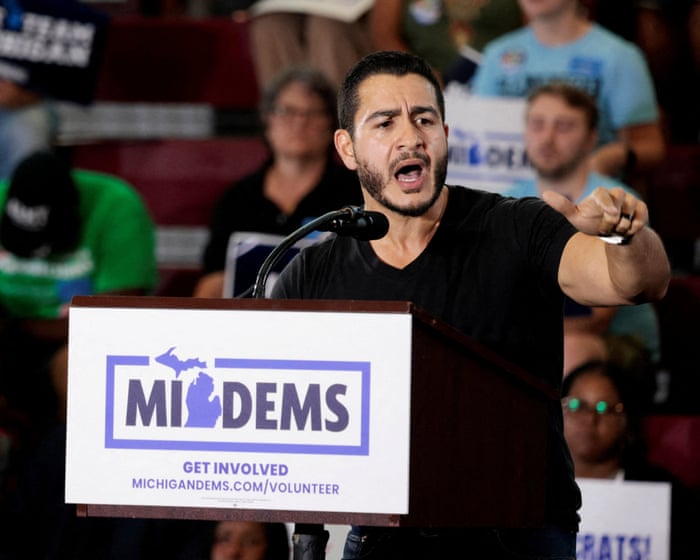
The U.S. primary election season has ended, with Democrats and Republicans choosing candidates for the November midterm elections. Left-wing candidates, including Democratic Socialists, won some important Democratic primaries, while Republicans continue to support President Donald Trump's policies despite his low approval ratings.
Key Facts
74 members of the House of Representatives will leave office after the 2024 election, the largest turnover since 1992.
Eleven incumbents lost their primary races for re-election to the House; seven of them were Democrats.
Four sitting Democrats lost to candidates connected to the Democratic Socialists of America (DSA), including in New York, Colorado, and Michigan.
These DSA-backed winners are expected to win their November races in strongly Democratic districts.
The fight for control of the House will focus on about 21 districts considered competitive by political analysts.
In those competitive districts, candidates favored tend to be moderates supported by groups like the New Democrat Coalition and Blue Dogs.
Republicans largely remain united behind President Trump’s agenda despite some scandals and low approval ratings.
Some races were affected by scandals and candidate dropouts, influencing the primary outcomes.
Read the Original
Want the full story? Tap a source to open the original
article.
A new study shows that reading scores for students in kindergarten through eighth grade in the U.S. are starting to improve after several years of little change following the COVID-19 pandemic. In the past year, students have closed about one-third of the reading score gap that formed compared to before the pandemic.
Key Facts
Reading scores are rising across K-8 students after years of little improvement.
The recent gains have closed about one-third of the reading gap from before COVID-19.
The study offers a positive sign for efforts to improve literacy in U.S. schools.
The pandemic caused setbacks in student reading progress nationwide.
Recovery is slow but showing measurable progress.
The data covers multiple grades, from kindergarten to eighth grade.
Improving literacy is a long-term challenge following pandemic disruptions.
Read the Original
Want the full story? Tap a source to open the original
article.
Republicans are hopeful about winning a Senate seat in New Hampshire. Former Senator John E. Sununu is running as the Republican candidate against Democratic Representative Chris Pappas, for the seat being vacated by a retiring senator. A strong Republican governor and increased party funding are boosting the GOP’s chances.
Key Facts
Former Senator John E. Sununu is the Republican candidate for the New Hampshire Senate seat.
The Democratic candidate is Representative Chris Pappas.
The current senator is retiring, opening the seat for this contest.
New Hampshire has a Republican governor who is popular in the state.
The Republican Party is investing significant money into this race.
Republicans view this Senate seat as a strong chance to gain control.
This race is seen as one of the most important Senate contests this election cycle.
Read the Original
Want the full story? Tap a source to open the original
article.
President Donald Trump has banned three news outlets—Politico, CNN, and MS NOW—from the White House by taking away their press passes. These media companies have criticized the ban and suggested they may take legal action.
Key Facts
President Trump barred Politico, CNN, and MS NOW from the White House.
Their press credentials were revoked, preventing them from covering White House events.
The media outlets have responded with criticism and hinted at possible lawsuits.
The ban was announced amid accusations by the White House that these outlets spread "fake news."
Press freedom groups have expressed concern over the move.
The action took place on or before September 20, 2026.
This marks a significant conflict between the White House and certain news organizations.
Read the Original
Want the full story? Tap a source to open the original
article.
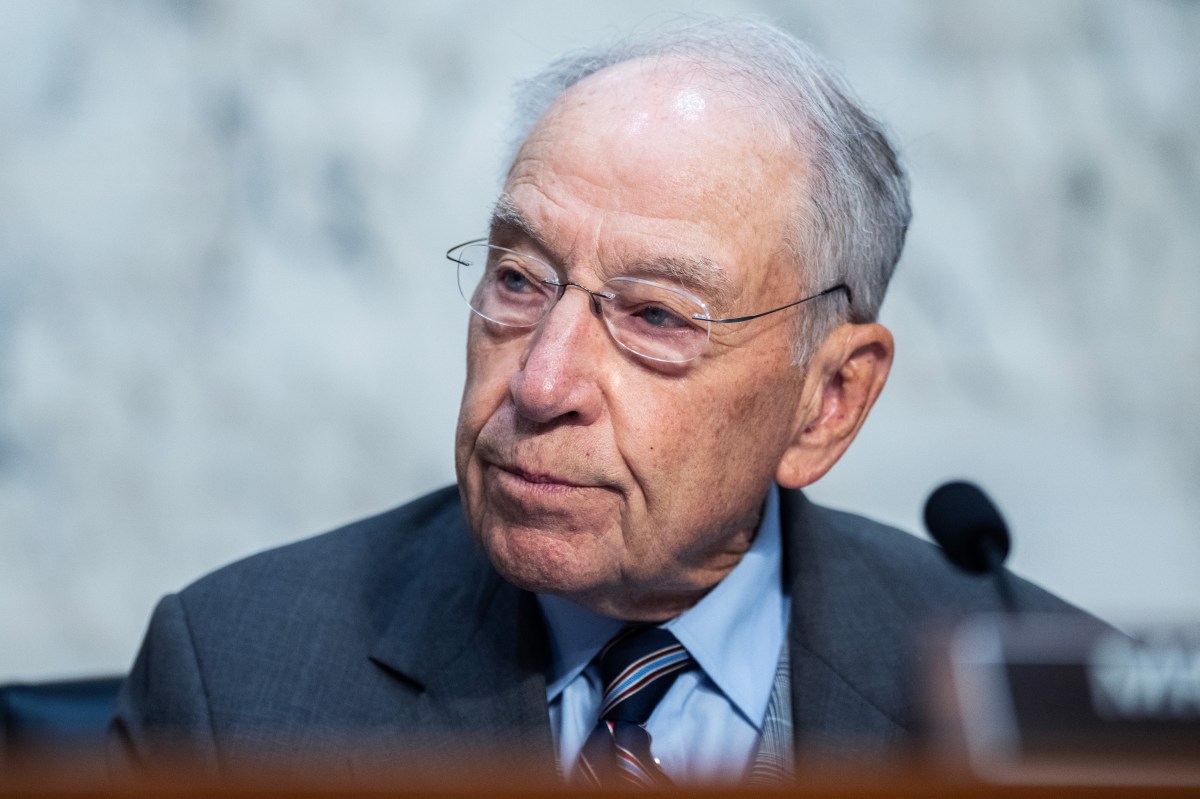
Senator Chuck Grassley from Iowa asked President Donald Trump to ban diesel fuel exports to help lower the high diesel prices in the U.S. Diesel prices have reached record levels, causing financial problems for farmers. Some other Republican lawmakers have shown interest in the idea, but not all officials agree it will help.
Key Facts
Diesel prices in the U.S. have climbed to over $6 per gallon, reaching $6.29 in Iowa, up from $3.70 a year ago.
Senator Grassley wants President Trump to ban diesel exports to reduce domestic prices, comparing it to past export bans on agricultural products.
Rising diesel costs are hurting farmers, especially during the crop-harvesting season when they need fuel for equipment.
The U.S. exported nearly 400 million barrels of diesel last year, with exports reaching an all-time high in May 2024.
Other Republicans, including Senator John Thune and Representative Tim Burchett, are considering or introducing measures to restrict diesel exports.
The Agriculture Department says the administration is working on the issue and knows diesel is vital for farming.
Interior Secretary Doug Burgum doubts an export ban would lower diesel prices and warns of possible negative effects if other countries respond with trade retaliation.
The high diesel cost increase has added an estimated $50 billion in expenses for U.S. households since the Iran war began.
Read the Original
Want the full story? Tap a source to open the original
article.
Sir Ed Davey, leader of the Liberal Democrats, wants the government to cut fuel duty by 10p per litre immediately until Christmas to lower fuel costs. He also suggests scrapping a planned permanent fuel duty increase and wants to reduce other transport fares and taxes related to electric vehicles.
Key Facts
Sir Ed Davey calls for a temporary 10p per litre cut in fuel duty until Christmas.
He wants to cancel a planned permanent fuel duty rise starting in January.
Cutting fuel duty now would lower petrol and diesel prices by about 12p per litre at the pump.
The policy could cost the government around £2 billion but may pay for itself by boosting the economy.
Other proposed measures include cutting bus fares to £1 and reducing rail fares by 10%.
Davey also suggests removing VAT from public electric vehicle charging points.
Labour has already frozen fuel duty and delayed increases but has not committed to Davey’s proposed cut.
The government faces pressure to control spending or raise taxes due to high borrowing costs.
Read the Original
Want the full story? Tap a source to open the original
article.
Senator Rick Scott argues that the U.S. government has expanded too much and caused large debt and high prices. He believes socialism is not the solution and suggests cutting government spending, reducing regulations, and prioritizing job creation to revive the American Dream.
Key Facts
Senator Rick Scott criticizes the growth of the federal government and a $40 trillion national debt.
He claims high government spending has caused rising prices and interest rates.
Scott warns that socialism limits personal freedom by increasing government control over daily life.
He proposes drastically reducing government spending to balance the federal budget.
He supports cutting many government regulations to help businesses grow.
Scott emphasizes making job creation a top priority through tax cuts and smart policies.
He believes reducing debt and regulations will keep more money in workers’ paychecks.
Scott’s proposal aims to restore opportunities like those available to previous American generations.
Read the Original
Want the full story? Tap a source to open the original
article.
Republicans are increasing their efforts for the upcoming midterm elections, sending President Donald Trump and Vice President JD Vance to campaign in competitive states and spending millions on ads. The party is focusing on keeping control of Congress, which will affect Trump's last two years in office.
Key Facts
President Trump and Vice President JD Vance are campaigning in key states that are important for the midterms.
Republican groups have reserved over $130 million for advertising ahead of the elections.
Republicans held their first midterm convention and have new strategies to increase voter turnout.
Some Republican candidates disagree about how much to emphasize President Trump in their campaigns.
Rising fuel prices have made it harder for Republicans to promote their economic message.
Some Republicans in close races differ with the White House on issues like data centers.
President Trump promised a $5,000 payment to every adult if Republicans keep control of both chambers of Congress.
VP Vance asked voters to give the Republican administration more time and warned against Democratic control.
Read the Original
Want the full story? Tap a source to open the original
article.
Kentucky Governor Andy Beshear believes the next Democratic presidential nominee should be a governor, not a senator or congressperson. He argues governors have practical experience in running governments and can help heal divisions while getting things done, especially after President Trump’s impact on federal government.
Key Facts
Andy Beshear is the governor of Kentucky and chair of the Democratic Governors Association.
Since 1992, when Bill Clinton ran, no Democratic president nominee has been a governor until now; recent nominees were senators.
Beshear says governors have hands-on experience managing states and can act like CEOs, a skill needed to fix the country’s divisions.
He has a 65% approval rating in Kentucky, a rare level of support for a Democrat in a red state.
Beshear released a memoir about how faith influences his political views and healing divisions.
He has not confirmed if he will run for president but will decide after his term as DGA chair ends in December.
Political observers say Beshear could be a strong competitor against Vice President JD Vance in a general election.
Beshear calls himself a unifier who connects personally with voters through warmth and authenticity.
Read the Original
Want the full story? Tap a source to open the original
article.
A new report shows that fewer American college students regularly eat three full meals a day. Many students and adults now snack often instead of having traditional meals, reflecting changes in busy modern lifestyles.
Key Facts
Only 24% of full-time American college students aged 18-25 regularly eat three balanced meals a day during school.
More than half of these students replace meals with snacks sometimes or often.
96% of students with at least one year of college experience say they have replaced meals with snacks in a typical week.
A 2025 survey found 62% of Americans regularly or occasionally replace full meals with snacks or smaller meals.
Market research shows 55% of U.S. consumers eat three or more snacks daily.
Snacking has increased during or instead of meals, not just between meals.
Traditional meals used to require taking time off from work or school, but modern life often means eating happens alongside other activities.
The idea of a set "lunch hour" is fading as people eat on the go or while multitasking.
Read the Original
Want the full story? Tap a source to open the original
article.
A family shares the story of their daughter Elana, who died in a car crash caused by a drunk and drug-impaired driver. To honor her memory, they started a foundation to raise awareness about the dangers of impaired driving and encourage safer choices.
Key Facts
Elana was a college student set to return to the University of Arkansas for her third year.
She died on July 28, 2024, as a passenger in a crash caused by a driver under the influence of alcohol and marijuana.
The crash was so severe that Elana could only be identified by dental records two weeks later.
Elana was known for her kindness, connecting people, and helping others, even those she had never met.
The family created Ollie's Angels Foundation in October 2024 to educate high school students about impaired driving.
Their therapy dog, Ollie, helps spread joy and awareness in Elana's memory.
The foundation uses the slogan "Catch a Safe Ride" to encourage safe driving decisions.
They stress the importance of speaking up if someone is unfit to drive and want to stop calling such crashes "accidents" because they are preventable.
Read the Original
Want the full story? Tap a source to open the original
article.
Victims of secret police spying accuse the UK government of trying to stop an ongoing inquiry into undercover police misconduct. The inquiry has been running for more than 10 years, investigating abuses such as false relationships and spying on political groups, but the Home Office wants to reconsider its future because of time and cost.
Key Facts
The spycops inquiry started in 2015 and was meant to last three years but has taken over a decade.
It investigates undercover officers who spied on political activists, deceived women, and committed other abuses.
The inquiry has cost £144 million so far and is led by retired judge Sir John Mitting.
The Home Office, led by Secretary Shabana Mahmood, is holding a public consultation on the inquiry’s future, which ends soon.
Victims say the government wants to limit or stop parts of the inquiry, which they call a cover-up.
The inquiry examines units like the Special Demonstration Squad (1968-2008) and the National Public Order Intelligence Unit (1999-2011).
One undercover officer, Mark Kennedy, deceived women into relationships and gathered evidence that affected criminal cases.
The Home Office says it wants to ensure justice but also considers the inquiry’s length and cost.
Read the Original
Want the full story? Tap a source to open the original
article.
A recent poll shows President Donald Trump's approval rating is below 50% in 41 states and all major battleground states, 20 months into his second term. Nationally, his approval is 33%, with 61% disapproving, and only nine states have more people approving than disapproving of his performance.
Key Facts
President Trump’s national approval rating is 33%, disapproval is 61%, resulting in a net approval of minus 28.
Only nine states have a positive net approval rating for Trump, with Wyoming (+19) and North Dakota (+11) as his strongest.
Major swing states like Nevada (-26), Georgia (-24), and Pennsylvania (-23) all have more voters disapproving than approving of Trump.
Approval ratings have fallen in every state since January 2025; Kentucky saw the largest drop, from +23 to -11.
Younger voters (ages 18-34) and independents show particularly low approval, with only 20% and 26% approval respectively.
Women disapprove of Trump by a margin of 65% to 29%, while men are more evenly split but still lean negative.
Postgraduates also disapprove Trump’s performance, with 73% disapproval compared to 22% approval.
States that were once strongly supporting Trump have seen significant drops in approval, indicating decreasing political support.
Read the Original
Want the full story? Tap a source to open the original
article.
The U.S. military struck a boat in the Caribbean Sea that it suspected was smuggling drugs, killing four people. This attack is part of President Donald Trump’s ongoing campaign against drug traffickers in Latin America.
Key Facts
The U.S. military killed four people in a strike on a suspected drug-smuggling boat in the Caribbean Sea.
Since President Trump’s campaign began almost a year ago, at least 231 people have died in 69 similar military strikes.
The U.S. Southern Command said the attacks target suspected traffickers along known drug-smuggling routes.
The military has not provided proof that the latest struck vessel was carrying drugs.
President Trump calls these actions part of an “armed conflict” with drug cartels to reduce drug flow into the U.S.
The Trump administration seeks agreements with Latin American countries for joint military actions against criminal groups.
Some countries, like Guatemala, have denied making deals to allow U.S. military operations on their soil.
Ecuador has already started similar joint missions with the U.S. since March 2026.
Read the Original
Want the full story? Tap a source to open the original
article.
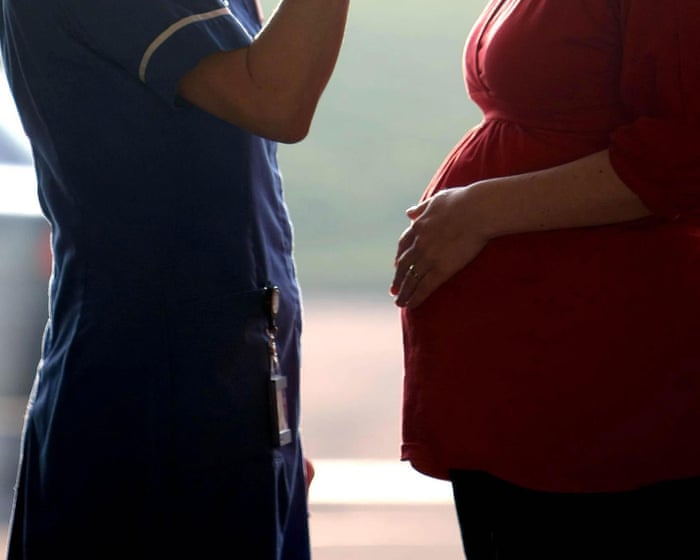
Thousands of low-income families in parts of England are missing out on NHS Healthy Start payments, which help pay for healthy food like fresh fruit, vegetables, and milk. Charities want the government to make the program easier to access and increase support because food prices are rising.
Key Facts
Families earning less than £400 a week with children under four, or who are pregnant, can get weekly payments of £4.65 or £9.30 for babies under 12 months.
Some areas like Redcar and Cleveland have 87% of eligible families enrolled, while others like Eden have as low as 64%.
Overall, more than 6,000 eligible families in the North East and Cumbria are not claiming the money.
Feeding Britain and other charities say the current payments are not enough to cover the real cost of healthy food and baby formula.
Rising food prices make it harder for families to provide nutritious meals.
Charities suggest the government should automatically enroll eligible parents to make it easier to get the payments.
Some families report skipping meals or cutting costs on essentials to feed their children.
The government has been asked for comment but had not responded at the time of the report.
Read the Original
Want the full story? Tap a source to open the original
article.
Around 20,000 pregnant women in England speak to maternity services each year about domestic abuse. Midwives often find out about this abuse because they see pregnant women regularly, but they need more training and support to help these women properly.
Key Facts
About 3.3% of maternity bookings in NHS trusts in England include a report of current or past domestic abuse.
This equals roughly 20,000 disclosures of domestic abuse during pregnancy per year in England.
Midwives often see pregnant women alone, which gives them a unique chance to notice and respond to signs of abuse.
Experts say midwives need better training to respond correctly to abuse disclosures.
Maternity wards are busy and sometimes short-staffed, which makes it harder for midwives to provide support.
The NHS mandates safeguarding training for maternity staff, including how to ask about abuse.
Midwives can refer women to specialized services for help with housing, legal advice, and other support.
The pregnancy and early time after birth are seen as a critical chance to help women and babies affected by abuse.
Read the Original
Want the full story? Tap a source to open the original
article.
Josh Babarinde, the president of the Liberal Democrats and a new MP, spoke strongly about making big changes to help people and challenge powerful forces like big tech and wealthy investors. At the party’s conference in Brighton, he encouraged members to be bold in addressing problems and improving their political reach beyond traditional supporters.
Key Facts
Josh Babarinde is the president of the Liberal Democrats and was elected MP in 2024.
He wants the party to challenge large powerful groups, including big tech companies and cryptocurrency billionaires.
The Lib Dems held their annual conference in Brighton with about 5,000 members attending.
In 2024, the party won 71 seats in Parliament but remains around 11% in opinion polls.
The Lib Dems gained some local election seats in England and Scotland, though less than other smaller parties like the Greens and Reform UK.
Party leader Ed Davey struggles to get media attention compared to figures like Nigel Farage.
Babarinde emphasizes strong policies exist but says better digital campaigning is needed to reach new voters.
Before politics, Babarinde created a social business helping former offenders and vulnerable youth with phone repairs.
Read the Original
Want the full story? Tap a source to open the original
article.