Scientists are working on artificial blood that can help save lives when real blood is not available. This synthetic blood is made from hemoglobin and can be stored as a powder, which medics can quickly mix with water to use in emergencies.
Key Facts
Scientists are developing artificial blood to use when regular blood is unavailable.
Artificial blood is made from hemoglobin, a protein that carries oxygen in the body.
The blood is stored in powdered form, making it easy to transport and store for long periods.
Medics can mix the powdered blood with water in emergencies to create a usable blood substitute.
The University of Maryland School of Medicine is leading this research.
The synthetic blood is designed to be safe by encasing hemoglobin in fat bubbles, which prevents toxicity.
The U.S. Defense Department is funding research to develop this synthetic blood for use by military medics.
Researchers plan to test this artificial blood in humans eventually.
Australia will lift restrictions on US beef imports, following an assessment that found the risks are controlled. This change follows previous criticism by former US President Donald Trump about Australia's beef import policies.
Key Facts
Australia will remove restrictions on importing beef from the United States.
The decision comes after a detailed assessment of safety and risk management.
Previous restrictions were partly due to mad cow disease concerns.
Former US President Trump criticized Australia's beef import restrictions.
Australia is a major beef exporter, sending about 70% of its beef overseas.
In July, Australia exported around 26,000 tonnes of beef to the US.
Meat & Livestock Australia says the import changes will not greatly affect the market.
Australia favors high-quality beef and has strong local beef supply.
Islanders in Jersey and Guernsey are dealing with rising living costs, with issues like food and rent increases making it hard for families to manage daily expenses. While Jersey shows lower inflation than Guernsey, Guernsey faces higher rental costs, partially due to relocation grants, which has significantly impacted the housing market.
Key Facts
In Jersey, inflation rose to 2.6%, while Guernsey saw a higher rate of 3.9%.
Guernsey's rental prices have increased, partly because of relocation grants, which are financial aids given to attract employees to the island.
In 2025, the average rent in Guernsey reached £2,068, marking a 51.7% rise over five years.
Jersey's average rent for a one-bedroom house stayed stable at £1,300 over the last six months.
Jersey's food prices surged by 4.1% between March and June.
In Guernsey, housing and tobacco are major factors driving price increases rather than food.
Jersey plans to address costs by increasing the minimum wage and providing more income support.
Local centers, like the Bright Beginnings Children Centre in Guernsey, offer free activities to support families struggling with costs.
Residents connected to council-run heat networks in the UK are facing higher heating costs because their bills are not covered by the national energy price cap. These networks, meant to reduce costs by buying fuel in bulk, have resulted in some residents paying significantly more for heating as compared to the capped rates. The government plans to have Ofgem regulate heat networks by 2026 to address these issues.
Key Facts
About 500,000 homes in the UK are linked to approximately 13,000 heat networks.
Heat networks buy gas in bulk on a commercial basis, which is not protected by the energy price cap.
Since 2023-24, some heat network users have paid nearly 30% more than the energy price cap.
The government plans to make Ofgem the regulator for heat networks in 2026.
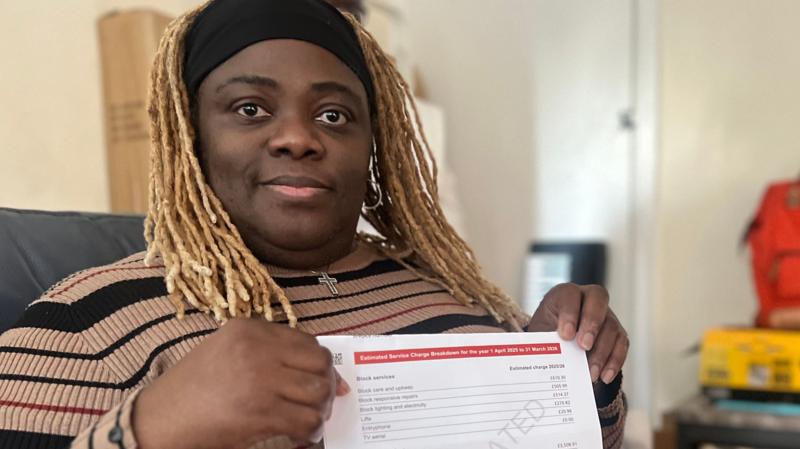
Dolly Thomas, a resident in London, faces a service charge of over £6,600, with more than half of it for heating and hot water.
Heat networks divide the total gas used among properties, regardless of individual usage.
Some older heat networks are inefficient, losing heat as it travels through poorly maintained pipes.
Residents, such as Sharon Shanhani, report significant surges in bills due to these issues, with no usage meters in place to reflect actual consumption.
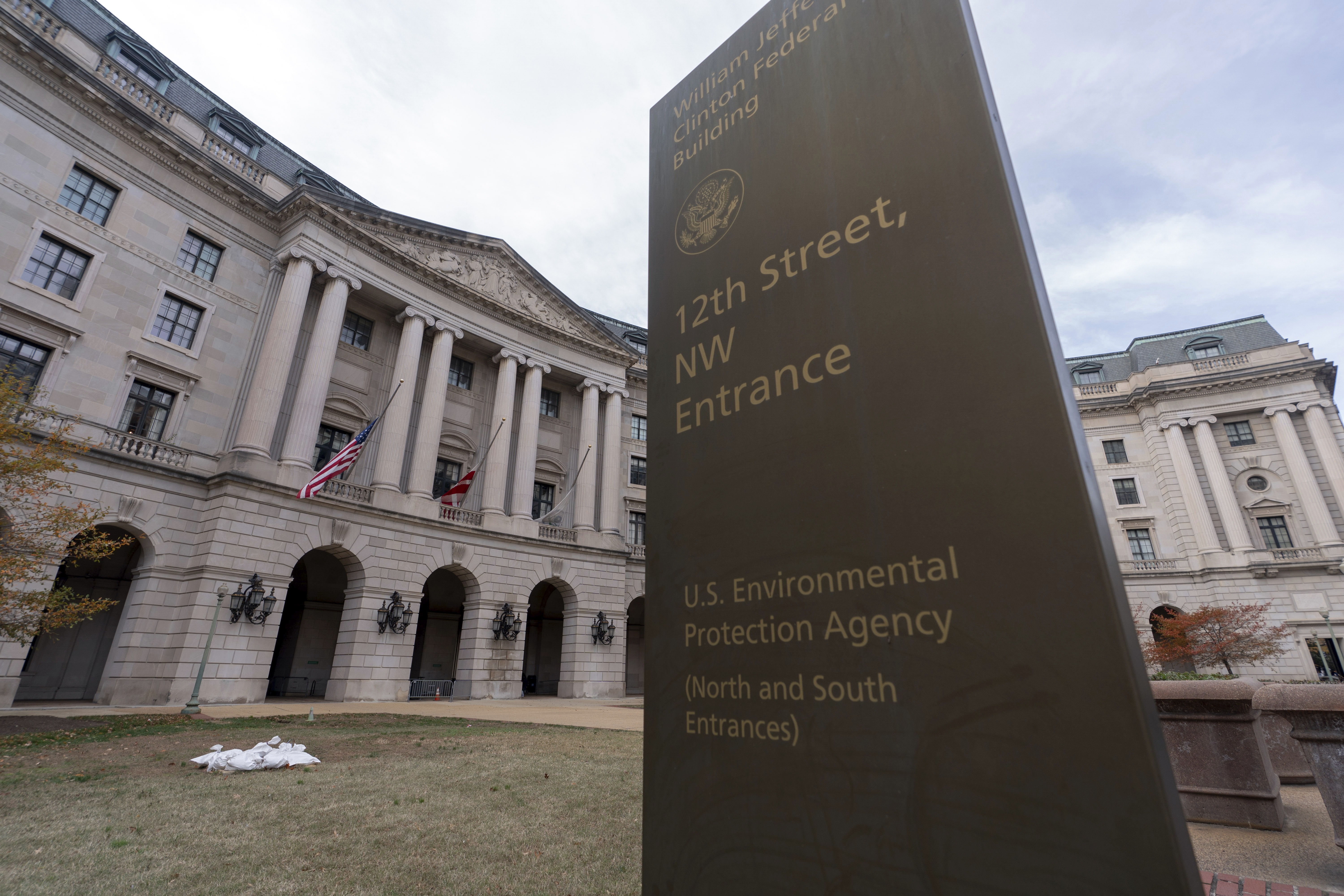
The Trump administration is working to overturn a 2009 EPA decision that said greenhouse gases were harmful to people and needed regulation. If this happens, it could change how the U.S. handles climate change rules and policies and make it harder to limit pollution that contributes to global warming.
Key Facts
The EPA wants to reverse a 2009 decision that allows them to regulate greenhouse gases under the Clean Air Act.
The original 2009 finding linked pollutants from burning fossil fuels, like carbon dioxide and methane, to climate change.
The proposal to overturn the finding is being reviewed by the White House.
The Trump administration views this move as a way to boost the economy.
Environmentalists warn this could weaken efforts to address climate change.
The Supreme Court ruled in 2007 that the EPA must regulate greenhouse gases.
The endangerment finding supports U.S. rules on emissions from vehicles and power plants.
Overturning this decision may face legal challenges in courts.
President Trump signed the One Big Beautiful Bill Act, which makes major changes to the federal student loan system. The changes include stricter borrowing limits and fewer repayment options, affecting many of the 43 million student loan borrowers in the United States. The bill also ends the existing SAVE repayment plan and introduces new plans that won't be available for another year.
Key Facts
President Trump approved the One Big Beautiful Bill Act on July 4.
The act overhauls the federal student loan system in the U.S.
Nearly 43 million student loan borrowers might be affected.
Borrowing limits for graduate students and parents will be stricter, while undergraduates will see no change.
The Biden-era Saving on a Valuable Education (SAVE) repayment plan will end.
New repayment plans will replace SAVE, but they won’t be ready for implementation until next year.
Borrowers under SAVE won't be required to make payments yet, but interest will start accruing.
The Education Department is preparing for a potential rush of borrowers changing plans due to these changes.
The White House is facing demands to make documents related to the Jeffrey Epstein case public. Columbia has agreed to pay over $200 million as part of a settlement with the federal government. Additionally, former President Trump has introduced new policies on artificial intelligence, highlighting tech companies in ongoing cultural debates.
Key Facts
The White House is being asked to release documents tied to the Jeffrey Epstein case.
Columbia will pay more than $200 million in a federal settlement.
This payment is part of an agreement to settle certain claims.
Former President Trump has announced new policies regarding artificial intelligence.
These policies focus on the role of tech companies amid cultural discussions.
The Trump administration is facing demands to release more documents about the Jeffrey Epstein case. This is happening despite a Florida judge's decision not to release certain grand jury documents.
Key Facts
The Trump administration is being asked to provide additional documents related to the Jeffrey Epstein case.
A grand jury is a group of citizens that decides if there is enough evidence for a trial.
A Florida judge decided not to release the grand jury documents from the investigation.
Grand jury documents are typically kept private to protect the privacy of people involved.
The call for more documents comes from various groups or individuals who want more transparency in the case.
This article features a conversation between Michel Martin and Elie Honig, a legal analyst and former federal prosecutor. They discuss the federal investigation into Jeffrey Epstein, who was a financier accused of serious crimes.
Key Facts
Michel Martin interviewed Elie Honig for NPR.
Elie Honig is a former federal prosecutor and a legal analyst.
The topic was the federal investigation of Jeffrey Epstein.
Jeffrey Epstein was a financier.
Epstein was involved in legal cases due to allegations of serious misconduct.
Bryan Kohberger was sentenced to life in prison for killing four University of Idaho students. The sentencing took place on a Wednesday, and friends and family of the victims spoke during the hearing.
Key Facts
Bryan Kohberger was sentenced to life in prison.
He was found guilty of murdering four students from the University of Idaho.
The sentencing happened on a Wednesday.
During the sentencing, friends and family members of the victims expressed their thoughts and feelings.
The judge delivered multiple life sentences as punishment for the crimes.
NPR's Sacha Pfeiffer interviewed Robert Reich, a former U.S. Labor Secretary, about Donald Trump's comments on Jerome Powell, who is the Chair of the Federal Reserve. They discussed Trump's criticisms related to economic issues.
Key Facts
Sacha Pfeiffer from NPR held an interview with Robert Reich.
Robert Reich is a former U.S. Labor Secretary.
The conversation was about Donald Trump’s views on Jerome Powell.
Jerome Powell is the current Chair of the Federal Reserve.
The discussion touched on economic matters highlighted by Trump's criticism.
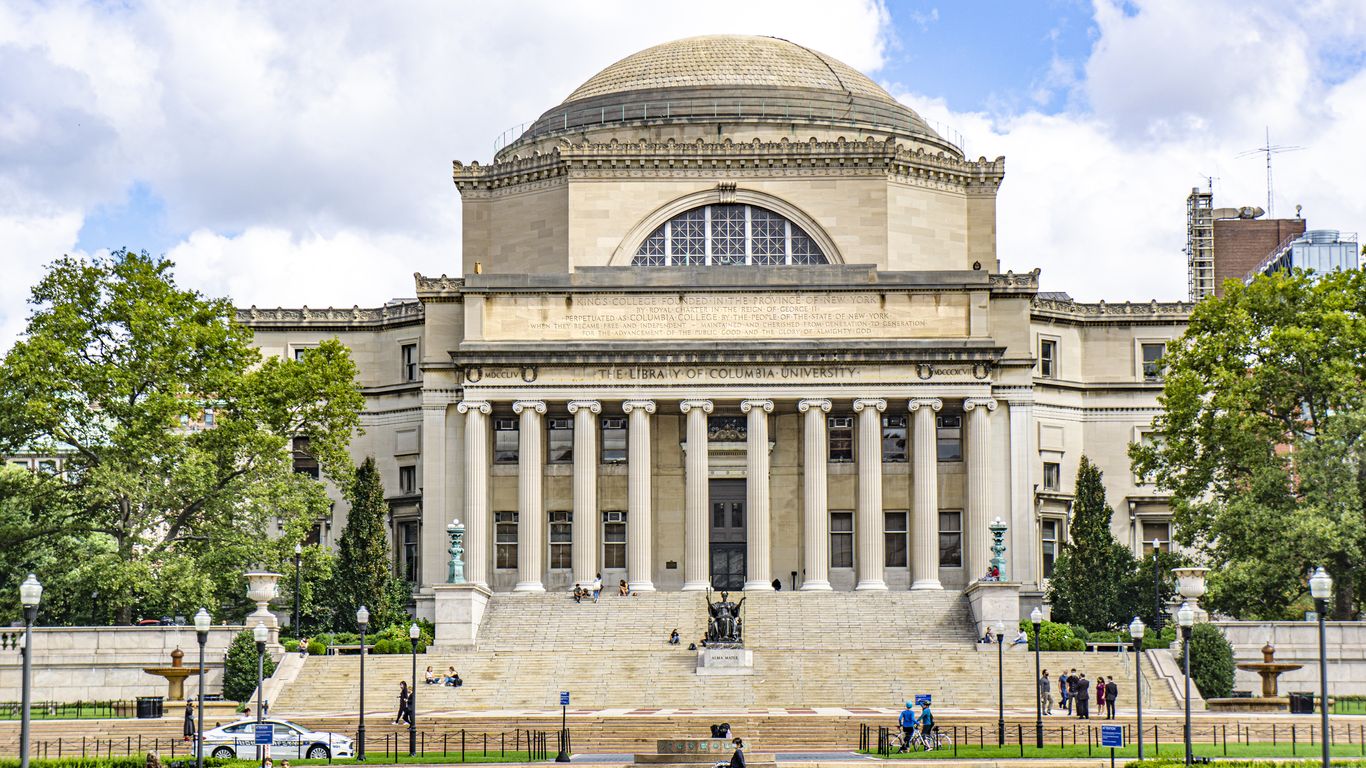
Columbia University has agreed to pay the U.S. government $200 million. This settlement ends several investigations by federal agencies and allows Columbia to access federal research money again.
Key Facts
Columbia University will pay $200 million to settle with the federal government.
The settlement is related to investigations by more than one federal agency.
Before the settlement, Columbia's access to federal research funds was on hold.
Paying the settlement will let Columbia receive federal research funding again.
The settlement creates opportunities for Columbia to get more research grants in the future.
Columbia University has agreed to pay a $200 million fine to resolve a federal investigation conducted by the Trump administration into alleged violations of anti-discrimination laws. The agreement will restore the university's access to federal funding, which had been suspended due to allegations of inadequate handling of harassment against Jewish students.
Key Facts
Columbia University will pay a $200 million fine as part of a settlement with the federal government.
The investigation concerned alleged violations of federal anti-discrimination laws related to harassment of Jewish students.
The university will regain access to federal grants that had been pulled, allowing it to receive billions in future funding.
An additional $21 million will be paid to settle a separate investigation by the U.S. Equal Employment Opportunity Commission.
Columbia University asserts it did not admit to wrongdoing nor agree with the government's conclusions.
The settlement involves Columbia ending certain policies, including those giving advantages based on race (DEI: diversity, equity, inclusion programs).
Columbia's acting president Claire Shipman acknowledged challenges with antisemitism and mentioned corrective steps taken by the university.
Secretary of Education Linda McMahon described the agreement as a significant step in addressing antisemitic discrimination.
A federal appeals court in San Francisco ruled that President Trump's order to end birthright citizenship is unconstitutional. The court's decision maintains a previous block on the order, meaning it cannot be enforced across the United States.
Key Facts
A federal appeals court upheld a decision blocking President Trump's order to end birthright citizenship.
Birthright citizenship means anyone born in the U.S. is automatically a citizen.
The 9th U.S. Circuit Court of Appeals in San Francisco made the ruling.
The decision agrees with an earlier ruling by a judge in Seattle.
Trump's order was challenged by states, arguing it would cause issues if only some states recognized birthright citizenship.
The Citizenship Clause in the 14th Amendment guarantees birthright citizenship.
A judge appointed by Trump disagreed with the ruling, arguing states shouldn't have the right to sue.
Australia is ending its ban on importing U.S. beef, which had been in place since 2003 due to mad cow disease concerns. This decision follows improvements in U.S. beef safety and cattle tracing. The change comes after previous tensions over tariffs imposed by former President Trump.
Key Facts
Australia's beef import ban on the U.S. started in 2003 because of mad cow disease.
The U.S. introduced better cattle tracing, which helped track and manage disease risks.
Australia’s Agriculture Minister stated the decision was based purely on scientific assessment.
The U.S. implemented tariffs on Australian exports, which were linked to the beef ban.
Despite tariffs, trade between Australia and the U.S. beef industry has grown.
The U.S. is the largest market for Australian beef, valued at A$14 billion last year.
The decision to lift the ban was said to be unrelated to trade tensions, according to the Australian government.
Columbia University will pay $200 million to the federal government due to accusations of not protecting Jewish students. The payment will be made over three years, and in return, the government will restore some federal grants that were previously stopped.
Key Facts
Columbia University agreed to pay $200 million to the U.S. government.
The payment addresses accusations of not safeguarding Jewish students.
The settlement will be paid over a period of three years.
The federal government will return some frozen or ended grants to Columbia.
Columbia was the first school targeted for issues related to antisemitism during protests last year.
The university had agreed to demands from the White House to address these issues.
The State Department is investigating Harvard's ability to sponsor exchange visas for international students, as part of the Trump administration's actions against the university. Harvard is challenging these actions in court, claiming they violate its rights.
Key Facts
The State Department announced an investigation into Harvard's visa sponsorship capabilities.
Secretary of State Marco Rubio said visa sponsorship is a privilege that can be revoked.
The investigation is part of the Trump administration's efforts to limit international students at Harvard.
Harvard claims the U.S. government is retaliating against the university, violating its constitutional rights.
Harvard continues to enroll and sponsor international students despite the investigation.
Trump issued an executive order to block international students from enrolling at Harvard.
The university is contesting the executive order in court.
The Department of Education and Department of Homeland Security have also pressured Harvard regarding its international students.
Some U.S. states are pressing cities to build more affordable housing due to high home prices, which are making it difficult for many to buy a home. In Utah, housing expenses have surged, putting homeownership out of reach for many, prompting state action to address this issue through laws that encourage or require local governments to increase affordable housing options.
Key Facts
States like Utah are pushing cities to create more affordable housing.
Housing costs in Utah are high, with the median home price reaching $506,000.
In Utah, 87% of renters cannot afford to buy a home at the median price.
Many cities have zoning rules that limit building to single-family homes, contributing to a housing shortage.
The age of first-time homebuyers in the U.S. has risen to 38, which is historically high.
Utah has laws requiring cities to offer affordable housing for people who make 80% or less of the median income.
Recent state laws aim to make it easier and more enforceable for cities to build affordable housing.
A U.S. judge has stopped immigration officials from immediately detaining and deporting Kilmar Abrego Garcia after his release from jail. Two separate court decisions were made, one allowing his potential release from jail and another requiring notice before any new deportation moves. Abrego Garcia was previously deported to El Salvador despite a court order preventing it, and there's an ongoing lawsuit about this wrongful deportation.
Key Facts
A U.S. judge has blocked the immediate detention and deportation of Kilmar Abrego Garcia upon his release from jail.
Another judge ruled that immigration officials must give a three-day notice before starting any new deportation efforts.
Abrego Garcia was deported to El Salvador in March, violating a 2019 court order.
The Trump administration acknowledged that this deportation was due to an "administrative error."
The government plans to deport Abrego Garcia but needs to follow specific court orders now.
Judges doubt the claims that Abrego Garcia is part of the MS-13 gang, citing a lack of evidence.
Trump administration previously returned Abrego Garcia to the U.S. after being held in El Salvador.
The wrongful deportation is part of a lawsuit filed by Abrego Garcia's wife.