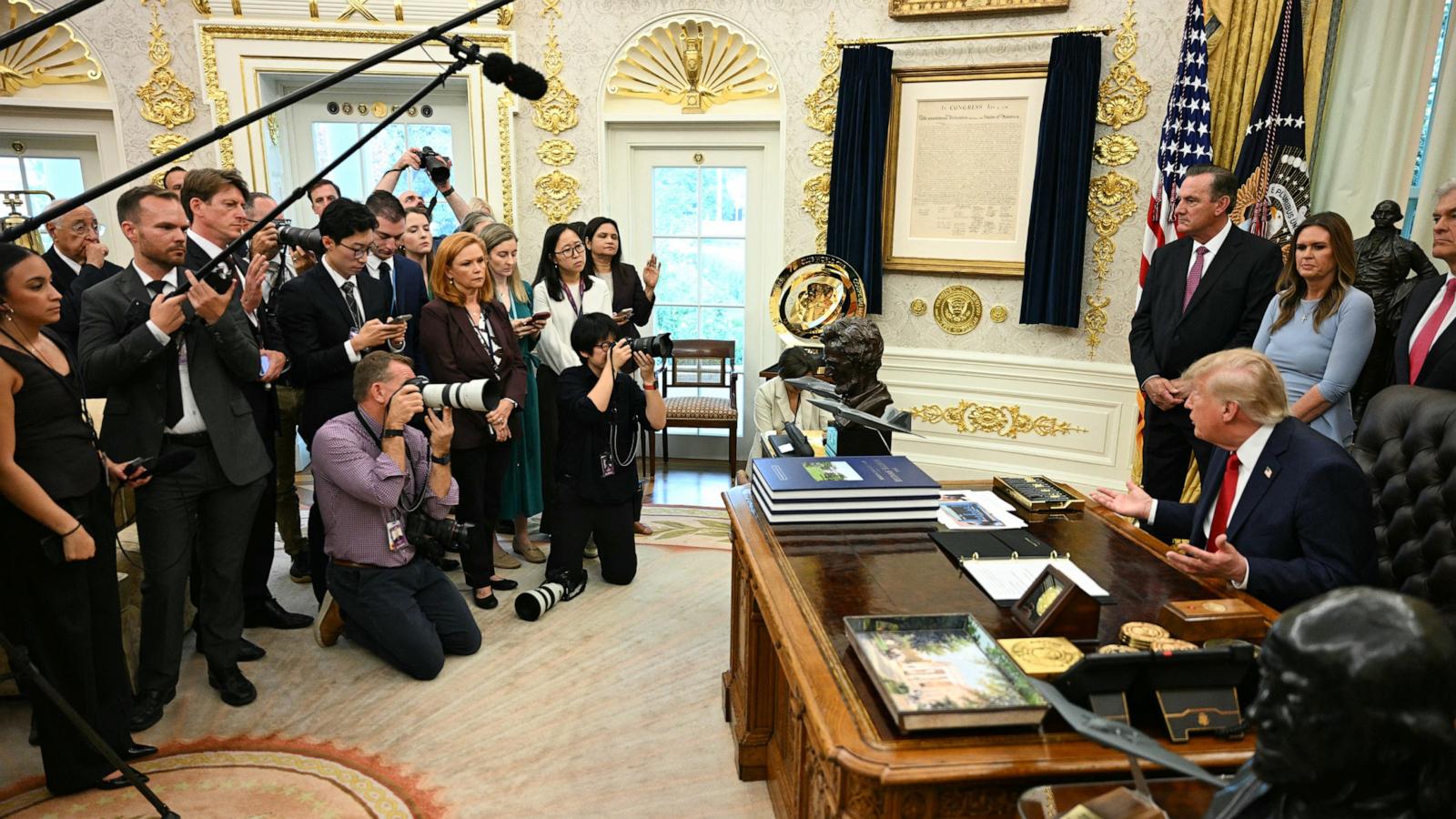
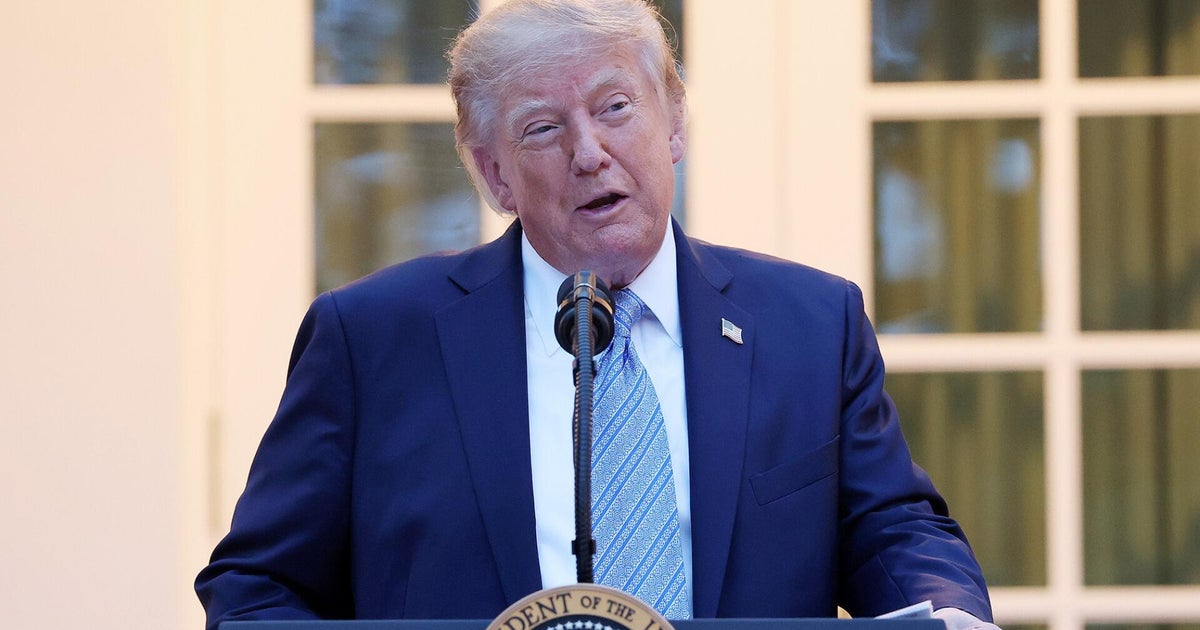
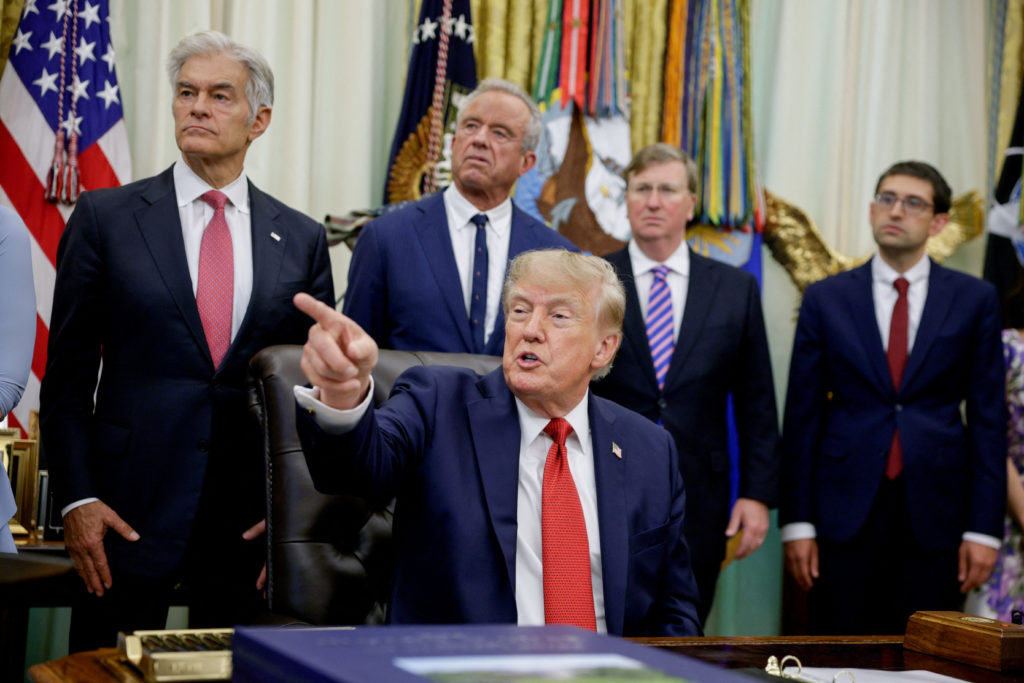
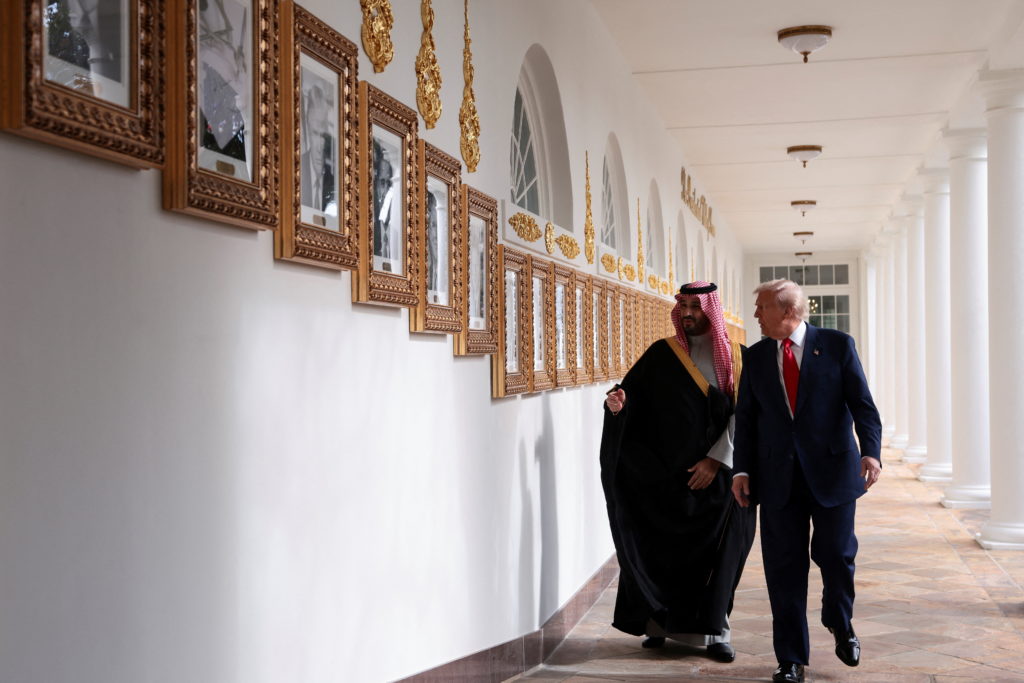
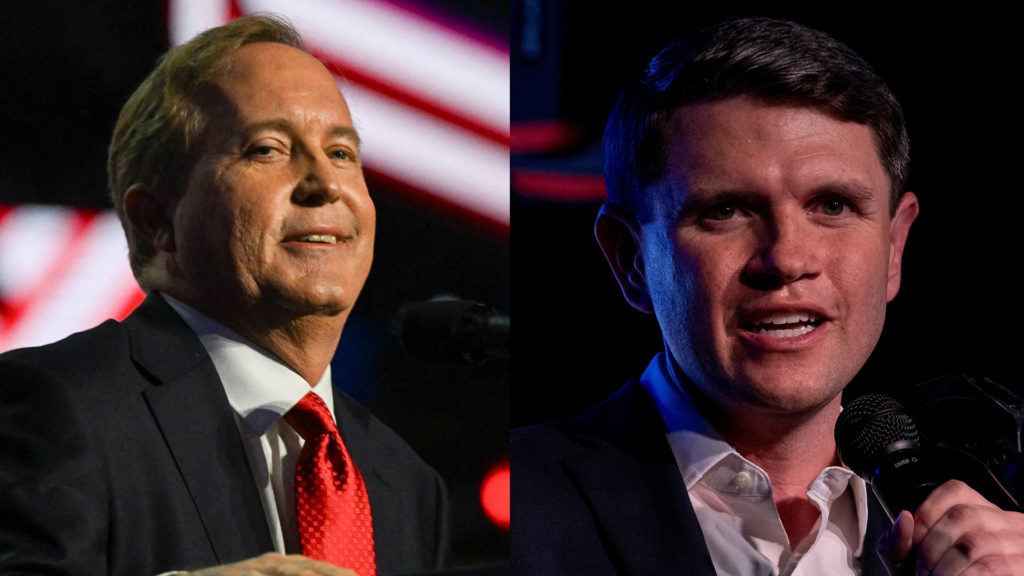
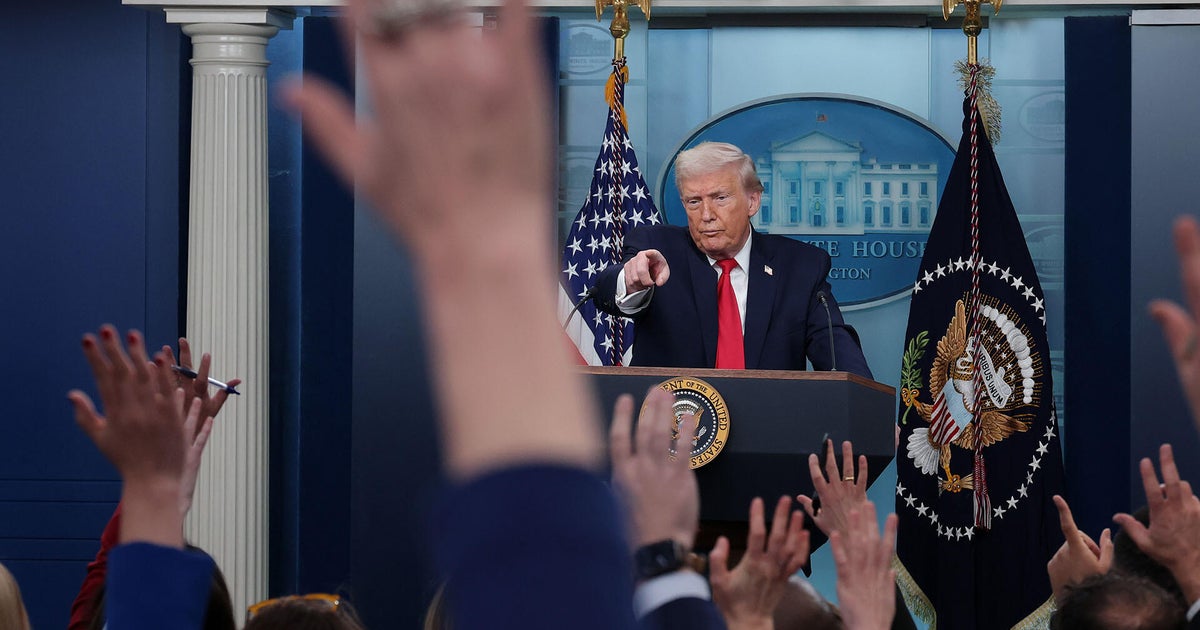
President Donald Trump announced on social media that he is banning CNN, MSNBC, and Politico from the White House starting immediately. The president said other news outlets will be banned soon, accusing these media organizations of reporting false information about his administration.
Key Facts
President Trump announced a ban on CNN, MSNBC, and Politico from the White House.
He accused these outlets of spreading lies about the president and his administration.
Trump said other news organizations will also be banned in the future.
CNN and Politico both rejected the ban and defended their right to report freely under the U.S. Constitution.
The White House Correspondents Association criticized the ban as an attack on the free press and the public’s right to information.
Despite the announcement, reporters from the banned outlets were still present at the White House on the day of the news.
Trump stated he supports a free and honest press but wants fairness in reporting.
The White House has a history of conflicts with the press, including previous attempts to restrict certain reporters’ access.
Read the Original
Want the full story? Tap a source to open the original
article.
President Donald Trump announced that CNN, MSNBC, and Politico will be banned from the White House. This means these news organizations will no longer be allowed to attend White House events or briefings.
Key Facts
President Trump declared a ban on CNN, MSNBC, and Politico from the White House.
The ban prevents these media outlets from attending official White House briefings and events.
The announcement was made publicly on a Friday.
CBS News reported on the ban with a video by reporter Natalie Brand.
The ban is a change in how the White House interacts with these specific news organizations.
Read the Original
Want the full story? Tap a source to open the original
article.
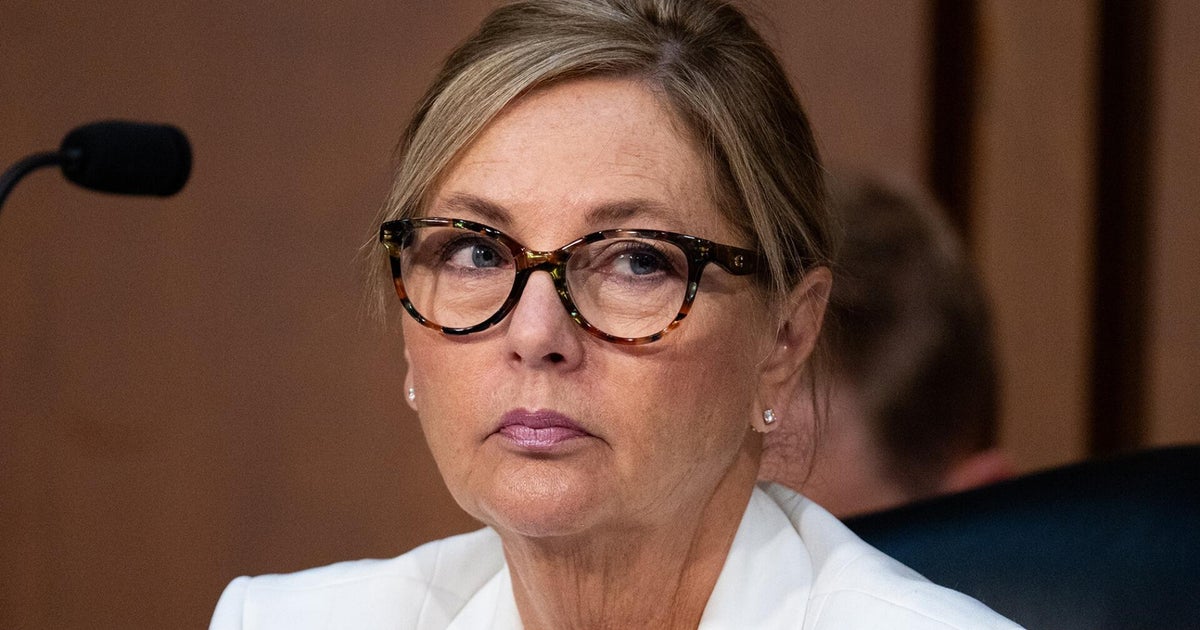
Erica Schwartz, the new leader of the Centers for Disease Control and Prevention (CDC), said in an interview that Robert F. Kennedy Jr. has the final say on certain health matters. She also mentioned that she is not afraid to disagree with Health Secretary Robert F. Kennedy Jr.
Key Facts
Erica Schwartz is the new director of the CDC.
She gave her first interview since taking the leadership role.
Schwartz stated that Robert F. Kennedy Jr. has the final authority on some health decisions.
She said she is willing to disagree with Health Secretary Robert F. Kennedy Jr. if needed.
The discussion took place during an interview with Atlanta News First.
The CDC is a U.S. government agency focused on public health and disease control.
Read the Original
Want the full story? Tap a source to open the original
article.
The Trump administration has started building a section of the border wall in the Big Bend area of west Texas without informing the public beforehand. Local landowners and environmental groups are opposing the construction, especially near Big Bend National Park, where there are concerns about damage to the environment and cultural sites.
Key Facts
Construction began in Hudspeth County near El Paso with 30-foot steel fencing panels.
Customs and Border Protection (CBP) is offering landowners signing bonuses to avoid legal disputes over land use.
Many landowners have joined a coalition to fight the government's use of eminent domain (the right to take private land for public use).
The Big Bend region is a remote area with natural barriers to illegal migration and has had very few border crossing arrests.
Congress approved $46.5 billion for border wall expansion in a recent spending bill.
Plans include adding fences, vehicle barriers, patrol roads, and sensors, called a “smart wall.”
Construction plans near Big Bend National Park have caused widespread protests and bipartisan criticism.
CBP temporarily paused work last month after public concern over bulldozing in the park.
Read the Original
Want the full story? Tap a source to open the original
article.
The Washington Post published an article listing 40 essential dishes in Washington, D.C. Two writers from the article, Elazar Sontag and Tim Carman, discussed and tried some of these foods on a CBS News segment called "The Takeout."
Key Facts
The Washington Post created a list of 40 important dishes in Washington, D.C.
The article highlights popular and notable foods in the city.
Writers Elazar Sontag and Tim Carman helped make the list.
They appeared on CBS News to talk about and taste some of the dishes.
The segment was featured on "The Takeout," a food-related show.
The story was shared in August.
Viewers can watch the segment on the CBS News app.
Read the Original
Want the full story? Tap a source to open the original
article.
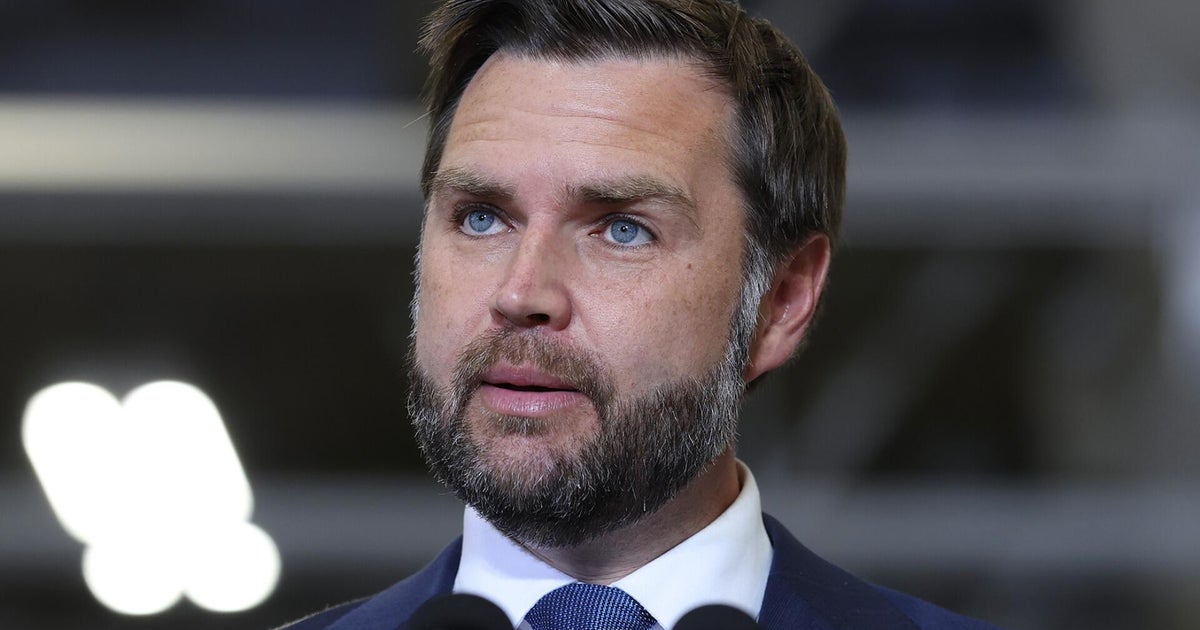
Vice President JD Vance is asking voters to support Republican candidates in the upcoming November midterm elections. He wants the public to give the Republican Party another opportunity to lead.
Key Facts
The November midterm elections are coming soon.
Vice President JD Vance is encouraging voters to back Republicans.
Vance’s message is to give Republicans "another chance."
The discussion about this was featured on CBS News and included insights from reporters Annie Karni and Carrie Dann.
Midterm elections determine control of Congress and impact U.S. government policies.
Read the Original
Want the full story? Tap a source to open the original
article.
Adam Jentleson, a Democratic Party insider, wrote a new book called "Supermajority: How Democrats Can Build Lasting Power." The book argues that Democrats need to learn from history to win and keep a strong majority in Congress. He explains this in an interview on CBS News.
Key Facts
The book is titled "Supermajority: How Democrats Can Build Lasting Power."
Adam Jentleson is the author and has experience in the Democratic Party.
The book focuses on how Democrats can increase their seats in Congress.
The goal is to build a lasting, strong majority for the party.
Jentleson emphasizes learning from past political successes and failures.
Narrow majorities in Congress make it hard for either party to get things done.
He discussed these ideas in an interview on CBS News' program "The Takeout."
Read the Original
Want the full story? Tap a source to open the original
article.
Texas has stopped issuing new permits for Flock automated license plate reader cameras on state roads, following an order by Governor Greg Abbott. Existing cameras remain in use, but no new cameras can be installed until further notice due to safety and privacy concerns.
Key Facts
The Texas Department of Transportation (TxDOT) has paused issuing permits for Flock cameras on state roads.
This pause includes permits already approved but not yet installed.
TxDOT does not install the cameras or access their data; it only approves permits.
Over 900 Flock cameras are currently operated by the Texas Department of Public Safety.
The move follows Governor Abbott’s order to stop state funding for Flock cameras.
There were about 13,000 Flock cameras statewide in August, with many now shut down.
Similar actions are being taken in other states, like Florida, where Governor Ron DeSantis ordered removal of such cameras.
Privacy concerns and reports of misuse by police officers have caused cities and counties in Texas to unplug their cameras.
Read the Original
Want the full story? Tap a source to open the original
article.
President Donald Trump announced he is banning three news outlets—CNN, MSNBC, and Politico—from the White House because he is unhappy with their coverage. He did not explain how the ban would work and said more outlets could be banned in the future.
Key Facts
President Trump banned CNN, MSNBC, and Politico from the White House.
The reason given was "unfavorable coverage" by these outlets.
No details were provided on how the ban would be enforced.
President Trump said other media organizations might also be banned later.
The move raises questions about press freedom and the First Amendment, which protects free speech and a free press.
White House Correspondent Liz Landers reported on this announcement.
Read the Original
Want the full story? Tap a source to open the original
article.
Senator John Curtis criticized Donald Trump Jr. for accepting a large payment from a Russian oligarch connected to the Kremlin to help fund his wedding after-party in the Bahamas. Curtis described this as corruption and said he will provide more details soon.
Key Facts
Senator John Curtis is a Republican from Utah.
Donald Trump Jr. held a wedding after-party in the Bahamas this year.
A Russian oligarch with links to the Kremlin paid hundreds of thousands of dollars for the event.
Curtis called this payment “corruption.”
Curtis said he plans to share more information about this situation in the future.
The story involves members of President Trump’s family.
The payment raises questions about ties between Americans and Russian figures.
Read the Original
Want the full story? Tap a source to open the original
article.
New data shows that Democrats are gaining support in some states that usually vote Republican. These states have Senate elections coming up in November, making them more competitive than usual.
Key Facts
Some Senate seats in states that usually vote Republican are now competitive.
Democrats are making progress with voters in these states.
Senate elections will take place in November.
The information comes from recent data analysis.
Zachary Donnini, a data expert from VoteHub, discussed these findings on CBS News.
The focus is on changes in voter behavior leading to closer races.
This trend could affect the balance of power in the Senate.
Read the Original
Want the full story? Tap a source to open the original
article.
The Trump administration has changed how it handles immigration enforcement. Instead of big, noticeable raids, federal immigration agents now work more with state and local police, leading to higher numbers of arrests.
Key Facts
Immigration raids used to be large and public, causing protests.
The current approach involves more cooperation with state and local law enforcement.
This change has caused an increase in immigration arrests, described as a "shadow surge."
The shift in tactics means fewer high-profile operations.
The information comes from a discussion between Geoff Bennett and Lauren Villagran of The Marshall Project.
The new strategy focuses on blending federal and local efforts rather than acting alone.
This method aims to make enforcement less visible to the public.
Read the Original
Want the full story? Tap a source to open the original
article.
The Justice Department announced it will no longer criminally enforce a federal law that stops licensed gun sellers from selling handguns to people aged 18 to 20. This decision is based on a legal opinion that the law violates the Second Amendment right to bear arms.
Key Facts
The law in question is from 1968 and restricts handgun sales to those under 21 by licensed dealers.
The Justice Department’s Office of Legal Counsel says the law is unconstitutional for 18- to 20-year-olds.
This decision does not come from a court ruling but guides federal prosecutors on enforcement.
The Department of Justice’s opinion argues that 18- to 20-year-olds are adults protected by the Second Amendment.
The Bureau of Alcohol, Tobacco, Firearms and Explosives (ATF) has not yet updated its rules to reflect this change.
Gun safety groups say the decision is dangerous and claim the law has helped protect public safety for a long time.
The Supreme Court has not ruled on this law’s constitutionality, and courts remain divided on age restrictions for gun purchases.
This move fits into President Trump’s wider policy efforts to expand gun rights and reduce government regulations on firearms.
Read the Original
Want the full story? Tap a source to open the original
article.
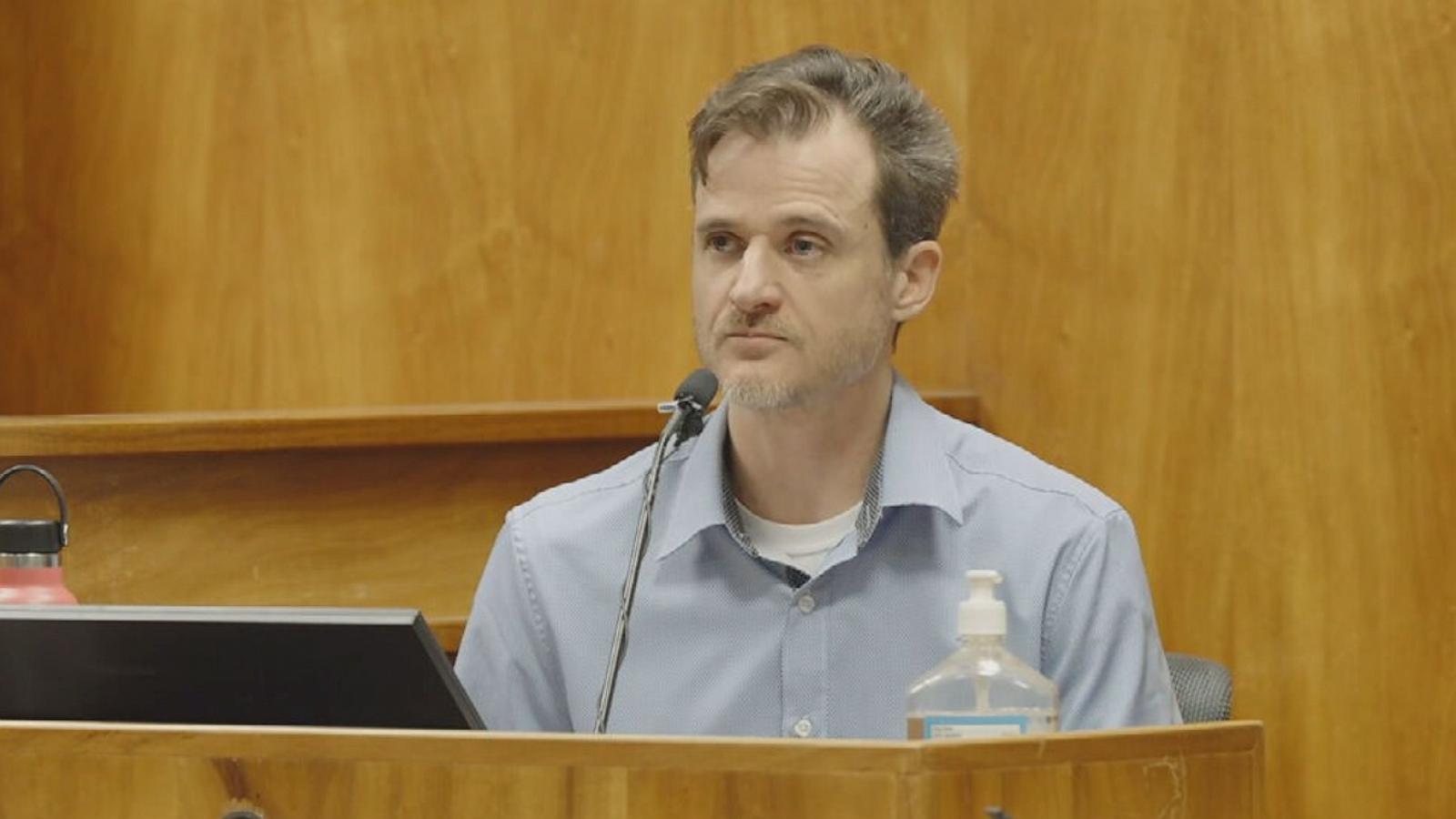
Dr. Gerhardt Konig, a Hawaii doctor convicted of trying to kill his wife during a hike, was denied a new trial. A judge found no proof that jurors were influenced by outside information during the trial.
Key Facts
Dr. Gerhardt Konig was convicted of attempted manslaughter for attacking his wife during a hike in Hawaii.
The attack allegedly involved pushing his wife near a cliff and hitting her with a rock multiple times.
The defense asked for a new trial, claiming a juror might have shared trial details outside the jury.
Judge Paul B.K. Wong questioned all jurors, who denied discussing the case outside deliberations.
The judge ruled there was no outside influence on the jury, so the motion for a new trial was denied.
Konig was convicted of a lesser charge of attempted manslaughter, based on extreme mental or emotional disturbance.
His sentencing is scheduled for January 8, 2027, with a maximum possible sentence of 20 years.
Both Konig and his wife gave differing testimonies during nearly three weeks of trial.
Read the Original
Want the full story? Tap a source to open the original
article.
The article reflects on the author’s experience working as communications director for Senator Bob Dole. It highlights Dole’s challenging childhood, bravery in World War II, long hospital stay recovering from serious injuries, and his kind nature.
Key Facts
The author served as communications director for Senator Bob Dole from Kansas.
Bob Dole had a difficult childhood.
He was a hero during World War II.
Dole spent three years in the hospital recovering from very serious wounds.
The author admires his personal goodness.
Read the Original
Want the full story? Tap a source to open the original
article.
President Donald Trump announced on social media that he is banning CNN, MSNBC, and Politico from the White House. He said the ban is immediate and is because he believes these news outlets spread false information. Several Fox News contributors publicly criticized this decision.
Key Facts
President Trump banned CNN, MSNBC, and Politico from the White House.
The ban was announced via a post on Truth Social, Trump's social media platform.
Trump said the ban is due to these outlets reporting "fake news."
The ban is effective immediately.
Several Fox News contributors spoke out against the ban.
The ban restricts these news organizations from attending White House events and briefings.
This action marks a rare step of limiting press access by a sitting U.S. president.
Read the Original
Want the full story? Tap a source to open the original
article.
Democratic lawmakers introduced a resolution to stop President Donald Trump’s new nuclear deal with Saudi Arabia. The agreement would let the U.S. assist Saudi Arabia in creating a nuclear power program for peaceful use, but some worry it might not prevent Saudi Arabia from developing nuclear weapons.
Key Facts
President Trump’s administration made a nuclear agreement with Saudi Arabia.
The deal supports Saudi Arabia in building a peaceful nuclear power program.
Some people are concerned the agreement lacks strong safety measures.
Critics worry Saudi Arabia could use the deal to develop nuclear weapons.
Democratic representatives introduced a resolution to block this deal.
The resolution is a formal way to express opposition in the government.
Read the Original
Want the full story? Tap a source to open the original
article.
President Donald Trump said his son, Donald Trump Jr., paid back a Russian oligarch who partly paid for wedding celebrations in the Bahamas. Trump Jr. and his wife confirmed that the oligarch gave money as a gift to fund some of the festivities.
Key Facts
A Russian oligarch with close ties to President Vladimir Putin helped pay for part of Donald Trump Jr.’s wedding festivities.
The wedding took place over three days on a private island in the Bahamas.
President Trump said that paying back for hosting wedding events is common and allowed.
The oligarch, Umar Kremlev, leads the International Boxing Association, which is linked to the Russian state energy company Gazprom.
Kremlev has received a top honor from Putin and was part of a delegation visiting China with Putin.
There is no proof yet that Trump Jr. paid back Kremlev; journalists are still checking.
Trump Jr. is a private citizen, so receiving gifts from foreigners is not illegal but may raise ethical concerns.
Ethics groups say expensive gifts from people close to foreign leaders could create conflicts of interest.
Read the Original
Want the full story? Tap a source to open the original
article.
The Texas Senate race is becoming very competitive because the Republican Party in Texas is facing challenges like scandals, higher prices, and debates about big technology companies. These issues give Democrats confidence that they might win the Senate seat, despite Texas being a Republican stronghold for many years.
Key Facts
Texas has voted mostly Republican for the past 30 years.
Changing population patterns in Texas have sometimes helped Democrats in past elections.
This year, the Republican Party in Texas is dealing with political scandals.
Rising prices are causing concern among voters.
Conflicts over large technology companies are dividing Republicans.
These problems are encouraging Democrats to believe they can win the Texas Senate race.
The race is seen as more competitive than usual.
Read the Original
Want the full story? Tap a source to open the original
article.
President Donald Trump has banned three media outlets from accessing the White House. The ban means reporters from these organizations are no longer allowed to cover events inside the White House. The news also includes details about a fire caused by a power bank on an airplane.
Key Facts
President Trump banned three specific media outlets from White House access.
The ban affects journalists’ ability to report directly from the White House.
This move limits media coverage of President Trump’s activities inside the White House.
The news report also covers a power bank fire that happened on a plane.
A power bank is a portable device used to charge phones and other electronics.
The fire incident on the plane raised safety concerns about carrying such devices.
CBS Evening News is providing updates on both stories.
Read the Original
Want the full story? Tap a source to open the original
article.