Neutral summaries of your favorite news sources — just the facts.
Your favorite news sources, one neutral feed — we distill their reporting into fact-first
summaries and always link to the original story. How it works
World News
Comprehensive coverage of international news and global events
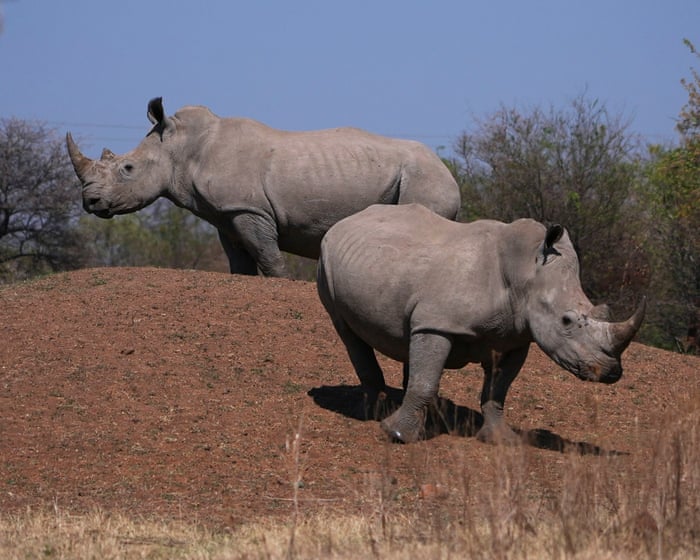
Two men in South Africa have been sentenced in the world’s largest rhino-horn trafficking case after almost 20 years of legal proceedings. They faced many charges including illegal hunting and money laundering linked to rhino horns, which are highly poached for use in traditional medicine.
Key Facts
Dawie Groenewald and Tielman Erasmus were sentenced for their roles in a large rhino-horn trafficking case.
Groenewald, called the “mastermind” by police, was fined 2 million rand or given four years in prison; Erasmus was fined 100,000 rand or three years in prison.
The charges against them included illegal hunting, dehorning rhinos, racketeering, and money laundering.
South Africa has about one-third of the world’s critically endangered black rhinos and more than 75% of southern white rhinos.
Rhino-horn poaching accounts for 81% of Africa’s poaching cases in 2024, driven by demand in traditional Chinese medicine.
The investigation began in 2007 and involved arrests of hunters, vets, pilots, and workers in a criminal group.
The case experienced many legal delays, with some accused and witnesses dying or leaving the country.
Related legal cases continue, including charges against other individuals linked to rhino horn trafficking and farming.
Read the Original
Want the full story? Tap a source to open the original
article.
Armie Hammer, once a well-known actor, is trying to restart his career after personal and legal troubles. He stars in the new action movie "Citizen Vigilante," directed by Uwe Boll, which has faced criticism and was banned in Germany.
Key Facts
Armie Hammer became famous for roles like the Winklevoss twins in "The Social Network."
His career suffered after a difficult divorce and allegations of abuse, though no charges were filed.
He stars as Sanders, a violent vigilante, in "Citizen Vigilante," a movie with controversial themes.
The film was banned in Germany because the ratings board refused to classify it.
Hammer discusses his past roles and projects that never happened, including a canceled "Justice League: Mortal" film where he was to play Batman.
Hammer also talks about his failed podcast and working on "Citizen Vigilante."
The movie came out on June 19 in some theaters and on digital platforms.
Read the Original
Want the full story? Tap a source to open the original
article.
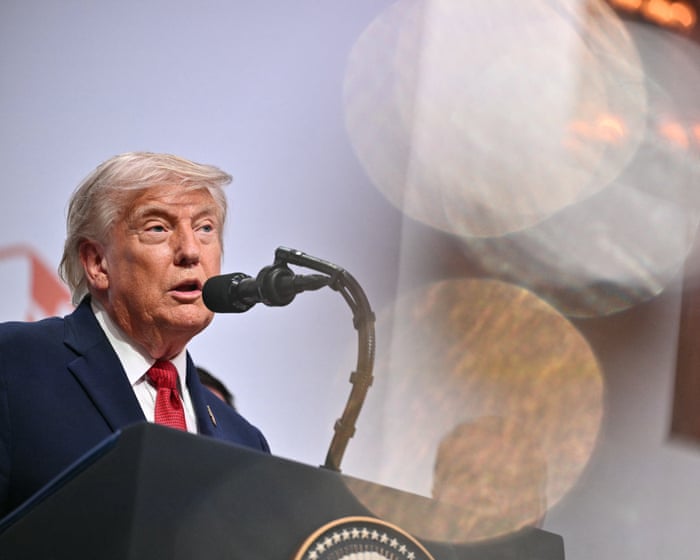
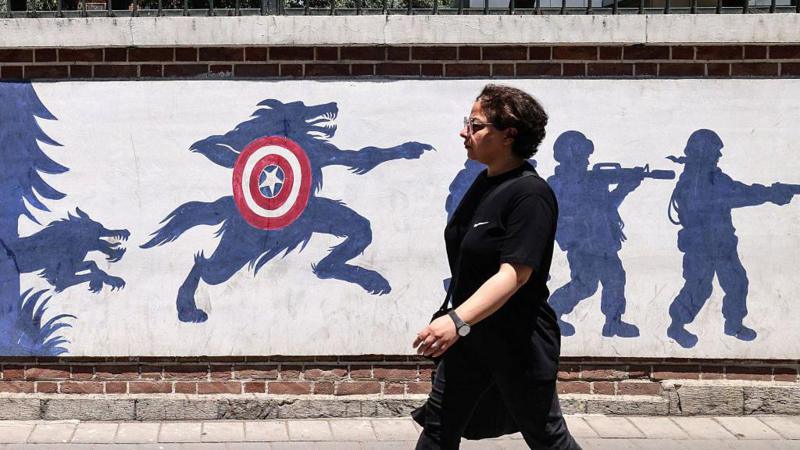
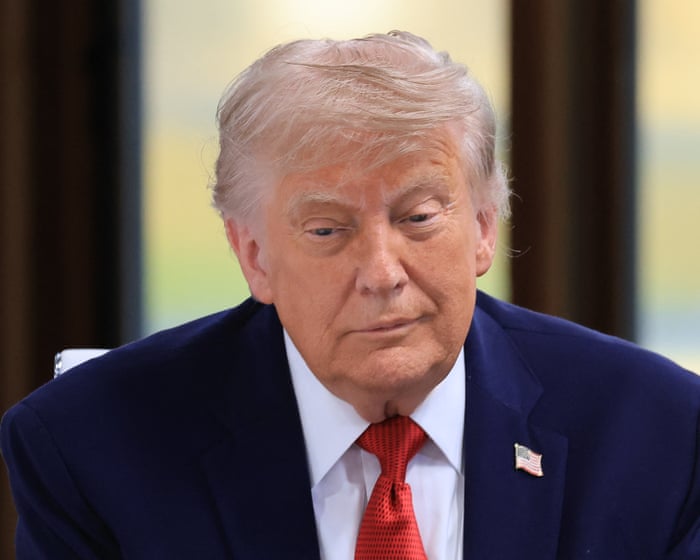
President Donald Trump has agreed to a ceasefire deal with Iran after four months of conflict that began with joint U.S. and Israeli actions. The deal includes a $300 billion fund to rebuild Iran, lifting economic sanctions, and promises not to interfere in Iran’s internal matters, marking a possible end to the war.
Key Facts
The conflict between the U.S., Israel, and Iran started about four months ago.
President Trump signed a ceasefire deal offering Iran $300 billion for rebuilding.
The deal includes ending economic sanctions on Iran.
The U.S. promises not to interfere in Iran’s internal affairs under this agreement.
Trump expressed frustration with Israeli Prime Minister Netanyahu’s military actions in Lebanon.
The war resulted in over 3,300 Iranian deaths, including more than 100 children.
Trump initially entered the conflict to prevent Iran from developing nuclear weapons.
The ceasefire aims to avoid a long, drawn-out war like previous U.S. conflicts in Vietnam, Afghanistan, or Iraq.
Read the Original
Want the full story? Tap a source to open the original
article.
Armed men attacked Niamey’s international airport and military base in Niger, killing 11 soldiers and 2 civilians. The military fought back, killing 22 attackers and arresting about 20 suspects, and the airport remains open.
Key Facts
The attack happened early Thursday morning around 6:00am local time near Niamey’s Diori Hamani International Airport.
The defence ministry confirmed 11 soldiers and 2 civilians were killed; 22 attackers were also killed.
About 20 suspects were captured by security forces after the attack.
The airport and a military airbase are located in the same area and were both targeted.
The airport stayed open during and after the attack, and a large military operation was launched.
No group claimed responsibility for this attack yet, but an ISIL affiliate had attacked the airport complex in January.
Niger has recently increased security around the airport by tearing down illegal homes, extending fences, and adding cameras.
The airport is an important site for military forces and stores uranium stocks, making it strategically significant and risky if attacked.
Read the Original
Want the full story? Tap a source to open the original
article.
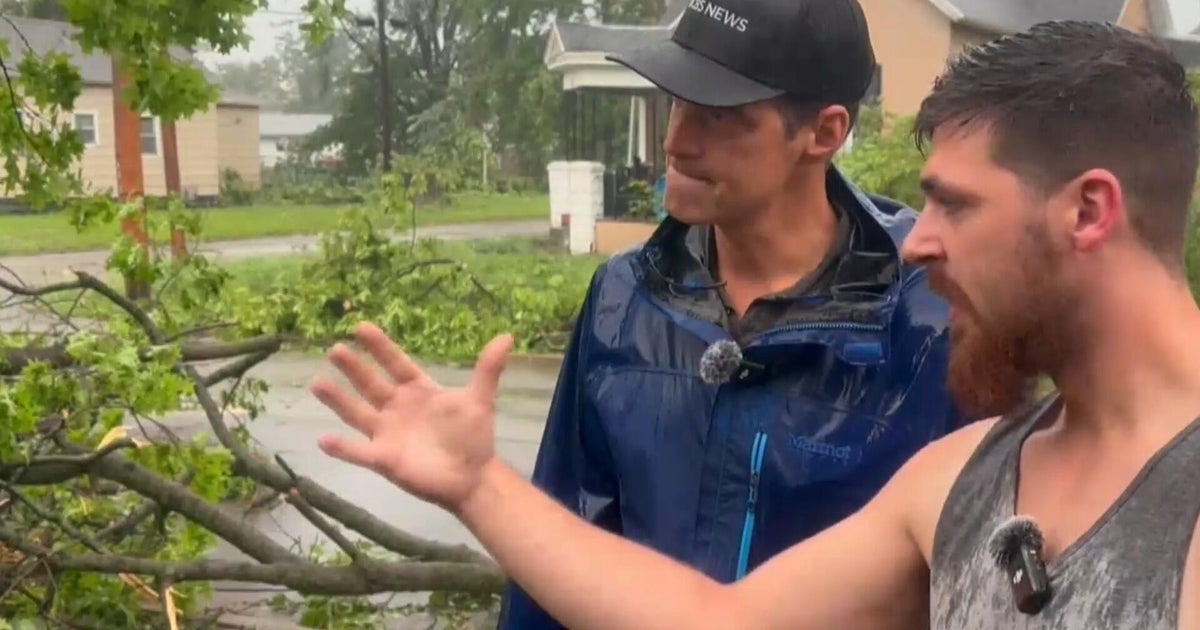
At least seven tornadoes hit parts of the Midwest and Southeast United States on Wednesday night. These tornadoes caused damage to homes and buildings and left destruction in the affected areas.
Key Facts
Seven tornadoes occurred across the Midwest and Southeast regions.
The tornadoes happened during the night on Wednesday.
Homes and buildings were damaged by the storms.
Witnesses described the tornado sound as similar to thunder.
A tornado threw a tree into a home in Illinois.
The event caused a noticeable trail of destruction.
CBS News reporter Rob Marciano covered the story.
Read the Original
Want the full story? Tap a source to open the original
article.
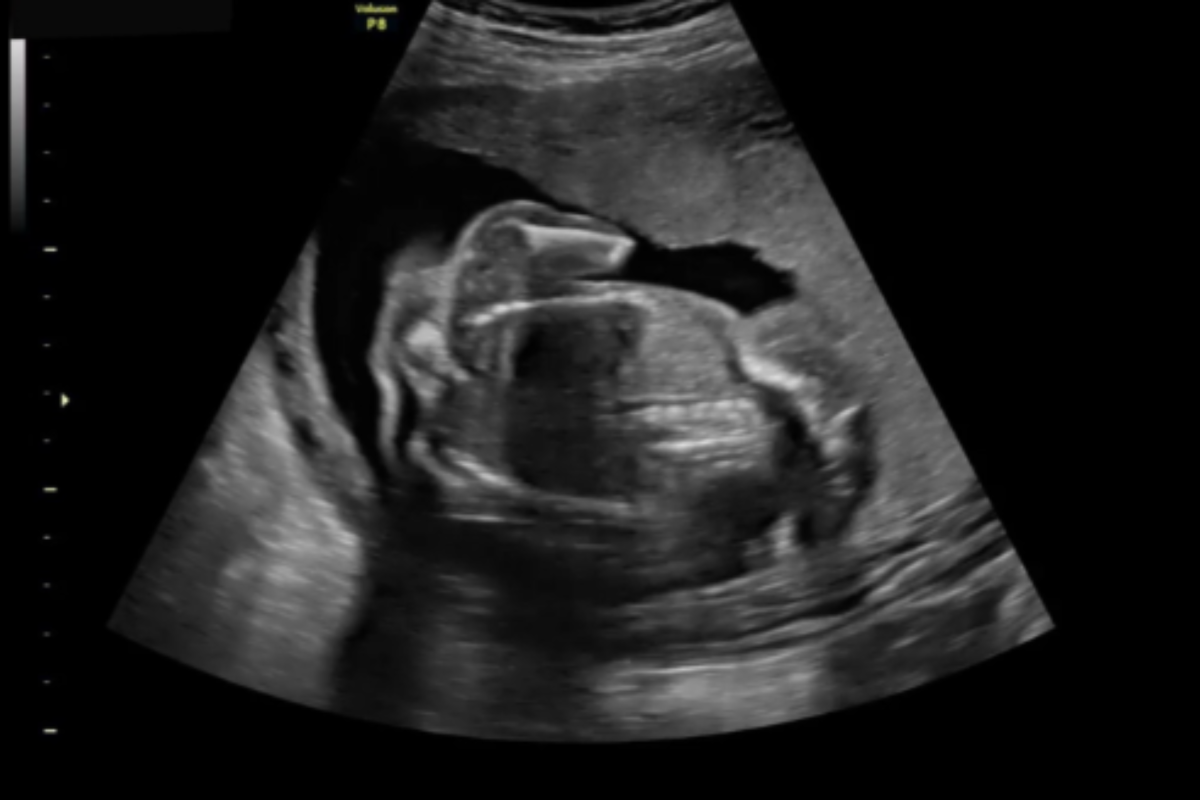
Paige Adams had a normal pregnancy until a routine 21-week scan showed her baby, Holland, was missing an arm. Doctors said a blood clot during development likely caused it, and Holland is now a happy 7-month-old meeting growth milestones.
Key Facts
Paige Adams is a mother of three; her pregnancy with Holland was normal until the 21-week scan.
The scan showed Holland was missing her left arm.
Doctors believe a blood clot during early fetal development caused the missing arm.
There is no known genetic cause or family history of limb differences.
Holland is now 7 months old and meeting important growth milestones.
Crawling is currently a challenge for Holland due to the limb difference.
Paige shared ultrasound images on TikTok, receiving positive and supportive comments.
The family is planning a trip to Disneyland with their children.
Read the Original
Want the full story? Tap a source to open the original
article.
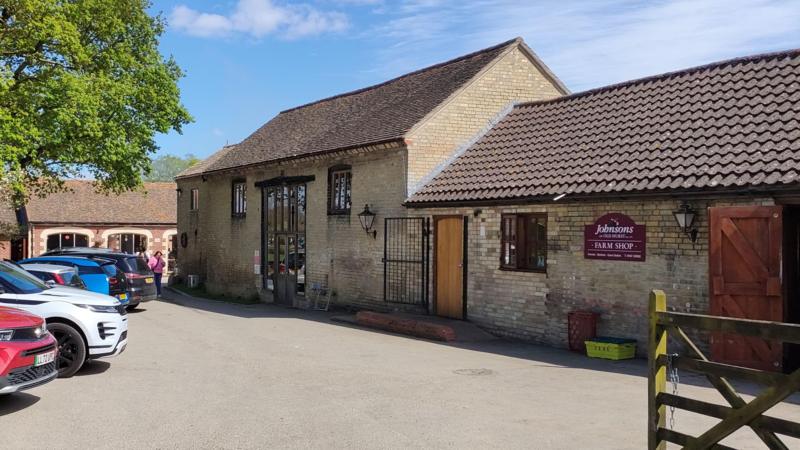
A three-year-old boy was seriously injured after entering a crocodile enclosure at a zoo in Old Hurst, Cambridgeshire. A 30-year-old man was arrested on suspicion of attempted murder, and police said the man and the child likely did not know each other.
Key Facts
The incident happened at Johnsons of Old Hurst, near Huntingdon, at 13:24 BST.
The boy was taken to Addenbrooke's Hospital and is in stable condition.
The arrested man is from Norfolk and is suspected of attempted murder.
Police do not believe the man and the boy were known to each other.
Officers are talking to witnesses to understand what happened.
The boy’s family is receiving support from the police at the hospital.
Huntingdon MP Ben Obese-Jecty called the event a critical incident and asked the public not to speculate online.
The investigation is ongoing, and more details will be shared later.
Read the Original
Want the full story? Tap a source to open the original
article.
A study of UK election data found that young men are not shifting to rightwing politics more than other groups. While young men are less progressive than young women of the same age, they remain more progressive than older men and support rightwing parties less than older groups.
Key Facts
The study used data from the British Election Study, polling around 30,000 people yearly.
Age has a bigger impact on political views than gender.
Young men aged 18 to 25 support rightwing parties less than older men.
Support for conservative parties among young men rose from 18% in 2022 to nearly 30% in 2025.
Older men’s support for conservative parties increased from 35% in 2022 to over 50% recently.
Young men’s increased support for Reform UK is smaller than that of older men and women.
Young men hold more progressive views on immigration, race, women’s rights, and homosexuality than older men.
The political shift is mostly due to young women becoming more leftwing, not young men becoming more rightwing.
Read the Original
Want the full story? Tap a source to open the original
article.
The United States and Iran have signed a memorandum of understanding to end the recent conflict that involved military strikes and economic sanctions. This deal includes reopening the Strait of Hormuz for shipping and lifting some U.S. sanctions, allowing Iran to regain access to billions of dollars in frozen assets.
Key Facts
President Donald Trump and Iranian President Masoud Pezeshkian signed a memorandum of understanding recently.
The deal aims to end the war that started on February 28, which caused many deaths, including civilians in Iran and Lebanon.
Iran blocked the Strait of Hormuz during the conflict, which affects about one-fifth of the world's oil and gas supply.
As part of the agreement, the U.S. will lift some sanctions and unfreeze billions of dollars in Iranian assets.
The memorandum calls for an end to the war in Lebanon, though Israel disagrees with this clause.
The reopening of the Strait of Hormuz means ships can once again transport goods through this key route.
The deal is seen as a step toward resuming nuclear negotiations between the U.S. and Iran.
The conflict and its resolution have political implications for leaders in both Iran and Israel.
Read the Original
Want the full story? Tap a source to open the original
article.
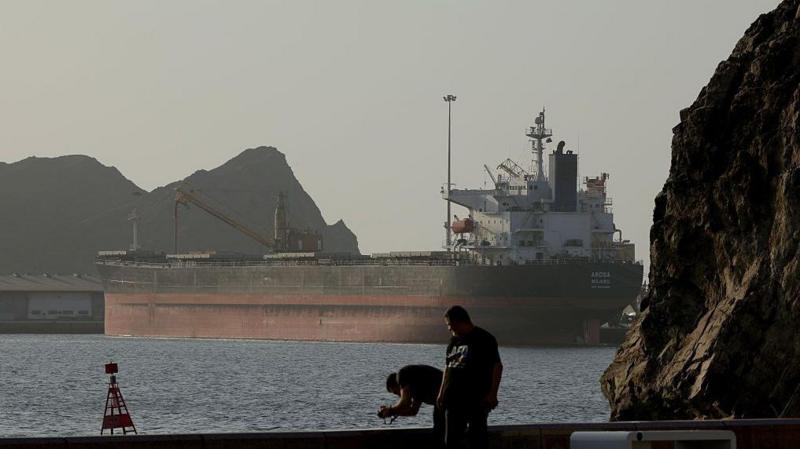
Major shipowners have started moving their ships through the Strait of Hormuz again after 110 days of blockage. This change happened after the United States and Iran signed an agreement, easing a serious energy crisis caused by the strait's closure.
Key Facts
The Strait of Hormuz is an important waterway for transporting oil and natural gas worldwide.
Ships owned by big companies like Grimaldi Group, Cosco, Knutsen, and NYK have recently passed through the strait.
Two Iranian crude oil tankers under sanctions have also entered the strait.
The main central route of the strait remains closed and contains about 80 mines.
Ships are using the smaller northern route (Iranian waters) and southern route (Omani waters), which are now open.
About 550 merchant ships, including 160 oil tankers and 200 bulk carriers, are expected to leave the Gulf area soon.
The strait had been mostly blocked since February, causing a historic energy crisis.
Read the Original
Want the full story? Tap a source to open the original
article.
President Donald Trump signed a preliminary agreement with Iran to start talks on its nuclear program, aiming to end ongoing conflicts and reopen the Strait of Hormuz. The deal differs from previous agreements by allowing Iran to keep enriched nuclear material on site and does not limit its missile program, which concerns Israel and its Prime Minister Benjamin Netanyahu.
Key Facts
President Trump signed a Memorandum of Understanding (MOU) with Iran to begin a 60-day negotiation on nuclear issues.
The agreement aims to stop fighting “on all fronts, including in Lebanon” and respects both countries’ sovereignty.
Iran promised not to develop nuclear weapons but can keep enriched uranium in the country under international supervision.
The deal does not set limits on Iran’s ballistic missile program.
The U.S. agreed to lift some sanctions immediately, allowing Iran to export oil and access some of its previously frozen funds.
Israel, led by Prime Minister Netanyahu, opposes the deal because it does not require Iran to disarm fully or stop missile development.
The agreement includes a Security Council resolution to enforce its terms.
The deal contrasts with the 2015 Iran nuclear deal, which Netanyahu strongly criticized.
Read the Original
Want the full story? Tap a source to open the original
article.
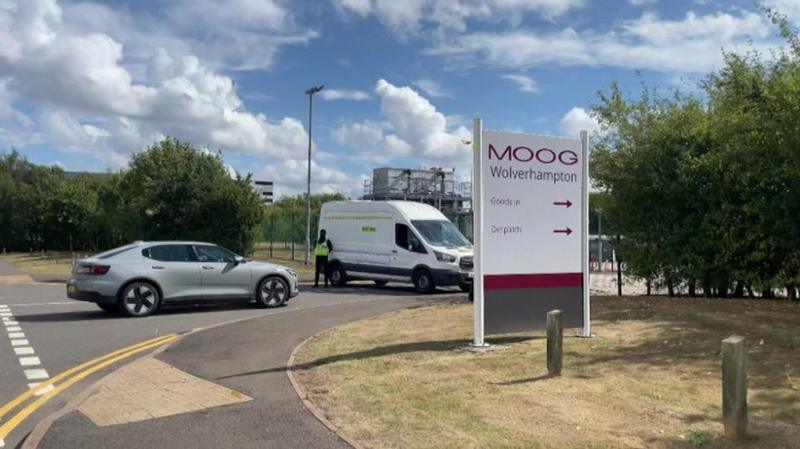
A jury in Birmingham Crown Court could not decide the verdict for four pro-Palestinian protesters who broke into a factory near Wolverhampton. The jury was discharged after almost 18 hours of discussion, and the prosecutors will decide if there will be a new trial.
Key Facts
Four protesters admitted breaking into the Moog factory in August but denied criminal damage charges.
The protesters believed the factory was linked to Israel’s supply chain and claimed their actions were lawful.
The jury took about 17 hours to try to reach a verdict but could not agree.
The damage included cutting parts of the roof, exposing machinery to rain, smashed windows, and hundreds of destroyed solar panels.
The protesters said their goal was to stop what they believed was criminal activity by the factory.
The four defendants are Iain Evans (33), Hisham Alkhamesi (23), Hana Yun-Stevens (24), and Frank Sherman (23).
Prosecutors will decide whether to ask for a new trial.
The defendants were released on bail until their next court hearing on July 3.
Read the Original
Want the full story? Tap a source to open the original
article.
President Donald Trump signed a peace deal with Iran in 2029 that marks a significant retreat from earlier U.S. demands on Iran’s nuclear program. The agreement allows Iran to continue uranium enrichment under specific rules, easing previous restrictions and opening the possibility of some sanctions relief, while the reopening of the strategic Strait of Hormuz remains uncertain.
Key Facts
The peace deal signed by President Trump in 2029 replaces tougher U.S. demands made in 2025 before a war involving Israel.
The 2025 U.S. proposal required Iran to eliminate most uranium enrichment and nuclear materials, but the new deal permits limited enrichment inside Iran.
Iran can keep enriched uranium stockpiles capped at 3.67% purity, monitored by the International Atomic Energy Agency (IAEA).
Financial waivers for related services like banking, insurance, and transport will be necessary to allow Iranian oil exports.
Broad sanctions relief may follow once all nuclear negotiations are satisfactorily completed, potentially reshaping U.S.-Iran relations.
The Strait of Hormuz, vital for global oil shipping, will remain open only temporarily, with Iran and Gulf neighbors discussing its future after 60 days.
A $350 billion fund for rebuilding Iran is proposed but the U.S. will not provide funding, relying instead on Gulf states and others.
The deal reflects a shift from confrontation to negotiation after years of conflict and sanctions against Iran.
Read the Original
Want the full story? Tap a source to open the original
article.
A physical therapist explains that people in their forties can protect their long-term movement and independence by adopting simple daily habits. These include strength training focused on practical movements, staying active throughout the day, maintaining good posture, and using physiotherapy to prevent injuries.
Key Facts
Muscle loss happens naturally with age, so strength training helps keep bones strong and supports daily movements.
Exercises like squats, hinges, balancing, and sit-to-stand movements improve practical strength.
Moving regularly in small amounts during the day helps keep joints and muscles flexible and reduces stiffness.
Good posture affects breathing, stability, and movement; focusing on breathing through the whole rib cage improves alignment.
Physiotherapy can be used not only for injuries but also as a preventive "tuneup" to avoid future problems.
A recommended exercise routine includes 360-degree breathing, squats, and hinges with attention to breathing out during effort.
Pelvic floor strength is important and works together with core and breath to support longevity and function.
Spending long times sitting can cause the rib cage to collapse forward and reduce coordination of core muscles.
Read the Original
Want the full story? Tap a source to open the original
article.
Iran and the United States have signed a Memorandum of Understanding (MoU) that sets a 60-day plan to negotiate Iran’s nuclear program and calls for an immediate stop to military actions. The deal includes reopening the Strait of Hormuz, lifting the US naval blockade, and starting talks on sanctions and economic rebuilding. Both sides face challenges ahead, especially over Iran’s enriched uranium and nuclear facilities.
Key Facts
The MoU was signed separately by President Donald Trump and Iranian President Masoud Pezeshkian.
It establishes a 60-day negotiation period focused on Iran’s nuclear program.
All military operations on various fronts, including Lebanon, are to stop immediately.
The Strait of Hormuz will be reopened for safe commercial shipping.
The US will remove its naval blockade and issue waivers for Iranian oil exports.
The US plans to release frozen Iranian assets and work on a $300 billion reconstruction plan for Iran.
Iran agrees to not pursue nuclear weapons and cooperate on uranium enrichment talks.
Hardline critics in Iran may oppose compromises needed to progress, risking the ceasefire.
Read the Original
Want the full story? Tap a source to open the original
article.
The British Foreign Office has removed its "do not travel" warning for Dubai after the US and Iran agreed to stop the war in the Middle East. However, it still warns that the situation could change quickly and attacks might start again without warning.
Key Facts
The UK government no longer advises against travel to Dubai, making it easier for Britons to visit.
The US and Iran signed a peace agreement aiming to end their conflict in the Middle East.
The Foreign Office says the situation remains unstable and attacks could restart suddenly.
Thousands of British travelers were stranded when the conflict began, and many airlines stopped flights to the region.
Virgin Atlantic will not restart flights to Dubai until winter 2027, while British Airways plans to resume in October 2026.
Emirates airline has continued flying to the UAE throughout the conflict.
More than 1.4 million Britons visited Dubai last year, making it a major destination for holidays and business.
The UK government also lifted travel warnings for Qatar and most parts of Saudi Arabia.
Read the Original
Want the full story? Tap a source to open the original
article.
US Vice President JD Vance announced that a 60-day negotiation period under a new draft agreement with Iran has started. The deal has led to increased oil flow through the Strait of Hormuz and aims to reduce hostilities between the US and Iran.
Key Facts
A draft peace deal between the US and Iran was signed, beginning a 60-day negotiation period.
Over 12.5 million barrels of oil passed through the Strait of Hormuz overnight, the highest amount since the conflict began in February.
The US lifted its naval blockade as part of the agreement, allowing ships to reach Iranian ports.
Iran keeps the right to self-defense but is expected to give up missiles that could threaten many countries.
The agreement aims to enable the Lebanese government to control southern Lebanon instead of the Iran-backed group Hezbollah.
The goal is to reduce conflict in the region and prevent attacks between Israel and Lebanon.
Talks on how to implement the deal are planned to continue in Switzerland.
Read the Original
Want the full story? Tap a source to open the original
article.
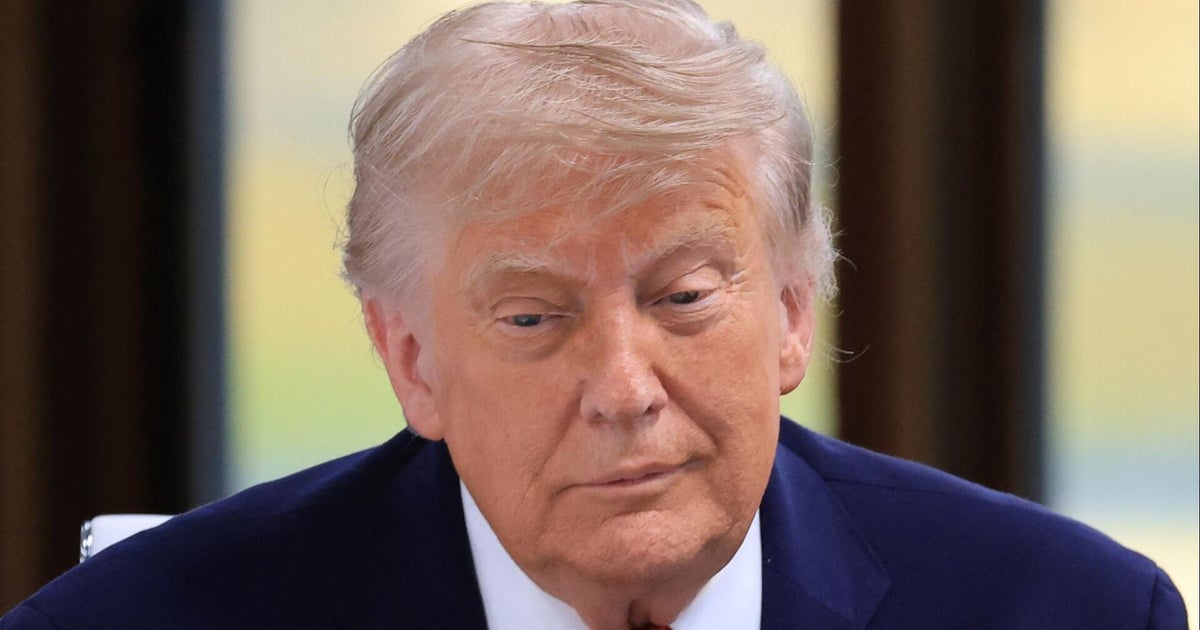
President Donald Trump signed a memorandum of understanding with Iran, starting a 60-day negotiation period between the two countries. President Trump said the deadline for these talks is flexible as long as Iran behaves appropriately.
Key Facts
President Trump signed an agreement with Iran on Wednesday.
This agreement starts a 60-day period for negotiations.
The deadline for these talks can be extended if Iran behaves well.
CBS News and BBC reporters provided updates on the deal.
A professor from Florida International University offered expert analysis.
The talks focus on improving relations and resolving issues between the U.S. and Iran.
Read the Original
Want the full story? Tap a source to open the original
article.
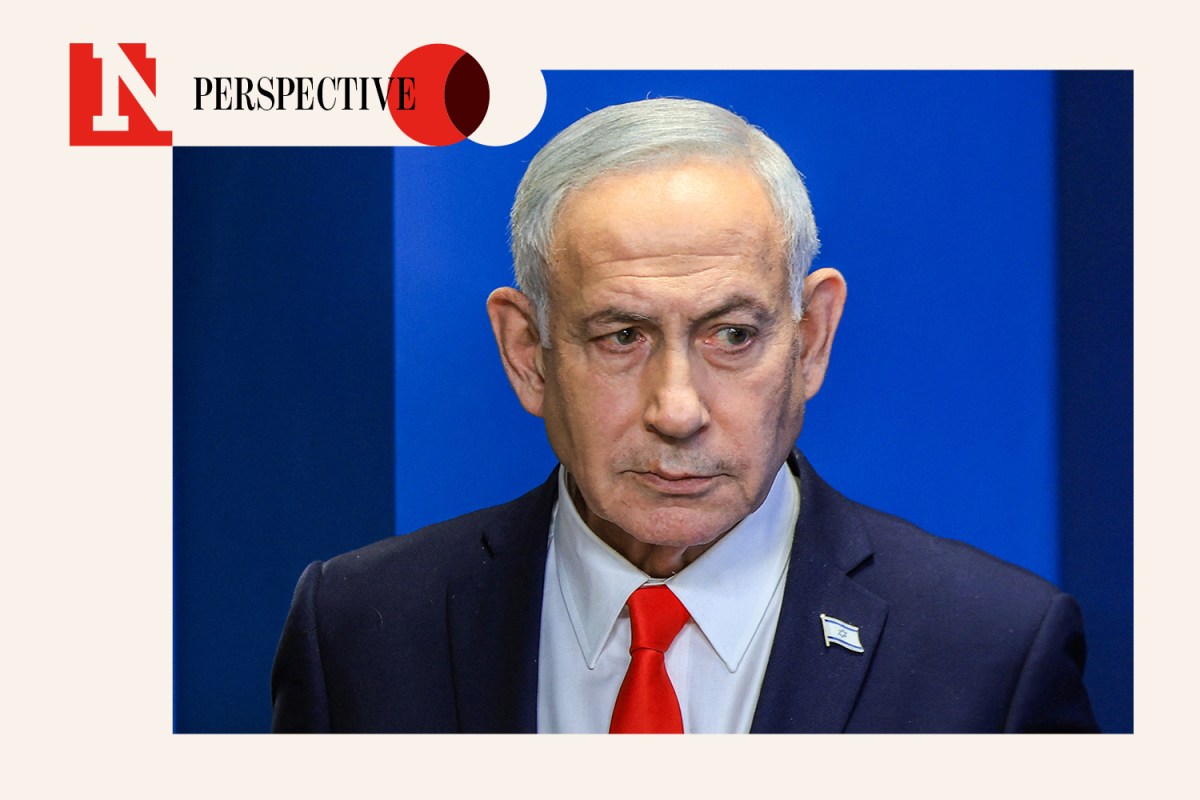
The United States and Iran have made an initial agreement aimed at ending the war and reopening the Strait of Hormuz. Israel strongly opposes the deal, saying it harms its security, and Israeli leaders have expressed deep concern while the Prime Minister has not yet commented.
Key Facts
The US and Iran signed a first deal to help stop the war.
The deal reopens the Strait of Hormuz, a key waterway for oil shipments.
It starts a 60-day period to continue talks on Iran’s nuclear program.
Israeli political groups widely see the deal as harmful to Israel’s safety.
Israel’s Prime Minister has not made any official statement about the deal.
The agreement has caused shock and strong reactions in Israel.
The deal is part of a broader and ongoing negotiation process.
Read the Original
Want the full story? Tap a source to open the original
article.
Gulf states are changing their defense strategies after a war involving Iran and a surprise attack by the US and Israel on Iran. As talks between the US and Iran resume and the Strait of Hormuz reopens, these countries are looking for new ways to protect themselves.
Key Facts
The US and Israel launched an unexpected attack on Iran.
This conflict caused Gulf states, once seen as safe, to feel uncertain about their security.
Gulf countries are now seeking to diversify their defense approaches.
The Strait of Hormuz, a key waterway, has reopened after being affected by the conflict.
US-Iran talks have begun again following the war.
The situation has led to reactions from different Middle Eastern countries.
There is ongoing discussion about a $300 billion fund to help rebuild Iran.
The US and Israel’s relationship has been affected by the war and subsequent deal-making.
Read the Original
Want the full story? Tap a source to open the original
article.