Neutral summaries of your favorite news sources — just the facts.
Your favorite news sources, one neutral feed — we distill their reporting into fact-first
summaries and always link to the original story. How it works
World News
Comprehensive coverage of international news and global events
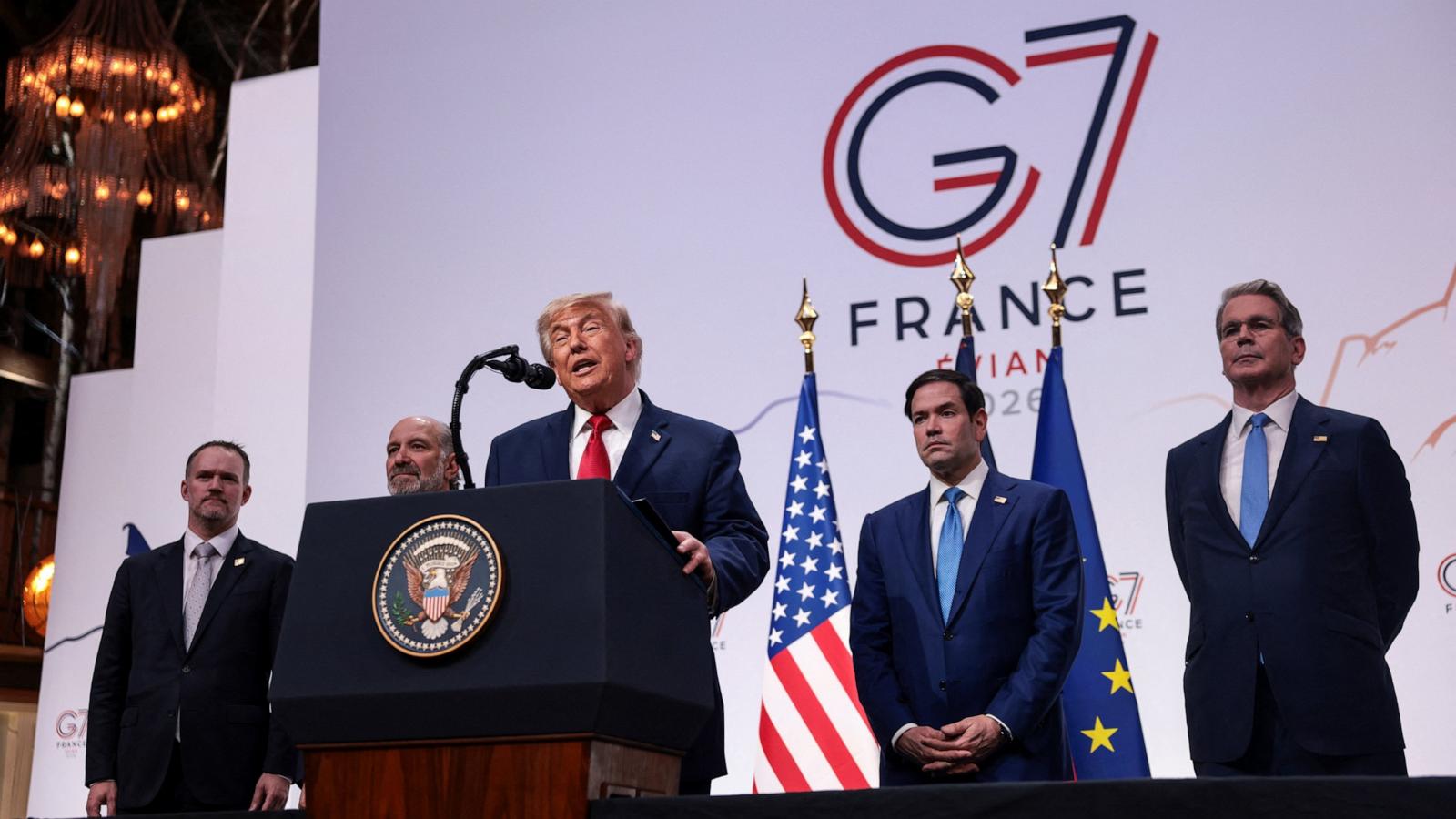
G7 leaders met in France to discuss ways to increase pressure on Russia to end the war in Ukraine. During the summit, U.S. President Donald Trump showed a tougher stance on Russia and signed an agreement aimed at ending the conflict with Iran.
Key Facts
The G7 includes Britain, Canada, France, Germany, Italy, Japan, and the United States.
The leaders agreed to increase sanctions on Russia, especially targeting its fossil fuel revenues.
They decided to provide more air defense equipment and allow Ukrainian companies to produce long-range missiles and defense systems.
President Trump signed a memorandum of understanding to help end the conflict between the U.S. and Iran.
Ukrainian President Volodymyr Zelensky attended the summit and held talks with President Trump.
European leaders noted a change in the U.S. approach to the Ukraine conflict, with Trump adopting a harder line on Russia.
Discussions about regulating artificial intelligence also took place, with some European countries pushing for stronger protections for minors.
Leading AI experts from major companies like OpenAI and DeepMind attended part of the summit.
Read the Original
Want the full story? Tap a source to open the original
article.
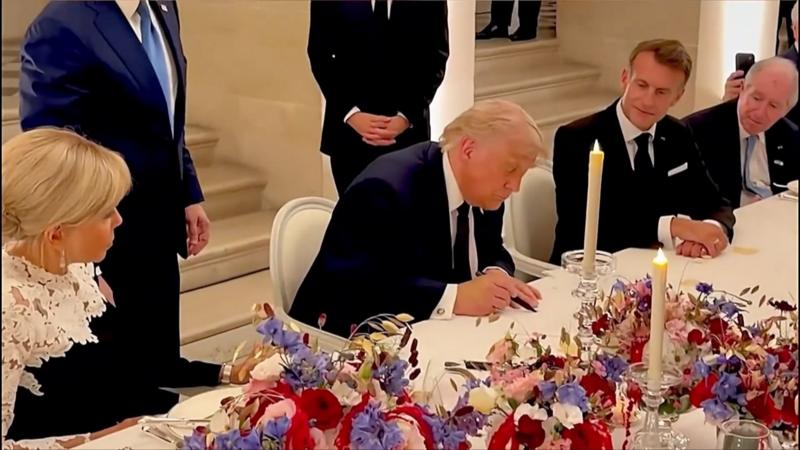
President Donald Trump signed a 14-point agreement to extend a ceasefire with Iran at the Palace of Versailles in France. The agreement, called a Memorandum of Understanding, was signed after a G7 dinner with French President Emmanuel Macron and First Lady Brigitte Macron.
Key Facts
The agreement extends the ceasefire between the United States and Iran.
It was signed at the historic Palace of Versailles near Paris.
The agreement is a Memorandum of Understanding with 14 points.
The signing took place following a G7 summit dinner.
French President Emmanuel Macron and First Lady Brigitte Macron were present.
The event marks continued diplomatic efforts between the US and Iran.
President Trump also mentioned that the US is importing millions of barrels of oil from Iran.
The article references recent tensions and missile strikes exchanged between Israel and Iran.
Read the Original
Want the full story? Tap a source to open the original
article.
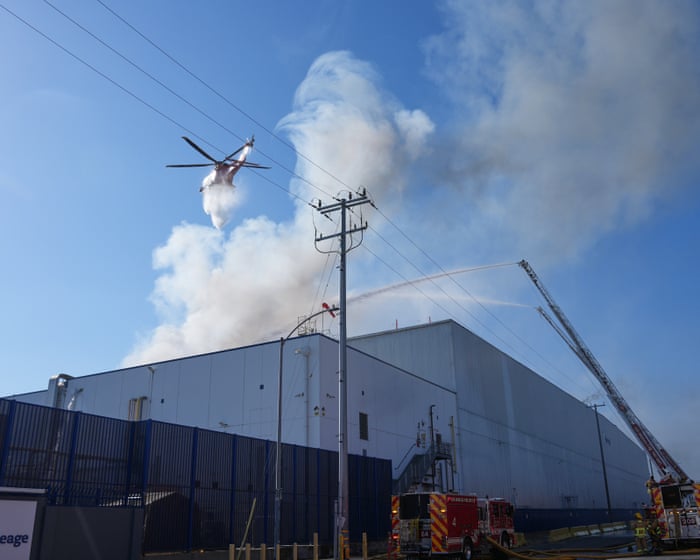
A fire broke out on the solar panel-covered roof of a large cold storage warehouse in Los Angeles, causing thick smoke and the release of ammonia gas. City officials ordered nearby residents to stay indoors while firefighters and hazmat teams worked to control the blaze.
Key Facts
The fire happened at a 500,000 square-foot cold storage facility owned by Lineage in the Boyle Heights area.
About 110 firefighters responded to the fire, along with hazmat teams from the city and county.
The fire started on the solar panel-covered roof; the cause is still under investigation.
An ammonia line burst, releasing toxic and flammable ammonia gas into the air.
Officials advised people nearby to stay inside, keep windows and doors closed, turn off air conditioning, and avoid travel near the site.
Firefighters used helicopters to drop water on the fire because it was too dangerous to fight from the roof.
The roof showed signs of sagging, and there was concern about lithium ion batteries that store solar energy being on the roof.
Lithium ion battery fires are difficult and dangerous to put out due to a process called thermal runaway.
Read the Original
Want the full story? Tap a source to open the original
article.
Brazilian President Luiz Inácio Lula da Silva warned US President Donald Trump not to interfere in Brazil’s October presidential election. The warning came after Trump criticized Brazil’s judiciary for actions against Lula’s political opponents and amid other tensions including new US tariffs and the designation of Brazilian drug gangs as terrorist groups.
Key Facts
Lula warned Trump against meddling in Brazil’s upcoming presidential election.
Trump criticized Brazil’s judicial actions targeting Lula’s political rivals.
Tensions between Brazil and the US have increased due to proposed US tariffs on Brazilian imports.
The US government labeled Brazil’s largest drug gangs, First Command Capital and Red Command, as foreign terrorist organizations, a move opposed by Lula.
Lula believes the US sanctions and tariffs ignore Brazil’s sovereignty and unfairly target Brazilian officials.
Brazil’s Supreme Court sentenced Eduardo Bolsonaro, son of former President Jair Bolsonaro, to prison for interfering in his father’s coup trial.
Trump said Brazil had become “dangerous politically” and mentioned wanting to arrest “Bolsonaro junior,” referring either to Eduardo or Flávio Bolsonaro, who is running for president against Lula.
Bolsonaro’s sons recently met US officials, including Trump, shortly before the drug gang terrorism designations.
Read the Original
Want the full story? Tap a source to open the original
article.
Iranian negotiator Mohammad Bagher Ghalibaf said that talks and diplomacy achieved better results than war. He also mentioned that a recent Israeli strike on Beirut motivated President Donald Trump to take action.
Key Facts
Mohammad Bagher Ghalibaf is an Iranian negotiator.
Ghalibaf believes diplomacy was more effective than military action.
Israel carried out a strike on Beirut, the capital of Lebanon.
Ghalibaf called the strike a last-ditch attempt to disrupt an agreement (MOU).
He said this strike pushed President Donald Trump to respond.
The focus of the comments was on the importance of talks over conflict.
Read the Original
Want the full story? Tap a source to open the original
article.
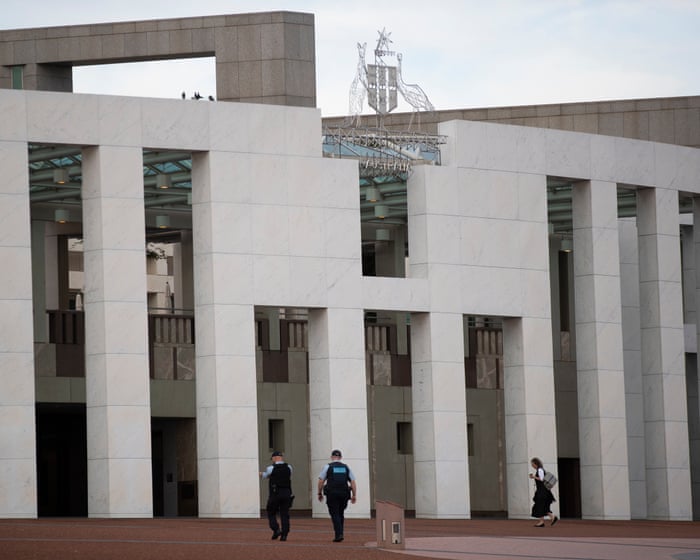
Australia will soon make public the names of political lobbyists who have special access to Parliament House and the MPs who sponsor their entry passes. New rules will require two MPs to approve each lobbyist’s pass, introduce fees, restrict access times, and increase transparency through an online register.
Key Facts
Political lobbyists with access passes to Parliament House will be publicly named in an online register.
Two MPs must now approve a lobbyist’s access pass, with the main sponsor held responsible for their conduct.
Fees will be introduced for lobbyist and commercial passes.
Over 2,050 sponsored passes existed as of mid-2024, but it is unclear how many belong to paid lobbyists.
The pass system review was led by House Speaker Milton Dick and Senate President Sue Lines, following a request from the Prime Minister.
Lobbyists will keep orange passes, while commercial and community groups will get light blue passes showing sponsoring MPs and organizations, but not individual names.
Access will be restricted to certain hours and days; passes will not allow free movement on weekends or late at night.
Former state and territory parliamentarians’ passes will be limited to former premiers, chief ministers, and ministers.
Read the Original
Want the full story? Tap a source to open the original
article.
President Donald Trump and Iranian President Masoud Pezeshkian have signed an agreement called a Memorandum of Understanding to end the war between the United States and Iran. Negotiators from both countries will meet in Geneva to continue working on the details of the agreement.
Key Facts
President Donald Trump and Iranian President Masoud Pezeshkian signed a Memorandum of Understanding.
The agreement aims to end the war between the U.S. and Iran.
Negotiating teams from both countries will meet in Geneva on Friday.
The meeting will work on further details of the agreement.
The Memorandum of Understanding is a formal agreement showing intent to cooperate.
Mike Hanna provided the details about the situation.
Read the Original
Want the full story? Tap a source to open the original
article.
President Donald Trump announced a new agreement with Iran aimed at preventing economic disaster and stopping Iran from obtaining nuclear weapons. He said Iran could keep some ballistic missiles, similar to other countries in the region, and warned that bombing could resume if Iran breaks the deal.
Key Facts
President Trump finalized a memorandum of understanding with Iran to avoid economic problems and war.
Trump compared avoiding economic collapse to not wanting to be like Herbert Hoover, a U.S. president linked to the Great Depression.
The deal was signed on Wednesday night in France, but the full text has not been made public.
Trump described the deal as historic and strong but said bombing Iran could restart if they violate the terms within 60 days.
Iran agreed not to develop nuclear weapons under the deal.
Trump said Iran can keep some ballistic missiles since neighboring countries like Saudi Arabia have them.
The president mentioned working with Gulf nations to address missile issues beyond nuclear concerns.
Trump expressed that it would be unfair for Iran to be disarmed of missiles while other countries in the region keep theirs.
Read the Original
Want the full story? Tap a source to open the original
article.
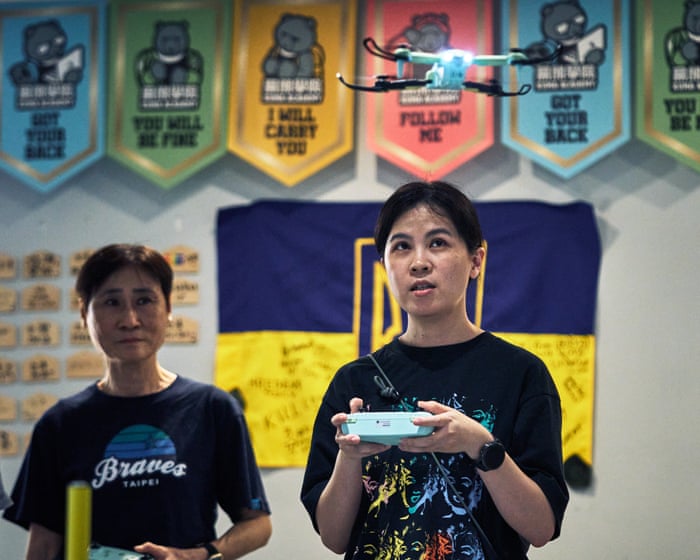
Taiwan has started its first civil defence drone training program to teach citizens how to use drones for emergency and defence purposes. This effort is inspired by Ukraine’s use of drones in its conflict with Russia and aims to prepare Taiwanese people amid concerns about China’s military threat.
Key Facts
Taiwan launched its first civil defence drone training program in May.
The program teaches people to pilot drones for surveillance and rescue tasks.
Ukraine’s use of drones against Russia influenced Taiwan’s new training efforts.
Over 30 volunteer civil defence groups are active in Taiwan.
The number of registered drones in Taiwan passed 39,000 by December 2023.
Taiwan’s Civil Aviation Administration lowered drone registration age to 14 in 2024.
Some Taipei high schools run drone-building summer camps for students.
The drone course participants range widely in age and include many women.
The training aims to help civilians actively observe risks, not directly fight in war.
Read the Original
Want the full story? Tap a source to open the original
article.
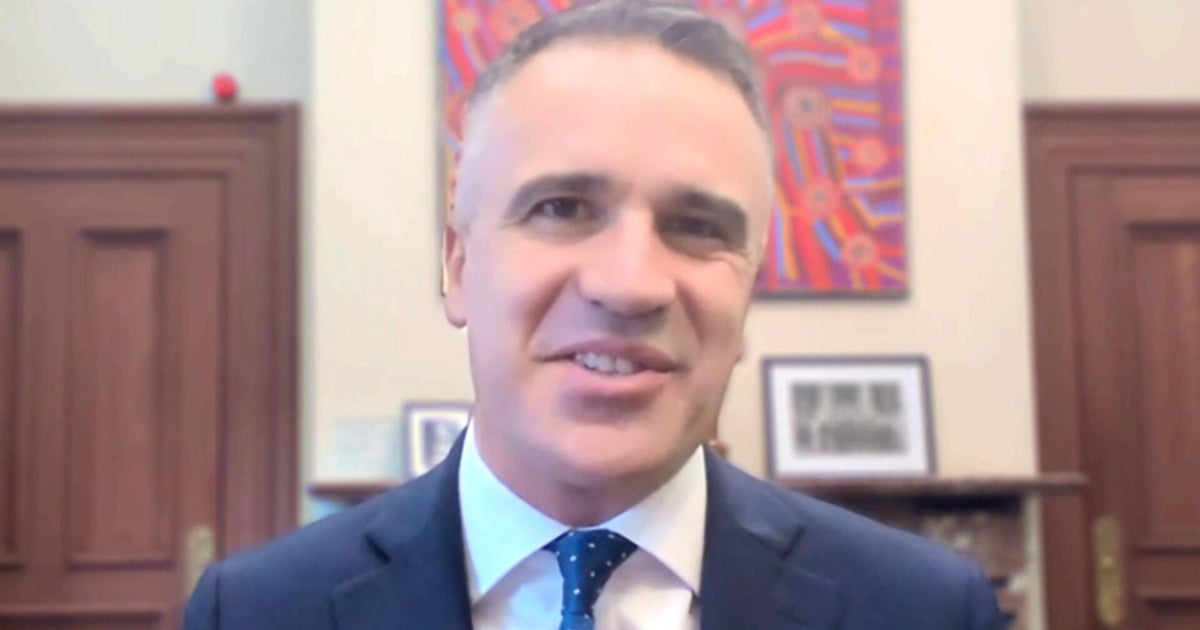
South Australia introduced a law that stops people under 16 from using social media. Six months later, the Premier of South Australia, Peter Malinauskas, says the law seems to be making a positive difference for young people.
Key Facts
South Australia created the world's first social media ban for children under 16.
The ban started six months ago.
Premier Peter Malinauskas spoke about the impact of the ban on teens.
The ban aims to reduce negative effects of social media on young people.
The changes observed are seen as positive by the government.
The information comes from an interview on "The Daily Report" by CBS News.
The ban is unique and has attracted international attention.
Read the Original
Want the full story? Tap a source to open the original
article.
President Trump announced a new agreement with Iran aiming to end conflict, reopen the Strait of Hormuz, and stabilize energy markets. The deal offers Iran sanctions relief in exchange for limiting its nuclear program, with a 60-day deadline to reach a fuller agreement, but Trump warned military action could resume if talks fail.
Key Facts
President Trump held a press conference to explain the Iran deal and set a 60-day deadline for a final nuclear agreement.
The agreement allows Iran to sell oil freely and reopens the Strait of Hormuz, a vital oil shipping route.
Iran would need to limit its nuclear program and reduce its nuclear material stockpile under the deal.
Trump indicated he could return to bombing Iran if the deal negotiations do not succeed in 60 days.
The deal falls short of Trump's earlier demands, such as total dismantling of Iran’s nuclear program and full surrender.
Some U.S. lawmakers criticized the agreement, while others, like Senator Lindsey Graham, supported it after discussions with the White House.
The agreement includes plans for a $300 billion fund to rebuild Iran through investments, but the U.S. will not directly contribute money.
Iran gets sanctions relief while talks continue, though the final deal may not be guaranteed.
Read the Original
Want the full story? Tap a source to open the original
article.
President Donald Trump and Iranian President Masoud Pezeshkian signed a preliminary agreement remotely to help end conflict involving Iran. The deal is seen as a step toward reducing tensions between the two countries.
Key Facts
The agreement was signed remotely by President Trump and Iranian President Masoud Pezeshkian.
The deal is a memorandum of understanding, which is a formal but non-binding agreement.
Its goal is to help end the war or conflict involving Iran.
A White House official confirmed the signing of the deal.
An expert from Florida International University provided analysis on the agreement.
The news coverage was given by CBS News.
Read the Original
Want the full story? Tap a source to open the original
article.
Raul Castro, former Cuban president, supports new economic reforms aimed at improving Cuba’s struggling economy, which has been hurt by a U.S. embargo. These reforms include increasing private investment, attracting money from Cubans living abroad, and reducing the government's role in the economy.
Key Facts
Raul Castro endorsed major economic reforms proposed by the Cuban government.
The reforms aim to open more sectors to private investment and bring in capital from Cubans living overseas.
The state’s control over the economy will be reduced, including possible cuts to ministries and public sector jobs.
Cuban President Miguel Diaz-Canel called the reforms the most significant in years.
The National Assembly is expected to approve key changes soon after their announcement.
The U.S. maintains a trade embargo on Cuba, which has hurt the Cuban economy, causing shortages of essential goods.
Private businesses on the island are now allowed to employ up to 100 people and play a bigger role.
It is uncertain if U.S. President Donald Trump will accept these reforms as enough change.
Read the Original
Want the full story? Tap a source to open the original
article.
Soccer fans visiting the United States for the World Cup are enjoying new experiences like southern barbecue, baseball games, and stops at popular local stores like Buc-ee's. These visitors from different countries are discovering everyday American customs and foods for the first time.
Key Facts
The World Cup is taking place in the United States with fans from around the world traveling there.
Visitors are experiencing American food such as southern barbecue.
Fans are attending baseball games, which is a common American sport.
Buc-ee's, a well-known American convenience store, is a popular stop for travelers.
The article highlights the positive reactions of international visitors to American culture.
This is the first time the World Cup fans in the U.S. are sharing their first American cultural experiences.
The report is shared by ABC News correspondent David Muir.
The event helps showcase American traditions to an international audience.
Read the Original
Want the full story? Tap a source to open the original
article.
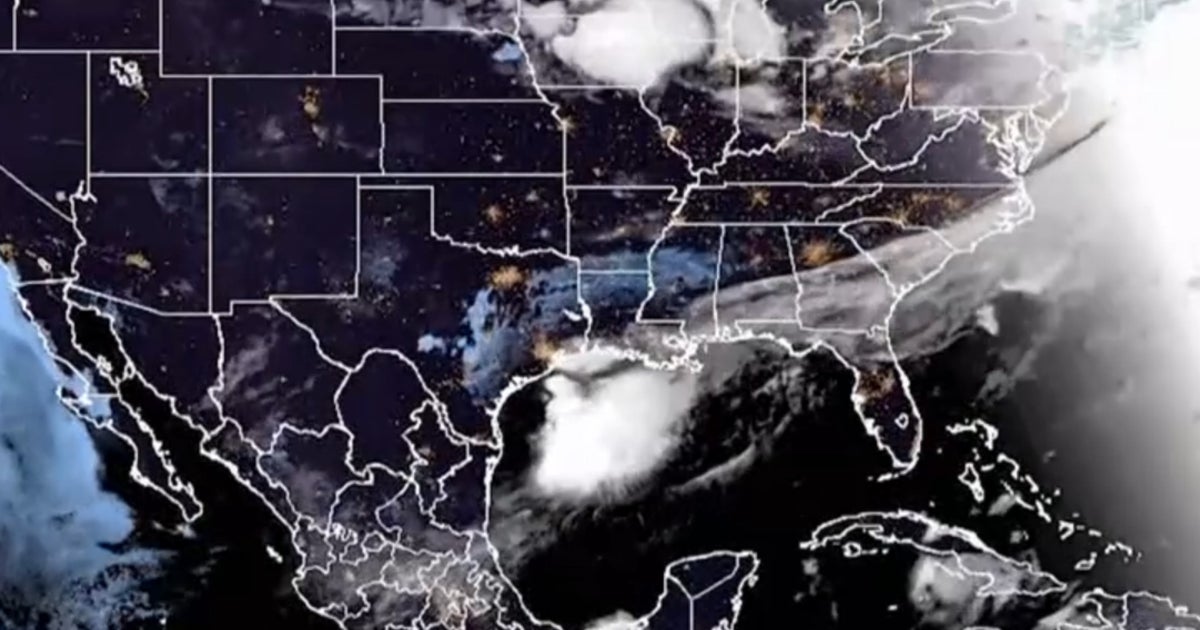
Tropical Storm Arthur hit the Texas coast, bringing heavy rain and floods. At the same time, parts of the U.S. Midwest are under a tornado watch and may face strong winds and flooding.
Key Facts
Tropical Storm Arthur is causing heavy rain along the Gulf Coast.
The storm has led to flooding in Texas.
Millions of people in the Gulf Coast region are preparing for more rain.
The Midwest is under a tornado watch, meaning tornadoes might occur soon.
The Midwest could also see flooding from recent or ongoing rain.
Weather coverage is being provided by CBS News, including updates from Illinois.
Flash flooding is considered life-threatening in some areas due to the storm.
Read the Original
Want the full story? Tap a source to open the original
article.
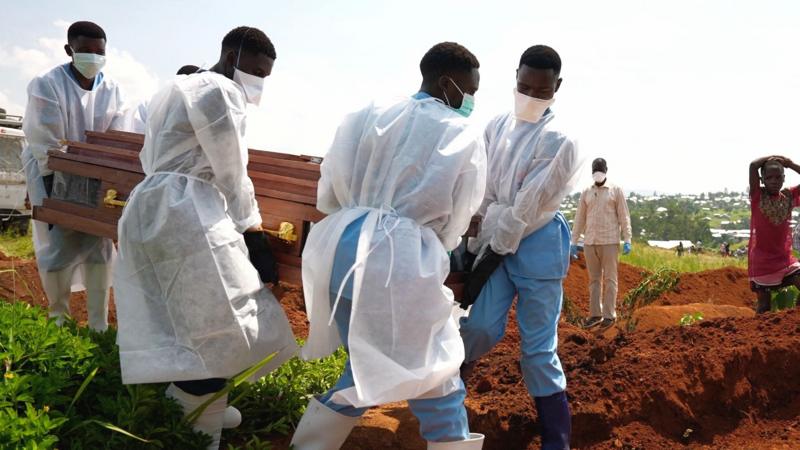
In Bunia, a city in the Democratic Republic of Congo, many people have lost family members to a recent Ebola outbreak caused by a rare strain. To stop the virus from spreading, health workers are teaching safe burial practices that change traditional funeral rituals, such as not washing the body and using special body bags and coffins.
Key Facts
The Ebola outbreak is centered in Bunia, Ituri province, and has caused around 200 deaths in recent months.
The virus spreads through contact with infected body fluids like blood and vomit.
Traditional funeral practices, like washing the dead body, are not allowed to prevent spread.
Bodies must be placed in leak-proof bags and coffins, sometimes with transparent panels so mourners can see the deceased.
Health groups work closely with families to explain these changes and respect their wishes when possible.
Ebola causes about a 25% death rate with this Bundibugyo strain.
Grieving families are adapting to new rules to keep their communities safe during funerals.
The International Federation of the Red Cross and Red Crescent supports safe burial practices in the area.
Read the Original
Want the full story? Tap a source to open the original
article.
President Donald Trump has asked Israeli Prime Minister Benjamin Netanyahu to be less harsh in Lebanon. This request comes while Israeli air strikes continue in southern Lebanon, despite a recent agreement between the US and Iran to stop fighting in all areas.
Key Facts
President Trump spoke to Prime Minister Netanyahu about Lebanon.
Trump advised Netanyahu to use a "softer touch" in Lebanon.
Israeli air strikes are ongoing in southern Lebanon.
There is a new agreement between the US and Iran to end wars on all fronts.
The Israeli strikes have continued even after this agreement.
The situation involves military actions and diplomatic talks between multiple countries.
Read the Original
Want the full story? Tap a source to open the original
article.
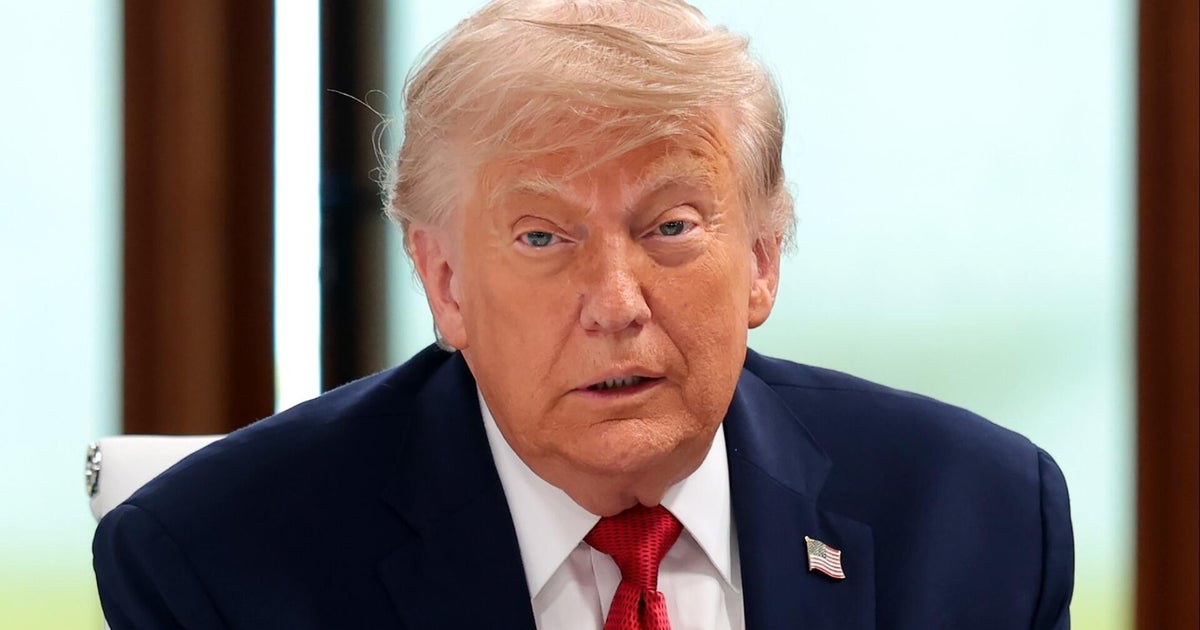
President Donald Trump said it is unfair that Iran does not have ballistic missiles while other nearby countries do. He made this comment during the G7 summit in France, where discussions about the U.S.-Iran relationship were important.
Key Facts
President Trump spoke at the G7 summit in France.
He said it is unfair for Iran not to have ballistic missiles.
Ballistic missiles are long-range rockets that can carry weapons.
Trump compared Iran’s missile status to that of other countries in the region.
The U.S.-Iran deal was a main topic at the G7 meeting.
The statement reflects ongoing concerns about military balance in the Middle East.
Read the Original
Want the full story? Tap a source to open the original
article.
The U.S. government, under President Donald Trump, has created a peace deal aimed at ending the war with Iran. The agreement would reopen a key waterway called the Strait of Hormuz and confirms that Iran will not develop nuclear weapons, while Iran would receive billions of dollars in cash.
Key Facts
President Trump’s administration led the creation of a peace deal with Iran.
The deal focuses on ending the ongoing war between the U.S. and Iran.
It includes reopening the Strait of Hormuz, an important passage for global shipping.
The deal states that Iran will not develop or acquire nuclear weapons.
In return, Iran could receive billions of dollars in financial benefits.
The negotiations were kept secret until the deal was announced.
The agreement aims to bring stability to the region and improve relations.
Read the Original
Want the full story? Tap a source to open the original
article.
President Donald Trump and Iran’s president signed an agreement on June 17, 2026, aimed at ending the war in the Middle East. Iran agreed to reduce its enriched uranium levels, and in return, the U.S. promised large-scale economic relief, including lifting some oil sanctions.
Key Facts
The deal was signed during a dinner at the Palace of Versailles after the G7 summit.
Iran agreed to dilute its enriched uranium as part of the agreement.
The U.S. agreed to immediately waive some oil sanctions on Iran.
Once a final agreement on Iran’s nuclear program is reached, a $300 billion reconstruction fund supported by regional nations could be accessed by Iran.
The war started on February 28, 2026, with conflicts involving the U.S., Israel, and Iran in the Middle East.
Iran has previously blocked the Strait of Hormuz, an important waterway for global oil supplies.
Iran’s government described the deal as a U.S. failure but still agreed to the terms.
The agreement took effect immediately after it was signed by both sides.
Read the Original
Want the full story? Tap a source to open the original
article.