Neutral summaries of your favorite news sources — just the facts.
Your favorite news sources, one neutral feed — we distill their reporting into fact-first
summaries and always link to the original story. How it works
World News
Comprehensive coverage of international news and global events
Arlindo Chissale, a journalist and political activist in Mozambique, disappeared on January 7, 2025, while traveling between two cities. He was involved in opposition politics and had recently spoken about election fraud and violence linked to the ruling party and the Islamist conflict in the region.
Key Facts
Arlindo Chissale was a journalist and member of the opposition party Podemos in Mozambique.
He disappeared without a trace on January 7, 2025, traveling between Pemba and Nacala.
Chissale had been active in protesting against the ruling party, Frelimo, which has governed since independence.
He publicly accused the government of election fraud and reported on the killing of other opposition activists.
Chissale investigated sensitive topics like the Islamist insurgency in Cabo Delgado and abuses by both insurgents and Mozambican soldiers.
Friends and family suspect Mozambican security forces may be linked to his disappearance, but no proof has been made public.
Before disappearing, he shared videos discussing political violence and organizing local elections on behalf of opposition candidate Venâncio Mondlane.
The disappearance is part of a broader investigation by an international group of journalists into political repression in Mozambique.
Read the Original
Want the full story? Tap a source to open the original
article.
A study found that the COVID-19 vaccine reduces the risk of heart attacks, strokes, and similar heart-related problems by about 40 percent. This research looked at medical events in people who had the vaccine and showed its protective effect.
Key Facts
The study was published in the journal JAMA Internal Medicine.
It focused on veterans who received the COVID-19 vaccine.
The vaccine lowered the risk of heart attacks and strokes linked to COVID-19 infection.
The reduction in risk was around 40 percent.
Cardiovascular problems include heart attacks and strokes, which affect the heart and blood vessels.
The research suggests vaccination can protect against heart problems caused by the virus.
Read the Original
Want the full story? Tap a source to open the original
article.
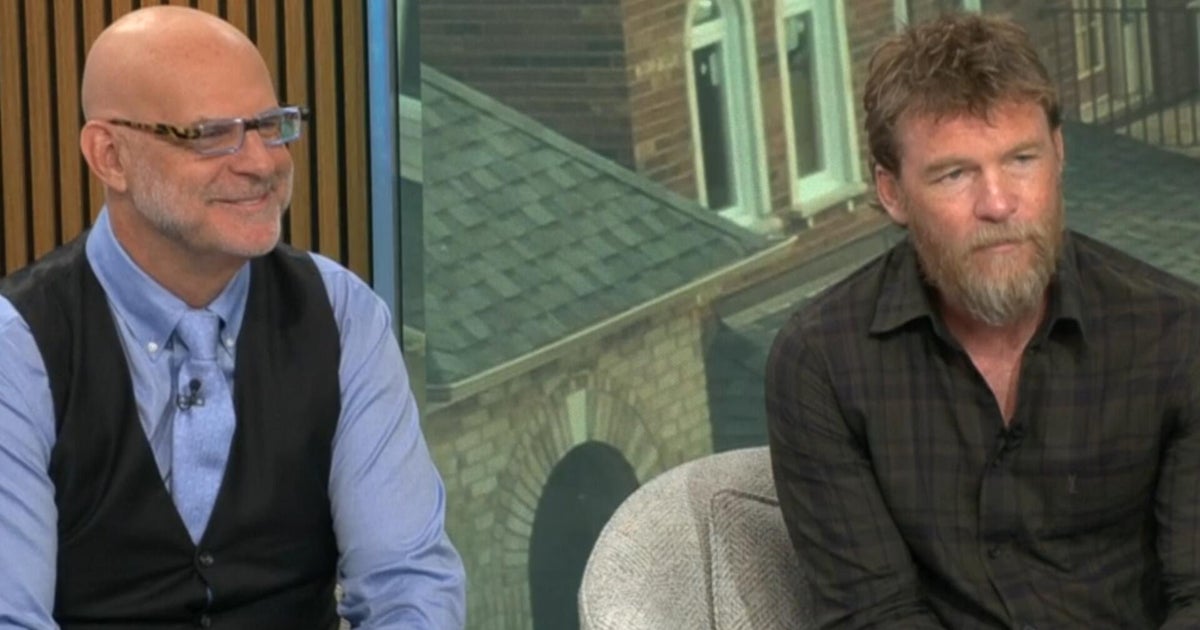
Harlan Coben discusses casting for the Netflix show based on his 2023 book "I Will Find You." Actor Sam Worthington shares how becoming a father influenced his view of his character in the series.
Key Facts
The show "I Will Find You" is a Netflix adaptation of Harlan Coben's 2023 bestselling novel.
Harlan Coben was involved in talking about the casting choices for the series.
Sam Worthington stars in the series as a main character.
Worthington said that becoming a father affected how he played his role.
The preview was shared by CBS News.
Read the Original
Want the full story? Tap a source to open the original
article.
Arlindo Chissale, a Mozambican journalist and activist, disappeared on January 7, 2025, in Cabo Delgado, a region affected by an Islamist insurgency. He was known for speaking out against the government and reported on the violent political crisis following Mozambique’s 2024 general elections.
Key Facts
Arlindo Chissale was a journalist and activist connected to the FRANCE 24 Observers team.
He disappeared in Cabo Delgado, Mozambique, on January 7, 2025.
Cabo Delgado is experiencing a deadly Islamist insurgency.
Mozambique held general elections on October 9, 2024, with Venâncio Mondlane (Podemos party) losing to Daniel Chapo (FRELIMO party).
After the elections, several opposition figures were assassinated, including members of the Podemos party.
Chissale posted videos denouncing these killings and accused Mozambican security forces of involvement.
The government promised investigations into the murders, but they remained open.
Chissale disappeared while traveling from Pemba to Nacala shortly after publicly criticizing these events.
Read the Original
Want the full story? Tap a source to open the original
article.
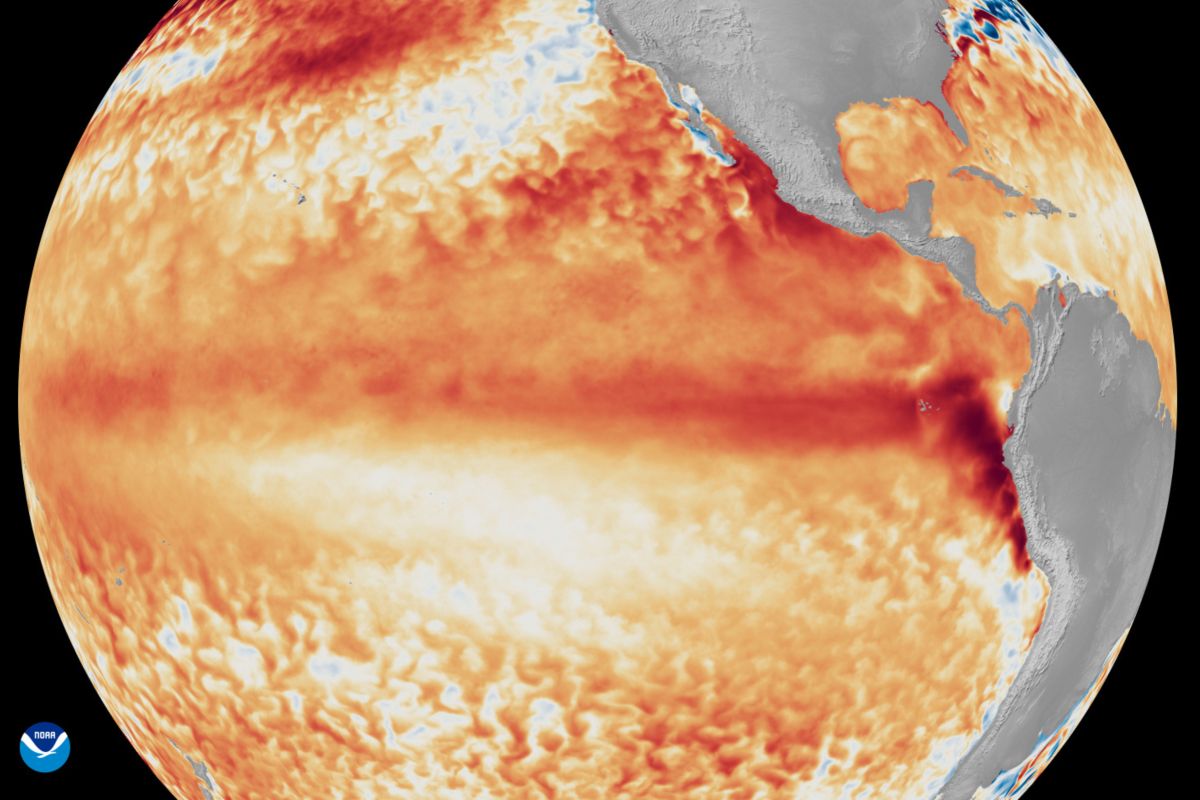
Australia's weather agency has confirmed the arrival of El Niño, a climate pattern causing warmer ocean temperatures in the Pacific. This event is expected to become one of the strongest in the past 70 years, leading to drier and hotter conditions in Australia and affecting weather in the United States.
Key Facts
El Niño has formed over the tropical Pacific with warmer ocean temperatures.
Australia's Bureau of Meteorology expects this El Niño to be very strong, possibly one of the strongest since 1950.
The event is likely to cause below-average rainfall and above-average temperatures in much of southern and eastern Australia from July to September.
El Niño increases risk of frosts, fires, and stress on crops and livestock in Australia.
Australia is a major exporter of wheat, sugar, and beef, so El Niño can affect global food markets.
The 2015-2016 El Niño caused widespread drought and lower crop production in Australia.
In the U.S., El Niño winters usually bring wetter and stormier weather to the southern states and milder winters to the northern states.
El Niño can reduce the number of Atlantic hurricanes by creating stronger winds high in the atmosphere.
Read the Original
Want the full story? Tap a source to open the original
article.
The United Kingdom plans to ban most social media use for children under 16 starting next year. This policy aims to protect young people and is similar to rules already in place in countries like Australia, Indonesia, and Malaysia.
Key Facts
The U.K. will implement a broad social media ban for children under 16 beginning next year.
The announcement was made by Prime Minister Keir Starmer.
The ban restricts access to social media platforms for most users younger than 16.
Australia, Indonesia, and Malaysia have similar laws already in place.
The goal is to improve safety and well-being for children online.
Details on enforcement and exact rules have not been fully described in this article.
The ban reflects growing concerns about social media’s impact on young people.
This is part of a wider global trend to regulate internet use among children.
Read the Original
Want the full story? Tap a source to open the original
article.
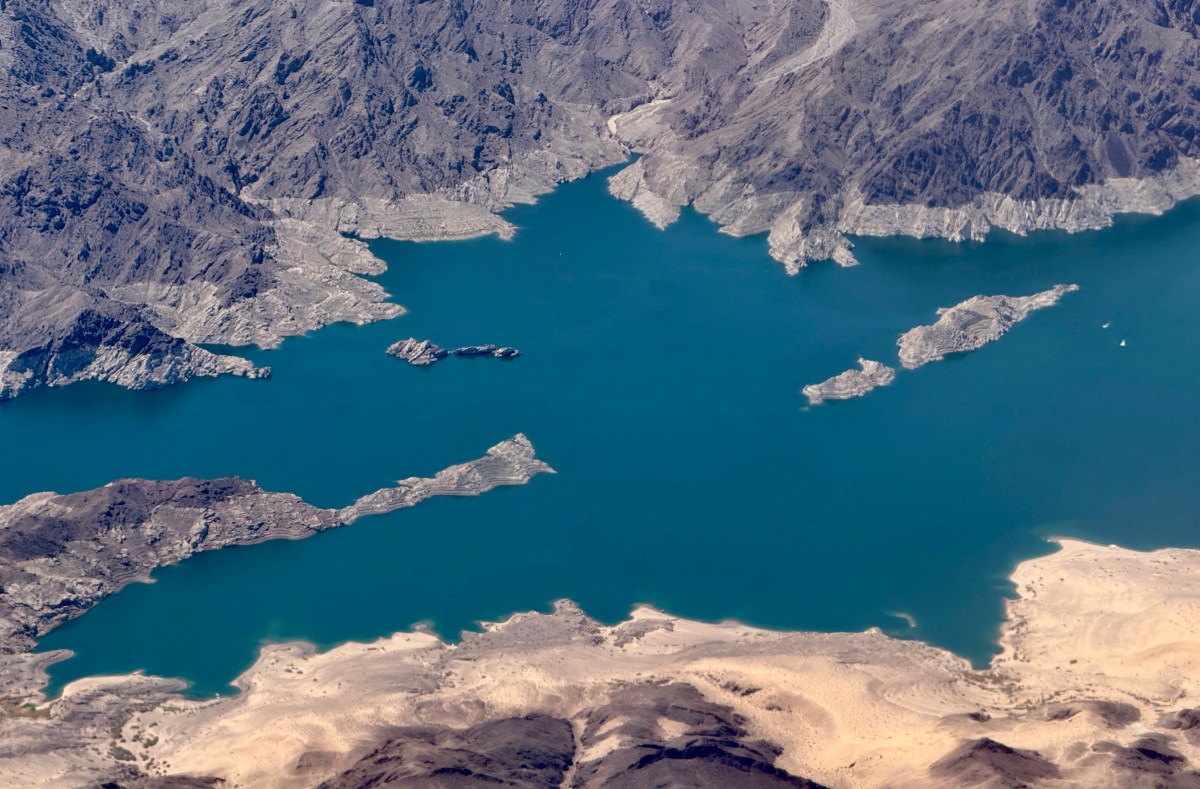
Lake Mead, the largest reservoir in the U.S., is expected to reach its lowest water level since the 1930s by 2027. This drop is due to ongoing drought conditions affecting the Colorado River system, which provides water to about 40 million people and large farmland areas across the Western U.S.
Key Facts
Lake Mead’s water elevation could fall to about 1,015.77 feet by July 2027, the lowest since the reservoir was filled.
As of now, Lake Mead is only 29% full, holding 48% of its average water for this time of year.
The Colorado River system supplies water to roughly 40 million people and irrigates over 5 million acres of farmland.
The U.S. Bureau of Reclamation’s 24-month study projects lake levels but notes these projections can change based on actual water flow and operations.
Lake Powell, another major reservoir in the Colorado River system, may reach critically low levels threatening hydropower production by spring 2027.
Water-sharing agreements between the seven states using the river are being renegotiated as current guidelines expire, but no agreement has been reached yet.
Drought conditions and water shortages remain a serious concern for power and water supply in the Colorado River region.
Read the Original
Want the full story? Tap a source to open the original
article.
Iran and the United States have agreed to sign a memorandum of understanding after difficult negotiations. However, political differences within Iran may affect how the deal is carried out in the coming months.
Key Facts
Iran and the US plan to sign a memorandum of understanding in Switzerland.
Iran’s new supreme leader, Mojtaba Khamenei, has not publicly spoken about the deal but emphasizes protecting Iran’s nuclear and missile programs.
Iran views the Strait of Hormuz as a vital national asset that must remain under its control.
The ultraconservative Keyhan newspaper suggests Iran may consider the nuclear issue resolved and oppose reopening negotiations on it.
Senior members of Iran’s Revolutionary Guard Corps (IRGC) support military readiness and insist Iran’s regional allies like Hezbollah must be protected.
Esmail Qaani, commander of the Quds Force, highlighted Iran’s influence over key regional waterways and expressed backing for Iranian negotiators who met with the US.
There are factions in Iran that differ on how to approach and implement the deal with the US and Israel.
Analysts expect these internal debates will continue as the agreement moves forward.
Read the Original
Want the full story? Tap a source to open the original
article.
A mother shares her experience of discovering her baby daughter has Down syndrome only after birth. They had not known during pregnancy and accepted the diagnosis with love and understanding, feeling grateful for the peaceful birth and bonding time.
Key Facts
The baby, named Ever, was born at home unexpectedly before midwives arrived.
The parents noticed subtle signs that something was different soon after birth.
A midwife suggested the possibility of Down syndrome about 24 hours after birth.
A blood test confirmed Ever’s diagnosis several weeks later.
During pregnancy, the standard tests did not detect any concerns, and the parents chose not to have invasive testing.
The mother felt peace and confidence throughout the pregnancy and home birth plan.
The diagnosis led to acceptance, love, and no change in how the family viewed Ever.
The parents had prepared themselves emotionally for a possible Down syndrome diagnosis but wanted to enjoy pregnancy without worry.
Read the Original
Want the full story? Tap a source to open the original
article.
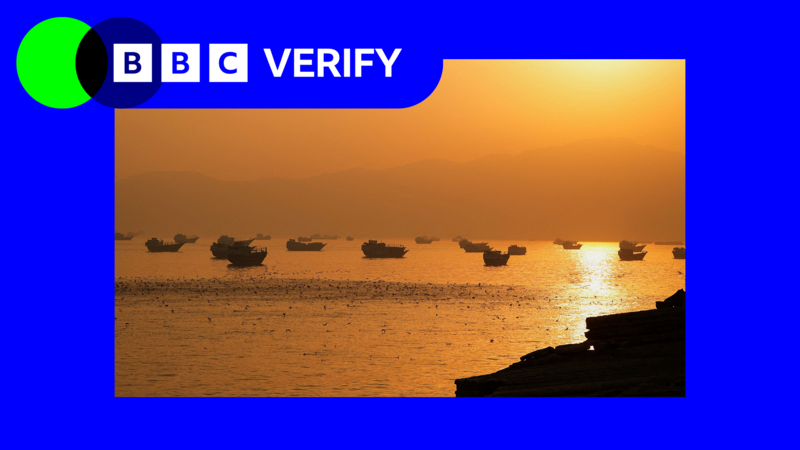
Ships are not yet passing through the Strait of Hormuz despite President Donald Trump's announcement of a US-Iran deal to reopen it. Many vessels remain stuck in the Gulf because of security risks, mine threats, and navigation tolls, following recent military conflicts and blockades.
Key Facts
The Strait of Hormuz is a key route for about 20% of the world’s oil and gas transport.
After US and Israeli strikes on 28 February, Iran effectively closed the strait.
More than 580 ships, including tankers and cargo ships, are currently waiting inside the Gulf.
About 75% of the tankers in the Gulf are not moving, most near oil export terminals in Saudi Arabia, Iraq, and the UAE.
Iran has fired on ships trying to pass without permission since February.
The US naval blockade of Iranian ports started on 13 April and disables ships that don’t comply.
President Trump said the blockade would stay until the Iran deal is fully signed.
There are risks of sea mines in the area, which Iran has threatened to use if attacked.
Ship captains and owners are cautious and waiting to see if conditions improve before sailing through the strait again.
Read the Original
Want the full story? Tap a source to open the original
article.
A woman in Brazil died when her bungee cord was not attached during a jump from a 40-meter bridge. Police have arrested three men and are investigating whether the deaths could be considered homicide.
Key Facts
The accident happened during a bungee jump from a 40-meter bridge in Brazil.
The woman's bungee cord was not secured before she jumped.
As a result, she died from the fall.
Police arrested three men involved in operating the bungee jump.
Authorities are investigating possible homicide charges related to the death.
Read the Original
Want the full story? Tap a source to open the original
article.
The Netherlands has seen recent legal and social developments showing more support for the Palestinian cause, even though its government still generally backs Israel. A key court case ended with the acquittal of Amin Abu Rashid, who was accused of funding Hamas but was found to be providing humanitarian aid.
Key Facts
Amin Abu Rashid, a refugee and humanitarian worker, was acquitted of charges accusing him of funding Hamas.
Abu Rashid’s case involved allegations of transferring money to Gaza orphans, but the court ruled this was humanitarian aid.
Abu Rashid spent nearly a year in solitary confinement, during which his health seriously worsened.
The verdict is viewed as a rare win for pro-Palestinian activists in the Netherlands.
The Netherlands has historically been a strong supporter of Israel within the European Union.
Public opinion in the Netherlands is shifting, with rising criticism of Israeli policies, especially after conflicts in Gaza.
Dutch government policy toward Israel remains supportive, though more critical voices are emerging.
Experts say significant policy changes would require strong grassroots pressure from society, not just legal decisions.
Read the Original
Want the full story? Tap a source to open the original
article.
Senegal and France will play an important soccer match at the 2026 World Cup, their first meeting in 22 years. Many Senegalese fans cannot attend because US visa rules make it hard for them to get permission to enter the country.
Key Facts
Senegal will face France in a group stage match at the 2026 World Cup.
This match is highly anticipated because the teams have not played each other in 22 years.
Many fans from Senegal want to attend the game in the US.
US visa rules restrict entry for many Senegalese fans.
These visa restrictions prevent fans from traveling to the World Cup in the US.
As a result, many Senegalese fans will watch the game from home instead of in person.
Read the Original
Want the full story? Tap a source to open the original
article.
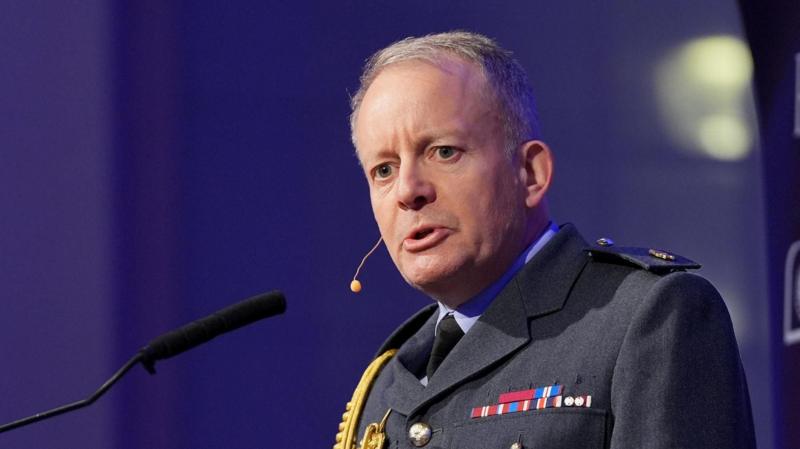
The UK’s armed forces may have to reduce training and operations unless they receive more funding. Defence leaders say the current government plan does not provide enough money for everyday military activities, raising concerns about national readiness and safety.
Key Facts
Air Chief Marshal Sir Richard Knighton said there is not enough funding for daily military activities.
John Healey resigned as UK defence secretary, criticizing the planned budget as too low.
Healey said the defence budget rise planned is too slow and does not meet threats.
The government aims to spend 3.5% of national income on defence by 2035, aligning with NATO allies.
The Defence Investment Plan (DIP) has been delayed and is under review by new defence secretary Dan Jarvis.
Without more money, training exercises and operational activities will be reduced.
Armed forces minister Al Carns also resigned, saying the budget plan underestimates new threats like drone warfare.
Current spending is about 2.3% of the UK’s GDP on defence.
Read the Original
Want the full story? Tap a source to open the original
article.
Oprah has chosen the book "Little Wonder" by Sophie Chen Keller for her book club. The story is about a mother and her son who get separated in a train station in Beijing and spend many years trying to find each other.
Key Facts
Oprah selected "Little Wonder" as her latest book club pick.
The book is written by Sophie Chen Keller.
The story takes place in Beijing, China.
A mother and her son are separated at a busy train station.
The novel follows their lives as they search for one another over many years.
Read the Original
Want the full story? Tap a source to open the original
article.
President Donald Trump has the opportunity to strengthen the United States' defense stance in the Indo-Pacific region, which includes Taiwan. However, to do this effectively, he needs to better understand the historical context of the area.
Key Facts
President Donald Trump can influence U.S. policy in the Indo-Pacific region.
The Indo-Pacific region is strategically important for U.S. security interests.
Taiwan is a key focus in U.S. efforts to deter potential threats in this region.
A clear understanding of history is important for making informed decisions about Taiwan.
Effective deterrence means preventing conflict by showing strong defense capabilities.
History lessons could help avoid misunderstandings and improve policy outcomes.
The article suggests President Trump has a unique role in shaping U.S. actions there.
Read the Original
Want the full story? Tap a source to open the original
article.
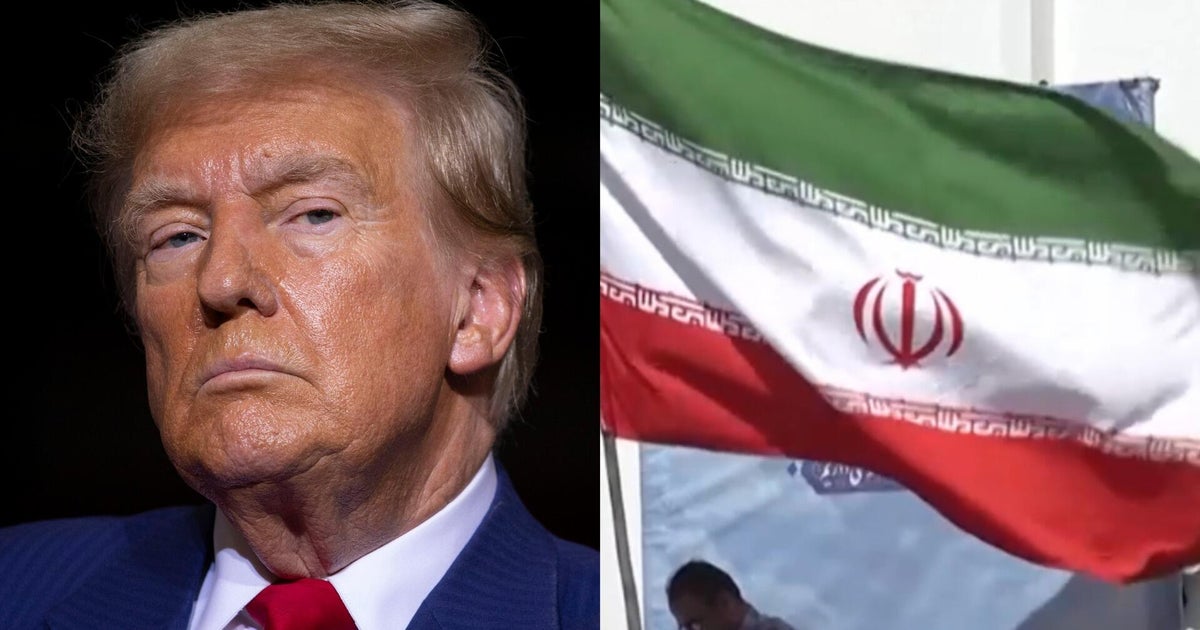
President Donald Trump is in France attending the G7 Summit. His administration announced it signed a deal with Iran, which includes partial reopening of a key waterway called the Strait. An expert said President Trump faces a high risk of losing in the negotiations with Iran.
Key Facts
President Trump is attending the G7 Summit in France.
The U.S. administration signed a deal with Iran.
The deal involves the partial reopening of the Strait (a strategic waterway).
The news report features analysis by a University of Chicago professor, Robert Pape.
The expert expressed concern that President Trump might lose in these negotiations.
CBS News’ Nancy Cordes provided details about the agreement.
Read the Original
Want the full story? Tap a source to open the original
article.
Thousands of Lebanese people are returning to their homes in southern Lebanon after a recent deal between the United States and Iran aimed at ending the war affecting the region. Despite warnings to stay cautious due to security risks and ongoing Israeli military presence, many residents are going back to towns severely damaged by months of Israeli attacks.
Key Facts
Over 1.2 million Lebanese fled southern Lebanon after heavy Israeli bombardment beginning March 2.
Many displaced people took shelter in makeshift facilities far from their homes.
The ceasefire deal between the US and Iran includes provisions related to Lebanon.
Israeli forces still occupy nearly 20% of southern Lebanon and have not fully withdrawn.
Extensive destruction has occurred in towns like Tyre and Nabatieh, with over 70% damage in some areas.
At least 3,783 people have died and 11,699 injured in the conflict.
Hezbollah supports the ceasefire deal but warns against Israeli attacks or continued occupation.
The peace agreement requires Israel to pull troops back and Hezbollah to move north of the Litani River, but compliance is incomplete.
Read the Original
Want the full story? Tap a source to open the original
article.
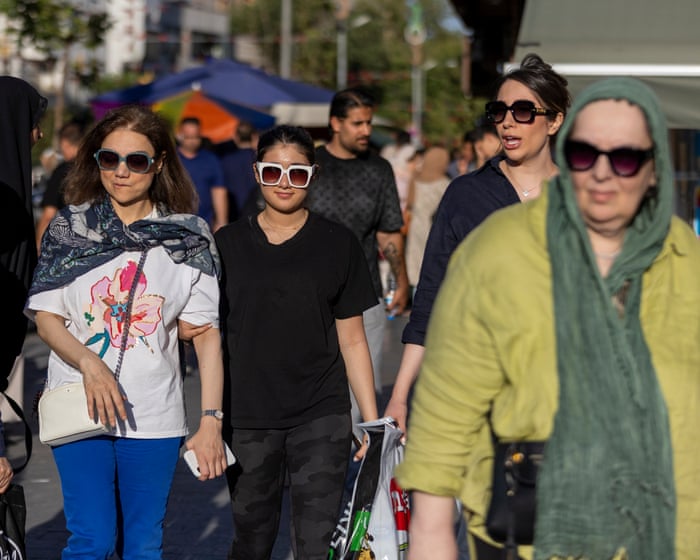
In southern Iran, people face severe water shortages after US strikes damaged local water facilities, causing health and daily life problems. Although a peace deal between the US and Iran is nearing, many Iranians express mixed feelings, showing skepticism and anger for different reasons.
Key Facts
US strikes reportedly damaged two water facilities serving villages near Sirik, Iran.
Temperatures reached 45°C (113°F) in Sirik, worsening water shortages.
Residents still wait in lines with buckets despite partial restoration of water supply.
A four-year-old child suffered dehydration and hygiene-related pain due to lack of water.
Many Iranians have mixed reactions to a possible US-Iran peace deal.
Some hardliners are angry that a deal weakens anti-US sentiments promoted by Iran's government.
Others oppose both the regime and foreign military involvement, and some support former royal family leadership.
There are concerns about international responses to deaths of Iranian children caused both by US strikes and Iran’s own regime.
Read the Original
Want the full story? Tap a source to open the original
article.
France and the United Kingdom have formed a coalition of about 20 countries to help reopen the Strait of Hormuz, a key route for global oil transport. Their mission is to clear mines and protect ships in the area after a US-Iran deal aimed at ending conflict in the Middle East.
Key Facts
The Strait of Hormuz carries around 20% of the world’s oil shipments.
France has deployed its nuclear-powered aircraft carrier Charles de Gaulle near the Arabian Peninsula since mid-May.
Two French minehunter vessels and a British destroyer are ready to support mine-clearing operations.
Italy and Germany have also offered minehunter ships to help clear mines after fighting stops.
The mission aims to clear mines laid by Iran to allow safe passage for tankers and cargo ships.
About 2,000 ships are waiting to pass through the strait, with Oman agreeing to Western naval escorts.
A memorandum between the US and Iran aims to reopen the strait within 30 days but does not end the war permanently.
Iranian officials may impose fees for ships using the strait, and they might limit mine-clearing operations to control ship routes.
Read the Original
Want the full story? Tap a source to open the original
article.