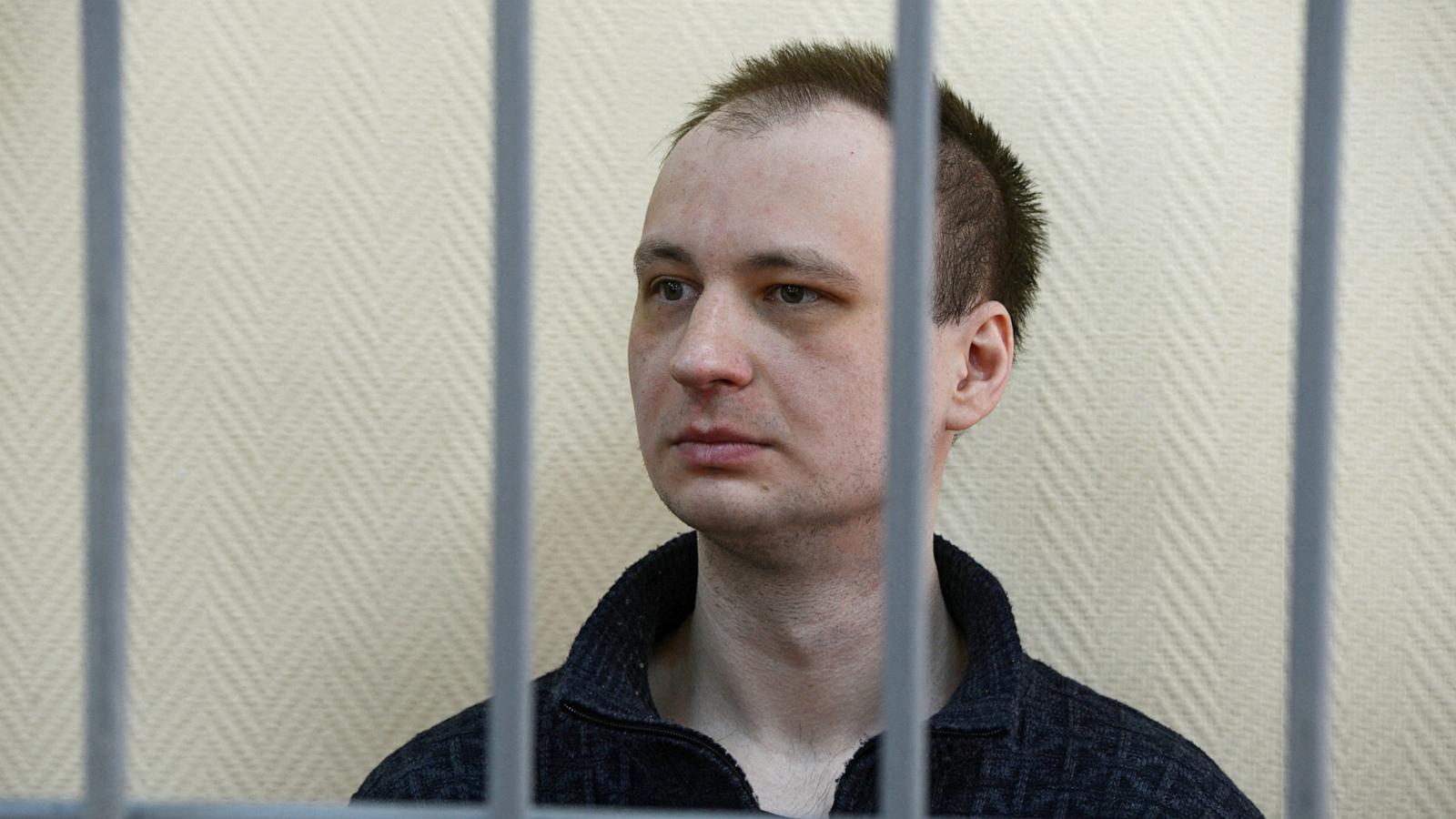
Robert Gilman, a former U.S. Marine, was released from detention in Russia. He had been serving a prison sentence for assaulting a Russian police officer in 2022 and was freed on humanitarian grounds due to concerns about his health.
Key Facts
Robert Gilman is a former U.S. Marine and a U.S. citizen.
He was detained in Russia and sentenced for assaulting a Russian police officer in 2022.
Gilman was released from detention recently.
His release was granted on humanitarian grounds.
Concerns about Gilman’s health were a reason for his release.
The U.S. State Department confirmed his release.
The situation is ongoing and may have further updates.
Read the Original
Want the full story? Tap a source to open the original
article.
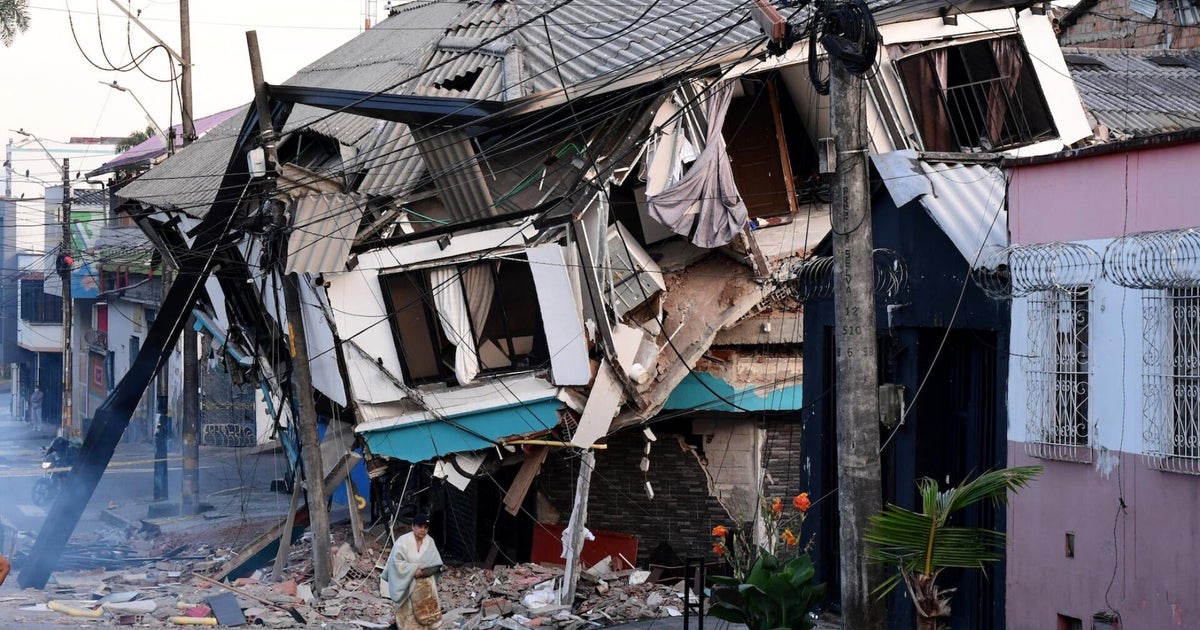
Colombia experienced a strong earthquake on Monday because it is located near the "Ring of Fire," a zone around the Pacific Ocean where many earthquakes and volcanic eruptions occur. Experts say the country’s position along this active area influenced the earthquake’s strength.
Key Facts
Colombia is near the "Ring of Fire," a region known for high earthquake and volcanic activity.
The earthquake happened on Monday and was powerful.
The "Ring of Fire" surrounds the Pacific Ocean and causes many natural events like earthquakes.
Eric Beaucé, a research scientist, explained how Colombia’s location contributed to the earthquake’s size.
The earthquake affected Colombia due to geological factors linked to its position on Earth’s plates.
Read the Original
Want the full story? Tap a source to open the original
article.
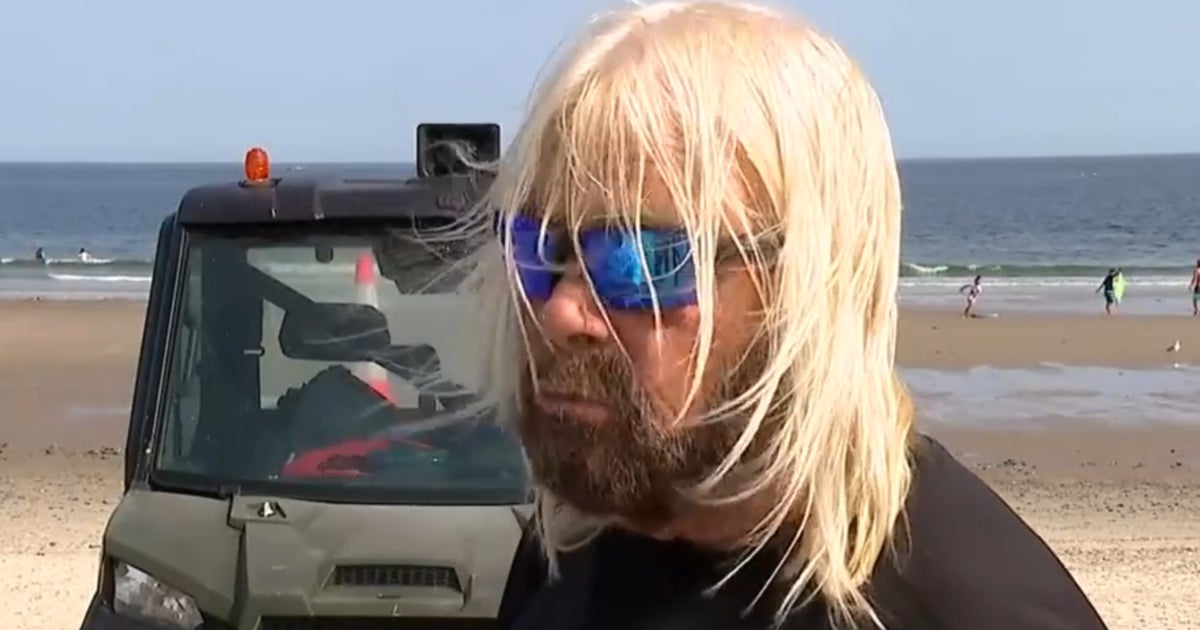
A lifeguard escaped a close encounter with a shark on a beach in Maine. Shark sightings have increased recently along the East Coast of the United States.
Key Facts
A lifeguard had a frightening encounter with a shark on a Maine beach.
Shark encounters in this area are still rare.
There has been a noticeable increase in shark sightings on the East Coast.
The report about this was covered by CBS News.
The incident highlights growing concerns about sharks near popular beaches.
Read the Original
Want the full story? Tap a source to open the original
article.
Bulgaria held its second Lunar Light Festival on the southern Black Sea coast, turning five resort towns into an open-air gallery with digital art. The event featured 17 artists from eight countries and took place from August 7 to 10, 2026.
Key Facts
The festival is called LUNAR: Sea of Lights.
It was held along Bulgaria’s southern Black Sea coast.
Five towns participated: Tsarevo, Lozenets, Varvara, Ahtopol, and Sinemorets.
17 artists from eight different countries showed their digital art.
The festival lasted four days, from August 7 to August 10, 2026.
The festival combines digital art with the natural landscape.
This was the second time Bulgaria hosted the Lunar Light Festival.
Read the Original
Want the full story? Tap a source to open the original
article.
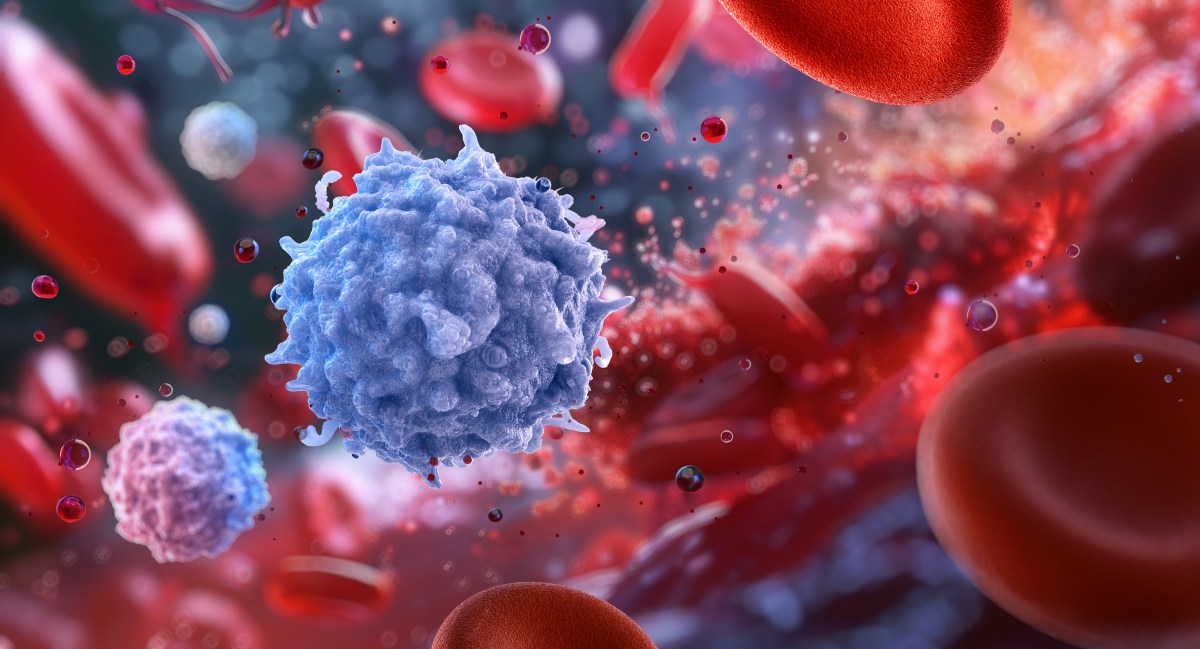
Scientists studied changes in white blood cells from melanoma patients to see how these cells respond to immunotherapy. Their findings suggest that certain immune cell patterns in the blood might help predict who benefits from treatment and who may face worse outcomes.
Key Facts
The study focused on melanoma, a serious skin cancer that is common in the U.K. and the U.S.
Researchers examined B cells (which produce antibodies) and T cells (which attack cancer cells) from patients' blood.
Patients with active and growing B and T cells during the first six weeks of treatment tended to survive longer.
Patients whose B cells were immature or weak during treatment had poorer survival rates.
Some T cell types were linked to side effects from immunotherapy.
The study involved 24 melanoma patients and 25 healthy volunteers.
Scientists used mass cytometry, a technology that measures many features of individual immune cells at once.
This research may help doctors use blood tests to better decide on melanoma treatment plans in the future.
Read the Original
Want the full story? Tap a source to open the original
article.
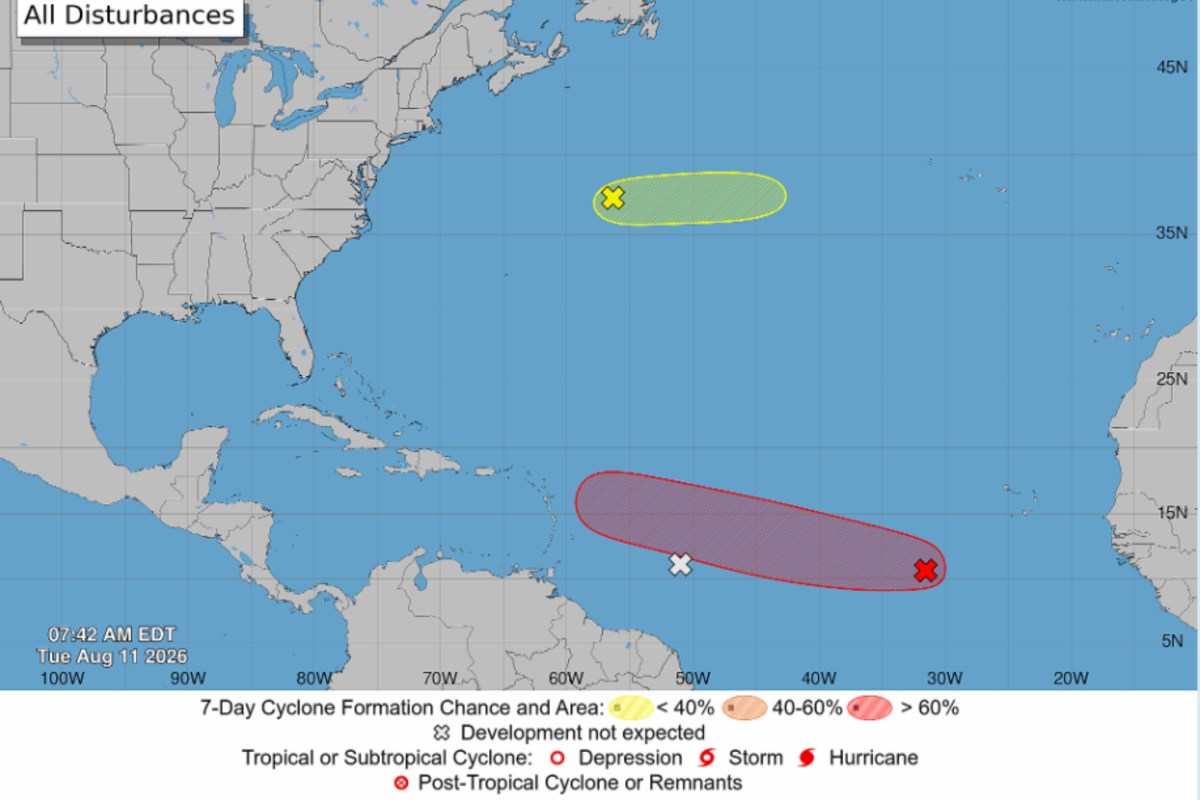
A tropical disturbance in the Atlantic has a 70% chance to develop into a tropical storm or depression later this week. Forecasters say if it forms, it could become the third named storm of the 2026 Atlantic hurricane season, called Cristobal, but the chances of it hitting the U.S. are currently low.
Key Facts
The National Hurricane Center (NHC) tracks two Atlantic systems with potential for tropical development.
One system has a "high" 70% chance to become a tropical cyclone within a week.
Development is expected between August 12-15 as the system moves west to west-northwest across the central Atlantic.
If it forms, the storm would be named Cristobal, the third storm of the 2026 season.
The storm could be a tropical depression or a weak tropical storm, with low chances of becoming a hurricane.
Wind shear near the northern Lesser Antilles may weaken or break apart the system.
If the storm strengthens, it could move northward away from the U.S.; if weaker, it might move closer to the Southeast coast but face disruption from wind shear.
Another Atlantic disturbance northeast of Bermuda has a low chance to develop and likely won't strengthen due to cooler waters.
The 2026 hurricane season storm names include Arthur, Bertha, Cristobal, and others.
Read the Original
Want the full story? Tap a source to open the original
article.
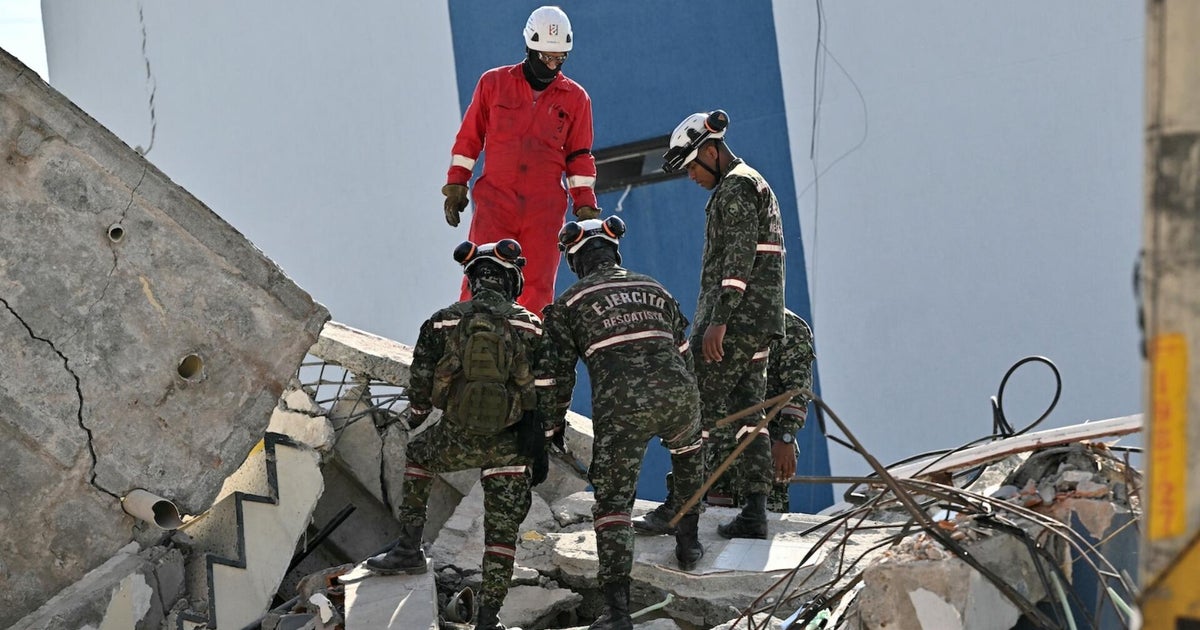
A strong earthquake struck Colombia about 250 miles west of Bogotá on Monday. Emergency teams are searching for people trapped or hurt because of the earthquake.
Key Facts
The earthquake happened in Colombia on Monday.
It was a powerful earthquake.
The location was about 250 miles west of Bogotá.
Emergency crews are actively searching for survivors.
The rescue efforts are urgent and ongoing.
CBS News reporter Lilia Luciano provided updates on the situation.
Read the Original
Want the full story? Tap a source to open the original
article.
President Donald Trump changed planes secretly after a NATO meeting in July to avoid a possible threat from Iran. He initially boarded Air Force One in Turkey, then was moved using a catering truck to another plane before flying to the UK and then returning to the US on a different jet.
Key Facts
The event happened on 8 July after a NATO meeting in Ankara, Turkey.
President Trump boarded Air Force One first.
He was transported to a second plane using a catering truck.
He was seen leaving Air Force One in the UK.
Trump then boarded a newer jet that was a gift from Qatar.
He spoke to journalists during the flight back to the US but did not confirm the plane switch.
The move was reportedly made to avoid a threat to his life from Iran.
The Washington Post and BBC reported on the event.
Read the Original
Want the full story? Tap a source to open the original
article.
Hungary’s parliament has chosen Andras Baka, a former Supreme Court chief judge who criticized Prime Minister Viktor Orban, as the country’s new president. Baka will start his job on August 19, replacing the previous president who was removed by changes made by the current governing party, Tisza.
Key Facts
Andras Baka was confirmed as Hungary’s president with 140 votes in favor and 6 against.
Baka was nominated by the Tisza party, which has more than two-thirds of the seats in parliament.
The opposition party Fidesz, led by Viktor Orban, boycotted the vote.
Baka served as a judge on the European Court of Human Rights and led Hungary’s Supreme Court before being removed in 2011 for criticizing Orban’s reforms.
The previous president, Tamas Sulyok, was removed recently through a constitutional amendment.
The Tisza party has been making several changes, including media reforms, creating an anticorruption team, and limiting the prime minister’s term to eight years.
Hungary’s president mostly has ceremonial duties with limited power over laws.
Baka’s appointment is seen as a sign of moving away from Orban’s political influence.
Read the Original
Want the full story? Tap a source to open the original
article.
A-level exam results for students in England, Wales, and Northern Ireland will be released on Thursday, 13 August at 8:00 AM BST. At the same time, students who applied to universities can check their status on the Ucas Hub. The article explains grade boundaries, how to appeal results, options for students who miss their required grades, and details about university clearing.
Key Facts
A-level results will be available at 8:00 AM BST on 13 August.
Ucas Hub updates at the same time to show university application outcomes.
Grades range from A* (highest) to E (lowest), with minimum mark boundaries set each year.
Students unhappy with their grades should first ask their school to review their marks.
If still unhappy, schools can appeal to exam boards and then to Ofqual, the exams regulator.
Students can apply through clearing if they don’t meet their conditional university offers or want to find courses after 30 June.
Resits for A-level exams are available in May or June of the following year.
Scotland’s results day for Highers took place earlier, on 4 August.
Read the Original
Want the full story? Tap a source to open the original
article.
A large wildfire is spreading across the New Forest in southern England, fueled by dry conditions and wind. Firefighters have been working since Sunday to control the fire, which covers over 247 acres, while the UK prepares for its hottest summer on record.
Key Facts
The New Forest wildfire began when a lorry caught fire on the A31 road near Ringwood on Sunday evening.
The fire covers more than 247 acres of dry heathland and is difficult to control due to peat burning underneath.
Over 120 firefighters from across the UK are working to contain the fire using fire engines, off-road vehicles, and drones.
July was the busiest month for wildfires in the UK, with 458 fires reported, and almost three-quarters of England is officially in drought.
The UK is expected to have its hottest summer on record, increasing the risk of heatwaves, droughts, and wildfires.
The New Forest is an important habitat with rare plants and animals, and the fire may cause significant damage to this environment.
The main A31 road into the New Forest remains closed, affecting tourists and local traffic.
The Fire Brigades Union has called for recruiting 5,000 more firefighters to handle extreme climate-related emergencies.
Read the Original
Want the full story? Tap a source to open the original
article.
The 1994 genocide against the Tutsi in Rwanda was a mass killing recognized worldwide as a serious crime. The article explains how historical, political, and social factors led to this tragedy and how local groups and extremists organized the violence quickly while international efforts to stop it failed.
Key Facts
Colonial rule turned flexible social groups into fixed Hutu and Tutsi identities.
After independence, politics created a fearful racial hierarchy between Hutus and Tutsis.
Economic problems, civil war, and peace talks allowed extremists to spread hate through newspapers, churches, and radio.
Local officials, militias, and neighbors quickly organized the killings during the genocide.
The international community did not effectively stop the mass violence.
Courts, memorials, and politics now shape the official story of the genocide in Rwanda.
The genocide is one of the few mass crimes clearly recognized under international law.
Read the Original
Want the full story? Tap a source to open the original
article.
Jacob “Jake” Whisenant, a 30-year-old California climber known for setting speed records on El Capitan, died after falling in the Sierra Nevada wilderness on August 3. Rescue teams found him after a two-day search following a climbing accident reported on August 2.
Key Facts
Jake Whisenant was from Mammoth Lakes, California.
He died in the Sequoia and Kings Canyon wilderness area in the Sierra Nevada.
The accident happened on August 2, and he was found dead on August 3.
Whisenant was famous for climbing El Capitan in under three hours in 2024 with his partner Brant Hysell.
In May 2024, he completed the Nose route twice in one day with a partner.
Rescue and recovery efforts took two days, involving National Park Service rangers.
Friends described his death as a great loss and said he died doing what he loved.
A GoFundMe was started to create memorials in his honor and celebrate his passion for climbing and nature.
Read the Original
Want the full story? Tap a source to open the original
article.
Houthi rebels, supported by Iran, have resumed attacks on Mokha, a Yemeni port city controlled by the Yemeni government. These attacks include a deadly strike on a ship near Mokha in the Bab el-Mandeb Strait, which killed three people.
Key Facts
The Houthi rebels are backed by Iran.
They attacked Mokha, a city controlled by Yemen’s government.
Mokha is an important port on the Red Sea.
The Houthis have blocked Saudi exports as part of their actions.
Before the attack on the city, a ship near Mokha was hit, causing three deaths.
The location of the attack is near the Bab el-Mandeb Strait, a strategic waterway.
The conflict is linked to tensions involving Iran and Saudi Arabia.
Read the Original
Want the full story? Tap a source to open the original
article.
A new study from the University of Toronto found that eating three servings of full-fat dairy daily for 12 weeks did not increase weight, body fat, or cholesterol in overweight adults. The study also showed some health benefits like better blood pressure and higher intake of calcium, protein, and vitamin D.
Key Facts
The study involved 74 overweight or obese adults divided into three diet groups.
One group ate low-dairy, calorie-restricted diets; the other two ate three servings of full-fat dairy daily.
Full-fat dairy included milk, cheese, and yogurt with natural fat content.
After 12 weeks, those eating full-fat dairy had no significant rise in weight, body fat, cholesterol, or insulin resistance.
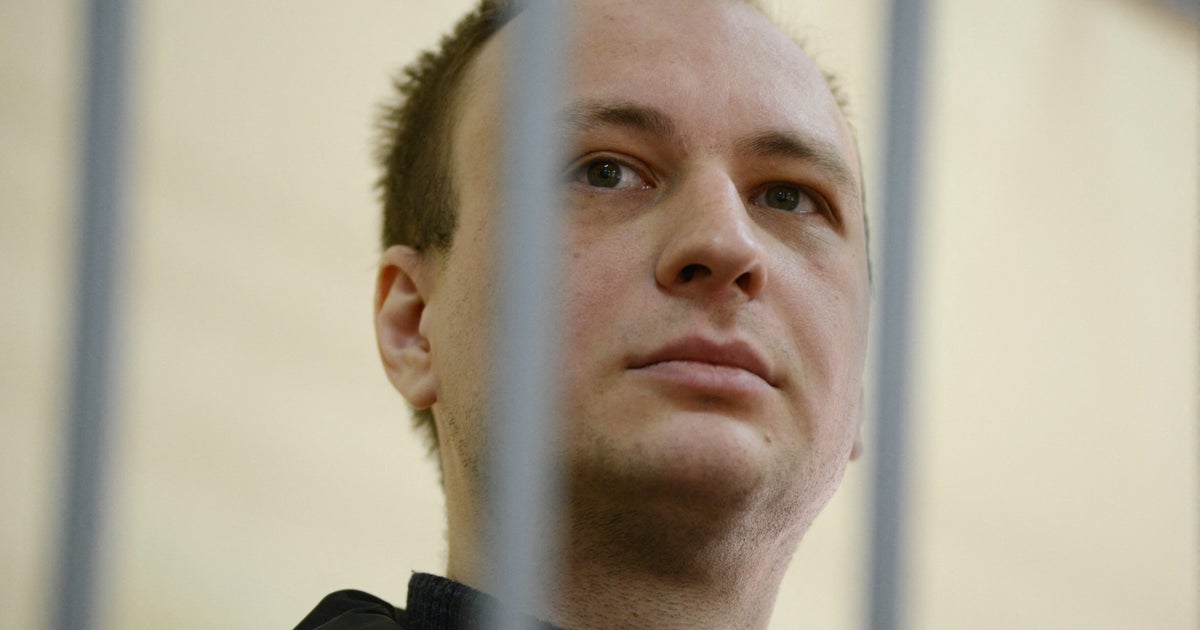
Robert Gilman, an American military veteran held in Russia since 2022, has been released and is on his way to a U.S. hospital in Texas for medical care. He had spent over four years in prison under harsh conditions and was very ill before his release.
Key Facts
Robert Gilman is a 32-year-old American military veteran and teacher detained in Russia since 2022.
He was first sentenced to 3.5 years for allegedly beating a police officer after a train incident.
His sentence was later extended to over 10 years after additional convictions for attacks on prison staff.
Gilman was kept in abusive conditions including forced long exercise sessions and given psychotropic drugs.
Before his release, he was in a "dissociative stupor" for 47 days and was handcuffed to a bed with a feeding tube in a civilian hospital.
U.S. and Russian authorities had been urged to work together for his release on humanitarian grounds due to his poor health.
Gilman was flown to Texas where he will receive medical and psychological care, and his family traveled to be with him.
He is one of at least eight Americans still detained in Russia despite recent prisoner exchanges between the two countries.
Read the Original
Want the full story? Tap a source to open the original
article.
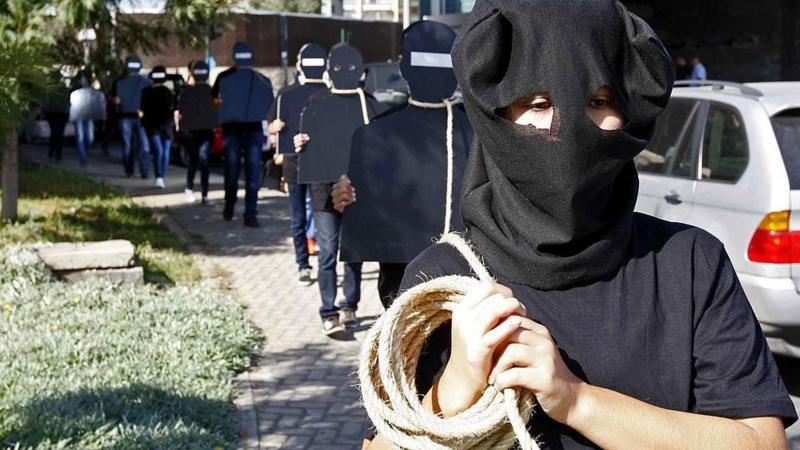
Lebanon’s parliament has voted to end the death penalty, making it the first Middle Eastern country to officially abolish capital punishment. The law will now go to the government and President Joseph Aoun for final approval. Under the new law, the death penalty will be replaced by life imprisonment with hard labour.
Key Facts
Lebanon’s 128-seat parliament voted to abolish the death penalty, with most MPs supporting the move.
Hezbollah’s parliamentary group opposed the abolition.
The law must be approved next by the cabinet and then signed by President Joseph Aoun.
Lebanon has not executed anyone since 2004 but still sentenced over 78 people to death.
Life imprisonment with hard labour will replace the death penalty under the new law.
Hard labour is already in Lebanese law but is rarely enforced due to limited resources.
The vote follows more than 20 years without executions, as execution requires approval by top officials which has not happened since 2004.
Other Middle East countries are still using or expanding the death penalty, including Jordan, Israel, and Iran.
Read the Original
Want the full story? Tap a source to open the original
article.
Lebanon’s parliament has passed a law to end the death penalty, making it the first Middle Eastern country to do so. The new law replaces the death sentence with life imprisonment that includes hard labor, although the exact details of this punishment are not yet clear.
Key Facts
Lebanon’s parliament voted to abolish the death penalty with a majority of the 128 members in favor.
Hezbollah’s parliamentary bloc was the only group opposing the law.
The death penalty has not been officially carried out in Lebanon since 2004, but courts still issued death sentences until now.
At the end of 2025, 85 people in Lebanon were still sentenced to death.
The new punishment replaces the death sentence with life imprisonment and aggravated hard labor.
Lebanon’s prisons are overcrowded, and carrying out hard labor has been rare due to limited resources.
Amnesty International called Lebanon’s decision a major step for human rights and aligned with global trends.
Lebanon is also discussing a general amnesty law that could reduce or cancel some prison sentences, which has caused protests by families of soldiers killed in attacks.
Read the Original
Want the full story? Tap a source to open the original
article.
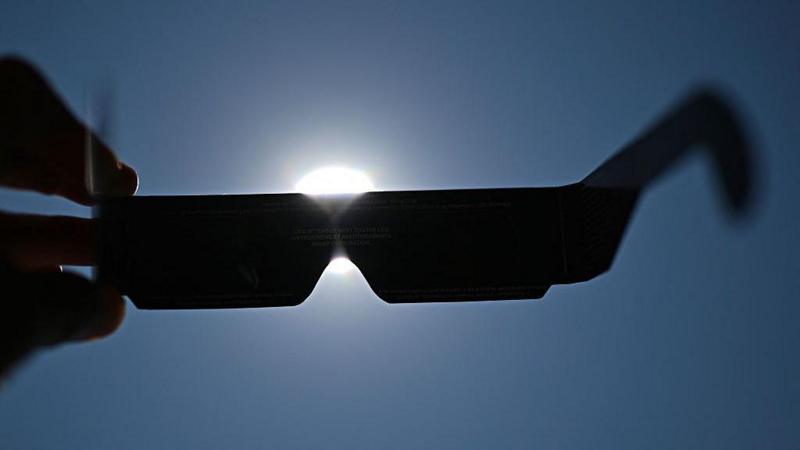
A large partial solar eclipse will be visible across the UK on Wednesday, August 12, with up to 95% of the Sun covered in some places. Weather conditions will vary by region, with most of the UK expected to have clear skies, but some northern areas may experience cloud and rain that could block the view.
Key Facts
The partial solar eclipse starts around 6:00 PM BST and peaks between 7:02 and 7:16 PM BST in the UK.
London will see about 90% of the Sun covered, while Cornwall may see up to 95% covered.
There is a path of total eclipse elsewhere, but the UK will only experience a partial eclipse.
High pressure over Europe brings dry, sunny weather for much of the UK, offering good viewing conditions.
Northern Scotland, Northern Ireland, and parts of northern England and Wales may have clouds and rain that could affect visibility.
The Sun will be low in the western sky, so viewers should find a clear western horizon without trees or buildings.
Iceland may have some cloud and rain, while Spain and Portugal are expected to have clear skies.
This eclipse is the closest thing to a total eclipse the UK will see for many years.
Read the Original
Want the full story? Tap a source to open the original
article.
On Wednesday, a total solar eclipse will be visible across parts of Europe and the Arctic region, marking the first total eclipse in Europe in 27 years. The moon will cover the sun completely for about two minutes along a specific path, while many other areas will see a partial eclipse.
Key Facts
The eclipse starts at 15:34 GMT and totality (full coverage) occurs around 17:46 GMT.
Totality will last about 2 minutes and 18 seconds at its peak.
The eclipse will pass over northern Russia, Greenland, Iceland, Spain, and a small part of Portugal.
About 15 million people will experience nearly total darkness during the eclipse.
Partial eclipse visibility will extend across much of Western Europe, parts of Northwest Africa, most of Canada, and parts of the northern United States.
Major European cities like Paris and London will see over 90% of the sun covered, while Berlin will see about 85%.
In the US, Alaska will have the deepest partial eclipse coverage (up to 37%), but most of the country will see much less.
Totality will reach Spain around 18:27 GMT and last up to 110 seconds in cities like Leon, Valladolid, and Zaragoza.
Read the Original
Want the full story? Tap a source to open the original
article.