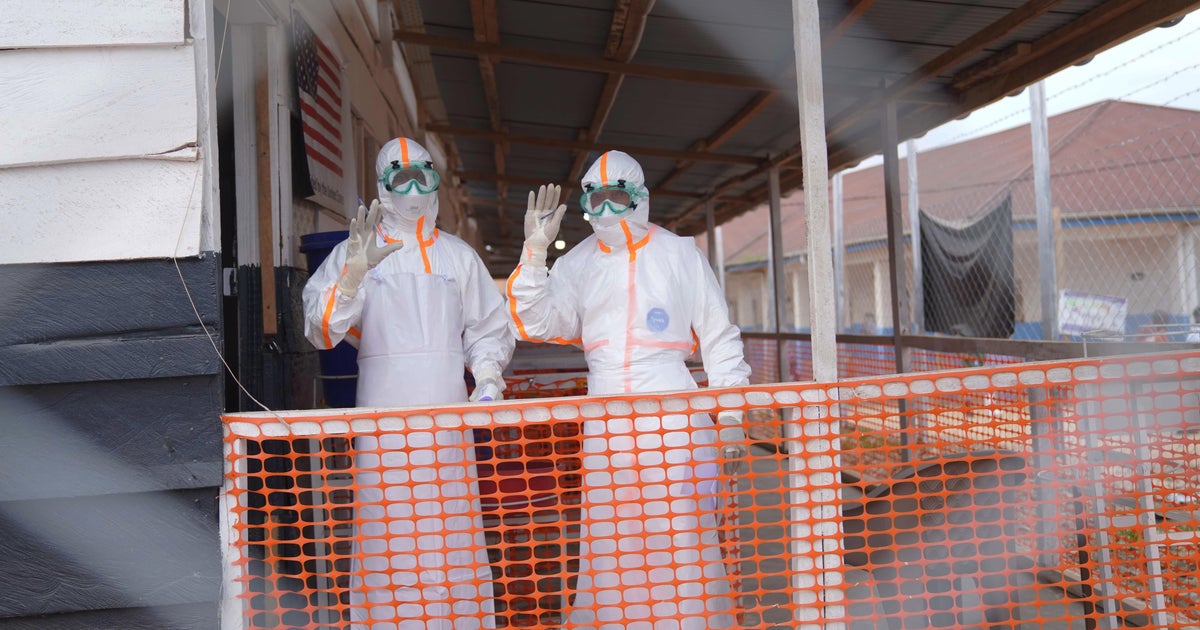
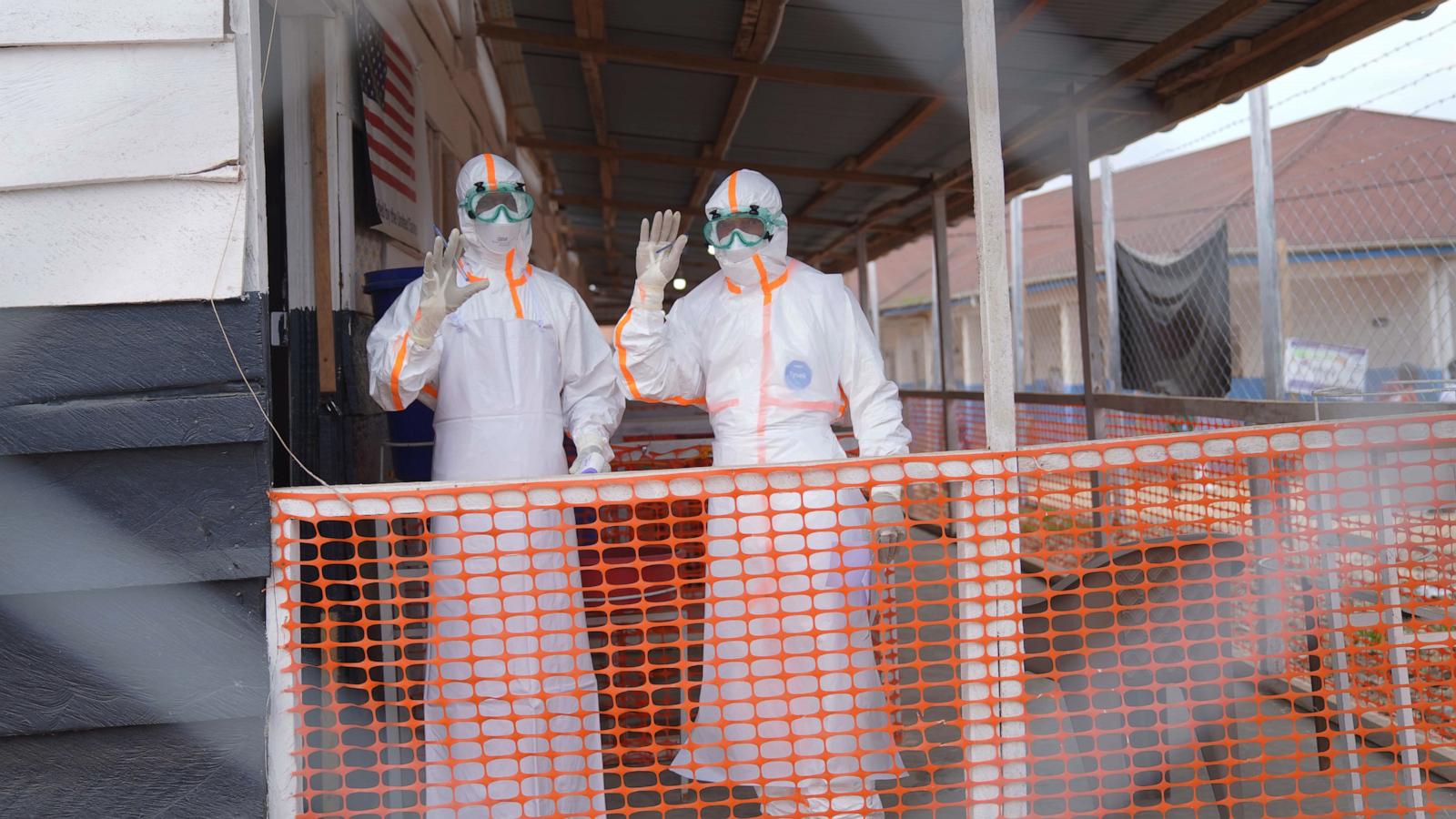
At least 2,011 people have died in Congo's fastest-spreading Ebola outbreak, with a total of 4,381 confirmed cases since May 15. The outbreak, caused by a rare Ebola virus type without approved vaccines, is difficult to control due to rebel conflicts, poor roads, and unpaid health workers striking.
Key Facts
The outbreak has caused 2,011 deaths and 4,381 confirmed cases as of August 2026.
It is the second-largest Ebola outbreak ever, after the 2014-2016 West Africa epidemic.
The virus involved is the rare Bundibugyo type, which currently has no approved vaccines or treatments.
Clinical trials for vaccines and treatments have started in the hardest-hit province of Ituri.
The outbreak began likely in February but was only detected in May.
Conflicts, difficult roads, and health workers’ strikes slow down the response efforts.
Most new cases are outside of the tracked contacts, making containment harder.
The World Health Organization declared this outbreak a public health emergency of international concern.
Read the Original
Want the full story? Tap a source to open the original
article.
China has been a world leader in green technology and robotics. However, its economic growth has slowed recently, causing some people to feel left behind and unhappy with the government.
Key Facts
China has a long-standing deal where citizens accept government control in exchange for economic progress.
China leads the world in green technology and robotics industries.
Recently, China's economic growth has slowed down.
This slowdown has caused some signs of unrest and dissatisfaction among citizens.
The government is facing challenges in maintaining the economic benefits promised to its people.
The BBC spoke with Chinese citizens who feel they are not benefiting from the country's progress.
The story was reported by BBC’s China correspondent Laura Bicker.
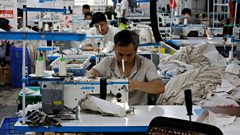
A photo shows workers on a factory production line in Guangzhou, China, dated July 27, 2026.
Read the Original
Want the full story? Tap a source to open the original
article.
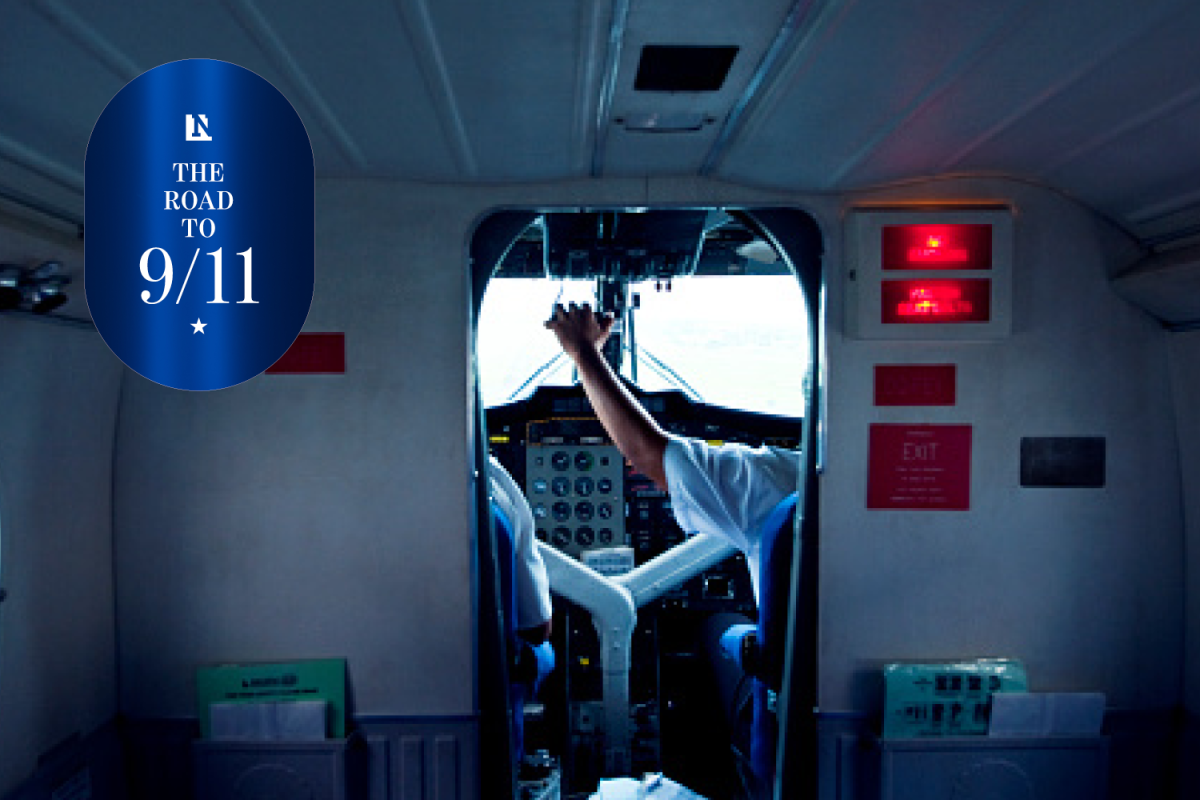
Zacarias Moussaoui, considered by many as the "20th" hijacker in the 9/11 attacks, arrived in Minnesota in August 2001 to train as a pilot but raised suspicion at a flight school. Despite his arrest on immigration charges, the FBI and intelligence agencies failed to understand the seriousness of the threat before the attacks.
Key Facts
Moussaoui arrived in Minnesota on August 11, 2001, to attend flight simulation training.
He was paying cash and showed unusual behavior that made the flight school suspicious.
He admitted he did not want a pilot’s license and only wanted to learn to fly, but not take off or land.
The flight school reported him to the FBI, resulting in his arrest on immigration charges on August 16.
Moussaoui had ties to al-Qaeda but no proof he met other 9/11 hijackers or was planned to be in the September 11 attack.
Prior to Minnesota, he attended flight school in Oklahoma but left before completing the course.
He trained at an al-Qaeda camp in Afghanistan before coming to the U.S.
The FBI and intelligence agencies did not respond strongly to Moussaoui’s arrest, missing a chance to prevent the attack.
Read the Original
Want the full story? Tap a source to open the original
article.
A Syrian court sentenced ousted President Bashar Assad, his brother Maher, and their cousin Atef Najib to death in a trial held without Assad present. They were charged with crimes against humanity and war crimes during Syria’s long civil war that caused about 500,000 deaths.
Key Facts
The court sentenced Assad, his brother Maher, and cousin Atef Najib to death.
The charges include crimes against humanity and war crimes during the 14-year Syrian conflict.
The war resulted in around half a million deaths.
Atef Najib was held responsible for leading a violent crackdown in Daraa province, which triggered the uprising.
Najib appeared in court in a prisoner’s uniform inside a cage during the sentencing.
Assad and Maher Assad fled to Russia in December 2014 after rebels entered Damascus.
Najib was later detained and became one of the highest-ranking officials tried in the case.
Najib was a brigadier general and headed the Political Security Branch in Daraa in 2011.
Read the Original
Want the full story? Tap a source to open the original
article.
Russian forces attacked several cities in Ukraine with missiles, drones, and glide bombs, killing at least nine civilians. Ukrainian President Zelenskyy said Russia is receiving more ballistic missiles and military support from North Korea and preparing to increase its forces for further conflict.
Key Facts
Russia attacked Ukrainian cities including Zaporizhzhia and Dnipropetrovsk with missiles and drones.
At least nine civilians were killed, including a 15-year-old boy.
Ukraine’s President Zelenskyy said Russia used ballistic missiles supplied by North Korea.
Zelenskyy warned that North Korea is sending more troops and weapons to assist Russia.
Russia and North Korea have a strategic partnership agreement signed over two years ago.
Experts say North Korea is gaining battlefield experience that could increase its regional threats.
Russia is increasing missile production to overcome Ukraine’s shortage of Patriot air defense systems.
Russian attacks also hit parts of Kyiv, including near a children’s hospital, but no injuries were reported there.
Read the Original
Want the full story? Tap a source to open the original
article.
A strong earthquake with a magnitude of 7.4 struck western Colombia on August 10, 2026, killing at least 111 people and damaging or destroying around 1,600 buildings. Rescue teams and volunteers are searching through rubble for survivors, while thousands of people remain missing.
Key Facts
The earthquake affected multiple cities including Cali, Quibdó, Pereira, and others.
Over 1,600 buildings were damaged or collapsed by the quake.
At least 111 deaths were confirmed by President Abelardo de la Espriella.
More than 2,700 people were reported missing after the earthquake.
The town of El Cairo had about 80% damage, and many homes there are fragile.
The Chocó region, near the earthquake epicenter, is poor and hard to access.
The Colombian government deployed military, police, rescue teams, and search dogs to help.
The U.S. government pledged $15.5 million to provide emergency shelters, food, and aid.
Read the Original
Want the full story? Tap a source to open the original
article.
A Syrian court sentenced President Bashar al-Assad and his maternal cousin to death for war crimes and crimes against humanity during Syria’s long civil war. The court trial happened without Assad being present, as he and his brother fled to Russia after rebels entered Damascus in December 2024.
Key Facts
The sentence was given by a Syrian court on Tuesday for crimes during a 14-year civil war.
President Bashar al-Assad was sentenced to death in absentia, meaning he was not at the trial.
Assad’s maternal cousin, Atef Najib, was also sentenced to death; he was involved in the crackdown in Daraa province that sparked the war.
Najib was held in a cage wearing a prisoner’s uniform during the trial.
Assad and his brother Maher left Syria and went to Russia after opposition forces entered Damascus in late 2024.
Atef Najib is a former army brigadier general and was head of political security in southern Syria in 2011.
The trial is part of new cases started by Syria’s transitional authorities against former government figures.
This is the first ruling of its kind by the current transitional government.
Read the Original
Want the full story? Tap a source to open the original
article.
Andy Burnham, prime minister, is working on changes to a prisoner early release scheme to stop the killers of police officer Andrew Harper from being freed early. He has asked the justice secretary to create a new plan with options like sending more foreign prisoners home and using more prison space, aiming to present it to parliament soon.
Key Facts
Andy Burnham has expressed concern about early release of offenders involved in PC Andrew Harper’s killing.
He is confident the early release scheme can be revised to keep these offenders in jail.
Burnham has asked the justice secretary to speed up a new plan for parliament next month.
The plan includes speeding up removal of foreign prisoners to their countries.
It also aims to resolve issues with IPP sentences, possibly allowing lower-risk prisoners’ release.
Burnham wants to better use all prison spaces, including female prisons for male offenders.
Murderers, rapists, serious child sex offenders, and groomers are already exempt from early release.
Police Federation chair welcomed Burnham’s decision and noted strong public support against early release.
Read the Original
Want the full story? Tap a source to open the original
article.
A strong earthquake with a magnitude of 7.4 hit western Colombia, killing at least 132 people and damaging many buildings. Rescue teams, soldiers, and local people are working together to find survivors, while thousands of people are still reported missing.
Key Facts
The earthquake struck on Monday and affected cities including Cali, Quibdo, and Pereira.
About 1,600 buildings have been damaged or collapsed due to the quake.
More than 2,700 people were reported missing by Monday night.
In El Cairo, near the quake's center, 80% of the town's buildings were damaged.
Many houses made of sticks and mud fell during the earthquake.
President Abelardo de la Espriella has deployed the military, police, engineers, rescue teams, and search dogs.
The United States offered $15.5 million in emergency aid.
The affected region is one of Colombia’s poorest and hardest to reach areas.
Read the Original
Want the full story? Tap a source to open the original
article.
Turkey’s parliament approved a new law that offers a conditional pardon to thousands of Kurdish militants linked to the PKK group. This move aims to support the government’s efforts to create peace with the Kurdish insurgents.
Key Facts
Turkey’s parliament passed a law granting conditional pardons to many PKK militants.
The PKK is a Kurdish militant group involved in a long-running conflict with Turkey.
The pardon is part of a government plan to promote peace and reduce violence.
The law was approved on Monday, August 11, 2026.
This is a significant step in Turkey’s peace initiative with Kurdish groups.
The pardon is “conditional,” meaning certain rules or requirements must be met for release.
The decision follows years of conflict between Turkey and Kurdish militants.
Read the Original
Want the full story? Tap a source to open the original
article.
Thousands of young people in India protested in New Delhi to demand changes to medical entrance exams after a leak caused several deaths. The protests led to the resignation of the Education Minister and forced the government to change the exam system. Some protesters, like Kunal Choudhary, come from families that support the ruling party and its close ideological group, the RSS.
Key Facts
Protests in India were sparked by leaked medical exam papers, linked to over 20 student suicides.
The Education Minister Dharmendra Pradhan resigned following the protests.
The government promised changes to entrance exams after public outrage.
Kunal Choudhary, a 19-year-old law student, joined the protests even though his family supports the BJP and RSS.
The RSS is a Hindu nationalist group founded in 1925, which influences the BJP party.
RSS members often take part in weekly meetings with martial drills and ideological training.
The RSS was banned briefly in 1948 after an alleged member killed Mahatma Gandhi but was reinstated and became politically active through the BJP.
Some youth critics say the RSS promotes hate against Muslims and Dalits, India’s marginalized caste group.
Read the Original
Want the full story? Tap a source to open the original
article.
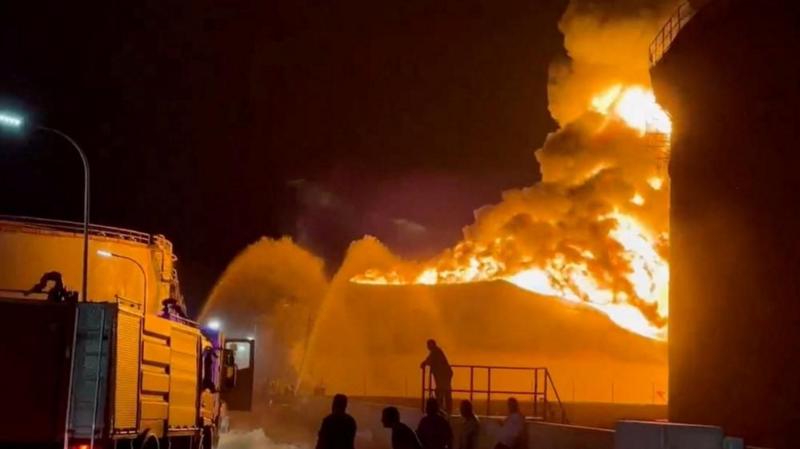
A large fire broke out at Libya’s biggest oil refinery in Zawiya after unknown attackers used drones to hit fuel tanks. Emergency teams are working to control the blaze, and so far no serious injuries have been reported. The situation shows ongoing instability as rival groups in Libya continue to struggle for power.
Key Facts
The Zawiya oil refinery west of Tripoli was struck by drones multiple times over two days.
A fuel tank holding about 4.5 million liters was hit and collapsed after catching fire.
Libya’s National Oil Corporation may stop refinery operations if attacks keep happening.
No serious injuries; most treated for smoke inhalation.
The refinery produces around 120,000 barrels of oil each day.
Similar attacks targeted a naphtha storage tank and a water desalination plant recently.
Libya remains divided between two main power groups since the fall of leader Muammar Gaddafi in 2011.
The current conflict involves forces in the east led by Khalifa Haftar and the western government based in Tripoli.
Read the Original
Want the full story? Tap a source to open the original
article.
Syria’s former president Bashar al-Assad and Atef Najib, a former security official, were sentenced to death by a court in Damascus. They were found guilty of murder and torture linked to violent actions during Syria’s civil war in 2011.
Key Facts
Bashar al-Assad was sentenced to death for premeditated murder.
Atef Najib was sentenced to death for premeditated murder and torture.
The court ruled the actions in Deraa province were crimes against humanity.
The trial took place in Damascus, Syria’s capital.
The crimes occurred during the early stages of the Syrian civil war in 2011.
Ataf Najib was the former head of political security in Deraa province.
Read the Original
Want the full story? Tap a source to open the original
article.
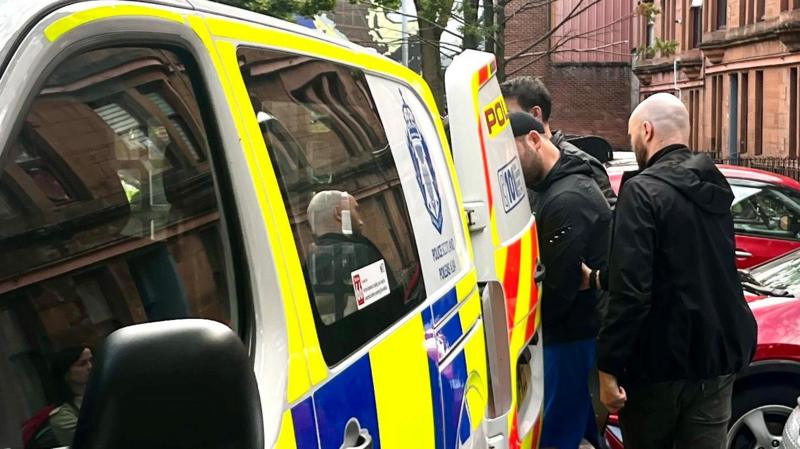
A 29-year-old man has been arrested in Glasgow in connection with a racist attack on delivery driver Muhammad Jawad Yaqoob during protests last month. The man faces charges of racially-aggravated assault after throwing a traffic cone at Yaqoob, who was targeted with racial abuse. Police continue to investigate and plan more arrests.
Key Facts
The attack happened on 25 July during protests at Glasgow Green.
Yaqoob, a 31-year-old delivery driver from Pakistan, was hit by a traffic cone thrown by the suspect.
The incident was recorded and widely shared on social media.
Fifteen people were arrested during the protests, and more arrests are expected.
The protests involved anti-immigration and anti-racism groups leading to violent and hate-related incidents.
Yaqoob said he felt unsafe returning to work after the attack but had to continue due to financial needs.
Police Scotland deployed a major investigation team to identify other suspects.
The clashes coincided with the opening weekend of the Commonwealth Games in Glasgow.
Read the Original
Want the full story? Tap a source to open the original
article.
Congo is facing its fastest growing Ebola outbreak, with over 2,000 people dead among 4,381 confirmed cases. The outbreak began in May and involves a rare Ebola virus strain that has no approved vaccines or treatments.
Key Facts
Congo’s Ebola outbreak has recorded 2,011 deaths so far.
There are 4,381 confirmed Ebola cases in total.
About 704 patients are currently in isolation and receiving care.
The outbreak started in May 2026 but began spreading earlier in February.
This is Congo’s 17th Ebola outbreak and the largest one recorded.
The virus involved is a rare type called Bundibugyo, with no approved vaccine or treatment.
The death toll doubled from 1,000 to 2,000 in about three weeks, showing the outbreak is speeding up.
The outbreak started in a remote area, making it harder to get help to affected people.
Read the Original
Want the full story? Tap a source to open the original
article.
At least 14 artisanal miners died and many were injured at an old, unused mine near Rustenburg, South Africa. Police found the miners but did not give details about how they died.
Key Facts
The miners died at a disused mine about 130 kilometers northwest of Johannesburg.
The South African Police Service reported the deaths on Tuesday.
Officials did not share the exact cause of death.
The provincial police commissioner was traveling to the mine site.
Many artisanal miners in South Africa work illegally in old gold and platinum mines.
These miners often lack proper safety gear and can stay underground for weeks.
Informal mining is linked to criminal gangs and violent conflicts.
Rustenburg is a center for platinum mining, and South Africa holds the largest platinum reserves in the world.
Read the Original
Want the full story? Tap a source to open the original
article.
Ukrainian President Zelenskyy’s recent 40-day military campaign aimed to pressure Russia into ending the war, but it did not lead to a ceasefire or significant Russian concessions. Russia responded with harsh attacks on Ukraine’s infrastructure, worsening the situation as Ukraine faces difficult choices between continued conflict and negotiating peace under tough conditions.
Key Facts
Ukraine launched intense attacks using long-range missiles targeting Russian infrastructure to force Moscow to end the war.
Russian President Putin has not agreed to any peace deals and continues military offensives.
Ukrainian strikes caused fuel shortages in Russia and Crimea, but Russia managed to ease the crisis.
Russia retaliated with airstrikes shutting down Ukraine’s Black Sea ports and damaging key supply and retail hubs.
Fighting continues in eastern Ukraine, especially near Donetsk, with Russia taking more border territory.
Ukraine’s media campaign aimed to influence U.S. President Donald Trump but did not change his support stance.
New U.S. sanctions against Russia face uncertainty in Congress and may not affect the war’s direction.
Ukraine expects a very harsh winter due to destroyed energy and possibly water systems from Russian attacks.
Read the Original
Want the full story? Tap a source to open the original
article.
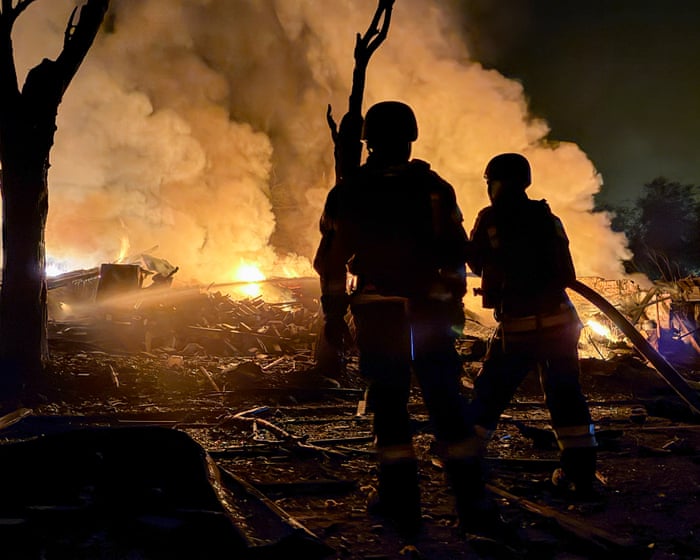
Russian forces launched overnight attacks on several cities in Ukraine, including Zaporizhzhia, Dnipropetrovsk, and Donetsk, causing deaths and injuries. President Zelenskyy said the strike on Zaporizhzhia involved North Korean missiles and other weapons, and Ukraine responded with drone attacks inside Russia.
Key Facts
Russian attacks on Zaporizhzhia killed at least six people and injured 20.
Six people were also killed and 16 injured in attacks on Dnipropetrovsk and Donetsk.
President Zelenskyy said Russian forces used North Korean ballistic missiles, Zircon missiles, and guided bombs in the Zaporizhzhia attack.
The attacks targeted civilian infrastructure, according to Zelenskyy.
Ukraine’s drone strikes hit Russian targets including a military base in Voronezh, an oil refinery in Orsk, a cargo ship in the Black Sea, and facilities in occupied Russian areas.
Russia’s defense ministry claimed it targeted military transport and logistics centers in Kyiv and a steelworks in Zaporizhzhia.
The Russian strikes included a warehouse complex storing drone components and electronic warfare equipment.
Ukraine’s drone strike on Voronezh caused fires at a logistics warehouse but no goods were damaged, and deliveries were rerouted.
Read the Original
Want the full story? Tap a source to open the original
article.
Indonesia is facing large wildfires that have burned over 100,000 hectares of land. These fires have caused poor air quality, leading to school closures and a large firefighting effort involving nearly 50,000 personnel.
Key Facts
More than 100,000 hectares (247,000 acres) have been burned by wildfires in Indonesia.
Nearly 50,000 firefighters are working to control the fires.
Dozens of schools remain closed due to unhealthy air caused by the smoke.
The mayor of Pontianak city on Borneo island ordered schools to close and students to study from home.
Six provinces are currently prioritized for firefighting: Riau, Jambi, South Sumatra, West Kalimantan, Central Kalimantan, and South Kalimantan.
El Nino, a climate pattern causing dry weather, is making fires worse by reducing rainfall.
Authorities are using cloud seeding—a method where chemicals like silver iodide are sprayed into clouds to encourage rain—to help put out the fires.
Firefighters have mostly controlled a fire in Bromo Tengger Semeru National Park in East Java, which burned about 900 hectares (2,200 acres).
The area burned so far in 2024 is more than double compared to the same period in 2023.
Read the Original
Want the full story? Tap a source to open the original
article.
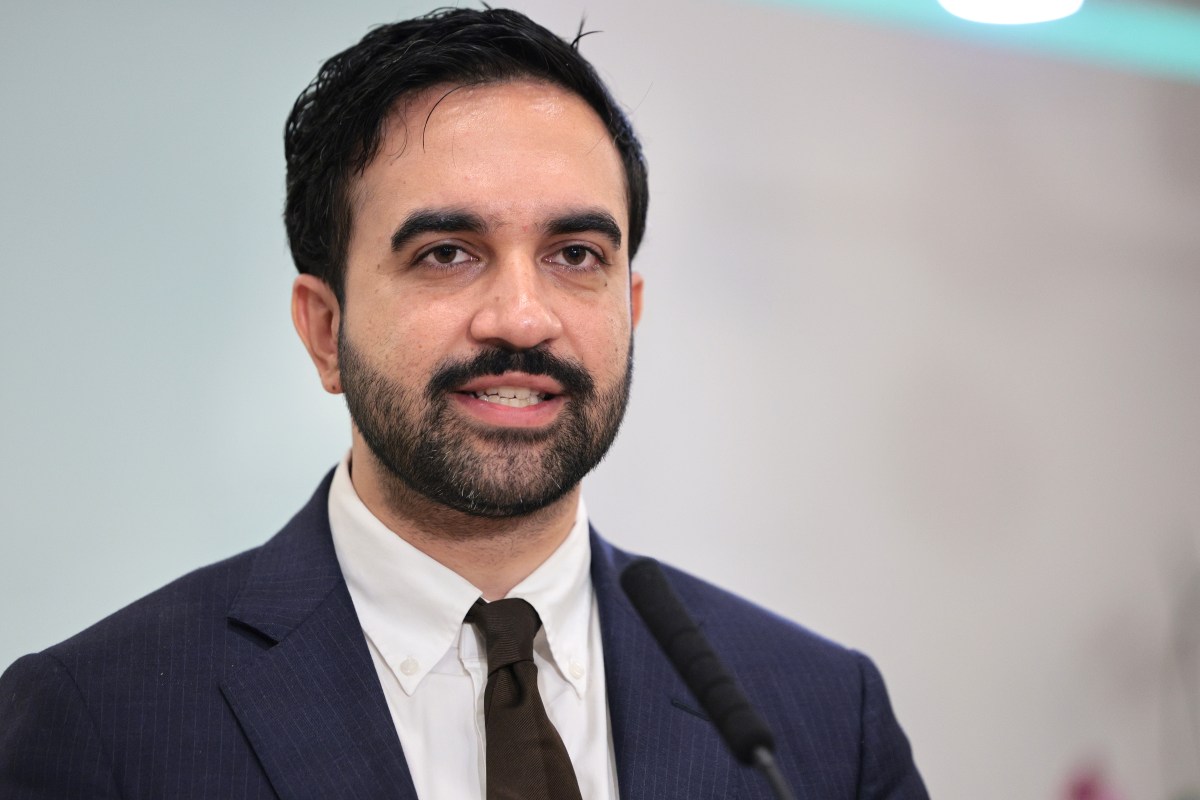
Israeli Consul General Ofir Akunis criticized New York City Mayor Zohran Mamdani for calling the pro-Israel lobby group AIPAC "monsters," saying this language is similar to what Nazis used against Jewish people. Mamdani defended his words by saying AIPAC supports a harmful status quo in the Middle East through hidden political money. Akunis also warned about rising antisemitism and urged Americans to pay attention to this issue.
Key Facts
Israeli Consul General Ofir Akunis compared Mayor Mamdani’s use of the word "monsters" for AIPAC to Nazi language used against Jews in Europe.
AIPAC (American Israel Political Action Committee) is a powerful group that supports Israel and has been criticized by some progressive politicians in the U.S.
Mayor Mamdani said AIPAC uses dark money (untraceable political donations) to keep its political power and block peace efforts.
Akunis expressed concern about increasing antisemitism worldwide, calling it a threat to both Israel and Western countries.
Akunis criticized progressives who support both LGBTQ+ rights and the Palestinian cause, saying such rights are not respected in Palestinian territories or in Iran.
Mamdani’s comments came during a rally supporting progressive candidates who later won their races.
Akunis urged Americans to defend freedom of speech and women’s rights against extremist influences.
The Israeli diplomat accused some U.S. politicians of using Israel-related issues to distract from local problems.
Read the Original
Want the full story? Tap a source to open the original
article.