At least 14 artisanal miners died and many were injured at an old, unused mine near Rustenburg, South Africa. Police found the miners but did not give details about how they died.
Key Facts
The miners died at a disused mine about 130 kilometers northwest of Johannesburg.
The South African Police Service reported the deaths on Tuesday.
Officials did not share the exact cause of death.
The provincial police commissioner was traveling to the mine site.
Many artisanal miners in South Africa work illegally in old gold and platinum mines.
These miners often lack proper safety gear and can stay underground for weeks.
Informal mining is linked to criminal gangs and violent conflicts.
Rustenburg is a center for platinum mining, and South Africa holds the largest platinum reserves in the world.
Read the Original
Want the full story? Tap a source to open the original
article.
Ukrainian President Zelenskyy’s recent 40-day military campaign aimed to pressure Russia into ending the war, but it did not lead to a ceasefire or significant Russian concessions. Russia responded with harsh attacks on Ukraine’s infrastructure, worsening the situation as Ukraine faces difficult choices between continued conflict and negotiating peace under tough conditions.
Key Facts
Ukraine launched intense attacks using long-range missiles targeting Russian infrastructure to force Moscow to end the war.
Russian President Putin has not agreed to any peace deals and continues military offensives.
Ukrainian strikes caused fuel shortages in Russia and Crimea, but Russia managed to ease the crisis.
Russia retaliated with airstrikes shutting down Ukraine’s Black Sea ports and damaging key supply and retail hubs.
Fighting continues in eastern Ukraine, especially near Donetsk, with Russia taking more border territory.
Ukraine’s media campaign aimed to influence U.S. President Donald Trump but did not change his support stance.
New U.S. sanctions against Russia face uncertainty in Congress and may not affect the war’s direction.
Ukraine expects a very harsh winter due to destroyed energy and possibly water systems from Russian attacks.
Read the Original
Want the full story? Tap a source to open the original
article.
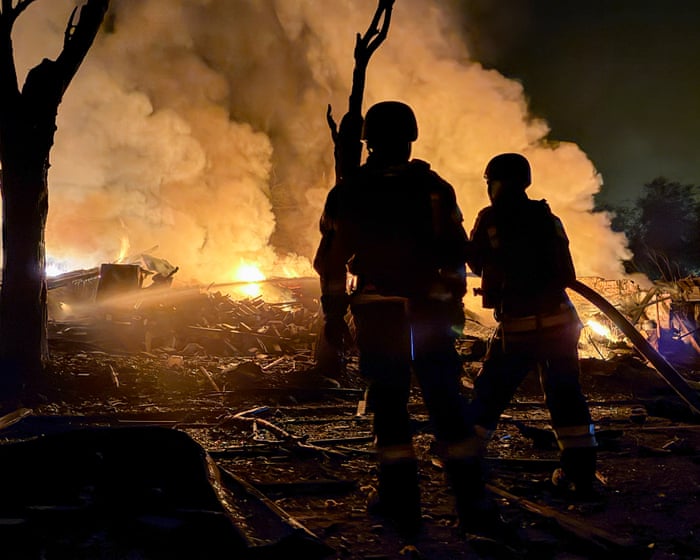
Russian forces launched overnight attacks on several cities in Ukraine, including Zaporizhzhia, Dnipropetrovsk, and Donetsk, causing deaths and injuries. President Zelenskyy said the strike on Zaporizhzhia involved North Korean missiles and other weapons, and Ukraine responded with drone attacks inside Russia.
Key Facts
Russian attacks on Zaporizhzhia killed at least six people and injured 20.
Six people were also killed and 16 injured in attacks on Dnipropetrovsk and Donetsk.
President Zelenskyy said Russian forces used North Korean ballistic missiles, Zircon missiles, and guided bombs in the Zaporizhzhia attack.
The attacks targeted civilian infrastructure, according to Zelenskyy.
Ukraine’s drone strikes hit Russian targets including a military base in Voronezh, an oil refinery in Orsk, a cargo ship in the Black Sea, and facilities in occupied Russian areas.
Russia’s defense ministry claimed it targeted military transport and logistics centers in Kyiv and a steelworks in Zaporizhzhia.
The Russian strikes included a warehouse complex storing drone components and electronic warfare equipment.
Ukraine’s drone strike on Voronezh caused fires at a logistics warehouse but no goods were damaged, and deliveries were rerouted.
Read the Original
Want the full story? Tap a source to open the original
article.
Indonesia is facing large wildfires that have burned over 100,000 hectares of land. These fires have caused poor air quality, leading to school closures and a large firefighting effort involving nearly 50,000 personnel.
Key Facts
More than 100,000 hectares (247,000 acres) have been burned by wildfires in Indonesia.
Nearly 50,000 firefighters are working to control the fires.
Dozens of schools remain closed due to unhealthy air caused by the smoke.
The mayor of Pontianak city on Borneo island ordered schools to close and students to study from home.
Six provinces are currently prioritized for firefighting: Riau, Jambi, South Sumatra, West Kalimantan, Central Kalimantan, and South Kalimantan.
El Nino, a climate pattern causing dry weather, is making fires worse by reducing rainfall.
Authorities are using cloud seeding—a method where chemicals like silver iodide are sprayed into clouds to encourage rain—to help put out the fires.
Firefighters have mostly controlled a fire in Bromo Tengger Semeru National Park in East Java, which burned about 900 hectares (2,200 acres).
The area burned so far in 2024 is more than double compared to the same period in 2023.
Read the Original
Want the full story? Tap a source to open the original
article.
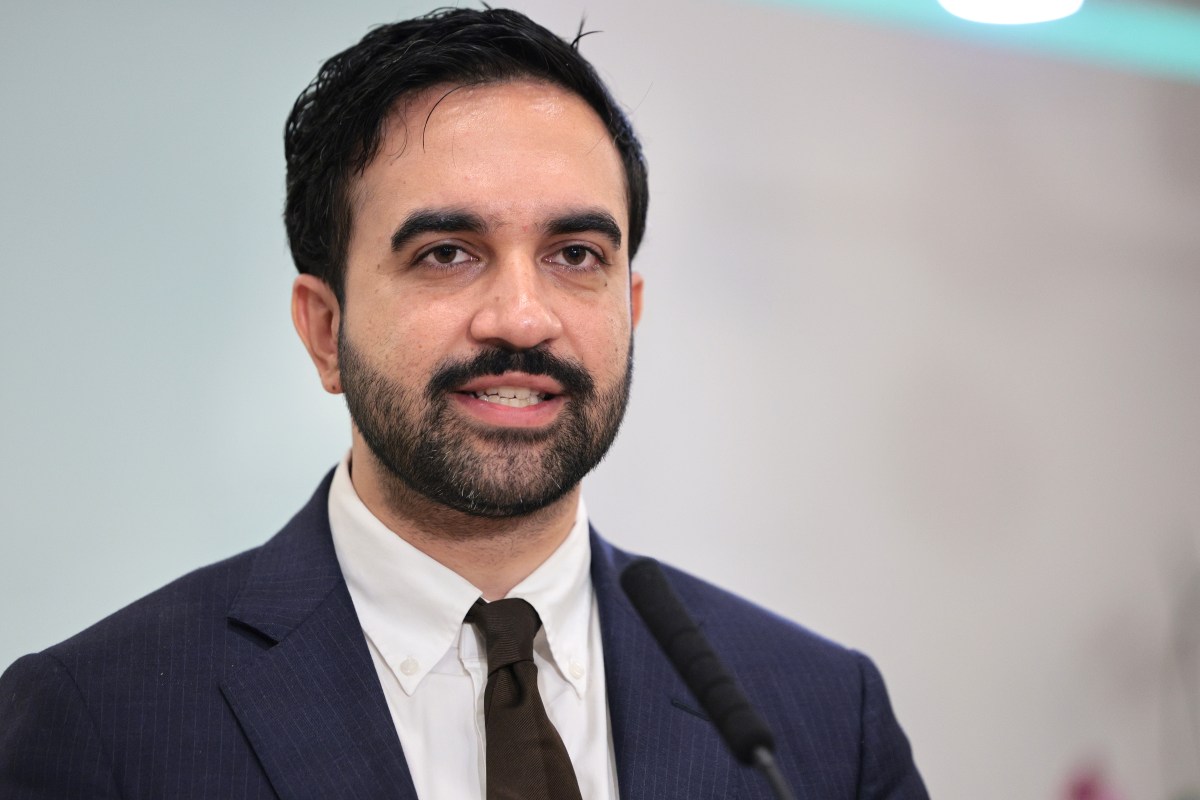
Israeli Consul General Ofir Akunis criticized New York City Mayor Zohran Mamdani for calling the pro-Israel lobby group AIPAC "monsters," saying this language is similar to what Nazis used against Jewish people. Mamdani defended his words by saying AIPAC supports a harmful status quo in the Middle East through hidden political money. Akunis also warned about rising antisemitism and urged Americans to pay attention to this issue.
Key Facts
Israeli Consul General Ofir Akunis compared Mayor Mamdani’s use of the word "monsters" for AIPAC to Nazi language used against Jews in Europe.
AIPAC (American Israel Political Action Committee) is a powerful group that supports Israel and has been criticized by some progressive politicians in the U.S.
Mayor Mamdani said AIPAC uses dark money (untraceable political donations) to keep its political power and block peace efforts.
Akunis expressed concern about increasing antisemitism worldwide, calling it a threat to both Israel and Western countries.
Akunis criticized progressives who support both LGBTQ+ rights and the Palestinian cause, saying such rights are not respected in Palestinian territories or in Iran.
Mamdani’s comments came during a rally supporting progressive candidates who later won their races.
Akunis urged Americans to defend freedom of speech and women’s rights against extremist influences.
The Israeli diplomat accused some U.S. politicians of using Israel-related issues to distract from local problems.
Read the Original
Want the full story? Tap a source to open the original
article.
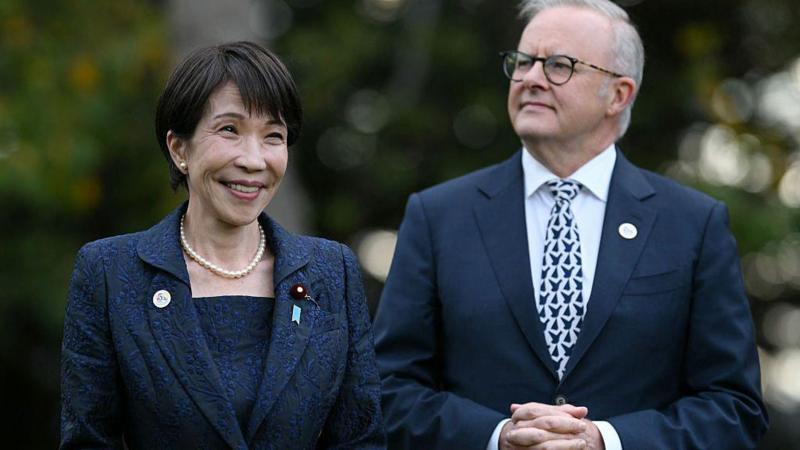
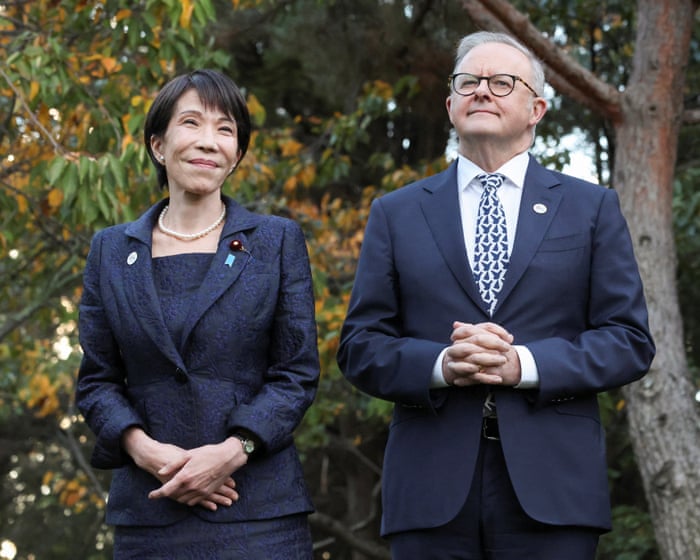
Australia’s Prime Minister Anthony Albanese faced criticism for his remarks about two expensive melons given to him by Japan’s Prime Minister Sanae Takaichi. A former Japanese ambassador called Albanese’s comments disrespectful, but Albanese said the joke came from the podcast host, not him. Opposition leaders have asked Albanese to apologize, but he has rejected their demands.
Key Facts
Japan’s Prime Minister Sanae Takaichi gave Anthony Albanese two high-value crown melons during her visit to Australia in May.
Crown melons are a prized gift in Japan, costing more than $180 each.
Albanese called the melon gifts “pretty strange” but also “quite good” during a July podcast episode.
The podcast host made a joke comparing the melons to Pamela Anderson, which Albanese joined in responding to.
Shingo Yamagami, former Japanese ambassador to Australia, called the comments “sexist” and damaging to the Australia-Japan relationship.
Opposition leaders in Australia demanded Albanese apologize to Takaichi, which he refused, saying the joke was from the host.
Albanese’s government denies the comments were offensive and stresses the strong partnership between Australia and Japan.
Albanese previously apologized for unrelated controversial comments about Kylie Minogue on the same podcast.
Read the Original
Want the full story? Tap a source to open the original
article.
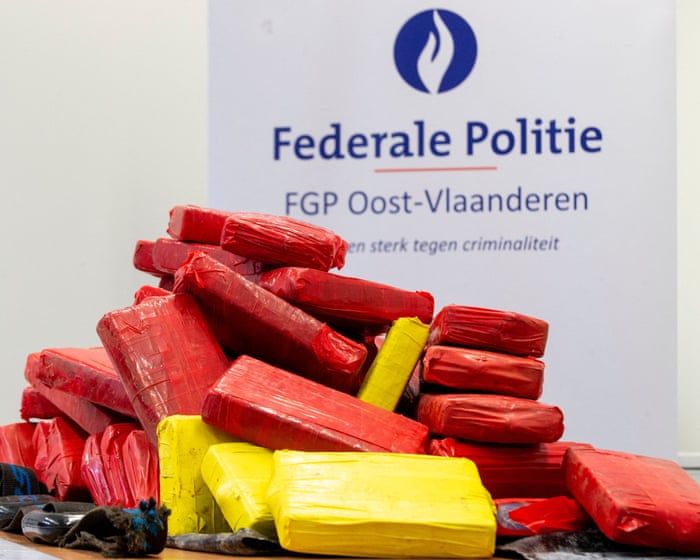
Criminal gangs in Belgium are using short-term rental platforms, similar to Airbnb, to store drugs, money, weapons, and people. Belgium’s national drug commissioner, Ine Van Wymersch, says the flexibility of these rentals helps organised crime, and authorities are working to stop this misuse.
Key Facts
Gangs rent short-term apartments to hide illegal goods because bookings can be easily changed or canceled.
In August, police found cocaine and cash in an Airbnb rental in Brussels linked to drug activity.
In 2024, a drug operation seizure worth €21 million involved an Airbnb rental in West Flanders.
Airbnb says criminal bookings are very rare and uses technology to spot suspicious activity.
Short-term rentals are part of a larger problem including anonymous emails, encrypted communication, cryptocurrency, and delivery services that criminals exploit.
Antwerp is a major entry point for cocaine in Europe and has seen drug-related violence and threats.
Belgium’s national drug commissioner warns the country risks becoming a narco state without stronger action.
The government is focusing on tracing and attacking criminal money to fight organised crime effectively.
Read the Original
Want the full story? Tap a source to open the original
article.
Sudanese armed forces found a mass grave with at least 25 bodies in Kurmuk, Blue Nile State, after retaking the town from the paramilitary Rapid Support Forces (RSF). Local officials accuse the RSF of killing women, children, and hospital staff during their occupation, amid ongoing fighting in the region.
Key Facts
The mass grave was discovered in the northeastern part of Kurmuk during army operations.
The victims included children, women, and hospital workers.
The killings reportedly happened near Jebel Fankat, a strategic hill used by the RSF for drone attacks.
The RSF and Sudanese army have been in conflict since April 2023.
The RSF has been accused of mass killings in several areas, including Khartoum and El-Fasher.
Fighting continues in Blue Nile State and West Darfur, causing many people to flee their homes.
The World Health Organization estimates around 40,000 people have died due to the conflict.
More than 14 million people have been displaced from their homes because of the fighting.
Read the Original
Want the full story? Tap a source to open the original
article.
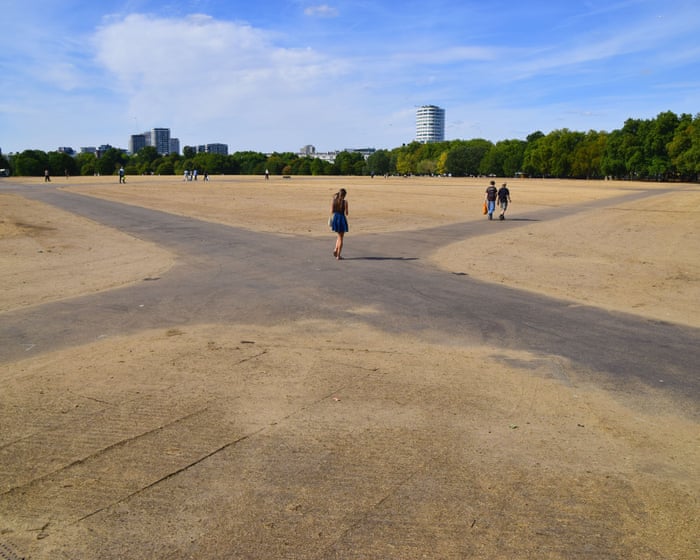
Amber heat health alerts have started across most of England from Tuesday morning until Friday morning because of a fifth heatwave this summer. These alerts warn of serious effects on health services, vulnerable people, and other risks as temperatures rise and drought conditions worsen.
Key Facts
Amber heat health alerts are active across almost all regions in England from 9am Tuesday to 9am Friday.
The north-east of England has a less intense yellow heat health alert.
High temperatures may affect hospitals, care homes, and workers, causing health risks especially to older people and those with illnesses.
Other risks include overheating indoor places, problems managing medicines, power demand exceeding capacity, and more travel delays.
Water-related accidents like drowning and cold shock may increase during the heatwave.
Four more English regions were declared in drought recently, joining several others and all of Wales, due to very dry weather.
About 71% of England is under "flash drought," a rapid dry period after the driest July on record.
Temperatures are forecast to reach mid-30s Celsius by Thursday, possibly over 36°C in some areas.
Read the Original
Want the full story? Tap a source to open the original
article.
Legend Storer, a 20-year-old former college swimmer from Hawaii, has been charged in connection with the death of a security guard at a Maui resort. The security guard was found unresponsive after an attack by a naked man, who was later identified and arrested as Storer.
Key Facts
Legend Storer is 20 years old and used to be a college swimmer from Hawaii.
A security guard named Michael Dyer, 63, was found dead at a West Maui resort.
Police found Dyer after an attack by a naked man around 5:30 a.m. on August 5.
Surveillance footage showed the naked man arriving around 1:45 a.m. and attacking Dyer.
The same naked man was later found injured in a nearby area called Kahana.
Storer was taken to a hospital for medical evaluation before being arrested.
He was charged with second-degree murder and first-degree burglary; an indecent exposure charge was also referred to prosecutors.
Police have not shared a reason or motive for the attack.
Read the Original
Want the full story? Tap a source to open the original
article.
Congo is facing its fastest growing Ebola outbreak, with over 4,300 confirmed cases and more than 2,000 deaths reported. The outbreak, caused by a rare type of the Ebola virus, began in February and has no approved vaccine or treatment.
Key Facts
The Ebola outbreak in Congo started in February but was officially declared on May 15.
There are 4,381 confirmed Ebola cases in Congo so far.
At least 2,011 people have died from the outbreak.
Currently, 704 patients are being treated and isolated.
This outbreak is the fastest growing Ebola outbreak on record.
The virus involved is the Bundibugyo strain, which is rare.
There are no approved vaccines or treatments for this type of Ebola virus.
The outbreak began in a remote and vulnerable area of Congo.
Read the Original
Want the full story? Tap a source to open the original
article.
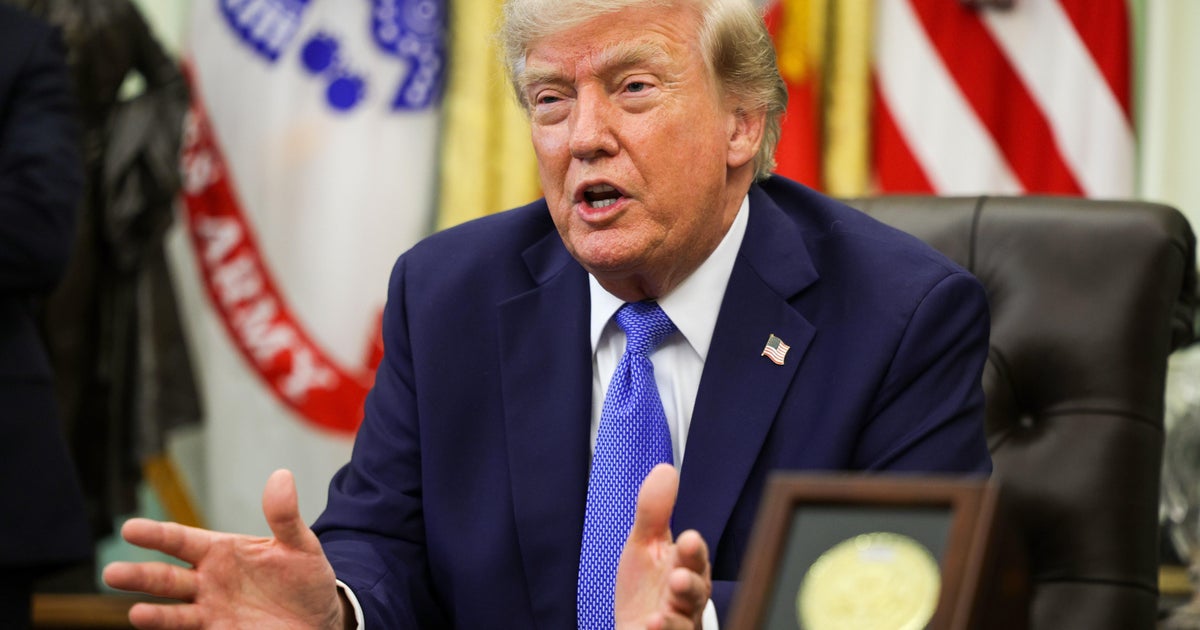
President Donald Trump said the United States controls the Strait of Hormuz with a strong naval blockade amid ongoing conflict with Iran that began on February 28. He also demanded compensation from Iran for harm caused by the conflict, responding to Iran’s own compensation demands. Oil prices surged due to uncertainty about when the strait might reopen for shipping.
Key Facts
President Trump stated the U.S. Navy controls the Strait of Hormuz with a “steel wall” naval blockade.
The conflict with Iran started on February 28, affecting global oil transport through the strait.
Iran demands compensation for war damages linked to the conflict.
President Trump countered by demanding compensation from Iran for U.S. military deaths and injured personnel.
Around 20% of the world’s oil supply passed through the Strait of Hormuz before the war.
Oil prices rose by 5% amid doubts about the strait reopening soon to free ship passage.
U.S. intelligence detected a missile threat to Air Force One in Turkey, leading President Trump to secretly switch planes for security.
The U.S.-Iran conflict is causing ongoing tensions affecting global trade routes and energy markets.
Read the Original
Want the full story? Tap a source to open the original
article.
Russian forces launched missile and drone attacks overnight in southeastern Ukraine and Kyiv, killing six people and injuring others. Ukraine and Russia both reported damage and casualties, with Russia stating it targeted military and transport facilities, while Ukraine said a children’s hospital in Kyiv was hit.
Key Facts
Six people were killed and 19 wounded in missile and bomb attacks in Ukraine’s Zaporizhzhia region.
A ballistic missile struck Kyiv, causing damage and injuring one person.
A children’s hospital in Kyiv’s Shevchenkivskyi district was hit, resulting in a fire and one injury.
A drone attack in the southern city of Mykolaiv injured a 75-year-old woman.
Russia said its attacks targeted defense and logistics centers in Kyiv and Zaporizhzhia.
Ukraine claimed an overnight drone attack killed one person and injured two in Russia’s Voronezh region.
Russian air defenses destroyed 15 drones over Voronezh and surrounding areas.
Ukraine is facing challenges defending against attacks due to shortages of Patriot missile interceptors.
Read the Original
Want the full story? Tap a source to open the original
article.
A strong 7.4-magnitude earthquake hit western Colombia's coffee-growing region on Monday, killing at least 164 people. Rescue teams worked through the night on Tuesday to find survivors amid damaged buildings and collapsed homes in cities like Cali and Pereira.
Key Facts
The earthquake struck Colombia's coffee-growing area early Monday.
At least 164 people have died, with more casualties expected.
Cities like Cali and Pereira saw many buildings destroyed or damaged.
In Cali, around 85 people died, and some hospital floors collapsed, trapping patients.
Rescue workers, police, soldiers, and volunteers dug through rubble to find survivors.
Pereira reported 66 deaths and major damage, including to its airport.
A curfew was put in place in Cali and Pereira due to safety concerns, including reports of looting.
Authorities deployed 1,000 security forces to help maintain order and assist rescue efforts.
Read the Original
Want the full story? Tap a source to open the original
article.
Rescue teams in western Colombia continue working after a powerful earthquake caused buildings to collapse and homes to be destroyed. The number of deaths is expected to increase as search efforts continue.
Key Facts
The earthquake hit western Colombia and was the strongest in the country in many years.
Rescue workers are digging through rubble to find survivors.
Many buildings and houses were flattened by the quake.
The death toll is not final and may rise as more searches are done.
Emergency response is ongoing to help those affected by the disaster.
The earthquake has caused widespread damage across the region.
This event is one of the most serious natural disasters Colombia has faced recently.
Read the Original
Want the full story? Tap a source to open the original
article.
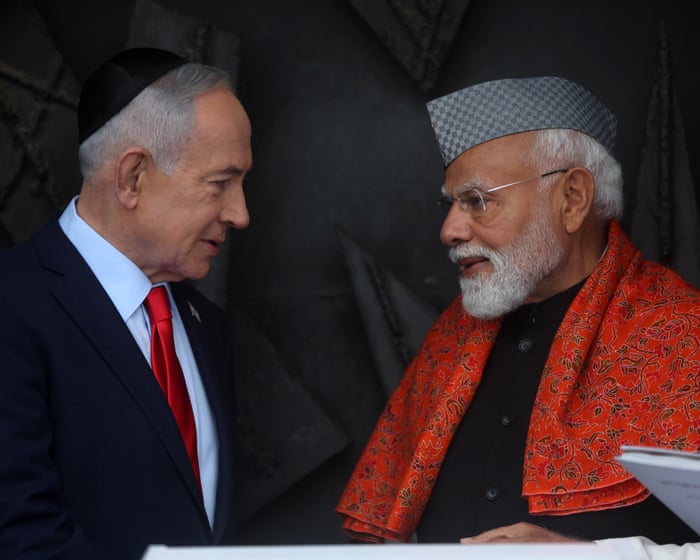
India’s relationship with Israel has grown stronger, including cooperation in military supply and production. Despite concerns about the conflict in Gaza and international criticism of Israel’s actions, India continues to support Israel and supply military components.
Key Facts
Under Prime Minister Narendra Modi, India’s ties with Israel have become closer, especially in defense and strategic areas.
India used to mainly buy weapons from Israel but now helps produce weapons through joint ventures and partnerships.
Amnesty International revealed that Indian companies supplied many weapon parts to Israeli military suppliers during the Gaza conflict.
These parts included small arms components, artillery shell casings, drone warheads, and military vehicle parts.
Some Western countries have limited arms sales to Israel over concerns about the war in Gaza and humanitarian law violations.
United Nations commissions have accused Israel of committing genocide and war crimes in Gaza, and the International Criminal Court issued an arrest warrant for Israeli Prime Minister Benjamin Netanyahu.
Despite this, India’s government and public have not shown major opposition to the arms supply or Israel’s actions.
Analysts link India’s support to shared nationalist ideologies and political support from Modi’s voter base.
Read the Original
Want the full story? Tap a source to open the original
article.
Australia’s Prime Minister Anthony Albanese refused to apologize to Japan’s Prime Minister Sanae Takaichi for a joke he made about Japanese melons during a comedy podcast. The comment caused media attention and political criticism in Australia, but Japan’s government said they saw no ill intent and called the media coverage exaggerated.
Key Facts
Albanese joked about receiving Japanese melons from Prime Minister Takaichi on a satirical podcast.
The joke included hand gestures and a reference to “two, as you do,” which some interpreted as a sexual innuendo.
Opposition parties in Australia demanded an apology, calling the remarks disrespectful.
Albanese rejected calls to apologize and highlighted the strong relationship between Australia and Japan.
A former Japanese ambassador criticized the joke as ungracious and damaging to the Australia-Japan bond.
The Japanese government sent a diplomatic message stating the remarks had no bad intention and media coverage was sensationalized.
Australian government officials defended Albanese and said the comments were misinterpreted.
Media coverage of the joke continued several weeks after the podcast aired, but experts said it was not an issue in Japan.
Read the Original
Want the full story? Tap a source to open the original
article.
Yemen’s government forces said the Iran-backed Houthi rebels fired ballistic missiles at the port city of al-Makha and the central city of Marib. The recent attacks follow deadly strikes that have worsened the ongoing civil war, which escalated after a Saudi air strike in July 2023 ended a truce.
Key Facts
Yemeni government forces accused the Houthis of ballistic missile attacks on al-Makha and Marib.
Previous Houthi missile strikes killed at least seven people and damaged al-Makha’s port area.
A Houthi drone strike killed two government soldiers and wounded seven in Shabwa province.
Yemeni forces responded by targeting Houthi sites in al-Jawf, Saada, and Marib provinces.
The conflict reignited after a Saudi air strike hit Sanaa airport in July 2023, ending a truce from April 2022.
Houthis retaliated with attacks on Saudi airports, shipping, and oil facilities, disrupting the economy.
The Saudi-led coalition launched air strikes and reinforced troops for a possible ground attack on Houthi areas.
The UN warned the fighting risks undoing progress from the 2022 truce and could escalate into a wider regional war.
Read the Original
Want the full story? Tap a source to open the original
article.
Five years after taking control of Afghanistan, the Taliban have developed diplomatic and economic relationships with several countries, although only Russia officially recognizes their government. Many nations, including some in Europe and Asia, engage with the Taliban mainly for practical reasons like trade and security, while demanding improvements in human rights before formal recognition.
Key Facts
The Taliban returned to power in Afghanistan five years ago.
Russia is the only country to officially recognize the Taliban government.
Western countries want the Taliban to improve human rights before recognizing them.
Afghanistan maintains working relationships with countries like China, Japan, Turkey, Saudi Arabia, and Britain.
Several Central Asian countries are involved in trade talks with Afghanistan to access sea routes.
The Taliban promotes cross-border infrastructure projects and expanded mining to boost the economy.
Foreign funding and investment remain limited due to lack of official recognition.
Taliban officials have traveled abroad for diplomatic talks, including negotiations with the European Union about returning rejected asylum seekers.
Read the Original
Want the full story? Tap a source to open the original
article.
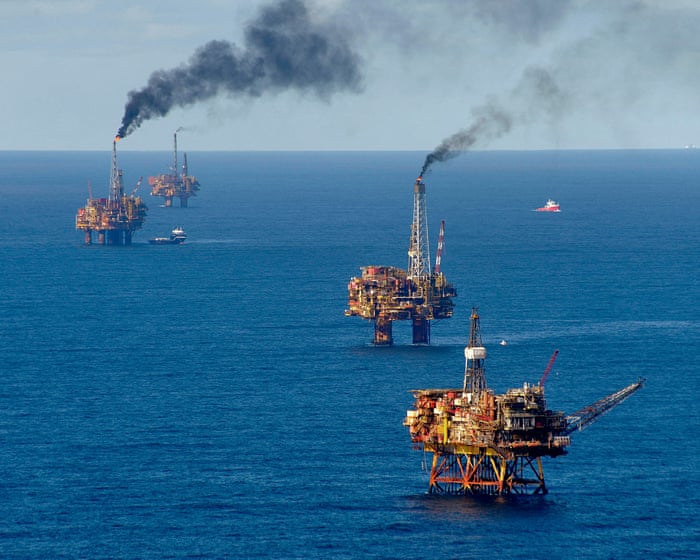
The UK government faces a major decision about whether to approve new oil and gas drilling at two sites called Rosebank and Jackdaw. This decision is important because it involves balancing climate change goals with energy needs and economic factors.
Key Facts
Rosebank is a new oilfield about 80 miles from the Shetland coast, with 300-500 million barrels of oil and some gas supply.
Jackdaw is a gasfield 150 miles east of Aberdeen that could produce gas equal to 6% of the UK's North Sea supply.
The UK owns all oil and gas underground and gives licences to companies for drilling and extraction.
Shell owns the licence for Jackdaw; Rosebank is owned mostly by a joint venture between Shell and the Norwegian state company Equinor, with other investments from UK and Israeli companies.
Public consultations on whether to allow drilling at Jackdaw and Rosebank have recently closed or are closing soon.
Some officials and campaigners say new drilling would increase carbon emissions and go against UK climate targets like reaching net zero emissions.
The decision will be a key test for the UK government’s approach to climate and energy policy amid ongoing heatwaves and drought.
Fossil fuel firms argue the drilling could help energy security but face criticism about environmental impact and long-term benefits.
Read the Original
Want the full story? Tap a source to open the original
article.