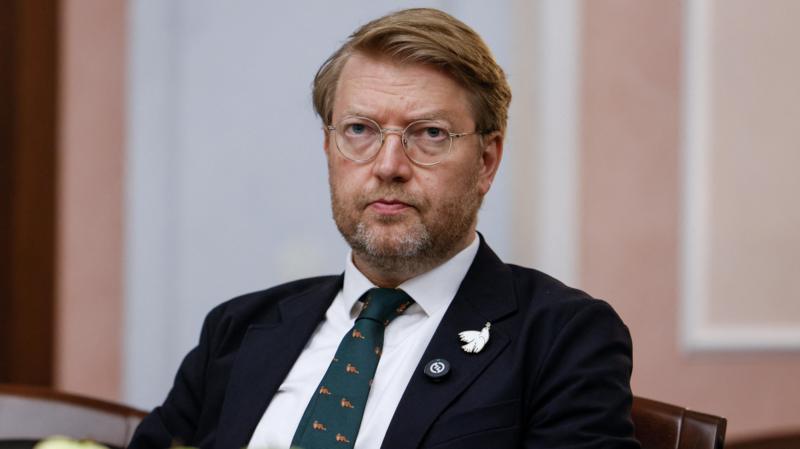
Iran’s Supreme Leader Mojtaba Khamenei has appointed Mohsen Rezaee, a veteran military commander, as the new secretary of the Supreme National Security Council (SNSC). Several other key military leaders were also named to important roles in Iran’s armed forces, signaling a continued tough stance toward the United States.
Key Facts
Mohsen Rezaee, former commander of Iran’s Islamic Revolutionary Guard Corps (IRGC), is now secretary of the Supreme National Security Council.
Rezaee served as IRGC commander for 16 years, including during the 1980s Iran-Iraq war.
Ali Abdollahi was appointed chief of staff of Iran’s armed forces, and Ali Ozmaei became head of the IRGC Navy.
Brigadier General Ahmad Vahidi was confirmed as IRGC commander-in-chief, replacing Mohammad Pakpour who was killed in recent fighting.
These appointments aim to strengthen Iran’s internal military cohesion and leadership control.
Rezaee has a political background but has never won elected office and has advised the Supreme Leader on military matters.
He opposes recent negotiations with the U.S. and supports a hardline position resisting U.S. influence.
The Supreme National Security Council includes top officials from Iran’s government and military, coordinating national security decisions.
Read the Original
Want the full story? Tap a source to open the original
article.
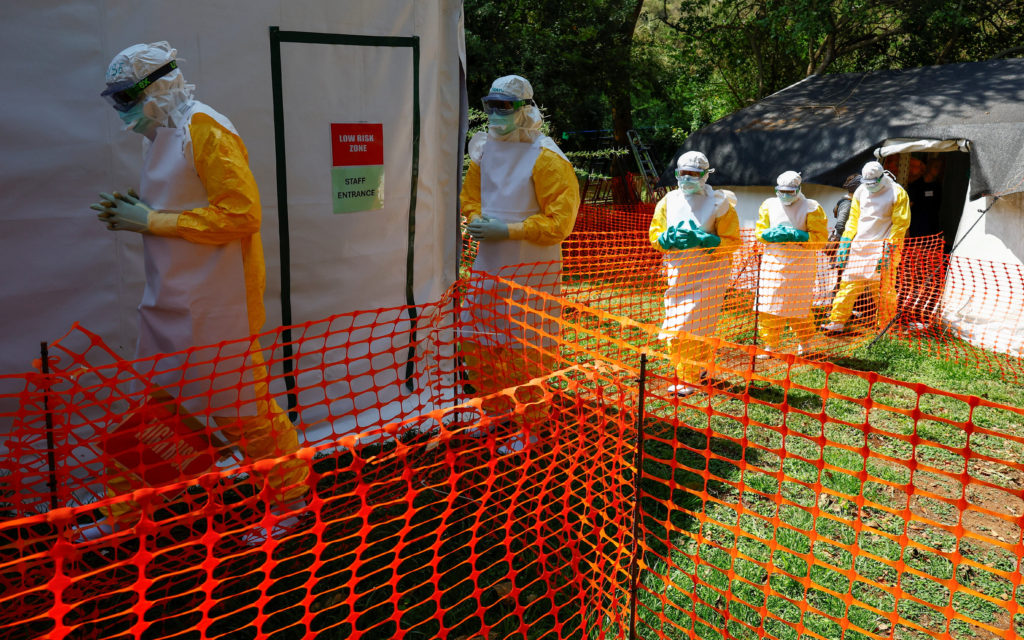
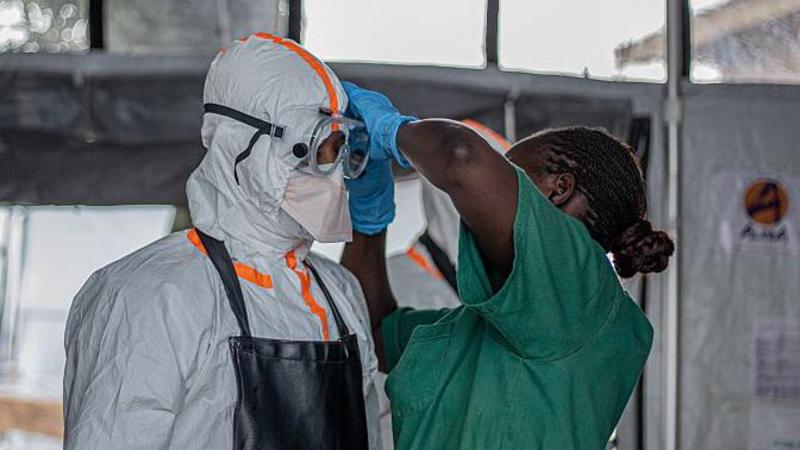
The current Ebola outbreak in eastern Congo began in February but was only officially declared in mid-May, according to the World Health Organization (WHO). This outbreak is spreading faster than previous ones and is caused by a rare type of Ebola virus without approved vaccines or treatments.
Key Facts
The Ebola outbreak started in February but was recognized officially in May.
Early cases were mistaken for other diseases like malaria and typhoid.
Over 4,200 cases and 1,900 deaths have been confirmed so far.
The virus spreads through bodily fluids and contaminated surfaces, not through the air.
The outbreak involves the rare Bundibugyo Ebola virus, which has no approved vaccine or treatment.
Health response is hindered by rebel conflicts, misinformation, strike actions, and remote locations.
New Ebola cases are doubling in some areas, with many cases outside of monitored contacts.
The outbreak is deadlier and faster than the 2014-2016 West Africa Ebola outbreak at a comparable stage.
Read the Original
Want the full story? Tap a source to open the original
article.
A new passenger train service has started between Finland and Sweden, reconnecting northern Finland to southern Europe by rail for the first time in nearly 40 years. The train departs twice daily from Oulu, Finland, to Haparanda, Sweden, allowing longer travel routes across Europe.
Key Facts
The train service between Oulu (Finland) and Haparanda (Sweden) resumed after being suspended since the late 1980s and early 1990s.
Finland's railway tracks are wider than standard European tracks, a legacy from when it was part of Russia.
Finland is updating its tracks to match the European standard gauge.
The new journey takes about 100 minutes and runs twice daily.
Passengers traveling further south into Sweden need to change trains at Haparanda.
This connection enables a possible 5,000 km train trip from Portugal to northern Finland.
It also allows a 24-hour train trip between Helsinki, Finland’s capital, and Stockholm, Sweden’s capital.
Finnish officials see the rail link as a sign of growing cooperation between the two countries and a boost to rail travel in Europe.
Read the Original
Want the full story? Tap a source to open the original
article.
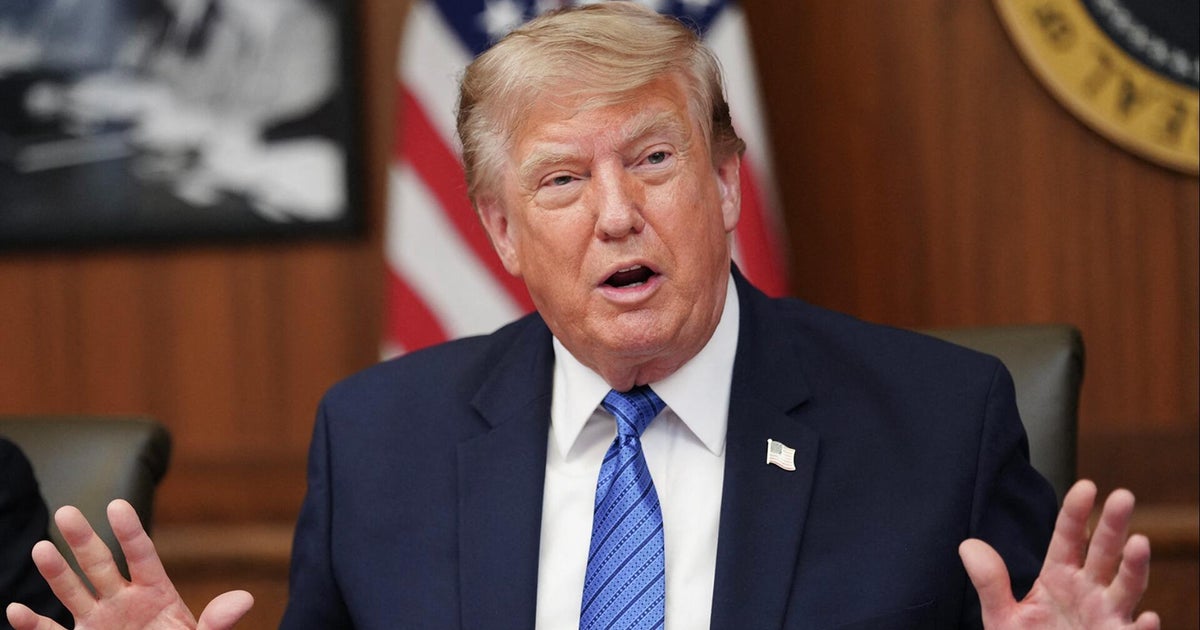
Iranian protesters believed that President Donald Trump would support their efforts against the Iranian government. However, after several months of conflict, many feel he did not keep those promises. A New York Times reporter discussed these feelings during an interview on CBS News.
Key Facts
President Trump encouraged Iranian citizens to rise up against their government.
This encouragement happened as the U.S. conducted strikes in Iran earlier in the year.
Five months of conflict have followed these events.
Iranian protesters now feel that President Trump did not follow through on his promises to them.
The New York Times' Iran correspondent, Yeganeh Torbati, spoke about this on CBS News.
The report reflects the perspectives of some Iranian people about U.S. actions and promises.
Read the Original
Want the full story? Tap a source to open the original
article.
A Moscow court ruled that Yabloko, Russia’s only liberal party opposing the war in Ukraine, cannot take part in next month’s parliamentary elections. The decision followed accusations by a pro-Kremlin party that Yabloko supported an extremist group and received illegal foreign funding.
Key Facts
Yabloko is the only registered party in Russia openly against the war in Ukraine.
The Rodina party, which supports the Kremlin, filed the case against Yabloko.
Accusations included supporting an extremist organization linked to the LGBT movement and copyright violations.
Russia’s financial monitoring service claimed Yabloko got money from abroad, including Germany and the US.
Several Yabloko members were already banned from running, and the party faced a recent cyberattack.
Hundreds of young people protested outside the court in support of Yabloko.
Since Russia’s invasion in 2022, public opposition has been severely restricted by laws and arrests.
Yabloko has not won parliamentary seats since 2003 but remains a key anti-war voice in Russia.
Read the Original
Want the full story? Tap a source to open the original
article.
Ukraine’s drone commander, Maj. Robert "Magyar" Brovdi, says Ukraine’s recent attacks in Crimea are the start of a plan to stop Russia from using the peninsula as a military base. His forces have damaged key infrastructure in Crimea, but they need more funding to increase their attacks.
Key Facts
Crimea was annexed by Russia in 2014, but Ukraine and much of the world consider this illegal.
Ukraine has targeted rail bridges, oil depots, and power lines to disrupt Russian military operations in Crimea.
Maj. Brovdi leads Ukraine’s Unmanned Systems Forces, a unit specializing in drone warfare.
Ukraine’s drone forces currently operate at about 14% of their needed capacity due to slow funding from Western allies.
Brovdi’s team has destroyed over 300 Russian air defense systems to protect their drones during attacks.
Russian missile attacks from Crimea have decreased, which Ukraine credits to their drone strikes weakening Russian defenses.
Part of Russia’s air defenses rely on Crimea’s power grid, which Ukraine has targeted despite power disruptions affecting civilians.
Brovdi’s command post uses art, technology, and rest areas to support his troops’ work and morale.
Read the Original
Want the full story? Tap a source to open the original
article.
Oman is trying to contain a large oil spill near its southern coast caused by a damaged tanker stuck for over a month in a protected marine area. The spill threatens local marine life and ecosystems, and authorities are working on plans to remove the oil safely.
Key Facts
The oil spill covers about 400 square kilometers (150 square miles) near Oman's southern coast.
The spill is close to sensitive areas, including a marine reserve with coral reefs and turtle nesting sites.
The tanker Caroline Bezengi has been stranded since early June after an explosion caused water to enter the ship.
The tanker carried around one million barrels of crude oil destined for Asia.
Omani officials are using aerial surveillance and divers to manage the situation and plan to transfer oil from the ship.
The Caroline Bezengi is part of Russia’s “shadow fleet,” which avoids Western sanctions through complex ownership and registration.
The tanker is under sanctions from the EU, Ukraine, the UK, Canada, and Switzerland.
The Gulf region has seen increased attacks on tankers since the US-Israel war on Iran began in February.
Read the Original
Want the full story? Tap a source to open the original
article.
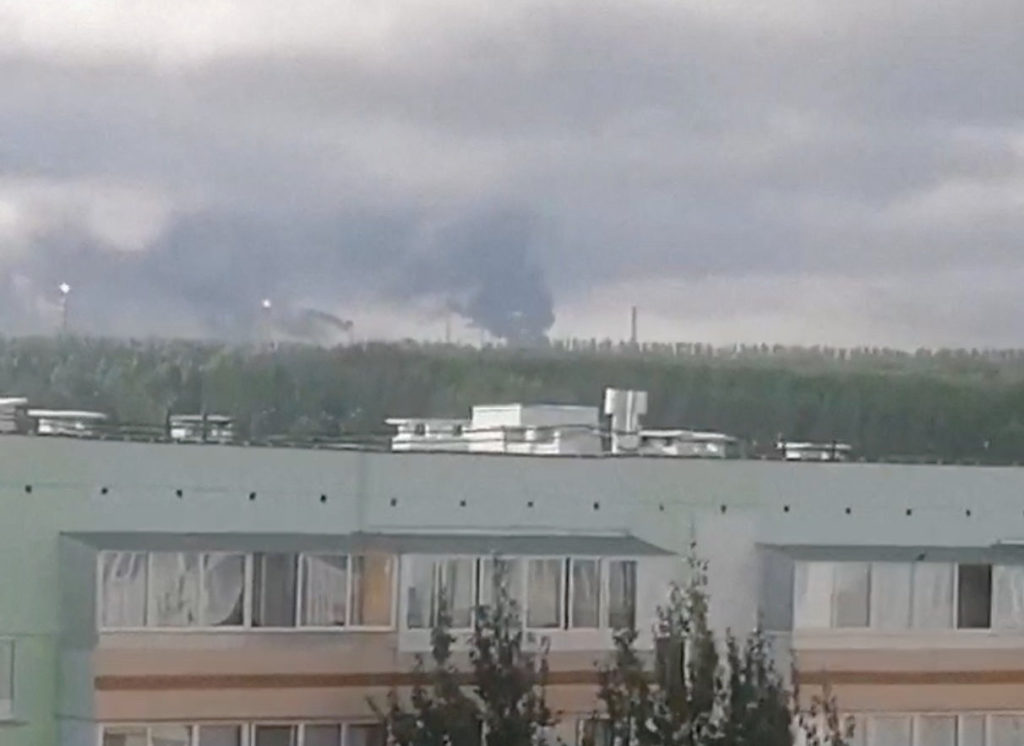
Ukraine launched a drone attack on the oil hub of Nizhnekamsk in central Russia, killing 13 people and injuring 78. The attack targeted oil refineries and industrial facilities far inside Russian territory as part of Ukraine’s efforts to pressure Russia during the ongoing war.
Key Facts
The drone attack hit Nizhnekamsk, a city about 750 miles east of the Ukrainian border with two refineries and a petrochemical plant.
Thirteen people died, including nine in a hostel hit by a drone; a child was among the victims.
Seventy-eight people were injured in the attack, which caused a fire at the Taneco oil refinery.
Ukraine has been using long-range drones regularly to strike Russian oil facilities, causing fuel shortages and damage.
Similar attacks have occurred in the Tyumen region and the Belgorod border region with high death tolls.
Ukrainian President Zelenskyy says these strikes aim to push Russia to negotiate peace.
Russia has responded with missile and drone attacks against Ukrainian cities, causing civilian casualties and damage.
The World Health Organization reported an attack on warehouses in Ukraine holding emergency health supplies.
Read the Original
Want the full story? Tap a source to open the original
article.
The National Oceanic and Atmospheric Administration (NOAA) reported that the contiguous United States had its hottest month ever in July. The average temperature was 76.89 degrees Fahrenheit, breaking the previous record set in July 1936 during the Dust Bowl.
Key Facts
July 2024 was the hottest month ever recorded in the contiguous U.S. (the 48 states excluding Alaska and Hawaii).
The average temperature was 76.89°F (24.94°C), beating the July 1936 record by 0.125 degrees.
Alaska experienced cooler than normal weather while most of the Lower 48 states were hotter than usual.
The Mountain West, Southwest, Northern Plains, and Southeast regions had the most intense heat.
Nighttime temperatures were notably higher, breaking records for the warmest night lows by 0.7 degrees.
Higher nighttime temperatures make it harder for people and crops to cool down after hot days.
Scientists say warmer nights are a clear sign of climate change caused by humans.
Read the Original
Want the full story? Tap a source to open the original
article.
Russia’s Supreme Court removed the Yabloko party from the ballot for the upcoming parliamentary elections. Yabloko was the only party officially opposing Russia’s military action in Ukraine.
Key Facts
The Russian Supreme Court stopped Yabloko from participating in next month’s parliamentary vote.
Yabloko is a liberal party that opposes the Kremlin’s war in Ukraine.
The Central Election Commission had originally allowed Yabloko to run alongside 10 other parties.
Yabloko once held seats in parliament but lost influence as the Kremlin increased control over politics.
The party’s campaign focused on peace, diplomacy, and ending political repression.
Many Russian opposition figures outside Russia encouraged voters to support Yabloko.
The court decision came after a pro-Kremlin party challenged Yabloko’s registration.
The decision limits political options for voters opposed to Russia’s actions in Ukraine.
Read the Original
Want the full story? Tap a source to open the original
article.
In July 2026, the contiguous United States experienced its hottest month on record, with an average temperature of 76.89°F (24.94°C), surpassing the previous record set in July 1936. The most notable warming occurred at night, with record-high minimum temperatures, a sign linked to human-caused climate change.
Key Facts
July 2026 was the hottest month ever recorded in the contiguous U.S. (the 48 connected states).
The average temperature for July 2026 was 76.89°F (24.94°C).
This broke the previous record set during the Dust Bowl in July 1936 by 0.125 degrees Fahrenheit.
Alaska was cooler than normal, but the Lower 48 states saw higher than usual temperatures.
The Mountain West, Southwest, Northern Plains, and Southeast had the most extreme heat.
Nighttime temperatures (minimums) broke records by being 0.7 degrees higher than before.
Warmer nights can make it harder for people and crops to cool down after hot days.
Scientists say hotter nights are a common effect of climate change caused by humans.
Read the Original
Want the full story? Tap a source to open the original
article.
A yacht owned by Meta CEO Mark Zuckerberg did not respond to a U.S. Coast Guard call for help when a nearby boat ran out of fuel off Alaska. Zuckerberg was not on the yacht at the time, and his crew said they did not hear the call because it was on a different radio channel.
Key Facts
A small boat near Alaska ran out of fuel and requested help via the Coast Guard.
Mark Zuckerberg’s yacht, named Launchpad, was closer but did not respond to the call.
Another nearby ship, the Wilderness Legacy, towed the stranded boat to safety.
Zuckerberg was not on the yacht when the incident happened.
The yacht crew missed the call because it was on a radio channel they were not listening to.
The Coast Guard said the stranded boat was not in serious danger.
Online critics reacted after a passenger on the rescue ship shared the story.
All people involved were safe and no one was in immediate distress.
Read the Original
Want the full story? Tap a source to open the original
article.
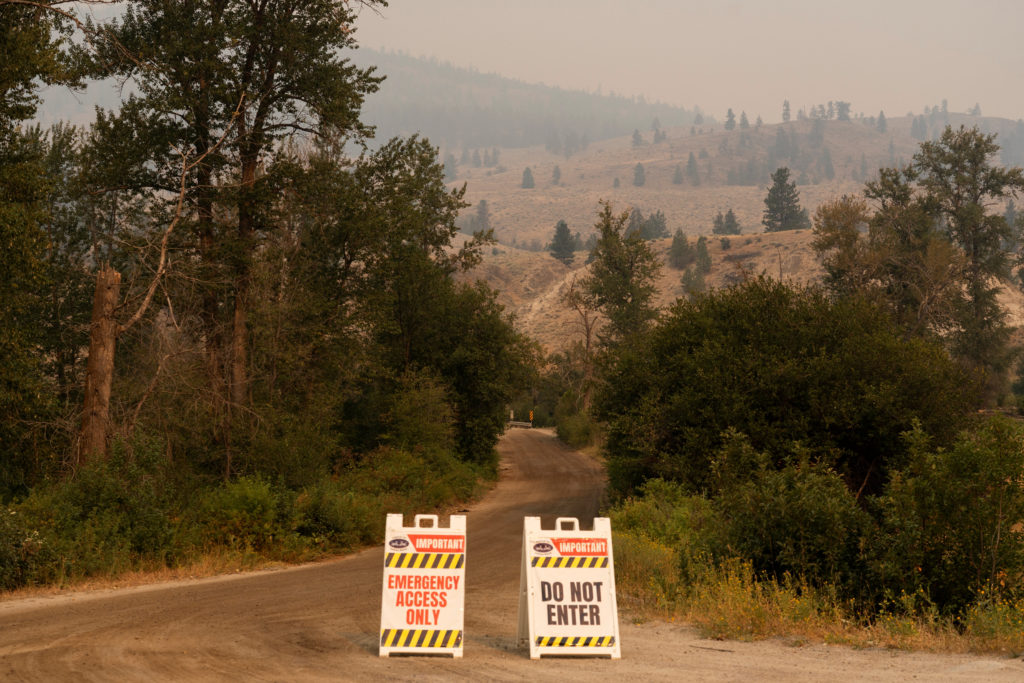
Wildfires in the western United States and Canada have forced more than 28,000 people to evacuate their homes. In British Columbia, fast-moving fires destroyed homes and led to a state of emergency, while crews in Washington continued efforts to contain multiple fires around Spokane.
Key Facts
Over 20,000 people fled communities along Okanagan Lake in British Columbia due to wildfires.
An 80-year-old woman died trying to escape the wildfire in the Okanagan Lake region.
British Columbia declared a state of emergency on Saturday because of the fires.
About 8,000 people evacuated nearby Peachland because of the Bald Range fire.
Three wildfires near Spokane, Washington, burned for more than a week but are now contained.
These fires in Spokane damaged or destroyed about 920 buildings.
A man was arrested for intentionally starting the largest fire in the Spokane area.
Two helicopter pilots died while fighting a wildfire in Utah’s Fishlake National Forest.
Read the Original
Want the full story? Tap a source to open the original
article.
The Ebola outbreak in the Democratic Republic of Congo (DR Congo) started at least three months before officials recognized it, causing health authorities to lag behind the spread of the virus. More than 1,900 people have died so far, and the outbreak remains difficult to control due to insecurity and the lack of approved treatments.
Key Facts
The Ebola outbreak began spreading in DR Congo around February but was officially declared on May 15.
Over 4,200 cases and nearly 2,000 deaths have been reported, making this the second-largest Ebola outbreak ever.
The virus in this outbreak is the Bundibugyo type, which currently has no approved vaccine or specific treatment.
Insecurity in the eastern DR Congo region makes it hard for health workers to reach many patients.
Health workers can only reach about 30% of cases; many people die at home without treatment.
Traditional burial customs, where people touch the dead body, increase virus transmission.
Improved diagnosis and dedicated treatment centers have been set up to help control the outbreak.
The West Africa Ebola outbreak from 2014 to 2016 caused more than 11,000 deaths, the largest recorded so far.
Read the Original
Want the full story? Tap a source to open the original
article.
Russia’s Supreme Court has banned the only anti-war political party, Yabloko, from taking part in the September parliamentary elections. This decision removes the last official option for voters opposed to Russia’s war in Ukraine.
Key Facts
Yabloko is Russia’s only political party openly opposing the war in Ukraine.
The Supreme Court upheld a complaint by a pro-Kremlin nationalist party to block Yabloko from elections.
Yabloko plans to appeal the court’s decision.
Most of President Vladimir Putin’s critics are jailed, exiled, or dead, making Yabloko the last liberal opposition party still active inside Russia.
Yabloko has not won seats in the Russian parliament since 2003.
The ruling United Russia party, which supports Putin, has won every recent election.
Public polls show many Russians favor peace talks with Ukraine despite government policies.
Exiled opposition figures who support Yabloko, including the widow of Alexei Navalny, are labeled "extremists" by Russian authorities.
Read the Original
Want the full story? Tap a source to open the original
article.
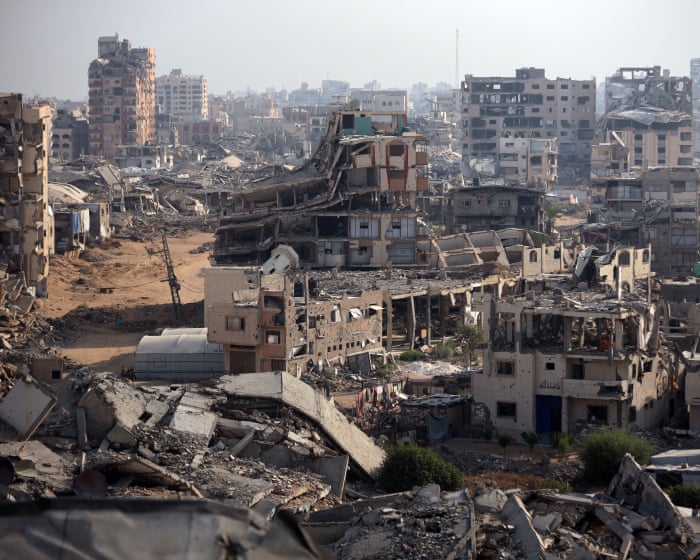
President Donald Trump announced a US-backed peace plan for Gaza involving Hamas disarmament and Israeli withdrawal, but Israeli Prime Minister Benjamin Netanyahu rejected parts of it. Israeli military actions have continued in Gaza, worsening the humanitarian situation, while political tensions remain high between the US, Israel, and Palestinians.
Key Facts
President Trump said a major peace deal had been made for Gaza involving disarming Hamas and Israel pulling back troops.
Three days after the announcement, 18 people died in Israeli airstrikes, showing the conflict was still ongoing.
Israeli Prime Minister Netanyahu rejected key steps in the US-backed 15-point plan, especially Israeli withdrawal.
Since October’s ceasefire, around 1,300 Palestinians have died in Israeli air assaults, and Israel has increased its control over 65% of Gaza.
Gaza faces severe hardships, including no formal schooling, damaged healthcare, and limited humanitarian aid.
Netanyahu is under pressure from far-right Israeli coalition members and faces corruption charges.
There is growing frustration in the White House over Netanyahu’s approach, with hopes for a stronger US role to change the situation.
US public support for Israel appears to be decreasing ahead of important upcoming elections.
Read the Original
Want the full story? Tap a source to open the original
article.
Greenland's government warned a new Texas oil company linked to President Donald Trump for moving drilling equipment onto its territory without official permission. This action happened amid delicate talks between Greenland, Denmark, and the United States about future relations and control over Greenland’s natural resources.
Key Facts
Greenland Energy is a Texas oil company founded in 2025 with links to President Donald Trump.
The company moved drilling equipment onto East Greenland’s coast without approval from Greenland’s mineral resources authority.
Greenland Energy claims there could be $1 trillion worth of oil under the Jameson Land region in Greenland.
The company plans to spend $60 million on drilling two exploratory oil wells.
Greenland’s government issued a strong warning that all logistics must be approved in advance.
President Trump caused a crisis with NATO allies in January by saying the U.S. might take Greenland by force and imposing tariffs on opposing European countries.
Denmark, Greenland, and the U.S. formed a working group to stabilize relations after the January tensions.
Experts say Greenland must balance protecting its autonomy while managing relations with the U.S. and companies linked to President Trump.
Read the Original
Want the full story? Tap a source to open the original
article.
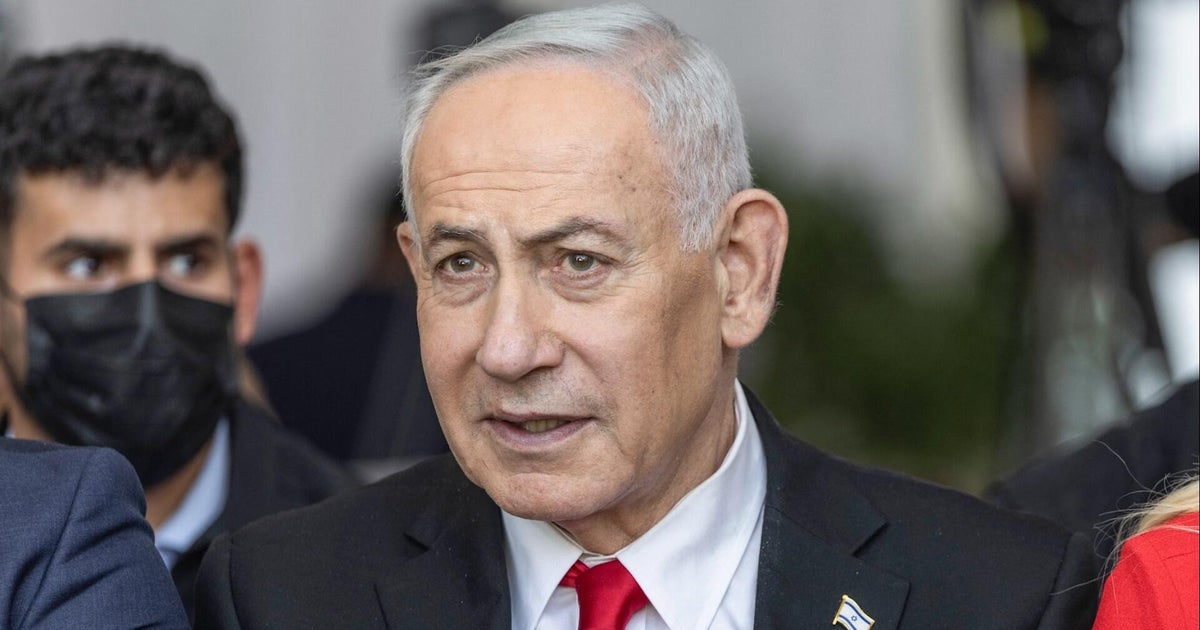
Israeli Prime Minister Benjamin Netanyahu rejected a peace plan for Gaza that was supported by President Donald Trump. Netanyahu said Israel's military would stay in Gaza until the group Hamas is fully disarmed.
Key Facts
Israeli Prime Minister Benjamin Netanyahu does not agree with a Gaza peace plan backed by the U.S.
The plan was supported by President Donald Trump.
Netanyahu insists that the Israeli military must remain in Gaza.
The military will stay until Hamas is completely disarmed.
Hamas is a militant group controlling Gaza.
The peace plan aimed to resolve conflict in the Gaza region.
Netanyahu’s rejection shows ongoing challenges in achieving peace.
Read the Original
Want the full story? Tap a source to open the original
article.
President Donald Trump asked Iran to pay compensation for people who died during the recent military conflict. This request came after Iran demanded compensation for the damage it suffered in the same conflict.
Key Facts
The conflict between the US and Iran lasted about five months.
Iran has asked for compensation for damage caused during this conflict.
President Trump responded by demanding Iran pay for deaths caused.
The statements were made publicly on a Monday.
The military conflict involved losses on both sides.
Read the Original
Want the full story? Tap a source to open the original
article.
The Palestinian Football Association will restart its football league on September 4 after nearly three years of suspension due to the war in Gaza. The first tournament back is named the “Thousand Martyrs’ Cup” to honor over 1,000 Palestinian athletes killed during the conflict.
Key Facts
Palestinian football stopped after the war began on October 7, 2023.
The league will resume on September 4, 2027, with many clubs competing.
Over 200 clubs will take part: 146 from the West Bank, 44 from Gaza, and 36 from refugee camps in Lebanon.
The football association named the tournament after the 1,014 Palestinian athletes killed in the war.
The association faces financial challenges but remains committed to sports as a symbol of hope.
They asked FIFA and other groups to support Palestinian football and protect the rights of players.
The association criticized FIFA’s past plans to allow private investors and questioned FIFA’s fairness on political issues.
They demanded FIFA sanction Israeli clubs in West Bank settlements and suspend Israel’s membership over its actions in Gaza.
Read the Original
Want the full story? Tap a source to open the original
article.