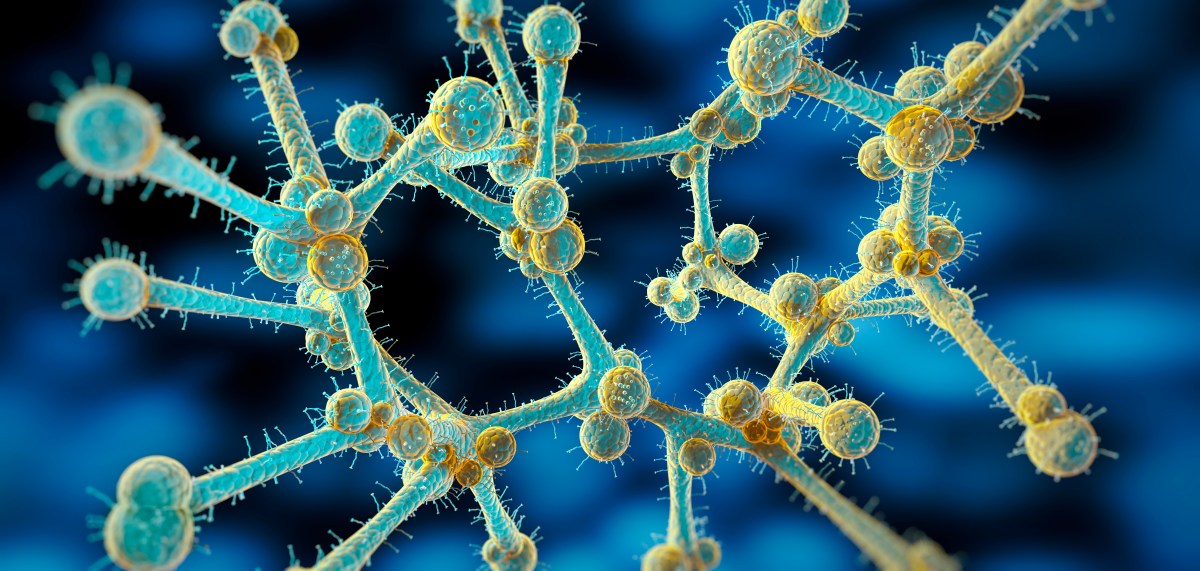
Scientists have discovered how the drug-resistant fungus Candida auris hides on human skin by changing the immune response, allowing it to survive and spread. This fungus is hard to remove and kills thousands of hospital patients in the U.S. every year, especially those with weakened immune systems.
Key Facts
Candida auris is a fungus that can live on skin and cause deadly infections if it enters the bloodstream.
It was first identified in Japan in 2009 and is now found in hospitals and care facilities worldwide.
The fungus has been detected in about two dozen U.S. states as of mid-2026.
Candida auris alters its cell wall to expose chitin, which tricks the immune system into a weaker response that allows it to survive on skin.
Unlike a common fungus called Candida albicans, C. auris avoids the usual antifungal immune response and settles deep in hair follicles.
The fungus causes immune cells to produce interferon gamma, which reduces the skin’s natural defense, instead of IL-17, which would help clear the infection.
Researchers suggest future treatments could focus on shifting the immune response back to IL-17 or blocking chitin to stop the fungus from hiding on the skin.
Candida auris causes about 3,000 deaths per year in the U.S. due to its drug resistance and infection risks.
Read the Original
Want the full story? Tap a source to open the original
article.
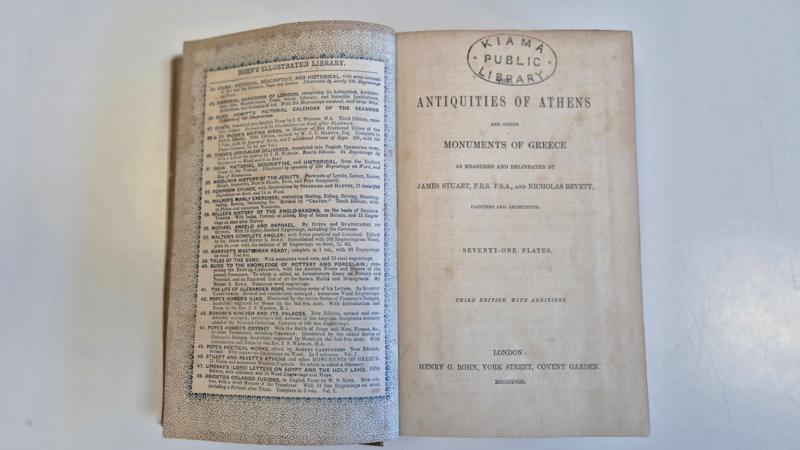
A book borrowed about 150 years ago from a library in Kiama, Australia, has been returned after being found hidden inside a sealed fireplace. The book, about ancient Greek architecture, likely belonged to a family ancestor who worked as a stonemason and architect connected to the London Houses of Parliament before moving to Australia.
Key Facts
The book is called Antiquities of Athens and was borrowed in the mid-1870s from Kiama Library.
It was hidden inside a tea chest placed behind a boarded-up fireplace for decades.
Ross Simmons, 77, believes his great-grandfather John Simmons borrowed the book while working in London.
John Simmons was apprenticed to stonemasons who helped build the Houses of Parliament in London before emigrating to Australia in 1857.
The book is cloth-bound with some water damage but still in good condition.
Library borrowing rules at the time limited how many books members could borrow and fined late returns three pence per week.
The fine for this book would amount to about AU$28,000 today, but it has been waived.
The book’s discovery has attracted public interest, with people visiting the library to see it.
Read the Original
Want the full story? Tap a source to open the original
article.
The head of the Armenian Apostolic Church, Catholicos Karekin II, is on trial along with six other church leaders for defying a court order related to restoring a defrocked bishop. This legal case is part of ongoing tensions between the church and Prime Minister Nikol Pashinyan’s government, which have worsened since large protests in 2024 against Pashinyan’s policies on border villages.
Key Facts
Catholicos Karekin II leads the Armenian Apostolic Church, a powerful religious institution in Armenia.
Karekin II and six other senior clergymen are charged with ignoring a court order to reinstate a defrocked bishop.
If found guilty, they could face up to two years in prison.
Tensions between the church and Prime Minister Nikol Pashinyan have increased since 2024 protests demanding Pashinyan’s removal.
The protests were sparked by a government agreement to give control of some border villages to Azerbaijan and to improve relations with that country.
Some senior church leaders have faced government actions following disagreements over the border deal.
The first court hearing was held in Vagharshapat, the spiritual center of Armenia and the church’s headquarters.
The judge in the case recused himself, so a new judge will handle the trial.
Supporters of Karekin II, including opposition party members and clergy, gathered outside the courthouse.
Read the Original
Want the full story? Tap a source to open the original
article.
The Democratic Republic of the Congo (DRC) is experiencing its largest Ebola outbreak ever. The outbreak was not detected for months, and efforts to control it have been made harder by ongoing fighting and armed groups in the area.
Key Facts
The Ebola outbreak in the DRC is the biggest in the country's history.
The virus spread without being noticed for several months.
It is a Bundibugyo strain, which is hard to tell apart from other illnesses.
The health response has been delayed because diagnosis was difficult.
Armed conflict and violence in the region make it hard for health workers to do their job.
Over 1,800 people have died from Ebola in this outbreak so far.
The World Health Organization has called for stronger action as cases near 4,000.
The International Rescue Committee is involved in helping fight the outbreak.
Read the Original
Want the full story? Tap a source to open the original
article.
A new study found that people who ate a low-fat vegan diet lost weight without eating less food by weight. The diet focused on foods high in water and fiber, which lowered the calories of the meals without reducing the amount of food eaten.
Key Facts
The study was published in JAMA Network Open and involved 244 adults with overweight.
Participants followed either a low-fat vegan diet or continued their usual diet for 16 weeks.
The vegan diet included fruits, vegetables, whole grains, and legumes.
People ate roughly the same weight of food daily but with 30% lower calorie density.
On average, vegan diet participants consumed 357 fewer calories per day.
No calorie counting or limits were required; the change was due to food types.
Foods high in water and fiber help fill the stomach with fewer calories.
Replacing meat with beans, lentils, or tofu and eating whole fruits instead of juice can reduce calorie intake naturally.
Read the Original
Want the full story? Tap a source to open the original
article.
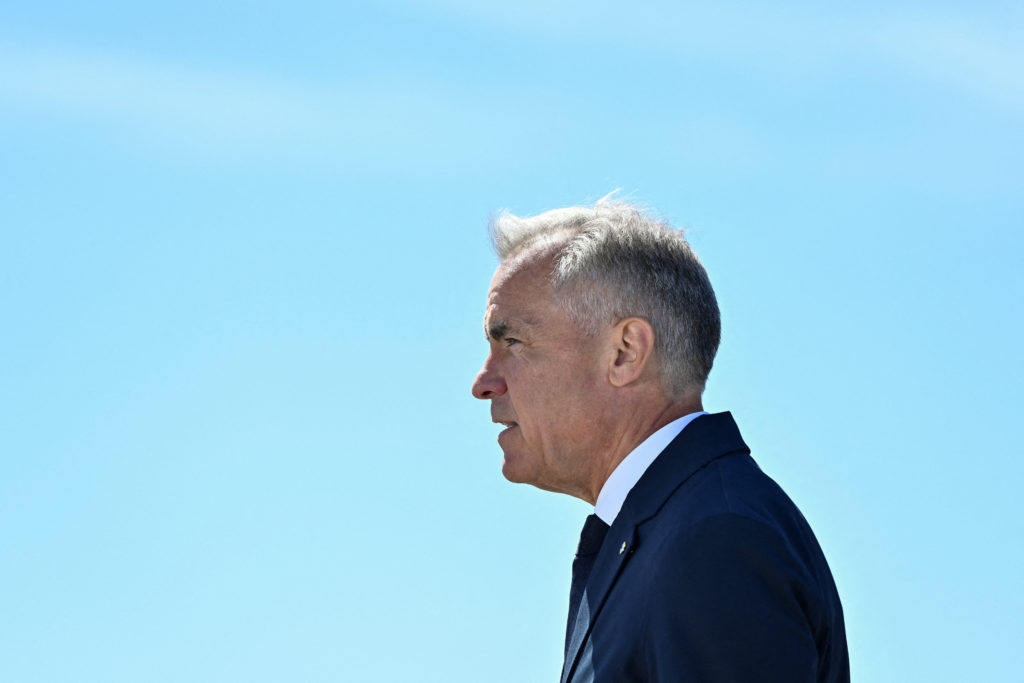
Canadian Prime Minister Mark Carney said trade talks with the United States have become difficult after President Donald Trump criticized Canada and threatened to raise tariffs. Canada remains involved in the talks, which aim to protect Canadian workers and businesses.
Key Facts
President Trump called Canada and its leadership "nasty" during a speech and threatened to increase tariffs.
Canada faces U.S. tariffs on steel, aluminum, and cars, and Trump may add 50% tariffs on more goods starting August 19.
Tariffs are taxes on imported goods that can raise prices for consumers.
Canada’s Prime Minister Carney described the negotiations as a fight to protect Canadian jobs and businesses.
The trade tension has caused some Canadians to cancel trips to the United States.
U.S. Trade Representative Jamieson Greer said only Canada and China have retaliated against U.S. tariffs.
Carney said U.S. tariffs on aluminum contributed to a 58% increase in aluminum prices in the U.S.
Canada and the U.S. are working on talks to renew the North American trade agreement amid rising tensions.
Read the Original
Want the full story? Tap a source to open the original
article.
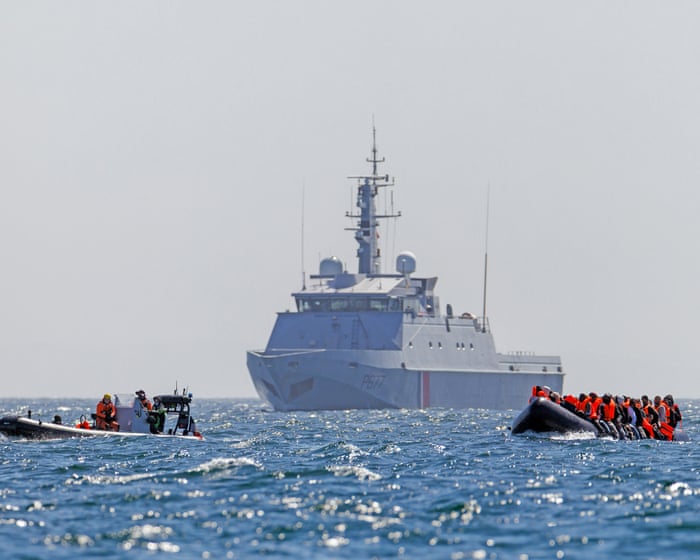
French authorities have stopped small boats crossing the English Channel 10 times since spring, using tactics to board or control the vessels and return asylum seekers to France. Crossings have fallen by 43% compared to last year, partly due to increased UK funding to support French efforts against people smugglers.
Key Facts
French Maritime Prefect officers intervened 10 times since spring to stop small boat crossings.
Officials use tactics to board vessels and return asylum seekers to France.
UK opposition politicians have criticized French police for not stopping crossings more actively.
UK Border Security Command says French officers work hard to disrupt crossings and arrest smugglers.
Small boat Channel crossings dropped 43% from January to mid-July 2025 compared to 2024.
UK provided an extra £660 million in April to help French authorities fight people smuggling.
Smugglers are changing routes, launching boats from further locations like Belgium and Dieppe.
Larger boats ("mega-dinghies") are being used, increasing risks for migrants; over 170 migrants were rescued from a boat fire recently.
Read the Original
Want the full story? Tap a source to open the original
article.
A Maltese businessman, Yorgen Fenech, is on trial for paying hitmen to kill journalist Daphne Caruana Galizia in 2017. A key witness testified that Fenech was eager for the murder to happen and once messaged that he was “preparing champagne” to celebrate.
Key Facts
Daphne Caruana Galizia was killed by a car bomb in October 2017 after exposing corruption among Maltese politicians.
Yorgen Fenech, a businessman linked to a property empire, is accused of financing the murder.
Melvin Theuma, a taxi driver and middleman, testified that Fenech asked him to organize the killing to protect his uncle and later to stop damaging revelations about himself.
Theuma named the hitmen as George and Alfred Degiorgio and Vincent Muscat, who were paid €150,000 to carry out the attack.
Fenech reportedly paused the murder plan during a snap election but resumed it after the then-prime minister Joseph Muscat won again.
Theuma has been under witness protection after agreeing to testify in exchange for a pardon.
Theuma suffered severe mental health struggles but was allowed to testify in court with special accommodations.
Fenech’s texts and conversations played a key role in the prosecution’s case.
Read the Original
Want the full story? Tap a source to open the original
article.
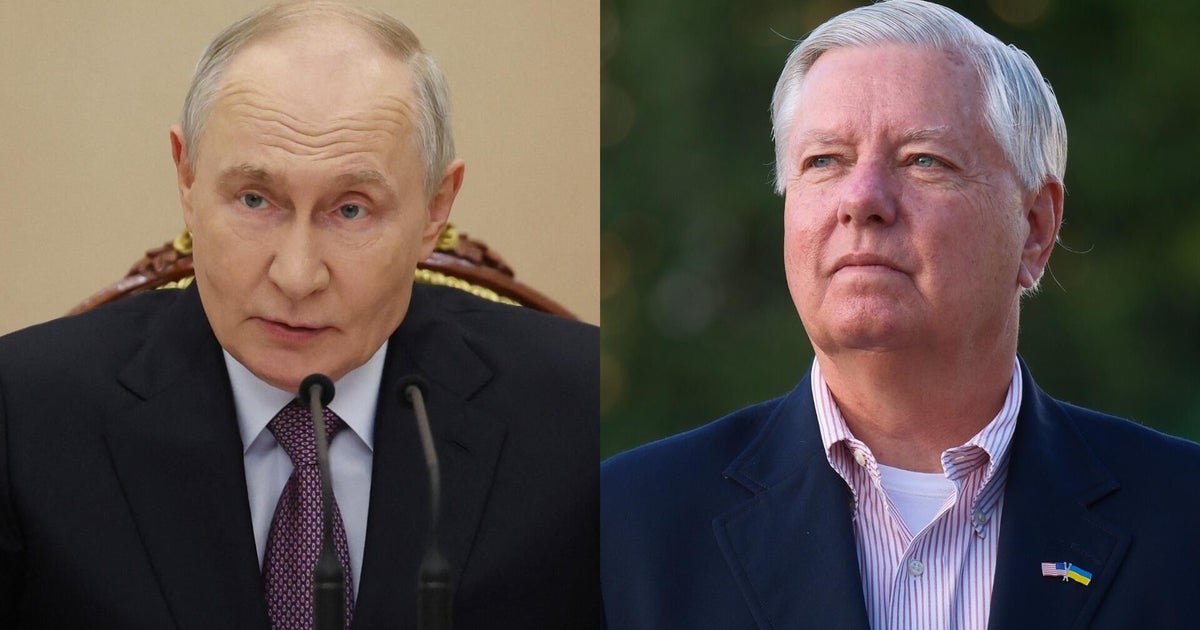
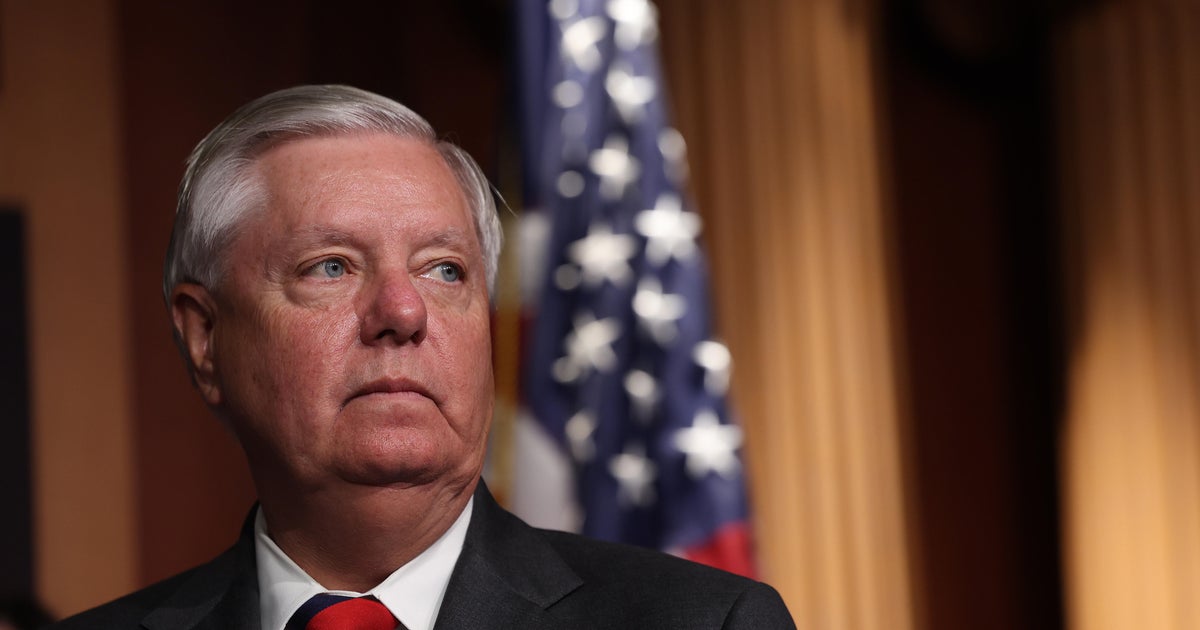
The U.S. Senate approved a bill introduced by the late Senator Lindsey Graham that aims to impose strong new sanctions on Russia. The bill is intended to increase pressure on Russia through economic penalties.
Key Facts
The bill was championed by Senator Lindsey Graham from South Carolina.
The Senate passed the bill, meaning it received approval from a majority of senators.
The bill proposes large new sanctions targeting Russia.
Sanctions are economic penalties meant to influence a country's actions.
The goal is to increase pressure on Russia, likely related to international issues.
This action reflects ongoing U.S. efforts to respond to Russia’s behavior.
The article was reported by CBS News’ Nikole Killion.
Read the Original
Want the full story? Tap a source to open the original
article.
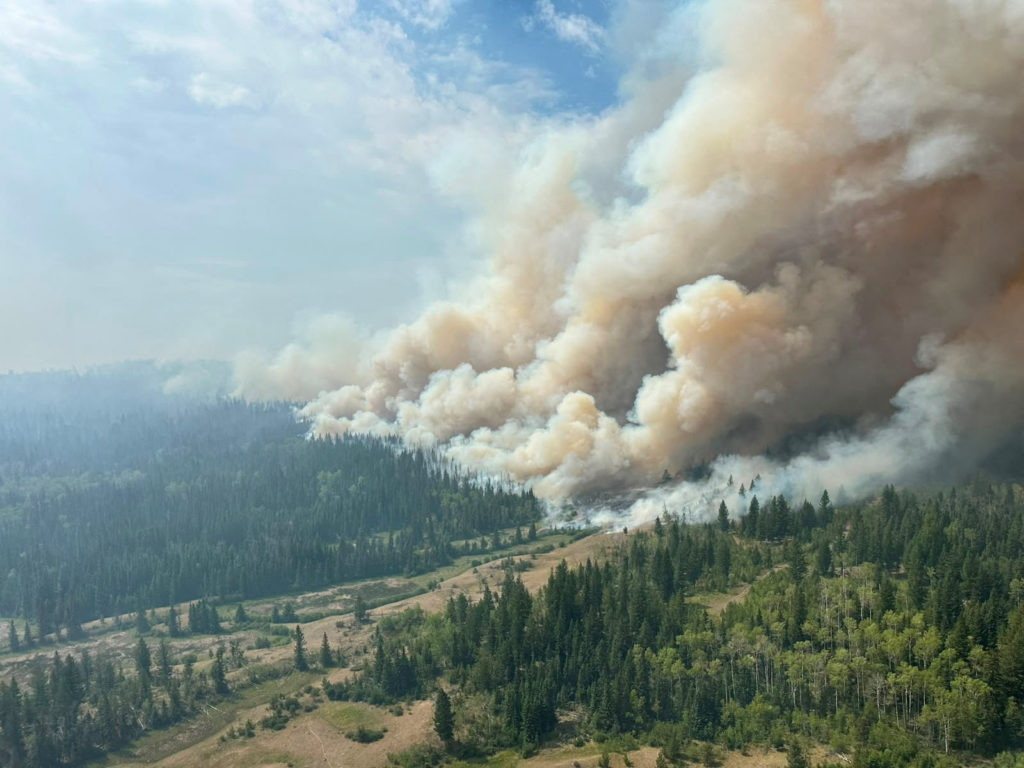
Wildfires and extreme heat have caused major damage and evacuations in parts of the United States and Europe. In addition, a large number of migrants recently crossed from Morocco into Spanish territory, leading to a humanitarian situation in Ceuta.
Key Facts
Firefighters in California and Washington state are battling large wildfires fueled by drought and heat.
The Old Trails fire in Washington caused evacuations for 60,000 people and destroyed many buildings.
A man was arrested and charged with first-degree arson related to the Old Trails fire.
Greece is experiencing several wildfires, worsened by strong winds and severe weather conditions.
England recorded its driest July since records began nearly 200 years ago.
Italy is under heat alert in its major cities due to a fourth heatwave this summer.
Over 70,000 migrants crossed from Morocco into the Spanish enclave of Ceuta recently, with many returning to Morocco after the influx.
At least 99 people have died during migration attempts in this region, with dozens still missing.
Read the Original
Want the full story? Tap a source to open the original
article.
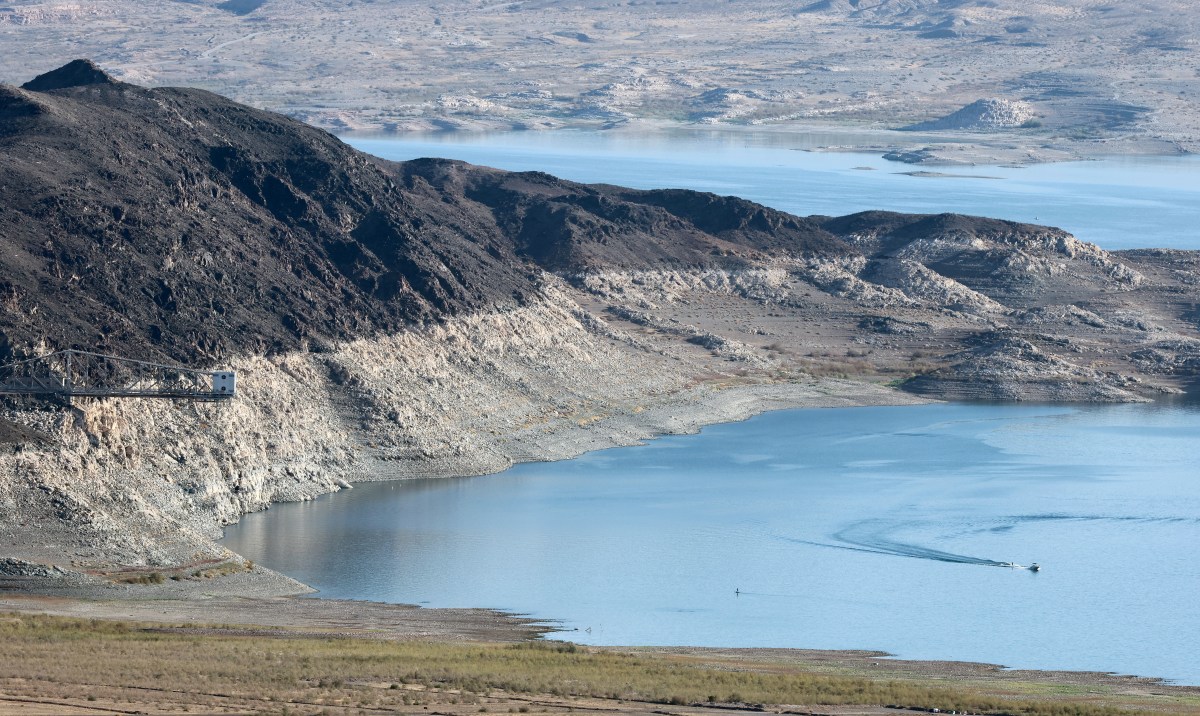
The U.S. government has released a new 10-year plan to manage Lakes Mead and Powell, which face severe water shortages due to drought and overuse. The plan aims to provide flexibility for seven states in the Colorado River Basin to work together on water use, but it may only stabilize the situation in the short term without fully restoring the reservoirs.
Key Facts
The plan covers operating Lake Powell and Lake Mead through 2036.
Seven states involved are Arizona, California, Colorado, Nevada, New Mexico, Utah, and Wyoming.
Lake Powell and Lake Mead water levels are at their lowest since before 1963.
The Colorado River supplies water to over 40 million people, supports hydropower, Native American tribes, parts of Mexico, and farmland.
A related two-year proposal from the Lower Basin states aims to reduce water use and help Lake Mead levels.
California agreed to accept a 10% cut in water use, which is a significant change.
Water use has often surpassed the river’s natural flow since 2000.
The plan allows for possible larger cutbacks in water use if needed in the first two years.
Read the Original
Want the full story? Tap a source to open the original
article.
The U.S. Senate passed a bill to impose new sanctions on Russia for its war in Ukraine, with strong bipartisan support. The legislation also targets Iran’s energy and weapons sectors and allows President Donald Trump to impose tariffs on major Russian oil and gas buyers.
Key Facts
The Senate approved the bill with a vote of 86 to 11.
The bill is named The Lindsey O. Graham Sanctioning Russia and Iran Act of 2026.
It imposes sanctions on Russian President Vladimir Putin, government officials, oligarchs, banks, and major oil buyers.
The bill allows the president to impose tariffs up to 100% on the top five buyers of Russian oil or natural gas, with some exceptions.
Sanctions on Iran’s energy and weapons sectors were added at President Trump’s request.
The bill gives the president authority to waive sanctions if it serves U.S. national interests.
Senator Lindsey Graham, who led the effort, died in July after securing a deal with the White House to advance the bill.
The House of Representatives will consider the bill after its August recess and may have some opposition, especially to its tariff parts.
Read the Original
Want the full story? Tap a source to open the original
article.
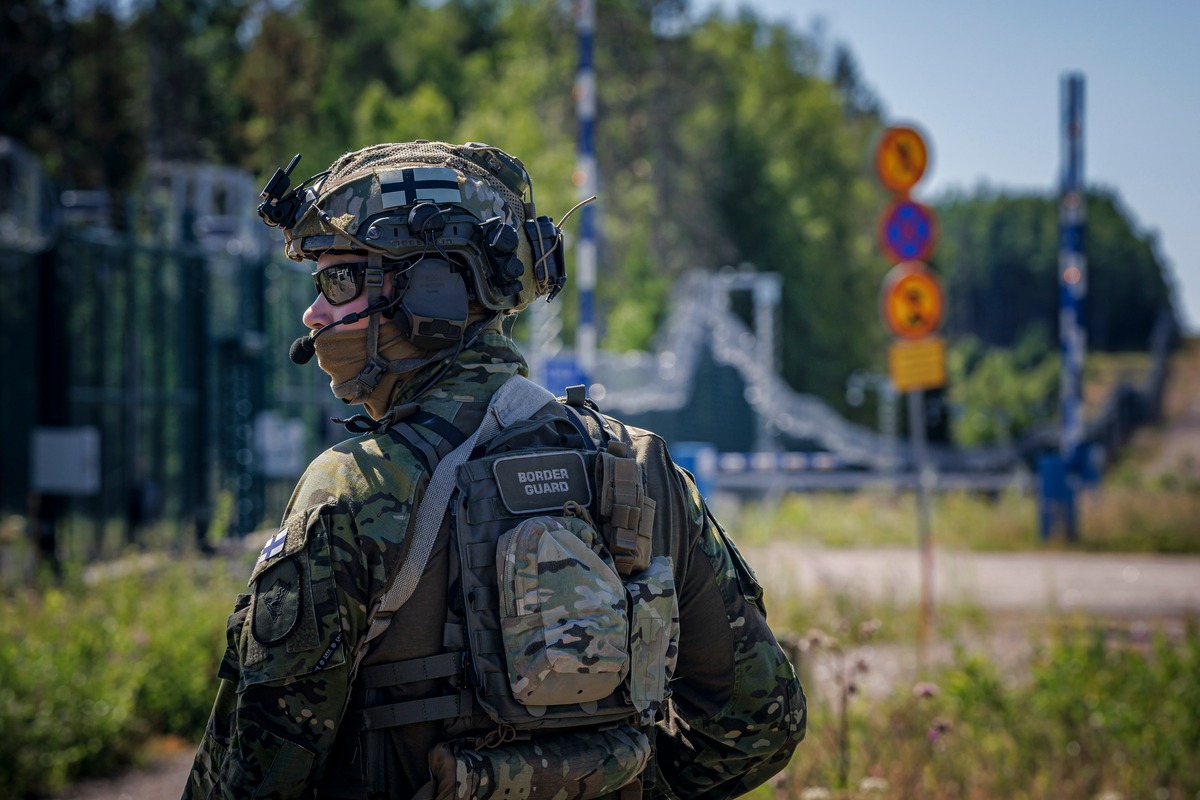
A U.S. intelligence report says Russia might try a small attack on a NATO country between 2026 and 2029. This could involve sending troops across a border or cyberattacks to test NATO’s response, especially before NATO increases its defense budgets.
Key Facts
Russia could launch a limited military or cyber attack on NATO soil within a few years.
These attacks might target smaller countries like the Baltic states or Poland.
The goal would be to take a small piece of land without triggering a full NATO military response.
NATO members are all committed to defend each other under Article 5, but it is unclear how they would react to small or hybrid attacks.
Some officials believe NATO’s unity has weakened after criticism from President Donald Trump’s administration.
The U.S. has criticized European and Canadian defense spending while maintaining a relationship with Russia.
NATO and the Pentagon are reviewing troop deployment and preparing for possible scenarios.
Russia denies plans to attack NATO and calls such claims false.
Read the Original
Want the full story? Tap a source to open the original
article.
Heavy rains have hit New Delhi and nearby towns, causing traffic problems and trapping people in low areas. The weather office has issued a red alert and expects the rain to ease by Sunday.
Key Facts
New Delhi and surrounding towns experienced heavy rainfall.
The rain caused traffic disruptions.
Some commuters were stranded in low-lying areas.
India’s weather office issued a red alert for the region.
The rain is expected to decrease by Sunday.
Read the Original
Want the full story? Tap a source to open the original
article.
A 14-year-old boy in Bangkok, Thailand, killed his grandparents and then opened fire at his school, resulting in at least seven deaths. The boy used a handgun that belonged to his grandfather before turning the gun on himself.
Key Facts
The incident took place in Bangkok, the capital of Thailand.
The suspect was a 14-year-old student at the school where the shooting happened.
The suspect first killed his grandparents at home.
He then went to his school and opened fire there.
At least seven people died in total due to the shooting.
The handgun used belonged to the suspect’s grandfather.
After the attack, the suspect turned the gun on himself.
Authorities are investigating the details of the case.
Read the Original
Want the full story? Tap a source to open the original
article.
A scientific study found that human-caused climate change doubled the chance of the hot, dry weather that led to large wildfires in Canada this summer. Some experts say President Donald Trump should consider the United States' role in climate change before blaming Canada for poor fire management.
Key Facts
Climate change caused by humans made the weather conditions for Canada's wildfires twice as likely.
The wildfires happened mainly in Northwest Territories and northwestern Ontario.
The study was done by World Weather Attribution, a group that checks if climate change affects extreme weather.
The study compared the Canadian fires to fires in France and Spain, finding climate change had a stronger effect in Spain.
President Donald Trump blamed Canada for poor fire management and smoke crossing into the U.S.
Scientists pointed out the U.S. has a large history of releasing gases that cause global warming.
Wildfire smoke from Canada also affected air quality in parts of the United States, including Washington, D.C.
Read the Original
Want the full story? Tap a source to open the original
article.
Spanish authorities, with help from Europol and police in several countries, broke up a large criminal network involved in smuggling migrants, drugs, and weapons across the Western Mediterranean. The operation led to 78 arrests, seized high-speed boats, and uncovered a criminal group that moved thousands of people and large amounts of drugs between Europe and Algeria.
Key Facts
The operation was led by Spain’s Civil Guard and National Police in 2023 and peaked on June 16.
78 people were arrested, mostly in Spain, with one arrested in Algeria.
The network smuggled migrants from Algeria to Spain and synthetic drugs the other way.
They conducted at least 64 smuggling trips, moving more than 2,000 migrants and making over €24 million.
Migrants were packed into overcrowded, dangerous boats, sometimes tied down, and faced violence.
The group also provided services like boat maintenance, refueling, and hiding from police to other crime groups.
Money was moved using informal hawala systems, making tracking difficult.
Searches happened in 17 locations across Spain, including Alicante, Almeria, Cartagena, and Murcia.
Read the Original
Want the full story? Tap a source to open the original
article.
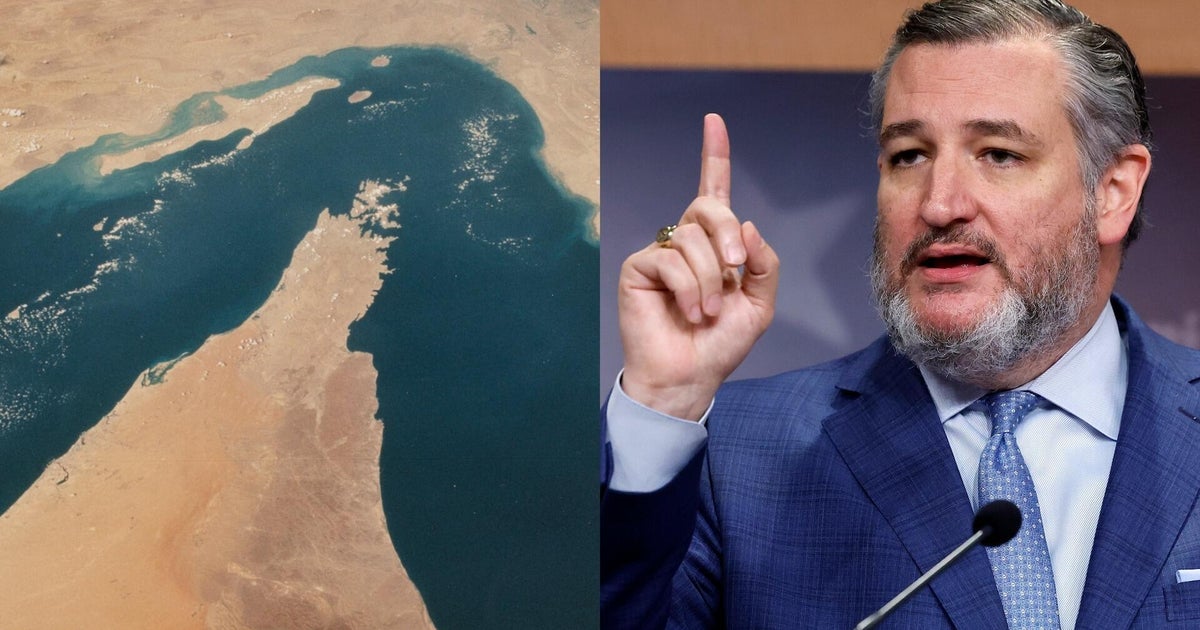
Iran and Oman are working on a possible agreement related to the Strait of Hormuz, a key waterway for global oil shipping. A CBS News expert provided analysis on the situation, and U.S. Senator Ted Cruz suggested that the United States should supply weapons to some groups in Iran.
Key Facts
Iran and Oman are in talks about a deal involving the Strait of Hormuz.
The Strait of Hormuz is important because much of the world's oil passes through it.
The potential deal has not yet been finalized.
CBS News analyst Aaron MacLean gave his views about the possible agreement.
Senator Ted Cruz said the U.S. should arm Iranians, referring to certain groups within Iran.
The situation involves international security and U.S. foreign policy concerns.
Details about the terms or impact of the deal are not fully clear.
Read the Original
Want the full story? Tap a source to open the original
article.
The University of Cambridge is reviewing its hiring process for senior academics after controversy over Jason Arday’s appointment. Arday resigned amid doubts about his claims, and some Cambridge academics want an independent investigation into the situation, including the university’s response and media coverage.
Key Facts
Jason Arday was appointed Cambridge’s youngest black professor but resigned after questions about his personal and professional claims.
The university announced a review of how it hires senior academic staff and will investigate Arday’s appointment and research conduct.
Some Cambridge academics have rejected this response and want a full, independent investigation.
They are concerned about racist and false media commentary linked to the controversy.
The letter to Cambridge’s vice-chancellor asks for an independent group to examine the case and share findings publicly.
The university denies trying to stop journalists from reporting on Arday or funding legal actions on his behalf.
Jesus College, where Arday was a fellow, will not conduct a separate investigation after his resignation ended his fellowship.
The controversy has raised worries about its impact on Black academics and efforts to promote diversity at Cambridge.
Read the Original
Want the full story? Tap a source to open the original
article.