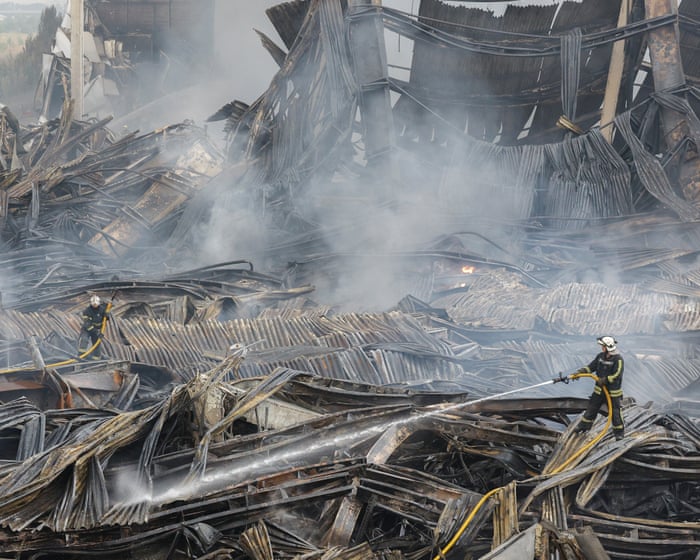
A new study found that human-caused climate change doubled the chances of the hot and dry weather conditions that led to Canada’s large wildfires this summer. The fires caused smoke to spread widely and led U.S. President Donald Trump to blame Canada’s fire management, while scientists pointed to global warming as the main cause.
Key Facts
Human-caused climate change has made extreme fire weather conditions twice as likely in parts of Canada.
The study was done by World Weather Attribution, a group that looks for climate change impacts on extreme weather.
The research compared current conditions to a hypothetical world without 2.5 degrees Fahrenheit (1.4 Celsius) of warming since the industrial era.
The weather linked to the fires involves heat, low rain, humidity, and wind, creating “tinderbox” conditions.
The wildfire weather this year in Ontario happens roughly once every six years now, but before the industrial age, it might have happened only once in a lifetime.
Scientists said hotter and drier weather from burning fossil fuels causes more frequent and intense fires.
President Trump blamed Canadian mismanagement for the fires and smoke that affected the U.S.
Experts say the U.S. has also contributed heavily to climate change due to its past burning of coal, oil, and gas.
Read the Original
Want the full story? Tap a source to open the original
article.
Two Israeli reserve soldiers were killed in fighting in southern Lebanon against the Iran-backed group Hezbollah. Meanwhile, Iran and Oman are close to finalizing an agreement on managing the Strait of Hormuz, a key shipping route, with a possible deal expected soon as stated by President Donald Trump.
Key Facts
Two Israeli reserve soldiers died in southern Lebanon during combat with Hezbollah.
Hezbollah is an Iran-backed militant group active in Lebanon.
Iran and Oman are close to finalizing an agreement on a shipping route through the Strait of Hormuz.
The Strait of Hormuz is a vital waterway for global oil transport.
President Donald Trump said a deal between Iran and the U.S. could be announced within days.
An oil tanker near Oman reported hearing explosions but no damage or injuries were reported.
A Russian tanker near Oman is leaking oil and causing an environmental risk near a nature reserve.
Oil prices fell slightly amid news of progress in Iran-Oman talks on the Strait of Hormuz.
Read the Original
Want the full story? Tap a source to open the original
article.
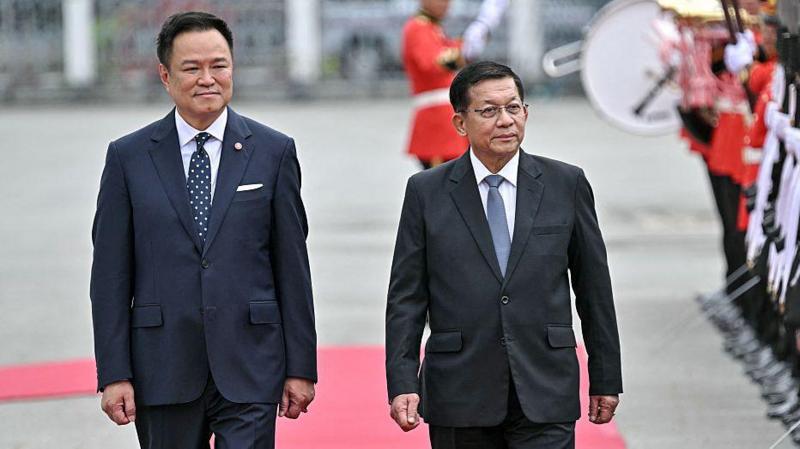
Myanmar's military leader Min Aung Hlaing visited Thailand for the first time since he took power in a 2021 coup that removed the elected government. Thailand welcomed him with official meetings and business events, despite criticism from other Southeast Asian nations and international groups concerned about the ongoing conflict and humanitarian crisis in Myanmar.
Key Facts
Min Aung Hlaing led a military coup in Myanmar in 2021, overthrowing the elected government of Aung San Suu Kyi.
The coup caused a civil war in Myanmar, killing thousands and harming the economy.
Min Aung Hlaing was declared president in April after an election criticized as unfair and excluding opposition parties.
He has faced sanctions and accusations of crimes against humanity, especially for actions against the Rohingya Muslim minority in 2017.
ASEAN barred Min Aung Hlaing from meetings due to his refusal to follow a 2021 agreement aimed at reducing violence and starting talks with opposition groups.
Thailand chose to welcome Min Aung Hlaing officially, citing shared border concerns and the need for government talks on issues like cross-border crime.
China and India have also officially recognized Myanmar’s military government and invited Min Aung Hlaing for visits.
Critics say Thailand’s diplomatic engagement gives the military regime false legitimacy and may worsen Myanmar’s humanitarian problems.
Read the Original
Want the full story? Tap a source to open the original
article.
Hiroshima marked the 81st anniversary of the atomic bombing by the United States, with the city’s mayor speaking out against nuclear weapons and the idea of using them for deterrence. The event included speeches and a moment of silence to remember the victims, attended by thousands and representatives from over 120 countries.
Key Facts
The anniversary event took place on August 6, 2026, in Hiroshima Peace Memorial Park.
Mayor Kazumi Matsui criticized the use and justification of nuclear weapons by major powers.
About 50,000 people attended, including representatives from the U.S., Iran, and many other countries.
A minute of silence and a peace bell marked 8:15 a.m., when the atomic bomb was dropped in 1945.
Prime Minister Sanae Takaichi attended her first Hiroshima memorial as Japan’s prime minister.
Takaichi pledged a “realistic approach” to prevent nuclear weapon use within the UN treaty framework.
Japan’s government is considering revising its postwar policy to possibly allow nuclear weapons on Japanese soil.
Survivors of the bombing showed concern about changes to Japan’s non-nuclear stance.
Read the Original
Want the full story? Tap a source to open the original
article.
Guatemala's Fuego volcano stopped erupting after about 50 hours of activity, which caused more than 1,700 people to leave their homes. Authorities said it is now safe for residents to return but warned that the volcano could erupt again.
Key Facts
The Fuego volcano erupted starting on Monday and ended on Wednesday after 50 hours.
Over 1,700 people evacuated from areas near the volcano during the eruption.
The volcano is located about 35 kilometers (22 miles) from Guatemala City.
Lava flowed down the volcano’s slopes and ash clouds rose up to six kilometers high.
Authorities declared it safe for people to return home but urged them to stay cautious.
Fuego is Central America’s most active volcano and has erupted multiple times in recent years.
Guatemala is part of the Pacific "Ring of Fire," a zone known for frequent volcanic and earthquake activity.
Past eruptions have caused deaths and large evacuations, including a deadly event in 2018.
Read the Original
Want the full story? Tap a source to open the original
article.
Iran and Oman are close to finalizing an agreement to reopen the Strait of Hormuz, a key waterway for global oil shipments. President Donald Trump said a deal could be announced soon, which might help end the ongoing conflict and ease economic pressures caused by the strait's closure.
Key Facts
Iran and Oman are in the final stages of drafting an agreement over the Strait of Hormuz.
President Trump suggested the deal could be announced within days.
The Strait of Hormuz is a vital route for about one-fifth of the world's oil and natural gas trade.
The strait has been nearly closed due to conflict involving Iran and U.S.-led forces.
Iran wants some control over the strait, not an open international waterway as before.
The deal may require the U.S. to lift its blockade on Iran’s ports.
Iranian and Omani negotiators have finished a draft deal pending approval by Iran’s Supreme Leader.
The agreement could restart talks between the U.S. and Iran on Iran’s nuclear program.
Read the Original
Want the full story? Tap a source to open the original
article.
Antananarivo, the capital of Madagascar, launched a cable car system in 2024 to ease heavy traffic and reduce long commutes. However, the system stopped running after a few weeks because many people could not afford the fares, and the cables now hang unused above the city.
Key Facts
The cable cars were meant to help thousands travel over the traffic jams in Antananarivo.
The system cost about $173 million and was funded with loans from France.
It started operating in 2024 but ran only a few weeks before stopping.
The fare was set between 70 and 90 cents per trip, much higher than minibus taxi prices.
Most people in Madagascar live in poverty, with an average commuter salary of about $72 per month.
Officials hoped the cable cars would carry 75,000 people daily and shorten commutes from up to three hours to 10-30 minutes.
Some residents were unhappy because basic services like running water and electricity had not been improved.
Experts said people chose to avoid the cable cars because they needed to save money, even if it meant sitting in traffic.
Read the Original
Want the full story? Tap a source to open the original
article.
In The Gambia, women like Fatou Jarjue are working to protect and restore mangrove forests that line the coast near Banjul. These mangroves help protect the shore from erosion and flooding and support local fishing and shellfish harvesting, which are important for the community's survival.
Key Facts
Mangroves are salt-tolerant trees that protect coastal areas from damage caused by waves and storms.
Fatou Jarjue has planted over 5,000 mangrove trees since last year to help restore the ecosystem.
The mangroves provide crabs, oysters, and fish that local people harvest for food and income.
Oyster harvesting is paused during the rainy season to allow oyster populations to recover.
The pause on oyster collecting is part of a government management plan to protect the resource.
Fatou grew up learning to harvest from the mangroves and now works to both sustain and restore them.
Healthy mangroves support the community’s future by protecting the coast and providing income.
The rainy season forces a shift from oyster harvesting to crab fishing, which is less profitable.
Read the Original
Want the full story? Tap a source to open the original
article.
Nigerian authorities rescued 308 people who had been kidnapped by armed groups, including 163 villagers taken in a deadly attack earlier this year. The rescue was the country’s largest single-day operation and involved multiple security agencies freeing hostages from a forest hideout.
Key Facts
Nigerian security forces rescued 308 kidnapping victims in one operation.
Among those freed, 163 were kidnapped from the village of Woro in Kwara state.
The Woro village attack happened in February 2026, with over 150 people killed.
Kidnappings are common in Nigeria, involving criminal gangs and jihadist groups.
The rescue took place in Kainji Lake National Park Forest, a known criminal hideout.
The operation involved the National Counter-Terrorism Centre, military, intelligence, and police.
Kidnappings in Nigeria generated around $1.66 million in ransom payments between 2024 and 2025.
Recently, 52 people were kidnapped in Zamfara state in another armed attack.
Read the Original
Want the full story? Tap a source to open the original
article.
German officials are looking into how a drone carrying explosives got to Leipzig/Halle Airport. This airport hosts Ukraine’s Antonov Airlines, which moved there after Russia invaded Ukraine in 2022.
Key Facts
A drone with explosives was found at Leipzig/Halle Airport in Germany.
The airport is used by Ukraine's Antonov Airlines.
Antonov Airlines relocated to this airport following Russia’s invasion in 2022.
German authorities have launched an investigation into the incident.
The investigation aims to find out how the drone got past airport security.
Read the Original
Want the full story? Tap a source to open the original
article.
Colombia’s Defence Minister Pedro Sanchez warned of possible terrorist attacks during the inauguration of President-elect Abelardo de la Espriella. The event will be held in Cali, an area with recent militia attacks, and the military is deploying troops and imposing drone restrictions to secure the ceremony.
Key Facts
Defence Minister Pedro Sanchez said authorities are tracking a threat against the inauguration.
The inauguration is scheduled for Friday in Cali, Colombia’s third-largest city.
Cali is near areas controlled by armed rebel groups and has seen recent militia attacks.
President-elect Abelardo de la Espriella narrowly won the June presidential run-off.
About 11,000 troops will be deployed to secure the event.
A no-fly zone for drones has been set up over Cali to prevent attacks using drones.
A dissident faction of the FARC rebel group operates near Cali under leader Ivan Mordisco.
Outgoing President Gustavo Petro, who opposes the election results, will not attend the ceremony.
Read the Original
Want the full story? Tap a source to open the original
article.
Nato is urgently working to provide Ukraine with more air defence systems after Ukraine failed to stop a recent Russian missile attack. Ukrainian President Zelenskyy warned that Russia plans to increase missile production this winter, and he criticized delays in missile supplies from Western allies.
Key Facts
Ukraine did not shoot down any Russian ballistic missiles in a recent attack, though it intercepted most drones.
Russia launched 24 ballistic missiles in one overnight attack, killing at least 17 people.
Ukraine’s supply of air defence missiles from allies dropped to a third of 2025 levels in early 2026.
Russia intends to produce many more ballistic missiles to attack Ukrainian energy and supply sites this winter.
Ukraine relies on US-made Patriot missile systems as the only way to intercept certain Russian missiles.
The shortage of Patriot interceptors worsened partly due to their use in the US-Israel conflict against Iran.
The US Patriot missile inventory reportedly declined by about 65% since before the Iran war began.
Nato plans to open Europe’s first Patriot missile factory in Germany in September to help increase production.
Read the Original
Want the full story? Tap a source to open the original
article.
Cesar Gastelum, a 24-year-old TikTok influencer, was shot and killed while livestreaming outside a fast-food restaurant in Culiacan, Mexico. The city is known for violent conflicts between different groups within the Sinaloa Cartel, a major criminal organization.
Key Facts
Cesar Gastelum was a 24-year-old TikTok creator.
He was livestreaming with friends when he was shot.
The shooting happened outside a fast-food restaurant in Culiacan, Mexico.
Culiacan is a city with ongoing violence due to gang conflicts.
The fighting is between two groups within the Sinaloa Cartel.
The Sinaloa Cartel is a large criminal organization involved in drug trafficking.
The incident occurred during a public broadcast on social media.
Read the Original
Want the full story? Tap a source to open the original
article.
The United States has stopped all government activities, including avocado inspections, in the Mexican state of Michoacan due to a security threat. The suspension aims to protect workers after arrests linked to extortion by organized crime groups in the region, which is a major supplier of avocados to the U.S.
Key Facts
The U.S. suspended avocado inspections and other government operations in Michoacan, Mexico, over a threat to U.S. interests.
Michoacan is the top exporter of avocados to the U.S., providing about 80% of the country's avocado imports.
The region has high organized crime activity, including at least four drug cartels labeled as terrorist groups by the Trump administration.
Cartels earn money through drug trafficking and extortion, including targeting the avocado industry.
A major cartel leader nicknamed "El Poncho" was arrested; the U.S. had offered a $5 million reward for his capture.
About 300 security personnel have been sent to the avocado-growing area as a precaution.
Avocado production in Michoacan supports roughly 200,000 jobs and brought in $3.65 billion from U.S. sales in 2025.
U.S. inspectors check Mexican avocado farms and plants to ensure the fruit is free of pests before export, but inspections have been suspended before due to safety concerns.
Read the Original
Want the full story? Tap a source to open the original
article.
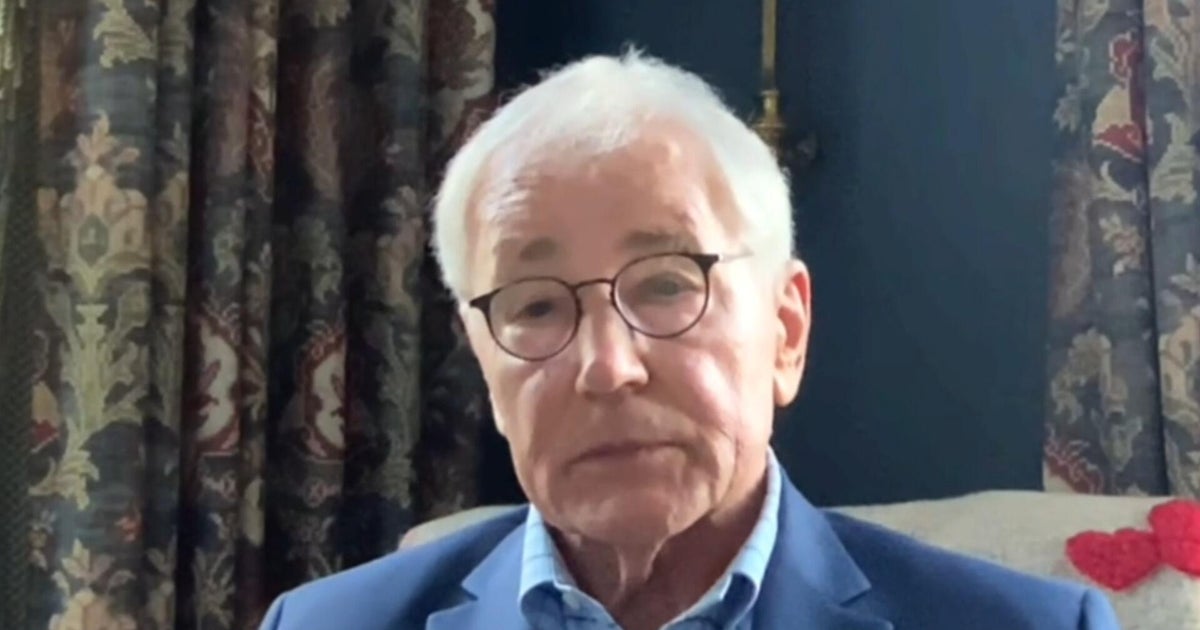
Chuck Hagel, who was the U.S. Defense Secretary from 2013 to 2015, spoke about the current war involving Iran. He talked about the need for the government to share more information with Congress about the conflict.
Key Facts
Chuck Hagel served as U.S. Defense Secretary under President Barack Obama from 2013 to 2015.
The discussion focuses on the ongoing war involving Iran.
Congressional lawmakers want more transparency about the conflict.
Hagel emphasized the importance of sharing information between the government and Congress.
The interview was broadcast on CBS News.
The topic is part of recent news coverage on international conflicts and U.S. government oversight.
Read the Original
Want the full story? Tap a source to open the original
article.
Scientists used the Daniel K. Inouye Solar Telescope in Hawaii to take the most detailed images ever of the sun's surface. They discovered new patterns caused by movements in the sun's magnetized plasma, helping us better understand solar activity that can affect Earth.
Key Facts
The images show the sun's surface with unprecedented clarity, revealing detailed patterns called Kelvin-Helmholtz instabilities.
These patterns appear as swirling ripples caused by magnetized plasma moving at different speeds.
This type of instability has been seen on Earth and other planets but never in such detail on the sun.
The observations were made using the 4-meter mirror of the Daniel K. Inouye Solar Telescope on Maui.
Scientists hope these findings will improve understanding of solar storms that can disrupt GPS and cause auroras.
The results were published in the scientific journal Nature.
The telescope images were initially taken to test the instrument, but they revealed this unexpected detail.
Understanding small-scale solar processes will help predict space weather that impacts Earth.
Read the Original
Want the full story? Tap a source to open the original
article.
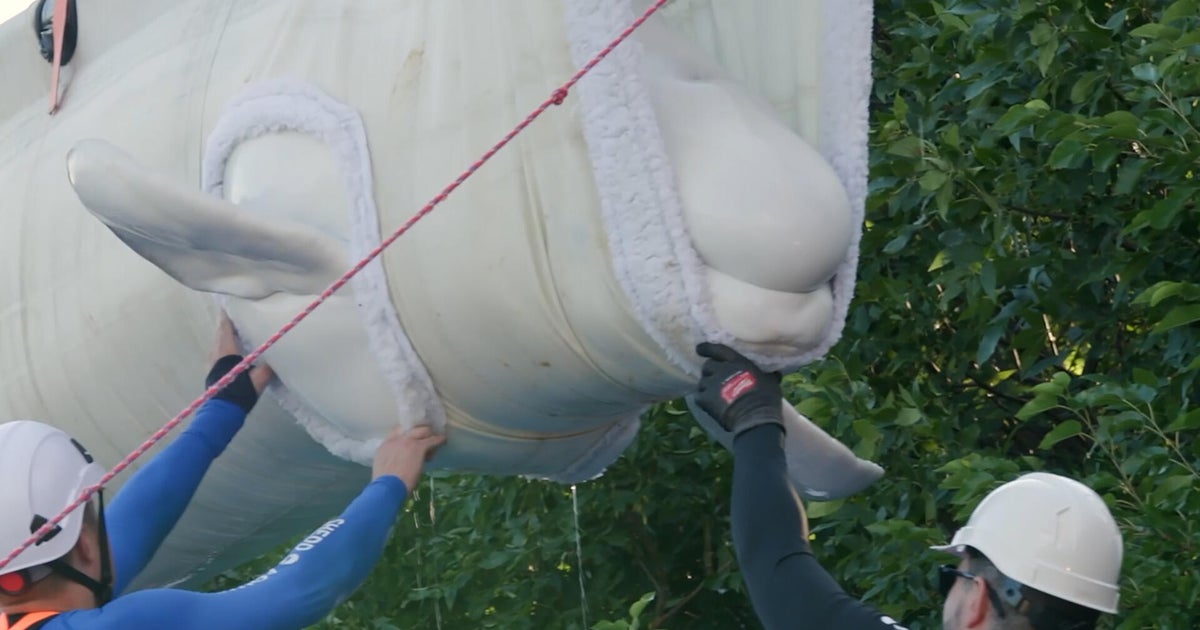
Seven female beluga whales were moved to SeaWorld San Antonio as part of a rescue effort from a closed Canadian park called Marineland. The whales are now being cared for in a new habitat where their health and behavior are closely watched.
Key Facts
Seven female belugas named Xena, Gemini, Skyla, Meeka, Eve, Neva, and Calypso arrived at SeaWorld San Antonio.
This is the largest group of belugas ever relocated in the United States.
The whales were transported using special water-filled containers on trucks and a cargo plane.
Two male belugas, Frankie and Bertie Botts, were moved to SeaWorld last month and are adjusting to their new home.
Marineland in Canada closed in 2024 and no longer has resources to care for the whales.
Canadian officials approved the relocations to ensure whales get medical care not available in Canada.
Seventeen belugas remain at Marineland, with plans to move them to aquariums in Georgia, Chicago, San Diego, and Spain.
The new habitat at SeaWorld is private and not open to the public while the whales adapt.
Read the Original
Want the full story? Tap a source to open the original
article.
Seven more beluga whales arrived in Texas at SeaWorld San Antonio. This is part of an international rescue effort to move many belugas from a closed Canadian theme park called Marineland.
Key Facts
Seven beluga whales were transferred to SeaWorld San Antonio in Texas.
The whales came from Marineland, a Canadian park that has closed.
The move is part of a larger rescue effort involving multiple countries.
The goal is to safely relocate dozens of beluga whales.
SeaWorld San Antonio is helping provide a new home for the whales.
The rescue shows collaboration between organizations across borders.
Read the Original
Want the full story? Tap a source to open the original
article.
A video shows 3-year-old twins, Millie and Maverick, hugging after Maverick received cancer treatment far from home. The reunion captures the emotional moment as the twins come back together.
Key Facts
The twins are named Millie and Maverick.
Maverick had cancer treatment.
The treatment took place several hours away from their home.
The video of their reunion has become very popular online.
The video was reported by Matt Gutman for CBS News.
The twins are 3 years old.
The video was shared on the CBS News app.
Read the Original
Want the full story? Tap a source to open the original
article.
Archbishop Sarah Mullally visited Ghana and Cameroon to promote peace and healing, and to support the Church of England’s efforts to address its historic ties to the slave trade. She renewed the church’s commitment to a 100 million pound reparations fund aimed at helping communities affected by the legacy of slavery.
Key Facts
Archbishop Mullally completed a 10-day tour of Ghana and Cameroon, her first visit to Africa since becoming archbishop of Canterbury in March 2024.
She spoke about the need for peace and healing in Cameroon, a country facing conflict between government forces and separatist militants.
Mullally highlighted cooperation between various Christian churches to promote peace through inclusive dialogue.
The Church of England set up a 100 million pound fund to address its historical links to the transatlantic slave trade.
This fund was created after an audit revealed the church profited from slavery through investments and ownership of slave plantations.
Mullally visited the Cape Coast Castle in Ghana, a former slave fort, to witness where enslaved Africans were held before being shipped overseas.
She called for justice and reconciliation for those still affected by the church’s role in the slave trade.
The reparations fund will support investment, research, and aid programs through 2032 for communities impacted by slavery.
Read the Original
Want the full story? Tap a source to open the original
article.