Neutral summaries of your favorite news sources — just the facts.
Your favorite news sources, one neutral feed — we distill their reporting into fact-first
summaries and always link to the original story. How it works
World News
Comprehensive coverage of international news and global events
Cameroon produces about 1.17 million cubic meters of drinking water daily from 103 stations. However, in big cities like Yaounde, the water available is less than the amount needed, causing many people to struggle to get enough drinking water.
Key Facts
Cameroon’s national drinking water production is around 1.17 million cubic meters per day.
The water comes from 103 production stations across the country.
In Yaounde, water demand is over 300,000 cubic meters daily.
Actual water supply in Yaounde is limited to 215,000 cubic meters per day.
This gap leads to a significant drinking water shortage in major cities.
Many households find it difficult to access enough drinking water.
Water production has increased but still does not meet the high demand.
Read the Original
Want the full story? Tap a source to open the original
article.
A former student at the University of Surrey was charged with attempted murder after shooting a staff member with a crossbow on campus. The injured campus safety officer is in stable condition, and police say the attack is not believed to be related to terrorism.
Key Facts
Almunthir Daqamah, 21, a former student, was charged with attempted murder.
The victim was a campus safety officer in his 50s who was shot at Manor Park Student Village in Guildford.
Daqamah also faces charges for possessing an offensive weapon, two bladed articles, and Class B drugs.
The suspect was remanded in custody and will appear at Guildford Magistrates' Court.
Police said the incident is not terror-related and no other suspects are being sought.
The victim is currently stable in hospital.
Police are working closely with the University and asking the public to avoid speculation online.
Read the Original
Want the full story? Tap a source to open the original
article.
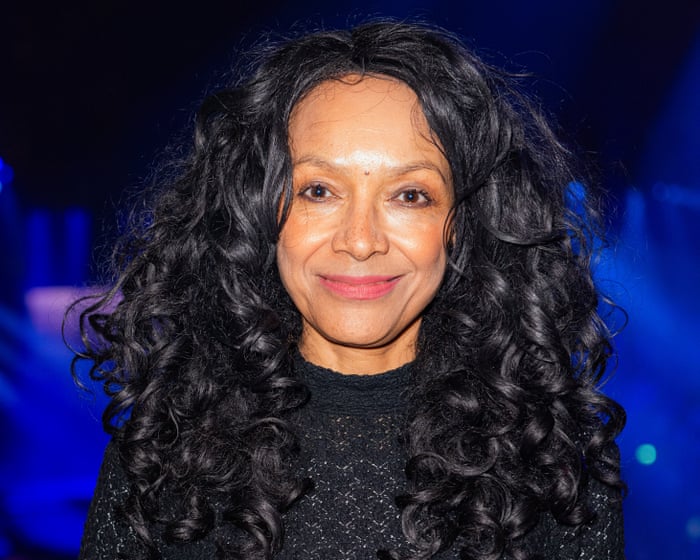
Kanya King, the founder of the Mobo Awards that celebrate black music and culture in the UK, died at age 57 after battling colon cancer. She started the awards in 1996 to highlight black musicians and their contributions, overcoming many challenges along the way.
Key Facts
Kanya King founded the Music of Black Origin (Mobo) Awards in 1996 to support black musicians in the UK.
The Mobo Awards marked their 30th anniversary in 2024.
King funded the first Mobo event herself despite doubts from her family.
She passed away after a determined fight with colon cancer, surrounded by family and friends.
Growing up with an Irish mother and Ghanaian father, she experienced and witnessed racial discrimination.
King was a teenage mother who dropped out of school but later studied English literature at Goldsmiths College.
She received an MBE in 1999 for her services to music.
The Mobo Awards have recognized diverse music styles, including UK garage, R&B, grime, and Afrobeat.
Read the Original
Want the full story? Tap a source to open the original
article.
Iran’s men's football team faces major problems attending the FIFA World Cup in the United States due to US visa restrictions and ongoing conflict between the two countries. Iranian fans also struggle to travel to the US because of visa denials, lack of direct flights, and political tensions caused by a US-led war against Iran.
Key Facts
President Donald Trump issued an order stopping visas to several countries, including Iran.
Iran was labeled a “state sponsor of terrorism” by the US.
The US and Israel are engaged in a war against Iran, causing casualties and damage within the country.
Iran’s football team changed their World Cup basecamp to Mexico due to tensions with the US.
Iranian fans find it very hard to travel to the US because there are no direct flights and risks of arrest on return.
Tensions from the war affect Iranian politics and sports, such as the removal of a top player for political reasons.
Global fans have concerns about safety and politics linking to the World Cup hosted by the US.
Human Rights Watch has reported on these issues affecting fans and immigrants in the US.
Read the Original
Want the full story? Tap a source to open the original
article.
Journalists were given an early look at Barack Obama’s presidential centre in Chicago, set to open on June 19, a day marking the end of slavery in the U.S. The $850 million complex includes a library, community areas, playgrounds, and a recreation of the Oval Office, aiming to celebrate Obama’s presidency and serve local residents.
Key Facts
The Obama presidential centre is located on Chicago’s South Side.
It will officially open on June 19, known as Juneteenth in the United States.
The centre cost about $850 million and took ten years to complete.
It includes a presidential library, community spaces, playgrounds, and a replica of the Oval Office.
The centre is designed to be both a museum and a civic hub for the community.
Some critics are concerned about the high cost and its effects on the local area.
There are worries that the project could increase property prices and push out local residents.
The centre intends to offer a positive experience that highlights Obama’s time as president.
Read the Original
Want the full story? Tap a source to open the original
article.
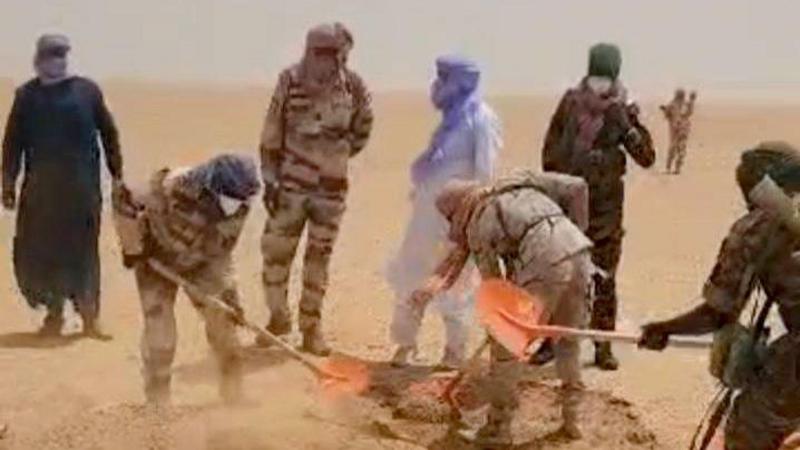
At least 49 people died of thirst in the Sahara desert in northern Niger after their truck broke down while they were returning from a festival in Mali. Only two people survived by walking to a nearby border post to get help, and the victims were buried in mass graves.
Key Facts
The truck broke down about 80 km west of Assamaka, a border crossing between Niger and Algeria.
The group was returning from a Muslim festival in Mali when they ran out of water.
The driver and passengers tried to fix the truck for several days but failed.
Extreme heat and lack of water made survival very difficult in the remote desert area.
Rescue teams found dozens of bodies under and around the truck.
Two survivors walked to Assamaka and alerted authorities.
Another broken-down truck carrying over 60 people was found nearby; those travelers were given water and helped to fix their vehicle.
The Sahara desert is a dangerous route used by many migrants from West Africa trying to reach Europe.
Read the Original
Want the full story? Tap a source to open the original
article.
Every year, Thailand holds a nationwide lottery to decide which men aged 21 and over must join the military. This system remains controversial with some people saying it is unfair and outdated, especially after recent conflicts with Cambodia increased military tensions.
Key Facts
All Thai men aged 21 and over must join the military if selected through a lottery.
The military lottery is a public event broadcast on TV and shared on social media.
Thailand had armed conflicts with Cambodia in July and December 2025, raising military alert levels.
The lottery is more than just a simple process; it is a national spectacle.
Critics say the lottery system is unfair and old-fashioned.
Some politicians and activists have spoken out against corruption and abuse in the military recruitment process.
Allegations exist about mistreatment of recruits after joining the army.
The Thai military remains on high alert due to ongoing tensions with Cambodia.
Read the Original
Want the full story? Tap a source to open the original
article.
Kanya King, who started the Mobo awards to honor Black British musicians, has died at age 57 from colon cancer. She created the Mobo awards in 1996 to give recognition to Black music, helping it gain wider respect and visibility in the UK and beyond.
Key Facts
Kanya King founded the Mobo awards, a ceremony celebrating Black British music.
She died at age 57 from colon cancer after a determined fight with the illness.
The Mobo awards began in 1996 after King raised money by remortgaging her house.
The event highlights Black musical talent that was often overlooked by other awards.
The Mobo awards have honored artists like Stormzy, Dave, and Olivia Dean.
King was born in Kilburn, north London, to a Ghanaian father and Irish mother.
Before founding Mobo, King worked as a TV researcher.
The Mobo awards are seen as an important platform that showed the value and influence of Black music.
Read the Original
Want the full story? Tap a source to open the original
article.
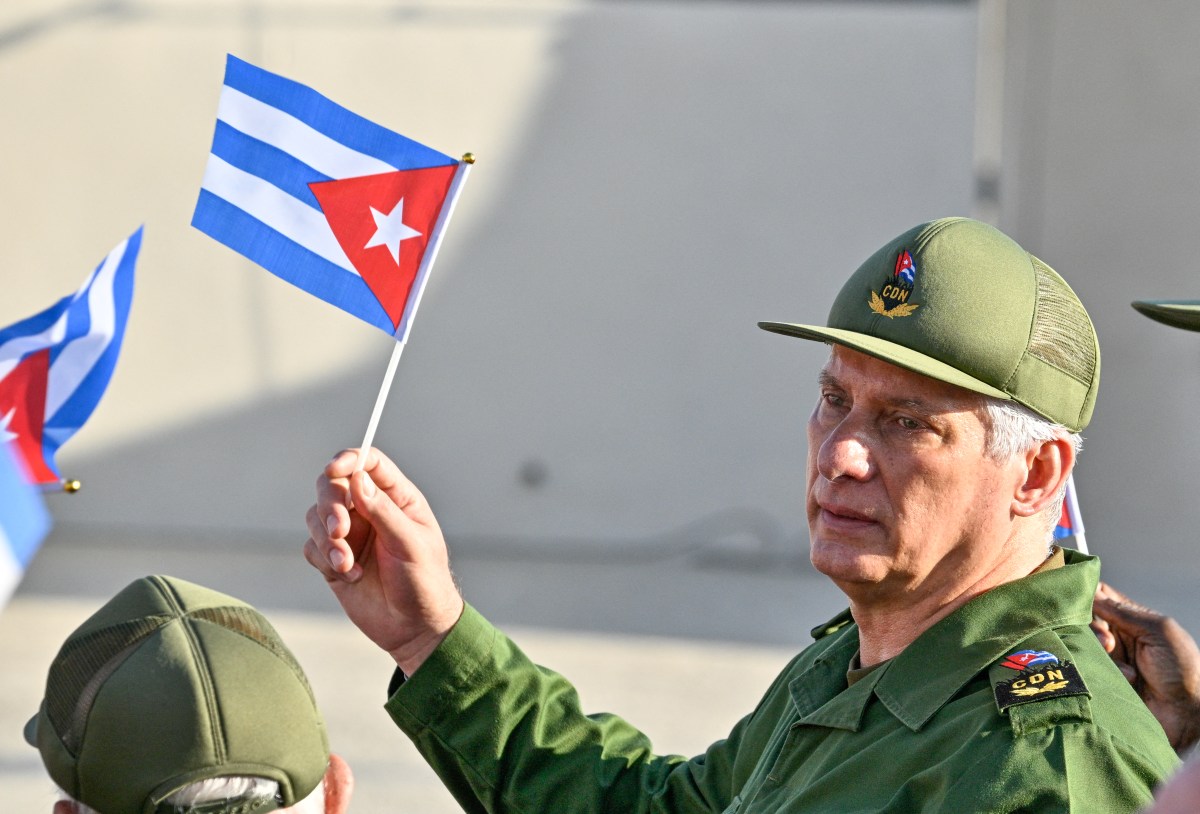
The U.S. government, under President Donald Trump, has imposed new sanctions on Cuba, targeting five organizations and several individuals, including Cuban President Miguel Díaz-Canel and his family. These sanctions block their U.S. assets and forbid American businesses and banks from working with them, increasing pressure amid Cuba’s economic struggles and fuel shortages.
Key Facts
The sanctions affect five Cuban entities, including the Ministry of the Revolutionary Armed Forces and groups that coordinate visits for pro-government activists.
Cuban President Miguel Díaz-Canel, his wife Lis Cuesta Peraza, and others including the president’s stepson were also sanctioned.
Alejandro Castro Espín, son of former Cuban leader Raúl Castro, was sanctioned and previously indicted in connection to a 1996 incident involving the shooting down of exile group planes.
The sanctions freeze the assets of those targeted in the U.S. and prevent Americans from doing business with them.
The measures are part of a continued effort by the Trump administration to increase pressure on Cuba’s communist government and worsen its economic situation.
The sanctions follow a previous executive order that applied "secondary sanctions" to foreign companies and banks working in key Cuban sectors like energy and mining.
Critics say these actions hurt ordinary Cubans and do not support the changes needed.
President Trump described Cuba’s situation as a collapse caused by shortages of fuel, energy, and money, and said the U.S. would deal with it after military operations in Iran.
Read the Original
Want the full story? Tap a source to open the original
article.
France is investigating failings in its justice system after the killing of an 11-year-old girl named Lyhanna. The main suspect had past accusations of child sexual abuse, but previous investigations into him were dropped or delayed.
Key Facts
Lyhanna disappeared on May 29 near Fleurance in southwestern France.
Her body was found in an abandoned silo after several days of searching.
The main suspect is a 41-year-old man whose daughter was friends with Lyhanna.
The suspect had three previous accusations of child sexual abuse, but the cases were dismissed or stalled.
Justice Minister Gerald Darmanin plans to summon public prosecutors to address these issues.
An independent commission says most child sexual abuse complaints in France do not lead to convictions.
Politicians from different parties have called for faster investigations to better protect children.
Activists highlight that the system did not act even when serious complaints were made.
Read the Original
Want the full story? Tap a source to open the original
article.
France’s government is investigating problems in its judicial system after the suspected murder of an 11-year-old girl named Lyhanna. The main suspect had previously faced serious accusations of child sexual abuse, but those cases were dropped or delayed, raising concerns about how such cases are handled.
Key Facts
Lyhanna, an 11-year-old girl, disappeared on May 29 near Fleurance in southwest France.
Her body was found on June 4 in an abandoned silo, and formal identification is ongoing.
A 41-year-old man, father of two and connected through a school friend, is the main suspect.
This suspect had two earlier formal accusations of child rape, but investigations were stopped or postponed.
President Emmanuel Macron called the situation a "dysfunction" in the judicial system and ordered a government probe.
Justice Minister Gérald Darmanin plans to meet prosecutors to review the handling of such cases.
Most complaints about child sexual abuse in France end without convictions, according to an independent commission.
Officials and community leaders expressed concern over delays and the need for better child protection measures.
Read the Original
Want the full story? Tap a source to open the original
article.
The United States has imposed new sanctions on Cuban President Miguel Diaz-Canel and other Cuban leaders as part of efforts to pressure Cuba’s government. These measures come amid energy blockades causing blackouts, food shortages, and broader tensions between the US and Cuba.
Key Facts
The US Treasury announced sanctions targeting President Diaz-Canel, his family members, and relatives of former leader Raul Castro.
The Cuban military and the Committees for the Defense of the Revolution (CDR) were also sanctioned.
The US claims that Cuba’s communist government poses a threat to US security.
President Donald Trump linked these sanctions to his broader goal of removing left-wing governments in the Americas.
Cuba faces severe electricity outages lasting up to 22 hours a day and shortages of food and medicine.
Cuba has been under a US trade embargo since 1962, which has intensified under President Trump.
Cuban officials called the sanctions acts of US intervention and vowed to resist pressure.
The US has issued criminal charges against Raul Castro for an incident involving the shooting down of planes in 1996.
Read the Original
Want the full story? Tap a source to open the original
article.
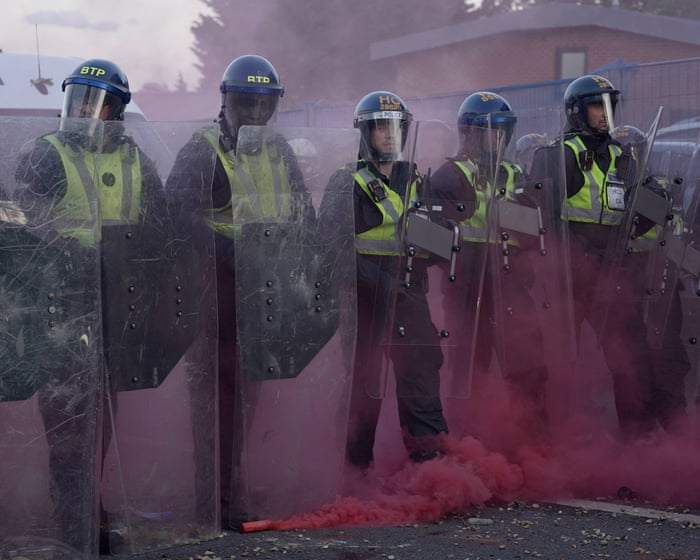
Three people have been charged with violent disorder following protests in Southampton over the murder of Henry Nowak. The protests happened after Vickrum Digwa was sentenced to life in prison for Nowak’s killing, and tensions rose when police video showed Nowak being handcuffed before he died from stab wounds.
Key Facts
Connor Bishop (24), Reece Robinson (21), and Noah Etherington (18) were charged with violent disorder.
They appeared at Southampton magistrates court on Friday morning.
Vickrum Digwa (23) was sentenced to life imprisonment with a minimum of 21 years for murdering Henry Nowak (18).
The murder happened in December, and Nowak died from stab wounds.
Police body-worn cameras showed Nowak handcuffed and saying he couldn’t breathe before losing consciousness.
The case sparked political debate, with the prime minister asking politicians not to use the case to cause unrest.
Labour leader Keir Starmer met Nowak’s family and called for unity and a positive legacy for Nowak.
Nigel Farage said the murder should be met with “rage,” which led to criticism that he was increasing racial tensions; Farage denied this and said he condemns all violence.
Read the Original
Want the full story? Tap a source to open the original
article.
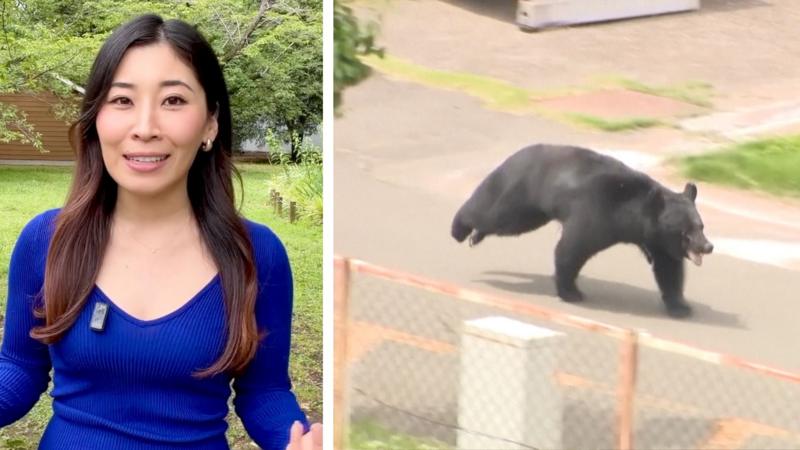
A bear in north-east Japan injured four people and escaped from an electronics factory by opening a window latch by itself. Authorities say the bear showed signs of intelligence by turning on a water tap and escaping during the night, and they are currently trying to catch it.
Key Facts
A bear in Fukushima, Japan, injured four people.
The bear attacked a man outside a building and then entered an electronics factory.
The bear escaped by opening a window latch, showing problem-solving behavior.
Before escaping, the bear was seen turning on a water tap using its paws.
Fukushima city officials and Mayor Yuki Baba described the animal as very intelligent.
Authorities are actively trying to capture the bear after its escape.
The incident happened in north-east Japan.
Read the Original
Want the full story? Tap a source to open the original
article.
Ukraine's President Volodymyr Zelensky sent an open letter to Russian President Vladimir Putin, asking for a face-to-face meeting and a ceasefire to end the ongoing conflict. The Kremlin said Putin has not seen the letter yet but is open to meeting Zelensky in Moscow anytime, which Zelensky declined in his letter.
Key Facts
President Zelensky wrote an open letter directly to President Putin.
Zelensky proposed a personal meeting and a ceasefire to stop the war.
Putin mentioned Russia needs to improve its air defenses after Ukrainian attacks.
The Kremlin said Putin has not yet read Zelensky's letter.
Kremlin offered for Zelensky to meet Putin in Moscow at any time.
Zelensky rejected the idea of meeting in Moscow in his letter.
The letter was published on June 5, 2026.
The conflict discussed is the ongoing war between Ukraine and Russia.
Read the Original
Want the full story? Tap a source to open the original
article.
Ukrainian President Volodymyr Zelensky has asked Russian President Vladimir Putin for a face-to-face meeting to discuss ending the war between their countries. Zelensky also said he is ready to agree to a full ceasefire.
Key Facts
Zelensky sent an open letter to Putin proposing a direct meeting.
The goal of the meeting is to end the war between Ukraine and Russia.
Zelensky expressed willingness to establish a full ceasefire.
The letter was made public on June 5, 2026.
This proposal is unusual because direct talks between the two leaders have been rare.
The conflict between Ukraine and Russia has lasted for several years.
Zelensky wants to resolve the conflict through direct dialogue.
The information comes from a report by France 24’s International Affairs Editor.
Read the Original
Want the full story? Tap a source to open the original
article.
Armenia is holding elections, but beyond the official campaigns, there is a large and organized disinformation effort influencing voters. Experts say much of this false information comes from Russia and uses past war-related trauma to affect public opinion.
Key Facts
Armenian voters are deciding their country's future in upcoming elections.
A big, coordinated campaign spreads false information to influence Armenian voters.
Much of the disinformation is connected to Russia.
This campaign exploits the emotional impact of recent wars in the region.
Analysts describe the disinformation as a hidden type of warfare beneath the election process.
The effort aims to shape political opinions and outcomes through misleading messages.
The situation highlights concerns about foreign interference in national elections.
The report was made by France 24's team on the ground in Armenia.
Read the Original
Want the full story? Tap a source to open the original
article.
Israeli airstrikes hit the southern Lebanese city of Tyre, killing seven people despite a recent ceasefire announcement. Hezbollah rejected the ceasefire deal, demanding that Israel fully withdraw from Lebanon.
Key Facts
Israeli strikes in Tyre, south Lebanon, killed seven people overnight.
The strikes happened despite a conditional truce between Lebanon and Israel.
The truce required Hezbollah to stop shooting and pull back from the border.
Lebanon’s army was supposed to move into new zones near the border as part of the deal.
Hezbollah refused the agreement, demanding a full Israeli withdrawal from Lebanon.
The conflict involves fighting between Israel and Hezbollah, a Lebanese group.
The situation remains tense with ongoing violence despite diplomatic efforts.
Read the Original
Want the full story? Tap a source to open the original
article.
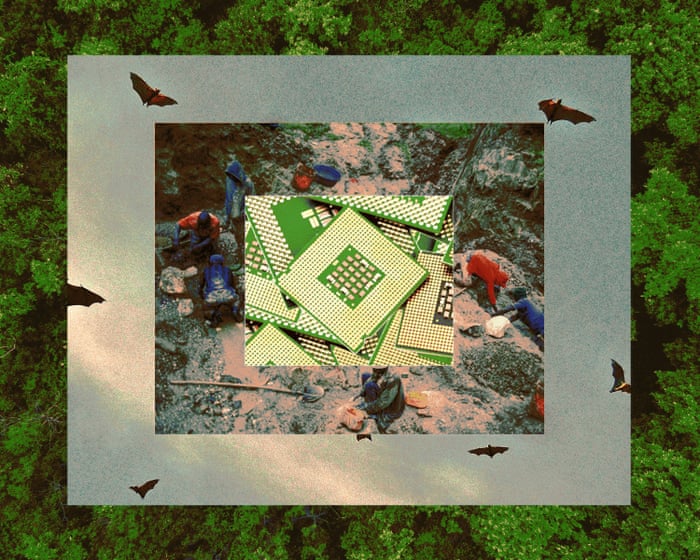
Ebola outbreaks have grown larger and more frequent, partly because cutting down forests in Central Africa pushes virus-carrying bats closer to people. This deforestation is linked to local mining for minerals used in technology products like smartphones, which destroys bat habitats and increases the risk of the virus spreading to humans.
Key Facts
Ebola was discovered in 1976, and early outbreaks were small and contained.
Recent outbreaks have been much bigger, such as the 2014 West Africa outbreak with over 28,000 cases.
The current Ebola outbreak started in May in the Democratic Republic of Congo (DRC) and has spread to Uganda.
Ebola virus usually lives in bats without harming them, but deforestation forces bats to live closer to people.
Each percentage of forest loss in Central Africa increases the chances of Ebola and malaria outbreaks by 20% to 40%.
The 2014 Ebola outbreak began after 85% of forest in southwestern Guinea was cut down.
A big cause of deforestation in DRC is artisanal mining, where locals dig for minerals like gold, coltan, and cobalt.
These minerals are important for tech products like smartphones, and global demand for them is growing fast.
Read the Original
Want the full story? Tap a source to open the original
article.
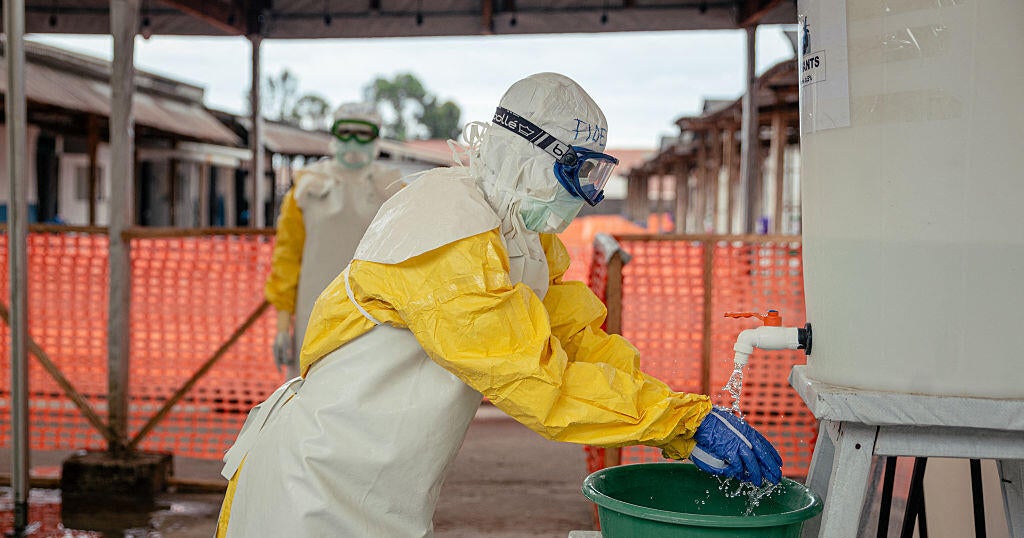
Doctors and health workers in northeastern Democratic Republic of Congo are struggling to fight a new Ebola outbreak without enough protective gear or testing supplies. The outbreak has caused many deaths and spreads quickly, with international groups warning it could become the largest Ebola outbreak in Congo’s history.
Key Facts
The Ebola outbreak is currently centered in the Ituri province of northeastern Congo.
Many clinics lack basic supplies like gloves, gowns, masks, and clean water.
Health workers report fear and high risk of infection due to poor protection.
By mid-May, about 250 suspected Ebola cases and 80 deaths were reported before official confirmation.
The World Health Organization declared the outbreak a global public health emergency.
The U.S. pledged over $162 million to help stop the outbreak.
Transporting supplies is difficult due to suspended flights, poor roads, and armed conflicts.
The withdrawal of some U.S. aid funds has worsened Congo’s health system challenges.
Read the Original
Want the full story? Tap a source to open the original
article.