A new at-home test called MEDWACS uses thigh length and other simple measurements to help detect people at risk for type 2 diabetes without needing a blood test or doctor visit. Researchers found that thigh length relates to diabetes risk because it reflects early childhood nutrition and muscle mass important for blood sugar control.
Key Facts
MEDWACS was developed by researchers in Denmark to find people with prediabetes or undiagnosed type 2 diabetes.
The test uses seven simple measurements, including thigh length, age, gender, and BMI, which can be taken at home.
Thigh length is important because it shows early nutrition and muscle size; smaller thighs may mean higher diabetes risk.
The tool was built using 30 years of U.S. health data and tested using data from the U.S. and South Korea.
MEDWACS performed as well or better than other diabetes screening methods.
Early childhood nutrition affects femur growth, linking shorter thigh length to diabetes risk later in life.
The thigh measurement's accuracy for the Danish population still needs confirmation with local data.
About 100,000 people in Denmark have type 2 diabetes without knowing it, and many more have prediabetes.
Read the Original
Want the full story? Tap a source to open the original
article.
Tim Hamilton, diagnosed with Parkinson’s disease at 60, discovered a new passion for watercolor painting despite his tremors and color blindness. His diagnosis, which affected his movement, led him to art, helping him cope with the disease and find new purpose.
Key Facts
Tim Hamilton was diagnosed with Parkinson’s disease in 2021 at age 60.
Parkinson’s disease causes tremors, stiffness, and pain, with no known cure.
Hamilton started painting again in his 60s after buying a children’s watercolor set on impulse.
He is colorblind but has created popular landscape paintings online.
Hamilton manages his symptoms with daily stretching, gardening, diet, and medication.
His wife Nathalie supports him through the challenges of the disease.
Despite tremors, Hamilton continues to write children’s books and paint.
He feels his new artistic life began after the Parkinson’s diagnosis, showing a new way to live with the disease.
Read the Original
Want the full story? Tap a source to open the original
article.
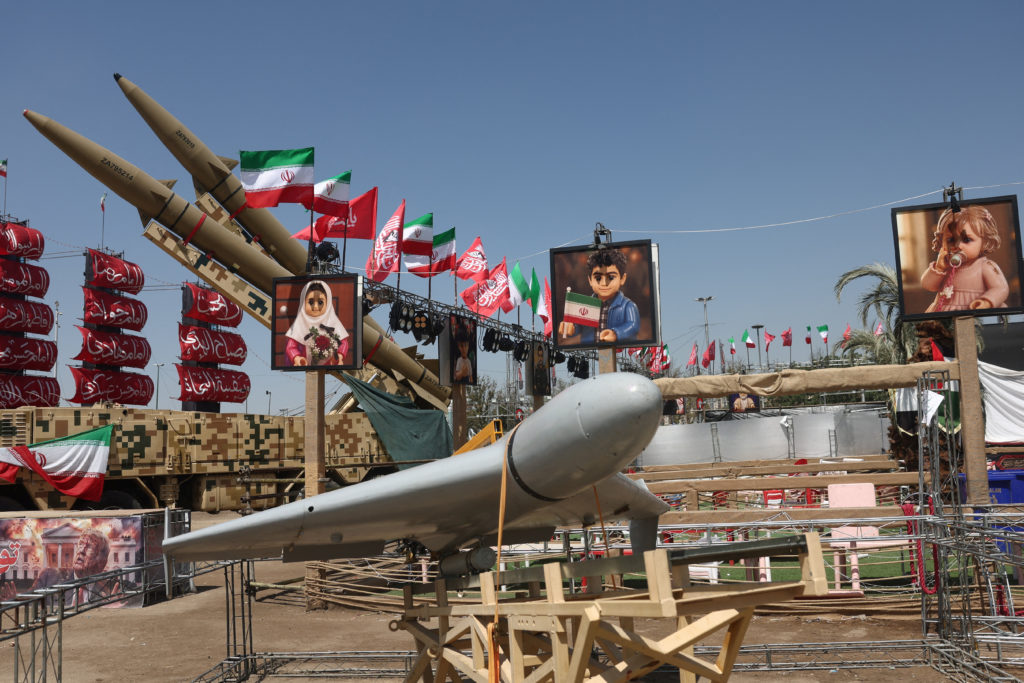
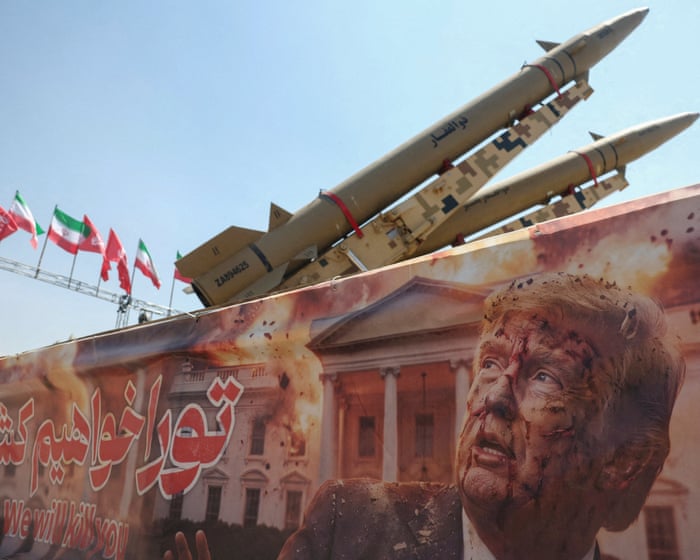
Fighting involving the United States, Iran, and their allies has intensified as Saudi Arabia has joined attacks against groups supported by Iran. Efforts to resolve the conflict through diplomacy have weakened, with both sides carrying out recent military strikes.
Key Facts
Saudi Arabia has publicly joined military actions against Iranian-backed proxy groups.
The conflict between the U.S. and Iran is escalating after a brief period of calm.
Recent attacks by both sides raise fears of a larger regional war.
Diplomatic talks to end the conflict have stalled and trust between the countries is low.
Iran’s deputy foreign minister said Iran has not asked to resume talks in over two weeks.
President Donald Trump and his supporters say Iran wants to return to negotiations.
No clear strategy from either the U.S. or Iran has been announced to move forward.
Read the Original
Want the full story? Tap a source to open the original
article.
The United States and Iran exchanged missile attacks again, increasing fears of a wider war in the region. Several countries near the conflict zone, including Jordan, Kuwait, Egypt, and Saudi Arabia, reported attacks or damage linked to this fighting.
Key Facts
The U.S. and Iran fired multiple missiles on the same day, continuing an ongoing pattern of strikes.
Jordan intercepted Iranian missiles for two days in a row.
A missile strike in northern Kuwait killed one person.
Drones caused fires on ships at a port in Egypt this week.
Saudi Arabia was attacked by Iran-backed militias operating from Iraq.
President Donald Trump initially said the war would last four to five weeks but warned it might take longer.
The war has caused global fuel prices to rise.
There are concerns about running low on weapons needed to protect U.S. bases and allies in the region.
Read the Original
Want the full story? Tap a source to open the original
article.
Florida has seen an increase in infections from Vibrio vulnificus, a rare bacteria known as "flesh-eating bacteria," with 12 cases and one death reported in 2026. The bacteria live in warm coastal waters and can infect people through open wounds or by eating raw shellfish.
Key Facts
Florida has recorded 12 Vibrio vulnificus infections and one death so far in 2026.
The bacteria thrive in warm saltwater and brackish water, common in Florida's coastal areas.
People can get infected through open wounds exposed to contaminated water or by eating raw or undercooked shellfish like oysters.
Symptoms vary depending on infection method but can include diarrhea, stomach cramps, redness or pain around wounds, fever, and chills.
Severe infections can quickly worsen and destroy skin tissue, sometimes spreading into the bloodstream and causing life-threatening complications.
About 20% of severe infections result in death, often within a day or two of symptoms starting.
People with liver disease, weak immune systems, or other health issues face a higher risk of severe illness.
The CDC advises covering wounds when near coastal waters and avoiding eating raw shellfish to reduce infection risk.
Read the Original
Want the full story? Tap a source to open the original
article.
Thousands of migrants have crossed into the Spanish enclave of Ceuta from Morocco in the last 10 days. Local leaders declared a humanitarian emergency and asked for military help, while the Spanish government plans to send more resources and work with Morocco to manage the situation.
Key Facts
Between 1,500 and 2,000 migrants entered Ceuta in the past 10 days.
Hundreds more arrived on one recent day, causing a local emergency declaration.
Migrants crossed by sea on inflatable boats and by land, climbing fences.
Ceuta and Melilla are Spain’s North African territories and the EU’s only land borders with Africa.
Many migrants are youths from Morocco and sub-Saharan Africa seeking entry to Europe.
Spain’s Supreme Court ruled that migrants caught at sea cannot be sent back to Morocco.
Authorities say smuggling groups are encouraging more migrants to come due to this ruling.
Spain’s Interior Minister is visiting Ceuta to review the situation and coordinate responses.
Read the Original
Want the full story? Tap a source to open the original
article.
The Red Cross announced it is facing a serious shortage of type O positive blood, which is the blood type most often needed for transfusions. This shortage has led the organization to declare a rare blood supply crisis.
Key Facts
The Red Cross has less than a one-day supply of type O positive blood.
Type O positive is the most commonly transfused blood type.
The shortage is severe enough for the Red Cross to declare a blood supply crisis.
This is only the second time the Red Cross has declared such a crisis.
Blood shortages can affect hospitals and patients who need urgent blood transfusions.
The crisis highlights challenges in collecting enough blood donations.
Read the Original
Want the full story? Tap a source to open the original
article.
Illicit gold, which is gold mined or traded without proper tracking, creates problems around the world. It causes governments to lose money, weakens their control, and raises risks to security and the environment.
Key Facts
Illicit gold is gold that cannot be traced back to its source.
This gold leads to lost government revenue because it avoids taxes and fees.
It weakens governance by supporting illegal activities and corruption.
The trade and mining of illicit gold increase security risks, including funding criminal groups.
Environmental damage often happens because illicit mining ignores safety and protection rules.
The issue is global and affects many countries around the world.
The United States needs to address this problem to improve security and governance.
Read the Original
Want the full story? Tap a source to open the original
article.
A large study involving nearly 470,000 people did not prove that sunscreen increases the risk of skin cancer. The study mainly looked at genetic factors linked to skin cancer and showed that people who use sunscreen often have higher sun exposure, which is the actual risk factor.
Key Facts
The study cited was done by Canadian researchers and published in 2023.
It aimed to find genetic traits that affect skin cancer risk, not to test sunscreen safety.
The “sunscreen paradox” explains why sunscreen users may seem to have higher skin cancer risk: they often spend more time in the sun.
UV radiation from the sun is the main cause of skin cancer.
Some people believe that oxybenzone, a chemical in sunscreen, enters the bloodstream in harmful amounts, but current studies only measured its presence, not harm.
The US FDA uses certain chemical levels as signals to do more testing, not as proof of danger.
Misinformation about sunscreen and cancer spreads widely on social media every summer.
A far-right news channel linked to President Donald Trump helped spread the incorrect claim about sunscreen risks.
Read the Original
Want the full story? Tap a source to open the original
article.
A study found that women who ate all their meals within an eight-to-nine-hour period each day showed better thinking skills after six months. Both groups lost about the same weight, but the group with a shorter eating window had sharper memory and problem-solving abilities.
Key Facts
The study involved 47 women aged 50 to 79 who were overweight or obese.
All participants reduced their daily calorie intake by 500 calories to lose weight.
One group ate within about 8 hours a day (mostly between 10 a.m. and 6 p.m.).
The other group ate over a typical 12-hour period.
Both groups lost around 15 pounds on average.
Women with the shorter eating window performed better in tests of spatial planning and problem-solving.
There were signs of improved memory and learning in the restricted eating group, but these results were less certain.
The researchers said occasional changes to the eating schedule are okay and the findings are still preliminary.
Read the Original
Want the full story? Tap a source to open the original
article.
Iran is facing many problems both inside the country and with other nations, especially in its ongoing war with the US. Internal issues include economic struggles, public protests, and government actions like executions, while the conflict is expanding to nearby countries like Yemen, Iraq, and Egypt.
Key Facts
Iran has been in a war with the US for five months, and this conflict is growing to involve other countries.
Inside Iran, many people are upset about rising living costs, public executions, and government control of media.
Millions of people attended the funeral of Iran’s leader Ali Khamenei, showing some public support, but there are also signs of unrest.
Iran’s officials warn that economic problems are seen as part of the war strategy against the country.
There are regular protests against government actions, including secret trials and public executions.
Human rights activists describe daily life in Iran as full of repeated crises, from power cuts to anxiety about the war.
Some Iranian political groups warn that ignoring protests could lead to serious problems.
Parts of the Iranian reformist movement warn against viewing talks with the US as giving up or losing.
Read the Original
Want the full story? Tap a source to open the original
article.
A report by The Associated Press reveals that child soldiers in Sudan’s conflict are being trained by Colombian mercenaries working with Sudan’s paramilitary Rapid Support Forces (RSF). The report includes first-hand accounts from former child soldiers describing harsh conditions and forced combat roles.
Key Facts
Tens of thousands of children, some as young as 8, have been forced to fight in Sudan’s ongoing conflict.
Former child soldiers described being tied to weapons and threatened with death if they did not follow orders.
Colombian mercenaries, veterans of Colombia’s internal conflicts, have been hired to train these child soldiers.
The RSF has been accused of human rights abuses and using child soldiers on the front lines.
A United Nations panel reported that weapons sent to the RSF came from the United Arab Emirates (UAE).
The UAE denies supplying arms or recruiting fighters for the RSF, claiming shipments were humanitarian aid.
The child soldiers spoke about brutal treatment, including beatings and torture for disobedience.
The accounts were gathered from children at a military-run rehabilitation center in Sudan’s capital, Khartoum.
Read the Original
Want the full story? Tap a source to open the original
article.
Child soldiers in Sudan have been forced to fight in the ongoing war between Sudan’s Rapid Support Forces (RSF) and the army. Some children were trained and guarded by Colombian mercenaries who helped the RSF, and were shackled to weapons during attacks on the capital, Khartoum.
Key Facts
The war in Sudan is now in its fourth year between the RSF and the Sudanese army.
Children as young as 15 have been kidnapped and forced to fight for the RSF.
Some of these child soldiers were trained and guarded by Colombian mercenaries working with the RSF.
The mercenaries are believed to have been recruited by a company linked to the United Arab Emirates (UAE).
Human rights groups and a U.N. panel say the UAE has sent weapons to support the RSF, but the UAE denies this, claiming the shipments were for humanitarian aid.
Children were shackled to anti-aircraft guns on pickup trucks and forced to shoot at warplanes during attacks.
The children were kept bound continuously, not allowed to bathe normally, and punished severely for any disobedience.
These accounts come from six former child soldiers who spoke to the Associated Press anonymously for safety reasons.
Read the Original
Want the full story? Tap a source to open the original
article.
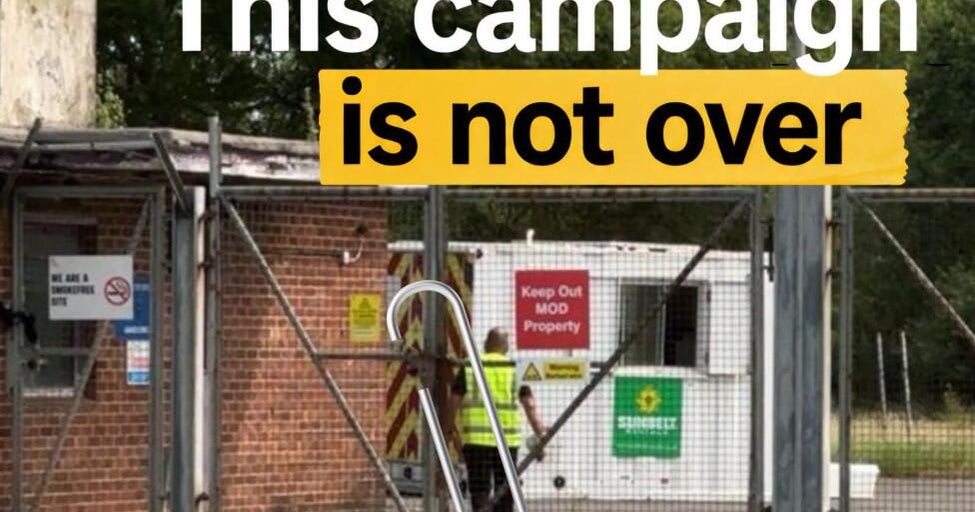
Residents of Piddington, a small village in England, are planning a symbolic vote to declare independence from the United Kingdom and join the United States. This protest arises from government plans to house over 1,200 asylum seekers in a nearby former military barracks, which villagers oppose.
Key Facts
Piddington is a small English village near Oxfordshire with around 400 residents.
The UK government plans to house about 1,250 male asylum seekers at the Bicester Garrison site, a former military barracks near Piddington.
Villagers strongly oppose the plan and are organizing a non-binding referendum to declare independence from the UK and join the U.S.
The referendum is symbolic and not legally recognized by the British government.
The vote to hold the referendum had 96% support from participants on July 4, 2026.
Local leaders compare their protest to the American Revolution for independence.
Critics worry the housing plan could cause social tensions and prefer faster processing of asylum claims instead.
The British Home Office supports using military sites to house asylum seekers as an alternative to hotels.
Elon Musk expressed support for the villagers’ concerns on social media.
Read the Original
Want the full story? Tap a source to open the original
article.
Pakistan’s security forces have been accused of killing dozens of unarmed protesters during recent demonstrations in the part of Kashmir controlled by Pakistan. Some experts have questioned whether Pakistan is using similar tactics to those seen in Indian-administered Kashmir.
Key Facts
Dozens of unarmed protesters were reportedly killed by Pakistani security forces in Pakistan-administered Kashmir.
These events happened during a week of demonstrations in the region.
The accusations come amid ongoing tensions in Kashmir, a region divided between India and Pakistan.
Al Jazeera interviewed experts to discuss if Pakistan is using methods similar to India’s approach in Kashmir.
The situation reflects long-standing conflict and control issues in the Kashmir region.
Read the Original
Want the full story? Tap a source to open the original
article.
The UK Supreme Court has allowed Huda Ammori, co-founder of Palestine Action, to challenge the ban on the group. The group was labeled a terrorist organization last year, but courts have disagreed on whether this ban is legal. The final decision will happen later this year.
Key Facts
Palestine Action was banned as a terrorist group in the UK in July last year.
Huda Ammori, co-founder of Palestine Action, is fighting to overturn the ban.
The UK high court ruled the ban was unlawful because it was disproportionate.
The court of appeal reversed that decision last month, upholding the ban.
The UK Supreme Court allowed Ammori to appeal the court of appeal’s ruling.
The Supreme Court will hear the case in the last part of this year.
Over 3,500 people arrested for supporting Palestine Action are waiting for the final ruling.
Their cases are paused until the ban’s legality is confirmed.
Read the Original
Want the full story? Tap a source to open the original
article.
Hundreds of migrants have crossed into the Spanish enclave of Ceuta from Morocco by swimming, causing a large influx that local authorities say is overwhelming reception centers. Spanish officials are working with Moroccan and international partners to manage the situation and restore order.
Key Facts
More than 1,500 migrants, including adults and children, reached Ceuta by sea in recent days.
Ceuta and Melilla are the only European Union land borders with Africa.
The arrival of migrants has created a humanitarian and social emergency in Ceuta, with reception centers full.
About 300 migrants arrive each day, raising concerns of a crisis similar to one in May 2021 when 10,000 crossed in days.
Spanish officials are discussing a national emergency and possible deployment of the army to the border.
Most migrants are Moroccans, with some Algerians who had been living in Morocco.
Spanish Interior Minister described the situation as "extraordinary" and the government is mobilizing resources.
Spanish Prime Minister Pedro Sánchez said the government is working with Moroccan and international authorities to respond quickly.
Read the Original
Want the full story? Tap a source to open the original
article.
Brazil's President Luiz Inácio Lula da Silva said his government refused visas to two U.S. officials who planned to visit Brazil. He accused them of trying to interfere in Brazil's upcoming presidential election, while the U.S. denied these claims.
Key Facts
Two U.S. State Department officials, Riley M. Barnes and Samuel Samson, had their visas denied by Brazil.
The officials were scheduled to visit Brazil in late July to discuss freedom of expression, religion, and election integrity.
President Lula said the officials were sent to meddle in Brazil's October election.
The U.S. State Department called Brazil's accusation a "baseless lie."
Brazil's election is between incumbent President Lula and Flávio Bolsonaro, son of former President Jair Bolsonaro.
Jair Bolsonaro was sentenced to 27 years in prison for plotting a coup after losing the last election.
Brazil uses electronic voting machines with fingerprint verification and paper trails, which experts say are very secure.
Flávio Bolsonaro has questioned the voting system’s integrity but later said he wants more international election observers.
Read the Original
Want the full story? Tap a source to open the original
article.
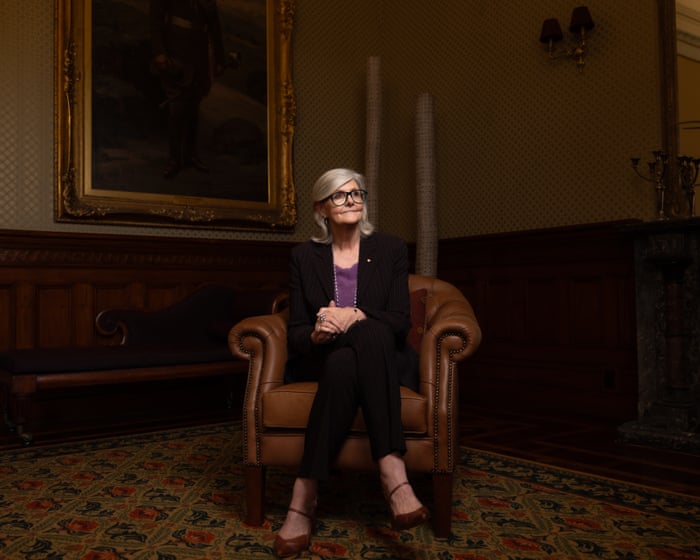
Australia’s governor general, Sam Mostyn, has warned that poor understanding of the country’s constitutional system is threatening democracy. She said many adults do not understand how government works, which leads to attacks on institutions and officials. Mostyn called for better education about civics and the constitution to strengthen social unity.
Key Facts
Sam Mostyn is the governor general of Australia and King Charles’s representative in Canberra.
Many Australians lack basic knowledge about how their democracy and government function.
Attacks and threats against elected officials and institutions are increasing, partly fueled by social media.
Schoolchildren and new citizens have a better understanding of government than many adults.
The Australian constitution is 125 years old and was designed to unite states and territories.
Mostyn has focused on kindness, respect, and civics education in her role.
She hosted a meeting with educators and leaders to discuss improving social cohesion and civics teaching.
Abuse and threats against politicians are making public service less appealing, especially at local levels.
Read the Original
Want the full story? Tap a source to open the original
article.