Neutral summaries of your favorite news sources — just the facts.
Your favorite news sources, one neutral feed — we distill their reporting into fact-first
summaries and always link to the original story. How it works
World News
Comprehensive coverage of international news and global events
Health officials are tracking several disease outbreaks as the summer travel season begins. These include a growing Ebola outbreak in Central Africa, an increase in mpox cases in Boston, and more Vibrio infections in Florida caused by warmer ocean waters.
Key Facts
A new Ebola outbreak in the Democratic Republic of the Congo has about 900 suspected cases and 220 deaths.
Ebola’s Bundibugyo strain is spreading quickly and is hard to control, especially in conflict zones.
The U.S. now restricts entry for travelers from Congo, Uganda, and South Sudan for 30 days and monitors returning citizens for symptoms for 21 days.
Mpox cases are rising in Boston even though the disease has decreased nationally.
Vibrio infections, which can cause severe skin infections, are increasing in Florida due to warmer ocean temperatures and more beach visitors.
A hantavirus outbreak linked to a cruise ship has sickened people across several countries, showing how travel can spread illnesses before symptoms appear.
The World Health Organization is helping by opening new treatment facilities and conducting vaccine and treatment trials for Ebola.
Read the Original
Want the full story? Tap a source to open the original
article.
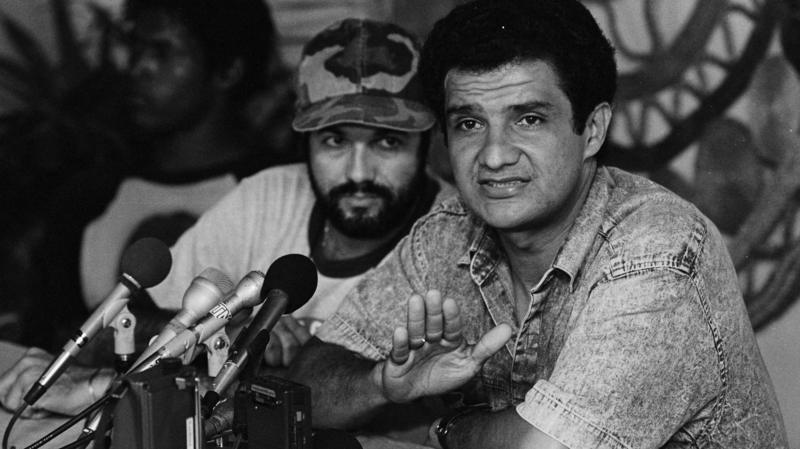
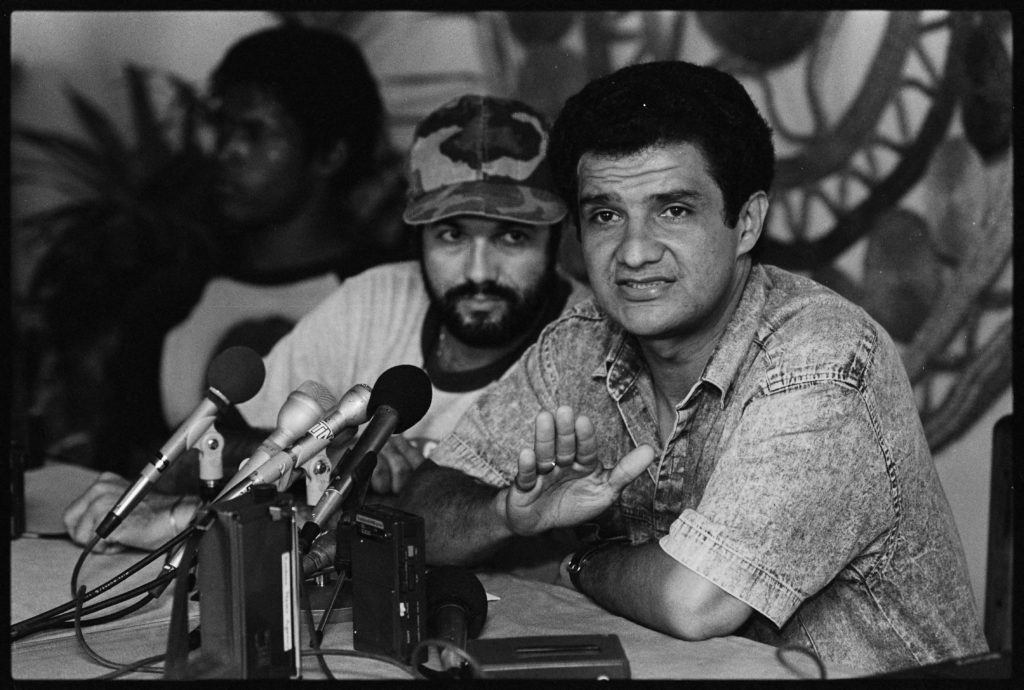
Brooklyn Rivera, a Nicaraguan indigenous leader who founded the Yatama movement, died after nearly three years in prison. The government said he died from health problems linked to Covid-19 but delayed announcing his death and has not released his body to his family.
Key Facts
Brooklyn Rivera was a Nicaraguan indigenous leader and founder of the Yatama movement.
He was detained by the government led by President Daniel Ortega in September 2023.
Rivera died due to physical and neurological decline caused by a Covid-19 infection.
The Nicaraguan government took 15 hours to confirm his death.
His body has not been returned to his family.
Rivera had fought for indigenous autonomy and opposed Ortega’s Sandinista government in the 1980s.
International groups, including the US State Department and Amnesty International, condemned his detention and called for his release when he fell ill.
Human rights organizations demand accountability for Rivera’s death in custody.
Read the Original
Want the full story? Tap a source to open the original
article.
Brooklyn Rivera, a 73-year-old Indigenous leader and activist from Nicaragua, died while in state custody. Nicaragua’s government said he died from a bacterial infection after COVID-19, but human rights advocates doubt this explanation and blame the government for his death.
Key Facts
Brooklyn Rivera was an Indigenous leader and activist from the Miskito group in Nicaragua.
He was held in secret state detention since September 2023, with no outside contact or family visits.
The government said Rivera died from a bacterial infection following COVID-19 complications.
Rights experts and critics say his death was caused by harsh detention conditions and lack of medical care.
Rivera was known for speaking out against Nicaragua’s government, led by Daniel Ortega and Rosario Murillo.
He fought to protect Indigenous lands rich in natural resources from government and business interests.
Rivera had a history of armed resistance and exile during earlier Sandinista rule in the 1980s.
The U.S. government demanded Rivera’s release before his death and condemned Nicaragua’s treatment of political prisoners.
Read the Original
Want the full story? Tap a source to open the original
article.
A new bill in England aims to help victims of domestic abuse by allowing social housing landlords to evict abusers without forcing victims to leave. The bill also changes the rules for buying social homes, increasing the required tenancy time from three to ten years.
Key Facts
Social housing landlords can evict domestic abuse perpetrators without requiring victims to move out first.
Courts can transfer joint tenancies solely to victims or require landlords to provide alternative housing.
The bill closes a legal loophole that previously allowed abusers to make victims homeless by ending joint tenancies early.
The right-to-buy scheme now requires tenants to wait 10 years before purchasing their social home, up from three years.
New social homes would be protected for 35 years, and some rural homes would be exempt from sale.
Councils get a stronger right to buy back homes sold under the right-to-buy scheme.
The bill removes outdated rules from the 2016 Housing and Planning Act to help social housing providers build more homes.
Around 15,000 families in England had to move due to domestic abuse last year, according to the government.
Read the Original
Want the full story? Tap a source to open the original
article.
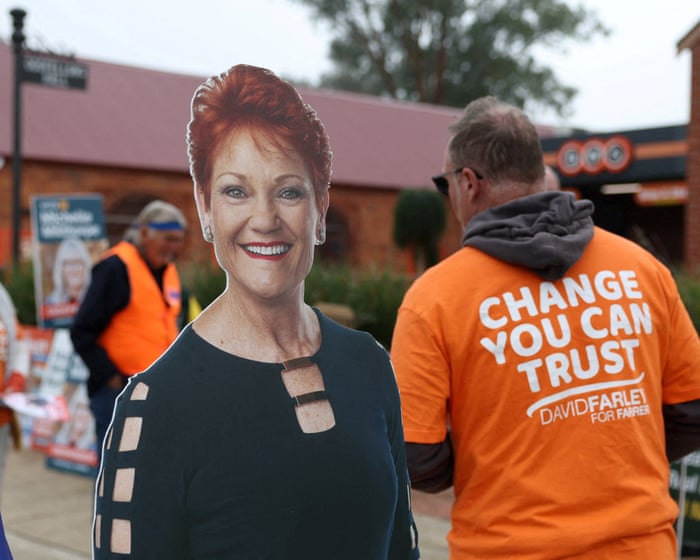
A new poll shows that the One Nation party, led by Pauline Hanson, is currently the most popular political party in Australia, ahead of Labor and the Coalition. In Victoria, free public transport that had been offered for two months ended recently, but residents now have access to discounts on vehicle registration and public transport to help with living costs.
Key Facts
One Nation’s support rose by 4 points to 31%, making it the most popular party according to a recent poll.
Labor’s primary vote stands at 28%, and the Coalition’s at 20%.
Victoria ended a two-month period of free public transport on Sunday.
Victorians can now get 20% off vehicle registration fees and pay half price for public transport until the end of the year.
The federal government says waiting times for aged care services have decreased across all urgency levels.
High-priority aged care cases now wait 1 to 2 months for funding, down from longer waits before.
Median wait time for assessments for aged care remains under one month, with in-hospital assessments under one day.
The government says these improvements aim to provide better care for older Australians closer to home.
Read the Original
Want the full story? Tap a source to open the original
article.
A rare and endangered bee species is now protected in habitats across six U.S. states. This bee used to live in about half of the country but is now found in only around twelve states.
Key Facts
The bee is rare and considered endangered.
Its range has shrunk from roughly half of the U.S. to about twelve states.
Habitat protection efforts are expanding to cover six states.
The goal is to help the bee survive and increase its population.
Preserving the bee's habitat supports biodiversity and the environment.
Read the Original
Want the full story? Tap a source to open the original
article.
Ethiopia is holding general elections for the first time since the Tigray war ended four years ago. Many expect Prime Minister Abiy Ahmed’s party to win, but millions of people in the Tigray and Amhara regions cannot vote, and opposition groups say some parties are being excluded.
Key Facts
Ethiopia’s Tigray war officially ended four years ago.
The country is now holding general elections.
Prime Minister Abiy Ahmed leads the Prosperity Party, which many expect to win.
People in Tigray and Amhara regions will not be able to vote in this election.
Opposition parties claim the government is excluding some competing parties.
The elections are seen as an important step after years of conflict and instability.
Read the Original
Want the full story? Tap a source to open the original
article.
Ethiopia will hold its seventh national election on June 1, despite ongoing conflicts and human rights problems that make free and fair voting difficult. The country has faced serious violence, war crimes, and political repression in recent years, even after initial hopes for democratic reforms.
Key Facts
Ethiopia’s election board approved the June 1 vote amid ongoing internal conflicts.
Prime Minister Abiy Ahmed started reforms in 2018, releasing political prisoners and changing harsh laws.
War broke out in 2020 between the federal government and the Tigray People’s Liberation Front, causing many deaths and human rights abuses.
UN and rights groups reported war crimes and crimes against humanity during the Tigray conflict.
The 2022 Pretoria Peace Agreement ended active fighting but tensions remain high.
Fighting continues in Amhara and Oromia regions, with reports of massacres and drone strikes causing civilian deaths.
Political repression has increased under the Prosperity Party, reversing past reforms.
A senior Oromo opposition leader was killed in April 2024 under unclear circumstances.
Read the Original
Want the full story? Tap a source to open the original
article.
Ethiopia is holding its seventh national election on June 1, with over 57 million people voting for parliamentary representatives. This election is a major test of the country’s democracy amid economic growth and ongoing challenges like ethnic divisions and security issues.
Key Facts
Ethiopia’s election is based on choosing parliamentary members, similar to the UK system, not a direct presidential vote.
Over 47 political parties and more than 10,000 candidates are competing at federal and regional levels.
Ethiopia has experienced strong economic growth averaging 7.5% annually, with projections above 10% for this year.
Major urban development and infrastructure projects are ongoing in cities like Addis Ababa.
The Grand Ethiopian Renaissance Dam is complete, boosting Ethiopia’s energy supply in the region.
Opposition parties are fragmented along ethnic lines, limiting their effectiveness in the election.
The ruling party has chosen not to run candidates in some seats to encourage opposition participation.
Ethiopia is also pursuing a National Dialogue Process to address deeper political and constitutional issues beyond the election.
Read the Original
Want the full story? Tap a source to open the original
article.
Colombians voted on May 31, 2026, to choose a new president to replace Gustavo Petro. The election featured 11 candidates, with left-wing Senator Iván Cepeda leading according to polls. No one is expected to win outright, so a second round of voting will likely happen on June 21.
Key Facts
Over 41 million Colombians, including 1.4 million living abroad, were eligible to vote.
The main candidates are Iván Cepeda (left-wing), Abelardo de la Espriella, and Paloma Valencia (right-wing).
Voters went to the polls between 8:00 a.m. and 4:00 p.m. local time.
To win in the first round, a candidate needs more than half of the votes; this is unlikely.
A runoff election will probably take place on June 21 if no candidate gets a majority.
Election day was mostly calm despite some clashes between armed groups in rural areas and some logistical delays.
Some voters had difficulties caused by the relocation of polling stations, including access issues for elderly people.
Official vote projections were expected to be released shortly after polls closed.
Read the Original
Want the full story? Tap a source to open the original
article.
The UK government will publish a second set of documents about Lord Mandelson’s appointment as ambassador to the US. This follows a parliamentary order and an investigation into Mandelson’s links to Jeffrey Epstein, a convicted sex offender.
Key Facts
The second batch of documents will be released on Monday.
Lord Mandelson was removed from his ambassador role after new information about his Epstein connections emerged.
Parliament forced the government to share all papers about the appointment through a formal process called a humble address.
The government initially opposed publishing the documents due to concerns over national security and diplomacy.
Sensitive papers are first reviewed by the Intelligence and Security Committee to decide what can be made public.
The first batch showed Prime Minister Sir Keir Starmer was warned that Mandelson’s relationship with Epstein posed reputational risks.
Mandelson has said his friendship with Epstein was a serious mistake but denies wrongdoing.
Some documents may be partly hidden to protect national security, international relations, or the names of junior officials.
Read the Original
Want the full story? Tap a source to open the original
article.
Senator Chris Coons said on Sunday that Iran is stronger now than it was before the U.S. war with the country began three months ago. He explained that Iran has used drones effectively during the conflict, especially to control an important waterway called the Strait.
Key Facts
The U.S. began a war with Iran three months ago.
Senator Chris Coons made his statement on a Sunday.
According to Coons, Iran has become stronger during this time.
Iran used inexpensive but deadly drones in the conflict.
These drones were used to impact the Strait, a key shipping route.
The situation suggests Iran's military capabilities have improved recently.
The senator is from Delaware and is a member of the Democratic Party.
Read the Original
Want the full story? Tap a source to open the original
article.
Millions of Ethiopians are voting in general elections on June 1. The ruling party led by Prime Minister Abiy Ahmed expects to win, but opposition groups and critics question the fairness and impact of the vote due to violence and ethnic tensions.
Key Facts
Ethiopia's general elections are scheduled for June 1.
Prime Minister Abiy Ahmed's party has been in power since 2018 and wants to secure another win.
The government views the election as a step toward democracy.
Ethiopia has faced years of conflict and ethnic divisions.
Some opposition parties have been left out of the election.
Violence is stopping voting in many areas.
Experts discuss whether the election will be meaningful under these conditions.
The election is closely watched for its effect on Ethiopia's political future.
Read the Original
Want the full story? Tap a source to open the original
article.
A blast at a building storing mining explosives in a rebel-controlled area of northwestern Myanmar killed over 45 people and injured around 70 others. The explosion happened in a village within a region affected by conflict.
Key Facts
The blast occurred in a building used to store mining explosives.
The location is in a rebel-held region in northwestern Myanmar.
More than 45 people died because of the explosion.
About 70 people were injured in the blast.
The area is known for ongoing conflict involving rebel groups.
The explosion affected a local village in this region.
Read the Original
Want the full story? Tap a source to open the original
article.
Brooklyn Rivera, an Indigenous leader from Nicaragua, died after nearly three years in government detention. The Nicaraguan government stated he died from a bacterial infection following health problems related to COVID-19.
Key Facts
Brooklyn Rivera was a leader of the Miskito Indigenous people in Nicaragua.
He was detained by the Nicaraguan government in September 2023.
Rivera had been fighting for Indigenous rights and helped create an autonomous region along Nicaragua’s northeast coast.
The government said Rivera died from a bacterial infection after his health worsened due to COVID-19.
Human rights groups criticized the Nicaraguan government for lack of transparency about Rivera’s condition and detention.
The northeast coast area is rich in natural resources such as gold and silver.
The region is important for the current Nicaraguan government led by Daniel Ortega and Rosario Murillo for attracting foreign investment.
Read the Original
Want the full story? Tap a source to open the original
article.
Colombia is holding a presidential election to choose a new leader because current President Gustavo Petro cannot run again. The main candidates include allies of Petro and a right-wing populist known as “The Tiger,” with security concerns being a top issue for voters.
Key Facts
Current President Gustavo Petro is Colombia’s first left-wing president.
Petro is limited to one term and cannot run in this election.
The election features candidates who support Petro and a right-wing populist called “The Tiger.”
Security remains the biggest concern for people voting in Colombia.
The outcome will bring a new president to Colombia after Petro’s term ends.
The election has attracted attention because of Colombia’s history with violence and drug trafficking.
The article includes insights from Kinley Salmon, a correspondent from The Economist.
The election is part of wider political changes in Latin America.
Read the Original
Want the full story? Tap a source to open the original
article.
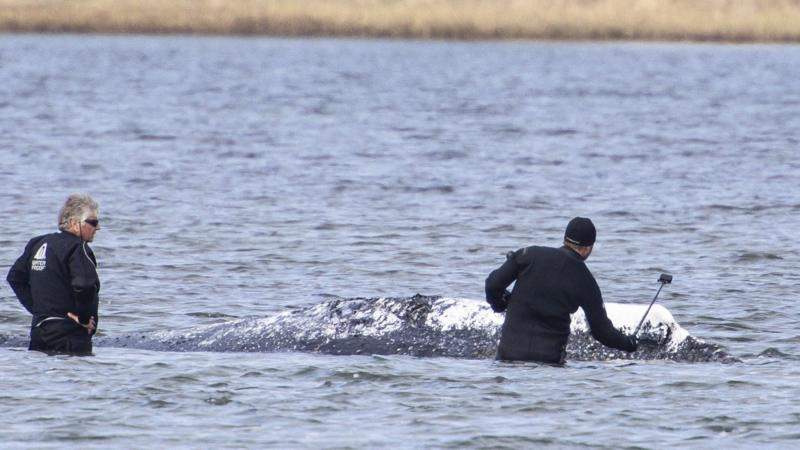
A dead humpback whale was towed ashore on the Danish island of Anholt for an autopsy after rescue attempts failed. The whale had become stuck in shallow waters near Germany and later drifted to Denmark, where authorities plan to cut it into pieces for removal.
Key Facts
The whale was stuck in the Baltic Sea near Germany in March and was called "Timmy" or "Hope."
Several rescue efforts tried to return the whale to the North Sea, but it was already very weak and close to death.
The whale is about 12-15 meters (40-50 feet) long and has expanded due to gas buildup as it decomposes.
Officials worry the whale carcass could explode because this has happened before with dead whales.
The Danish Environment Agency will perform an autopsy and take samples before cutting the whale into pieces.
Pieces of the whale will be taken away for destruction to avoid health and safety problems.
The whale ended up near the Danish island of Anholt about 70 km (45 miles) from northern Denmark’s coast.
Bad weather stopped earlier efforts to move the whale carcass from the beach to a port on the mainland.
Read the Original
Want the full story? Tap a source to open the original
article.
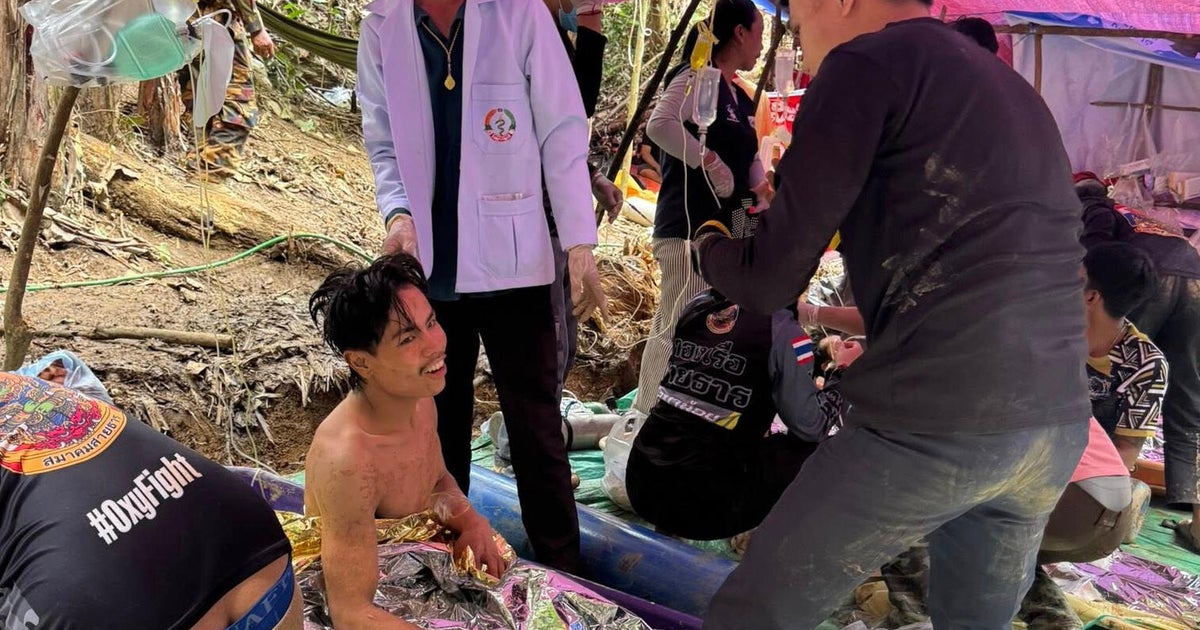
Four miners trapped in a flooded cave in Laos escaped on their own after nearly two weeks. Rescue teams have found five miners alive so far, with two still missing as they continue efforts to find them.
Key Facts
Seven gold miners were trapped in a flooded cave in Laos about two weeks ago.
Five miners were found alive in the cave on Wednesday.
On Friday, rescuers pulled one miner out using a difficult method.
The other four miners escaped by themselves on Saturday when water levels dropped.
The miners were muddy and shaken but alive when they emerged.
Two miners remain missing and may be in a small, hard-to-reach sixth chamber.
Rescue teams are pumping water from the cave to reach the missing miners.
Divers and rescuers plan to continue searching and hope to enter the sixth chamber.
Read the Original
Want the full story? Tap a source to open the original
article.
Ukrainian President Volodymyr Zelenskyy said more pressure, like sanctions, is needed on Russian President Vladimir Putin to encourage peace talks. Zelenskyy asked the United States for more missile defense support after recent attacks and said battlefield gains could improve Ukraine’s position for negotiations.
Key Facts
Zelenskyy wants world leaders to increase pressure and sanctions on Putin to start peace negotiations.
He said talks should happen before winter and sees battlefield progress as helpful for talks.
Ukrainian forces may currently have an advantage according to the Institute for the Study of War.
Ukraine requested more Patriot missile interceptors from the U.S. after a big missile attack on Kyiv.
The U.S. is working to produce more munitions and support Ukraine and European defense efforts.
Analysts say Ukraine has a limited time to use its momentum before Russian forces recover.
U.S. Secretary of State Marco Rubio said talks to end the war are stalled but could resume if possible.
Zelenskyy mentioned willingness to negotiate in various formats, highlighting past trilateral talks with the U.S.
Read the Original
Want the full story? Tap a source to open the original
article.