Neutral summaries of your favorite news sources — just the facts.
Your favorite news sources, one neutral feed — we distill their reporting into fact-first
summaries and always link to the original story. How it works
World News
Comprehensive coverage of international news and global events
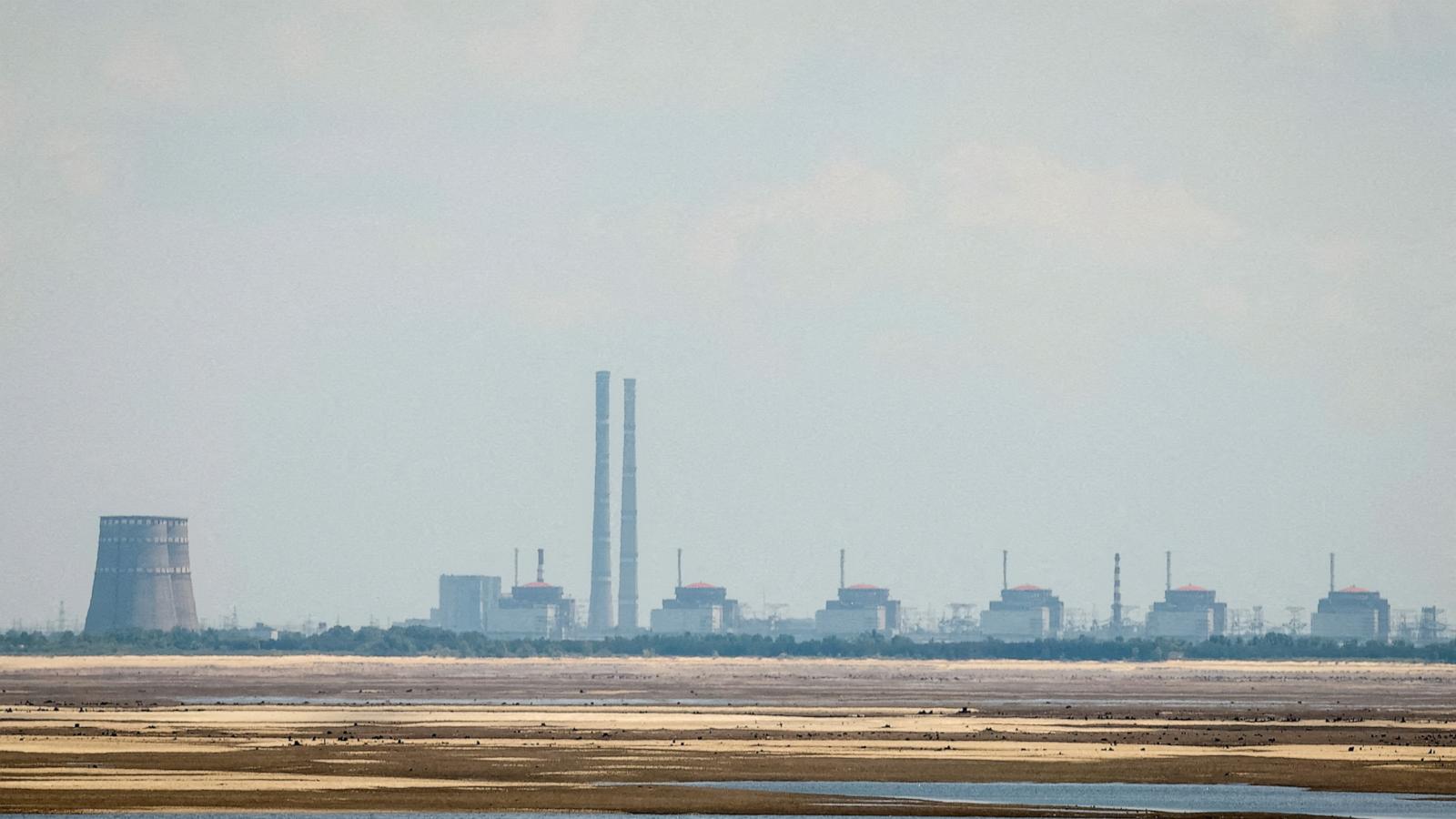
The International Atomic Energy Agency (IAEA) expressed serious concern after Russia said Ukrainian forces attacked the Russian-held Zaporizhzhia Nuclear Power Plant with a drone. Ukraine denied the claim, accusing Russia of using the plant for military purposes and spreading false information.
Key Facts
The Zaporizhzhia Nuclear Power Plant is located about 30 miles from the closest front line in Ukraine.
Russia controls the plant after capturing it early in the 2022 invasion of Ukraine.
Russia claimed a drone hit a turbine building at the plant, causing damage.
The IAEA warned that attacking nuclear sites is extremely dangerous and asked to inspect the damage.
Ukraine’s Southern Defense Forces called Russia's claims false and accused Russia of “nuclear terrorism.”
Ukraine said Russia uses the plant for military purposes, including placing weapons and soldiers there.
Ukraine denied having drones capable of the attack Russia described and asked for evidence from Russia.
The Ukrainian Foreign Ministry called the Russian accusations baseless.
Read the Original
Want the full story? Tap a source to open the original
article.
Ukraine carried out attacks on Russian energy sites, causing damage and local evacuations. Ukraine also denied Russian claims that it struck the Russian-occupied Zaporizhzhia nuclear power plant, which remains near the front lines in southern Ukraine.
Key Facts
Ukrainian drones hit Russian energy facilities in the Rostov and Saratov regions, damaging infrastructure and causing fires.
Residents near the Rostov fuel facility were evacuated after drone debris started a fire.
Ukraine says it targets Russian oil and gas to weaken Moscow’s war effort in their ongoing conflict.
Russia claims a Ukrainian drone struck the Zaporizhzhia nuclear plant turbine hall, causing an explosion but no major damage.
Ukraine denies attacking the nuclear plant and says no fighting or weapons were used in that area at the time.
The International Atomic Energy Agency expressed serious concern and said the damage needs expert verification.
The Zaporizhzhia nuclear plant has been repeatedly exposed to fighting since Russia’s invasion began in 2022.
Both Russia and Ukraine accuse each other of deliberately targeting the nuclear plant.
Read the Original
Want the full story? Tap a source to open the original
article.
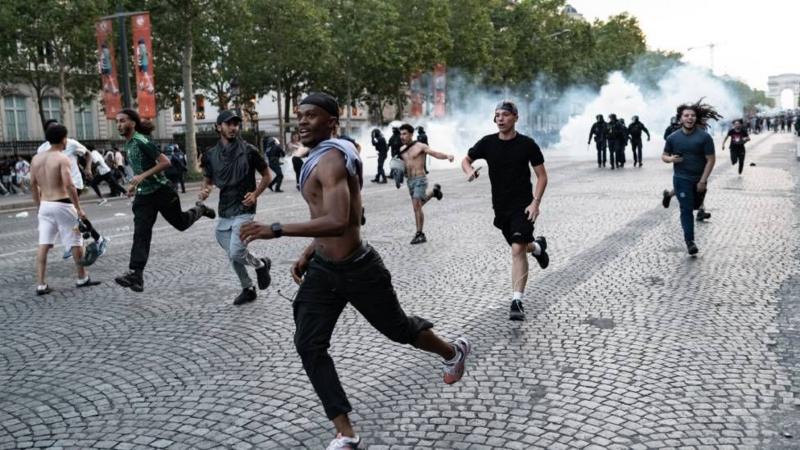
After Paris Saint-Germain won the Champions League soccer title on May 30, 2026, violent clashes broke out in Paris and other French cities. Police arrested 780 people and officers were injured as some fans set fires, vandalized shops, and tried to storm a police station.
Key Facts
Paris Saint-Germain won the Champions League final against Arsenal.
Violent clashes happened mostly in Paris around the Champs Elysees and Parc des Princes stadium.
Police arrested 780 people in total, with 480 arrested in the Paris area.
277 people were formally held by police, including 82 minors.
57 police officers were hurt, mostly with minor injuries.
Some fans set fires to cars and vandalized shops.
One group tried to storm a police station in Paris.
Planned celebrations on May 31 near the Eiffel Tower will continue with strong police presence.
Read the Original
Want the full story? Tap a source to open the original
article.
Malta’s Labour Party has won its fourth term in a row in the recent general election, securing a majority in the parliament. Prime Minister Robert Abela called the early election to strengthen the country’s position amid economic and global challenges, and voter turnout was high.
Key Facts
Labour Party (PL) won the election and secured a parliamentary majority.
Prime Minister Robert Abela leads the Labour Party and has been in office since 2020.
The election was held early, with voting on Saturday and results announced Sunday.
Voter turnout was 87.4 percent, slightly higher than the previous election in 2022.
The opposition Nationalist Party (PN) accepted defeat but reduced Labour’s majority.
Malta’s economy grew by 4 percent last year but faces risks from rising fuel costs and Middle East conflicts affecting tourism.
Malta is the smallest and most densely populated EU country, with about 550,000 people.
Key industries include tourism, online gaming, and financial services, with very low unemployment.
Read the Original
Want the full story? Tap a source to open the original
article.
After Paris Saint-Germain (PSG) won the Champions League final against Arsenal, riots broke out in France. Hundreds of people were arrested and dozens of police officers were injured during clashes between fans and police.
Key Facts
PSG won the Champions League final against Arsenal.
Following the win, violent clashes occurred between fans and police in Paris.
A total of 219 people were injured, including 57 police officers.
Eight of the injured people are in serious condition.
Police arrested 780 people, with over 450 held in custody.
One person died in an accident on a road protesters tried to block.
About 6,000 police officers were involved in security efforts, especially for the victory parade near the Eiffel Tower.
The Interior Minister stated that the police will respond strictly to maintain public order and prevent disturbances.
Read the Original
Want the full story? Tap a source to open the original
article.
Cindy McCain, Executive Director of the U.N. World Food Programme (WFP), says the number of people needing food help is at a record high in 2026. The WFP has only received half the funding it needs, due to cuts from the U.S. and other countries focusing more on their own domestic needs. She warned that multiple famines could occur and called for more support from countries and businesses. McCain also described the serious Ebola outbreak in the Congo and the challenges for emergency workers on the ground.
Key Facts
The U.N. World Food Programme is responding to a record-high number of people needing urgent food aid in 2026.
So far this year, the WFP has received only 50% of the funding it needs to meet the demand.
The shortfall is due to reduced contributions from the U.S. and a global pullback on foreign aid.
Some countries are shifting funding focus toward their own citizens instead of international aid.
There have been two famines already in 2026, with signs pointing to more developing soon.
The Ebola outbreak in the Congo is spreading rapidly and affecting many people in a country already struggling with hunger.
WFP workers are on the ground managing relief efforts but face risks because of limited facilities and protection for staff.
McCain is organizing a task force to improve safety and support for aid workers dealing with Ebola.
Read the Original
Want the full story? Tap a source to open the original
article.
Ukrainian drones attacked several energy and industrial sites in various Russian regions, including an oil refinery in Saratov. Ukraine denied hitting a nuclear plant but confirmed strikes on other facilities, while Russia reported damage and some civilian injuries.
Key Facts
Ukrainian drones struck energy and industrial targets in multiple Russian regions.
Saratov, known for oil refineries, experienced damage to civil infrastructure overnight.
Ukraine confirmed hitting the Saratov oil refinery but denied attacking the Zaporizhzhia nuclear power plant.
Attacks hit sites in Kirov, Rostov, Voronezh, and Belgorod regions; three civilians were injured in Belgorod.
Crimea’s Moscow-backed governor introduced restrictions on petrol sales amid ongoing attacks on fuel infrastructure nearby.
Ukraine’s President Zelenskyy confirmed receiving a new German air defense missile launcher.
Zelenskyy requested more air defense ammunition from Ukraine’s allies to counter Russian attacks.
Read the Original
Want the full story? Tap a source to open the original
article.
Malta’s Labour party won a historic fourth term in the national election, with Prime Minister Robert Abela calling the vote early due to worries about the Middle East crisis. The party’s victory reflects public support for its economic management amid rising energy costs and inflation risks.
Key Facts
Labour party won four elections in a row, a first in Malta’s history.
Prime Minister Robert Abela called a snap election to secure public backing during regional geopolitical uncertainty.
Malta’s economy grew 4% last year, but concerns remain about rising fuel costs and inflation.
Main opposition leader Alex Borg conceded defeat and congratulated Abela.
Malta is the smallest and most densely populated EU country, with about 550,000 people on 316 square kilometers.
Key Maltese industries include tourism, online gaming, and financial services, with very low unemployment.
Rapid population growth, largely from foreigners, has led to construction booms and strained infrastructure.
Energy costs are heavily subsidized by Labour, as Malta imports most of its energy and is vulnerable to external shocks.
Read the Original
Want the full story? Tap a source to open the original
article.
Malta's Labour Party, led by Prime Minister Robert Abela, won a historic fourth term in the general election held early due to concerns over the Middle East crisis. The party campaigned on Malta's strong economy and the need for stability amid global uncertainty.
Key Facts
Prime Minister Robert Abela called a snap election to secure a fresh mandate during a time of international uncertainty.
Labour Party won its fourth consecutive general election, a record in Malta.
Malta's economy grew 4.0% in the previous year, but the Middle East crisis might affect tourism, inflation, and aviation fuel costs.
Main opposition was the Nationalist Party led by Alex Borg, who conceded defeat and congratulated Abela.
Malta is the smallest and most densely populated EU country, with about 550,000 people in 316 square kilometers.
The economy relies on tourism, online gaming, and financial services, with low unemployment.
Population growth is driven mainly by foreigners, leading to a construction boom and pressure on infrastructure and services.
Malta heavily depends on imported energy and subsidizes energy bills to protect citizens from price shocks.
Read the Original
Want the full story? Tap a source to open the original
article.
Research shows that hot weather affects how animals think and behave. When temperatures rise, animals like birds and dogs struggle to find food, become more aggressive, and have trouble making decisions. These changes can harm their survival and impact ecosystems as climate change causes more heat waves.
Key Facts
Southern pied babblers in South Africa have trouble solving simple problems on very hot days.
Heat makes animals less active, reduces feeding, and increases aggression.
Bees cool their brains by splashing water on their faces during flights in hot weather.
Studies link hot temperatures to more aggressive behavior in dogs and other animals like snakes and cats.
Climate change is increasing heat waves, which may cause more animals to struggle with survival.
Hot weather also affects humans by reducing decision-making abilities and increasing violent behavior.
Birds often stop feeding their young and sing less during heat waves to save energy.
Animals fighting over food increases when temperatures get high.
Read the Original
Want the full story? Tap a source to open the original
article.
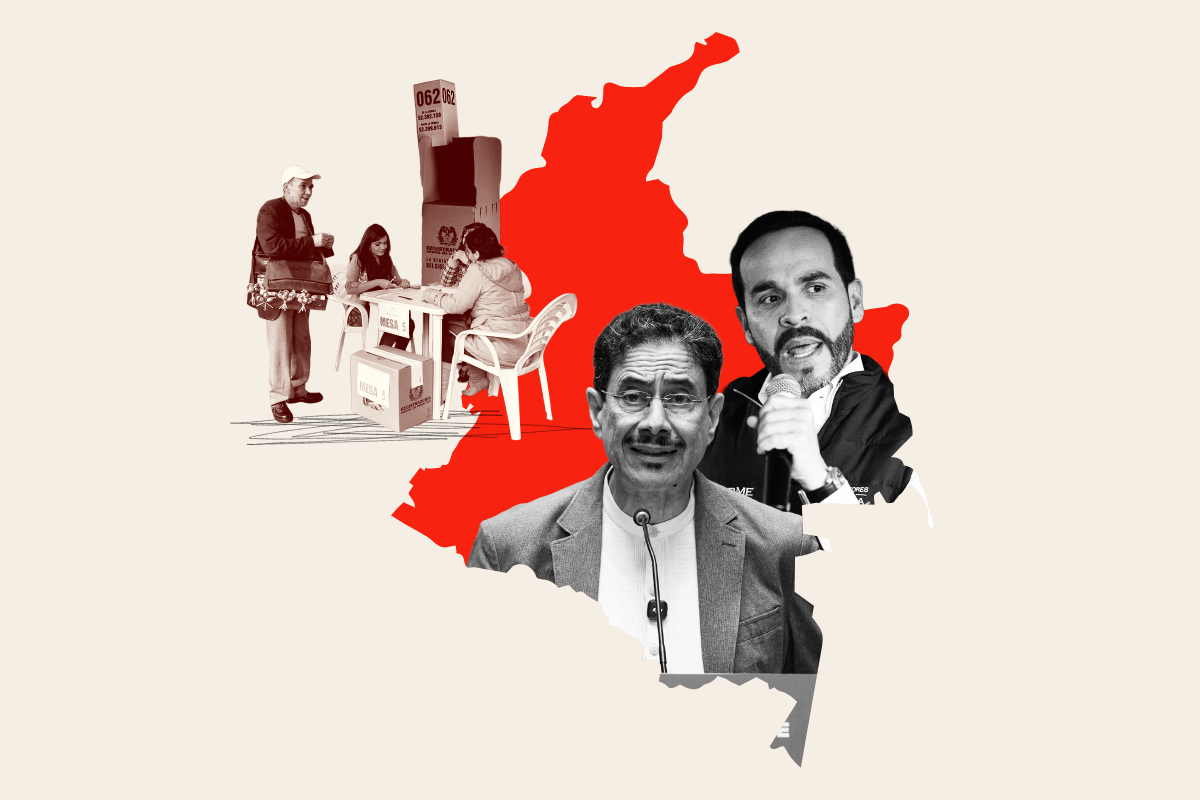
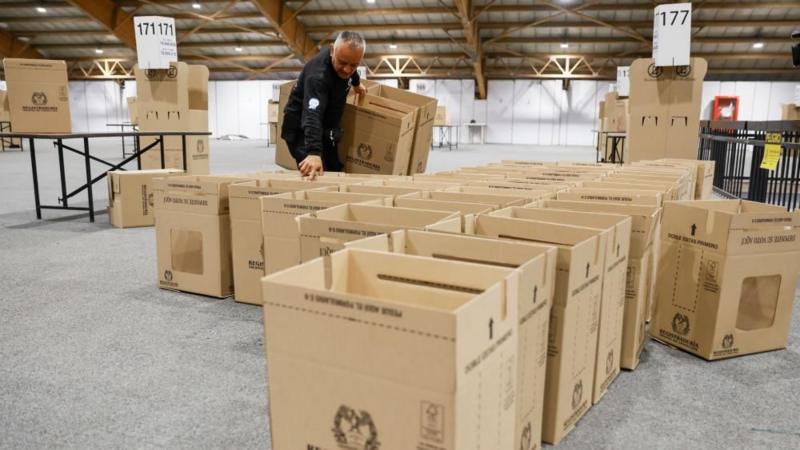
Colombians voted in the first round of a presidential election with candidates sharply divided on how to handle the country’s long-standing armed conflict. The main contest is between allies of outgoing President Gustavo Petro, who support peace talks with rebel groups, and candidates who favor a tougher, more forceful approach, some of whom have expressed support for U.S. President Donald Trump’s policies.
Key Facts
The election is seen as a referendum on President Gustavo Petro’s policies.
It comes 10 years after Colombia signed a peace deal with the FARC guerrillas.
Violence has increased recently, with attacks and drone strikes making the election period dangerous.
There are 14 candidates, but the main competition involves three significant contenders.
Ivan Cepeda, an ally of Petro, leads in the polls and supports continuing peace negotiations with armed groups.
Abelardo de la Espriella and Paloma Valencia oppose the peace talks and want tougher actions against rebel groups.
De la Espriella promotes strategies similar to those used in El Salvador against gangs, which are controversial due to human rights concerns.
De la Espriella and Valencia have shown support for U.S. President Donald Trump’s tougher stance on Latin America crime issues.
Read the Original
Want the full story? Tap a source to open the original
article.
Police are searching the River Don in Mexborough for an 11-year-old boy who was last seen entering the water on Saturday evening. Emergency teams are using special equipment to look underwater, and the boy’s family is receiving support during the ongoing operation.
Key Facts
The boy is 11 years old and was last seen entering the River Don.
Emergency services were alerted around 8:00 PM on Saturday at Ferry Boat Lane.
Police and other agencies are conducting a coordinated search, including underwater efforts.
The boy has not been seen coming out of the river.
The family of the missing boy is being supported by the police.
Police ask the public to stay away from the river area to keep the search safe and efficient.
Witnesses and objects found near the riverbank help guide the search team.
Officials request only those involved in the search to be near or in the river for safety reasons.
Read the Original
Want the full story? Tap a source to open the original
article.
President Donald Trump has proposed tougher terms for a possible deal to end the US-Israel war on Iran. The updated plan was sent to Iran for consideration, but officials expect more negotiations before a deal is reached.
Key Facts
President Trump wants to strengthen key parts of the deal, including rules about Iran’s nuclear material.
The US sent the revised proposal back to Iran, which may take several days to respond due to communication challenges.
The US-Israel war on Iran started on February 28 after attacks by the US and Israel.
Trump’s main conditions for a deal include Iran not developing nuclear weapons and reopening the Strait of Hormuz, a vital oil shipping route.
Iran’s military warned that foreign ships not following rules in the Strait of Hormuz could be targeted.
Iran says it does not plan to build nuclear weapons.
A US intelligence official testified that Washington believes Iran is not currently building nuclear weapons.
The deal proposal has awaited President Trump’s approval after a White House Situation Room meeting.
Read the Original
Want the full story? Tap a source to open the original
article.
A loud boom heard across Massachusetts and nearby areas on May 30 was caused by a fast-moving meteor breaking apart high in the sky. NASA confirmed the meteor exploded about 40 miles above the ground, releasing energy equal to 300 tons of TNT and creating a powerful sonic boom.
Key Facts
The boom happened around 2:06 p.m. Eastern Time in eastern Massachusetts.
Many people reported hearing the explosion-like noise and feeling vibrations through buildings.
NASA tracked a bright fireball, which was the meteor entering Earth's atmosphere over New England.
The meteor broke apart about 40 miles above northeast Massachusetts and southeast New Hampshire.
The energy released when the meteor fragmented was about equal to 300 tons of TNT.
The explosion caused a shock wave that sounded like a large blast, shaking windows and buildings.
Witnesses also saw a bright fireball in the daylight sky, which is unusual for meteors.
The meteor was estimated to be about a yard (3 feet) wide, larger than typical fireballs.
Read the Original
Want the full story? Tap a source to open the original
article.
Voters in the Makerfield area of England are showing strong support for the Reform Party, which could take a parliamentary seat long held by Labour since the 1900s. Key concerns for residents include flooding, illegal waste dumping, poor public transport, and immigration issues, driving dissatisfaction with the Labour Party.
Key Facts
Makerfield has been represented by Labour since the early 1900s and was once a coal-mining region.
Recent flooding forced residents to leave their homes for months in several parts of the constituency.
Villagers in Bickershaw have suffered from a large illegal waste dump.
Public transport to Manchester is slow and limited, lacking a direct tram service.
Reform Party voters accept the party’s climate policies, which include ending renewable energy subsidies and scrapping net zero goals.
Some voters feel Labour has failed to address illegal immigration and local problems like flooding.
Reform’s candidate, Robert Kenyon, has controversial past online remarks about women and LGBTQ+ people.
Another party, Restore Britain, is gaining some local support and could challenge Reform’s rise.
Read the Original
Want the full story? Tap a source to open the original
article.
Colombia is holding a presidential election with two main candidates: left-wing senator Ivan Cepeda, who supports continuing the current government's policies, and right-wing Abelardo De La Espriella, who has quickly gained popularity. Recent polls show neither candidate likely to win outright, pointing to a possible runoff election in June.
Key Facts
The election could change Colombia's relations with the United States and its policies on Venezuela, drug trafficking, and armed groups.
Ivan Cepeda is 56 years old, a left-wing senator, and the successor chosen by current President Gustavo Petro.
Abelardo De La Espriella is a right-wing candidate who rose from 1.1% support in March 2025 to nearly match Cepeda in early 2026.
Recent polls show Cepeda leading with about 44.6% support and De La Espriella at 31.6%.
Prediction markets favor De La Espriella with around 59% odds to win, possibly due to right-wing voters uniting in a runoff.
The U.S. has had close security and anti-drug cooperation with Colombia, but relations have cooled under Petro.
A De La Espriella win may improve ties with President Donald Trump’s administration, while a Cepeda win would likely continue current policies.
Cepeda promotes social programs, environmental protection, and peace talks, but faces criticism over ongoing insecurity and drug issues.
Read the Original
Want the full story? Tap a source to open the original
article.
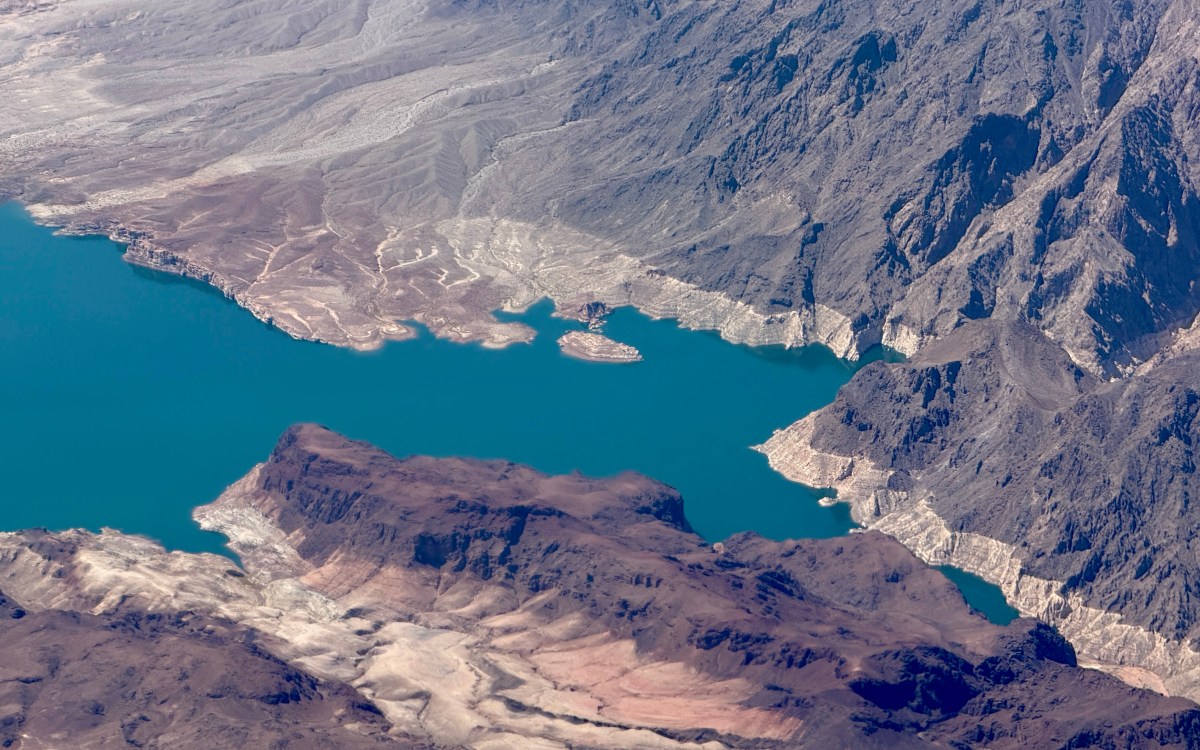
Lake Mead, a key water reservoir in the U.S. Southwest, is experiencing very low water levels due to a long drought. Several large data centers that need a lot of water and power are located near Lake Mead, causing concern about their impact on the region’s limited water supply.
Key Facts
Lake Mead relies on the Colorado River, which provides water to about 40 million people and irrigates around 5 million acres of farmland.
Data centers use a lot of water, mainly for cooling their equipment.
There are over 4,300 data centers across the U.S., including about 70 in Nevada and many near Lake Mead.
Google and Switch operate large data centers near Las Vegas, including Google's 750,000-square-foot Henderson facility.
In 2024, 23 Southern Nevada data centers are estimated to use over 716 million gallons of water, enough for about 4,395 homes yearly.
Local residents and officials in Boulder City have opposed new data center projects near Lake Mead, citing concerns about water use, energy demand, noise, and pollution.
Lake Mead’s water level has dropped significantly from 1,086 feet in 2017 to about 1,056 feet in 2024 and is currently only 30% full.
Declining water levels threaten power generation at Hoover Dam and raise worries about the long-term water supply in the region.
Read the Original
Want the full story? Tap a source to open the original
article.
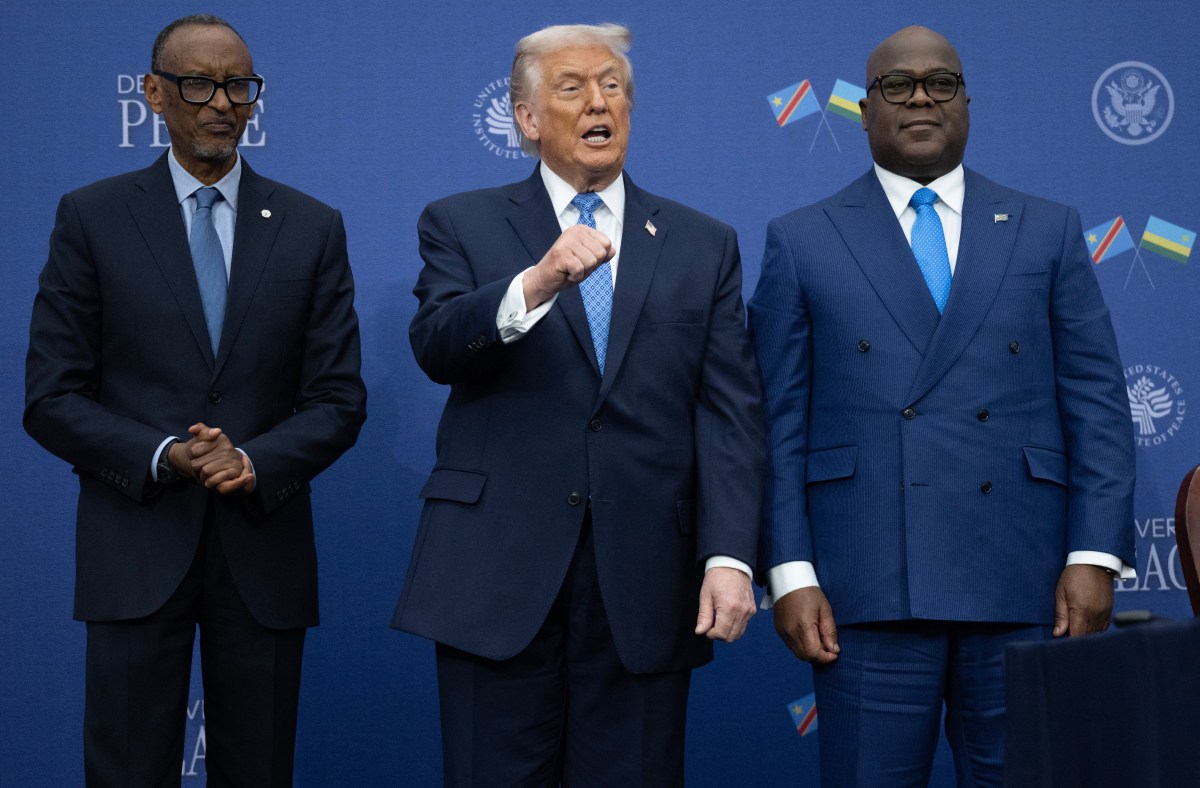
Nearly a year after the U.S.-supported peace agreement between Congo and Rwanda, peace in the Great Lakes region remains uncertain. The U.S. has taken strong actions against Rwanda and its allies for military aggression, while encouraging Congo through strategic partnerships, but Congo has not fully complied with peace efforts.
Key Facts
A peace agreement between Congo and Rwanda was signed with U.S. support nearly a year ago.
Rwanda supported a military offensive by the M23 group to capture a city in Congo during peace talks.
The U.S. responded with sanctions and visa restrictions on Rwanda and imposed sanctions on ex-Congolese President Joseph Kabila for backing M23.
The Rwandan army is one of the few African armies sanctioned by the U.S. Treasury Department.
Congo signed a strategic partnership with the U.S. giving American firms access to Congo’s mineral resources and improving transportation routes.
Congo has agreed to take in U.S. deportees from Latin America and possibly the Middle East.
Despite these agreements, Congo’s army continues attacking M23 and supporting armed militias, some of which are linked to past extremist violence.
The continued funding of militias by Congo undermines peace efforts and may weaken the U.S.-brokered peace deal.
Read the Original
Want the full story? Tap a source to open the original
article.
Israel has ordered people living south of the Zahrani River in southern Lebanon to leave the area as part of its ongoing military operations. Israeli forces have advanced into Lebanon, capturing a key fortress and moving toward the city of Nabatieh, while Hezbollah continues to attack using drones.
Key Facts
Israel ordered all residents south of the Zahrani River to move north for their safety.
Israeli forces crossed the Litani River, the first time since 2006, and seized Beaufort Castle, a strategic location near Nabatieh.
Nabatieh is an important city in southern Lebanon, both economically and culturally.
Hezbollah, supported by Iran, carried out a drone attack that killed one Israeli soldier; 25 Israeli soldiers have died since fighting escalated in March.
Hezbollah uses fiber-optic drones that are hard to detect and can bypass Israel’s advanced air defense systems.
Lebanese Prime Minister Nawaf Salam criticized Israel for harsh tactics, calling it a "scorched-earth policy."
Israel’s military actions have caused a humanitarian crisis, with many Lebanese unable to return home due to demolitions and displacement.
Israel and Lebanon are holding U.S.-facilitated peace talks to address ceasefire agreements, although violations have occurred.
Read the Original
Want the full story? Tap a source to open the original
article.
Colombia is holding a presidential election that could change its relationship with the United States. The main candidates are Iván Cepeda, who supports continuing the current left-wing policies, and center-right candidates Abelardo de la Espriella and Paloma Valencia, who want closer ties with the US and a stronger military response to drug trafficking.
Key Facts
Colombia's current president, Gustavo Petro, cannot run again and supports Iván Cepeda.
The election is expected to have no clear winner, leading to a run-off on June 21.
Cepeda wants to continue the "total peace" policy aiming to negotiate with armed groups involved in drug trafficking.
De la Espriella and Valencia promise a tough military approach to combatting drug gangs.
There has been rising violence during the campaign, including the shooting death of a candidate last summer.
Colombia and the US have had tensions over drug policy and military intervention, but held a friendly meeting in February 2024.
Cocaine production in Colombia has reached record highs despite government efforts to reduce it.
De la Espriella and Valencia want to restore Colombia’s strong security partnership with the US, while Cepeda opposes being overly dependent on the US.
Read the Original
Want the full story? Tap a source to open the original
article.