Neutral summaries of your favorite news sources — just the facts.
Your favorite news sources, one neutral feed — we distill their reporting into fact-first
summaries and always link to the original story. How it works
World News
Comprehensive coverage of international news and global events
Edgar Morin, a well-known French thinker and philosopher, has died at the age of 104. President Emmanuel Macron honored him, describing Morin as a symbol of human kindness, and expressed sympathy to his family.
Key Facts
Edgar Morin was a famous sociologist and philosopher from France.
He passed away at the age of 104.
President Emmanuel Macron called Morin "humanism personified."
Macron offered condolences to Morin’s family on behalf of the nation.
Morin was considered one of France’s most beloved intellectual figures.
Read the Original
Want the full story? Tap a source to open the original
article.
The Union Baptist Church in Blackfork, Ohio, has been recognized with a historic marker. The church has important ties to the Underground Railroad, which was a secret network that helped enslaved people escape to freedom.
Key Facts
The Union Baptist Church is located in Blackfork, Ohio.
A congregation meets there every Sunday for worship.
The church played a role in the Underground Railroad.
The Underground Railroad helped enslaved people escape to free states or Canada.
The church has now been honored with a historic marker to recognize its history.
The marker informs visitors about the church’s role in the fight against slavery.
This recognition helps preserve and share the church’s important story.
Read the Original
Want the full story? Tap a source to open the original
article.
The number of suspected Ebola cases in the Democratic Republic of Congo (DR Congo) has surpassed 1,000. The World Health Organization (WHO) Director-General, Tedros Adhanom Ghebreyesus, visited the outbreak’s center in Bunia to support local efforts to control the disease.
Key Facts
More than 1,000 suspected cases of Ebola have been reported in DR Congo.
Local authorities are working hard to provide protective gear, which is in short supply.
Trust-building with local communities is a key part of the response to control the virus spread.
The WHO Director-General visited Bunia, the Ebola epicenter, to oversee response efforts.
An international NGO, ALIMA, has set up a treatment center in Rwampara to support Ebola patients.
The outbreak is causing social and economic difficulties in the affected regions.
The situation is developing quickly, and authorities are struggling to contain the fast-moving virus.
Read the Original
Want the full story? Tap a source to open the original
article.
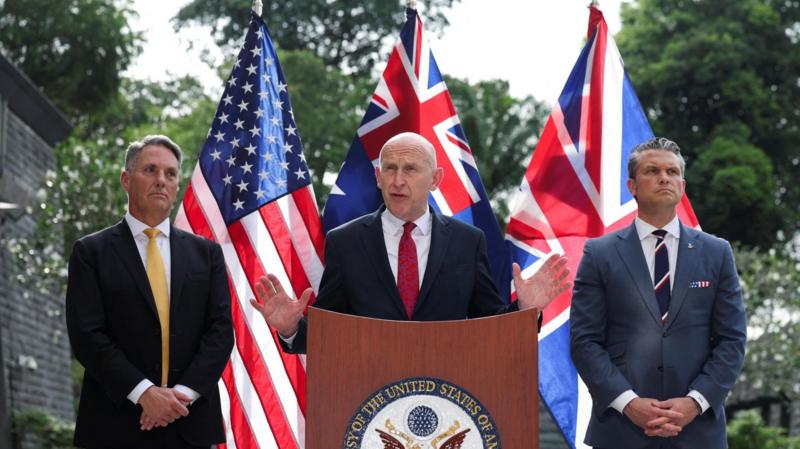
The US, UK, and Australia will work together to develop underwater drone technology to protect undersea cables and improve defense. The UK will fund part of the project with £150 million, and the drones are expected to be ready by next year. This effort is part of their Aukus military alliance, aimed at enhancing advanced military capabilities and countering threats in important sea areas.
Key Facts
The US, UK, and Australia are collaborating on underwater drone (uncrewed undersea vehicle) technology.
The UK will contribute £150 million (about $201 million) to the project.
The drones aim to protect undersea cables and pipelines vital to daily life and conduct defense operations like surveillance and strikes.
This project is the first major effort under Aukus Pillar Two, focusing on advanced military technology like AI and hypersonic missiles.
Aukus is a military pact started in 2021 for sharing nuclear submarine technology and expertise.
The alliance mainly serves to counter China's growing naval activities in the Indo-Pacific region.
The project announcement follows concerns about slow progress in Aukus programs.
The UK has accused Russia of threatening undersea infrastructure, while Chinese ships are suspected of damaging cables near Taiwan and Sweden.
Read the Original
Want the full story? Tap a source to open the original
article.
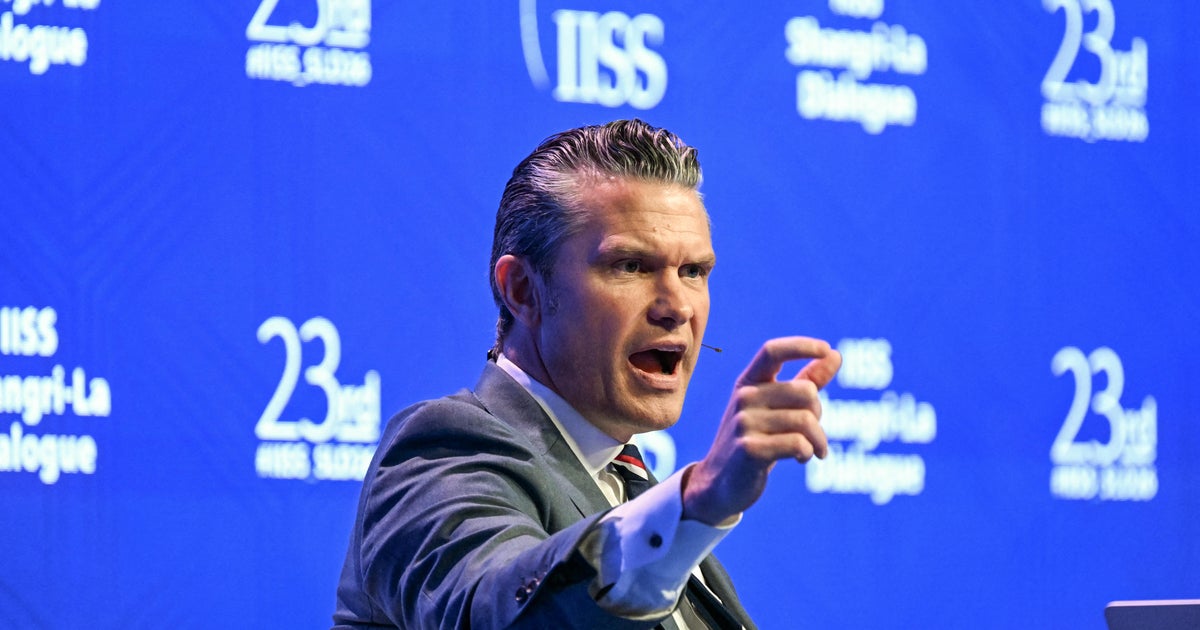
Defense Secretary Pete Hegseth visited Singapore and spoke about U.S. relations with China. He downplayed previous warnings about China as a threat but emphasized the importance of U.S. security in the Pacific region and the need to maintain a balance of power. Hegseth also supported ongoing U.S. commitment to Taiwan while promoting cooperation with China where possible.
Key Facts
Hegseth toned down earlier language calling China a threat during his visit to Singapore.
He stressed that the Indo-Pacific region matters deeply to U.S. security and prosperity.
Hegseth said the U.S. respects China’s ambitions but is prepared for military challenges.
The U.S. position on Taiwan remains unchanged, supporting it despite Chinese claims.
This visit followed President Trump’s recent meeting with Chinese leader Xi Jinping in Beijing.
Trump called Xi a “great leader” and expressed hopes for a positive future relationship.
Hegseth emphasized preventing any single country, including China, from dominating the Indo-Pacific.
Chinese officials welcomed the idea of “strategic stability” and cooperation with the U.S.
Some U.S. lawmakers criticized the administration for focusing too much on China at the expense of other global commitments.
Read the Original
Want the full story? Tap a source to open the original
article.
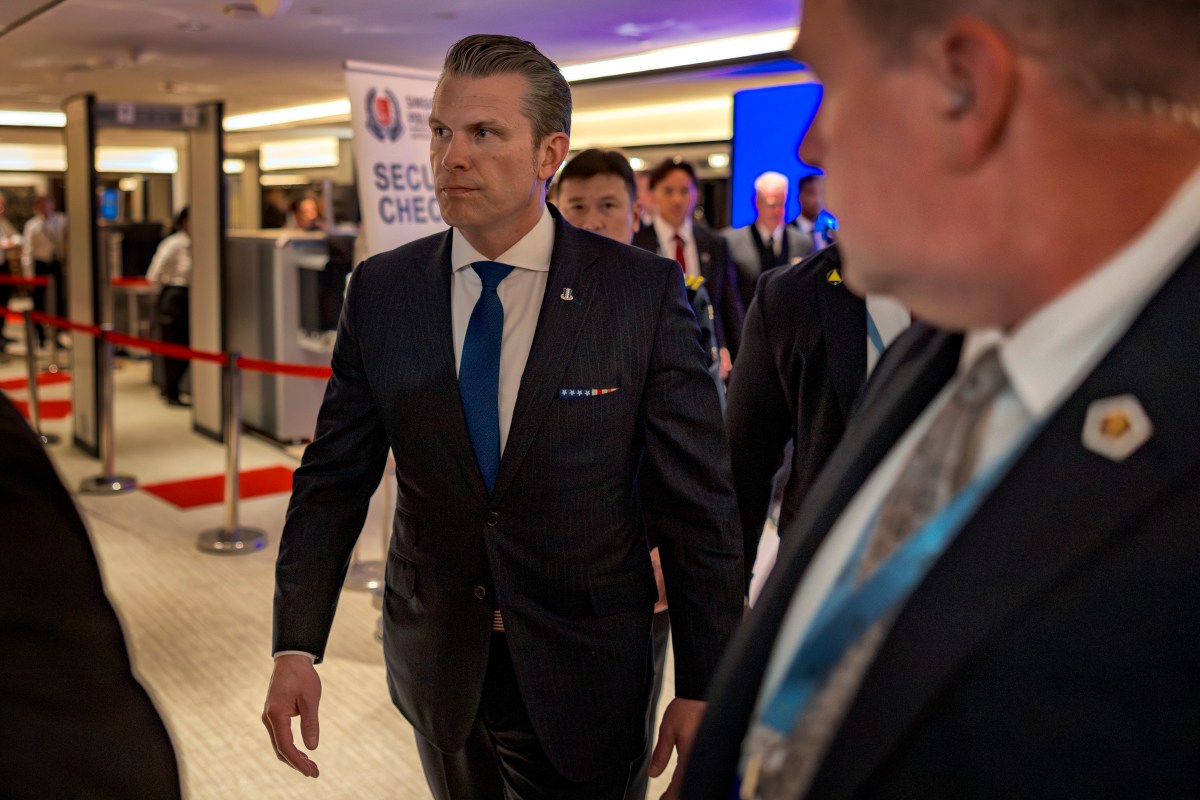
U.S. Secretary of Defense Pete Hegseth spoke carefully about Taiwan at a defense meeting in Singapore to avoid disrupting President Trump’s efforts to improve relations with China. The U.S. and China recently held talks meant to ease tensions, especially concerning Taiwan, which China claims as its territory and has not ruled out using force to take.
Key Facts
Pete Hegseth addressed an Asia defense summit in Singapore and avoided directly naming Taiwan.
Hegseth emphasized deterrence strategies to prevent conflict, focusing on the First Island Chain, a line of islands important for military defense.
President Trump recently visited China, marking the first U.S. presidential trip there in nine years, aiming to reset relations.
During the visit, President Xi Jinping warned that mishandling Taiwan could lead to dangerous outcomes.
Trump said he was holding off on approving a $14 billion arms sale to Taiwan as a negotiation tool.
China claims Taiwan as a breakaway province and may use force to unify it with the mainland.
A Chinese analyst noted Hegseth’s cautious tone reflects sensitivity around Taiwan to support Trump’s diplomatic efforts.
If the U.S. approves arms sales to Taiwan, it might complicate President Xi’s planned trip to the United States in September.
Read the Original
Want the full story? Tap a source to open the original
article.
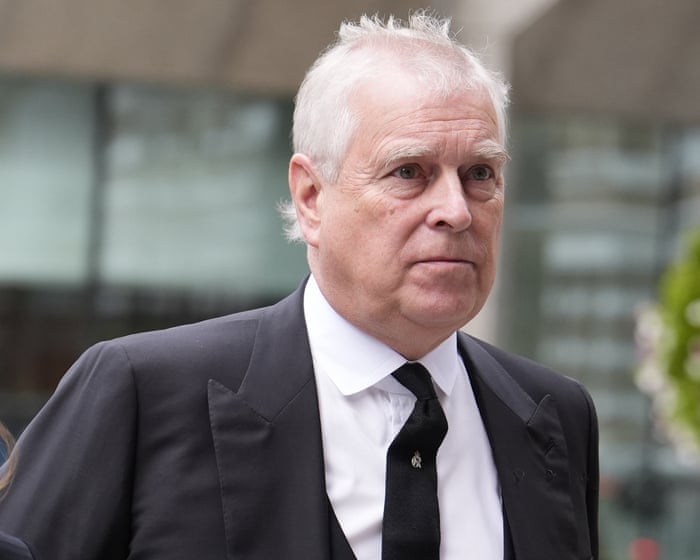
Emails given to Buckingham Palace in 2020 suggest that Andrew Mountbatten-Windsor shared secret information while working as a government trade envoy. He was arrested earlier this year on suspicion of misconduct but denies any wrongdoing, and police continue to investigate.
Key Facts
More than 30,000 emails were handed to the lord chamberlain of the royal household in 2020.
The emails seem to show Andrew Mountbatten-Windsor sharing confidential government information.
Mountbatten-Windsor was arrested in February on suspicion of misconduct in public office.
The emails reportedly came from British businessman Jonathan Rowland’s account during a business dispute.
Mountbatten-Windsor allegedly shared details about the 2010 Iceland financial crisis before others took action.
Authorities in Monaco and Luxembourg were also informed about the emails.
Mountbatten-Windsor denies wrongdoing but settled a legal claim with Virginia Giuffre for about £12 million.
The palace said it could not comment due to an ongoing police investigation.
Read the Original
Want the full story? Tap a source to open the original
article.
Egypt is working urgently to save a fragile ceasefire between Israel and Hamas in Gaza, warning Israel not to expand its control in Gaza. Cairo has invited Hamas leaders for talks and asked President Donald Trump to help stop Israeli escalations that risk breaking the peace agreement.
Key Facts
Egypt is trying to prevent the collapse of the ceasefire in Gaza.
Israel plans to increase its control in Gaza from 53% to 70%, against the 2025 peace plan.
Over 140 Palestinians have died in recent Israeli attacks.
Israeli Defence Minister Israel Katz mentioned plans for the "voluntary migration" of Palestinians from Gaza.
Egypt, Qatar, Turkey, and the US are working together to bring talks back on track.
Egypt warned Israel not to force Palestinians to move toward the Egypt-Gaza border crossing.
Hamas says the ceasefire is close to ending due to Israeli violations.
Since the October ceasefire, about 929 Palestinians have been killed despite the truce.
Read the Original
Want the full story? Tap a source to open the original
article.
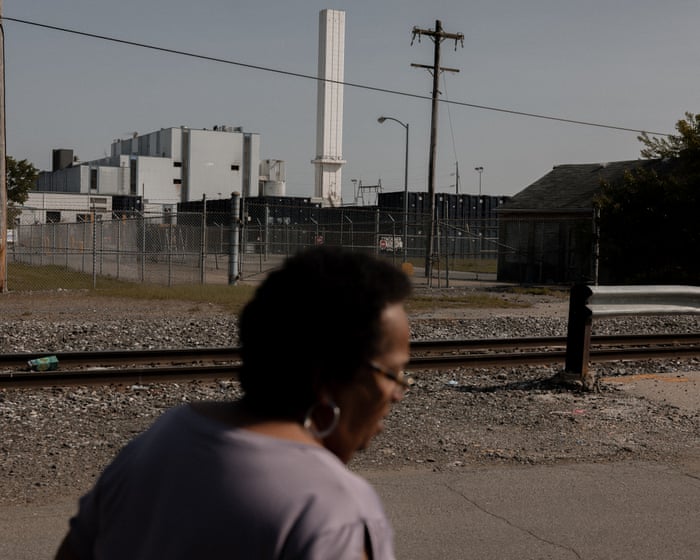
Experts and public health advocates say many U.S. garbage incinerators are not properly destroying harmful chemicals called PFAS, which can pollute the air and affect people’s health. An industry report claims Minnesota incinerators cut PFAS emissions by 99.6%, but critics argue the study is incomplete and misleading.
Key Facts
PFAS are chemicals used to make products water- and stain-resistant and are linked to serious health problems.
These chemicals do not break down easily and are often called “forever chemicals.”
Nearly 100 waste incinerators operate in the U.S., including seven in Minnesota.
The garbage industry promotes incinerators as a way to reduce PFAS waste.
An industry report claims Minnesota incinerators reduce PFAS emissions by 99.6%.
Critics say the report uses bad assumptions, incomplete data, and misses key testing.
Health groups warn that incinerators likely release PFAS and other pollutants into nearby low-income neighborhoods.
PFAS chemicals require very high temperatures to be destroyed, higher than many incinerators reach.
Read the Original
Want the full story? Tap a source to open the original
article.
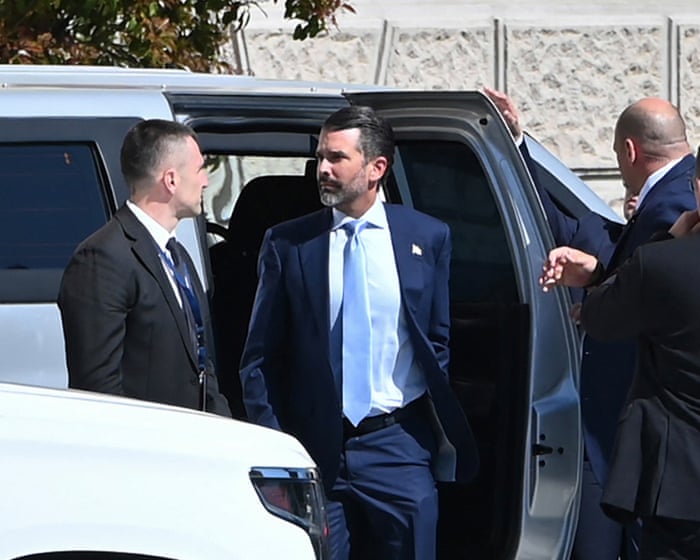
A small and little-known company called AAFS Infrastructure and Energy is close to securing over $1 billion in contracts to build a pipeline in the Balkans. This pipeline will transport fossil gas from the United States to replace Russian supplies, and the company has connections to President Donald Trump through its American representatives.
Key Facts
AAFS Infrastructure and Energy is working on a pipeline project in Bosnia and Herzegovina worth more than $1 billion.
The pipeline would carry fossil gas from the U.S. to the Balkans, reducing reliance on Russian energy.
The company has no previous experience with projects of this size.
AAFS’s American partners include a lawyer who worked for the Trump family and the brother of Trump’s former national security adviser.
Both American partners were involved in efforts to challenge the 2020 U.S. presidential election results.
U.S. officials under President Trump are pressing Bosnian leaders to approve AAFS’s pipeline project.
The project has political significance because it could affect the peace and power balance established in Bosnia since the 1995 war.
AAFS’s Bosnian founder, Amer Bekan, has a background in business and local politics but limited political success.
Read the Original
Want the full story? Tap a source to open the original
article.
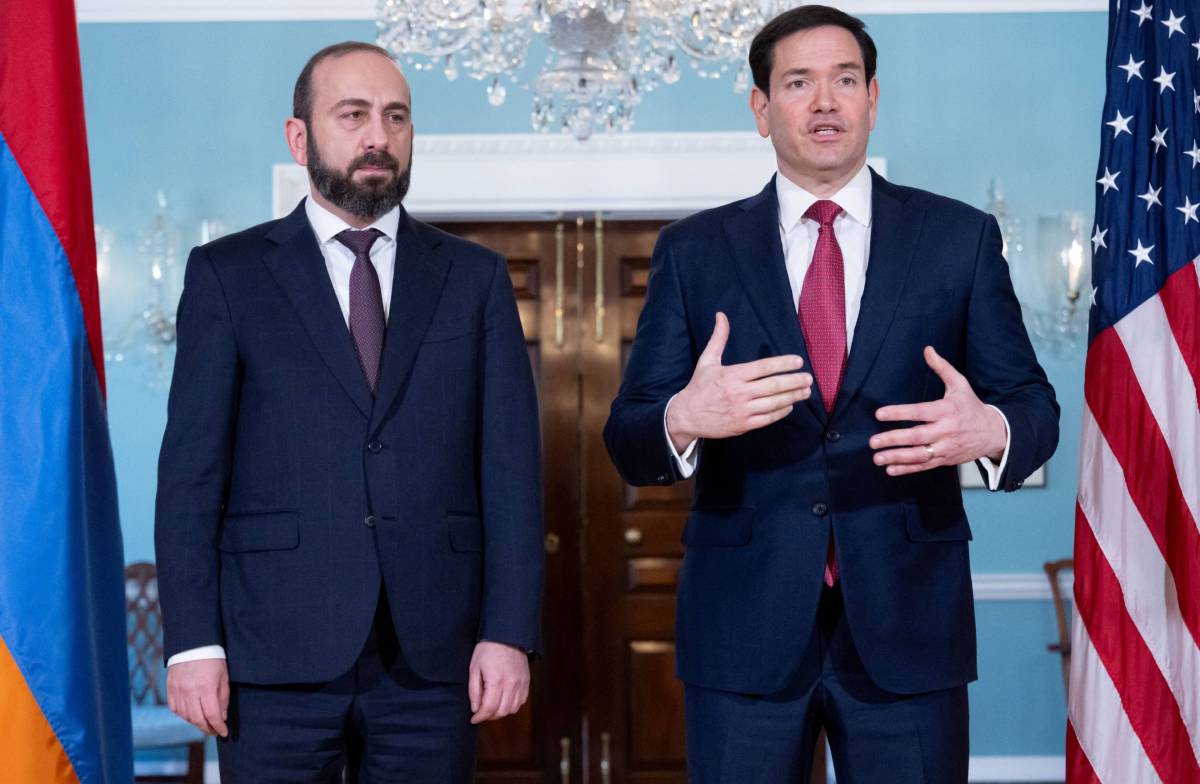
Armenia is moving closer to Europe and the United States, reducing its dependence on Russia. This shift follows recent agreements with the U.S. and EU but comes after Armenia lost control of the Nagorno-Karabakh region to Azerbaijan, leading to a humanitarian crisis and ongoing tensions.
Key Facts
Armenia’s June 7 parliamentary election is seen as a test of its new Western-focused direction.
Armenia signed a strategic partnership agreement with the U.S., including deals on minerals and transit routes.
The South Caucasus region is gaining importance for the West as a trade and energy route that avoids Russia and Iran.
Armenia is shifting from relying mainly on Russia toward building stronger ties with Europe and the U.S.
The Nagorno-Karabakh region, once controlled by ethnic Armenians, was taken over by Azerbaijan in 2023 after a military assault.
Over 120,000 ethnic Armenians fled Nagorno-Karabakh, fearing persecution by Azerbaijan.
Former officials from Nagorno-Karabakh, including Ruben Vardanyan, are imprisoned in Azerbaijan, creating diplomatic and moral challenges.
The conflict and refugee crisis remain unresolved even as Armenia seeks better relations with Azerbaijan and Western countries.
Read the Original
Want the full story? Tap a source to open the original
article.
The World Health Organization (WHO) chief arrived in eastern Congo’s Ituri province, where a fast-spreading Ebola outbreak is ongoing. Despite better health facilities and international aid, the virus continues to spread, and the response has not yet controlled the outbreak.
Key Facts
The WHO Director-General, Tedros Adhanom Ghebreyesus, visited Bunia, the center of the Ebola outbreak in Congo.
There have been 906 suspected Ebola cases and 223 suspected deaths reported in Congo.
Neighboring Uganda has confirmed 9 cases and 1 death from the same Ebola strain.
The current Ebola strain is the Bundibugyo virus, which has no approved treatment or vaccine.
The Democratic Republic of Congo has dealt with Ebola before and is expected to bring this outbreak under control.
The European Union and the United States have provided medical aid, with the U.S. committing over $112 million in total.
Doctors Without Borders warns this is one of the fastest-spreading Ebola outbreaks recorded and calls for faster, wider medical response.
Local resistance to medical practices and attacks from rebel and militia groups are making it harder to control the outbreak and protect health workers.
Read the Original
Want the full story? Tap a source to open the original
article.
A 15-year-old girl named Chiedza Nyanjowa died after getting into trouble while swimming at Formby beach. She was taken to Alder Hey Children's Hospital in critical condition but passed away on Saturday. Police reported the incident, and a coroner's investigation has started.
Key Facts
Chiedza Nyanjowa was 15 years old and from Cheshire.
She got into difficulty swimming in the sea at Formby beach on a Bank Holiday Monday.
Emergency services were called around 3:30 p.m. following safety concerns.
She was taken to Alder Hey Children’s Hospital in critical condition.
Chiedza died earlier on the following Saturday.
Merseyside Police confirmed the details of the incident.
A report has been sent to the Sefton Coroner’s office for investigation.
Her family said she wanted to be a nurse and praised her kind spirit.
Read the Original
Want the full story? Tap a source to open the original
article.
In January 2025, Ukraine revealed it had captured two North Korean soldiers, showing North Korea’s secret military support for Russia’s invasion. There are concerns that exposing these prisoners publicly may violate international rules and endanger them and their families.
Key Facts
Ukraine captured two North Korean soldiers in January 2025.
This was the first clear proof that North Korea sent about 15,000 special forces troops to help Russia in Ukraine.
North Korea provided Russia with military technology and cash in exchange for this support.
Images of the prisoners were posted online and they were shown to the media.
Human rights groups say this exposure may break the Geneva Convention, which protects prisoners of war.
There are fears for the safety of the prisoners and their families back in North Korea.
The situation raises questions about whether the soldiers are being used as political tools.
Efforts are underway to find safe ways to bring these prisoners to South Korea.
Read the Original
Want the full story? Tap a source to open the original
article.
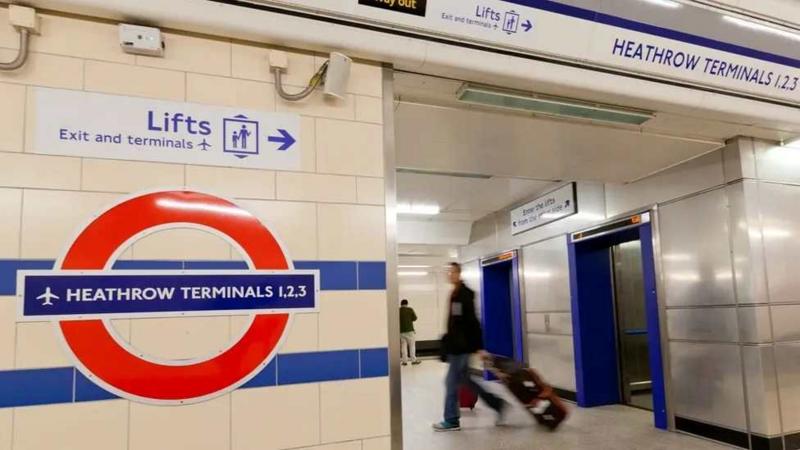
No trains are running to or from Heathrow Airport due to flooding caused by a burst water pipe. The flood damaged the signaling system, forcing closures of the Heathrow Express, the Elizabeth line, and parts of the Piccadilly line. Passengers are advised to find other ways to travel and expect delays.
Key Facts
A burst water pipe caused flooding at a train station serving Heathrow Airport.
The Heathrow Express train service between Paddington and Heathrow is closed in both directions.
The Elizabeth line is suspended between Hayes and Harlington and Heathrow due to signal failure from flooding.
The Piccadilly line is also closed between Heathrow and Acton Town because of planned maintenance work.
Heathrow Airport apologized for the disruption caused to travelers.
Many passengers reported long waits, confusion, and overwhelmed staff on social media.
South Devon MP Caroline Voaden described the situation as chaotic on the social platform X.
Passengers are encouraged to allow extra travel time and arrange alternative transport.
Read the Original
Want the full story? Tap a source to open the original
article.
A new Jamaican film titled *Stew Peas* explores the country’s banned spiritual practice called obeah, which combines African magic and healing. The story focuses on a detective whose husband is affected by a love spell involving a stew made with menstrual blood. The film aims to start a conversation about the conflict between Christianity and African-derived beliefs in Jamaica.
Key Facts
The film *Stew Peas* is directed by Jamaican filmmaker Sosiessia Nixon.
Obeah is a spiritual and magical tradition banned in Jamaica since colonial times but still practiced secretly.
The movie’s plot involves a detective, Tessa, whose husband is influenced by a love charm in stew peas containing menstrual blood.
The practice of adding menstrual blood to stew peas is believed to “bind” a man in a relationship.
Obeah was outlawed by European colonizers to suppress African spiritual practices and resistance among enslaved people.
Jamaican scholar Sonjah Stanley Niaah says African spiritualities remain important yet misunderstood and neglected today.
Producer Ava Eagle Brown mentioned the film connects Caribbean people, especially those living abroad, back to their culture.
The film also touches on tensions between Christian beliefs and African spiritual traditions in Jamaica.
Read the Original
Want the full story? Tap a source to open the original
article.
The article discusses the long history of opposition to vaccines, showing that many arguments against vaccines today have existed since vaccines were first developed. It explains that vaccine critics generally fall into three groups: true believers, grifters, and cynics, and describes common reasons people reject vaccines, including moral, naturalistic, and safety concerns.
Key Facts
Vaccines have faced opposition since the early 18th century when inoculation against smallpox was introduced.
Early opponents argued that vaccination interfered with God's will, claiming disease was a divine punishment.
Later critics replaced religious ideas with beliefs about "natural" living being enough to stay healthy.
In the 19th century, many children died from infectious diseases before vaccines were widespread.
Some vaccine opponents today say vaccines are unnecessary because the body can heal itself.
Other critics claim vaccines are more harmful than the diseases they prevent, focusing on minor side effects like arm soreness and fever.
The article highlights that distrust of vaccines is linked to misunderstanding the history and science behind them.
Vaccines have saved many lives by preventing infectious diseases that once killed large numbers of children.
Read the Original
Want the full story? Tap a source to open the original
article.
Israel carried out more than 10 airstrikes in southern Lebanon. At least three people, including a father and his son, were killed and dozens were injured according to Lebanon’s Health Ministry.
Key Facts
Israel launched multiple strikes across southern Lebanon.
The strikes resulted in at least three deaths.
Among the dead were a father and his son.
Dozens of people were wounded in the attacks.
Videos show damage and the aftermath of the strikes.
The Lebanese Health Ministry provided casualty information.
Read the Original
Want the full story? Tap a source to open the original
article.
Colombia will hold presidential elections on Sunday to choose a new leader after President Gustavo Petro. The main issue in the campaign is widespread violence caused by armed groups, and each candidate has plans to reduce it. This violence has been a long-standing problem in Colombia.
Key Facts
Colombia’s presidential election is scheduled for Sunday.
Voters will choose who will follow President Gustavo Petro.
Violence is a central concern in the election.
Armed groups in Colombia have increased their attacks recently.
Each candidate has different ideas on how to stop the violence.
Violence has been a persistent issue in Colombia for many years.
The conflict has affected many parts of the country.
The news report includes work by journalists Eliza Herbert and Antoine Fenaux.
Read the Original
Want the full story? Tap a source to open the original
article.