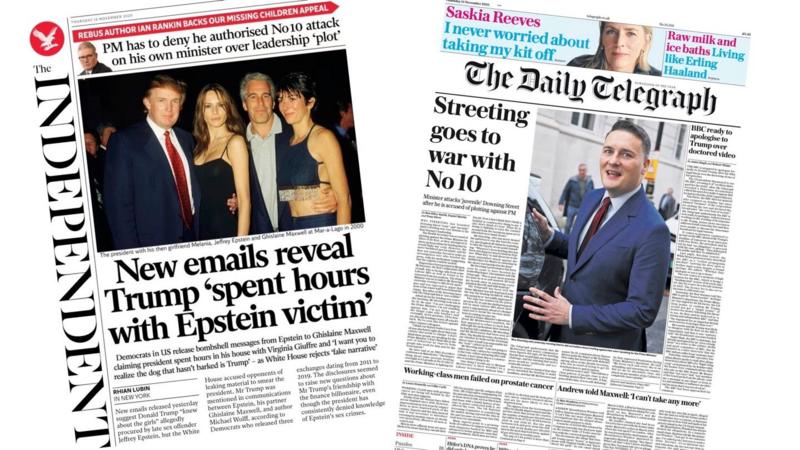
Newly released emails suggest President Trump knew about Jeffrey Epstein's activities. The emails, published by the House Oversight Committee, contain allegations of Trump's awareness and association with Epstein. Democrats and the White House provide conflicting responses regarding these revelations.
Key Facts
Newly released emails involve President Trump and Jeffrey Epstein's conduct.
The emails were published by Democrats on the House Oversight Committee.
Allegations state Trump spent time at Epstein's house with a trafficking victim.
Trump denies any wrongdoing related to Epstein.
The White House accuses Democrats of selectively leaking emails to mislead the public.
Newspapers feature photos of Trump with Epstein and Ghislaine Maxwell.
This topic is a primary news focus in international and U.S. media.
Read the Original
Want the full story? Tap a source to open the original
article.
On November 13, Russian forces launched several attacks in Ukraine, leading to multiple fatalities. Meanwhile, G7 foreign ministers, including the U.S. Secretary of State, met in Canada to discuss increasing pressure on Russia. Additionally, Canadian and U.S. officials announced new sanctions against Russia.
Key Facts
Russian forces attacked Ukraine's Zaporizhia region, causing one death.
A Russian drone attack killed a security guard at a railway facility in Ukraine's Kherson region.
In Ukraine's Dnipropetrovsk region, drone attacks killed a 47-year-old man.
A woman died in Ukrainian shelling in a Russian-occupied area of Zaporizhia.
G7 foreign ministers met in Canada to discuss sanctions on Russia.
Russia expressed willingness to resume ceasefire talks in Istanbul.
Canada announced new sanctions on Russia, targeting its drone program and other sectors.
Ukraine's President Zelenskyy called for the dismissal of two ministers amid a corruption probe.
Read the Original
Want the full story? Tap a source to open the original
article.
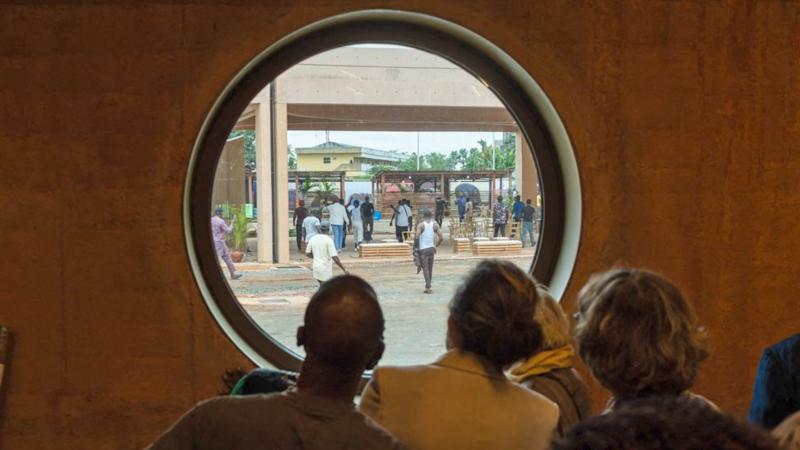
A new $25 million Museum of West African Art in Benin City, Nigeria, is facing local political challenges. The Edo state government revoked the museum's land use due to a naming dispute, following protests demanding the name align with local heritage. The museum was set to showcase artworks but faced disruptions over political and cultural issues, notably around the return and display of the historic Benin Bronzes.
Key Facts
The museum is located in Benin City, Nigeria, and costs $25 million to build.
It was designed by Sir David Adjaye and took five years to complete.
There was a dispute over the museum's name, leading to the Edo state government revoking its land use.
The museum aims to create over 30,000 jobs and significantly boost the local economy.
Protests erupted, demanding the museum be called the Benin Royal Museum.
The Benin Bronzes, art pieces looted by British soldiers in 1897, are central to the controversy.
The bronzes remain in museums outside Africa, and their absence is significant to the museum's intended display.
Nigeria's President, Bola Tinubu, is involved in attempting to resolve the disputes.
Read the Original
Want the full story? Tap a source to open the original
article.
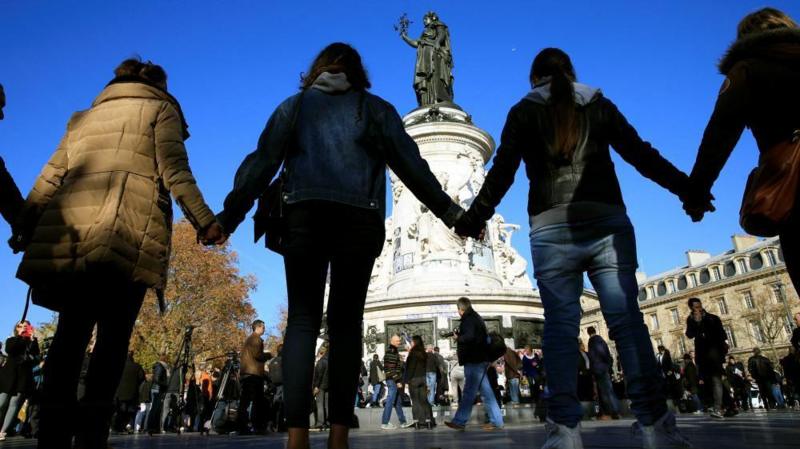
France is marking the 10th anniversary of the Bataclan attacks, a significant moment in its history of dealing with jihadist violence. Recently, an ex-girlfriend of one of the attackers was arrested on suspicion of planning her own attack, highlighting the ongoing threat of extremist activities. The anniversary serves as a reminder that while large-scale, organized jihadist actions have decreased, smaller and more local threats persist.
Key Facts
France is commemorating 10 years since the Bataclan attacks, which were part of a series of coordinated attacks in Paris on November 13, 2015.
The Bataclan concert hall attack was one of the worst Islamist violent events in France, resulting in 130 deaths overall, with 90 at the Bataclan.
Recently, a woman linked to the 2015 attacks was arrested for allegedly plotting a new attack.
The woman, identified as Maëva B, was in contact with Salah Abdeslam, a jailed attacker.
Authorities found jihadist materials linked to her and placed her under investigation with two others.
While IS no longer holds significant power in the Middle East, the risk of smaller, homegrown attacks continues.
Intelligence services have improved their ability to detect and stop potential terrorist plans online.
Read the Original
Want the full story? Tap a source to open the original
article.
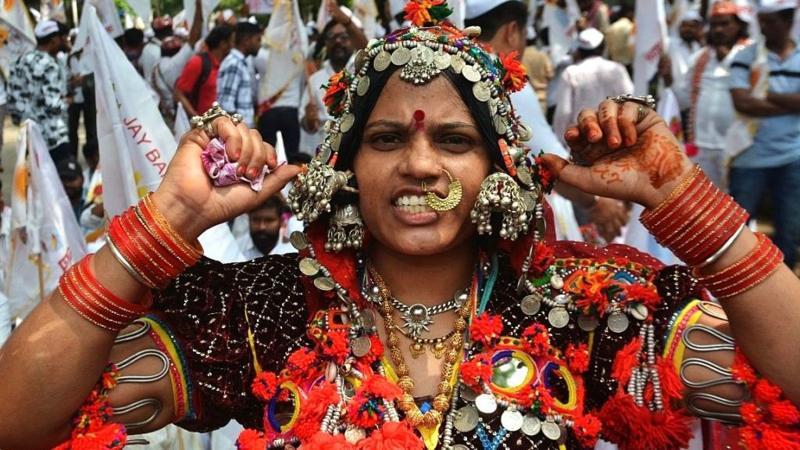
India will count every caste in its 2027 national census for the first time in nearly a century, following pressure from opposition parties and several states. Some believe this could help better target government benefits and improve affirmative action policies. However, critics argue it may reinforce the caste system and politicize social divisions.
Key Facts
India's 2027 national census will include a complete count of all castes, which hasn't been done since before 1931.
The decision follows demands from opposition parties and some states that have already conducted their own caste surveys.
A 2011 survey, not officially released, recorded 4.6 million caste names in India.
Advocates say counting castes might make government aid more precise by focusing benefits where they are needed most.
Critics, like scholar Anand Teltumbde, warn that counting castes could solidify caste discrimination and be used politically.
Caste reservations in government jobs and education were initially for the most oppressed groups but have expanded due to demand from other groups.
Nearly 800 million people in India currently rely on free food rations.
Some scholars argue the caste census may entrench inequality instead of exposing it.
Read the Original
Want the full story? Tap a source to open the original
article.
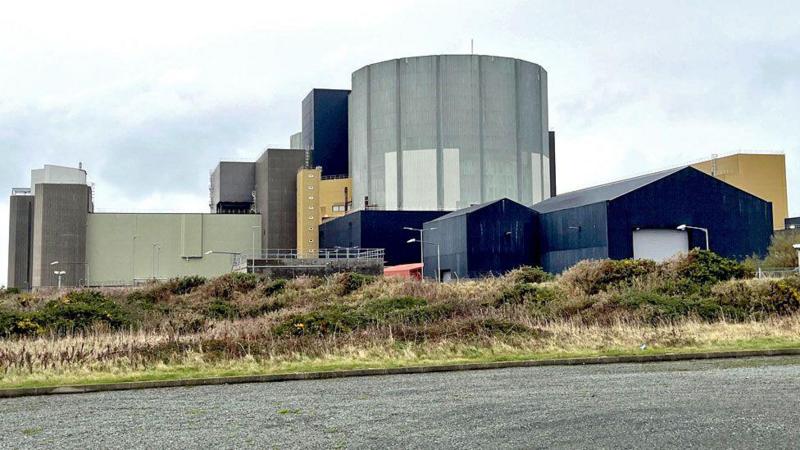
The UK will build its first small nuclear power station on Anglesey, in north Wales. The facility will start construction in 2026 and aim to provide electricity by the mid-2030s. The project involves small modular reactors (SMRs) and is expected to bring jobs and investment to the area.
Key Facts
The nuclear plant will be located at Wylfa on Anglesey in north Wales.
Construction is slated to start in 2026, with power generation expected by the mid-2030s.
The plant will feature the UK's first three small modular reactors (SMRs).
The project aims to supply electricity to about three million homes.
It is backed by a £2.5 billion investment from the UK government.
Great British Energy-Nuclear, a publicly owned company, will oversee the project.
The company is also exploring additional sites for large-scale nuclear plants across the UK.
The decision to use SMRs was met with some criticism, particularly from those favoring larger plants.
Read the Original
Want the full story? Tap a source to open the original
article.
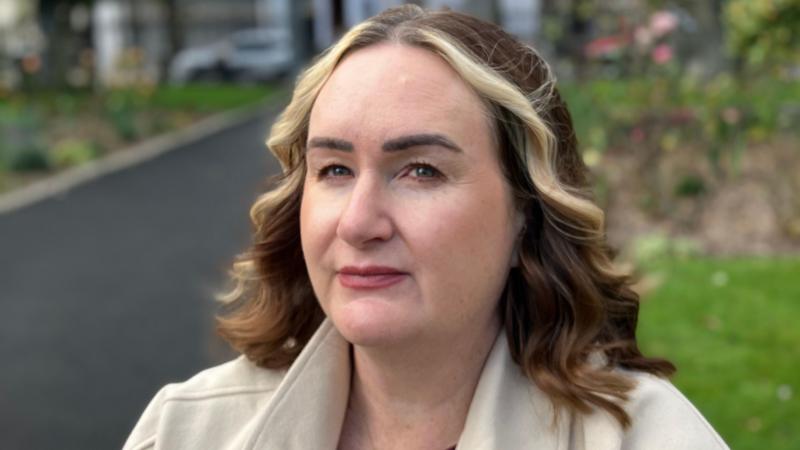
A woman named Fiona Ferris, who tried to help a pedestrian fatally injured in a crash, was filmed without her consent while giving CPR. She is advocating for laws to make it illegal to take photos or videos of crash scenes, as this can add to the trauma for victims' families. Similar laws already exist in some countries.
Key Facts
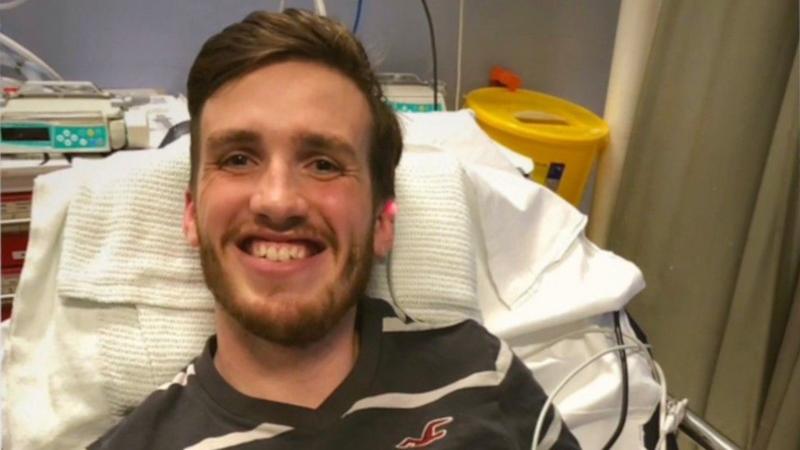
Fiona Ferris provided CPR to Dominic McGrath, who was hit by a bus in Newry, County Down.
The incident was filmed, and the video was shared with McGrath's family shortly after they were informed of his death.
Ms. Ferris experiences distress from the video being circulated and questions whether she administered CPR correctly.
She is calling for laws to make it illegal to record or photograph crash sites.
In other countries, including Germany, it is already illegal to film at crash sites if it captures victims or disrupts emergency services.
Tricia O'Neill of the charity Road Ahead highlights that sharing such images is traumatic for the families.
Campaigners for "Caoimhe's Law" want to establish legal protections against sharing these images, focusing on dignity and the right to a peaceful grieving process.
Read the Original
Want the full story? Tap a source to open the original
article.
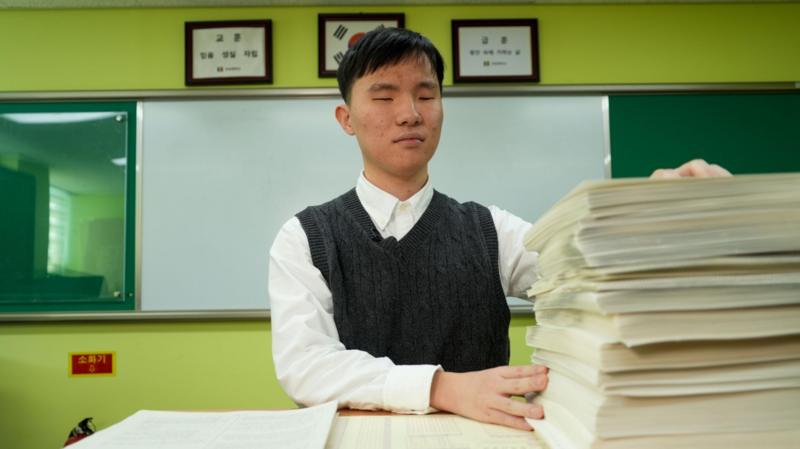
In South Korea, blind students take a special version of the nation's college entrance exam, known as the Suneung, which can last up to 13 hours. This extended exam time is due to the use of braille test papers and the need for more time to process the information. These students face unique challenges, such as the physical strain of reading braille for long hours.
Key Facts
The Suneung exam is South Korea's college entrance test, impacting university admission and future prospects.
550,000 students take the exam nationwide, with the highest numbers in seven years.
For most students, the exam lasts about eight hours, but blind students may take up to 13 hours.
The longer duration for blind students is due to braille test papers, which are bulkier than standard papers.
Braille test booklets are 6 to 9 times thicker, increasing reading time and causing physical strain.
Han Dong-hyun is one student taking the extended exam, born completely blind and using braille and screen-reading software.
For blind students, keeping track of information is tougher because they cannot re-read spoken content or visually see graphs.
Last year, 111 blind students took the exam, with 12 having severe visual impairments.
Read the Original
Want the full story? Tap a source to open the original
article.
Funding cuts from the United States have affected the World Food Programme's ability to support local farmers and school feeding programs in Haiti. The organization has been working to buy more food locally to support farmers and feed schoolchildren, but now faces a $44 million funding gap. This funding shortage could impact food assistance and local farming efforts in Haiti.
Key Facts
The World Food Programme provides food to local schools in Haiti, feeding about 600,000 students daily.
Over the past decade, the organization has increased local food sourcing in Haiti to about 72% of its needs.
The aim is to source 100% of school meal food locally by 2030.
In early 2024, U.S. funding cuts created a $44 million shortfall for the Programme in Haiti.
Haiti is dealing with increased gang violence and more than a million displaced people.
As of October, 5.7 million Haitians face severe hunger.
Small-scale farmers like Antoine Nelson depend on these programs to sell their produce and support their families.
Experts warn that without enough funding, important food assistance programs may end.
Read the Original
Want the full story? Tap a source to open the original
article.
Two UK hospitals used a heart pump despite knowing it had a higher death rate compared to another available option. The pump, made by Medtronic, was eventually withdrawn due to safety concerns after it was found to cause more deaths and complications. Hospitals questioned the data and leading cardiologists had financial ties to the pump's manufacturer.
Key Facts
Two UK hospitals continued using a Medtronic heart pump despite knowing it had a higher mortality rate.
NHS raised concerns in 2018 about the pump's safety, showing higher deaths and complications.
Medtronic withdrew the device in June 2021 for patient safety reasons.
The device, an LVAD, helps weakened hearts pump blood and is crucial before transplants.
NHS data showed 45% mortality with the Medtronic pump versus 15% with a competing device.
The regulator, MHRA, approved the pump's use without knowing about the concerning data.
Some cardiologists at the hospitals were paid consultants for Medtronic.
Harefield Hospital stopped using the device in 2021; Freeman Hospital continued until Medtronic's withdrawal.
Read the Original
Want the full story? Tap a source to open the original
article.
France may ban the Chinese fast-fashion company Shein soon after it opened a store in Paris. The country is concerned about the company's increasing presence and issues with inappropriate products found on its website.
Key Facts
Shein is a Chinese fast-fashion company.
Shein recently opened a location in Paris, France.
France is considering banning Shein due to concerns about its operations.
Issues arose from child-like sex dolls and weapons sold by third-party sellers on Shein's website.
There is growing opposition to Shein's presence in France.
Read the Original
Want the full story? Tap a source to open the original
article.
Iraqi Prime Minister Mohammed Shia al-Sudani's coalition won the most votes in the country's recent parliamentary election. The election had a voter turnout of 56%, but many voters felt disillusioned with the political process. The voting results demonstrated the diverse political landscape in Iraq, with different ethnic groups winning in their respective regions.
Key Facts
Prime Minister Mohammed Shia al-Sudani's coalition received 1.3 million votes, the highest in Iraq's parliamentary election.
The voter turnout was 56%.
Al-Sudani's coalition gained about 370,000 more votes than the next competitor.
Shia, Sunni, and Kurdish candidates won seats in their respective majority areas.
The Kurdistan Democratic Party won the most seats in the predominantly Sunni Nineveh province.
For the first time since 2005, no Kurdish candidates won seats in Diyala province.
No single party can form a government on its own; alliances are necessary.
This was the sixth parliamentary election since 2003, following the fall of Saddam Hussein.
Read the Original
Want the full story? Tap a source to open the original
article.
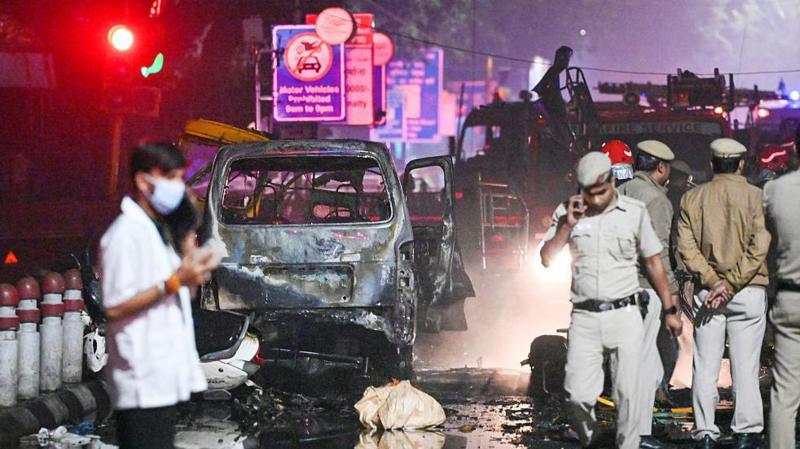
A car explosion occurred in a busy area of Delhi, India, near the Red Fort, killing at least eight people and injuring 20. The Indian government labeled it a terrorist attack and has launched an urgent investigation to find those responsible. Authorities are on high alert, and security efforts are being intensified in the area.
Key Facts
A car explosion in Delhi resulted in at least eight deaths and 20 injuries.
The blast happened near the Red Fort, a major landmark in the city.
The Indian government called the explosion a "terror incident."
Prime Minister Narendra Modi's cabinet condemned the attack, labeling it cowardly.
Authorities have not made any arrests or named suspects yet.
The explosion occurred when a slow-moving car stopped at a red light and detonated.
Police and forensic teams are conducting investigations to find the perpetrators.
Neighboring regions, including Uttar Pradesh, have raised security alerts following the incident.
Read the Original
Want the full story? Tap a source to open the original
article.
The United Nations reports that over 10 million people have fled their homes in Sudan due to a conflict between the Sudanese army and the Rapid Support Forces. The humanitarian situation, especially in North Darfur, is deteriorating.
Key Facts
Over 10 million people have left their homes in Sudan.
The conflict is between the Sudanese army and the Rapid Support Forces.
The UN migration agency highlighted the crisis.
North Darfur's humanitarian efforts are close to failing.
The UN calls this the largest displacement crisis in the world.
Read the Original
Want the full story? Tap a source to open the original
article.
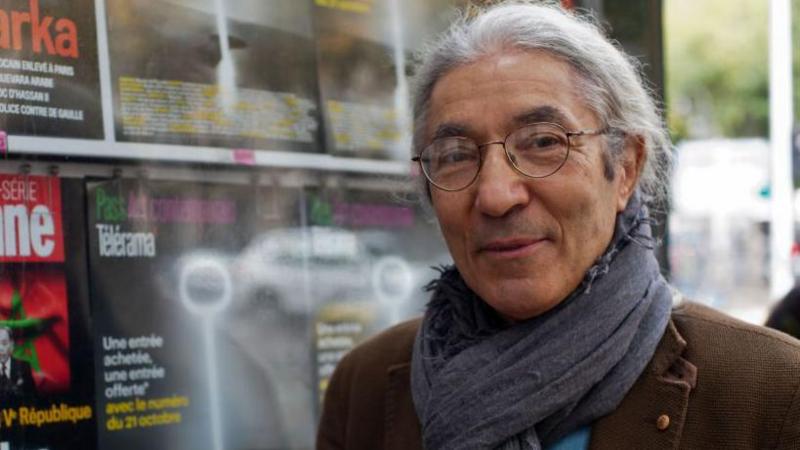
A French-Algerian writer named Boualem Sansal, who was jailed in Algeria, has been freed and allowed to leave for Germany for medical treatment. His release was influenced by German President Frank-Walter Steinmeier’s intervention, which eased tensions between France and Algeria. Sansal's imprisonment had been a major issue in diplomatic relations between the two countries.
Key Facts
Boualem Sansal, an 81-year-old writer with prostate cancer, was arrested in Algeria nearly a year ago.
Algeria's President Abdelmadjid Tebboune pardoned Sansal, allowing him to travel to Germany for treatment.
German President Frank-Walter Steinmeier requested Sansal's release, citing his age and health, which influenced Algeria’s decision.
Sansal had received a five-year prison sentence for comments questioning Algeria's national borders.
Tensions between France and Algeria have involved disagreements over Western Sahara and diplomatic incidents.
Sansal's release marked a slight easing of strained relations, although other issues remain unresolved.
French President Emmanuel Macron communicated with Sansal and expressed gratitude towards President Tebboune for the release.
Diplomatic efforts for Sansal’s release involved Germany acting as a neutral party due to its relationship with Algeria.
Read the Original
Want the full story? Tap a source to open the original
article.
Iran's president warned people living in Tehran that they might have to leave the city because of a severe drought. The drought situation in Tehran is getting worse, causing concerns for residents.
Key Facts
Iran's president spoke to the people about a potential evacuation of Tehran.
The reason for this warning is a worsening drought in the area.
Drought can mean there is not enough water supply for the city's needs.
The capital city of Iran is Tehran.
Moving people out of a city due to drought is not common and shows how serious the situation is.
This message affects millions living in Tehran as they may need to consider relocating.
Read the Original
Want the full story? Tap a source to open the original
article.
The United Nations' migration agency is calling for a ceasefire and a safe path for aid to reach civilians trapped in el-Fasher, a city in Sudan's Darfur region now controlled by the Rapid Support Forces (RSF). Many civilians cannot access necessary aid, and ongoing violence, including alleged widespread atrocities, has forced thousands to flee the area. Humanitarian aid efforts are struggling due to security issues and funding shortages.
Key Facts
The UN's migration agency wants a ceasefire and safe aid routes in el-Fasher, Sudan.
The Rapid Support Forces took control of el-Fasher in October 2023.
Tens of thousands of civilians in el-Fasher need humanitarian aid.
Nearly 90,000 people have fled el-Fasher since the RSF took over.
Displaced people report dangerous conditions, including sexual violence and death.
Humanitarian aid is at risk of collapsing because of violence and lack of funds.
The violence is spreading to other regions in Sudan, affecting aid delivery.
Women and girls in displacement camps are at high risk of sexual violence.
Read the Original
Want the full story? Tap a source to open the original
article.
India has confirmed that a car explosion near Delhi's Red Fort, which resulted in several deaths, is a terrorist attack. Authorities are investigating under strict anti-terrorism laws and have carried out multiple raids and arrests in connection with the blast.
Key Facts
A car explosion near Delhi's Red Fort killed at least 13 people.
India has labeled the incident as a terrorist attack by "antinational forces."
The government is conducting an investigation to find those responsible.
Police are using a strict anti-terrorism law for broader arrest powers.
Raids in the Kashmir region led to the detention of about 500 people, most of whom were released after questioning.
Seven men, including two doctors, were arrested in a connected anti-terror investigation.
Authorities allege ties between arrested individuals and Pakistan-based groups.
India and Pakistan have a history of tensions over the Kashmir region, where both claim territory.
Read the Original
Want the full story? Tap a source to open the original
article.
Fighting in eastern Ukraine is increasing between Kyiv and Moscow. European Union leaders say Russia is now extending its efforts beyond Ukraine. Europe is responding by boosting military spending due to concerns about risks to its security.
Key Facts
Fighting between Ukraine and Russia has been ongoing for almost four years.
Drones have been seen at sensitive sites in the European Union.
EU leaders state that Russia is engaging in a hybrid war beyond Ukraine.
The EU promises to protect its member countries' territories.
European countries are increasing military spending to levels not seen in decades.
Ukraine is gradually losing territory to Russia.
There is a growing concern about the potential for wider conflict in Europe.
Read the Original
Want the full story? Tap a source to open the original
article.