The US and Yemen’s Houthi group have made a secret agreement where the Houthis will let US ships pass freely through the Red Sea. In return, the US will not get involved directly in the war led by Saudi Arabia in Yemen.
Key Facts
The Houthis are a group fighting in Yemen’s ongoing conflict.
They control parts of Yemen’s coast along the Red Sea.
The Houthis agreed to let US ships have free access to the Red Sea.
The deal is secret and reported by US sources.
The US agreed not to take direct military action in the Saudi-led war in Yemen.
This agreement happened during a Houthi military push along the Red Sea coast.
The Red Sea is an important shipping route for international trade.
Read the Original
Want the full story? Tap a source to open the original
article.
Fiji has declared a national health emergency due to a large increase in HIV infections, partly linked to rising methamphetamine drug use. The government and health groups plan to respond with new programs to improve testing, treatment, and clean needle access.
Key Facts
Fiji’s health minister declared a national HIV emergency recognizing a serious epidemic.
One in every 60 adults in Fiji now has HIV, compared to one in 167 five years ago.
In 2025, Fiji recorded 2,060 new HIV diagnoses, with one in 50 pregnant women infected.
New HIV infections in Fiji grew 12 times between 2010 and 2025, one of the fastest rises globally.
Methamphetamine use and unsafe drug injecting are driving much of the HIV spread.
Over half of HIV cases come from sexual transmission; more than 42% are linked to injecting drug use.
Only 39% of people living with HIV in Fiji know their status, and only 22% receive treatment.
Fiji plans to introduce a needle and syringe program and increase efforts in testing and treatment access.
Read the Original
Want the full story? Tap a source to open the original
article.
British Prime Minister Andy Burnham and Canadian Prime Minister Mark Carney met to discuss cooperation on defence and the risks of artificial intelligence (AI). They agreed that governments and tech companies need to work together to keep people safe online and handle AI challenges.
Key Facts
Burnham and Carney had their first meeting focused on defence and AI cooperation.
They emphasized the need for partnerships between governments and the tech sector to ensure online safety.
Both the UK and Canada lack specific laws dedicated to regulating AI at this time.
The UK uses a flexible, sector-based approach to AI regulation instead of new laws.
Canada’s AI law was paused in 2025 due to parliamentary suspension, leaving privacy laws and voluntary codes in place.
Defence talks included discussions about a military financing bank and Canada’s participation in UK-led defence groups.
Canada is seeking closer ties with Europe and may become the EU’s first associate member.
The meeting included an informal event where both leaders watched a football match in Liverpool.
Read the Original
Want the full story? Tap a source to open the original
article.
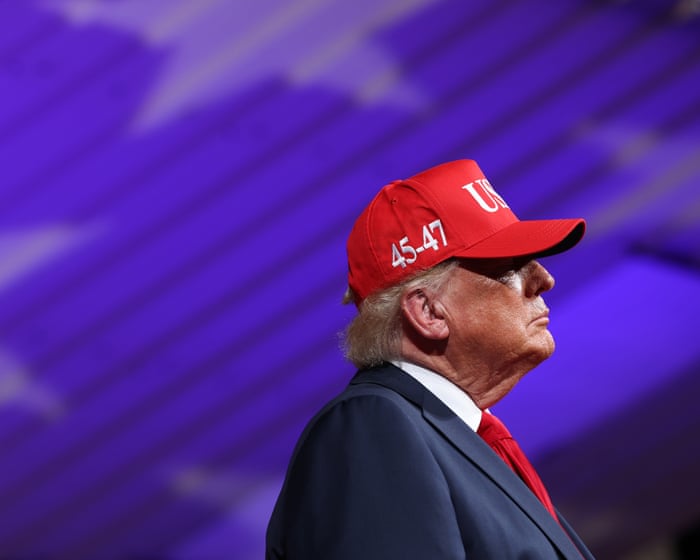
President Donald Trump criticized the European Union’s plan to offer Canada associate membership and threatened to impose heavy tariffs or stop trade with Europe. The EU proposed closer cooperation with Canada on issues like technology, defense, and energy amid shifting global alliances.
Key Facts
President Trump called the EU’s offer to Canada to become an associate member “laughable.”
Trump suggested possible “very serious tariffs” or ending trade with Europe in response.
The European Commission invited Canada to join as its first associate member, signaling closer ties.
Canada and the EU already have a trade deal but want to expand cooperation on tech, defense, and energy.
Canada applied to join the British-led Joint Expeditionary Force, a military partnership with 10 NATO countries.
EU leaders emphasize deepening relationships with democracies as global rules face challenges.
The EU’s associate membership category is new and its details and effects are unclear.
Cooperation areas mentioned include AI, cyber security, critical minerals, batteries, and Arctic projects.
Read the Original
Want the full story? Tap a source to open the original
article.
Israel and Morocco have agreed to open embassies in each other's countries after talks involving their foreign ministers and the US ambassador to the United Nations in New York. This step follows the 2020 Abraham Accords, which established diplomatic relations between Israel and several Arab states, including Morocco.
Key Facts
Israel and Morocco decided to open embassies in each other's countries.
The decision came after a meeting between their foreign ministers and the US ambassador to the UN.
The two countries first established ties in 2020 under the US-led Abraham Accords.
Both countries committed to upgrading their diplomatic relations and appointing ambassadors.
They plan to finalize several economic agreements by the end of the year.
High-level visits between Israel and Morocco are expected in the coming months.
The statements did not specify when the embassies will officially open.
The US sees the diplomatic ties as beneficial for peace between the two countries.
Read the Original
Want the full story? Tap a source to open the original
article.
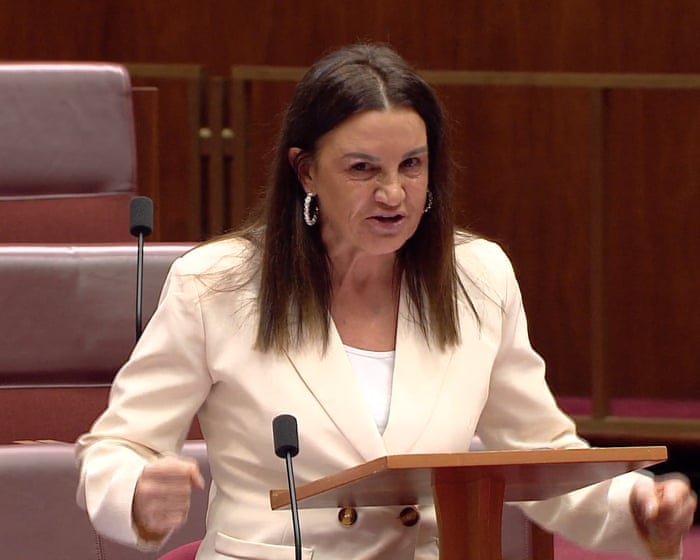
The Australian Labor government has dropped plans to limit veterans’ allied health services to $5,000 after facing strong criticism from politicians, veterans, and advocacy groups. Veterans Affairs Minister Matt Keogh announced the change following concerns raised about the proposed cap’s impact on veterans’ care.
Key Facts
Labor planned to set a $5,000 limit on allied health services for defense veterans starting July 1, 2027.
The government reversed the decision after pressure from opposition, veterans, and Senator Jacqui Lambie.
Veterans Affairs Minister Matt Keogh said the government listened to veterans’ concerns and removed the cap proposal.
Senator Jacqui Lambie had spoken publicly about how the cap could harm veterans, sharing her own health struggles.
Opposition leader Angus Taylor criticized the policy and called for Minister Keogh to be removed.
Veterans and advocacy groups said the cap would especially hurt the most injured veterans.
The government had planned the cap to reduce paperwork, allowing veterans to apply for extra help if needed.
Veterans Affairs Minister Keogh received thanks from veterans and groups for reversing the decision.
Read the Original
Want the full story? Tap a source to open the original
article.
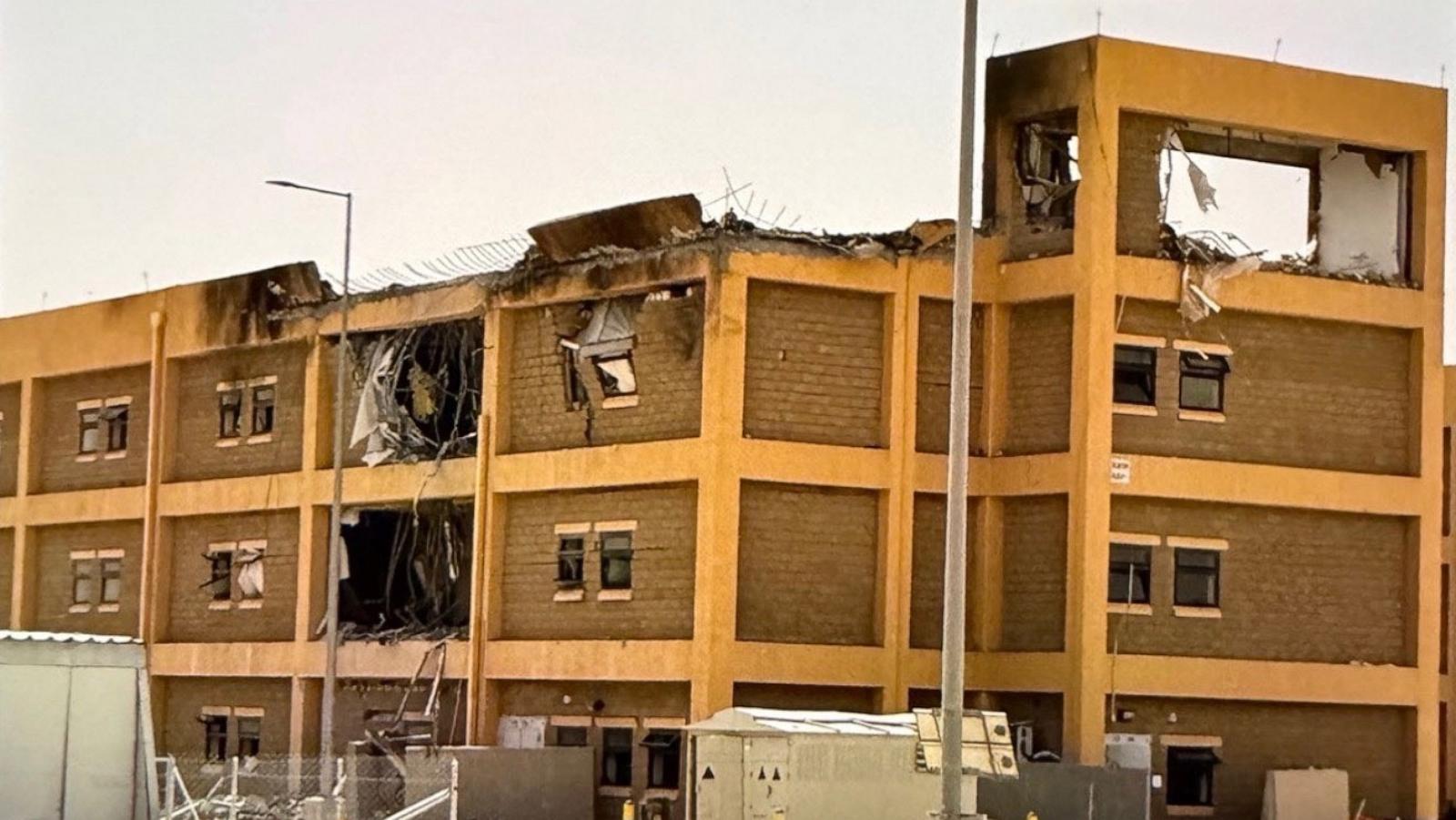
Photos and reports show that U.S. military bases in the Middle East have suffered heavy damage from Iranian attacks since the war began in February 2026. Hundreds of buildings and structures were damaged, and repairing the damage will take many years. The war has also caused the deaths of 18 American service members and wounded over 800.
Key Facts
The war started on February 28, 2026, between the U.S. and Iran.
Iranian attacks damaged U.S. bases in Kuwait, Saudi Arabia, Bahrain, Qatar, UAE, Iraq, Oman, and Jordan.
An internal Pentagon report found hundreds of buildings and structures were damaged.
Repairing the damage is expected to take decades.
Since the war began, 18 U.S. service members have died and 824 have been wounded.
The war has cost about $33 to $38 billion, according to government estimates.
Photos show damaged buildings and aircraft, including at Camp Arifjan in Kuwait and Prince Sultan Air Base in Saudi Arabia.
The Pentagon has taken steps to protect personnel by moving them from bases that are vulnerable to attacks.
Read the Original
Want the full story? Tap a source to open the original
article.
The U.S. is urgently investigating cyberattacks on oil tankers heading to the country. Officials are examining if Iran may have been involved in these attacks.
Key Facts
The investigation focuses on cyberattacks against oil tankers bound for the U.S.
U.S. authorities are exploring Iran's possible role in these attacks.
The attacks raised immediate concerns about the security of oil shipments.
The investigation is ongoing and considered urgent.
The affected tankers are carrying oil supplies important to the U.S.
Details about the attack methods or damage have not been fully disclosed.
This issue is part of broader concerns about cybersecurity in international shipping.
Read the Original
Want the full story? Tap a source to open the original
article.
The Brevard County Zoo in Melbourne, Florida, has welcomed a new baby giraffe. The giraffe, about six feet tall at birth, took its first steps with help from its mother.
Key Facts
The zoo is located in Melbourne, Florida.
A baby giraffe was recently born there.
The newborn giraffe is about six feet tall.
The mother giraffe helped the baby take its first steps.
The event was shared by David Muir, a news anchor.
This story highlights a new addition to the zoo’s animal family.
The article includes a video showing the baby giraffe’s first steps.
Read the Original
Want the full story? Tap a source to open the original
article.
The US Central Command says its blockade of the Strait of Hormuz is working very well. Captain Tim Hawkins said that Iran does not control the waterway and that 900 million barrels of oil have passed through the strait since May.
Key Facts
The US Central Command has a blockade of the Strait of Hormuz.
Captain Tim Hawkins spoke to Al Jazeera about the blockade.
The blockade is described as "highly effective" by the US military.
Iran does not control the Strait of Hormuz according to US Central Command.
Since May, 900 million barrels of oil have passed through the strait.
The Strait of Hormuz is an important waterway for oil transportation.
Read the Original
Want the full story? Tap a source to open the original
article.
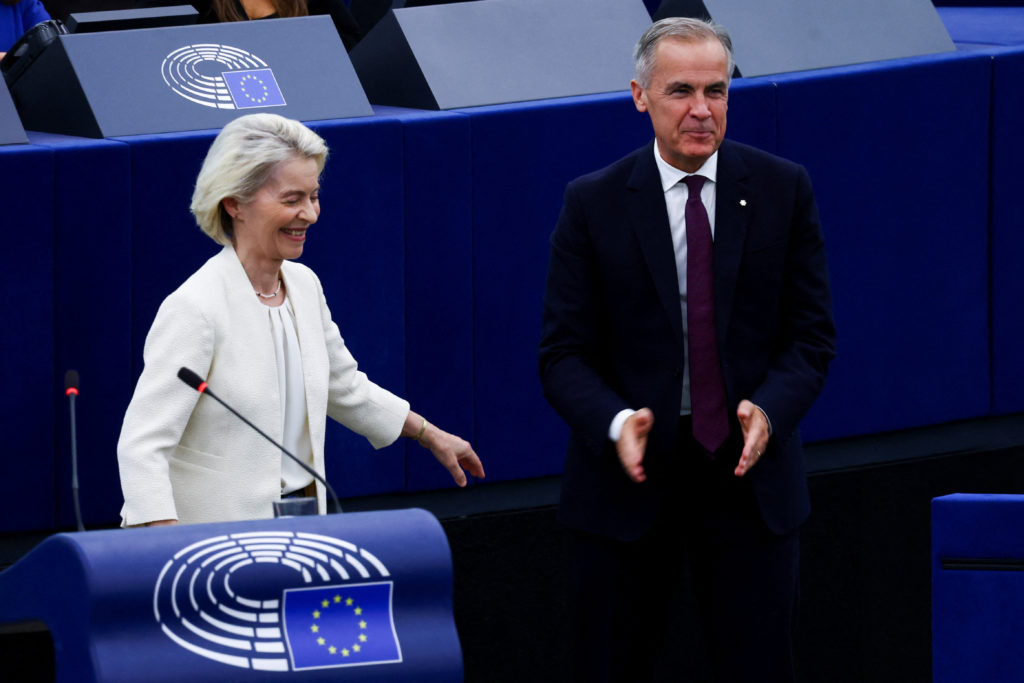
President Donald Trump warned the European Union that making Canada an "associate member" could lead to new US tariffs and trade restrictions. The EU recently proposed this new status to strengthen ties with Canada amid worsening US-Canada trade relations.
Key Facts
President Trump threatened new tariffs if the EU’s move to make Canada an associate member has "bad intentions."
He called Canada a "terrible trade partner" and said cutting trade with Europe is possible.
EU Commission President Ursula von der Leyen proposed the idea of Canada becoming the EU’s first associate member.
This "associate membership" status does not currently exist and would need approval from all EU countries.
Canadian Prime Minister Mark Carney’s office welcomed closer ties with the EU but did not fully endorse associate membership.
Canada wants to build stronger trade and cooperation links with Europe, including in technology, defense, and energy.
Talks between Canada and the EU are planned for a summit in Montreal next month.
Canada is seeking to reduce its economic reliance on the US amid a growing trade dispute.
Read the Original
Want the full story? Tap a source to open the original
article.
Peter Max, an artist known for his colorful, psychedelic pop art tied to the 1960s flower power movement, died at age 88. His art appeared in many places, including sports events, postage stamps, and public spaces, and he was known for promoting peace and optimism through his work.
Key Facts
Peter Max was 88 years old when he died; no cause of death was mentioned.
He became famous in the 1960s for his bright, swirly designs symbolizing flower power and peace.
Max’s art appeared at major events like the Olympics, Super Bowl, and World Cup.
His designs were used on everyday items like posters, clocks, bedspreads, and even a cruise ship and airplane.
Born in Berlin in 1937, Max’s family fled Nazi Germany, spending time in various countries before settling in New York.
He faced legal trouble in 1997, pleading guilty to tax fraud and completing community service teaching art in Harlem.
In later years, he had family disputes involving his finances and guardianship, which attracted media attention.
Max described his work as focusing on peaceful, positive subjects rather than negative themes.
Read the Original
Want the full story? Tap a source to open the original
article.
Ed Sheeran's upcoming tour has faced problems after rapper Macklemore was removed as an opening act because of his comments supporting Palestine. Following this, other performers also quit the tour.
Key Facts
Macklemore was originally set to open for Ed Sheeran on his tour.
He was dropped from the tour due to his pro-Palestine public statements.
After Macklemore's removal, all other supporting acts chose to leave the tour.
The situation has caused public debate and media coverage.
CBS News reported on the situation, including insights from music experts.
Read the Original
Want the full story? Tap a source to open the original
article.
European Commission President Ursula von der Leyen proposed that Canada become the European Union’s first associate member. U.S. President Donald Trump reacted by calling the idea "laughable" and warned he might impose new tariffs on the EU if the move had bad intentions.
Key Facts
Ursula von der Leyen suggested Canada join the EU as its first associate member.
The proposal comes as Canada looks to reduce trade dependence on the United States.
About 70% of Canada’s exports currently go to the U.S.
President Trump said Canada joining the EU could be seen as a "hostile act."
Trump threatened to impose heavy tariffs on Europe if the move had negative intentions.
Trump also called Canada a “terrible trade partner.”
Prime Minister Mark Carney supports a closer alliance between Canada and the EU.
The U.S.-Canada trade relationship has been tense due to Trump’s tariffs and comments.
Read the Original
Want the full story? Tap a source to open the original
article.
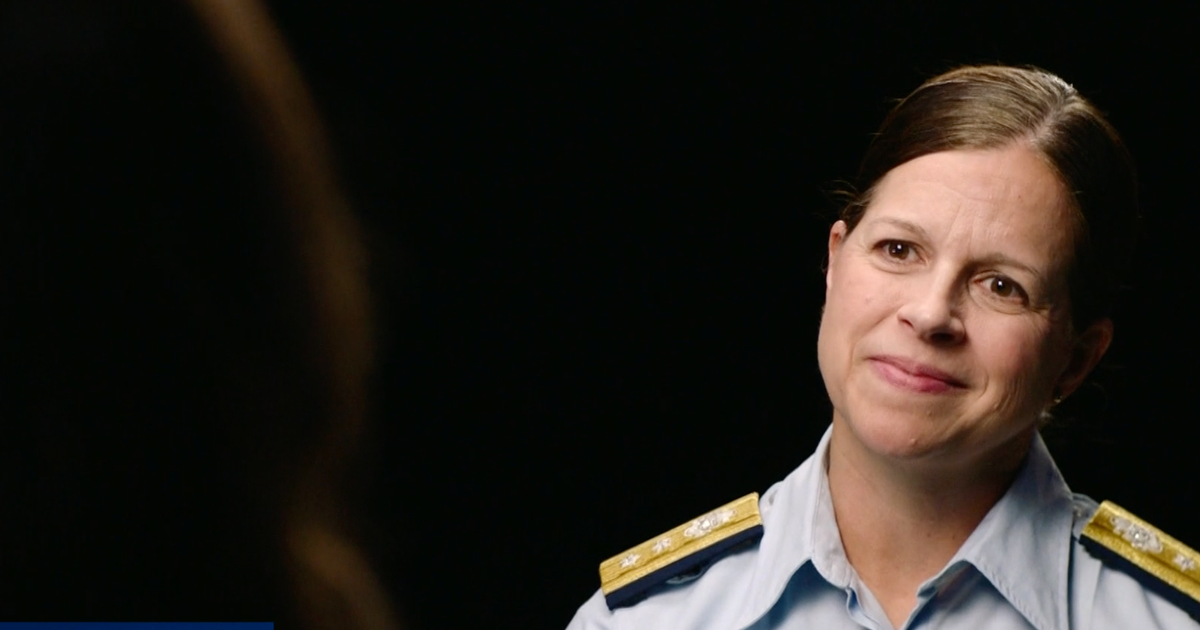
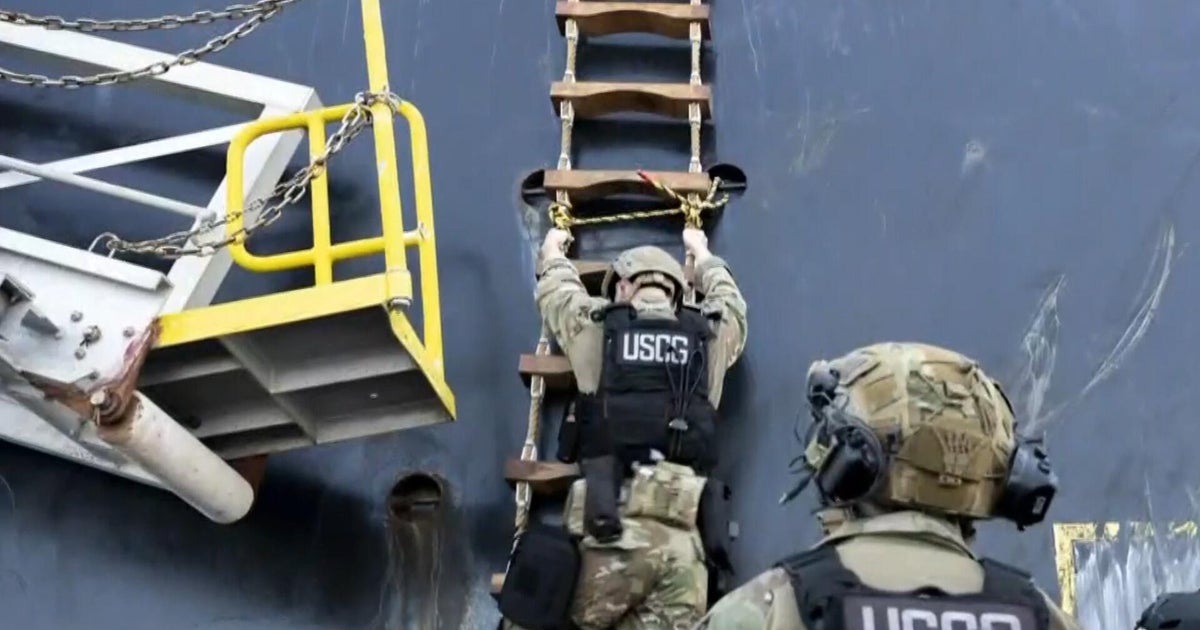
U.S. Coast Guard and FBI agents boarded two oil tankers bound for Texas after cyberattacks disrupted their systems during transit. Officials are investigating who caused the attacks, with Iran mentioned but no official blame assigned yet.
Key Facts
Two energy tankers headed for Texas were hit by cyberattacks while at sea.
The VL Prosperity, a large crude oil tanker, experienced system disruptions including propulsion and navigation.
Iranian state media claimed hackers accessed and affected the VL Prosperity's engine and fuel systems.
U.S. Coast Guard Cyber Command found evidence of malicious cyber activity on the ships.
Investigators, including the FBI, spent days onboard to check for malware and security weaknesses.
No danger to the ships’ navigation or safety was reported during the investigation.
Modern ships use internet-connected systems for critical functions like steering and propulsion.
Cyberattacks on ships could cause serious problems like blocking waterways or causing pollution.
Read the Original
Want the full story? Tap a source to open the original
article.
Police are investigating a Philadelphia home connected to the disappearances of five women after finding disturbing photos and videos there. The house belonged to Eugene Horsch and his late father, Raymond “R.C.” Horsch, and investigators are reviewing over a million files to understand what happened.
Key Facts
Five missing women are linked to a Philadelphia home in the Olney neighborhood.
Police found images and videos showing some women unconscious or lifeless inside the house.
The home was connected to Eugene Horsch and his deceased father, Raymond “R.C.” Horsch.
Police have identified 58 people in the digital evidence so far and are still reviewing thousands of videos.
Among the missing are Gabrielle Amarando (disappeared in 2012) and Maribel Fresses (disappeared in 2018).
Video from 2017 shows Raymond Horsch handcuffing and placing a zip tie around a woman’s neck, but it is unclear if she died.
No bodies or physical evidence have been recovered to confirm deaths linked to the house.
Police recovered five urns believed to contain remains of Raymond Horsch, his sister, a friend, and others, but some identities are unknown.
Read the Original
Want the full story? Tap a source to open the original
article.
New research shows England needs at least seven months of above-average rainfall to end its drought by spring 2027. Despite some recent rain, most of England remains in drought due to a dry spring and summer, and water levels are still low.
Key Facts
Around 75% of England is still experiencing drought conditions.
About 120% of usual rainfall is needed between now and April to end the drought everywhere in England.
Some regions, like Devon, Cornwall, and East Anglia, may still face drought in spring 2027 even with wetter autumns.
There is roughly a 25% chance that half of England could still be in drought next spring.
Severe drought means serious water shortages affecting the environment, farms, people, and the economy; England hasn’t had a severe drought since 1976.
Reservoirs in England are at about 57% capacity, which is lower than usual for this time of year.
Scotland and Wales also face water shortages, with parts of Scotland at significant water scarcity.
The Met Office forecasts a wetter-than-average autumn, partly influenced by the current strong El Niño weather pattern.
Read the Original
Want the full story? Tap a source to open the original
article.
Flooding caused by heavy rains in northwestern New Mexico has killed three people, including two adults and one child, near the Navajo Nation community of Newcomb. Authorities warned residents to be careful as more heavy rain and possible flash floods are expected in New Mexico and surrounding states.
Key Facts
Three people died after being swept away by floodwaters near Newcomb, New Mexico.
The victims included two adults and one child.
Navajo Nation President Buu Nygren offered condolences and urged caution.
The National Weather Service issued warnings about heavy rain and thunderstorms in the region.
Flash flood watches and warnings are in effect for parts of New Mexico, Arizona, Colorado, and Utah.
Record-high moisture levels for mid-September are expected to increase flood risks.
This flooding follows recent deadly floods at the Grand Canyon in Arizona that affected hikers.
Residents are advised to stay alert about weather updates and avoid flooded areas.
Read the Original
Want the full story? Tap a source to open the original
article.
The FBI and U.S. Coast Guard are investigating a large oil tanker heading to Texas that may have been hacked. Iranian media says hackers controlled the ship’s propellers, raising fears that such ships could be used as weapons.
Key Facts
U.S. FBI and Coast Guard are involved in the investigation of the oil tanker.
The tanker is traveling to Texas.
There are suspicions the ship was targeted in a cyberattack.
Iranian state media claims hackers managed to control the ship’s propellers.
Controlling ship propellers remotely could be dangerous and a security threat.
Authorities are looking into possible risks of hacking large vessels.
This case highlights concerns about cybersecurity in maritime transport.
Read the Original
Want the full story? Tap a source to open the original
article.