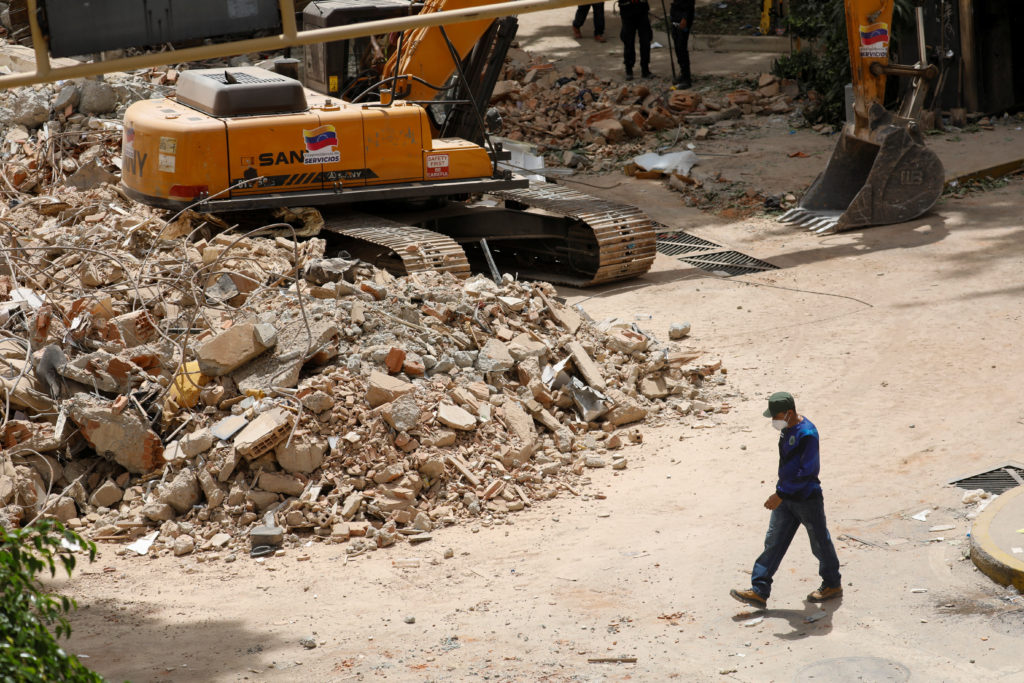
Two strong earthquakes hit northern Venezuela on Wednesday, killing at least 188 people and injuring about 1,500. Rescue teams are working in damaged areas, especially the coastal city of La Guaira, where many buildings collapsed and the main airport was damaged.
Key Facts
Two earthquakes struck northern Venezuela with magnitudes of 7.2 and 7.5.
At least 188 people died, more than 200 were trapped, and about 1,500 were injured.
The strongest damage was in La Guaira, a coastal city north of the capital Caracas.
The main airport in La Guaira was damaged and closed, slowing aid efforts.
Thousands of people evacuated buildings, and many were reported missing.
Rescue teams from inside Venezuela and the United Nations are working in the disaster area.
Venezuela’s acting President Delcy Rodríguez is leading the response to the crisis.
Venezuela lies on the border of two tectonic plates, but strong earthquakes are rare there.
Read the Original
Want the full story? Tap a source to open the original
article.
In Iran, the first month of the Islamic calendar, Muharram, is marked by Ashura ceremonies to mourn the death of Imam Hussein, a key figure in Shia Islam killed over 1,300 years ago. These ceremonies mix religious traditions with political messages that support the Iranian state and honor leaders seen as martyrs in ongoing conflicts.
Key Facts
Muharram is the first month of the Islamic calendar and a period of mourning in Iran.
Ashura commemorates the death of Hussein ibn Ali, the grandson of Prophet Muhammad, who died in a historic uprising.
The Iranian government links Ashura’s religious meaning to its political narrative, portraying itself as continuing Hussein’s fight against injustice.
State media and supporters honor leaders like Iran’s Supreme Leader Ayatollah Ali Khamenei and Hezbollah’s Hassan Nasrallah as martyrs.
Khamenei died months ago during a conflict involving the US and Israel and will be buried in a major Shia shrine in July, with ceremonies expected to last weeks.
Cities in Iran display black cloths, host processions, hold state-organized events with music and chanting, and distribute food during this period.
Some Ashura events focus purely on religious tradition and family remembrance, including cooking traditional foods and small ceremonies.
Security forces often oversee public demonstrations linked to the state during Ashura.
Read the Original
Want the full story? Tap a source to open the original
article.
A small plane with 10 people onboard crashed in a remote area of Alaska because of engine trouble. The crash happened far from any large cities, deep in the wilderness.
Key Facts
The plane was carrying 10 passengers.
It crashed in the Alaskan wilderness on Monday.
Engine problems caused the crash.
The location is hundreds of miles away from the closest major city.
Video from inside the plane after the crash was shared by CBS News.
Read the Original
Want the full story? Tap a source to open the original
article.
US Secretary of State Marco Rubio visited Gulf countries to reassure them that the US will protect their security after a deal aims to end conflict involving Iran. He emphasized that the US wants a lasting agreement with Iran, but Iran should not control important shipping routes or have nuclear weapons.
Key Facts
Marco Rubio met Gulf Cooperation Council (GCC) leaders in Bahrain.
The visit followed an agreement intended to end the US-Israel conflict connected to Iran.
Rubio said the US wants a permanent deal with Iran but not at any cost.
Iran should not charge fees for ships passing through the Strait of Hormuz, a key shipping route.
Rubio insisted Iran must not have nuclear weapons.
Gulf states were attacked by Iran during the war, raising their security concerns.
The GCC wants a larger role in regional security decisions, especially about the Strait of Hormuz.
Experts discussed whether the US can fully address Gulf countries’ concerns and include them in future plans.
Read the Original
Want the full story? Tap a source to open the original
article.
William Bourdon said that Albania needs brave people to fight against greed and corruption. He highlighted the important roles of whistleblowers, NGOs (non-governmental organizations), and protesters in this effort.
Key Facts
William Bourdon spoke about Albania’s battle against political greed and corruption.
Courageous people are needed to make progress in fighting corruption.
Whistleblowers help by reporting wrongdoing inside organizations.
NGOs support transparency and anti-corruption work.
The Flamingo Revolution protesters in Albania are active in demanding change.
The statement was made during a France24 debate on June 25, 2026.
The message emphasizes the cooperation of citizens and groups in combatting corruption.
Read the Original
Want the full story? Tap a source to open the original
article.
Two strong earthquakes hit Caracas and nearby areas in Venezuela, causing buildings to collapse and residents to flee into the streets. The government declared a state of emergency, rescue teams are working to find trapped people, and many are staying outside due to aftershocks and damage.
Key Facts
Two major earthquakes struck Caracas and the coastal state of La Guaira on Wednesday evening.
Buildings swayed, cracked, and some collapsed, notably a 22-story building in the Altamira neighborhood.
Acting President Delcy Rodríguez declared a national emergency due to widespread destruction.
Millions of people are affected and many are spending the night outdoors, in cars, or in open spaces.
The U.S. Geological Survey warned there is a significant chance that deaths could exceed 10,000.
Communications were disrupted in parts of Caracas, complicating rescue and family contact efforts.
Residents reported long, violent shaking, making escape difficult and causing panic.
Community members are helping each other by forming groups to check on vulnerable neighbors and clear debris.
Read the Original
Want the full story? Tap a source to open the original
article.
David Clayton-Thomas, lead singer of the band Blood, Sweat & Tears, has died at age 84 in Toronto. He was known for his distinctive voice and helped the band gain wide fame in the late 1960s with hit songs and two Grammy Awards.
Key Facts
David Clayton-Thomas died peacefully at St. Michael’s Hospital in Toronto at age 84.
He was the lead singer of Blood, Sweat & Tears, a band popular in the late 1960s.
The band won two Grammys in 1969, including best album over the Beatles’ “Abbey Road.”
Their music combined rock with horns and jazz influences.
Clayton-Thomas’s voice featured on hits like “Spinning Wheel” and “And When I Die.”
He was originally from England, raised in Canada, and overcame a troubled youth before becoming a star.
Blood, Sweat & Tears performed at Woodstock in 1969 and toured Eastern Europe as part of a U.S. government cultural exchange.
Clayton-Thomas recorded over a dozen solo albums and was inducted into the Canadian Music Hall of Fame in 1996.
Read the Original
Want the full story? Tap a source to open the original
article.
During a heatwave, social support and checking on vulnerable people can save lives. Experts say community help and strong local networks are important to respond effectively to extreme heat.
Key Facts
Heatwaves can be deadly, especially for people who are isolated or vulnerable.
A simple action like knocking on a door to check on someone can prevent deaths.
Eric Klinenberg from NYU emphasizes the importance of community support during heatwaves.
Strong social infrastructure means having systems and networks to help people in emergencies.
France is currently experiencing a heatwave, putting pressure on its health system.
Vulnerable groups, such as homeless migrants in Paris, face greater risks in extreme heat.
The article also mentions other recent world events, including climate obligations for companies, protests in Kenya, and earthquakes in Venezuela.
Read the Original
Want the full story? Tap a source to open the original
article.
Two strong earthquakes hit Venezuela on June 24, causing severe damage and killing at least 188 people. Many buildings collapsed, and thousands were injured as the tremors affected Caracas and surrounding areas.
Key Facts
Two earthquakes occurred close together with magnitudes of 7.2 and 7.5.
At least 188 people died, and thousands were injured.
The hardest-hit areas include Caracas, La Guaira, and parts of Miranda state.
Many buildings collapsed or were damaged, trapping people under rubble.
More than 10 aftershocks followed the initial earthquakes.
Residents described panic and fear, with some staying outside for safety.
Officials are inspecting buildings for damage to ensure they are safe.
Venezuela is located where two tectonic plates meet, which causes earthquakes.
Read the Original
Want the full story? Tap a source to open the original
article.
A study of nearly 90,000 adults found that spending more time in moderately bright daylight can lower the risk of developing dementia. The research showed that people exposed to more daytime light had a lower chance of dementia, while nighttime light made no difference.
Key Facts
Researchers in China tracked light exposure for over 87,000 adults aged around 62 years old for seven days.
Participants were then followed for about 8 years to see who developed dementia.
Daytime light exposure above 1,000 lux (brightness of an overcast day) reduced dementia risk by 16%.
Exposure to very bright light (at least 5,000 lux) lowered dementia risk even more.
Less than 0.7 hours of bright daytime light per day was a stronger dementia risk factor than six known risk factors.
Nighttime light exposure had no significant effect on dementia risk.
The protective effect of daytime light was strongest for people with high nighttime light exposure, evening activity patterns, or the APOE ε4 gene linked to Alzheimer’s.
Daytime light may affect the brain through improving circadian rhythms and brain structure.
Read the Original
Want the full story? Tap a source to open the original
article.
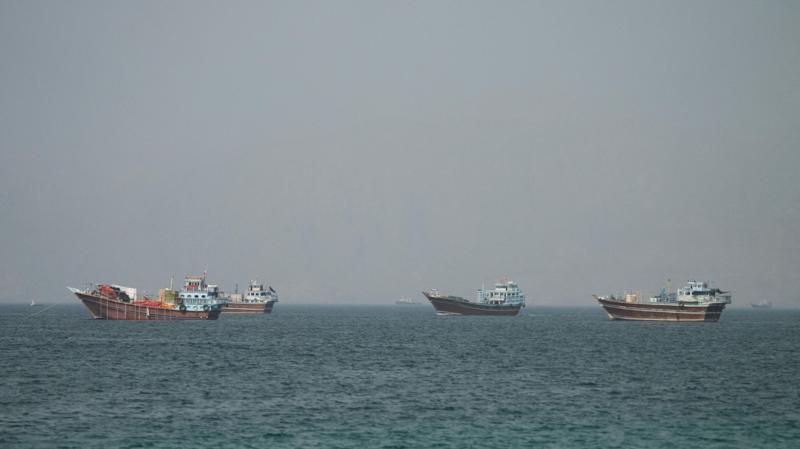
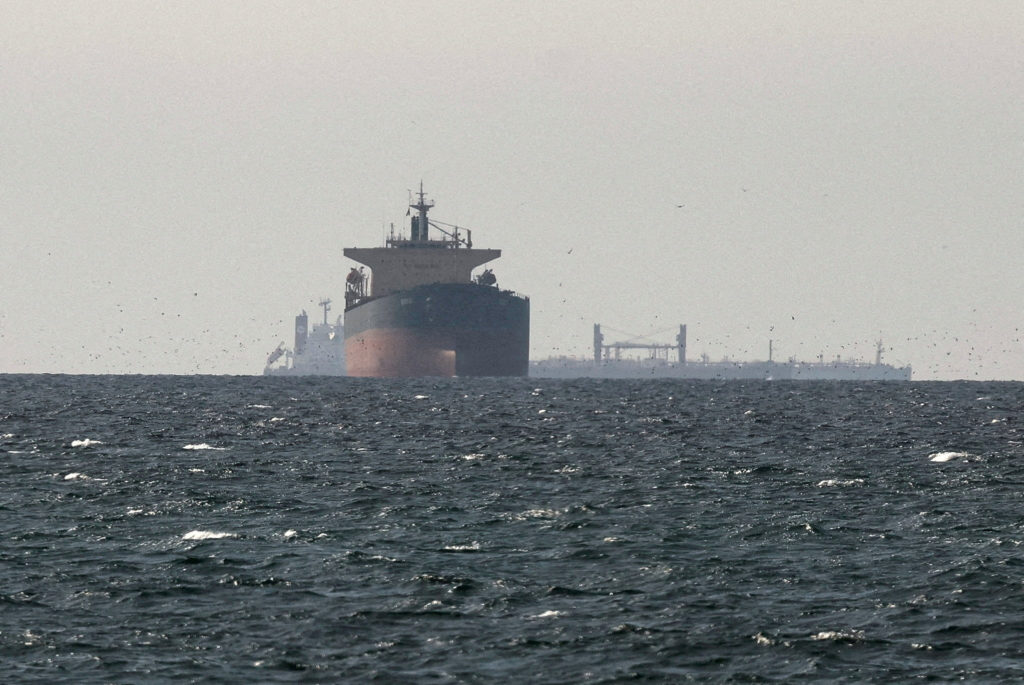
The United Nations’ International Maritime Organization (IMO) has stopped its plan to evacuate over 11,000 sailors from the Strait of Hormuz after a cargo ship was attacked. The attack did not happen under the UN evacuation plan, and the IMO wants to ensure safety before continuing.
Key Facts
A cargo ship named Ever Lovely was hit by an unknown projectile near Oman but suffered no casualties.
The Ever Lovely continued through the Strait of Hormuz despite the attack and did not need help.
The IMO had planned to evacuate sailors stranded in the Strait but paused the operation for safety reasons.
The evacuation plan involved cooperation from Iran, Oman, the US, and other regional countries.
The Strait of Hormuz is a critical waterway for global oil and gas shipments.
The US and Iran agreed to a 14-point deal for a 60-day safe passage of ships without charges.
Iran intends to charge fees for passage, which the US opposes, calling the strait an international waterway.
Oil prices have fallen to levels seen before the conflict between the US-Israel and Iran started in February.
Read the Original
Want the full story? Tap a source to open the original
article.
Europe is experiencing a record-breaking heatwave that is moving eastward across the continent. The high temperatures are unusual and have caused concern for health and safety.
Key Facts
The heatwave in Europe is breaking previous temperature records.
The extreme heat is shifting from western to eastern parts of Europe.
Such high temperatures are rare for this time of year in Europe.
Authorities have issued warnings to help people stay safe.
The heatwave is causing challenges for daily life and public health.
Experts link the pattern to changing weather systems across the continent.
Some countries may face energy and water supply pressures due to the heat.
Read the Original
Want the full story? Tap a source to open the original
article.
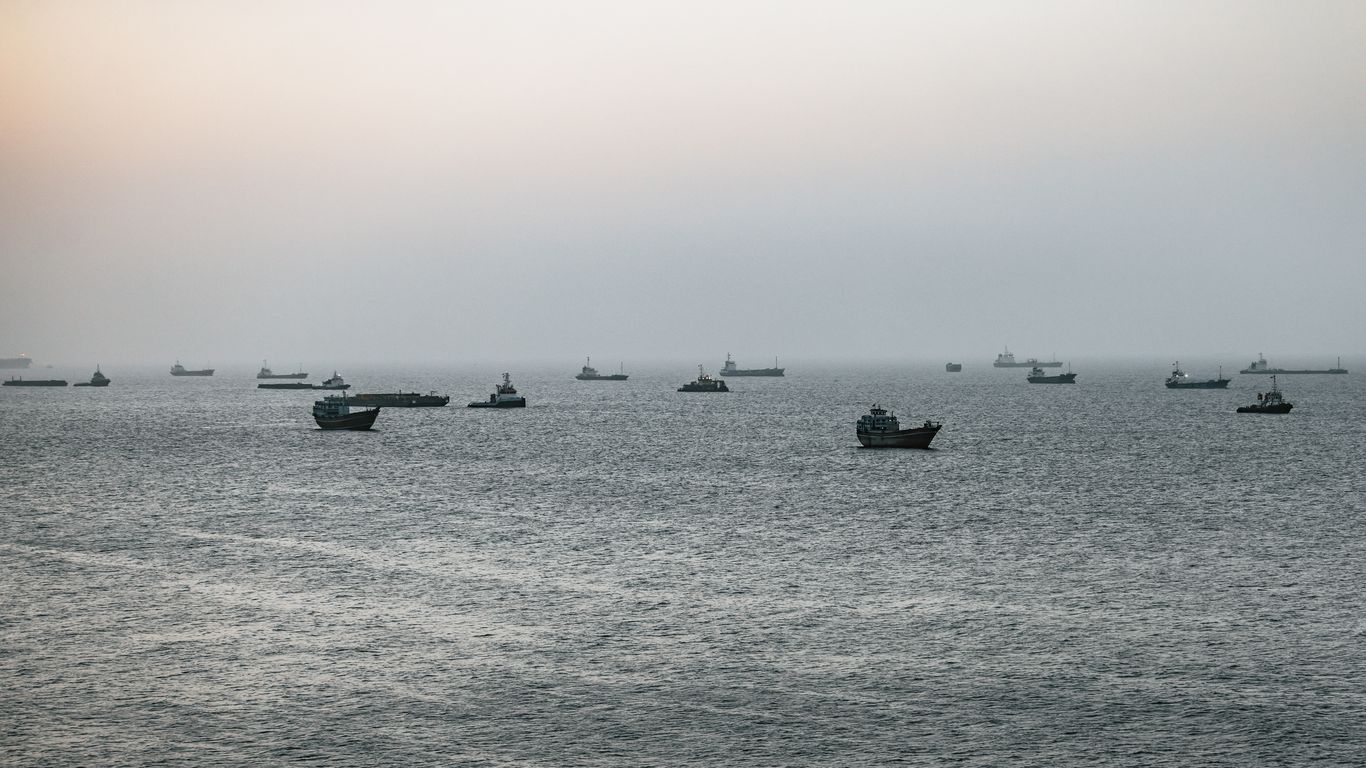
A United Nations agency stopped the evacuation of ships through the Strait of Hormuz after the British military reported a vessel was hit by a projectile near Oman. The International Maritime Organization said the plan to move ships will pause until safety can be confirmed, while tensions rise between the U.S. and Iran over shipping routes and nuclear talks.
Key Facts
The UN's International Maritime Organization paused ship evacuations through the Strait of Hormuz due to safety concerns.
A British military report said a vessel was hit by a projectile off the coast of Oman; no injuries or environmental damage were reported.
Iran warned ships not to use the strait without its permission after the incident.
The Strait of Hormuz is a key waterway for global oil and gas transportation, carrying about 20% of the world's supply.
An alternative shipping route has been set up by Oman and the UN to help trapped ships move safely.
Ship traffic through the strait has increased recently but is still below levels before the nearby war.
The U.S. and Iran are negotiating a peace deal involving safe passage of ships and Iran's uranium stockpile.
Recent fighting in Lebanon between Israel and Iranian-backed militants adds tension to the region.
Read the Original
Want the full story? Tap a source to open the original
article.
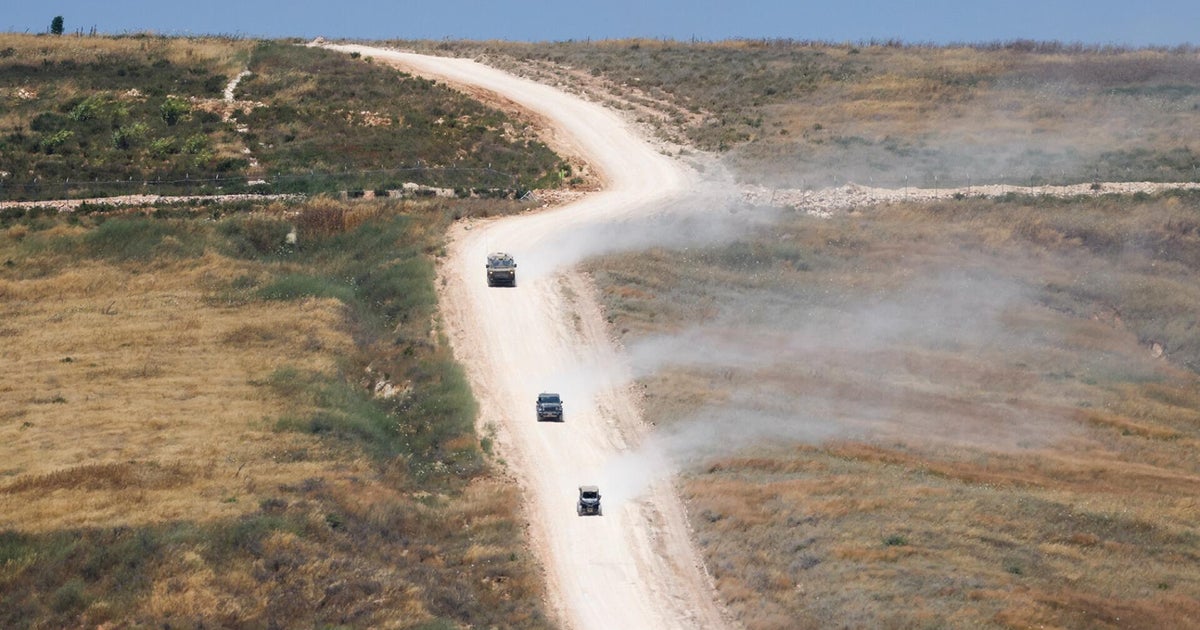
Israel has denied a report that it withdrew some of its soldiers from southern Lebanon. The news came after Reuters claimed a partial troop pullback, but Israeli officials said this is not true.
Key Facts
Reuters reported that Israel had pulled back troops from southern Lebanon.
Israel officially denied this claim.
The report was covered by CBS News senior foreign correspondent Holly Williams.
The situation involves Israeli military presence in southern Lebanon.
Israel maintains its troop positions in that area as of now.
Read the Original
Want the full story? Tap a source to open the original
article.
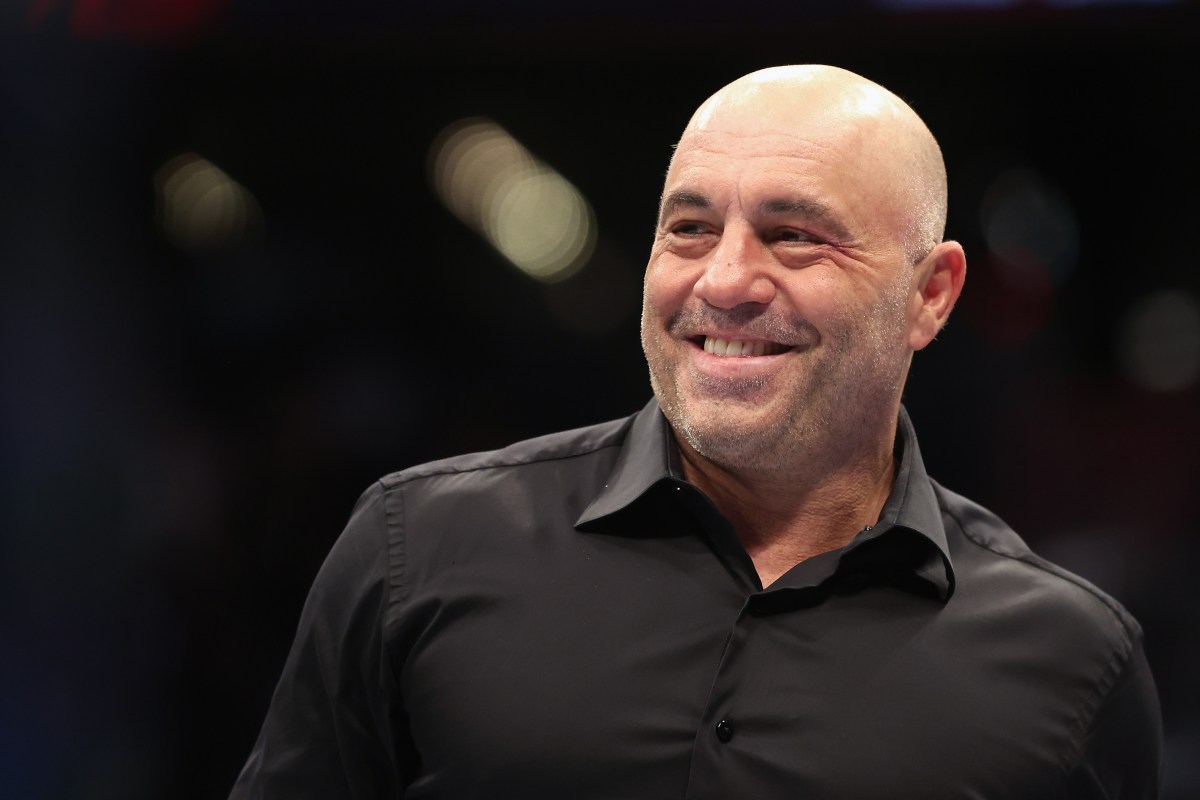
Joe Rogan said on his podcast that some Americans are uncomfortable with Israel’s influence in the U.S., especially after the Hamas attack on Israel in October 2023. His comments led to criticism from groups concerned about rising antisemitism. The article also discusses changes in American public opinion on Israel and the ongoing conflict between Israel and Hamas.
Key Facts
Joe Rogan spoke on his podcast about how Israel’s influence “creeps” some Americans out.
The comments came during a discussion with comedian Tim Dillon.
Rogan mentioned Nick Fuentes, a right-wing figure known for white nationalist views, as someone who talks about Israel’s influence.
Some groups, like The Nexus Project, say Rogan’s remarks contribute to normalizing antisemitism.
On October 7, 2023, Hamas attacked Israel, killing over 1,200 people and abducting 251.
Israel responded with a military operation in Gaza, which has resulted in tens of thousands of deaths.
Public opinion in the U.S. has shifted, with fewer Americans viewing Israel positively since 2023.
Polls show political and generational divides: Democrats and younger people tend to view Israel less favorably than Republicans and older Americans.
Read the Original
Want the full story? Tap a source to open the original
article.
Italy’s Prime Minister Giorgia Meloni and U.S. President Donald Trump have had a public disagreement following the G-7 summit, highlighting differences between Rome and Washington on issues like trade, Ukraine, and conflicts in the Middle East. Meanwhile, Italy is strengthening its ties with France as leaders prepare for a bilateral summit, signaling a possible shift in European relations ahead of upcoming elections in 2027.
Key Facts
There was a public disagreement involving Meloni and President Trump after the G-7 summit.
The disagreement includes issues such as trade, Ukraine, Greenland, Israel, Lebanon, and the Iran war.
Meloni’s refusal to actively participate in the campaign against Iran was questioned.
Italy is improving its relationship with France, including a scheduled summit with President Emmanuel Macron.
The change in relationships may reflect a decline in European far-right admiration for Trump’s style.
Upcoming elections in France and Italy in 2027 could influence these political shifts.
NATO Secretary-General mentioned Italy’s support in a U.S. military operation called Operation Epic Fury.
The article references various global topics but focuses on Europe-U.S. ties and internal European relations.
Read the Original
Want the full story? Tap a source to open the original
article.
Kenyan police arrested 355 people during protests marking the two-year anniversary of deadly demonstrations against tax increases. The government used barriers and tear gas to stop protests, aiming to prevent violence like the deadly events in 2024 when at least 60 people died.
Key Facts
Police detained 355 people across Kenya during anniversary protests.
The protests remembered demonstrators killed two years ago in anti-tax rallies.
Interior Minister Kipchumba Murkomen called those arrested “criminals” but apologized for heavy security measures.
Police fired tear gas to disperse peaceful gatherings near Nairobi’s police station.
Shops and restaurants in Nairobi’s central business district stayed closed due to tight security.
Opposition leaders and families of victims tried to lay flowers at parliament but were blocked by police.
President William Ruto admitted some police officers acted excessively and allocated $15.5 million for victims but activists say this is insufficient.
Protesters want a fair investigation into past police abuse and guarantees against future excessive force.
Read the Original
Want the full story? Tap a source to open the original
article.
The United Nations has stopped plans to evacuate over 11,000 sailors stuck in the Strait of Hormuz after Iran opposed the plan and a cargo ship was reportedly hit near Oman. The pause comes as concerns grow about safety in this busy shipping route, even after a recent truce between the U.S. and Iran.
Key Facts
The UN's International Maritime Organization (IMO) planned to evacuate more than 11,000 sailors stranded in the Strait of Hormuz.
Iran objected to the evacuation plan, calling it dangerous and uncoordinated.
A vessel near Oman was reportedly attacked by an unknown projectile, but there were no immediate reports of injuries.
The IMO paused the evacuation plan to ensure safety and coordination after the attack.
Some ships had already been evacuated under the IMO’s plan before the suspension.
At least two tankers turned back from leaving the Persian Gulf due to safety concerns.
Around 600 ships remain stuck in the area, and 14 sailors have died since conflict began in the region in February.
The situation illustrates how fragile shipping and transit in the Strait of Hormuz remain after recent tensions.
Read the Original
Want the full story? Tap a source to open the original
article.
Hundreds of Bedouin Palestinians protested in the Negev desert against the demolition of homes in villages that Israel does not officially recognize. Community leaders asked the government to recognize their villages and criticized National Security Minister Itamar Ben Gvir for supporting the demolitions.
Key Facts
The protests took place in the Negev desert.
The Bedouin communities live in villages Israel calls "unrecognized."
Israel is demolishing homes in these villages.
Bedouin leaders want official recognition of their communities.
National Security Minister Itamar Ben Gvir supports the demolition policy.
Hundreds of people took part in the protests.
The issue relates to land and housing rights for Bedouins in Israel.
Read the Original
Want the full story? Tap a source to open the original
article.
More than 50 women in France who say they were sexually assaulted or raped are asking the government to remove the time limits for reporting these crimes. Currently, French law allows victims to report sexual assault within 20 years for adults and 30 years for minors, but these limits have stopped many from pursuing legal action.
Key Facts
The women have formed a group called Survivors' Voices to push for ending the statute of limitations on sexual violence cases in France.
The current law gives adults 20 years and minors 30 years to report sexual assault or rape to police.
Some accused in these cases include Jeffrey Epstein, Jean-Luc Brunel (a model agent), and businessman Mohammed Al Fayed.
Jean-Luc Brunel died by suicide in prison while awaiting trial for rape and trafficking minors.
Lisa Brinkworth, a former BBC producer, says she was sexually assaulted during an undercover investigation and her case was dismissed because of the 20-year limit.
Brinkworth is appealing to the European Court of Human Rights and says the BBC has not fully supported her by withholding evidence.
The BBC says it provided materials to French authorities and denies trying to silence Brinkworth.
Legal efforts to reopen some cases have been blocked due to the statute of limitations.
Read the Original
Want the full story? Tap a source to open the original
article.