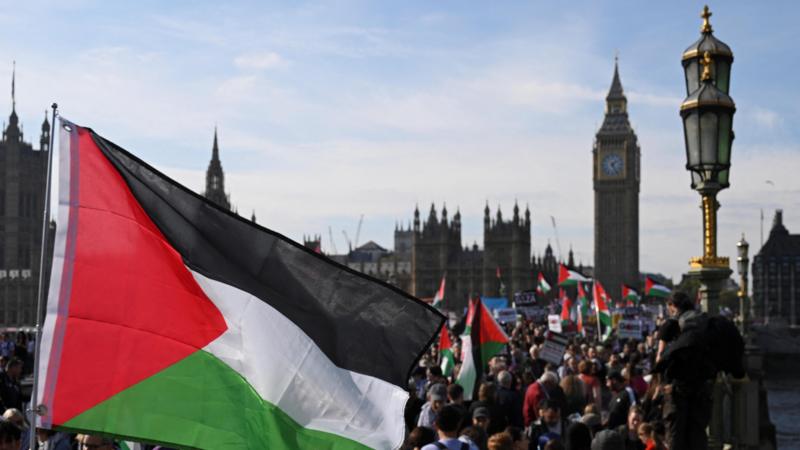
A student from the University of Oxford was arrested for allegedly making comments at a pro-Palestinian protest in London. The arrest was related to suspected incitement of racial hatred. The student has been suspended by the university and is currently in police custody.
Key Facts
A 20-year-old Oxford student was arrested during a pro-Palestinian protest in London.
The student is accused of inciting racial hatred with specific chants.
The chant mentioned "put[ting] the Zios in the ground."
Videos show the student encouraging demonstrators with the chant.
The University of Oxford has suspended the student.
Oxford University emphasized there is no tolerance for hatred or discrimination.
The Metropolitan Police are handling the case and have not released details of the charges.
Read the Original
Want the full story? Tap a source to open the original
article.
A Human Rights Watch report claims that JBS, the largest meat company globally, indirectly supports illegal deforestation in the Brazilian Amazon by buying cattle from ranches involved in land grabs. The report points out that JBS does not track its indirect suppliers effectively, leading to potential contributions to environmental damage and human rights abuses.
Key Facts
Human Rights Watch released an 86-page report about JBS's alleged involvement in Amazon deforestation.
The report focuses on illegal activities in the Brazilian state of Pará.
JBS reportedly does not track its indirect cattle suppliers, leading to a "laundering" system that hides the cattle's origins.
There are concerns that JBS may be contributing to deforestation and human rights abuses without realizing it.
The report notes that cattle ranching is a major cause of deforestation in the Amazon.
Pará has the highest levels of deforestation in the Brazilian Amazon since 2016.
The region also faces significant land conflicts involving illegal ranchers and farmers.
Indigenous communities have been impacted by land grabs, with reports of violence and intimidation.
Read the Original
Want the full story? Tap a source to open the original
article.
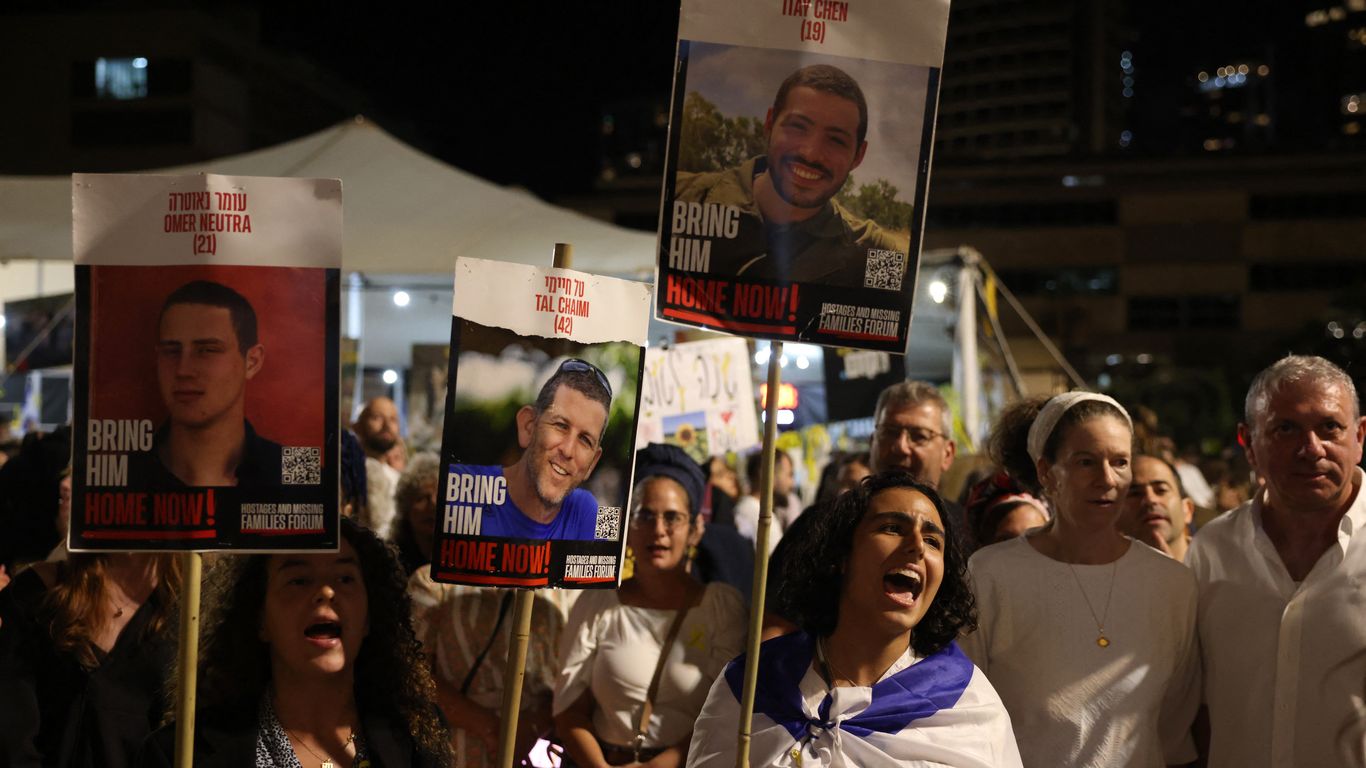
Families of deceased hostages continue to wait for the return of their loved ones' remains from Gaza. A ceasefire agreement requires Hamas to give back the bodies, but challenges remain as not all remains have been located. Israel has taken steps to enforce the agreement, and some bodies have been returned, with efforts ongoing to recover more.
Key Facts
Families have waited over 700 days for the return of their loved ones' bodies from Gaza.
Under a peace deal, Hamas must return over two dozen deceased hostages' bodies.
Israel reduced aid trucks to Gaza but paused the decision after some bodies were returned.
A multinational team is helping locate the hostages' remains.
Hamas returned four bodies on Monday and four more on Tuesday, some identified by the Israel Defense Forces (IDF).
Hostages still unaccounted for include individuals from Israel, the USA, Tanzania, and other countries.
Families of the deceased continue to seek closure but face delays in receiving the remains.
Read the Original
Want the full story? Tap a source to open the original
article.
A Palestinian man named Shadi Abu Sido was released from Israeli prison and discovered his family was alive, despite being told otherwise by a prison officer. He had spent 20 months in detention and was released as part of a prisoner exchange deal. The Israeli prison service claims they follow the law and is not aware of this incident.
Key Facts
Shadi Abu Sido was a Palestinian prisoner in Israel for 20 months.
During his time in jail, a prison officer allegedly told him that his family was dead.
Sido was released as part of a prisoner exchange deal involving nearly 2,000 prisoners.
Once free, he arrived in Gaza and was surprised to find his family alive.
The exchange was part of a US-brokered ceasefire agreement.
Israeli prison officials say they operate within legal guidelines and deny knowledge of the incident.
The report was shared by the BBC.
Read the Original
Want the full story? Tap a source to open the original
article.
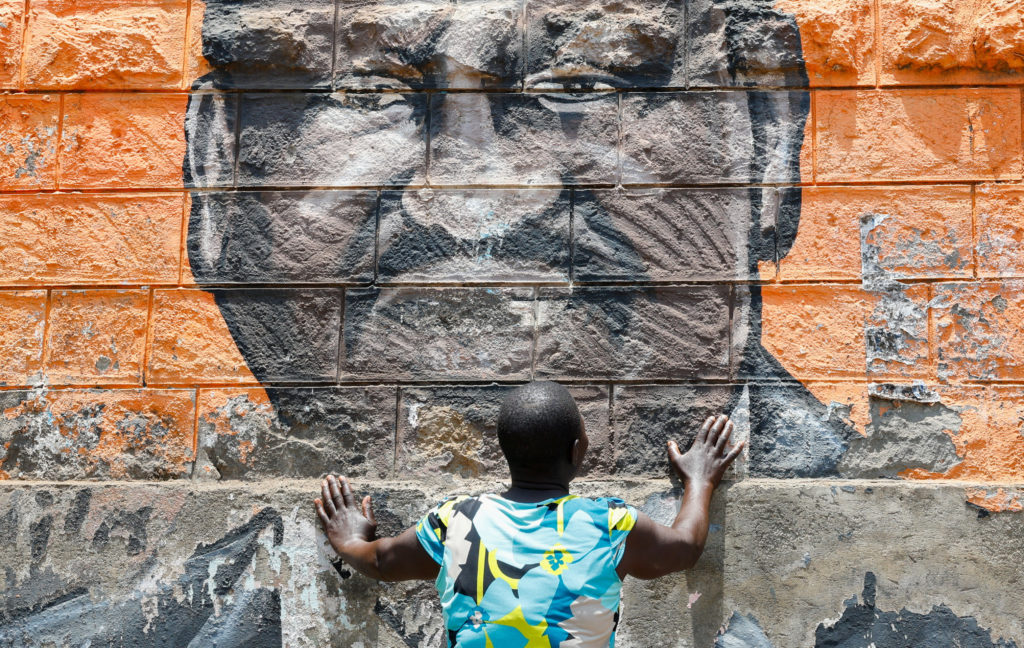
Raila Odinga, a former prime minister and significant political figure in Kenya, died at 80 from a heart attack while in India. Odinga was known for his efforts to challenge one-party rule and promote democracy in Kenya. The Kenyan government declared a national mourning period in his honor.
Key Facts
Raila Odinga was a former prime minister of Kenya.
He passed away at the age of 80 due to a heart attack in India.
Odinga was known for challenging one-party rule in Kenya and promoting democracy.
He ran for president five times over three decades but never won.
In 2007, he came close to winning the presidency, which led to a disputed election and ethnic violence.
He helped transition Kenya to a multiparty democracy.
The current President of Kenya, William Ruto, declared a seven-day mourning period for Odinga.
Odinga will receive a state funeral in Kenya.
Read the Original
Want the full story? Tap a source to open the original
article.
The U.S. has deployed B-52 bombers near Venezuela, showing military power close to Venezuelan airspace. This follows increased U.S. military actions in the region, including strikes linked to allegations of drug trafficking. Venezuela has condemned these actions, viewing them as threats to its sovereignty.
Key Facts
U.S. B-52 bombers flew near Venezuelan airspace, demonstrating military force.
The bombers are known to carry nuclear or regular weapons and can fly long distances.
The actions come after U.S. military strikes on boats off Venezuela accused of drug trafficking.
These strikes have led to deaths, with the most recent one causing six fatalities.
Venezuela has condemned the U.S. military buildup and strikes, claiming they violate international law.
Venezuela has mobilized troops and militia in response to the U.S. actions.
The U.S. has not released details about the purpose or length of the bomber deployment.
Venezuela has asked the United Nations to get involved, citing regional stability concerns.
Read the Original
Want the full story? Tap a source to open the original
article.
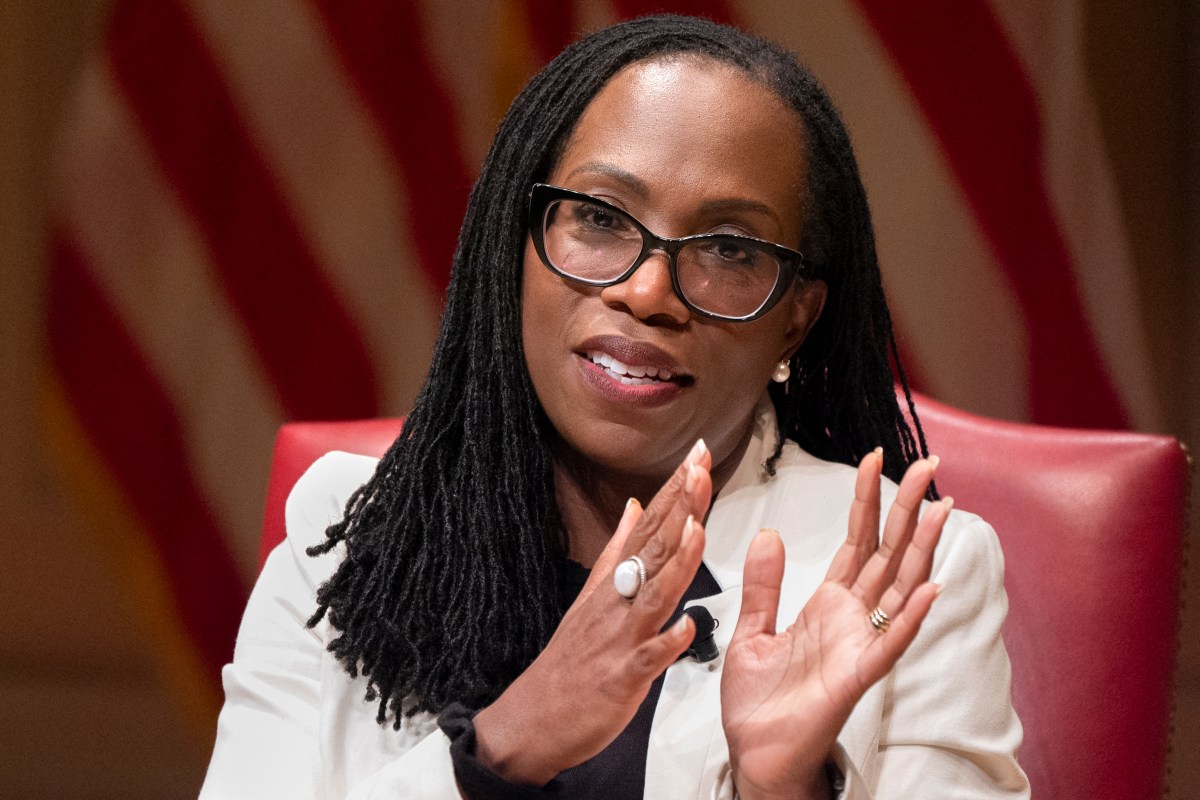
Justice Ketanji Brown Jackson spoke firmly to a lawyer during a Supreme Court case about redistricting. She clarified that the case is about addressing racial discrimination in voting, not just making another majority-Black district.
Key Facts
Justice Jackson is a member of the United States Supreme Court.
The case involves redistricting, which means redrawing district boundaries for elections.
Louisiana's Solicitor General, Ben Aguiñaga, argued in the case.
Justice Jackson interrupted Aguiñaga to correct his statement about the case's focus.
She emphasized that the main issue is addressing vote dilution, which means reducing the impact of some votes, especially concerning racial discrimination.
The discussion took place during oral arguments, where lawyers present their points to the court.
The case relates to the constitutional duty to address and fix racial discrimination in voting.
Read the Original
Want the full story? Tap a source to open the original
article.
Ukrainian officials visited the U.S. to meet with major defense companies, including those making the Tomahawk missile. Ukraine wants these missiles to strengthen its military capabilities. President Donald Trump is considering sending the missiles to Ukraine amid ongoing tensions with Russia.
Key Facts
Ukrainian officials met with U.S. defense companies Raytheon and Lockheed Martin.
Ukraine is interested in acquiring Tomahawk missiles, which have a range of about 1,550 miles.
The Tomahawk missile is produced by Raytheon and can penetrate enemy defenses.
President Trump has discussed possibly sending the missiles to Ukraine, aiming to pressure Russia.
Russia warns that sending Tomahawks to Ukraine would harm U.S.-Russia relations.
Ukrainian President Zelensky seeks to strengthen Ukraine's defense during his meetings in Washington.
No decision has been made yet, but the Pentagon has plans ready if President Trump approves the transfer.
Read the Original
Want the full story? Tap a source to open the original
article.
A woman named Victoria Gill shared a video on TikTok of her dog, Herbert, refusing to walk home from the pub. The video shows Herbert, a Border terrier mix, lying down and refusing to move when he didn't want to follow the chosen route. The video went viral, making people laugh at Herbert's stubborn behavior.
Key Facts
Victoria Gill is a science journalist from Greater Manchester, UK.
Herbert is a 5-year-old Border terrier mix.
The video of Herbert's behavior received over 7,000 likes and more than 180,900 views on TikTok.
Herbert often protests during walks by flopping down if he doesn't want to go a certain way.
Gill’s late mother gifted Herbert to her in 2020.
Herbert also plays air hockey with his food bowl and sings with squeaky toys.
Gill frequently posts videos of Herbert's antics on TikTok.
Read the Original
Want the full story? Tap a source to open the original
article.
Charlie Chaplin used his likeness to Adolf Hitler to create "The Great Dictator," a movie that satirized the Nazi regime. Despite initial resistance from Hollywood studios, Chaplin funded the film himself and delivered a memorable speech advocating for peace and humanity.
Key Facts
"The Great Dictator" was released 85 years ago, in 1940.
Chaplin financed the film himself because Hollywood studios were reluctant.
The U.S. had not entered World War II when Chaplin first wrote the script in 1938.
Chaplin played a parody of Hitler named Adenoid Hynkel.
He also played a Jewish barber who delivers a speech promoting peace and kindness.
Critics and some politicians criticized the film, and Chaplin faced accusations of being a Communist.
The FBI compiled a 1,900-page file on Chaplin due to suspicions about his political leanings.
Read the Original
Want the full story? Tap a source to open the original
article.
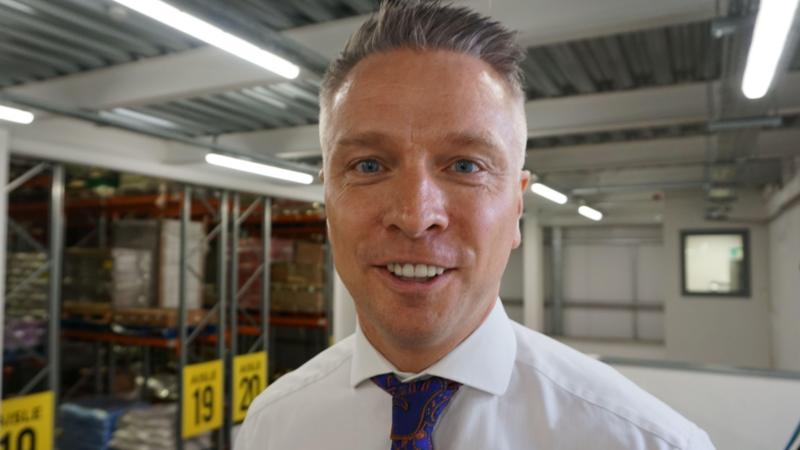
The Windsor Framework, a Brexit deal for Northern Ireland, has resulted in increased costs for customers, according to Andrew Lynas, a major catering supplier. The extra costs come from new paperwork, certificates, and additional charges from suppliers in Great Britain. The Northern Ireland Scrutiny Committee found the framework difficult for businesses to follow.
Key Facts
The Windsor Framework is a Brexit agreement between the UK and EU for Northern Ireland.
The framework aims to ease trade between Northern Ireland and the rest of the UK.
Andrew Lynas says costs have increased for customers due to more paperwork and supplier charges.
The House of Lords' Northern Ireland Scrutiny Committee described the framework as "impossible to navigate."
The UK government believes the framework is necessary to maintain trade without a hard border on the island of Ireland.
The Trader Support Service, meant to help with new customs processes, is recommended for redesign.
Suggestions include simplifying the Trader Support Service and creating a hotline for accessing EU laws applicable in Northern Ireland.
The extra costs raise goods prices by 1% to 3%, and stockholding costs have risen by £500,000.
Read the Original
Want the full story? Tap a source to open the original
article.
Ukrainian officials met with major U.S. weapons manufacturers ahead of a meeting between President Zelenskyy and President Trump. Ukraine is interested in acquiring advanced weaponry to aid in its defense against Russia. Meanwhile, the U.S. and Ukraine are also working on a fund related to Ukraine's mineral resources.
Key Facts
Ukrainian officials met with representatives from Lockheed Martin and Raytheon in the U.S.
Ukraine is interested in obtaining Tomahawk missiles, air defense systems, and agreements for joint drone production.
Raytheon produces the Patriot air defense system and Tomahawk missiles.
President Trump has stated he may send Tomahawk missiles to Ukraine if Russia doesn't stop its conflict.
Ukraine hopes to use Tomahawk missiles for precision strikes deep inside Russia.
The U.S. and Ukraine are finalizing a fund that would allow American access to Ukraine's mineral resources.
European allies and Canada are buying U.S. weapons to support Ukraine.
Ukraine and Russia continue to attack each other's energy infrastructure.
Read the Original
Want the full story? Tap a source to open the original
article.
Dense fog affected parts of the Midwest and West in the United States, leading the National Weather Service (NWS) to issue advisories in seven states. Approximately 1 million drivers faced hazardous travel conditions due to reduced visibility. The advisories encouraged safer driving to prevent accidents.
Key Facts
Dense fog advisories were issued by the NWS in seven states.
Around 1 million drivers were affected by the fog warnings.
Visibility in some areas dropped to a quarter mile or less.
States affected include Minnesota, South Dakota, Nebraska, Wyoming, Montana, Colorado, and Alaska.
Cities impacted by reduced visibility included Rapid City, Cheyenne, and North Platte.
The advisories were active during the morning and lifted by late morning in most areas.
Drivers were advised to reduce speed, use headlights, and maintain a safe distance.
Fog conditions may reoccur if clear skies and light winds continue.
Read the Original
Want the full story? Tap a source to open the original
article.
The U.S. military accidentally hit a Colombian ship during operations meant to target Venezuelan vessels linked to drug trafficking. President Trump announced these actions were authorized and aimed at stopping organizations connected to terrorism. Colombian President Gustavo Petro described the situation as a warlike event in the Caribbean.
Key Facts
The U.S. military targeted Venezuelan vessels in the Caribbean.
A Colombian ship was mistakenly struck during these operations on September 19.
President Trump said strikes aimed to stop drug traffickers linked to a terrorist organization.
Defense Secretary Pete Hegseth authorized these military strikes.
People on the Colombian vessel were suspected of terrorism involvement, but not identified beforehand.
Colombian President Gustavo Petro called the incident a "war scenario" and claimed it involved Colombian citizens.
The situation is developing, and more information is expected to be released.
Read the Original
Want the full story? Tap a source to open the original
article.
Aren Pearson was found guilty of murdering his girlfriend, Claire Leveque, in Shetland, Scotland. Pearson claimed Leveque stabbed herself, but a jury did not believe him and found him guilty. Leveque died from multiple stab wounds, and Pearson is awaiting sentencing.
Key Facts
Aren Pearson, 41, was found guilty of murdering Claire Leveque, 24, in a hot tub in Shetland.
The murder occurred at Pearson's mother's home on 11 February last year.
Both Pearson and Leveque were originally from Canada and moved to Scotland in 2023.
Pearson claimed that Leveque stabbed herself, but the jury did not accept his story.
Leveque died from more than 25 stab wounds to her neck and chest.
Pearson's mother had told police that Pearson had returned with a knife after leaving the kitchen.
Pearson's mother found Leveque covered in blood with severe injuries in the hot tub.
Pearson is scheduled to be sentenced later in the day.
Read the Original
Want the full story? Tap a source to open the original
article.
D'Angelo, a musician known for his unique style, influenced the music industry by helping create the "neo-soul" genre with his 1995 album *Brown Sugar*. This genre blended elements of R&B, hip-hop, jazz, and funk, making a lasting impact on the music scene. D'Angelo passed away at the age of 51, and his music continues to be recognized and enjoyed.
Key Facts
D'Angelo's debut album, *Brown Sugar*, came out in July 1995.
The music from *Brown Sugar* led to the creation of the "neo-soul" genre.
"Neo-soul" combines R&B, hip-hop, jazz, and funk elements.
D'Angelo's sound differed from the more pop-oriented R&B of the time.
*Brown Sugar* eventually sold two million copies and included hits like "Lady" and "Brown Sugar."
Many artists, like Erykah Badu and Jill Scott, followed D'Angelo's neo-soul style.
D'Angelo only released three studio albums during his career.
His manager, Kedar Massenburg, helped to popularize the "neo-soul" label.
Read the Original
Want the full story? Tap a source to open the original
article.
A ceasefire between Israel and Hamas, mediated by President Trump, is mostly holding after two years of conflict. It involved the release of nearly 2,000 Palestinian prisoners and Israeli hostages. Humanitarian aid has started to enter Gaza, and displaced Palestinians are returning to their homes.
Key Facts
A ceasefire between Israel and Hamas began after two years of fighting.
The ceasefire was negotiated by President Trump.
Israel released nearly 2,000 Palestinian prisoners.
Hamas freed 20 Israeli hostages.
Humanitarian aid is entering Gaza through the Kissufim crossing.
Displaced Palestinians are returning to their damaged homes in Gaza.
Celebrations occurred as families reunited following the prisoner and hostage exchanges.
Read the Original
Want the full story? Tap a source to open the original
article.
President Donald Trump ordered a military strike on a vessel near Venezuela, linked to the drug trade and networks associated with Venezuelan President Nicolas Maduro. Analysts suggest the U.S. may escalate military actions to pressure Maduro's regime, aiming to change the leadership in Venezuela.
Key Facts
President Trump ordered a strike on a vessel near Venezuela, alleged to be connected to drug trafficking and terrorism.
The strike was part of a broader U.S. military buildup in the southern Caribbean.
Analysts predict more strikes on vessels and possibly inside Venezuela against drug sites.
The U.S. does not recognize Nicolas Maduro as Venezuela's president following disputed elections.
The Trump administration declared the Tren de Aragua cartel a foreign terrorist organization.
The U.S. doubled the reward for Maduro's capture to $50 million due to his alleged ties to drug trafficking.
Some experts believe the U.S. strategy is to encourage a change in Venezuela's leadership.
Amnesty International and former military lawyers question the legality of these military actions.
Read the Original
Want the full story? Tap a source to open the original
article.
Aaron David Miller, a senior fellow at the Carnegie Endowment for International Peace, discusses a ceasefire agreement in Gaza. He explains how President Trump's approach contributed to the deal.
Key Facts
Aaron David Miller is an expert from the Carnegie Endowment for International Peace.
Miller talks about a ceasefire agreement in Gaza.
President Trump played a role in this agreement.
Miller mentions Trump's transactional style as a factor.
The deal broke away from traditional diplomatic methods.
Read the Original
Want the full story? Tap a source to open the original
article.
The Israeli military reported that one of the bodies handed over by Hamas was not a hostage, despite a ceasefire agreement to return hostages. Israel has received 90 Palestinian bodies from Hamas, while it continues to release Palestinian prisoners. This development adds tension to the fragile truce in the ongoing conflict.
Key Facts
The Israeli military stated that a body handed over by Hamas was not that of a hostage.
Hamas handed over four bodies of hostages on Tuesday following four on Monday.
Israel has been waiting for the return of 28 deceased hostages' bodies.
As part of the ceasefire deal, Israel released around 2,000 Palestinian prisoners.
Prime Minister Netanyahu urged Hamas to adhere to the ceasefire terms negotiated by President Donald Trump.
The ceasefire required all hostages to be returned by a deadline that passed on Monday.
Hamas and the Red Cross cited difficulties in recovering remains due to destruction in Gaza.
Humanitarian aid to Gaza resumed on Wednesday with 400 trucks, but Israel limited the aid entry to half the agreed amount due to delays in hostage body returns.
Read the Original
Want the full story? Tap a source to open the original
article.