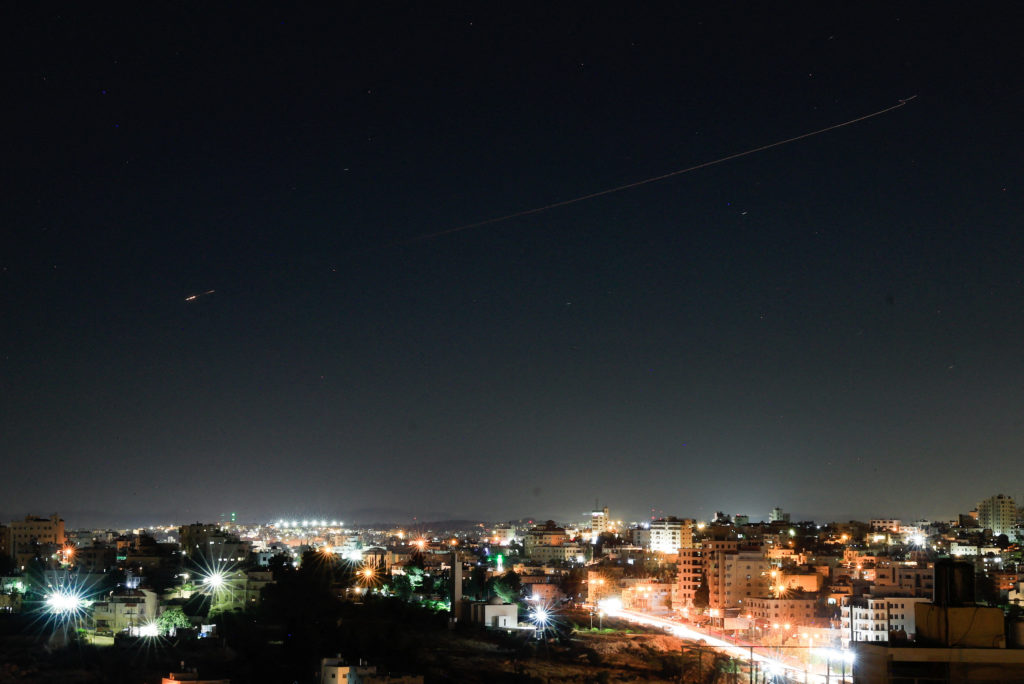
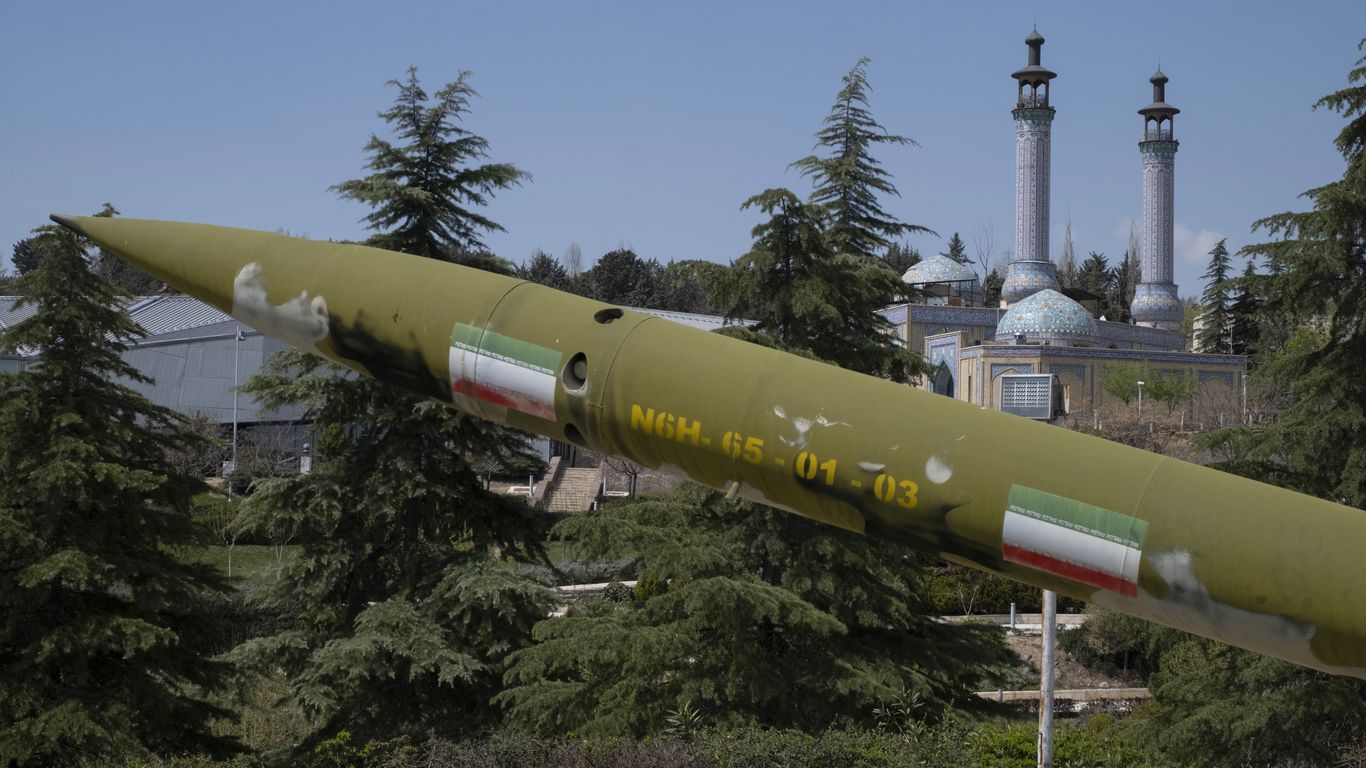
Iran has launched missile strikes on Israel to try to prevent further attacks against itself without starting a full war. Experts say Iran wants to show strength but avoid a large-scale conflict.
Key Facts
Iran fired missiles at Israel recently.
The goal was to restore deterrence, meaning to discourage Israel from attacking Iran or its partners.
Iran does not want the strikes to lead to a full war with Israel.
The missile attacks are a response to ongoing tensions in the region.
Experts, like Ross Harrison from the Middle East Institute, analyze these actions as efforts to balance showing power and avoiding war.
Read the Original
Want the full story? Tap a source to open the original
article.
Italian rescuers found 10 bodies after a migrant boat capsized near Malta. About 48 people were saved from around 60 who left Libya, and search efforts are ongoing with help from Maltese authorities.
Key Facts
A migrant boat carrying about 60 people capsized 45 nautical miles southeast of Malta.
Italian rescuers recovered 10 bodies so far and rescued about 48 survivors.
A local fishing boat helped save some people in the water.
Malta requested help for search and rescue after the accident.
At least 827 people have died this year trying to cross the central Mediterranean by sea.
More than 1,330 deaths happened on this route last year, according to the UN’s International Organization for Migration (IOM).
The EU has given Libya €700 million since 2015 to manage migration and border control.
Italy works with Libya to stop migrants leaving by sea, including training and equipping the Libyan coastguard.
Read the Original
Want the full story? Tap a source to open the original
article.
Iran fired ballistic missiles at northern Israel, challenging a ceasefire between the U.S. and Iran. President Donald Trump has been informed about this event by U.S. officials.
Iran fired missiles at Israel in the first attack since a ceasefire began in early April, following an Israeli strike on Lebanon’s southern suburbs. The missile launches increased tensions and complicated efforts by countries like the U.S., Pakistan, and Egypt to negotiate a wider peace deal in the Middle East.
Key Facts
Iran launched missiles at Israel, which were intercepted by Israel’s military.
The missile attack followed an Israeli airstrike on a residential building in Beirut that killed two and wounded 20.
Hezbollah fired rockets at northern Israel earlier the same day.
Iran warned it would respond more broadly if attacks continue, threatening U.S. and Israeli targets in the region.
The ceasefire deal was fragile, with Hezbollah rejecting it and Iran demanding that the peace deal include ending the conflict in Lebanon.
U.S. President Trump expressed a desire for Iran to stop missile attacks and return to talks but said Israel’s strike was not coordinated with the U.S.
International mediators from Pakistan and Egypt are working to revive negotiations between Iran and the U.S.
The conflict affects the Strait of Hormuz, a key waterway for oil shipments, heightening global economic concerns.
Read the Original
Want the full story? Tap a source to open the original
article.
Iran launched missiles at Israel for the first time since a ceasefire began in April, following Israeli strikes in Lebanon’s capital, Beirut. Both sides exchanged attacks, making peace talks more difficult amid ongoing efforts to end the war in the Middle East.
Key Facts
Iran fired missiles at Israel in retaliation for Israeli airstrikes in southern Beirut.
Israel intercepted all the Iranian missiles but said its defenses are not perfect.
Israeli strikes in Beirut killed two people and wounded 20.
Hezbollah, an Iranian-backed group, fired rockets at northern Israel earlier the same day.
Lebanon and Israel had agreed on a ceasefire days earlier, but Hezbollah rejected it.
Iran warned that attacks on Beirut could cause a full-scale Middle East war.
Peace talks continue with mediation from countries like Pakistan, Egypt, and Qatar.
President Donald Trump did not comment on the missile attack but expressed interest in targeted actions against Hezbollah in a recent interview.
Read the Original
Want the full story? Tap a source to open the original
article.
Iranian media released videos showing missiles launched from Iran toward Israel. The missiles hit northern Israel, and Iran says these attacks are a response to Israel striking Beirut, which Iran claims broke a US-negotiated ceasefire in Lebanon.
Key Facts
Iran released videos of missiles being fired at Israel.
Missiles impacted northern Israel.
Iran states the missile attacks are retaliation.
Iran says Israel attacked Beirut first.
The attacks relate to a ceasefire agreement in Lebanon.
The ceasefire was arranged with help from the United States.
The situation involves conflict between Iran, Israel, and Lebanon.
Read the Original
Want the full story? Tap a source to open the original
article.
Iranian state television showed people celebrating in Tehran while missiles were launched toward Israel. Iran said the missile attacks were in response to Israeli strikes in Beirut and other violations of ceasefire agreements involving the US and Israel.
Key Facts
Missiles were launched from Iran toward Israel.
Iranian state TV showed celebrations in Tehran during the missile launch.
Iran stated the attack was retaliation for Israel’s previous strike in Beirut.
Iran also cited other ceasefire violations by the US and Israel as reasons for the missile launch.
The missile activity reflects ongoing tension between Iran and Israel in the region.
Read the Original
Want the full story? Tap a source to open the original
article.
Iran fired multiple missiles toward Israel after warning Israel to stop attacks in southern Lebanon. Israel reported intercepting all the missiles and did not immediately retaliate, while President Donald Trump urged Israeli leaders not to respond to avoid further conflict.
Key Facts
Iran launched several missile strikes at Israel starting around 10 p.m. local time on Sunday.
The missiles targeted the Ramat David airbase, among other locations.
Israel’s military said it intercepted all Iranian missiles so far.
The Iranian Revolutionary Guard said the strikes were in response to Israeli attacks in southern Lebanon, especially around Beirut’s southern suburbs.
Iran warned that future attacks would target “all American-Zionist targets” in the region.
President Trump said he was calling Israeli Prime Minister Netanyahu to advise against retaliating against Iran.
Earlier ceasefire talks between Israel and Lebanon had not stopped ongoing clashes.
Israeli officials had planned a strong response but were urged by the U.S. to avoid escalation.
Read the Original
Want the full story? Tap a source to open the original
article.
Women in the UK who want to have children but cannot access fertility treatment are turning to social media to buy sperm directly from men. These illegal sperm donations are unregulated, can be unsafe, and put women at risk of exploitation and harassment.
Key Facts
Some women use social media and websites like "Tinder for sperm" to find sperm donors illegally.
A BBC investigation ordered sperm online for £100; it was delivered in a box with frozen tomato passata as ice.
A licensed clinic found the sperm sample had all dead cells, making it useless for fertilization.
Donors rarely check women’s health and sometimes offer sex or try to get intimate photos in exchange.
The UK fertility regulator says unregulated sperm donation is a criminal offense and warns of risks from predatory donors.
One man named publicly by a court claimed to have fathered about 180 children through unregulated donation.
Some women who use these services are not eligible for NHS fertility treatment and find private care too expensive.
Donor groups on Facebook can have up to 40,000 members, showing how widespread this underground market is.
Read the Original
Want the full story? Tap a source to open the original
article.
Collagen is a vital protein that supports skin strength and other body tissues. A dermatologist explains that some daily habits, like skipping sunscreen, over-exfoliating, poor sleep, and hot showers, can break down collagen and harm the skin.
Key Facts
Collagen helps maintain skin elasticity and supports muscles, bones, and organs.
The body produces less collagen and breaks it down faster as we age.
UV radiation from the sun is a major cause of collagen loss by creating harmful molecules that destroy it.
Over-exfoliating skin with scrubs or strong acids can damage the skin barrier and cause inflammation, which breaks down collagen.
Poor sleep reduces collagen production because growth hormone, which helps make collagen, peaks during sleep.
Hot showers remove natural oils from the skin, weakening the skin barrier and making collagen more vulnerable.
Using sunscreen regularly is essential to protect collagen and prevent skin aging.
Listening to your skin’s condition can help avoid over-exfoliation and maintain healthy collagen levels.
Read the Original
Want the full story? Tap a source to open the original
article.
Some body sensations that feel strange or worrying can actually be signs of good health. Dr. Patrick Heath explains that many unusual symptoms happen because the body is working normally, not because there is a problem.
Key Facts
A sudden jerk just before sleep, called a hypnic jerk, happens because the brain thinks the body is falling and triggers a reflex.
Feeling sleepy after eating pasta is normal and shows the body's insulin is working properly.
Eyes watering when yawning happens because the muscles press tear ducts, blocking tear drainage temporarily.
Dark or smelly urine in the morning is caused by overnight dehydration and shows the body’s water-saving system is working.
Cracking joints produces harmless gas bubbles popping and does not cause arthritis.
Urine that smells odd after eating asparagus is due to sulfur compounds from asparagusic acid, indicating normal metabolism.
Skin breakouts after starting retinol or exfoliating products show that the skin is renewing cells as expected.
Read the Original
Want the full story? Tap a source to open the original
article.
Professor Richard Scolyer, a leading cancer researcher and former Australian of the Year, has died at age 59. He was known for his work in melanoma and immunotherapy and shared his journey with brain cancer publicly before his death.
Key Facts
Richard Scolyer was a world-renowned pathologist and expert in melanoma cancer.
He was diagnosed with inoperable grade-four brain cancer (glioblastoma) in May 2023.
Scolyer underwent new immunotherapy treatments that slowed his cancer growth before it returned in early 2025.
He publicly shared updates on his illness, including his cancer progression in March 2025 and his participation in a cancer charity event.
In 2024, Scolyer was named Australian of the Year along with Georgina Long for their work on cancer immunotherapy.
He was born in Tasmania and known for his approachable personality.
Scolyer won multiple awards for cancer research and was an Officer of the Order of Australia.
He expressed gratitude for public support and hoped to inspire others through his story.
Read the Original
Want the full story? Tap a source to open the original
article.
Iran fired ballistic missiles toward northern Israel, marking the first such attack since a ceasefire ended recent fighting between Iran and Israel. Israel's military said its defense systems were working to stop the missiles, and there were no immediate reports of casualties.
Key Facts
Iran launched ballistic missiles at northern Israel on Sunday.
This is the first missile attack since a ceasefire halted earlier fighting this year.
Israel Defense Forces used defense systems to intercept the missiles.
The missile strike followed Iranian warnings of retaliation for Israeli airstrikes near Beirut.
Israeli Education Minister announced schools would be closed on Monday due to the attack.
Earlier fighting began in February after coordinated U.S. and Israeli attacks on Iran.
The conflict caused thousands of deaths and affected global energy markets, including oil shipments through the Strait of Hormuz.
Since April, a fragile truce has been in place, with ongoing but stalled talks led by the Trump administration.
Read the Original
Want the full story? Tap a source to open the original
article.
President Donald Trump said he will phone Israeli Prime Minister Benjamin Netanyahu to ask him not to respond with more attacks after Iran fired missiles at Israel. This comes after Israel hit southern Beirut, which caused Iran to launch the missile strikes.
Key Facts
Iran fired missiles at Israel in response to an Israeli attack on Beirut's southern suburbs.
This was Iran’s first direct attack since a ceasefire was agreed.
Israel intercepted some of the missiles fired by Iran.
President Trump plans to call Prime Minister Netanyahu to urge him not to strike back at Iran.
The ceasefire in the Middle East is at risk because of these recent attacks.
The situation is developing and more updates are expected.
Read the Original
Want the full story? Tap a source to open the original
article.
Iran has fired missiles at Israel following an Israeli attack on Beirut. The Israeli military confirmed the missile attacks, and Iran warned it might stop negotiations and increase direct conflict.
Key Facts
Iran launched missiles towards Israel.
The missile attacks happened after Israel carried out a strike on Beirut.
The Israeli military reported the missile launches.
Videos captured missiles flying over Israel.
Iran threatened to end negotiations due to the Israeli strike.
Iran indicated it might return to direct confrontation with Israel.
The situation marks a rise in violence between the two countries.
Read the Original
Want the full story? Tap a source to open the original
article.
Iran says it is losing patience with Israel and the United States because of repeated breaches of a ceasefire agreement. Recently, Iran fired missiles at Israel after Israel attacked Beirut.
Key Facts
The conflict between the US-Israeli forces and Iran has lasted 100 days.
Iran claims that Israel and the US have repeatedly broken a ceasefire agreement.
In response, Iran fired missiles at Israel.
Israel attacked Beirut before Iran fired these missiles.
The situation shows increased tensions between Iran, Israel, and the US.
The ceasefire is intended to stop fighting but appears to be failing.
Read the Original
Want the full story? Tap a source to open the original
article.
Many people in Iran feel less excited about the upcoming World Cup because of conflicts involving the United States and economic problems at home. The ongoing war and financial difficulties have affected how Iranians view the soccer event.
Key Facts
The World Cup is approaching soon.
Iran co-hosts the tournament with the United States.
Many Iranians usually enjoy the World Cup.
Current war tensions involving the US and Iran lower enthusiasm.
Economic problems in Iran also reduce excitement.
The combination of war and economic issues shapes public mood in Iran.
Read the Original
Want the full story? Tap a source to open the original
article.
Actor Anthony Head, famous for playing Rupert Giles on the TV show Buffy the Vampire Slayer, has died at age 72. He had many roles throughout his career, but fans especially remember him for Giles, a key character who supported the Buffy story.
Key Facts
Anthony Head was 72 years old when he passed away.
He played Rupert Giles on Buffy the Vampire Slayer.
Giles was a watcher and father figure in the show.
Head also acted in Merlin, Little Britain, Doctor Who, and Ted Lasso.
There was talk about a Giles spinoff series called Ripper, but it was never made.
Giles had a small number of episodes centered on him, but he was important to the story overall.
Fans and co-stars shared their memories and appreciation on social media after Head's death.
The article highlights some favorite Giles moments from Buffy episodes.
Read the Original
Want the full story? Tap a source to open the original
article.
Iran fired missiles at Israel on Sunday in response to an Israeli strike in Beirut earlier the same day. This marks the first Iranian missile attack on Israel since a ceasefire was announced on April 8, raising concerns about escalating conflict in the region.
Key Facts
Iran launched four missiles at northern Israel on Sunday.
Israeli air defense systems worked to intercept the missiles.
The Israeli military strike in Beirut preceded Iran’s missile launch.
This is the first Iranian missile attack on Israel since the April 8 ceasefire.
Israel Defense Forces (IDF) are on high alert and have strengthened defenses.
President Donald Trump has been briefed on the situation by U.S. officials.
The situation could affect ongoing U.S.–Iran negotiations and risk reigniting war.
The IDF urges the public to stay alert as the situation develops.
Read the Original
Want the full story? Tap a source to open the original
article.
The Italian coastguard found 10 bodies after a boat carrying nearly 60 refugees capsized near Malta. Rescue teams saved 48 people, and search efforts are ongoing, with coordination from Maltese authorities.
Key Facts
A boat carrying about 60 refugees capsized about 45 nautical miles southeast of Malta after leaving Libya.
A fishing boat rescued 48 people from the water.
The Italian coastguard recovered 10 bodies so far and continues searching for more.
This incident is part of many deadly boat accidents in the Mediterranean this year involving migrants trying to reach Europe.
The UN’s International Organization for Migration reports nearly 990 deaths this year crossing the Mediterranean; in 2023, over 2,180 people died or went missing.
European Union governments recently agreed in principle to new rules allowing deportation of rejected asylum seekers to countries outside the EU.
The plan includes creating “return hubs” outside Europe, though locations are not yet decided.
In Libya’s capital, hundreds protested against the UN refugee agency, accusing it of plans to settle undocumented migrants there.
Read the Original
Want the full story? Tap a source to open the original
article.