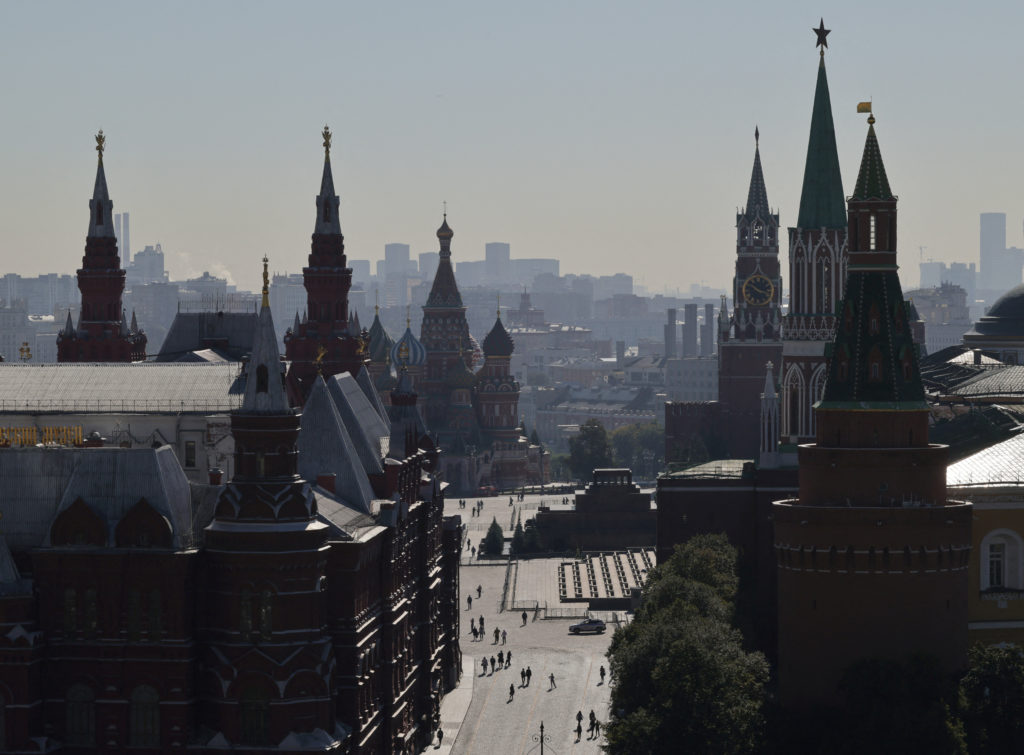
Finland has joined France’s Forward Deterrence Initiative, which extends France’s nuclear protection to 11 European countries. This partnership aims to strengthen European security amid concerns about Russia’s threat and uncertainty about U.S. support.
Key Facts
Finland officially agreed to join France’s nuclear deterrence initiative along with nine other European countries.
The agreement was announced by the foreign ministers of Finland and France in Helsinki.
The initiative adds to NATO’s nuclear deterrence and was coordinated with the United States and NATO allies.
A nuclear steering group will be formed soon to implement this cooperation.
France’s president alone decides on the use of nuclear weapons under this initiative, unlike NATO’s shared decision system.
Finland will not allow nuclear weapons to be stationed on its land during peacetime.
The move reflects growing concerns about Russia’s military actions and the reliability of U.S. protection in Europe.
Finland recently seized a ship suspected of cutting undersea communication cables, an act linked to possible Russian sabotage.
Read the Original
Want the full story? Tap a source to open the original
article.
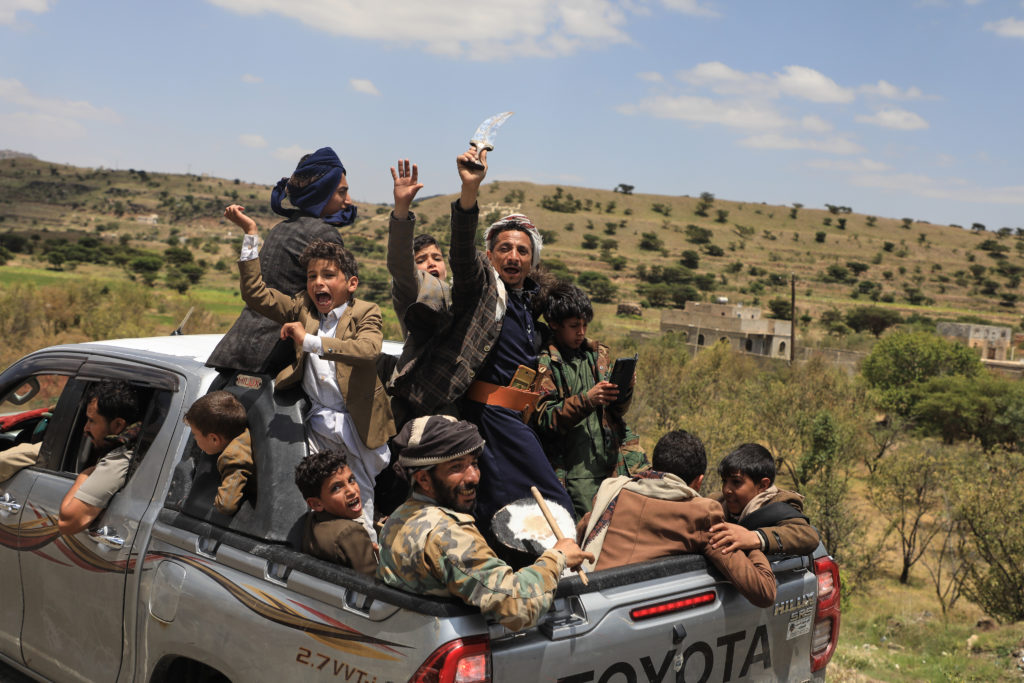
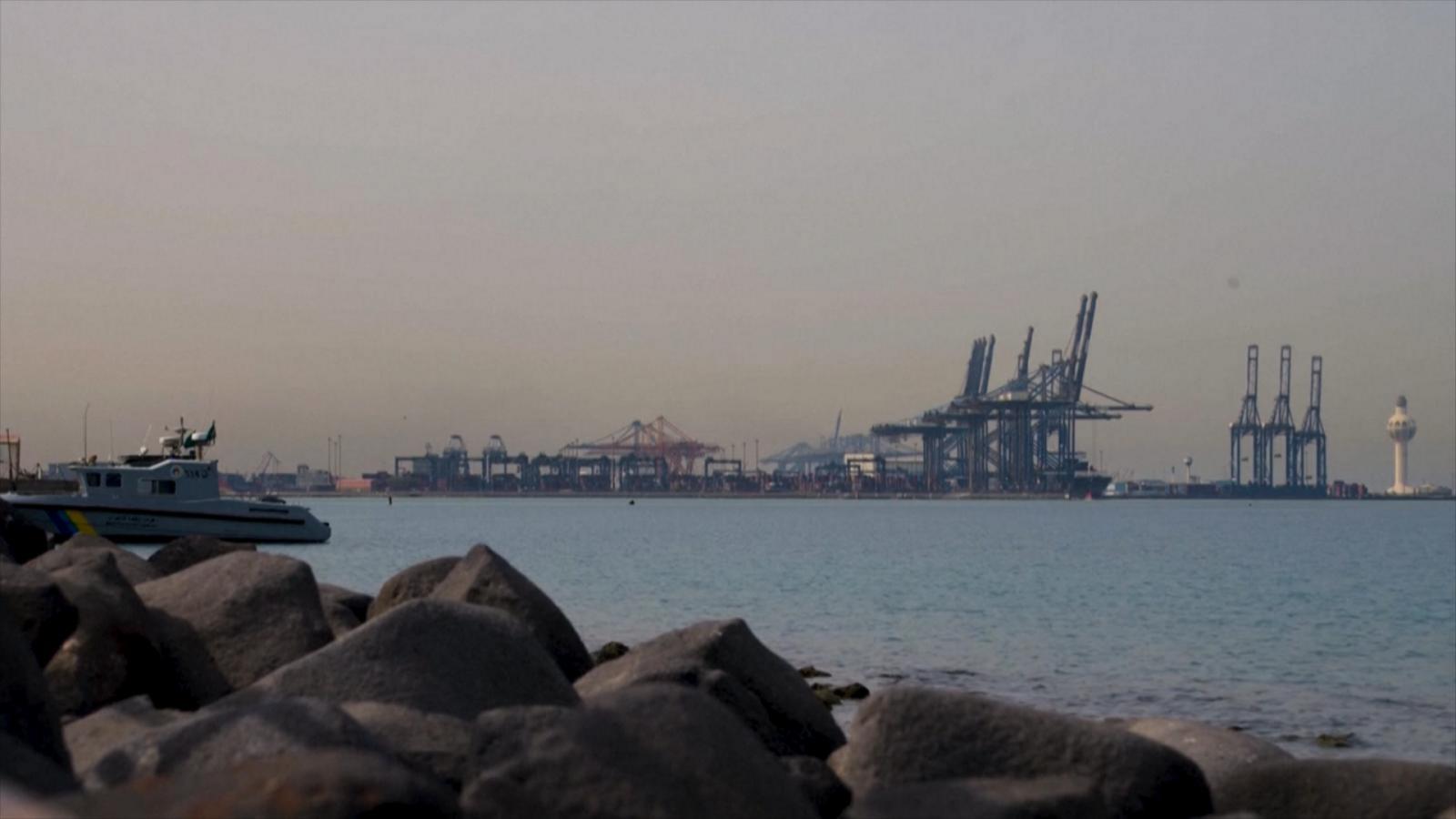
Yemen's Houthi rebels have taken control of two important islands in the southern Red Sea, which helps them control a key shipping route. Meanwhile, repairs to a Saudi oil pipeline damaged by a recent attack could take up to five weeks, affecting Saudi oil exports and global oil prices.
Key Facts
The Houthis seized Greater and Lesser Hanish islands near the Bab el-Mandeb Strait, a critical maritime passage used as an alternative to the Strait of Hormuz.
Iran-backed Houthis have also captured the Red Sea port of Mokha and another strategic island recently.
The Bab el-Mandeb Strait is important for Saudi Arabia's oil exports because Iran has effectively closed the nearby Strait of Hormuz.
An attack on Saudi Arabia's East-West Pipeline on September 10 has caused serious damage, with repairs expected to take three to five weeks.
The pipeline helps move crude oil from Gulf ports to the Red Sea for export by ship.
China called the Houthi attacks on Saudi energy infrastructure "unacceptable" and expressed concern over escalating violence.
Iran claimed Saudi Arabia demanded the cancellation of a regional meeting meant to discuss security of the Strait of Hormuz.
Austria refused visas to Iranian nuclear officials for a U.N. conference, leading to diplomatic complaints from Iran.
Read the Original
Want the full story? Tap a source to open the original
article.
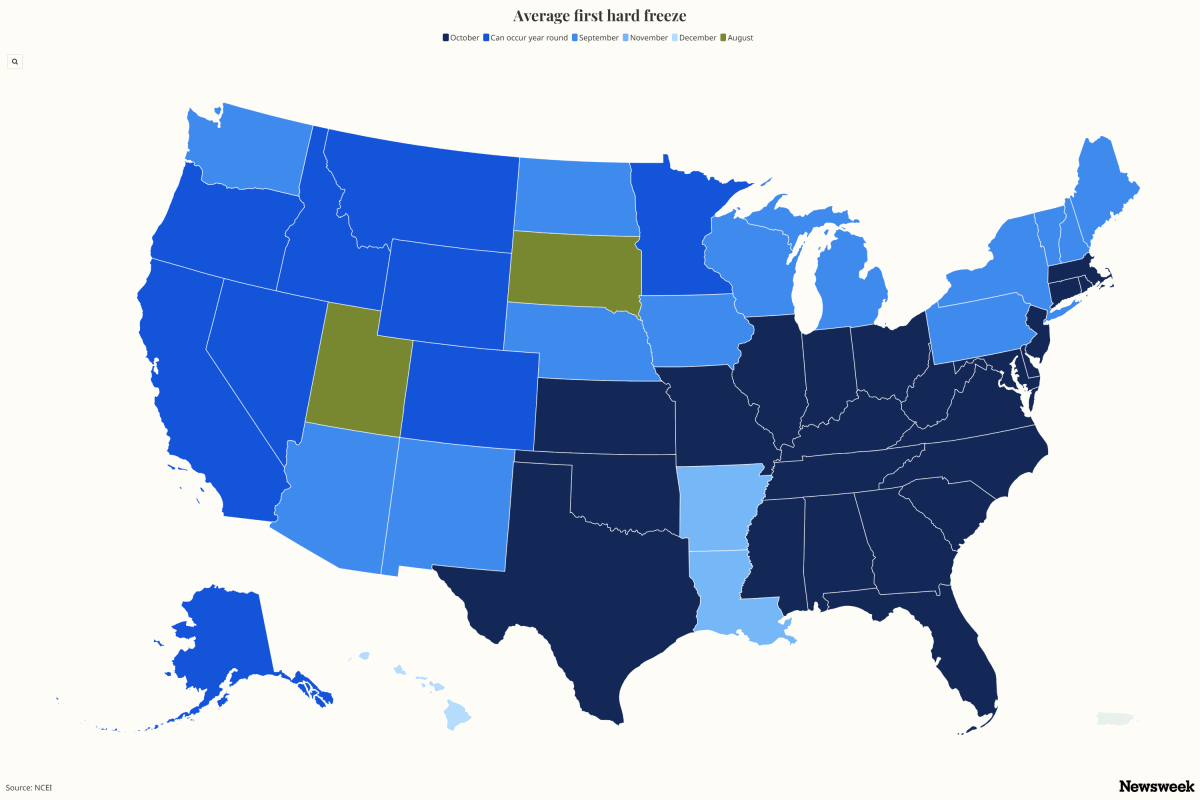
Parts of the United States are facing very different weather conditions at the same time, with heat warnings in many southern states and frost advisories in some northern states. The first hard freeze of the season is expected soon in some areas, especially northern states and high-elevation regions.
Key Facts
Heat advisories were issued for parts of Texas, Oklahoma, Kansas, Louisiana, Arkansas, Missouri, Illinois, Indiana, Kentucky, Tennessee, Alabama, and Mississippi.
Frost advisories were issued for parts of Idaho, Maine, New Hampshire, Vermont, and New York.
Frost advisories warn of temperatures between 33 and 36 degrees Fahrenheit, where frost can form and harm plants and outdoor animals.
Freeze warnings are more severe and issued when widespread freezing temperatures are expected.
Northern states and high-elevation areas of southern states see their first freeze earlier in the year.
Frost can occur even when air temperatures are above freezing because the ground can be cooler due to a process called radiational cooling.
The timing of the first freeze is consistent with historical climate data.
Frost advisories for Maine and New Hampshire were set to start early Tuesday morning, lasting until around 8 a.m.
Read the Original
Want the full story? Tap a source to open the original
article.
Oil prices increased after attacks targeted important shipping routes in the Middle East, including the Strait of Hormuz. These attacks raised concerns about the security of global energy supplies and caused higher fuel prices, especially for diesel in the United States.
Key Facts
Recent attacks occurred on key Middle Eastern shipping routes used for transporting oil.
The Strait of Hormuz, a vital channel for global oil shipments, was affected.
These attacks caused oil prices to rise worldwide.
Diesel prices in the U.S. reached record highs following these attacks.
The incidents have heightened worries about energy supply stability.
Iran and related groups have been linked to threats against these shipping routes.
President Donald Trump stated that some threats in the region are contained.
Industry and government officials are monitoring the situation closely.
Read the Original
Want the full story? Tap a source to open the original
article.
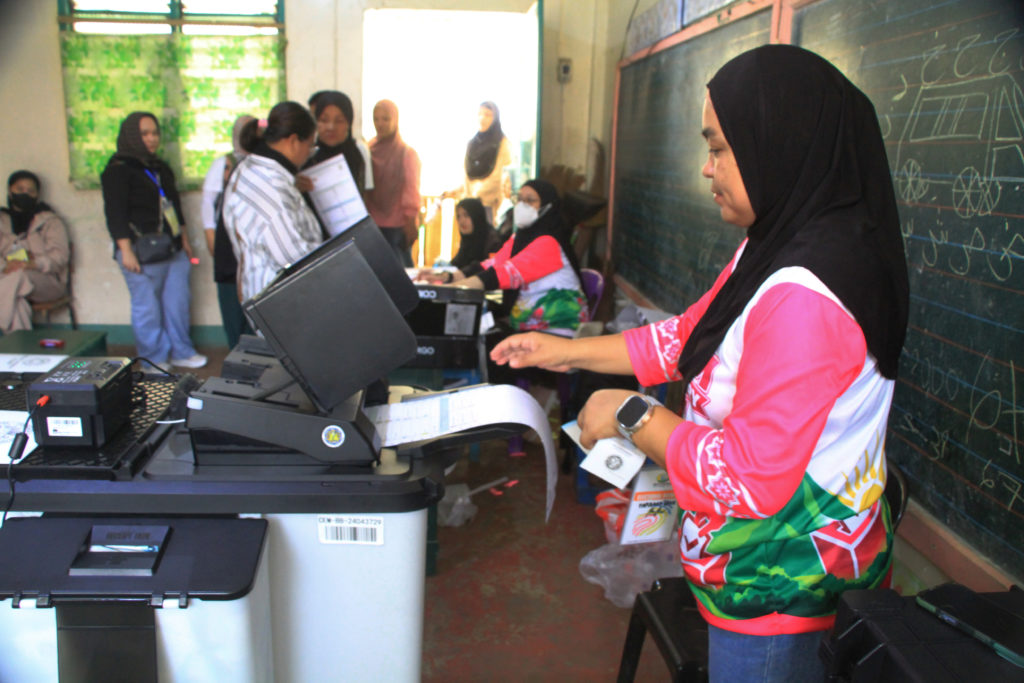
The Bangsamoro Autonomous Region in Muslim Mindanao in the southern Philippines held its first parliamentary election. This election is a key step toward self-rule after decades of conflict and was part of a peace deal made in 2014 with Muslim rebel groups.
Key Facts
The Bangsamoro region held its first parliamentary election on Monday.
The region was formed in 2014 after a peace deal ended the fight for a separate Muslim state.
About 2.4 million voters in five provinces, three cities, and 63 villages participated.
Election day saw some violence, including four deaths and clashes between political supporters.
The Commission on Elections delayed voting in one town due to ballot problems and will print new ballots.
Over 20,000 soldiers and police helped secure the election.
The regional parliament will have 80 seats, and the chief minister will be chosen by the parliament.
The election aims to bring peace and development after decades of fighting and militant attacks in Mindanao.
Read the Original
Want the full story? Tap a source to open the original
article.
Prince Harry and Meghan, the Duke and Duchess of Sussex, are having their police security reviewed after moving back to the UK with their two children. The review will look at possible risks and decide what level of protection the family needs as full-time UK residents.
Key Facts
The security review is done by a committee called Ravec, which oversees protection for royals and VIPs.
The review will focus on the family’s daily activities, like travel routes and school runs.
The Sussex children, Archie (7) and Lilibet (5), recently changed schools due to security concerns.
Prince Harry had a security risk review earlier in the year before returning permanently to the UK.
Meghan’s security is being reviewed for the first time since they stopped being working royals in 2020.
No final decisions have been made yet about the family’s police protection level.
Ravec includes members from the Home Office, police, and the Royal Household.
Prince Harry was also informed that Uganda will participate in next year’s Invictus Games, despite some earlier uncertainty.
Read the Original
Want the full story? Tap a source to open the original
article.
Rapper Macklemore was removed from Ed Sheeran’s US tour after making pro-Palestinian comments and showing images of Gaza during concerts. Macklemore confirmed he was dropped following disagreements with Sheeran and backlash from Jewish groups.
Key Facts
Macklemore, whose real name is Benjamin Haggerty, was the opening act on Ed Sheeran's Loop tour in the US.
Macklemore said "Free Palestine" and showed footage of Gaza during concerts, leading to criticism from Jewish groups.
The Israeli-American Council petitioned to have Macklemore removed from the tour, calling his messages biased.
Macklemore said he was dropped after a week of talks with Sheeran ended in "fundamental disagreement."
Tour promoters said some venues threatened to cancel the tour if Macklemore continued performing.
Macklemore said criticism of Israel is not antisemitic and sees no neutral position between oppressor and oppressed.
Israel says its military actions are self-defense following a Hamas attack in October 2023.
Over 73,000 people have died in Gaza during the conflict, according to Gaza's Hamas-run health ministry.
Read the Original
Want the full story? Tap a source to open the original
article.
Turkish police used tear gas to break up a protest in Izmir where people showed support for LGBTQ rights. This happened after the government arrested dozens of LGBTQ activists across Turkey in a crackdown said to protect traditional family values.
Key Facts
Police fired tear gas at about 200 protesters in Izmir supporting LGBTQ activists.
The protests followed nationwide arrests of dozens of LGBTQ activists over the weekend.
The Turkish government described the arrests as part of a campaign to protect family and social order.
President Recep Tayyip Erdogan called LGBTQ groups a "deviant movement."
Protesters rejected the government’s explanation and criticized the raids and arrests.
The European Union expressed concern about the arrests and called for respect of human rights.
Turkish authorities blocked social media accounts of LGBTQ groups, human rights organizations, and some media after the raids.
The government’s Justice Minister said the actions are under the “Decade of the Family” initiative.
Read the Original
Want the full story? Tap a source to open the original
article.
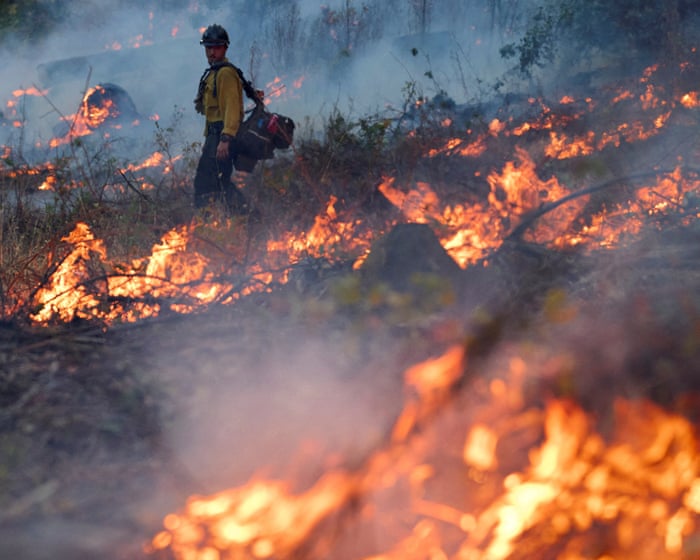
Firefighters have made progress in containing the Lucas fire in northern California, which has burned over 4,120 acres in Lake and Mendocino counties. The fire is about 30% contained, and no deaths or missing persons have been reported so far.
Key Facts
The Lucas fire began on Thursday and has burned more than 4,120 acres.
It is currently 30% contained as of Monday morning.
Nearly 900 people were evacuated due to the fire.
No deaths or missing persons have been reported.
A man was arrested for trying to cross a roadblock near the fire area.
Firefighters are focusing on holding the fire on Elk Mountain, where flames spread recently.
Cal Fire and Lake County sheriff’s office have deployed 163 engines, 72 crews, water trucks, and eight helicopters.
Parts of Mendocino National Forest have been closed because of the fire.
Read the Original
Want the full story? Tap a source to open the original
article.
The United Nations’ International Organization for Migration (IOM) warns that Sudan’s aid network is close to collapse due to ongoing fighting, heavy rains, and displacement. Without new funding, emergency supplies and shelter could run out by the end of the month, putting millions of displaced people at risk.
Key Facts
Fighting in Sudan between the army and Rapid Support Forces has killed over 200,000 people since April 2023.
About 8.6 million Sudanese are displaced inside the country due to violence and floods.
The IOM’s aid network has reached 2.8 million people since July 2023 but is shrinking due to less funding.
Emergency aid supplies could run out by the end of the month without new donations.
Running the IOM aid system for a year to help 305,000 people costs $15 million; $42 million is needed to restore previous aid levels.
Funding for Sudan by the World Food Programme dropped from $645 million last year to $206 million this year.
Fighting continues with recent drone attacks hitting civilian targets in Sudan’s Blue Nile region.
Aid workers say the humanitarian system in Sudan could collapse within weeks if funding does not increase.
Read the Original
Want the full story? Tap a source to open the original
article.
Memorial services were held for at least 28 children who died after a fire spread to their school in the Democratic Republic of the Congo. Authorities have started an investigation to find out what caused the fire and why the children could not escape safely.
Key Facts
At least 28 children died in a school fire in the Democratic Republic of the Congo.
The fire spread quickly inside the school building.
Memorial services were held to honor the children who died.
An official investigation is ongoing to determine the fire’s cause.
The investigation will also look into why the children could not get to safety.
The incident has raised concerns about school safety in the region.
Read the Original
Want the full story? Tap a source to open the original
article.
Yemen's Houthi rebels launched new missile and drone attacks on Saudi military targets. Iran denied playing any role in Yemen’s ongoing civil war. An expert said that Iran and its allied groups remain one of the main causes of instability in the Middle East.
Key Facts
Yemen's Houthis attacked Saudi military sites using missiles and drones.
Iran denies involvement in the Yemen civil war.
Dr. H. A. Hellyer is a Senior Fellow at the Royal United Services Institute specializing in Middle East studies.
Hellyer described Iran and its allied groups as a major destabilizing force in the region.
The conflict affects key areas like the Strait of Hormuz, a vital shipping route.
Iran and Israel are seen as competing influences in Middle Eastern power dynamics.
The instability impacts global energy supplies because of the region’s oil and gas industries.
The situation remains tense, with ongoing military actions and strategic moves by Houthi forces.
Read the Original
Want the full story? Tap a source to open the original
article.
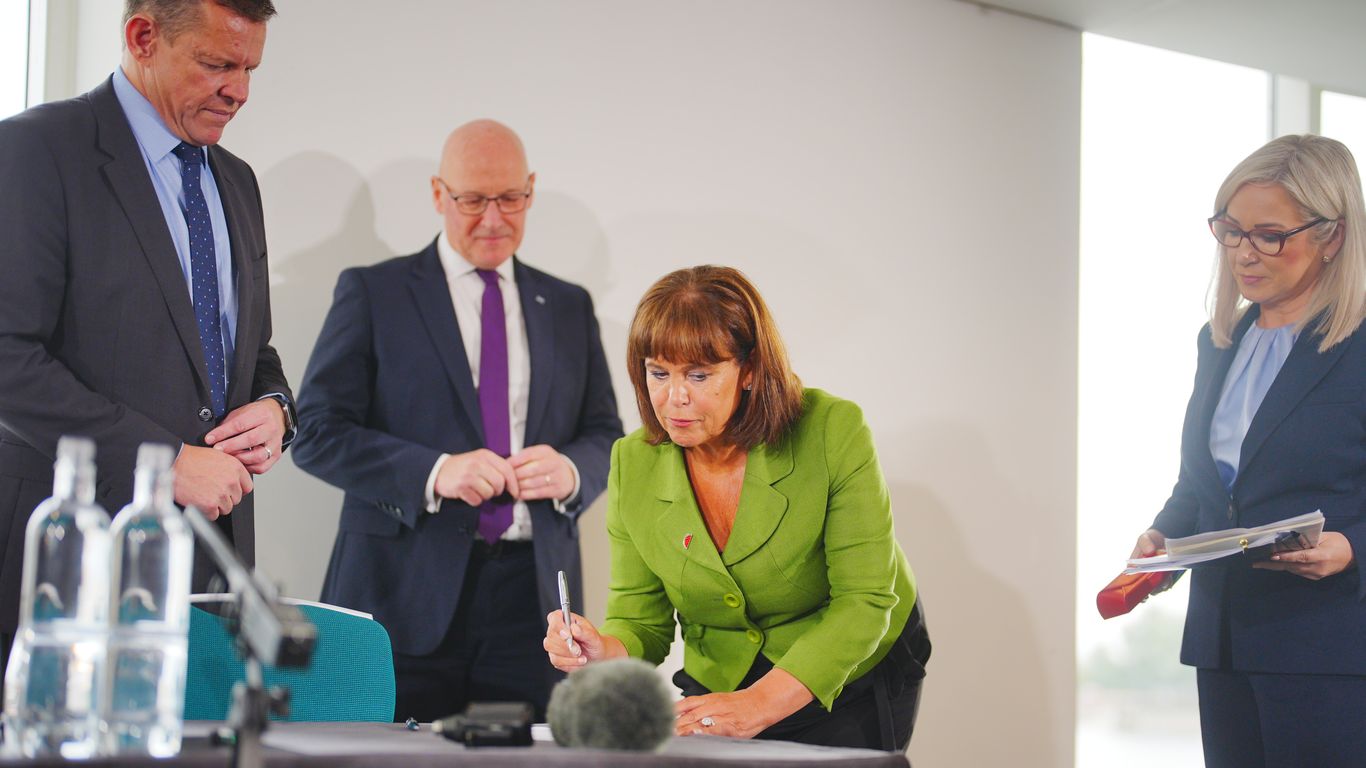
The first ministers of Northern Ireland, Scotland, and Wales have come together to support leaving the United Kingdom. They want referendums on independence, and Northern Ireland's first minister says President Trump's support for a united Ireland has made the issue international.
Key Facts
First ministers from Northern Ireland, Scotland, and Wales signed an agreement about political change.
They are leaders of nationalist parties wanting independence from the U.K.
John Swinney (Scotland) and Michelle O'Neill (Northern Ireland) called for independence votes.
Rhun ap Iorwerth (Wales) wants more regional powers but no referendum yet.
The memo says the U.K. government's control ("Westminster") is ending.
O'Neill said President Trump's support for Irish reunification has made the debate global.
U.K. Prime Minister's office says it's too soon for independence votes until public opinion shifts.
Some unionist politicians criticized O'Neill for attending the meeting without their approval.
Read the Original
Want the full story? Tap a source to open the original
article.
Prince Harry and Meghan Markle moved their children, Archie and Lilibet, to a new school in the UK shortly after starting the school year due to security concerns. The decision was made after discussions with their security team about the safety of the daily school journey.
Key Facts
Archie is seven years old, and Lilibet is five years old.
The children attended their original UK school for only two days before being moved.
Security issues included difficulties with keeping security vehicles together during the school run.
The Sussex family’s security team advised the school change based on safety concerns.
Meghan and Harry expressed gratitude to the original school and staff for their care.
The children have already visited and started to settle into the new school.
Harry has been seeking changes to his police protection since stepping back from royal duties.
Meghan recently had a government-backed security review of their situation.
The family planned an extended stay in the UK, leading to the children’s initial school enrollment.
Read the Original
Want the full story? Tap a source to open the original
article.
Prince Harry and Meghan Markle's two children, Prince Archie and Princess Lilibet, will change schools in the United Kingdom due to security concerns. The family made this decision after consulting with their security team, and they remain thankful to the previous school staff.
Key Facts
Prince Harry and Meghan Markle have two children named Prince Archie and Princess Lilibet.
The children will move to a new school in the UK.
The change is because of concerns about their safety and security.
The family’s security team advised on the decision.
The parents expressed gratitude to the former school's teachers and staff.
The decision is not a criticism of the care the children received at their old school.
The school change is part of adjusting practical arrangements for the family’s security.
Read the Original
Want the full story? Tap a source to open the original
article.
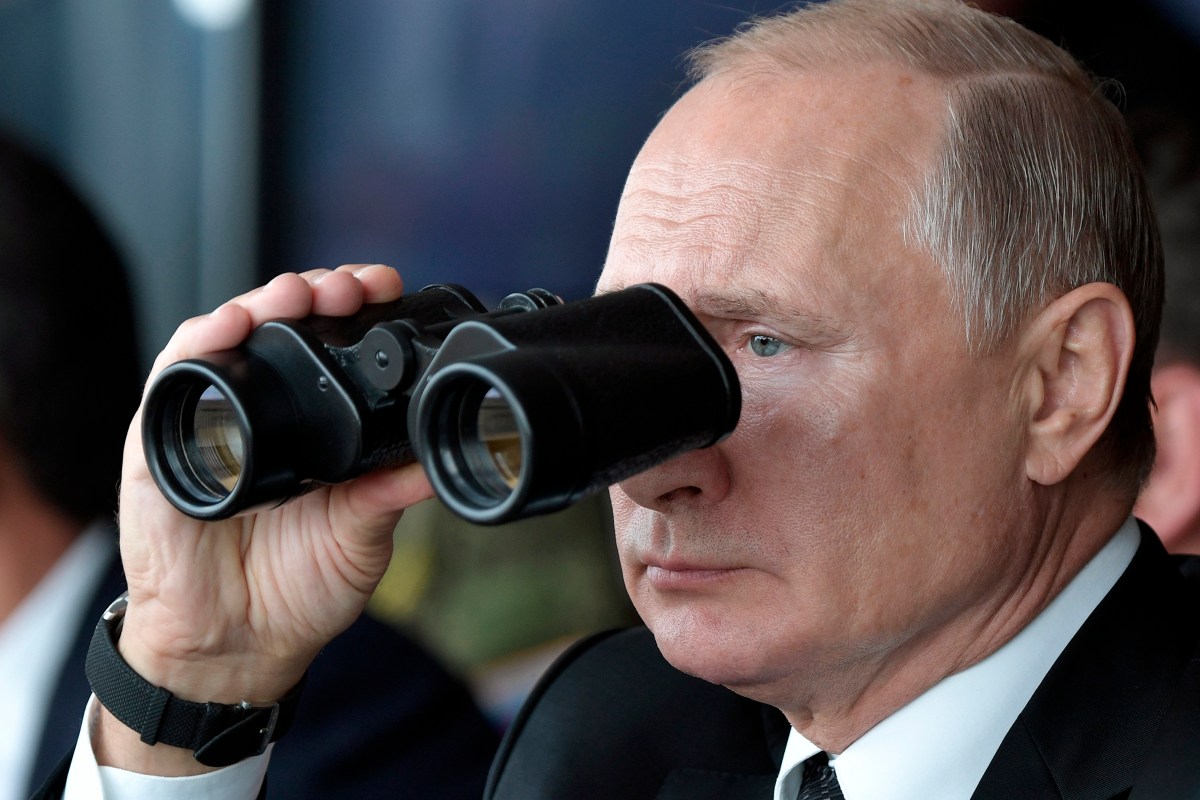
Countries near Russia, like Lithuania and Finland, are starting to ignore President Vladimir Putin’s threats about using nuclear weapons. Lithuania is changing its rules to allow NATO nuclear weapons on its land, and Finland is working closer with France’s nuclear forces. This shows that Russia’s nuclear threats may be losing their power.
Key Facts
Vladimir Putin has the world’s largest nuclear weapon stockpile.
Lithuania plans to remove a rule in its constitution that stops NATO from putting nuclear weapons there.
Lithuania’s government dismissed Russia’s threat about this move as empty intimidation.
Finland announced it will cooperate with France’s nuclear forces and allow French nuclear planes to operate on its soil temporarily.
Russia has used nuclear threats to try and limit Western help for Ukraine.
These threats once made Western governments very cautious about supporting Ukraine.
Over time, Western countries have begun to doubt and ignore Russia's nuclear warnings.
The change in attitude could reduce Russia’s power to threaten its neighbors and the West.
Read the Original
Want the full story? Tap a source to open the original
article.
Twelve European countries met in Finland and asked the European Union (EU) to increase its involvement in the Arctic region. They see the Arctic as an important area where Russia and the United States, under President Donald Trump, are showing strong interest.
Key Facts
Twelve European nations held a meeting in Finland to discuss the Arctic.
These countries want the EU to have a bigger role in the Arctic.
The Arctic is a key area where global powers compete for influence.
Russia and the US, led by President Donald Trump, are active in this region.
The Arctic is important because of its strategic location and natural resources.
NATO, Finland, and Sweden have conducted military exercises nearby.
The meeting reflects growing concerns about security and economic interests in the Arctic.
Read the Original
Want the full story? Tap a source to open the original
article.
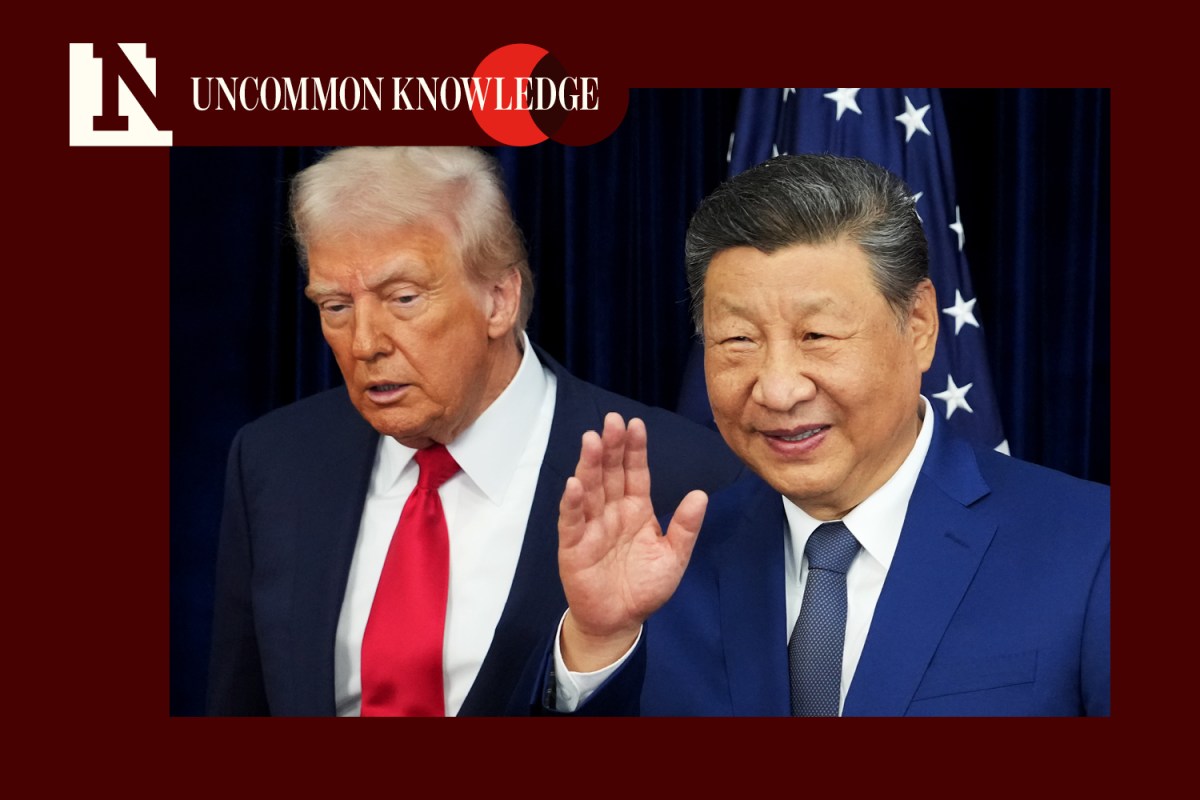
China rejects calls from a US tech CEO to slow down or block its AI development, calling such warnings fearmongering. However, China’s top intelligence official warns that AI could threaten the Communist Party’s control by being used in propaganda and cyberattacks. US and Chinese leaders plan to discuss AI rules in an upcoming meeting.
Key Facts
Dario Amodei, CEO of US AI company Anthropic, called for a global pause on AI development and for the US to limit China’s progress to keep a technological advantage.
China’s foreign ministry said cooperation is needed on AI and criticized fearmongering and competition as harmful to global AI governance.
China’s top spy chief, Chen Yixin, warned that AI is being misused by hostile groups to threaten China’s political and ideological security.
Chen specifically mentioned US AI models like Anthropic’s Claude and OpenAI’s GPT-5.5 as examples of cyber threats.
Chinese President Xi Jinping emphasized that AI should remain under human control.
US President Donald Trump dismissed concerns about AI risks, saying smart leadership is the only guardrail needed.
The US and China will discuss AI governance during a scheduled meeting on September 24.
China’s state media described calls to slow China’s AI as a “cold war playbook” aiming to contain China.
Read the Original
Want the full story? Tap a source to open the original
article.
President Donald Trump says the United States must stay ahead of China in developing artificial intelligence (AI) because whoever leads in AI wins global power. China is investing heavily in AI but wants to keep AI controlled and aligned with its government’s values, which may mean the two countries have different goals in the AI race.
Key Facts
President Donald Trump believes the U.S. must maintain its lead over China in AI technology.
Trump says fears about AI should not stop its development in America.
China is investing a lot in AI and has set aggressive goals to apply it widely by 2030 and beyond.
Chinese President Xi Jinping wants AI to remain "secure and controllable" and follow “socialist core values.”
The U.S. and China have different ideas about what winning in AI means—America focuses on innovation, China focuses on control.
U.S. lawmakers and AI experts are calling for safety rules and slowing down AI development to prevent risks.
Some AI leaders in the U.S., like OpenAI’s CEO, support safety measures and international coordination.
China’s plan for AI includes integrating it with government and society but keeping strict oversight aligned with their political system.
Read the Original
Want the full story? Tap a source to open the original
article.
Many Russians are leaving or planning to leave the country due to fears of being drafted for the war in Ukraine, stricter internet controls, and a worsening economy. Although the number of people crossing borders is not as high as in 2022, more Russians are looking into emigration options, especially to nearby countries like Georgia and Armenia.
Key Facts
Some Russians fear a new military draft after upcoming elections and are preparing to leave the country.
Recent drone attacks in Russia have caused fuel shortages and damaged the online shopping sector.
The Russian government has tightened internet restrictions, citing security concerns after these attacks.
A support group called Kovcheg reported a sharp increase in people asking for help to emigrate.
Unlike 2022, there are currently no long lines at border crossings or ticket shortages for visa-free countries.
Russian officials deny plans for new military drafts, but public anxiety remains high.
Armenia has stated it will not interfere and may assist Russians moving there to avoid conscription.
Some Russians who left in 2022 are leaving again due to ongoing worries about being called into military service.
Read the Original
Want the full story? Tap a source to open the original
article.