Russian President Vladimir Putin is visiting China to meet with Chinese leader Xi Jinping shortly after U.S. President Donald Trump’s trip to Beijing. The visit highlights China’s effort to keep strong ties with both Russia and the United States, focusing on economic cooperation and important international issues.
Key Facts
Putin’s visit to China is scheduled for two days, Tuesday and Wednesday.
The visit occurs less than a week after President Trump’s visit to Beijing.
China aims to maintain stable relations with the U.S. while preserving strong ties with Russia.
Putin and Xi will discuss economic cooperation and key regional and global matters.
The trip marks the 25th anniversary of the Sino-Russian Treaty of Friendship signed in 2001.
Putin called the Russia-China relationship “unprecedented” and said it plays a key global role.
Putin and Xi have referred to each other as “old friend” and “dear friend,” showing strong diplomatic respect.
Kremlin officials say Putin’s visit was planned before Trump’s trip and is not connected to it.
Read the Original
Want the full story? Tap a source to open the original
article.
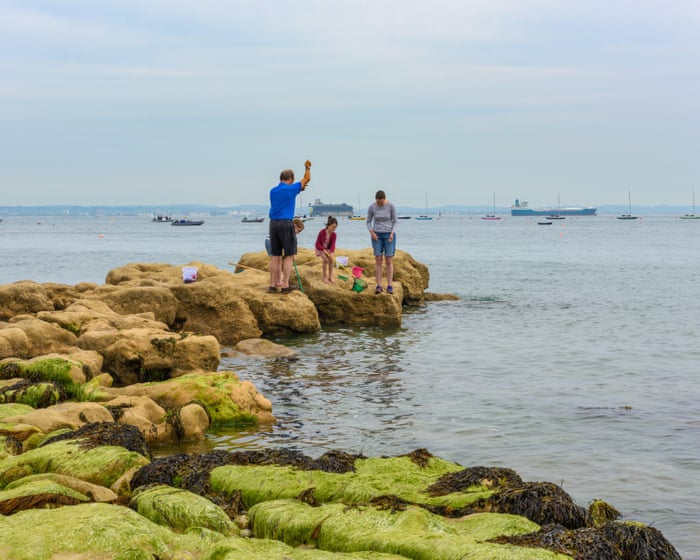
Scientists found high levels of toxic chemicals called PFAS, or "forever chemicals," in the soil, water, and sea life in the Solent strait off southern England. These chemicals come from wastewater plants, landfills, and military sites, and many samples had pollution much higher than safe limits. The UK government plans to study this problem more and consider limits, while the EU is moving toward banning most PFAS chemicals.
Key Facts
PFAS are long-lasting chemicals used in products like non-stick pans, waterproof clothes, and food packaging.
Researchers found PFAS pollution up to 13 times above safe levels in some water samples from the Solent strait.
The chemicals entered the environment mainly from treated wastewater from Southern Water's plants, as well as from old landfills and military areas near the coast.
Many marine animals, like fish and porpoises, had PFAS levels above legal limits, and most English surface waters failed a new EU test for combined chemical toxicity.
Wastewater plants currently cannot remove PFAS from water, making bans at the source important to stop pollution.
The European Union is planning a wide ban on PFAS, except for some critical uses like medicine.
The UK government said it will consult on setting PFAS limits and publish a plan to understand and reduce exposure to these chemicals.
Environmental groups stress the need for strong action and better monitoring of combined chemical effects.
Read the Original
Want the full story? Tap a source to open the original
article.
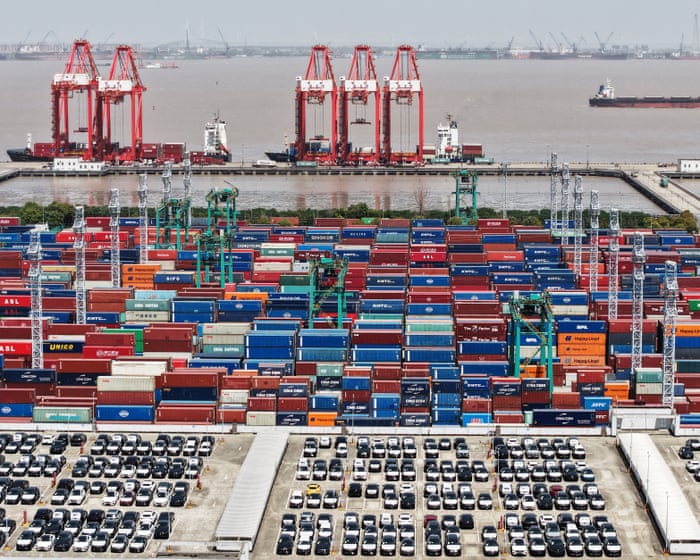
Europe is becoming more dependent on imports of components from China, which is causing concern about local factories closing and job losses. European leaders are planning urgent talks to find ways to reduce this reliance and protect local industries.
Key Facts
Europe imports a large volume of industrial components from China, increasing dependence.
This trend is compared to the “China shock” in the US 25 years ago, when China’s trade growth led to many local jobs being lost.
The European Union is considering rules requiring companies to buy critical parts from at least three different suppliers.
Chinese products benefit from government subsidies and a currency exchange rate that makes them cheaper.
Europe lost 22,000 jobs in Germany’s machinery industry last year due to competition from Chinese imports.
Some key ingredients and raw materials used in industries like pharmaceuticals and plastics mostly come from China.
EU tariffs of up to 35% on Chinese electric vehicles have been offset by changes in currency exchange rates.
European officials are meeting soon to discuss measures to address these trade and dependency issues.
Read the Original
Want the full story? Tap a source to open the original
article.
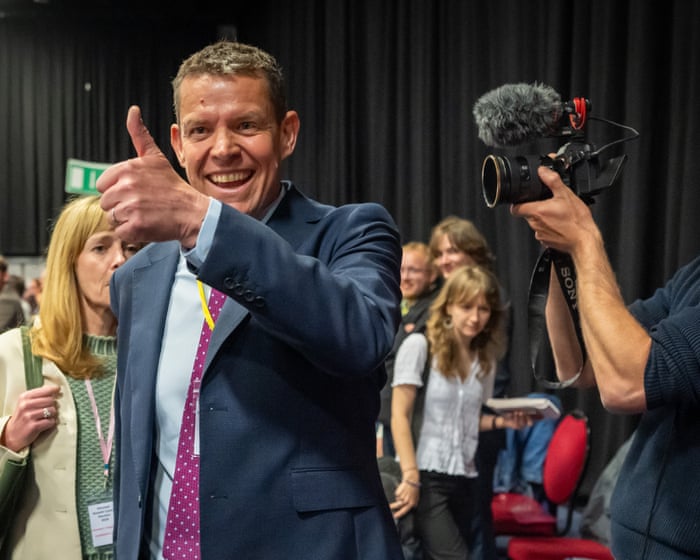
Plaid Cymru has become the largest party in the Welsh parliament after recent elections, ending Labour’s nearly 30-year dominance. The party is seeking more powers for Wales, while Labour suffered from low support and criticism over its handling of public services and relations with the UK government.
Key Facts
Plaid Cymru won the most seats in the Welsh parliament (Senedd) but did not get an absolute majority.
Labour, previously dominant in Wales for over a century, lost significant support and is no longer in government.
Plaid Cymru called for justice, infrastructure, and welfare powers to be given to the Welsh Senedd.
First Minister Rhun ap Iorwerth gave an impromptu speech to thousands of supporters with Welsh flags in Cardiff, marking a historic moment.
Labour’s decline is linked to issues like long NHS waiting lists and public services not recovering well after the pandemic.
There has been frustration in Wales over London’s handling of Welsh affairs, including infrastructure projects and refusal to devolve powers.
The relationship between the Welsh government and UK government under Keir Starmer has been seen as less cooperative than hoped.
Reform UK came second in the elections, showing shifting political support in Wales.
Read the Original
Want the full story? Tap a source to open the original
article.
There is a growing discussion within the UK Labour Party about who might become the next prime minister, possibly soon. Andy Burnham and Wes Streeting are two key figures in this informal contest, with different focuses and audiences.
Key Facts
A new UK prime minister is likely to be chosen within weeks or months.
Current Labour leader Sir Keir Starmer has not announced any plan to leave yet.
Andy Burnham is running in a by-election in Makerfield, a region that heavily supported Brexit.
Wes Streeting, a former Health Secretary, is no longer in the cabinet and can speak freely about his views.
Both Burnham and Streeting support the idea of the UK rejoining the European Union in the future, but Burnham presently avoids pushing this idea strongly due to his local voters’ views.
Some Labour MPs are unhappy that Brexit remains a major public topic again.
Burnham supports keeping current government borrowing limits but wants some flexibility with defense spending.
Read the Original
Want the full story? Tap a source to open the original
article.
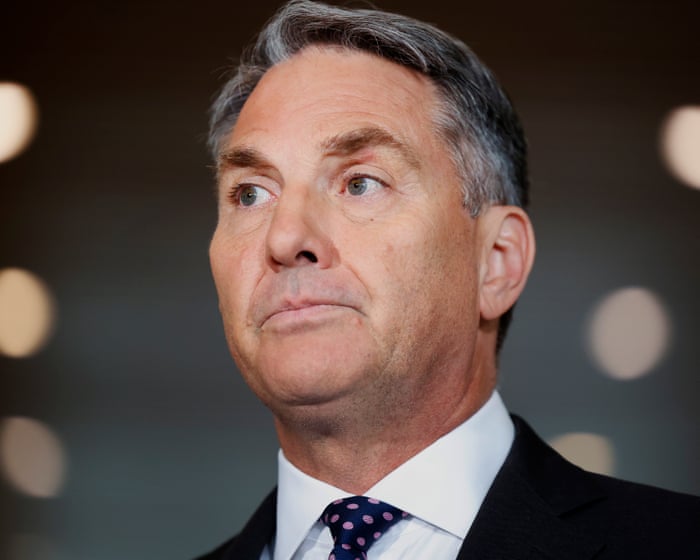
Australia will spend an extra $11 billion to extend the life of its six Collins-class submarines by about 10 years. This extension aims to fill the gap before Australia receives new nuclear submarines under the Aukus agreement starting in 2032.
Key Facts
The six Collins-class submarines were built in Adelaide and originally meant to last 30 years; some have already been in use for up to 30 years.
The submarines' lifespan will be extended by about 10 years, with upgrades starting on the oldest boat, HMAS Farncomb.
The Aukus partnership with the US and UK will bring Virginia-class nuclear submarines to Australia beginning in 2032.
The extension program focuses on maintaining current systems while upgrading key parts like weapons and combat technology.
Government-owned shipbuilder ASC in Adelaide will carry out the submarine upgrades.
The new $11 billion cost is higher than earlier estimates of $4 to $6 billion.
At any time, about three submarines will be under maintenance, while three remain with the Australian Navy, including some ready for action.
Australia plans to spend over $368 billion on Aukus-related defense projects over the next decade.
Read the Original
Want the full story? Tap a source to open the original
article.
The UK's Department for Culture, Media and Sport (DCMS) says rape claims related to the TV show Married at First Sight UK are very serious and must be properly investigated. Channel 4 has removed all episodes and is conducting an external review, while sponsors and regulators demand better care for participants.
Key Facts
Two women allege they were raped during filming of Married at First Sight UK; a third woman claims she experienced a non-consensual sex act.
Channel 4 has pulled all episodes and related social media channels from its platforms.
The Department for Culture, Media and Sport demands full investigation and consequences if criminal acts are found.
Ofcom, the UK TV regulator, requires broadcasters to protect participants from significant harm.
Channel 4 commissioned an external review of the show's welfare procedures before the allegations became public.
The production company CPL says its participant care policies are industry-leading.
MPs are set to question former Channel 4 chief executive Alex Mahon about the show.
Some experts say the format, where strangers marry quickly and must be intimate fast, carries risks that need better safeguards.
Read the Original
Want the full story? Tap a source to open the original
article.
Lee and Liam Myers are identical twins who have spent more than 20 years working in emergency services in Scotland. Lee works as a paramedic while Liam is a police detective, and people often confuse them because they look very similar.
Key Facts
Lee Myers is a paramedic clinical team leader for the Scottish Ambulance Service in Melrose.
Liam Myers is a detective constable with Police Scotland in Galashiels, joining in 2012.
Together, they have more than 23 years of combined service in emergency services.
They look so alike that people often have to look twice to tell them apart at emergencies.
They have worked for three different emergency services between them: ambulance, fire and rescue, and police.
People sometimes thank one twin after an incident when it was actually the other twin who attended.
Differences like Liam missing his right earlobe help people tell them apart.
They used to occasionally swap shifts or classes when younger but not in their professional roles now.
Read the Original
Want the full story? Tap a source to open the original
article.
Ashleigh Stanley married her childhood sweetheart Jake wearing a dressing gown, slippers, and hair rollers to show what married life is like. They had a small legal ceremony in casual clothes, then later a larger celebration where they wore traditional wedding attire.
Key Facts
Ashleigh Stanley and Jake Stanley have been together for 13 years.
They held a relaxed legal wedding ceremony at Llanerch Vineyard in Wales, dressed in casual clothes including a dressing gown and slippers.
The ceremony was on what would have been Ashleigh’s grandmother’s 100th birthday.
They originally planned to use the hymn Calon Lân, but it was not allowed at the civil ceremony because it is religious.
After the legal wedding, they had a second, longer celebration with traditional wedding clothes and music.
Ashleigh’s family wore pink bridal pajamas, and male family members dressed casually.
The venue staff said it was their first time hosting a wedding with guests in dressing gowns.
The couple said guests enjoyed the short official ceremony, leaving more time for socializing.
Read the Original
Want the full story? Tap a source to open the original
article.
Andrew Malkinson was wrongly jailed for over 17 years for a rape he did not commit. The true attacker, Paul Quinn, was convicted in 2024, and an inquiry is underway to understand why Malkinson was wrongfully convicted.
Key Facts
Andrew Malkinson was blamed for a 2003 rape in Greater Manchester and spent more than 17 years in prison.
Paul Quinn was convicted in 2024 for rape, strangulation, and serious injury related to that 2003 attack.
DNA evidence found on the victim’s clothing did not match Malkinson but instead led to Quinn.
The Court of Appeal overturned Malkinson’s conviction in 2023, citing undisclosed evidence that could have helped his defence.
Malkinson’s case exposed failures by the Criminal Cases Review Commission, which twice refused to help him.
The Independent Office for Police Conduct is investigating Greater Manchester Police for their handling of Malkinson’s case.
Malkinson wants to understand why he was wrongfully convicted and is awaiting a judge-led inquiry.
The victim said during the original trial she was unsure if Malkinson was the attacker but was pressured by police to proceed.
Read the Original
Want the full story? Tap a source to open the original
article.
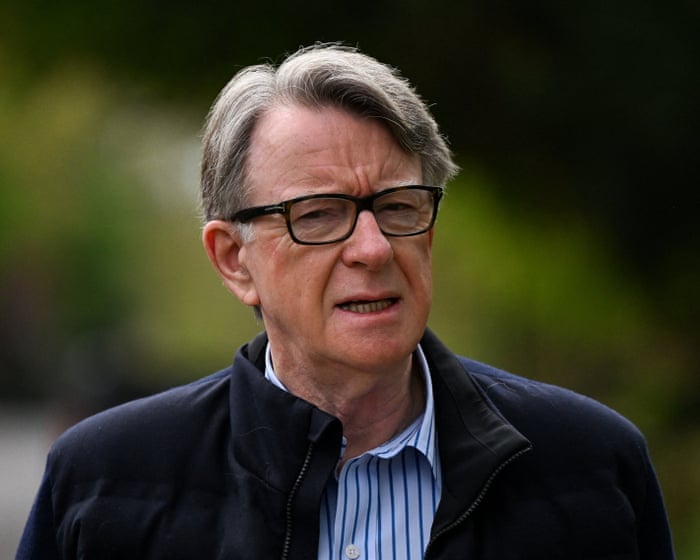
The UK parliament is investigating Peter Mandelson’s appointment as US ambassador after concerns about the vetting process and transparency. Questions remain about why security officials labeled Mandelson a risk, yet the Foreign Office approved his clearance despite warnings. The inquiry continues as key documents have yet to be released.
Key Facts
Over 77,000 words of evidence have been heard from senior government officials in the inquiry.
The Foreign Office granted security clearance to Mandelson against advice from UK Security Vetting (UKSV), which recommended denial.
UKSV assessed Mandelson as a “high” security concern after interviews and background checks.
The parliamentary committee lacks full access to documents explaining why Mandelson was considered a risk.
The next batch of documents is expected in June but may still be heavily redacted.
Olly Robbins, the former permanent secretary of the Foreign Office, made the final clearance decision but did not fully review UKSV’s report.
The intelligence and security committee criticized the government for withholding and heavily redacting Mandelson’s vetting files.
The investigation also affects Keir Starmer’s leadership and involves questions about other politicians close to Mandelson.
Read the Original
Want the full story? Tap a source to open the original
article.
Miners and union members in Bolivia protested in La Paz, marching to the presidential palace. Police used tear gas to disperse them as they demanded President Rodrigo Paz resign due to a fuel shortage and growing economic problems.
Key Facts
The protests took place in La Paz, Bolivia’s capital city.
Miners and union members led the march to the presidential palace.
They demanded that President Rodrigo Paz resign.
The protesters were upset about a worsening shortage of fuel.
They are also concerned about the overall economic crisis in the country.
Police responded to the protests by firing tear gas to break up the crowd.
The tension highlights ongoing economic and political challenges in Bolivia.
Read the Original
Want the full story? Tap a source to open the original
article.
Russian President Vladimir Putin is visiting Beijing to meet Chinese leader Xi Jinping shortly after US President Donald Trump’s visit to China. Putin and Xi plan to discuss strengthening their countries' partnership and global issues, highlighting the close ties between Russia and China.
Key Facts
Putin arrived in Beijing on May 19, 2026, for talks with Xi Jinping.
The visit follows President Trump’s recent summit with Xi aimed at improving US-China relations.
Putin and Xi want to reinforce their strategic partnership and discuss regional and international matters.
Russia has grown closer to China since its 2022 invasion of Ukraine and relies heavily on China economically.
China is the main buyer of Russian oil, which faces sanctions from Western countries.
Putin and Xi exchanged congratulatory letters marking 30 years of their countries’ strategic partnership.
Both leaders are expected to sign a joint declaration after their talks.
Beijing has not condemned Russia’s military actions in Ukraine and maintains a neutral stance on the conflict.
Read the Original
Want the full story? Tap a source to open the original
article.
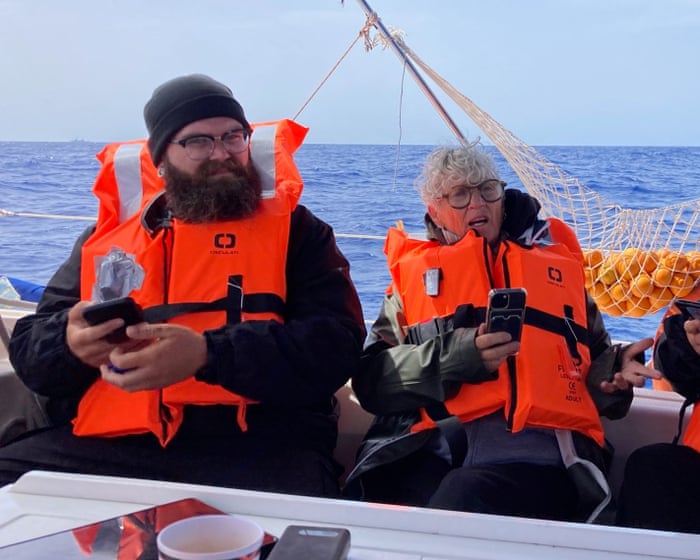
Eleven Australians trying to deliver aid to Gaza on a flotilla were detained by Israeli forces in international waters near Cyprus. The Australian government is urgently trying to confirm their condition and is asking Israel for humane treatment of those detained.
Key Facts
Eleven Australians were detained by Israel while trying to deliver aid to Gaza by sea.
The incident happened in international waters about 250 nautical miles from Gaza.
The flotilla included 54 boats from several countries, carrying 319 activists.
Israel says no aid was found on the boats, a claim that the flotilla denies.
The detained Australians include academics, doctors, students, activists, and filmmakers.
The Australian government is seeking information about the detainees' welfare.
Australia’s Department of Foreign Affairs and Trade urges Australians not to try breaking the Israeli naval blockade.
Israel has maintained a naval blockade on Gaza since 2007, which the UN says violates international law.
Read the Original
Want the full story? Tap a source to open the original
article.
Helicopters are dropping water to fight a fast-moving wildfire called the Sandy Fire in Simi Valley, southern California. The fire has burned over 1,300 acres and damaged at least one home, while thousands of people have been told to evacuate.
Key Facts
The wildfire is named the Sandy Fire.
It is located in Simi Valley, southern California.
The fire has burned more than 526 hectares (1,300 acres).
At least one home has been damaged by the fire.
Helicopters are actively dropping water to try to control the fire.
Thousands of residents have received evacuation orders and warnings.
The fire is moving quickly and threatening hillside homes.
Read the Original
Want the full story? Tap a source to open the original
article.
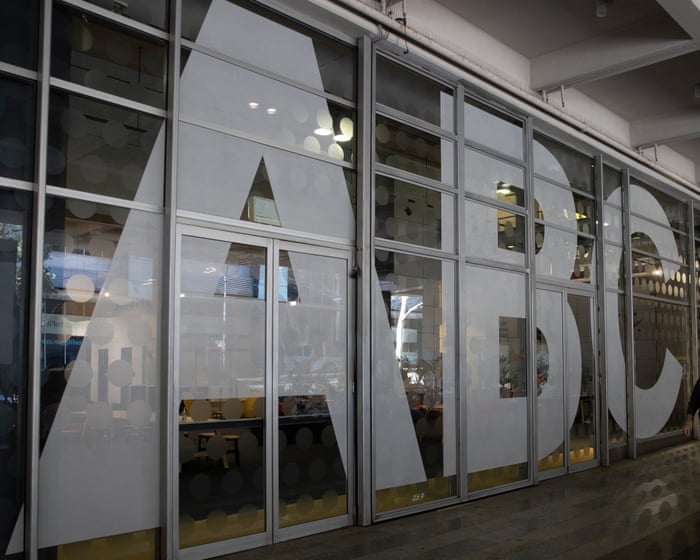
The ABC has decided to use its own rules to identify hate speech instead of adopting the International Holocaust Remembrance Alliance (IHRA) definition of antisemitism used by the Bondi royal commission. This choice is made to keep independence and trust in its editorial decisions. Similarly, SBS also does not use the IHRA definition and follows its own standards for reporting on antisemitism.
Key Facts
The Bondi royal commission on antisemitism will use the IHRA definition of antisemitism.
The IHRA definition describes antisemitism as “a certain perception of Jews, which may be expressed as hatred toward Jews.”
Some groups criticize the IHRA definition for mixing up criticism of Israel with antisemitism.
ABC chooses to keep its own hate speech rules to stay independent and trusted by the public.
ABC says its rules agree in general with IHRA’s core idea but avoid using IHRA’s more controversial examples.
SBS also does not use the IHRA definition and defines antisemitism as prejudice or discrimination against Jewish people.
Both broadcasters emphasize impartial and balanced reporting on antisemitism and related topics.
Issues about the Middle East cause many complaints to the ABC ombudsman, making up 26% of complaints last year.
Read the Original
Want the full story? Tap a source to open the original
article.
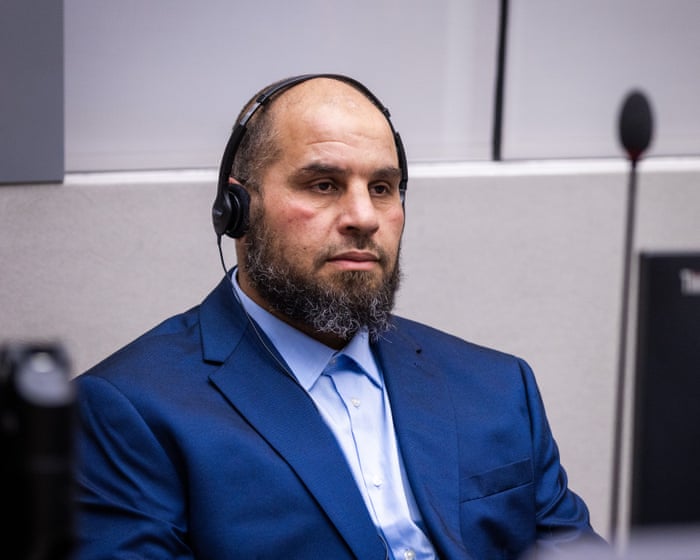
Khaled Mohamed Ali El Hishri, a former Libyan militia commander accused of torture and other crimes against refugees, will appear at the International Criminal Court (ICC) for a hearing. This is the first case from the ICC’s investigation into Libya since 2011 and is considered an important step toward justice for victims.
Key Facts
Hishri is accused of war crimes and crimes against humanity at Libyan detention centers between 2014 and 2020.
He was arrested in Germany in 2023, where he sought medical treatment for a family member.
The ICC will decide if there is enough evidence to hold a full trial.
The detention sites, like Mitiga prison in Tripoli, held refugees trying to reach Europe and were known for overcrowding and abuse.
Survivors accuse Hishri of personally torturing, sexually abusing, and killing detainees.
The case is the first successful detention related to the ICC’s Libya investigation, which has lasted over 15 years.
Other alleged perpetrators remain free, and eight ICC arrest warrants for Libya are still active.
Human rights groups link the abuses to European cooperation with Libya on migration control.
Read the Original
Want the full story? Tap a source to open the original
article.
An exhibition in London commemorates the attack on the Nova music festival on 7 October, where hundreds were killed or taken hostage by Hamas. The show uses real footage, personal items, and survivor stories to document the event and counter denial of its severity.
Key Facts
The Nova exhibition marks the massacre of 378 people and the hostage-taking of 44 others during the 7 October attack.
It has traveled to 10 cities and opened in London’s Shoreditch for six weeks.
Survivor Elkana Bohbot, held hostage for over two years, urges skeptics to visit the exhibit even for one minute.
The exhibition includes footage from victims’ phones and body cameras, personal belongings, and audio accounts.
It features a dark, chaotic room replicating the festival’s last moments and showing how attendees hid or escaped.
One exhibit shows grenades thrown into a bomb shelter where 27 people hid; an off-duty Israeli soldier helped protect others there.
The exhibition aims to confront denial by letting visitors witness the events through firsthand evidence.
The event commemorates one of the deadliest attacks against Jewish people since the Holocaust.
Read the Original
Want the full story? Tap a source to open the original
article.
Each summary links back to the original reporting, so you can check the work. Support that, and get the daily digest every morning. Most choose $3.99/month.
Violent protests took place in La Paz, Bolivia, as thousands of people demanded the resignation of center-right President Rodrigo Paz amid the country's worst economic crisis in 40 years. Protesters clashed with riot police, blocked roads, looted government offices, and a union leader was charged with terrorism by authorities.
Key Facts
Thousands of farmers, miners, teachers, workers, and Indigenous groups protested in La Paz for wage increases, economic stability, and an end to privatization.
Bolivia is facing its worst economic crisis in four decades, with 14% inflation in April 2026.
President Rodrigo Paz removed long-standing fuel subsidies but has struggled to keep fuel supplies stable.
Riot police used tear gas against protesters trying to enter government buildings; protesters threw explosives and stones.
Government images showed protesters looting government offices, taking furniture and computers.
Over 100 protesters were reportedly detained; some were injured.
The country’s largest union leader, Mario Argollo, was charged with terrorism and crime incitement, and an arrest warrant issued.
Supporters of former President Evo Morales marched to La Paz and expressed solidarity with protesters.
Read the Original
Want the full story? Tap a source to open the original
article.
Protests in Bolivia’s capital, La Paz, have grown violent as people demand President Rodrigo Paz resign amid a deep economic crisis. Riot police clashed with demonstrators who looted government offices, blocked roads, and called for higher wages and an end to privatization.
Key Facts
Bolivia faces its worst economic crisis in 40 years, with inflation at 14% in April.
Protests involve farmers, miners, teachers, and Indigenous groups demanding wage increases and economic stability.
President Rodrigo Paz, a conservative elected less than six months ago, canceled fuel subsidies to save money but has not stabilized fuel supplies.
Riot police used tear gas against protesters, who responded with stones and explosives.
Protesters looted government offices, taking furniture and computers; over 100 people were reportedly detained.
Authorities issued an arrest warrant for Mario Argollo, leader of Bolivia’s largest union, accusing him of terrorism and inciting crime.
Supporters of former president Evo Morales have joined the protests, marching from other regions to La Paz.
The protests have caused severe shortages of food and medicine due to blocked roads into the capital.
Read the Original
Want the full story? Tap a source to open the original
article.