Iran’s Foreign Minister Abbas Araghchi said the main problem in talks with the United States is a lack of trust. He stated that Iran will only accept a deal that is fair and balanced.
Key Facts
Iran’s Foreign Minister is Abbas Araghchi.
Araghchi spoke at a BRICS meeting in India.
He said mistrust between Iran and the US is blocking progress in negotiations.
The negotiations are related to an ongoing conflict or war.
Iran wants a deal that is fair and balanced.
The talks between Iran and the US have not produced an agreement so far.
Read the Original
Want the full story? Tap a source to open the original
article.
The New York Times published an article claiming widespread sexual abuse by Israeli security forces against Palestinian detainees. In response, Israeli Prime Minister Benjamin Netanyahu and the foreign minister threatened to sue the newspaper for defamation, calling the report false. The New York Times rejected the lawsuit threat and defended its reporting as based on multiple victim testimonies.
Key Facts
The article alleges sexual violence by Israeli soldiers, settlers, interrogators, and prison guards against Palestinians.
Israeli Prime Minister Netanyahu and Foreign Minister Gideon Saar called the article a "hideous and distorted lie" and ordered a defamation lawsuit.
The Israeli government said the article was based on unverified sources connected to Hamas-linked groups.
New York Times said the lawsuit threat is politically motivated and lacks legal merit.
The article included personal accounts from 14 people claiming sexual abuse, including rape and other assaults.
Israeli officials and media strongly criticized the New York Times and the journalist, Nicholas Kristof.
Protests against the article and Kristof took place outside the New York Times office in Manhattan.
Previous reports and cases have documented sexual abuse allegations in Israeli detention centers.
Read the Original
Want the full story? Tap a source to open the original
article.
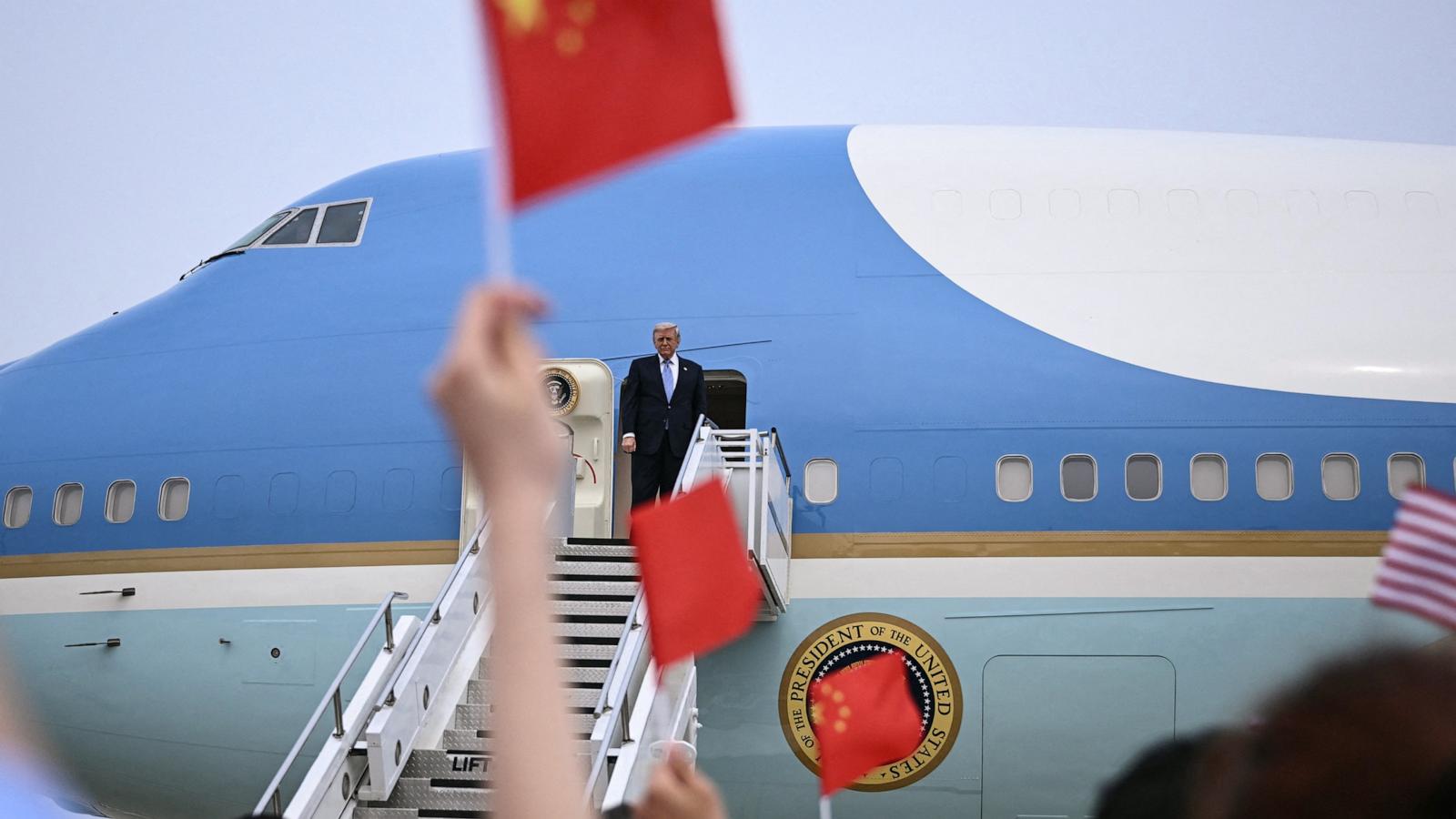
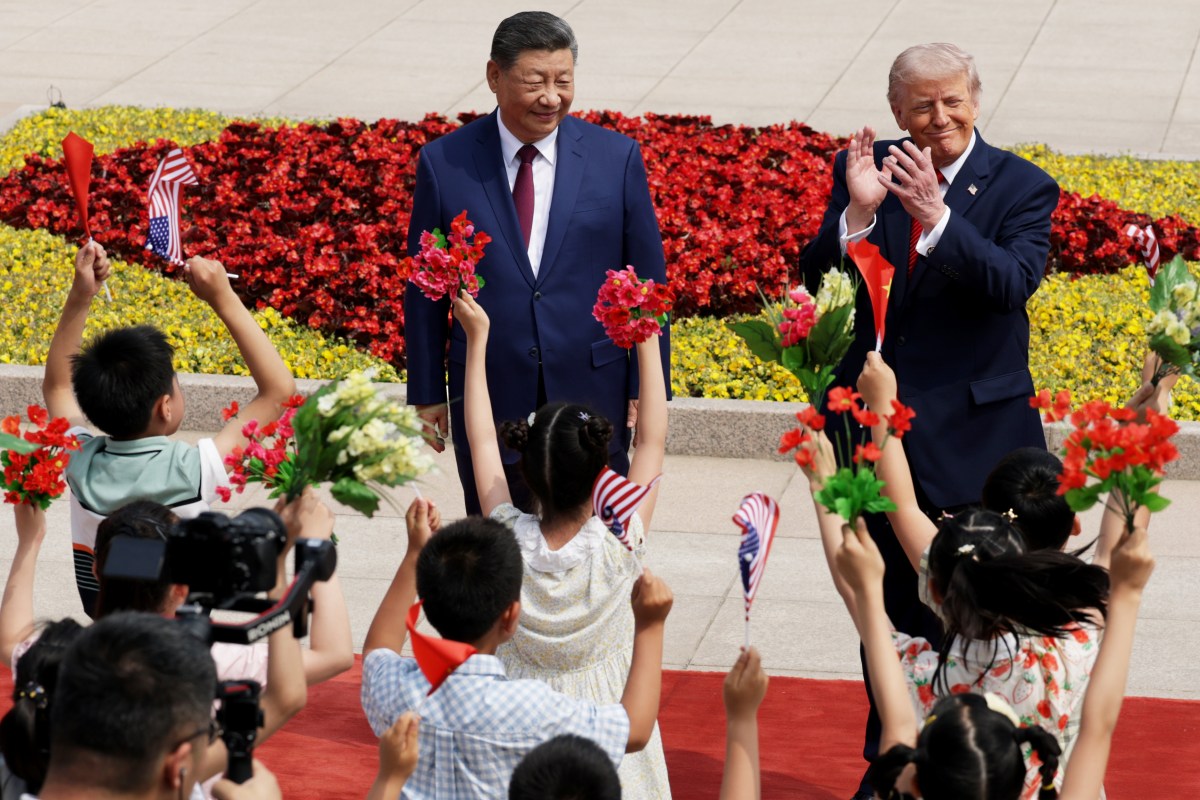
President Donald Trump met with Chinese President Xi Jinping in Beijing for a summit that included ceremonies and talks but ended without major agreements on key issues. They discussed topics like Iran, Taiwan, and trade, but no big breakthroughs were announced.
Key Facts
President Trump and President Xi held a summit in Beijing with formal ceremonies and meetings.
Trump hoped Xi would use China’s influence to help reopen the Strait of Hormuz amid the Iran conflict, but China did not confirm this in its statements.
Xi warned that mishandling Taiwan could lead to clashes or conflicts between the U.S. and China.
Trump did not commit to changing U.S. arms sales to Taiwan and said no final decision has been made yet.
Trump said Xi agreed to potentially buy over 200 Boeing airplanes, with a promise of 750 planes eventually, though no official confirmation has come from Boeing or China.
Trade talks did not include discussion about tariffs, and it remains unclear if trade tensions will ease.
Overall, the summit showed hopes for stability but no major progress on challenging issues.
Read the Original
Want the full story? Tap a source to open the original
article.
Iranian director Asghar Farhadi spoke at the Cannes Film Festival, condemning both the civilian deaths caused by US and Israeli air strikes in Iran and the killing of protesters by Iran's government. He emphasized that all loss of innocent life, whether in war or protests, is a crime.
Key Facts
Asghar Farhadi is an Oscar-winning Iranian director.
He premiered his latest film, "Parallel Tales," at the 2026 Cannes Film Festival.
Farhadi denounced civilian deaths from US and Israeli attacks on Iran.
He also condemned the Iranian government’s killing of protestors.
Iran has been in conflict with Israel and the US since February 28, 2026.
A fragile ceasefire has been in place since April 8, 2026.
Iran's government reported over 3,000 deaths in recent protests but blamed foreign "terrorist acts."
Outside human rights groups estimate 7,000-35,000 protestors were killed by security forces in Iran.
Read the Original
Want the full story? Tap a source to open the original
article.
President Donald Trump said he talked with Chinese President Xi Jinping about cooperating on rules to control artificial intelligence (AI). This discussion came as officials in Washington are trying to decide how to handle the dangers of new AI technology.
Key Facts
President Trump and President Xi met in China.
They discussed working together on AI guardrails, which means rules to keep AI safe.
The talks happened amid debates in Washington about managing AI risks.
President Trump spoke to reporters on Air Force One after the meeting.
Both leaders showed interest in cooperating on AI safety measures.
AI guardrails refer to limits or controls to prevent AI from causing harm.
Read the Original
Want the full story? Tap a source to open the original
article.
Iran says it is working with Oman to manage the Strait of Hormuz, a key waterway for global oil shipments, including plans to charge fees to ships passing through. The United States and other countries oppose these fees and argue that the strait should remain open for free navigation.
Key Facts
The Strait of Hormuz carries about one-fifth of the world’s oil transported by sea.
Iran claims the strait is shared only by Iran and Oman and wants to manage it jointly with Oman.
Iran established the Persian Gulf Strait Authority on May 5 to oversee the strait and charge fees to commercial ships.
The United States opposes Iran’s plan to charge tolls and restrict ship passage, supporting freedom of navigation instead.
Oman has not publicly responded to Iran’s proposal to impose fees or require detailed registration of ships.
France and the UK have proposed an alternative plan supporting free passage through the strait, backed by many Gulf countries.
Iran argues that it can restrict passage if it considers there is a threat to the coastal states’ security or sovereignty.
Ships passing the strait must register with Iran’s new agency and may need to pay fees in Iran’s currency.
Read the Original
Want the full story? Tap a source to open the original
article.
At least 78 people have died since May 9 because of violent fights between gangs near Port-au-Prince, the capital of Haiti. The violence from gangs in Haiti has become worse over the last two years.
Key Facts
The deadly clashes started on May 9, 2026.
The fights are happening in the suburbs of Port-au-Prince, Haiti’s capital city.
At least 78 people have died due to these gang clashes.
Gang violence has been a growing problem in Haiti for the past two years.
The country is struggling with safety because of these ongoing conflicts.
The news report includes a short video by Ciara Boulman showing the situation.
Haiti continues to face challenges caused by organized gangs fighting for control.
Read the Original
Want the full story? Tap a source to open the original
article.
President Donald Trump announced that he made several trade deals with China during a recent summit with Chinese President Xi Jinping. He described the deals as beneficial for both the United States and China.
Key Facts
President Trump held a high-level meeting with Chinese President Xi Jinping.
The meeting took place on a Friday during Trump’s trip to China.
Trump stated that the visit led to “fantastic trade deals.”
The deals were described as good for both countries.
The summit was considered high-stakes, indicating important discussions were held.
Trump spoke directly to reporters while leaving the summit.
Specific details of the trade deals were not provided in the article excerpt.
Read the Original
Want the full story? Tap a source to open the original
article.
A group is using Russia’s own method of spreading misleading information to fight back against the Russian government’s influence in Africa. This shows a new way that countries or groups try to influence opinions in other places.
Key Facts
Russia uses propaganda to promote its views and goals.
Propaganda means sharing misleading or false information to influence people.
Someone is now using Russia’s propaganda methods against Russia.
The focus of this counter-propaganda is in Africa.
This effort aims to reduce Russia’s influence on the continent.
It represents a strategy of battling propaganda with similar tactics.
Read the Original
Want the full story? Tap a source to open the original
article.
President Donald Trump visited China and met with President Xi Jinping, marking the first visit by a sitting U.S. president to China since 2017. The talks focused on trade relations and issues involving Iran, with Trump showing a more cooperative and positive tone compared to past interactions.
Key Facts
President Trump traveled to China for a high-level summit with President Xi Jinping.
This was the first visit by a sitting U.S. president to China since Trump's last term in 2017.
Trade relations and the conflict involving Iran were the main topics discussed.
Trump praised Xi Jinping and called for cooperation, which was different from his usual tough approach.
Some readers are skeptical, suggesting Trump praised Xi to help resolve issues with Iran and to reopen a key shipping route.
Others argued that China has the upper hand in the relationship and does not need much from the U.S. compared to other options.
Trump mentioned that Xi liked the idea of buying U.S. oil, which led to criticism about U.S. energy policy priorities.
Public opinion was mixed, with some seeing the visit as a strategic win and others as a sign of weakness or poor preparation.
Read the Original
Want the full story? Tap a source to open the original
article.
Ireland’s Minister for Climate, Energy and the Environment, Darragh O’Brien, said the European Union (EU) is facing a second major warning about its energy supply after the crisis in the Middle East. Although Ireland and most EU countries have enough fossil fuels, rising prices are a big problem, and the EU needs to reduce its dependence on imported fossil fuels.
Key Facts
The closure of the Strait of Hormuz has not caused fossil fuel shortages in Ireland or most EU countries, but fuel prices have risen sharply.
Ireland is providing direct financial help to low-income families facing high energy costs, but this is only a temporary solution.
The EU sees the Middle East crisis as the “second big wake-up call” after Russia’s invasion of Ukraine in 2022, showing how vulnerable it remains to foreign disruptions.
The EU has spent an extra €24 billion on energy imports since the Iran war began.
Imports of Russian liquefied natural gas to the EU increased by 16% in the first quarter of 2026, reaching a record high since the Ukraine war started.
O’Brien acknowledges that increasing fossil fuel imports from Russia is not a long-term solution.
The EU is working on increasing renewable energy and electrification but needs to speed up these efforts.
O’Brien warns that the EU must prepare better for future crises, as it has faced several major problems in less than 10 years.
Read the Original
Want the full story? Tap a source to open the original
article.
There are no ads, so there is no reason to bait you. Readers who chip in keep it that way. Most choose $3.99/month, and get the daily digest every morning.
Nina Gold, a well-known casting director famous for Game of Thrones and The Crown, has been hired to help choose the next actor to play James Bond. This move shows that Amazon MGM Studios is serious about shaping the future of the Bond series and selecting the right new lead for the franchise.
Key Facts
Nina Gold is the new casting director for the James Bond franchise.
She has worked on shows like Game of Thrones, The Crown, and Les Misérables.
The casting choice for Bond is important because it sets the tone for a new era of films.
Previous actors like Sean Connery, Roger Moore, Timothy Dalton, and Daniel Craig each brought a different style to the role.
Potential actors considered for Bond include Callum Turner, Jacob Elordi, Aaron Taylor Johnson, Tom Holland, Idris Elba, and Tom Hardy.
Amazon MGM Studios is carefully choosing the next Bond to ensure the franchise's future success.
Industry experts believe Nina Gold’s involvement signals how seriously the studio is taking this decision.
The next Bond actor will influence the direction and style of upcoming films in the series.
Read the Original
Want the full story? Tap a source to open the original
article.
Thirty-six countries, including 34 European nations, Australia, and Costa Rica, have agreed to create a special tribunal to prosecute Russia for its invasion of Ukraine. This tribunal aims to hold Russia accountable for the "crime of aggression," a status not covered by the International Criminal Court’s current powers.
Key Facts
The special tribunal will focus on prosecuting Russia's invasion of Ukraine, declared a "crime of aggression."
Ukrainian President Volodymyr Zelensky signed an agreement with the Council of Europe to establish this legal body in 2025.
The Council of Europe, including 46 member states, approved a resolution to set up the tribunal.
34 European states, the EU, Australia, and Costa Rica have expressed their intention to join the tribunal agreement.
Russia was expelled from the Council of Europe in 2022 after it invaded Ukraine.
The tribunal could try senior Russian officials, including President Vladimir Putin.
The International Criminal Court has issued arrest warrants related to other war crimes but cannot prosecute the invasion itself.
Twelve Council of Europe members, including Hungary, Slovakia, Bulgaria, Malta, and several Balkan and Caucasus countries, have not yet joined the tribunal agreement.
Read the Original
Want the full story? Tap a source to open the original
article.
This episode of Newscast reviews recent challenges faced by Keir Starmer as leader of the Labour Party and Prime Minister candidate in the UK. It discusses the political situation involving Labour figures like Andy Burnham and potential candidates for future party leadership.
Key Facts
Keir Starmer is currently fighting to keep his job as leader of the Labour Party.
Andy Burnham is competing to win a parliamentary seat in Westminster.
The episode explores political dynamics and events behind the scenes at Number 10 Downing Street, the UK Prime Minister’s residence.
Other Labour hopefuls are being considered for possible future leadership races.
The discussion features political editors Ailbhe Rea and Sienna Rodgers providing analysis.
Newscast is a daily BBC podcast that covers current political news.
The episode is presented by Adam Fleming and includes a small production team.
Listeners can access the podcast via smart speakers or online platforms.
Read the Original
Want the full story? Tap a source to open the original
article.
India and the United Arab Emirates (UAE) signed agreements on defence, energy, and shipping to strengthen their relationship during Prime Minister Narendra Modi’s visit to Abu Dhabi. This comes amid rising tensions between the UAE and Iran, including recent attacks on the UAE's Fujairah emirate that affected Indian workers.
Key Facts
India and the UAE signed pacts to increase cooperation in defence, energy, and shipping sectors.
The defence agreement includes collaboration on advanced technology, training, maritime security, cyber defence, and secure communication.
A key energy deal allows India to store crude oil in the UAE’s Fujairah as part of its strategic petroleum reserves.
The UAE accused Iran of attacking its Fujairah emirate using drones and missiles, causing an oil refinery fire and injuring three Indian workers.
India’s Prime Minister Modi strongly condemned the attacks on the UAE.
About 4.3 million Indians live or work in the UAE.
The UAE will invest up to $5 billion to boost economic ties with India.
India has raised fuel prices by 3% because the Iran conflict and the Strait of Hormuz blockade have disrupted oil supplies; India imports 90% of its oil, with about half passing through this key waterway.
Read the Original
Want the full story? Tap a source to open the original
article.
A foreign nun was violently attacked in Jerusalem, raising concerns about increasing anti-Christian incidents in Israel. Most attacks come from a small group of ultra-religious or ultra-nationalist Jews, and such incidents have been rising in recent years.
Key Facts
Anti-Christian incidents in Israel have increased in recent years, including spitting, vandalism, and harassment.
Most perpetrators are from small ultra-Orthodox or nationalist Jewish groups, not the majority of Israeli Jews.
In 2024, 107 anti-Christian incidents were recorded; in 2025, the number rose to 181.
Victims often do not report smaller attacks like spitting, so the true numbers might be higher.
The act of spitting has historical roots as a form of religious defiance linked to conflict between Jews and Christians.
Some religious Jews may be unaware that many Christian churches have changed their views and now oppose anti-Semitism.
In 2023, Israel’s national security minister controversially said spitting at Christians was not a crime.
The recent violent attack on a French nun in Jerusalem has caused alarm among the Christian community.
Read the Original
Want the full story? Tap a source to open the original
article.
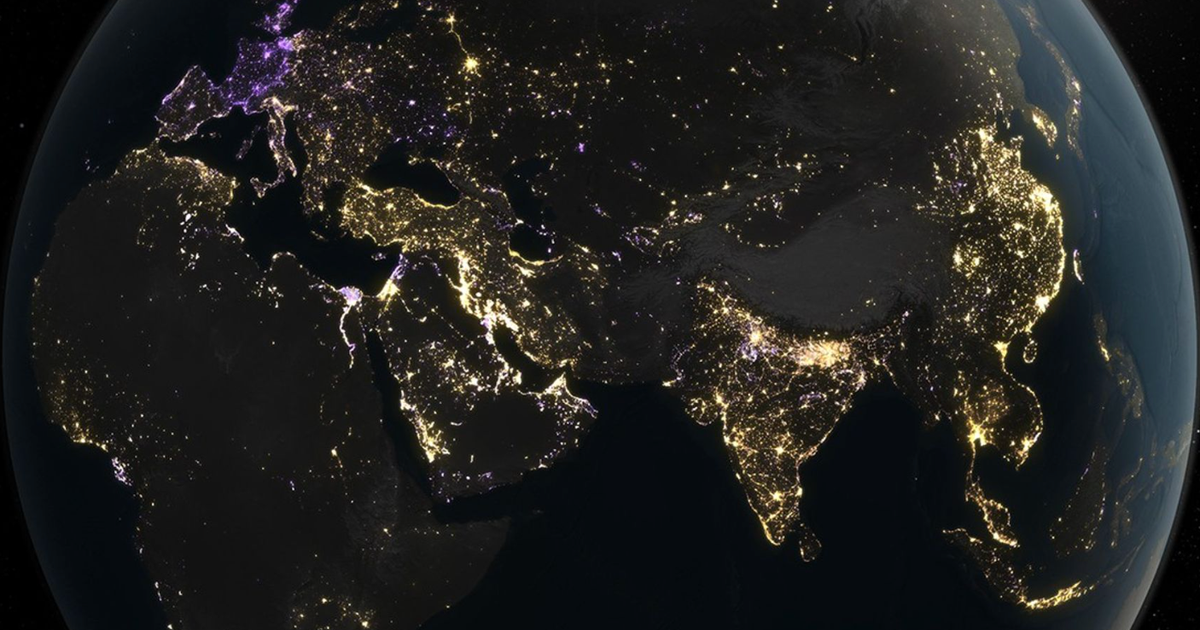
NASA created new maps of Earth’s night lights using data from 2014 to 2022. The maps show that some areas are getting brighter while others are dimmer, reflecting changes in population, energy use, and events like wars.
Key Facts
NASA used data from three satellites to track artificial light at night over nearly 10 years.
Overall, night light brightness increased by 34%, but dimming reduced this by 18%.
Changes in light levels show patterns of economic growth, energy policy, and blackouts.
U.S. West Coast cities became brighter due to population growth; East Coast cities dimmed due to energy-efficient bulbs and economic shifts.
In China and northern India, night lights grew brighter with urban development.
Europe saw dimming from energy-saving measures and a drop in brightness in 2022 related to the war in Ukraine and its energy crisis.
The study shows that changes in night lights are not uniform but vary widely across regions.
These findings help us understand human impact on the environment and energy use.
Read the Original
Want the full story? Tap a source to open the original
article.
On the biggest stories we show what the outlets agree on and where they differ. Readers keep that going, and get the daily digest by email every morning. Most choose $3.99/month.
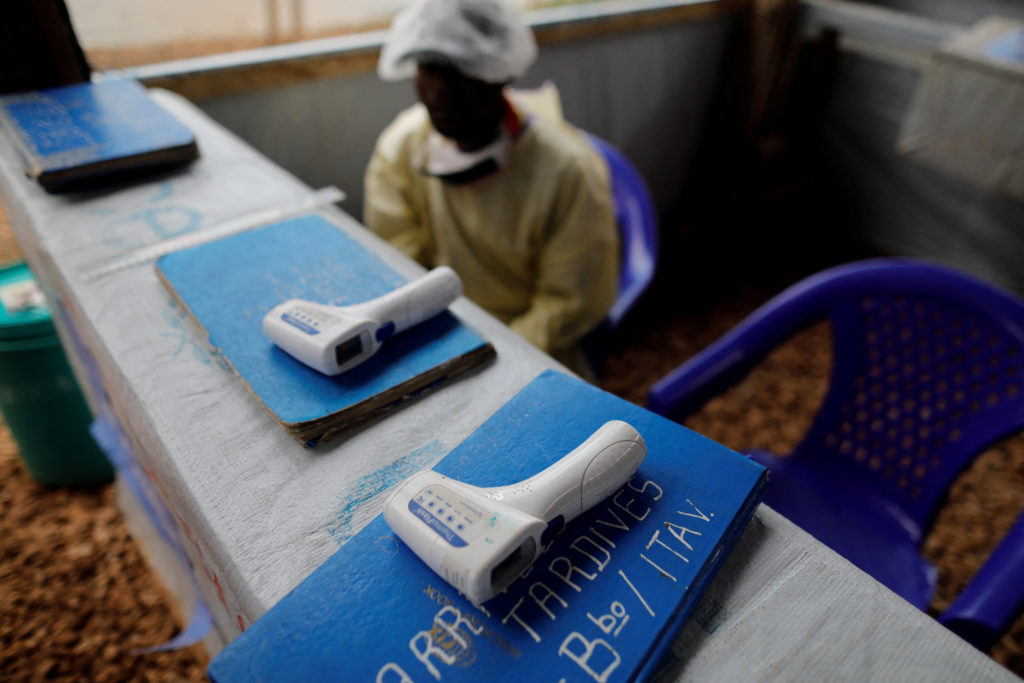
A hantavirus outbreak on a cruise ship flying the Dutch flag was caused by the Andes virus. This type of hantavirus is unique because it can spread from one person to another, unlike other strains that usually come from rodents.
Key Facts
The outbreak happened on a cruise ship registered in the Netherlands.
The virus responsible is the Andes virus, a type of hantavirus.
Andes virus is the only hantavirus strain known to spread between people.
Hantaviruses are generally carried by rodents, which are animals like mice and rats.
The article discusses how hantavirus originally came to infect humans.
The virus has caused deadly illness in some cases.
A CBS News reporter, Ramy Inocencio, provides the explanation.
Read the Original
Want the full story? Tap a source to open the original
article.
The UK Labour Party is facing a leadership challenge as many party members prefer Andy Burnham, the popular mayor of Greater Manchester, over current leader Keir Starmer. However, Burnham must first win a seat in Parliament before he can seriously contest the leadership.
Key Facts
Keir Starmer is the current leader of the UK Labour Party.
Labour Party rules make it hard to remove leaders quickly; challengers need support from 81 MPs.
Andy Burnham, mayor of Greater Manchester, is seen as the leading alternative by many Labour members.
Burnham is popular across different groups within the Labour Party.
Because Burnham is not currently a member of Parliament, he must win a by-election to qualify for a leadership bid.
Labour rarely changes leaders while in government, unlike the Conservative Party.
The leadership challenge reflects internal dissatisfaction with Starmer’s leadership.
Read the Original
Want the full story? Tap a source to open the original
article.