This week will start warm and sunny but will become wetter and windier as a strong jet stream brings low-pressure weather systems to the UK. Temperatures will drop to normal September levels, and while higher pressure might return later in the month, a late-September heatwave is unlikely.
Key Facts
Monday will be the warmest day, with temperatures above 20°C in many areas and up to 26°C in parts of southern England.
The jet stream, a fast-moving air current high above the Earth, will strengthen and bring rain and wind later in the week.
Winds will shift to westerly or north-westerly by Thursday, making the weather cooler and fresher.
Temperatures will fall to around 14-16°C in Scotland and Northern Ireland and 17-20°C in England and Wales by midweek.
Low-pressure systems will cause unsettled weather with rain and wind towards next weekend, possibly causing minor disruption.
High pressure may return near the end of September, possibly bringing drier weather and warmer days.
There is no current sign of a late-September heatwave; cooler, chillier mornings are possible as nights get longer.
Long-range weather forecasts can change, so updates should be checked regularly.
Read the Original
Want the full story? Tap a source to open the original
article.
Houthi fighters in Yemen are moving closer to areas controlled by the Saudi-backed government, including the important oil and gas region of Marib and the city of Taiz. The conflict is growing more intense as both sides fight for control.
Key Facts
Houthi forces are advancing on government-held areas in Yemen.
Saudi Arabia supports the Yemeni government in this conflict.
The province of Marib is important because it has oil and gas resources.
The city of Taiz is also a key area in the fighting.
The fighting between the Houthis and government forces is getting stronger.
Al Jazeera reported on this from Yemen’s capital, Sanaa.
Read the Original
Want the full story? Tap a source to open the original
article.
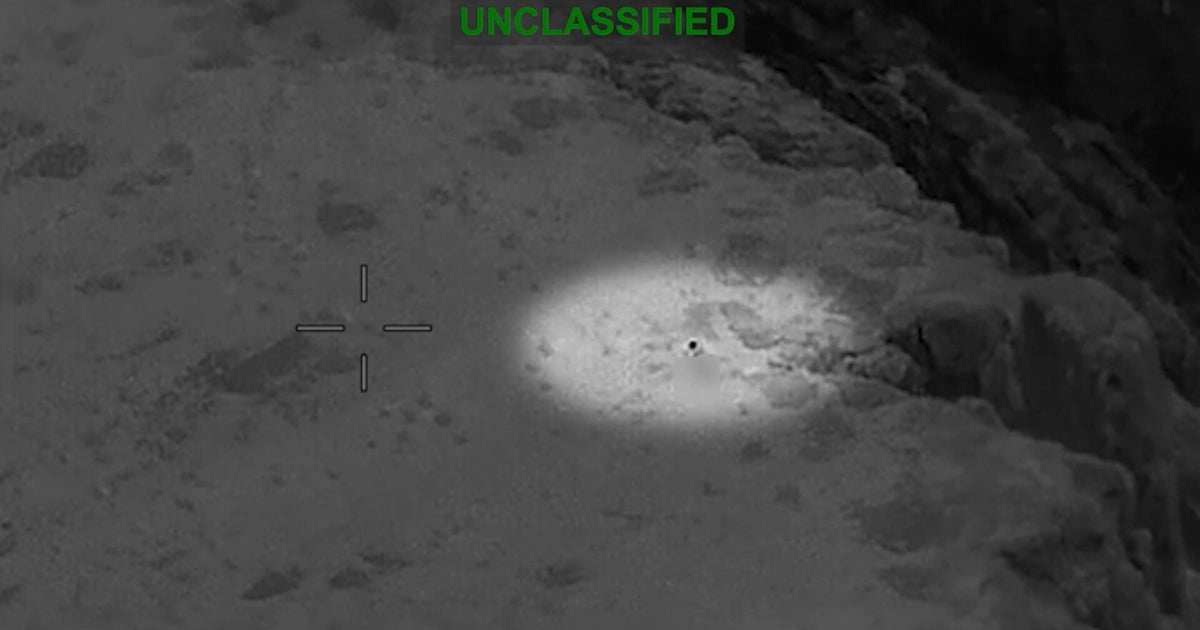
Newly released videos show the rescues of two U.S. Air Force officers who were shot down in Iran and landed miles apart in a mountainous area. The military launched a risky daytime mission eight hours after the first pilot ejected and located the second pilot, who was badly injured, two days later.
Key Facts
Two U.S. Air Force officers, called "Alpha" and "Bravo" for security, were shot down over Iran.
They landed about 5 miles apart near Isfahan in a mountainous region.
Iranian forces were searching for them and had placed bounties on their capture.
The rescue of Alpha happened about eight hours after ejection, involving 21 U.S. aircraft.
Leadership decided to conduct the rescue mission in daylight despite the danger.
Bravo was seriously injured with a broken back and climbed a 7,000-foot ridge while waiting.
U.S. pararescuers found Bravo about two days after the shootdown and brought him to safety.
Bravo called seeing the rescuers one of the greatest moments of his life and said, "Let's go."
Read the Original
Want the full story? Tap a source to open the original
article.
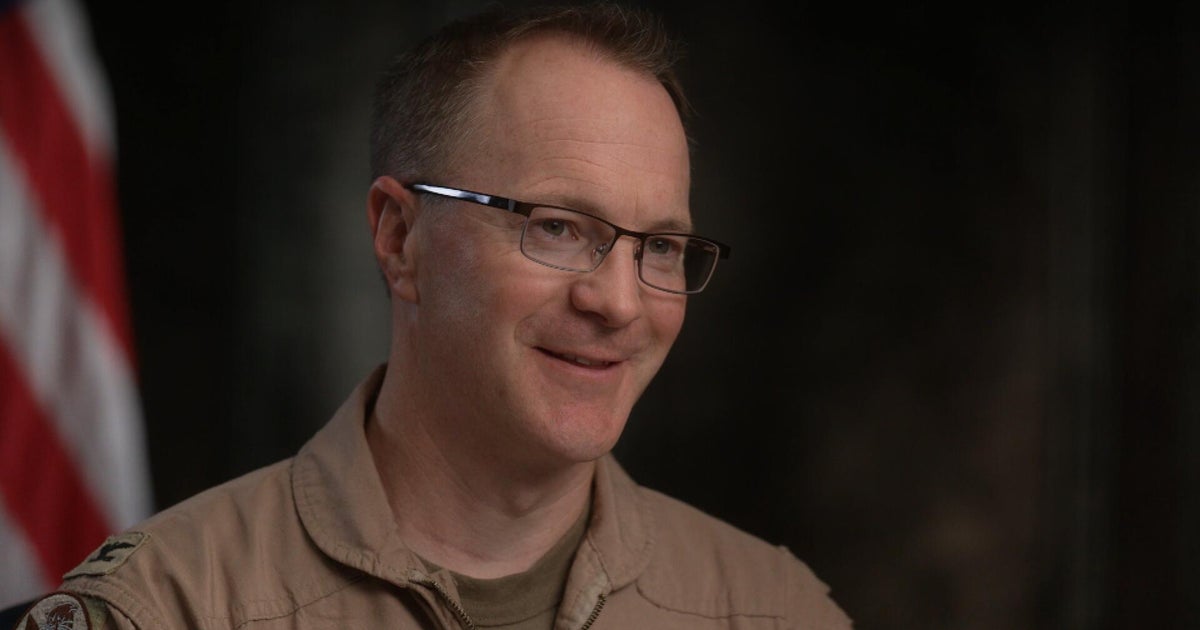
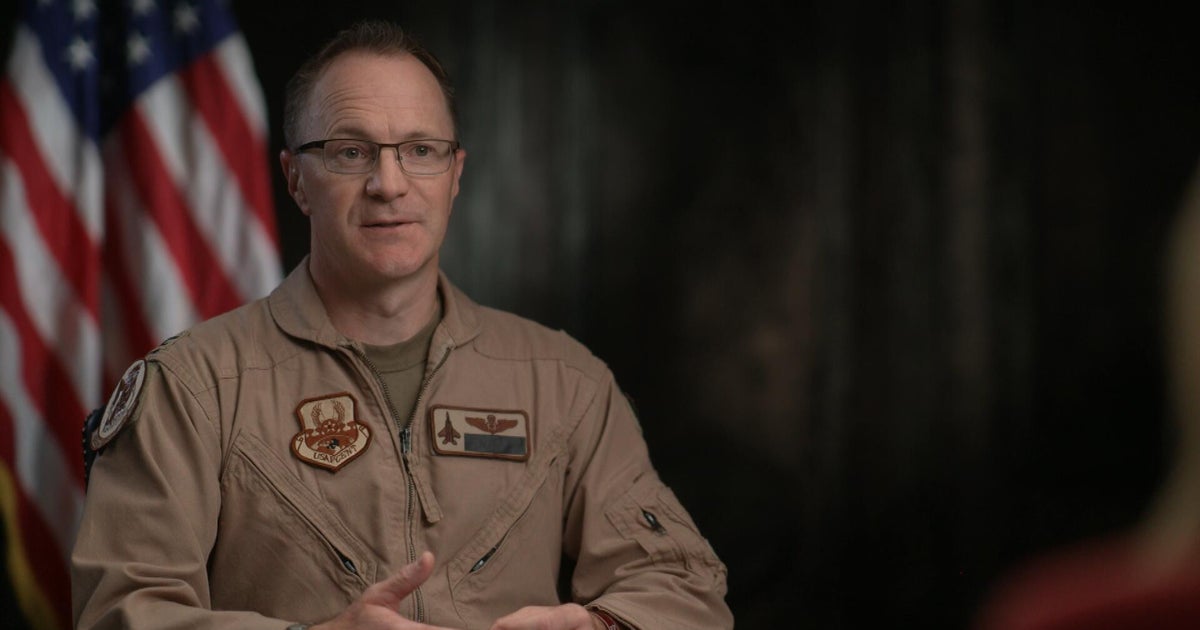
An American fighter jet was shot down over Iran in April during a war, forcing two officers to eject and survive behind enemy lines. One officer, called Bravo, shared details about the crash, their rescue, and the dangerous time spent avoiding capture by Iranian forces.
Key Facts
The F-15E jet, call sign Dude 44, was hit by an Iranian missile.
Both crew members ejected quickly and landed separated in a mountainous desert.
Bravo's parachute was damaged during the ejection, making the fall very dangerous.
Bravo suffered serious injuries, including a broken back, shoulder, and arm.
The rescue mission to save them was one of the largest and most complex in U.S. history.
Bravo credits his crewmate Alpha for quick decisions that saved their lives.
The survival equipment and aircraft systems worked better than expected despite damage.
After landing, Bravo was hunted by Iranian forces who tried to capture him.
Read the Original
Want the full story? Tap a source to open the original
article.
In April, a U.S. Air Force F-15E fighter jet was shot down over Iran during a mission targeting missile and drone facilities. Two officers ejected; one survived a dangerous parachute landing while separated in rough terrain, prompting a large U.S. military rescue operation.
Key Facts
The incident happened on April 2 over a mountainous area south of Isfahan, Iran.
The jet, call sign DUDE 44, was on a strike mission unrelated to Iran’s nuclear facility.
The $30 million aircraft was hit by a shoulder-fired missile costing about $100,000.
Two officers ejected and landed miles apart; one called Bravo suffered injuries and a damaged parachute.
Bravo described the ejection as like being hit by a freight train and experiencing free-fall with a broken parachute.
The U.S. military launched one of its largest search and rescue operations to recover the stranded officers.
Iran shared images of the wreckage on social media.
Defense Secretary Pete Hegseth emphasized the military’s commitment to rescuing the officers regardless of the danger.
Read the Original
Want the full story? Tap a source to open the original
article.
An Air Force officer was shot down over a mountainous desert area in Iran in April. After ejecting from the damaged F-15E fighter jet, he free-fell with a damaged parachute, survived injuries, and hid behind enemy lines for two days before being rescued.
Key Facts
The officer was the weapons-systems officer, call sign Bravo, flying in an F-15E with pilot Alpha during a mission over Iran.
Their jet was hit by an Iranian shoulder-fired missile near Isfahan, close to Iran’s nuclear material storage.
Bravo’s parachute was damaged, causing him to fall at 70-100 mph and suffer a broken back, arm, and shoulder.
He prayed for help during the fall and described his survival as a "modern-day miracle."
Bravo hid and survived for two days before being rescued behind enemy lines.
Alpha ejected safely, was rescued first, and later returned to flying duties.
The mission targeted Iranian drone and missile program facilities.
U.S. Central Command said the military has flown about 13,000 missions in the war with Iran.
Read the Original
Want the full story? Tap a source to open the original
article.
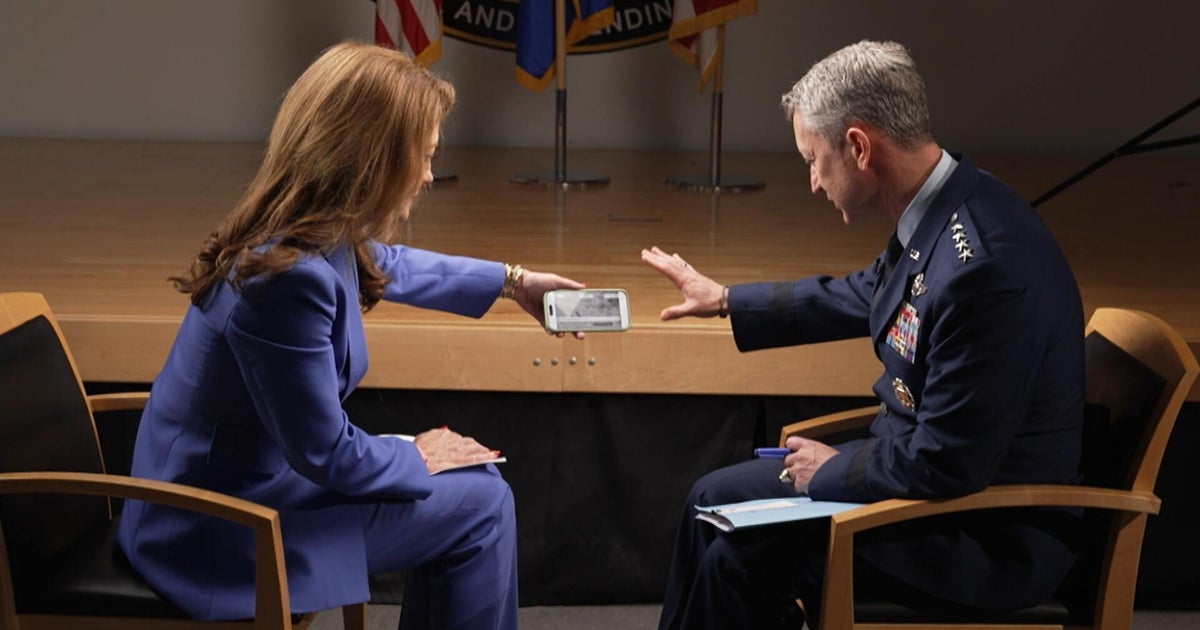
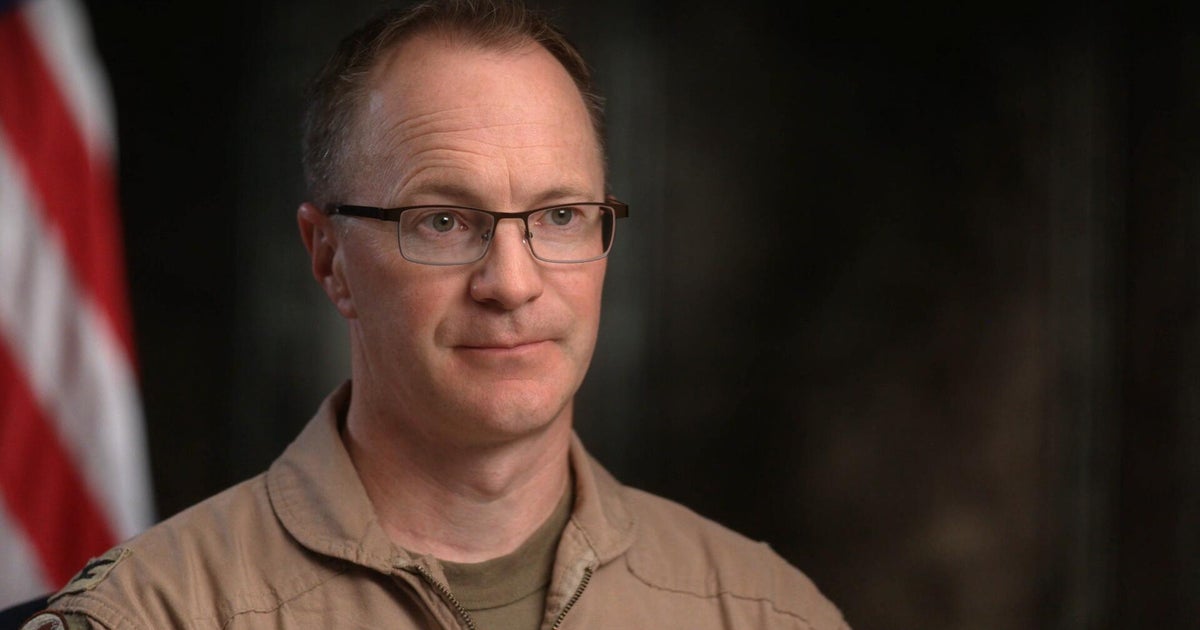
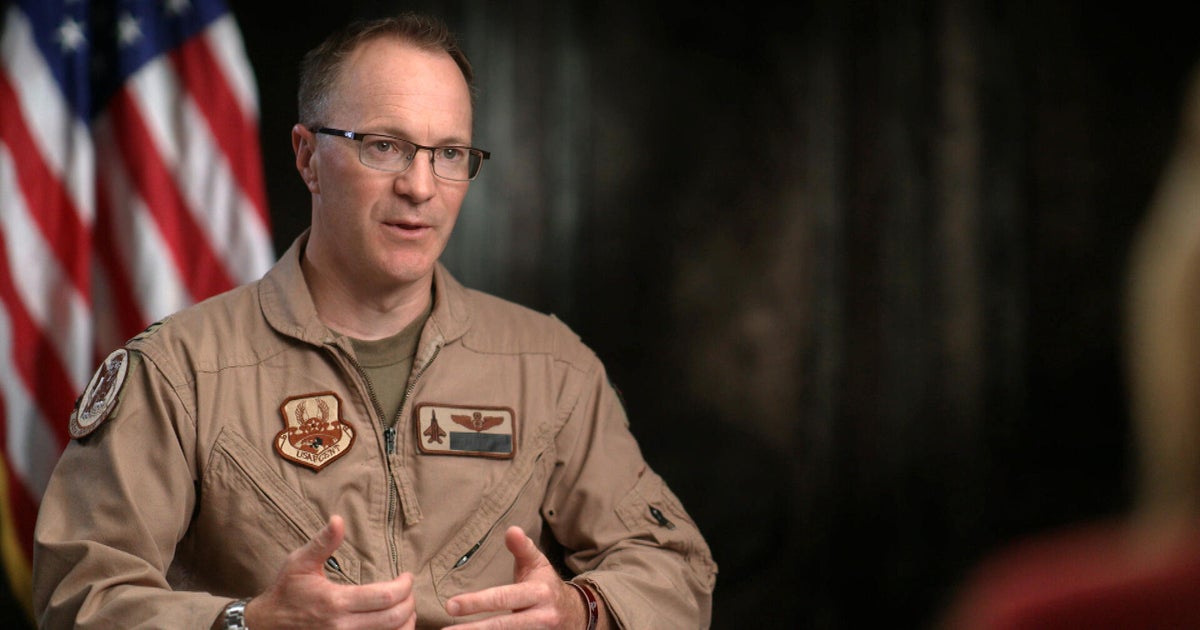
An Air Force colonel who was shot down in Iran described his experience surviving behind enemy lines. He shared details about how he and his crewmate were rescued in a special operation.
Key Facts
An Air Force colonel was shot down in Iran.
He survived behind enemy lines for a period of time.
The colonel gave an interview to 60 Minutes correspondent Norah O'Donnell.
The interview provided new details about his survival and rescue.
The rescue operation brought both him and his crewmate, called "Alpha," safely back home.
The story was covered by CBS News.
Read the Original
Want the full story? Tap a source to open the original
article.
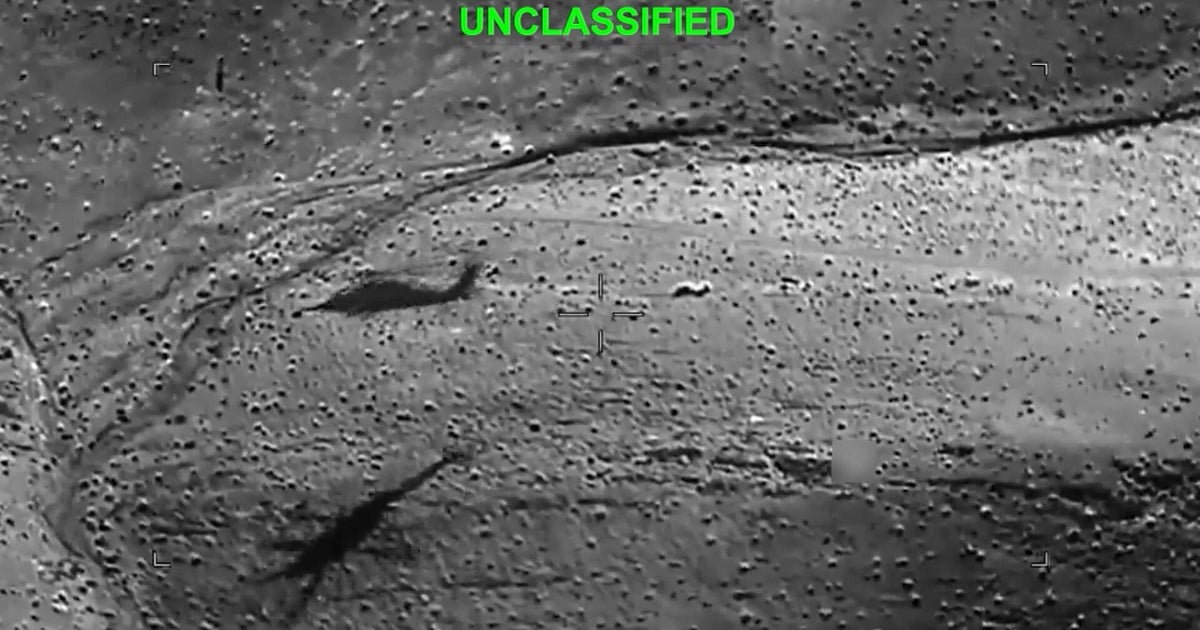
Newly released videos show the rescue of two Air Force officers who were shot down over a mountainous desert area in Iran in April. These rescues happened two days apart and involved urgent recovery missions.
Key Facts
The videos were recently declassified, meaning they were made public after being kept secret.
They show two separate rescue operations for Air Force officers shot down in Iran.
The rescues took place two days apart from each other.
The location of the incidents was a mountainous desert region in Iran.
The videos were obtained first by the news program 60 Minutes.
The footage highlights the difficult conditions involved in the rescue missions.
The events happened in April of this year.
Read the Original
Want the full story? Tap a source to open the original
article.
A U.S. Air Force officer was shot down over Iran in April and survived after ejecting from his aircraft. He spent two days avoiding capture by Iranian forces before being rescued.
Key Facts
The incident happened in April over Iranian territory.
The Air Force officer was part of a two-person crew.
He had to eject from his aircraft to survive.
After ejecting, he spent two days evading Iranian forces.
Eventually, rescuers found and recovered him safely.
The officer described his survival as a "modern-day miracle."
The story was featured in a CBS News report titled "60 Minutes."
Read the Original
Want the full story? Tap a source to open the original
article.
The UK government plans to require schools in England to serve pulses like lentils once a week. Meanwhile, former Prime Minister Boris Johnson's train to Poland was moved earlier due to drone attacks linked to Russia during his visit to Ukraine.
Key Facts
Schools in England will have to serve pulses such as lentils at least once a week.
Over 800 leaders in pubs, restaurants, and hotels asked for a cut in VAT from 20% to 10%.
Local authorities in the UK can now impose unlimited tourist taxes, causing concern in the hospitality sector.
Boris Johnson left Ukraine early by train because of Russian drone attacks targeting the train line.
Experts described the drone strike as a strong warning from the Kremlin.
Some UK political parties received very large donations, raising questions about regulating political funding.
New research reveals more people and officials were involved in Britain's transatlantic slave trade than previously known.
President Donald Trump opposes slowing down AI development despite concerns expressed by Democrats and tech leaders.
Read the Original
Want the full story? Tap a source to open the original
article.
A video shows an Israeli small drone flying low between homes in the Al-Tuffah area of Gaza City. Such armed drones are used widely in the Gaza Strip to watch and target civilians.
Key Facts
The video features a quadcopter, a type of small drone, flying between residential buildings.
The location is the Al-Tuffah neighborhood in Gaza City, specifically in the eastern part.
Israeli forces use armed quadcopters in the Gaza Strip.
These drones are employed for surveillance and targeting purposes.
The drones fly close to civilian homes, affecting residents' daily lives.
The use of such drones in populated areas raises concerns about safety and civilian impact.
Read the Original
Want the full story? Tap a source to open the original
article.
The Emmy Awards nominations were announced for TV shows in comedy, drama, and limited series categories. Some popular shows like Heated Rivalry are not nominated because they do not meet the Emmy eligibility rules, while others like The Pitt, Hacks, and Beef received multiple nominations.
Key Facts
The Emmy Awards ceremony takes place Monday in Los Angeles and honors US television shows.
Nominations are split into comedy, drama, and limited/anthology series categories.
The medical drama The Pitt has 8 acting nominations and is nominated for Best Drama.
Hacks is a strong contender in comedy, with stars Jean Smart and Hannah Einbinder nominated again.
Beef, a limited series, is nominated and stars Carey Mulligan and Oscar Isaac.
Heated Rivalry, a popular Canadian show, is not eligible because it is fully Canadian funded without US involvement.
Some British actors, like Matthew Rhys and Riz Ahmed, are nominated for their roles.
Heated Rivalry can compete in the International Emmys held in November.
Read the Original
Want the full story? Tap a source to open the original
article.
During restoration work at Buckingham Palace, workers found many everyday items dating back to the 1800s. These items include old boots, newspapers, betting slips, and schedules related to royal events, all hidden under floors and inside walls.
Key Facts
The palace is undergoing a £369 million, 10-year restoration to replace old wiring, pipes, and boilers.
Workers found objects like hobnailed boots, a whist drive ticket from 1949, and a newspaper about the 1963 Great Train Robbery.
A schedule showed Queen Elizabeth II's plans for a 1977 diplomatic reception during her Silver Jubilee.
Some items date back to the mid-1800s, like Minton ceramic tiles and a pewter tankard.
Vulcanised Indian rubber cabling, which posed a fire risk, was found and prioritized for replacement.
King Charles III and Queen Camilla are living in Clarence House during the renovation and will not return to Buckingham Palace.
The restoration is funded by a temporary increase in the Sovereign Grant, the money used for the royal family’s official duties.
Public access to Buckingham Palace will increase after the renovations are finished.
Read the Original
Want the full story? Tap a source to open the original
article.
North Korea sent about 13,000 soldiers to help Russia fight Ukraine near the end of 2024, with many killed in the fighting. Ukraine’s president says up to 50,000 North Korean troops could be sent to support Russia soon, while experts say some remain defending Russian territory but are not currently fighting actively.
Key Facts
About 13,000 North Korean soldiers were sent to fight alongside Russian forces in late 2024.
Around 3,000 North Korean soldiers died in combat during this deployment.
Ukraine estimates 8,500 North Korean troops still remain on Russian soil in the Kursk region, guarding the border.
These troops are organized into four brigades as part of the "North" Group of Forces.
North Korean forces have not been spotted fighting inside Ukrainian-controlled areas.
Ukraine’s president Zelensky warned that North Korea could send up to 50,000 troops to Russia.
The deployment was North Korea’s largest combat force sent overseas under leader Kim Jong Un.
Sending troops to Russia improved North Korea’s military experience and may deepen military cooperation with Russia.
Read the Original
Want the full story? Tap a source to open the original
article.
September is a popular time for people to start new routines and set small goals to finish the year well. Many use this period, called the "September reset," to make simple changes that fit into daily life and prepare for the months ahead.
Key Facts
September signals a return to work, school, or new activities after summer.
The "September reset" is a trend where people set small, manageable goals instead of big life changes.
Content creator Cami Sophia suggests reviewing yearly goals and choosing three small, doable habits.
Planning meals, workouts, and outfits in advance helps make routine changes easier.
Social psychologist Bas Verplanken notes that big life changes can help people adopt new, sustainable habits.
The key to keeping new habits is making them easy to do and fitting them naturally into daily life.
Many TikTok users share tips on small actions like decluttering or adding healthy foods to meals.
Experts recommend avoiding overwhelming plans and focusing on simple, clear daily steps.
Read the Original
Want the full story? Tap a source to open the original
article.
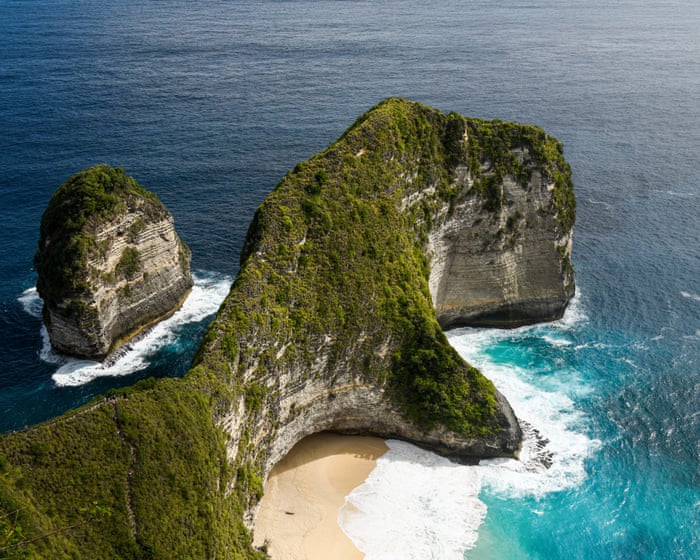
A 29-year-old woman from Queensland, Australia, fell to her death at Kelingking Beach, a popular tourist spot in Bali. She slipped while trying to find a path near the cliff's edge and fell into a ravine, leading to fatal injuries despite rescue efforts.
Key Facts
The woman fell around 9 a.m. local time on Saturday at Kelingking Beach in Bali.
Kelingking Beach is known for its 180-meter-high cliffs and panoramic views.
She was visiting Bali on holiday when the accident happened.
Emergency services reached her quickly but she fell further before help arrived.
She suffered multiple fractures and was evacuated on a stretcher.
Swimming at Kelingking Beach is banned due to strong, dangerous currents.
The hike to the beach is difficult and can take up to two hours on a dangerous path.
Plans for a glass elevator to help visitors reach the beach were stopped after local opposition.
Read the Original
Want the full story? Tap a source to open the original
article.
During a major restoration of Buckingham Palace, workers uncovered many lost or discarded items from the past 140 years, giving insight into the daily life of the royal staff. The renovation includes fixing old electrical wiring and updating plumbing to protect the building.
Key Facts
The restoration project began in 2017 and will cost around £370 million.
Items found include a 1949 ticket to a staff social club whist drive, football pool slips from 1957, and an 1889 newspaper fragment.
About 1.2 miles of old electrical cables made from vulcanised Indian rubber, which are a fire risk, have been removed.
The whist drive ticket was found embedded in a lump of building rock and is from the time when King George VI was reigning.
Staff instructions from the 1977 Silver Jubilee event were found, detailing how the royal family and guests were to behave.
Other objects discovered included old boots, cigarette packets, decorative tiles from the 1800s, a pewter tankard, and a bottle of English spring water.
Work in the palace involves updating infrastructure like electrics, plumbing, and heating to prevent future damage.
The palace restoration is scheduled to be completed next year.
Read the Original
Want the full story? Tap a source to open the original
article.
Glaciers in the Himalayas are melting much faster than before, increasing the risk of floods and other natural disasters. This threatens millions of people and India's economy, which depends heavily on water from these mountains.
Key Facts
Himalayan glaciers are losing ice 65% faster than 10 years ago.
Only 21 out of about 40,000 glaciers in the region are being closely monitored.
Unstable glacial lakes are growing, which can burst and cause floods.
In 2023, a flood caused by a glacial lake outburst in Sikkim killed at least 70 people.
In 2021, a similar flood in Uttarakhand killed more than 200 people.
About 18% of India's land is in the Himalayas, but this area causes 35% of the country’s disasters.
Himalayan water supports roughly 20% of India’s economy, especially agriculture and hydropower.
Black carbon pollution, partly from brick kilns, causes about one-third of glacier melting.
Read the Original
Want the full story? Tap a source to open the original
article.
Talks between Iran and Gulf Arab states in Oman have been delayed because some countries in the region wanted more agreement before continuing. The delay happened shortly after an attack on an Iranian cargo ship in the Strait of Hormuz, which caused one death and several injuries.
Key Facts
Negotiations in Oman between Iran and Gulf Arab states were postponed by mutual agreement.
The delay was requested by some countries to achieve regional consensus.
An Iranian cargo ship was attacked near the Strait of Hormuz, killing one person and wounding four others.
Oman acts as a key mediator in the conflict and proposed joint control over the Strait of Hormuz.
Iran rejected the proposal for voluntary fees on ships, demanding compulsory payments for passage.
The Strait of Hormuz is a critical route for about 20% of the world’s oil and gas shipments.
Tensions in the area have increased since war began on February 28 involving Israel, the US, and Iran.
President Donald Trump wants to restore shipping through the strait to lower energy prices before US elections.
Read the Original
Want the full story? Tap a source to open the original
article.