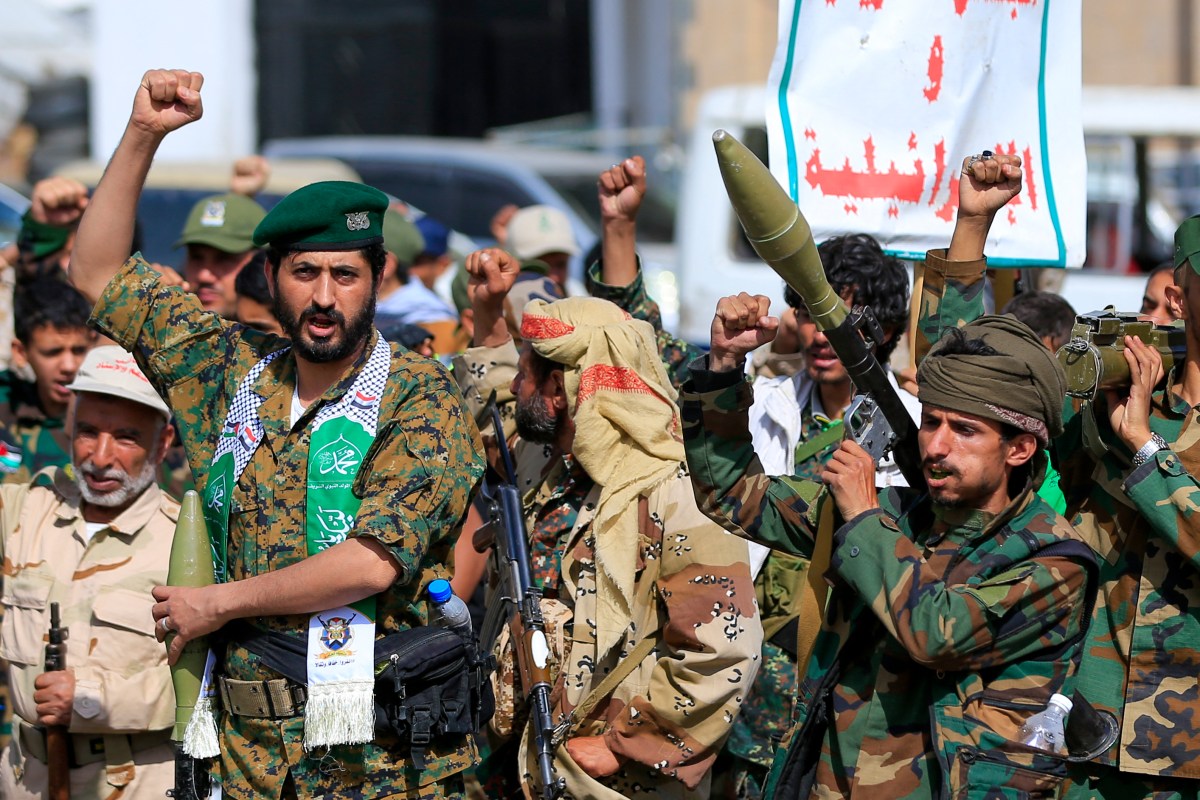
Saudi Arabia is facing multiple attacks from Iran and its allies as part of a wider regional conflict that started after the U.S. and Israel launched a war against Iran in February 2024. Recent clashes in Yemen and cross-border attacks by the Houthi group are increasing tensions and threatening to expand the war in the Middle East.
Key Facts
Since February 28, 2024, Iran and allied groups have attacked Saudi Arabia from several fronts.
The Houthi movement in Yemen has intensified cross-border attacks on Saudi Arabia and gained territory recently.
The Houthis captured the port of Mokha, near a key trade route called the Bab el-Mandeb Strait.
Saudi Arabia can either negotiate with the Houthis or escalate military action, but both options are difficult and risky.
Pakistan and Turkey may support Saudi Arabia under a new defense pact amid the conflict.
The United States and Israel have also conducted strikes on Yemen linked to the conflict.
Saudi Arabia has a history of military involvement in Yemen that had mixed results, with parts of the country still controlled by rebels.
The conflict worsened after a Saudi airstrike on Sanaa Airport in July 2024, targeting a Houthi delegation returning from Tehran.
Read the Original
Want the full story? Tap a source to open the original
article.
The Houthi rebel group, backed by Iran, took control of the Yemeni port city of Mokha. This city is important because it is near the Bab el-Mandeb Strait, a key route for about 12% of the world's shipped goods.
Key Facts
The Houthis are a rebel group supported by Iran.
They captured Mokha, a port city in Yemen, on Thursday.
Mokha is about 80 kilometers (50 miles) from the Bab el-Mandeb Strait.
The Bab el-Mandeb Strait links the Red Sea with the Gulf of Aden.
Around 12% of global shipping goods pass through this strait.
Control of this area gives strategic power over a vital shipping route.
The conflict affects oil and gas transport in the region.
The situation raises concerns about the safety of shipping through the Red Sea.
Read the Original
Want the full story? Tap a source to open the original
article.
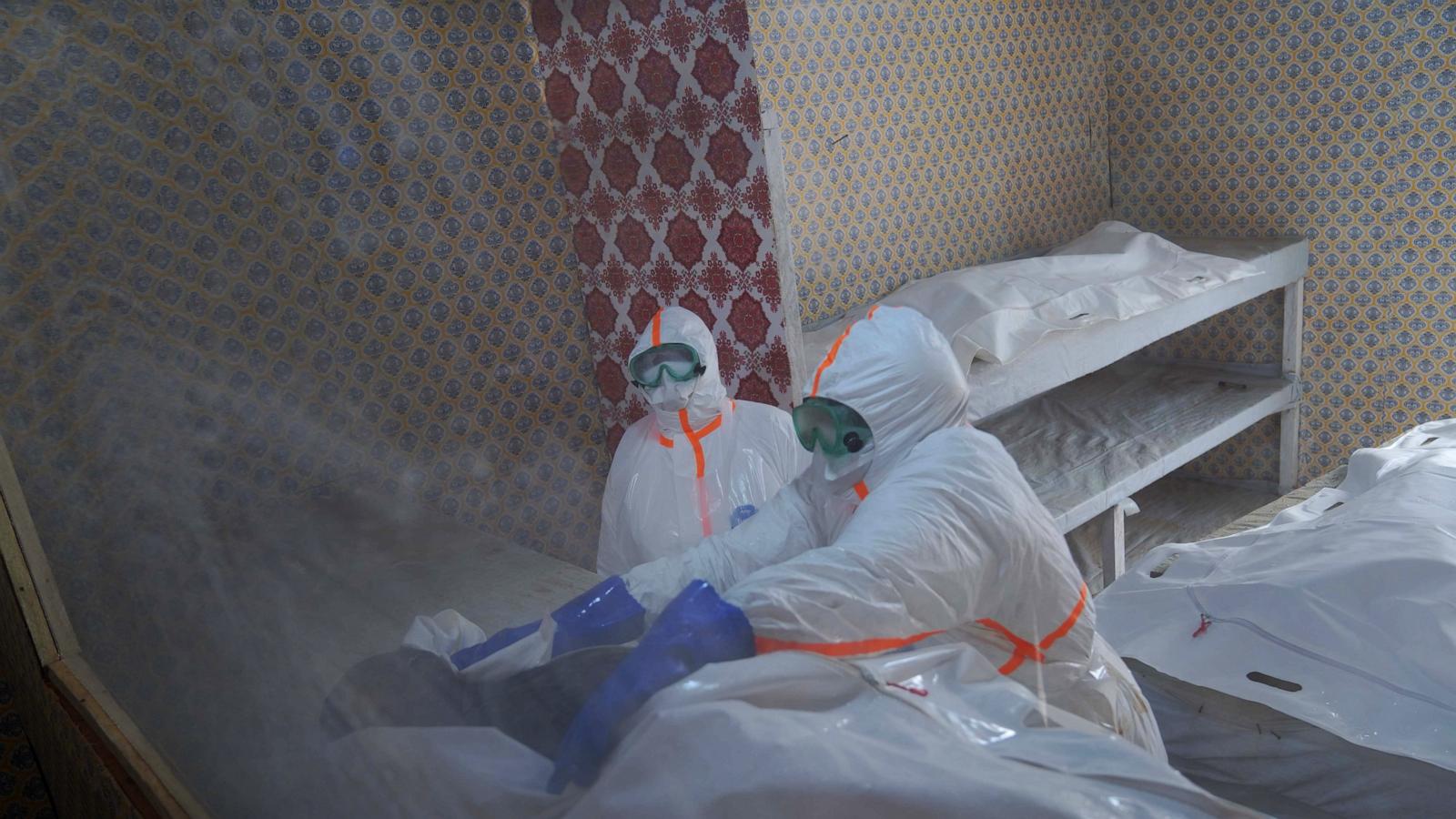
The Ebola outbreak in eastern Congo is spreading quickly beyond the area where it started. While cases in the original area are dropping, new cases are rising sharply in nearby provinces, making control efforts difficult due to insecurity and movement of people.
Key Facts
The outbreak started in May and has reached over 6,800 cases with more than 3,300 deaths.
Ituri province has the most cases, with over 5,400 reported.
Neighboring provinces North Kivu and Haut-Uele are seeing rising case numbers.
Fighting between government forces and rebels in North Kivu has made fighting the outbreak harder.
Vaccination efforts using the Ervebo vaccine began last month, targeting health workers and front-line responders.
New vaccinations started in affected provinces like eastern Tshopo, Haut-Uele, and Bas-Uele.
Vaccine supplies are limited; Congo has received 70,000 doses to date.
The World Health Organization warns this outbreak could surpass the 2014-2016 West Africa Ebola epidemic in deaths.
Read the Original
Want the full story? Tap a source to open the original
article.
Edgar Grospiron, president of the organizing committee for the 2030 Winter Olympics in the French Alps, has resigned after 18 months in the role due to ongoing tensions and challenges. The committee faces issues like budget cuts, leadership resignations, and changes to planned event locations, but officials say preparations for the Games continue.
Key Facts
Edgar Grospiron, who won Olympic gold in moguls skiing in 1992, led the 2030 Winter Olympics organizing committee starting February 2025.
He resigned in July 2026 after several months of internal conflicts within the committee.
Other top officials, including the CEO Cyril Linette, COO Anne Murac, and communications director Arthur Richer, also resigned before him.
Budget cuts have limited planning resources, causing delays and forcing the cancellation of the planned ice sports hub in Nice.
Ice events will now be held in Lyon, France, except speed skating, which is moved to Heerenveen, Netherlands.
French sports minister Marina Ferrari confirmed that work on the Games is ongoing despite leadership changes.
The International Olympic Committee (IOC) thanked Grospiron for his foundational work and pledged to keep working closely with the committee.
The organizing committee described Grospiron's departure as a planned transition aimed at improving governance and operations.
Read the Original
Want the full story? Tap a source to open the original
article.
Iran has increased fuel prices for heavy users amid ongoing conflict and economic challenges. At the same time, U.S. President Donald Trump has said fuel prices in the United States are unlikely to drop before the upcoming midterm elections.
Key Facts
Iran raised fuel prices for people who use a lot of fuel.
Many parts of Iran have been bombed since February 28th.
The increase in fuel prices adds to problems faced by Iranian communities.
President Donald Trump said U.S. fuel prices will likely stay high until midterm elections.
The price rise affects both Iran and the United States in the current conflict.
The article connects the fuel price issue with broader Middle East tensions and conflicts.
Other nearby regional events mentioned include strikes near the Hormuz Strait and new attacks in Yemen.
Read the Original
Want the full story? Tap a source to open the original
article.
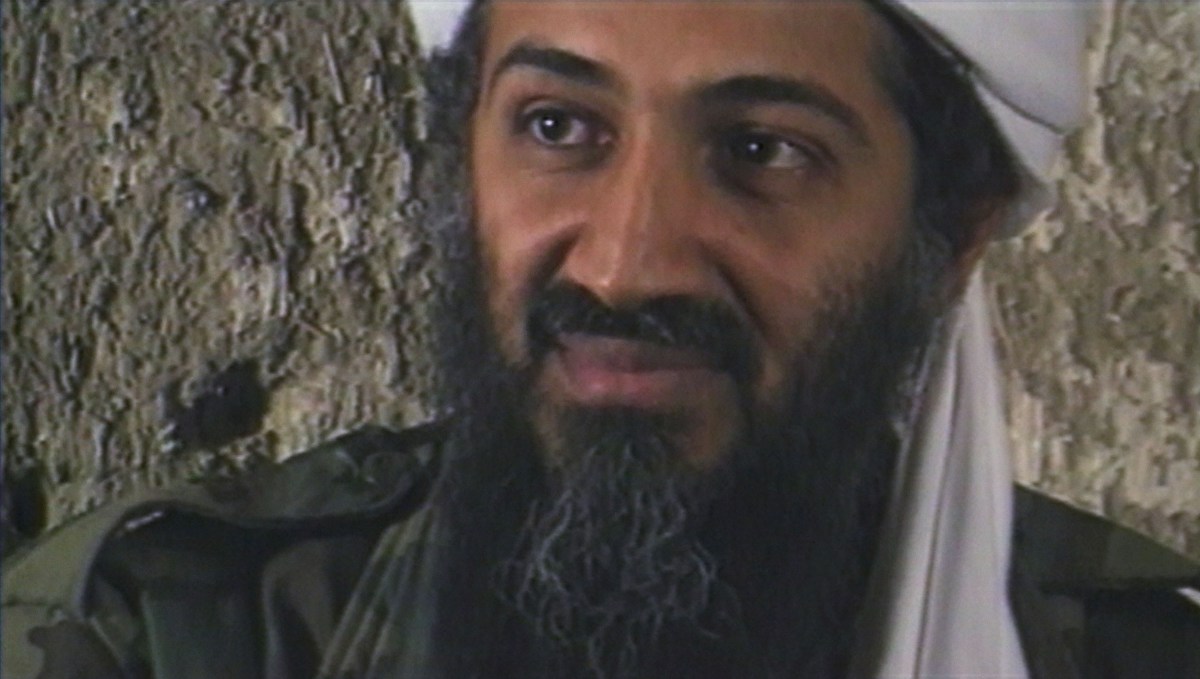
Osama bin Laden wrote a letter in 2002 explaining why he attacked the United States in 2001. In the letter, he blamed U.S. policies in the Middle East and support for Israel for violence against Muslims. He said Americans were responsible because their government’s actions harmed Palestinians, Afghans, and others.
Key Facts
The letter was written by Osama bin Laden in 2002, one year after the 9/11 attacks.
Bin Laden blamed U.S. military actions in the Middle East and support for Israel for causing suffering to Muslims.
He said American civilians were responsible because their taxes funded military attacks on Muslim countries.
Bin Laden founded al-Qaeda, the group behind the 9/11 attacks that killed nearly 3,000 people.
He was killed by U.S. Navy SEALs in 2011 in Pakistan.
The letter was intended to justify violence against the U.S. and recruit support for al-Qaeda.
The text includes religious language from the Quran to support bin Laden’s views.
Read the Original
Want the full story? Tap a source to open the original
article.
A Russian drone attacked a shopping mall in Pavlohrad, Ukraine, killing four people and injuring 60. This attack happened during the day when many people were nearby. Other recent attacks on shopping malls in Ukraine and Russian-controlled areas have caused more deaths and injuries.
Key Facts
Four people were killed and 60 wounded in a Russian drone strike on a shopping mall in Pavlohrad, Ukraine.
The attack happened in daylight when the streets were full of people.
Two other shopping malls in Zaporizhzhia and Sumy were hit by Russian air strikes earlier in the week.
Ukrainian officials said a drone attack on a mall in Sumy killed two and injured 20.
In Zaporizhzhia, a mall was nearly destroyed in a Russian strike but was closed at the time, so no casualties were reported.
Russian officials reported a Ukrainian drone attack on Sochi, Russia, injuring 28 people, including children.
Recent fighting continues despite peace talks led by envoys sent by President Donald Trump.
The conflict between Ukraine and Russia has lasted over four and a half years since Russia’s invasion began.
Read the Original
Want the full story? Tap a source to open the original
article.
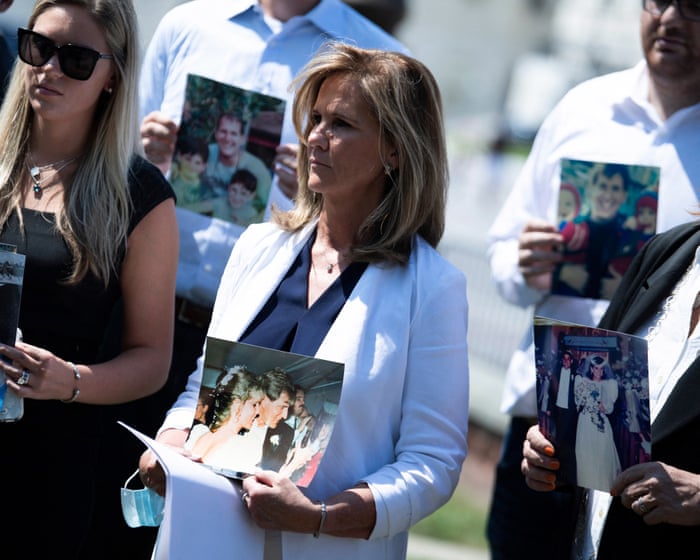
Families of 9/11 victims say it has taken too long to hold Saudi Arabia responsible for allegedly supporting the terrorists who carried out the attacks. A judge recently ruled that claims against Saudi Arabia can move forward in court, while Saudi officials deny any involvement.
Key Facts
The 9/11 attacks happened on September 11, 2001, killing nearly 3,000 people.
Terry Strada, whose husband died in the attacks, leads a group called 9/11 Families United.
The group has pursued a civil lawsuit claiming Saudi Arabia supported the terrorists.
Saudi Arabia denies these allegations and says it has helped fight terrorism.
In August 2025, a New York judge ruled that the lawsuit against Saudi Arabia can continue.
Other defendants in the case include al-Qaida, the Taliban, and Iran, who have not responded to claims.
New evidence has emerged that may link Saudi agents to actions related to the attacks.
Some men accused of 9/11 involvement remain in Guantánamo Bay and have been given a trial date in 2028.
Read the Original
Want the full story? Tap a source to open the original
article.
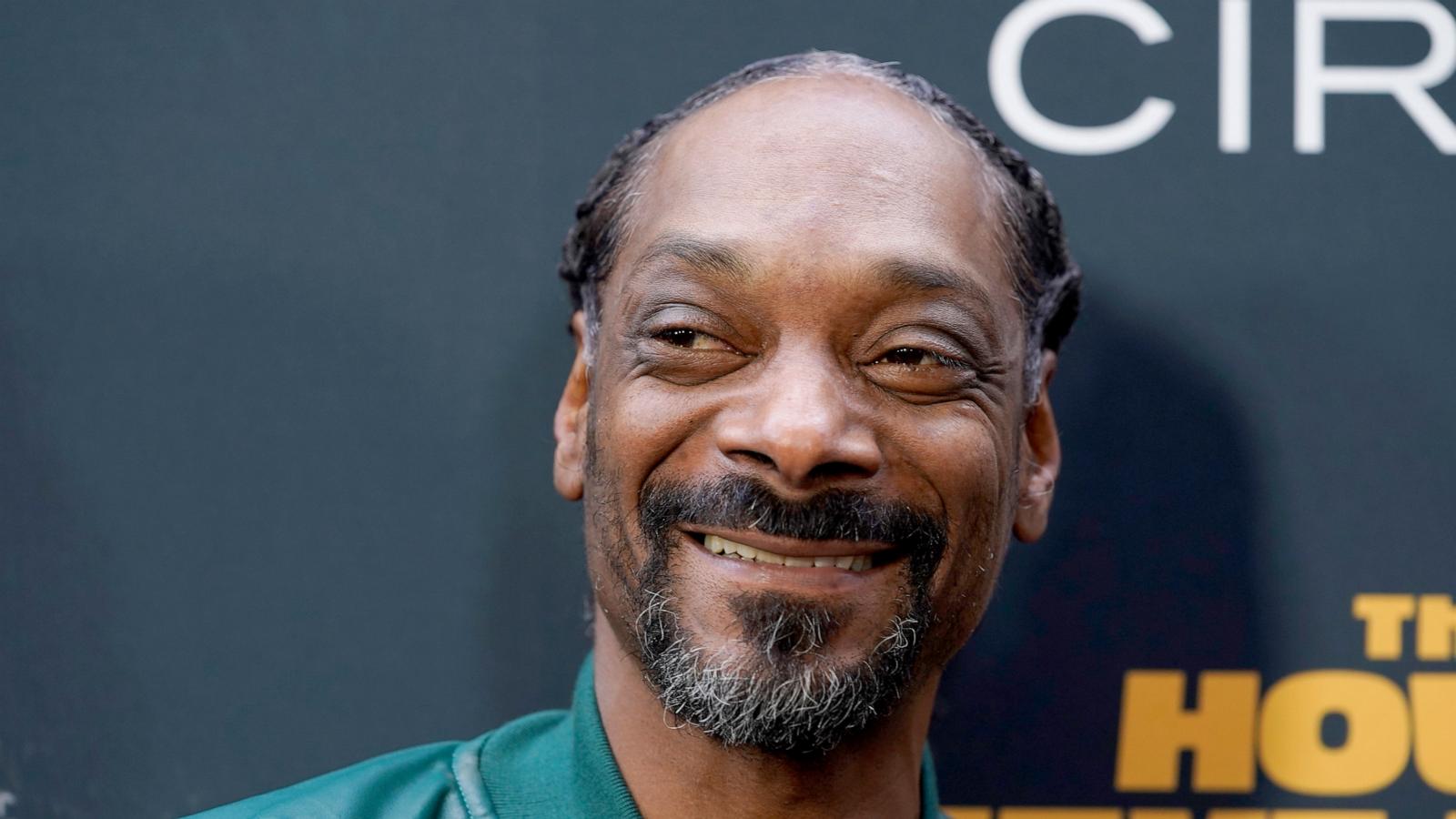
The MTV Video Music Awards (VMAs) will take place in Los Angeles on September 27, 2026, with rapper Snoop Dogg as the host. This is the first time since 2017 that the show is held outside of New York or New Jersey.
Key Facts
Snoop Dogg will host the VMAs live from the Peacock Theater in Los Angeles.
The show will be broadcast simultaneously on CBS, MTV, and Paramount+.
Snoop Dogg has been nominated 13 times for VMAs and has won three awards.
The VMAs last took place outside New York or New Jersey in 2017.
Madonna leads the nominations with 11, including video of the year and artist of the year.
Taylor Swift has nine nominations, including artist of the year.
Nirvana will receive the Video Vanguard award, a special honor at the VMAs.
The awards celebrate music videos and performances and have been important for hip-hop exposure.
Read the Original
Want the full story? Tap a source to open the original
article.
The Bayeux Tapestry exhibition opened to the public at the British Museum in London. The tapestry is an almost 70-meter-long embroidery that shows the story of the Norman conquest of England and the Battle of Hastings in 1066.
Key Facts
The Bayeux Tapestry is about 70 meters (230 feet) long.
It is nearly 1,000 years old.
The tapestry depicts the Norman conquest of England and the Battle of Hastings.
The exhibition is held at the British Museum in London.
Adult tickets cost £33 during busy times and £27 when less crowded.
Visitors are also asked to give a £3.50 donation.
The exhibition has attracted many visitors on its opening day.
The BBC interviewed some of the first visitors about the exhibition.
Read the Original
Want the full story? Tap a source to open the original
article.
The father of a teenager who died in a crash involving a police car has been charged with assault during his son's funeral. The crash, which happened on the A66 road, killed five young men and two police officers.
Key Facts
Gye Worthy, 39, was arrested at his son’s funeral for assault and obstructing police.
His son, Cole Worthy, 17, died in a crash with a marked armed police car on the A66 in South Bank.
The crash occurred on August 22 and involved a Volkswagen Passat traveling the wrong way.
Two police officers, PC Matthew Blades, 37, and PC Tom Clough, were in the police car struck head-on.
Cole Worthy was one of five men killed in the crash; the others were Michael Cahill (23), Jakub Matusiak (23), Makai Saddington (18), and Theo Rae (17).
PC Matthew Blades’ funeral happened on the same day as Cole Worthy’s.
The police officers were not pursuing the car but were responding to a signal caused by the car’s cloned license plates.
A house linked to the Worthy family was hit by a car shortly before the crash.
Read the Original
Want the full story? Tap a source to open the original
article.
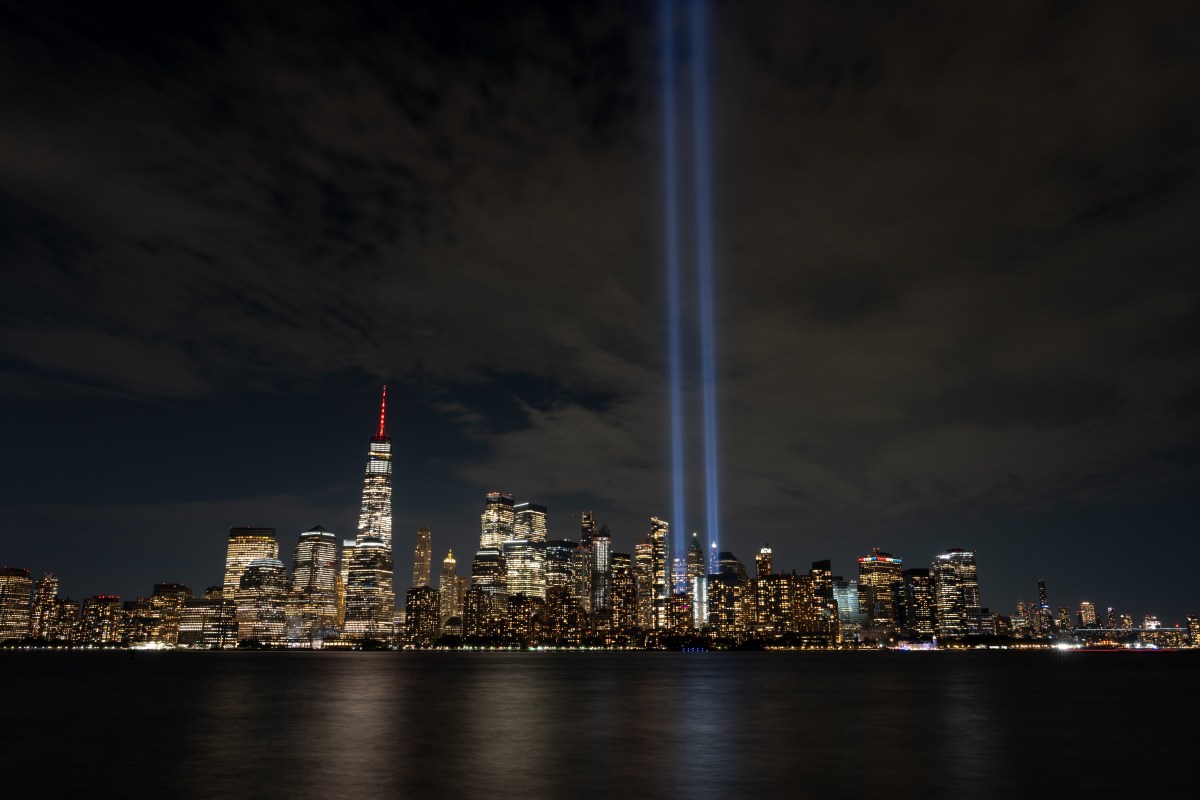
The article looks at the impact of the September 11, 2001 attacks on the United States and the world, 25 years later. It discusses how the attacks changed global security, politics, and international relations, as well as how their memory remains significant today.
Key Facts
The 9/11 attacks targeted New York’s Twin Towers, the Pentagon, and a site in Pennsylvania.
The attacks led to major changes in global security and intelligence, including a shift from focusing on Russian threats to threats from Arabic-speaking groups.
Each anniversary of 9/11 has reflected the global situation at that time, such as terrorism concerns in 2016 and the Covid-19 pandemic in 2021.
The article features experts who discuss how the past informs today’s world, which is more connected but also more divided.
The 9/11 attacks highlighted the danger from non-state actors, meaning groups not connected to countries but still able to cause major harm.
The memorial service mentioned took place in New York City in September 2026, shortly before the 25th anniversary.
The attacks changed the balance of power between countries and affected alliances and rivalries.
The article asks what lessons can be learned from 9/11 for the future.
Read the Original
Want the full story? Tap a source to open the original
article.
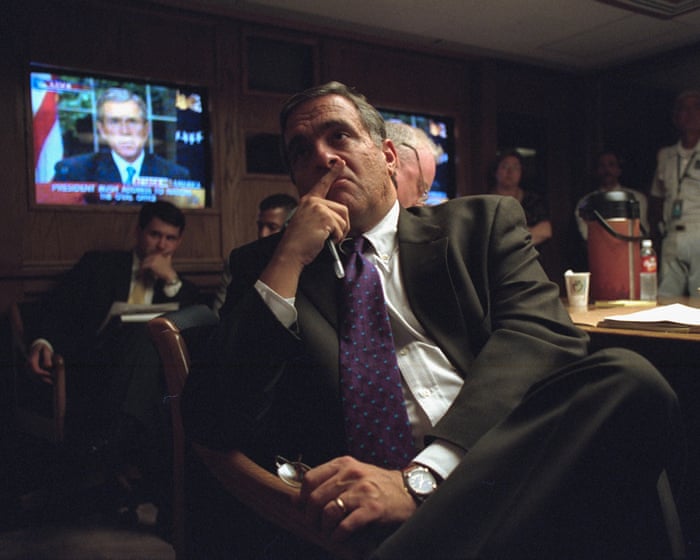
The CIA was caught unprepared for the 9/11 terrorist attacks, which ended the agency's focus on fighting communism and started a new focus on the "war on terror." After the attacks, the CIA made big changes but faced criticism for faulty intelligence about Iraq and secret prisoner interrogations later ruled as torture.
Key Facts
The CIA had been mainly focused on fighting communism before 9/11.
On September 11, 2001, al-Qaida terrorists attacked the World Trade Center and the Pentagon.
The attacks surprised the CIA, and its leadership was initially unclear about how to respond.
Some CIA staff stayed in the original building through the day despite the risks.
CIA Director George Tenet and top leaders moved to a safer building during the attacks.
The CIA's intelligence after 9/11 helped start the "war on terror," including the Iraq invasion.
The agency ran a program of secret detentions and harsh interrogations later called torture.
The 9/11 attacks led to major changes in how the CIA works and focuses its efforts.
Read the Original
Want the full story? Tap a source to open the original
article.
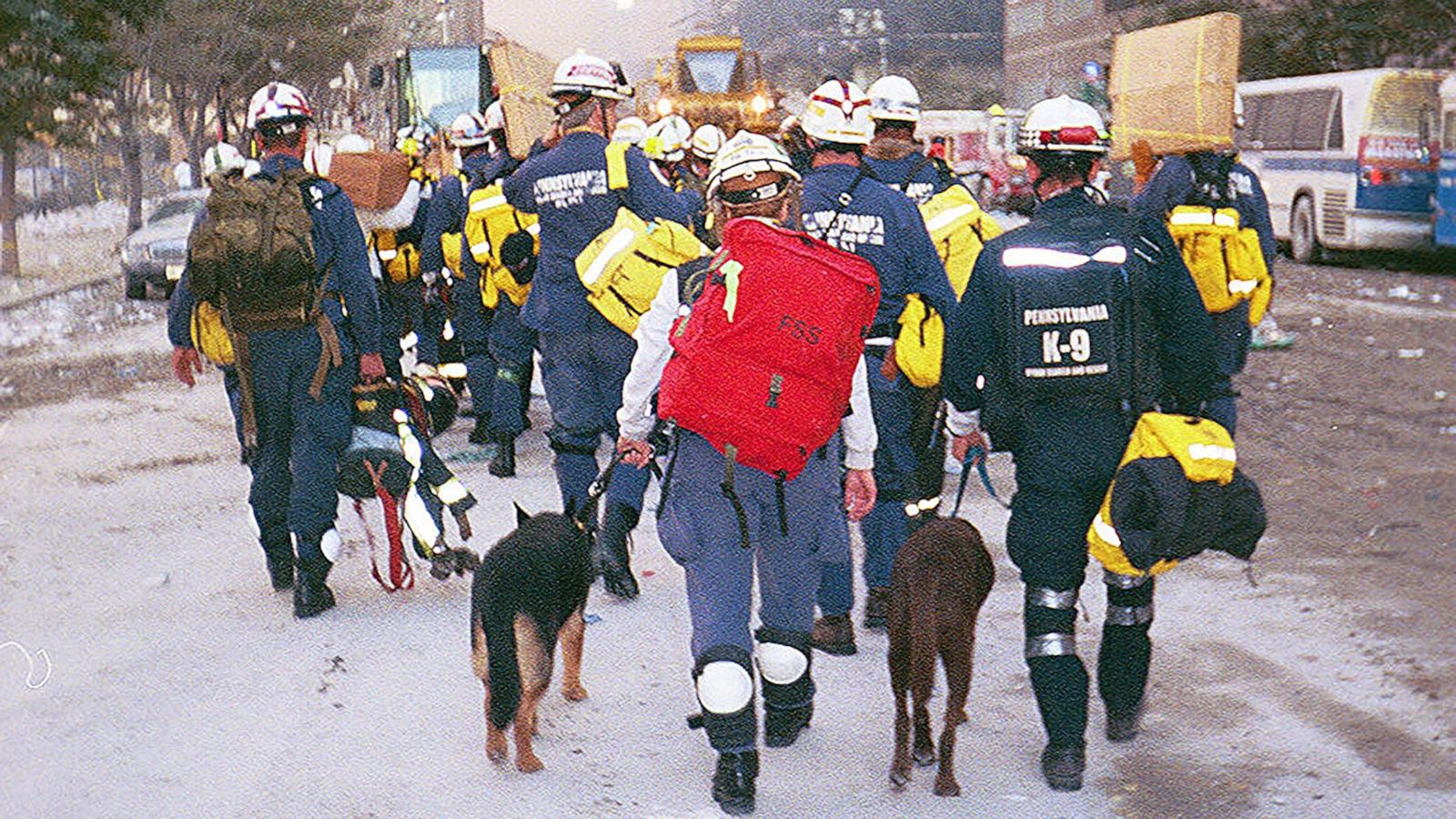
The article remembers the dogs and their handlers who worked at Ground Zero after the 9/11 attacks. These dogs helped find survivors and recover human remains during long shifts in difficult conditions. They also provided comfort to the rescue workers.
Key Facts
Over 300 dogs took part in search, rescue, and recovery efforts at Ground Zero after 9/11.
Robert Schnelle and his dog Atlas were among the first on the scene and worked for eight months at the site.
Search and rescue dogs were trained to find living people but adapted to locate human remains instead.
The dogs worked 12-hour shifts in dangerous and emotionally difficult conditions.
Veterinarian Dr. Cynthia Otto traveled to Ground Zero to help care for the dogs and observed their impact on rescue workers.
The dogs also served as emotional support, providing comfort to firefighters and others during recovery efforts.
The dogs’ efforts helped identify many of the nearly 3,000 victims of the attack.
The 9/11 Memorial & Museum honors these dogs as "four-legged 9/11 heroes."
Read the Original
Want the full story? Tap a source to open the original
article.
France’s government criticized the conservative TV channel CNews for planning to broadcast Xenia Fedorova, a Russian commentator who was expelled from France over allegations of spreading pro-Kremlin propaganda. The interior minister warned that allowing her back on air could lead to criminal charges because she was formally removed for harming national interests.
Key Facts
Xenia Fedorova was expelled from France in August for spreading pro-Kremlin propaganda.
She lost a court appeal against her expulsion and the freezing of her assets.
Fedorova previously led the French version of Russian state TV channel RT, banned in France after Russia invaded Ukraine.
The French interior minister said her return to TV "contravenes" the expulsion order and could cause legal action.
Conservative TV channel CNews said Fedorova will appear again on air via video link.
Fedorova denies the accusations and claims her expulsion is censorship.
She was outside France when the deportation order was enforced and was never physically removed.
The case raises concerns about pro-Kremlin influence in French media.
Read the Original
Want the full story? Tap a source to open the original
article.
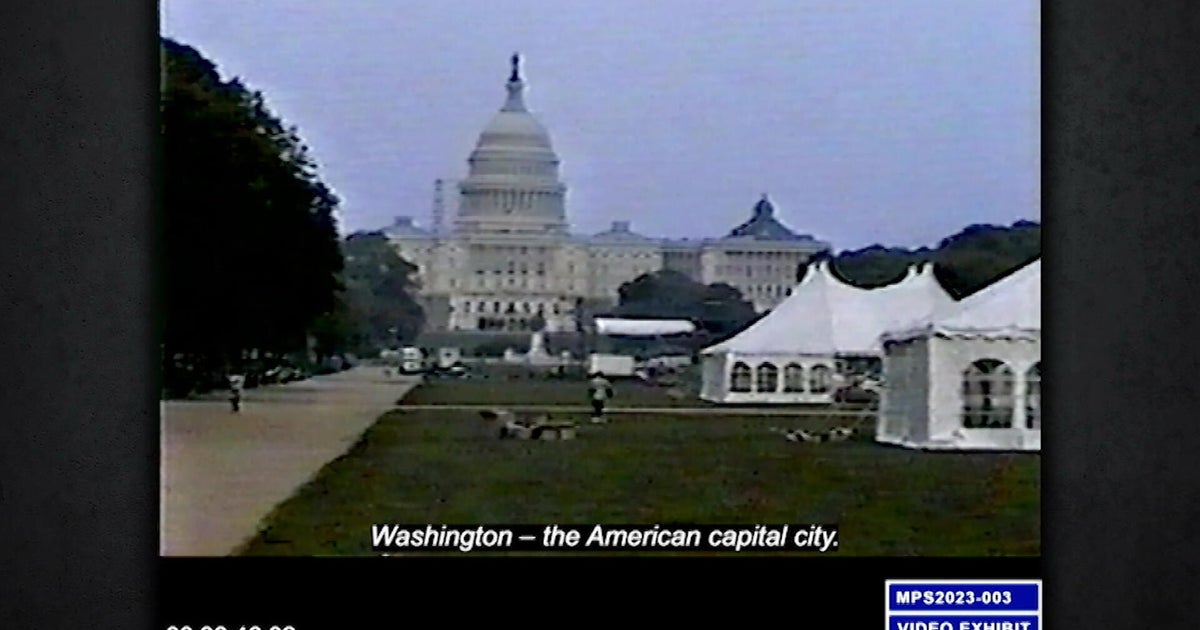
New videos and documents given to the FBI after the 9/11 attacks may provide new information about what happened. These include footage of the Capitol and a drawing of an airplane, which could change what investigators understand about the events.
Key Facts
The evidence was collected soon after the 9/11 attacks 25 years ago.
It includes videos showing the Capitol building.
There is also a sketch of an airplane related to the attacks.
The FBI received this new evidence as part of their investigation.
The new materials raise questions that could lead to a better understanding of the events.
The information was reported by CBS News in their 60 Minutes Archive segment.
This evidence could change how experts view the 9/11 attacks.
Read the Original
Want the full story? Tap a source to open the original
article.
The article lists the 19 al-Qaeda members who hijacked four planes on September 11, 2001, in the deadliest terrorist attack in U.S. history. These hijackers crashed two planes into the World Trade Center towers, one into the Pentagon, and a fourth plane crashed in Pennsylvania after passengers tried to stop the attack.
Key Facts
On September 11, 2001, 19 al-Qaeda terrorists hijacked four passenger planes in the U.S.
Two planes hit the Twin Towers of the World Trade Center in New York City.
A third plane crashed into the Pentagon in Virginia.
The fourth plane crashed in Pennsylvania after passengers fought the hijackers.
Nearly 3,000 people died in the attacks, including all 19 hijackers.
The hijackers came mostly from Saudi Arabia, with others from Egypt and the United Arab Emirates.
Each hijacker’s arrival date, city, nationality, residence, and age are detailed.
The information is based on CIA records and official investigations.
Read the Original
Want the full story? Tap a source to open the original
article.
The Bayeux Tapestry, an 11th-century embroidered cloth depicting the Norman Conquest of England, is on public display in the UK for the first time in nearly 1,000 years. It is on loan to the British Museum from its usual home in Normandy, France, while that location is being renovated.
Key Facts
The Bayeux Tapestry is about 70 meters (230 feet) long and was originally made in England.
It shows 58 scenes telling the story of the Battle of Hastings in 1066.
The tapestry was loaned to the British Museum because the museum in Normandy is being renovated.
The tapestry arrived in London in July, transported at night in a special protective case.
Many visitors lined up at the British Museum to see the tapestry, some waiting for hours.
Some people praised the tapestry’s detailed embroidery and vibrant colors.
Others said the exhibition was difficult to attend due to London’s location and ticket costs.
Re-enactors dressed in costumes from the Battle of Hastings period were present outside the museum.
Read the Original
Want the full story? Tap a source to open the original
article.
A strong El Niño weather pattern is very likely to happen this year. El Niño affects more than just weather, causing several other impacts that people should know about.
Key Facts
El Niño is a weather pattern involving warmer ocean waters in the Pacific near the equator.
This year’s El Niño is expected to be very strong, sometimes called "super" El Niño.
El Niño changes weather patterns worldwide, including rainfall and temperature shifts.
Beyond weather, El Niño can influence agriculture by affecting crop growth and food supply.
It may also impact marine life by changing ocean temperatures and disrupting fish habitats.
Energy use can be affected due to changing demands for heating and cooling in different regions.
El Niño events can influence the spread of diseases affected by climate, such as mosquito-borne illnesses.
Understanding these side effects helps governments and communities prepare better for El Niño’s impacts.
Read the Original
Want the full story? Tap a source to open the original
article.
Morocco and Spain are disputing which country will host the final match of the 2030 World Cup. The disagreement happens while tensions remain high after a large group of migrants crossed from Morocco into a Spanish enclave recently.
Key Facts
FIFA has not yet officially announced which country will host the 2030 World Cup final.
Morocco’s soccer federation president says the final will be held at the new King Hassan II Stadium in Benslimane, Morocco.
Spain’s soccer federation head argues Spain should host the final because it is the current world champion in men’s and women’s soccer.
Portugal and some South American countries are also part of the 2030 World Cup, making it a multi-nation event.
The King Hassan II Stadium in Morocco is planned to hold 115,000 people.
Spain could use stadiums of Real Madrid or Barcelona for the final.
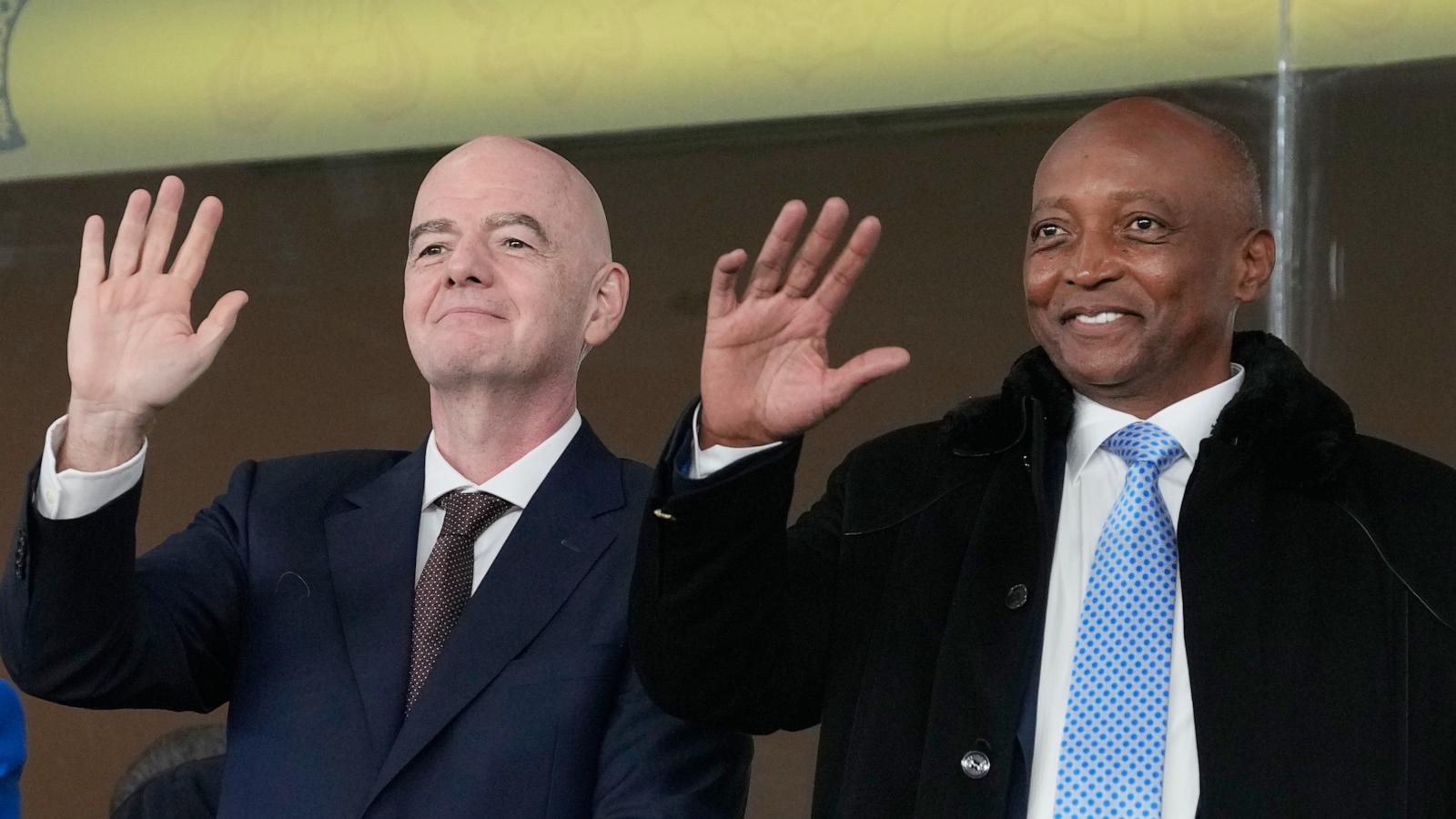
FIFA President Gianni Infantino has visited Morocco recently and is under pressure after a failed plan to sell stakes in the World Cup.
There are diplomatic tensions between Spain and Morocco after a large migrant crossing into the Spanish enclave of Ceuta, which resulted in about 140 deaths.
Read the Original
Want the full story? Tap a source to open the original
article.