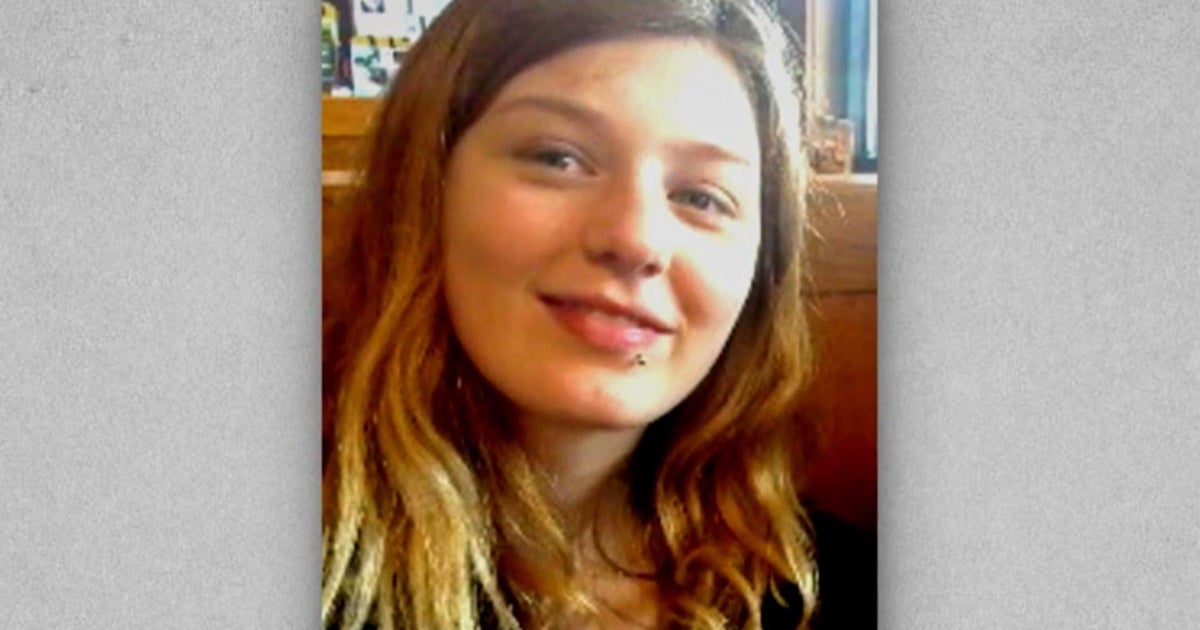
Photos found on an old cellphone helped solve the disappearance of a 14-year-old girl named Jade Colvin. A news report covering the story will air on CBS and Paramount+.
Key Facts
Jade Colvin, aged 14, went missing.
Photos on an old cellphone were important in solving her disappearance.
The story will be featured on the TV show "48 Hours."
Natalie Morales is the correspondent reporting on the case.
The report will air on Saturday, April 18 at 10/9c on CBS and will be available for streaming on Paramount+.
Viewers can watch the story through the CBS News App or online browsers like Chrome and Safari.
Read the Original
Want the full story? Tap a source to open the original
article.
Many labor migrants from Central Asia living in Russia are being pressured or forced to join Russia’s military and fight in Ukraine. Some face threats, detention, or abuse unless they "volunteer," and many are sent to dangerous front-line positions.
Key Facts
Hushruzjon Salohidinov, a 26-year-old Tajik man, was detained in Russia and pressured to join the military to avoid threats and abuse.
Migrants from Central Asian countries like Tajikistan, Uzbekistan, and Kyrgyzstan are targeted for conscription in Russia’s war in Ukraine.
Officials use threats such as imprisonment, deportation, or abuse to force migrants to join the Russian military.
Migrants often face xenophobic and Islamophobic treatment during recruitment.
Many migrants are "volunteered" after being detained or tricked into signing papers.
The life expectancy for these recruited migrants on the front line is estimated to be about four months.
Russian authorities have been rounding up non-Slavic migrants since 2023 under various pretexts like expired permits or missing registrations.
Human rights groups report these migrants are sent to fight with little regard for their lives.
Read the Original
Want the full story? Tap a source to open the original
article.
In Yemen, many children are leaving school to work and help their families survive. Years of war have caused economic hardship, forcing millions of children to stop their education and find jobs like collecting plastic bottles. Although fighting has decreased, access to education remains a major problem.
Key Facts
Qasim, 14, and his 12-year-old brother collect plastic bottles daily to earn money for their family's food.
Over 3 million school-aged children in Yemen are out of school, with 1.5 million displaced and at risk of dropping out permanently.
The conflict between Iran-backed Houthis and Saudi-backed government has lasted more than ten years, severely disrupting life and education.
Yemen’s economy has suffered losses estimated at over $250 billion due to the war.
Unemployment in Yemen has reached around 35 percent, affecting adult workers including university graduates.
Many parents feel education is not worthwhile because graduates struggle to find jobs matching their training.
UNICEF and officials warn that dropping out harms children's future chances despite current economic pressures.
Read the Original
Want the full story? Tap a source to open the original
article.
Sudan is experiencing severe power cuts in many towns due to a damaged power grid worsened by ongoing conflict and global energy disruptions. These outages have made daily life difficult, affecting water access, food storage, study conditions, and work, while rising fuel prices add to the hardships.
Key Facts
Sudan’s power grid was weak before but worsened by four years of war between Sudanese Armed Forces and Rapid Support Forces.
Recent regional conflicts have disrupted fuel supplies, increasing fuel prices in Sudan.
Power outages have forced people to fetch water manually and rely on candles for studying and lighting.
Food preservation is difficult without refrigeration, requiring meals to be cooked fresh daily using firewood or charcoal.
Rising fuel prices (up over 40%) have made running generators and transport expensive or impossible.
Many workers, like mechanics and bus drivers, face income loss due to power and fuel shortages.
The Sudanese pound lost about 20% of its value recently, worsening economic conditions.
The government promised better services in Khartoum earlier this year but restoring electricity remains challenging.
Read the Original
Want the full story? Tap a source to open the original
article.
UK ministers are thinking about stopping people from buying flea and tick treatments for pets without a vet’s prescription. This is to prevent harmful chemicals from getting into rivers and hurting wildlife, like birds and fish.
Key Facts
Flea and tick treatments for pets contain poisons that can contaminate rivers and kill aquatic life.
Songbirds may be harmed because they use pet hair in their nests, which can contain these toxins.
The poisons wash off easily when pets swim or when people wash their hands after applying treatments.
The UK government’s Department for Farming and Rural Affairs found evidence of these chemicals in fish, bird nests, and water.
Water Minister Emma Hardy wants vets or trained professionals to prescribe these treatments only when a pet has parasites.
The government is holding an eight-week consultation to discuss these changes.
Animal welfare is still important, and treatments will remain available through vets; no total ban on certain chemicals is planned.
Groups like the British Veterinary Association and RSPCA have been asked for their views.
Read the Original
Want the full story? Tap a source to open the original
article.
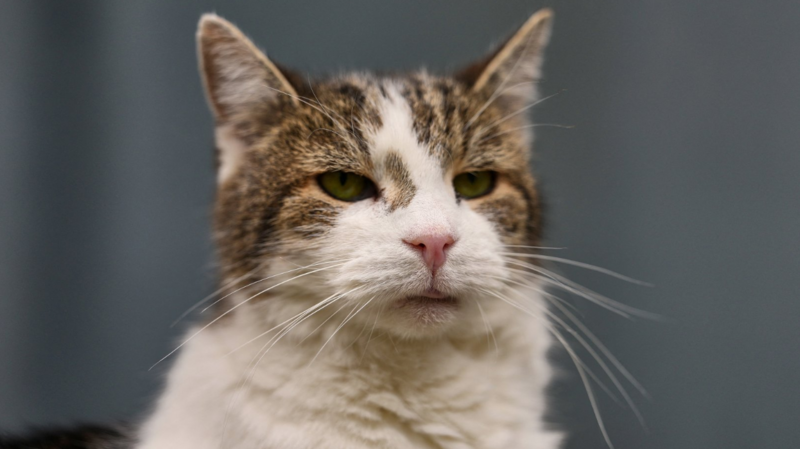
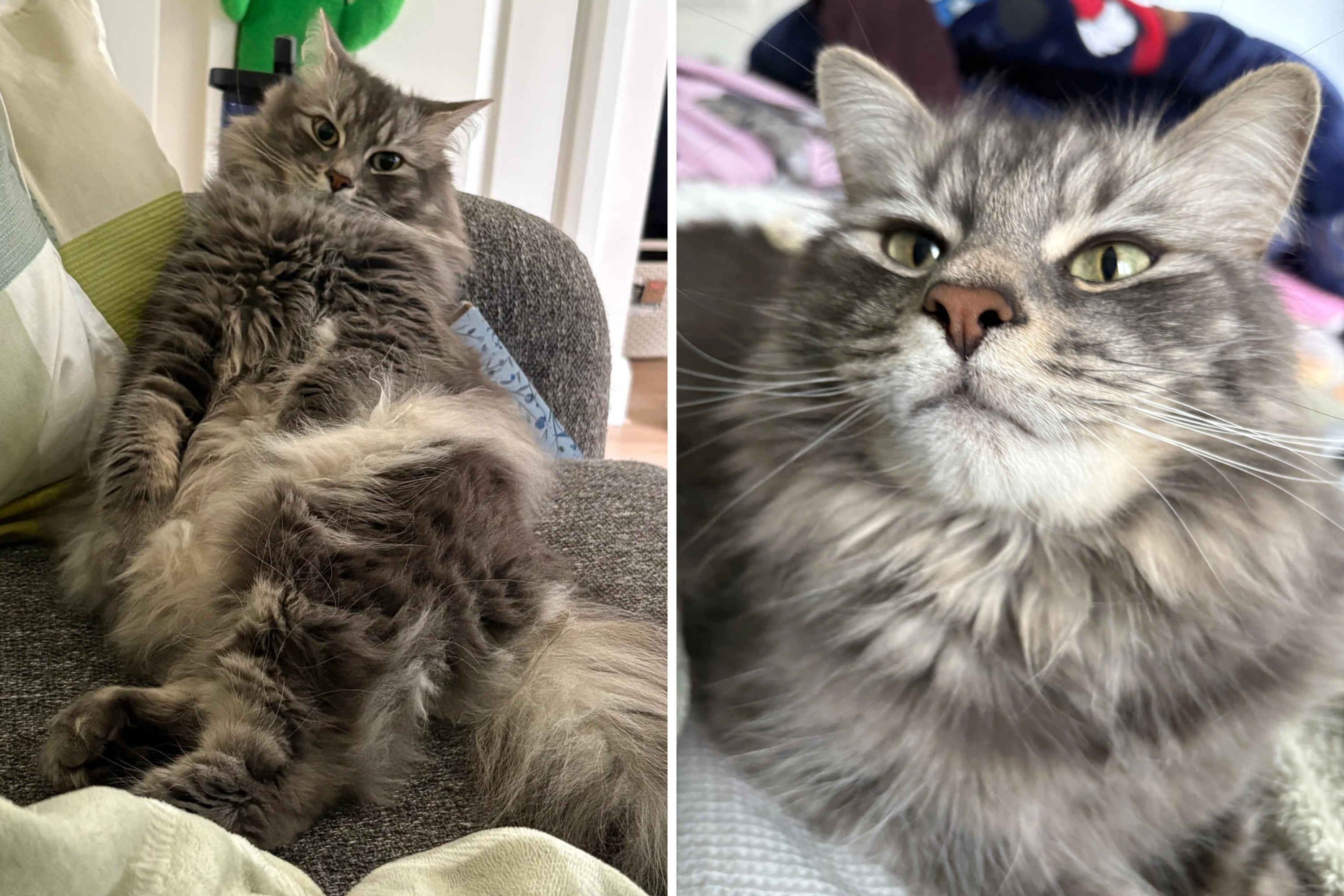
A man stayed home sick from work and noticed his rescue cat spends most of the day resting. The cat sleeps or lounges quietly, which is normal behavior for cats because they conserve energy for hunting activities.
Key Facts
The man discovered his cat does very little activity while he is away.
The cat was rescued after being found in a bin and now enjoys comfort at home.
Cats typically sleep 12 to 18 hours a day, much more than humans.
Cats are natural hunters, needing short bursts of energy followed by long rest.
Domestic cats keep instincts to rest long hours even without needing to hunt.
Cats are most active during dawn and dusk, called crepuscular behavior.
Many people online related to or commented humorously about the cat's lifestyle.
The story highlights typical cat behavior based on biology and evolution.
Read the Original
Want the full story? Tap a source to open the original
article.
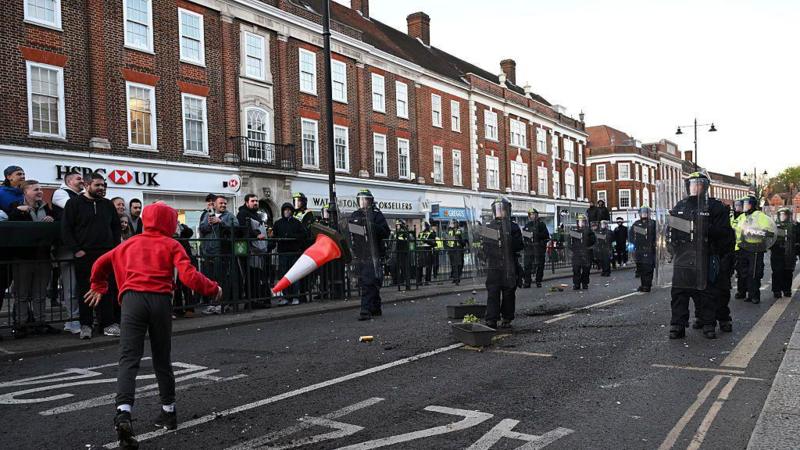
Police in Epsom responded to a protest after a woman was raped outside a church by several men. Authorities deployed riot police during the protest, warning that they would not tolerate disorder while asking people to avoid guessing the suspects' identities.
Key Facts
A woman in her 20s was raped early Saturday near Epsom Methodist Church after leaving a nightclub.
Police have released limited information and no suspect descriptions yet, citing insufficient evidence.
A protest in Epsom sought suspect descriptions, leading to police deploying riot officers.
Some protesters threw objects at police and blocked a road, causing disruption.
Police said they respect lawful protests but will act firmly against crimes or disorder.
The church will hold a community event to support victims and express compassion.
Authorities appeal for anyone who saw a woman in distress on Ashley Road between 2 and 4 a.m. Saturday to come forward.
Local officials criticized parts of the protest as intimidating or politically driven.
Read the Original
Want the full story? Tap a source to open the original
article.
The United States and Israel have targeted Iran’s economy through attacks and sanctions during the Middle East conflict. Despite these pressures, Iran still earns money from oil exports, which helps its government financially, but many Iranian people face rising prices and shortages.
Key Facts
The US has imposed economic pressure on Iran for many years.
Recent attacks by the US and Israel have damaged Iranian infrastructure, industry, and trade.
Iran continues to earn income from oil exports, which supports its government.
The Strait of Hormuz is a key strategic location affecting economic control.
Negotiations involve sanctions relief, access to frozen assets, and possible war reparations.
Ordinary Iranians are experiencing inflation, shortages of goods, and currency problems.
The conflict has lasted over six weeks at the time of the report.
Read the Original
Want the full story? Tap a source to open the original
article.
The article is a personal reflection by Dave Schilling, who admits he was once critical of Lena Dunham during the early stages of their careers. He discusses how Dunham faced harsh public criticism and explains that much of the negativity came from jealousy as she achieved greater success.
Key Facts
Lena Dunham became well-known around 2010 with the HBO show Girls.
Dunham’s memoir reflects on the criticism she received over the years.
Some common criticisms included her appearance, nudity on the show, media presence, and her family background.
The author, Dave Schilling, worked in the media during the same period and admits to mocking Dunham.
Many critics, including Schilling, were jealous of Dunham’s success and fame.
The millennial media culture involved “oversharing” and emotional openness, which made celebrities like Dunham easy targets for criticism.
Dunham’s work reflected the mindset and struggles of her generation.
Schilling apologizes for his past negative attitude and acknowledges Dunham’s influence.
Read the Original
Want the full story? Tap a source to open the original
article.
Sudan’s prime minister, appointed by the military, said his side won the civil war against the rebel Rapid Support Forces. He spoke to foreign reporters from a temporary office and expressed hope that President Donald Trump would help bring peace to Sudan.
Key Facts
Sudan’s prime minister was appointed by the country’s military.
He declared victory over the rebel group called the Rapid Support Forces (RSF).
The civil war in Sudan has been ongoing and involves the Sudanese Armed Forces (SAF) and RSF.
The prime minister spoke in a temporary conference room borrowed from the minerals department.
He has asked President Donald Trump to help make peace in Sudan.
The conflict has caused significant instability in Sudan.
The Sudanese Armed Forces are trying to strengthen their control amid the war.
The prime minister’s announcement follows intense fighting with the RSF.
Read the Original
Want the full story? Tap a source to open the original
article.
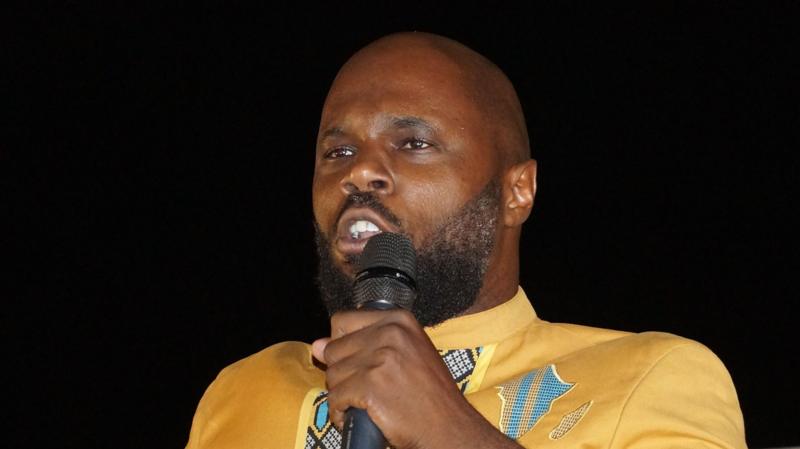
South African police arrested Kemi Seba, a French-born activist wanted in Benin for supporting a failed coup last year. Seba was caught trying to leave South Africa with his son and a paid helper, and South African authorities are working on extraditing him.
Key Facts
Kemi Seba, real name Stellio Gilles Robert Capo Chichi, is wanted in Benin for "inciting rebellion" connected to a failed coup in 2023.
He was arrested in Pretoria, South Africa, along with his 18-year-old son and a person hired to help them illegally cross to Zimbabwe.
Seba is accused of crimes against the state in both France and Benin.
The helper was paid about 250,000 South African rand (roughly $15,000) to assist their escape.
Seba leads the NGO Pan-Africanist Emergency and has 1.5 million followers online.
He opposes French influence in Africa and has been linked to promoting Russian propaganda.
Seba lost his French citizenship in 2024 and publicly burned his passport.
The Benin government issued an international arrest warrant after the failed December coup attempt, which was stopped with help from Nigeria and France.
Read the Original
Want the full story? Tap a source to open the original
article.
The Democratic Republic of the Congo (DRC) and the M23 rebel group are negotiating in Switzerland to create a peace monitoring agreement. This effort is supported by the United States, Qatar, and the United Nations to reduce ongoing violence despite a previous peace deal signed in December 2024.
Key Facts
The DRC government and M23 rebels started talks in Switzerland on Monday.
The talks are mediated by the United States and Qatar.
They agreed on an interim peace monitoring mechanism to watch over security and humanitarian issues.
The monitoring body will have members from both sides and support from the UN peacekeeping mission (MONUSCO).
Fighting continues in eastern DRC, with thousands of civilians caught in conflict zones like Minembwe.
M23 rebels control large areas in eastern DRC, including major cities Goma and Bukavu.
DRC President Félix Tshisekedi and Rwandan President Paul Kagame signed a peace and economic agreement in December 2024.
Human Rights Watch says civilians face a serious humanitarian crisis in South Kivu, with blocked aid and limited safe movement.
Read the Original
Want the full story? Tap a source to open the original
article.
That's the point of this site, and readers keep it that way. Support for any amount and the daily digest lands in your inbox every morning at 7am Eastern.
Protests over rising fuel prices have spread across the Republic of Ireland, involving farmers and truck drivers blocking roads, ports, and fuel depots. These protests began after fuel costs increased due to disruptions in global oil supply linked to a military conflict involving the United States and Iran. The government has responded by sending the army and police to remove blockades and make arrests.
Key Facts
Protests in Ireland involve farm contractors and hauliers staging “go-slow” convoys and blockades on roads and key infrastructure.
Ireland’s only oil refinery near Whitegate was affected by protest actions.
The protests focus on high fuel costs, blamed on the US and Israel's strikes on Iran and Iran’s closure of the Strait of Hormuz, a crucial route for oil shipments.
Fuel prices in Ireland have risen about 28% for diesel and 25% for petrol since late February.
About 40% of petrol stations in Ireland were reported empty at the weekend due to shortages.
The Irish government deployed the army and police to clear blockades and made several arrests.
Demonstrations have not significantly spread to Northern Ireland, where unions and farming groups have distanced themselves.
Some observers are concerned the protests might encourage far-right political groups, although such groups have had limited influence in Ireland so far.
Read the Original
Want the full story? Tap a source to open the original
article.
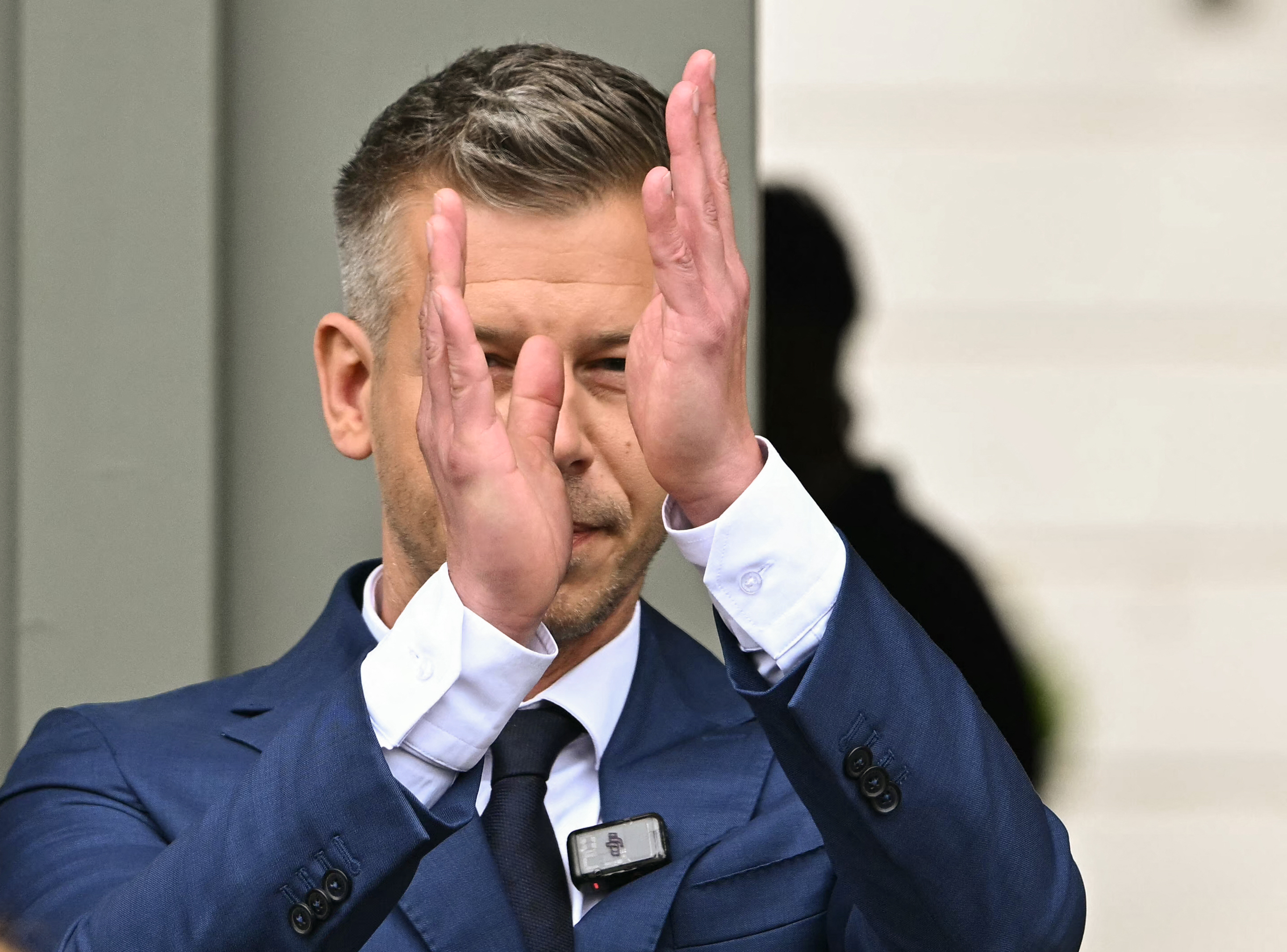
Hungary’s new Prime Minister, Péter Magyar, plans to keep strict border controls and reject the European Union’s new migration pact despite promising better cooperation with the EU. He criticized Hungary’s current president and wants to end media control seen under the previous government led by Viktor Orbán.
Key Facts
Péter Magyar won Hungary’s election, ending Viktor Orbán’s 16-year rule.
Magyar said he will not accept the EU’s new migration and asylum pact starting in June.
The new EU pact aims for faster processing of migrants and sharing migration costs among EU countries.
Hungary will keep its southern border fence and strengthen its immigration policies.
Experts say Magyar may improve Hungary’s cooperation with the EU but remains skeptical about some EU policies.
Magyar opposes corruption and media restrictions that existed under Orbán’s government.
He criticized Hungary’s president, Tamas Sulyok, and called for him to leave office.
Magyar’s government formation could happen by mid-May or sooner.
Read the Original
Want the full story? Tap a source to open the original
article.
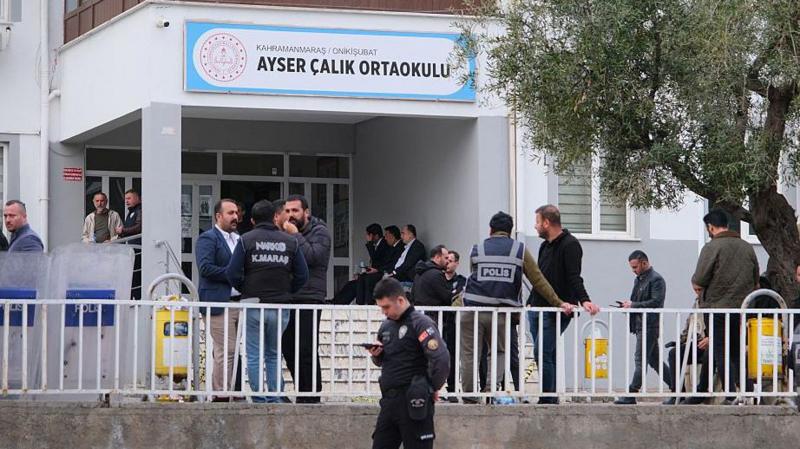
Turkish police have ordered the arrest of 83 people for posting online messages that praised two recent deadly school shootings in Turkey. One shooting killed nine people, including eight students and a teacher, while another incident injured 16 people.
Key Facts
Police arrested 83 people for praising crimes and disturbing public order through online posts.
Access to 940 social media accounts was blocked, and 93 Telegram groups were shut down.
Nine people died in a school shooting in Kahramanmaras, southern Turkey; eight were students and one was a teacher.
The 14-year-old attacker at Kahramanmaras was killed at the scene.
Authorities found a document on the attacker’s computer showing plans for the attack dated April 11, 2026.
The attacker referenced a U.S. mass killer, Elliot Rodger, in a photo on his WhatsApp profile.
The attacker reportedly carried five guns and seven magazines when entering two classrooms.
Another shooting occurred two days earlier, injuring 16 people; that attacker was an ex-student who killed himself with a shotgun.
Read the Original
Want the full story? Tap a source to open the original
article.
Israeli military airstrikes in southern Lebanon hit three ambulance teams on Wednesday, killing four Lebanese medics and injuring six others. The attacks occurred near the village of Mayfadoun and targeted medical workers responding to wounded civilians during the conflict between Israel and Hezbollah.
Key Facts
Four Lebanese paramedics were killed and six wounded in three separate strikes by the Israeli military.
The strikes hit ambulance teams responding to injured civilians and their fellow medics.
The attacks took place near Mayfadoun village, close to Nabatiyeh in southern Lebanon.
The Lebanese Health Ministry condemned the strikes for violating international law protecting medical personnel.
Israeli military said it is investigating the incident but previously accused Hezbollah of using ambulances for military purposes without proof.
Since the conflict started on March 2, at least 91 Lebanese medical workers have died due to Israeli strikes.
The overall death toll in Lebanon from the ongoing war has reached 2,167.
Medical groups said they will continue rescue efforts despite the risk to their staff.
Read the Original
Want the full story? Tap a source to open the original
article.
South African politician Julius Malema was sentenced to five years in prison after being found guilty of illegally owning a gun and firing it in public. His lawyer said they plan to appeal the decision to prevent him from going to prison immediately.
Key Facts
Julius Malema is a South African opposition leader and member of parliament.
He was convicted last year of owning a firearm illegally and firing it in a public place.
The incident happened in 2018 during his party’s fifth anniversary in Eastern Cape.
Malema fired several shots in the air with a semi-automatic rifle.
The sentence is for five years in prison.
A sentence longer than one year can disqualify him from being an MP.
The disqualification will only apply after his appeals are decided.
Malema showed little emotion in court when the sentence was read.
Read the Original
Want the full story? Tap a source to open the original
article.
A professional tennis player, Daria Saville from Australia, shared a video of her pet dachshund, Tofu, interacting with her newborn son, Louie. The dog shows protective and caring behavior toward the baby, which has touched many people online.
Key Facts
Daria Saville had her son, Louie, on March 6.
Her six-year-old dachshund, Tofu, tries to get the baby’s attention even when he is asleep.
Tofu is described as protective and has learned to stay calm around the baby’s noises.
Saville was initially unsure how Tofu would react to the new baby but found him to be affectionate and caring.
The video of Tofu and Louie has received over 470,000 views and 22,000 likes on Instagram.
Saville hopes to create a support community for moms through her social media.
Many people commented positively, praising the bond between Tofu and the baby.
Read the Original
Want the full story? Tap a source to open the original
article.
Sister Clare Crockett was a young woman from Northern Ireland who changed from a life of partying to becoming a nun. She died in an earthquake in Ecuador in 2016 and is now on the path toward sainthood in the Catholic Church.
Key Facts
Clare Crockett was born in 1982 in Londonderry, Northern Ireland.
She originally wanted to be a Hollywood actress and enjoyed partying.
A trip to Spain in 2000 led her to join a religious pilgrimage and feel a calling from God.
Clare joined the Servant Sisters of the Home of the Mother in 2001 and took religious vows in 2006.
She died in 2016 when a school she was teaching at collapsed during an earthquake in Ecuador.
In 2025, she was declared a Servant of God, the first step in becoming a saint.
Around 60 witnesses will be interviewed to gather testimonies about her life.
If recognized for heroic virtue, she may be declared "venerable" before possibly being beatified.
Read the Original
Want the full story? Tap a source to open the original
article.
South African opposition leader Julius Malema was sentenced to five years in prison for firing a gun into the air at a 2018 party rally. Malema, head of the Economic Freedom Fighters (EFF), was convicted of unlawful possession and discharging a firearm in public. His lawyers quickly sought to appeal the decision.
Key Facts
Julius Malema is the leader of the Economic Freedom Fighters, the fourth-largest party in South Africa’s parliament.
The incident occurred in 2018 at a stadium in the Eastern Cape province.
Malema was convicted of unlawful possession of a firearm and firing it in a public place.
The court sentenced him to five years in prison, with a maximum possible sentence of 15 years.
Malema claimed the gun was a toy and the shots were meant to be celebratory.
The magistrate emphasized that the conviction applies to Malema as an individual, not his political party.
If the sentence is upheld, Malema will be barred from serving as a lawmaker.
Supporters of Malema and the EFF gathered outside the court and threatened protests in response to the sentencing.
Read the Original
Want the full story? Tap a source to open the original
article.