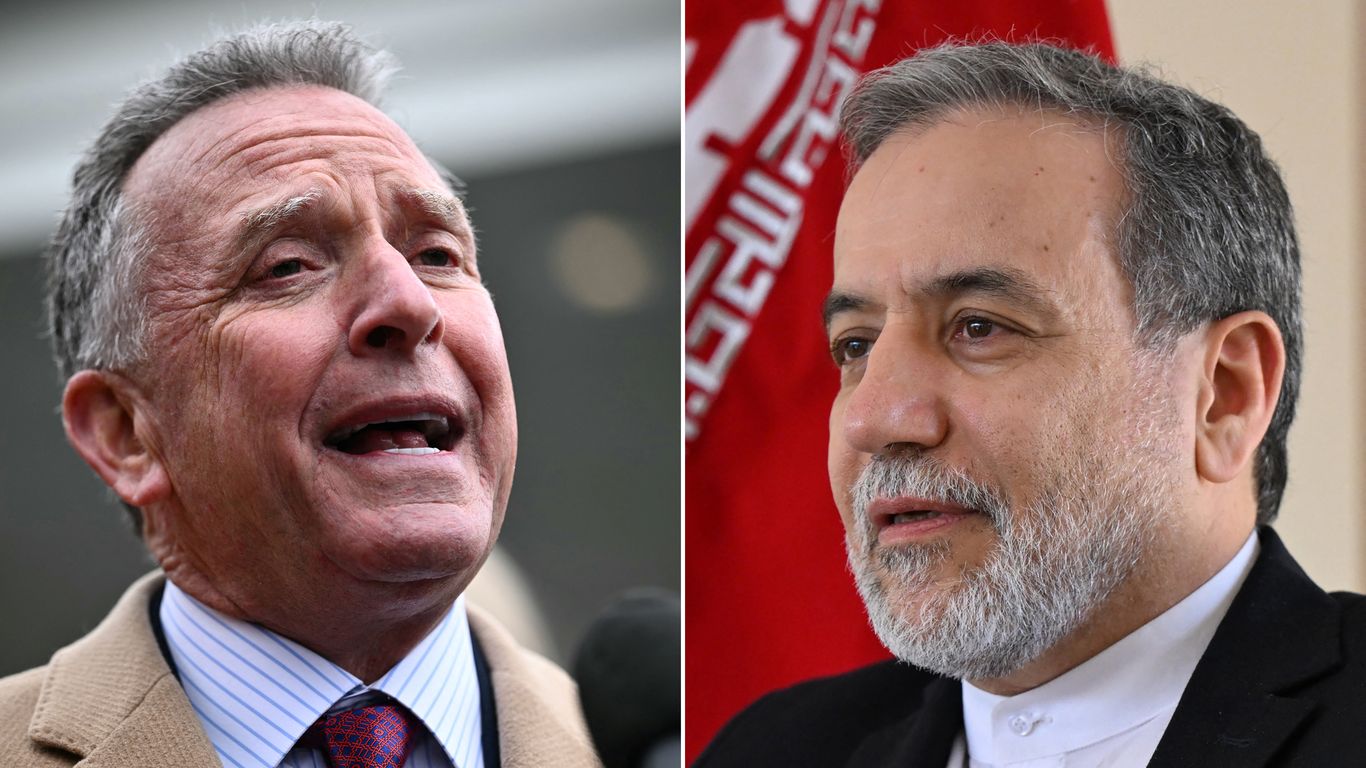
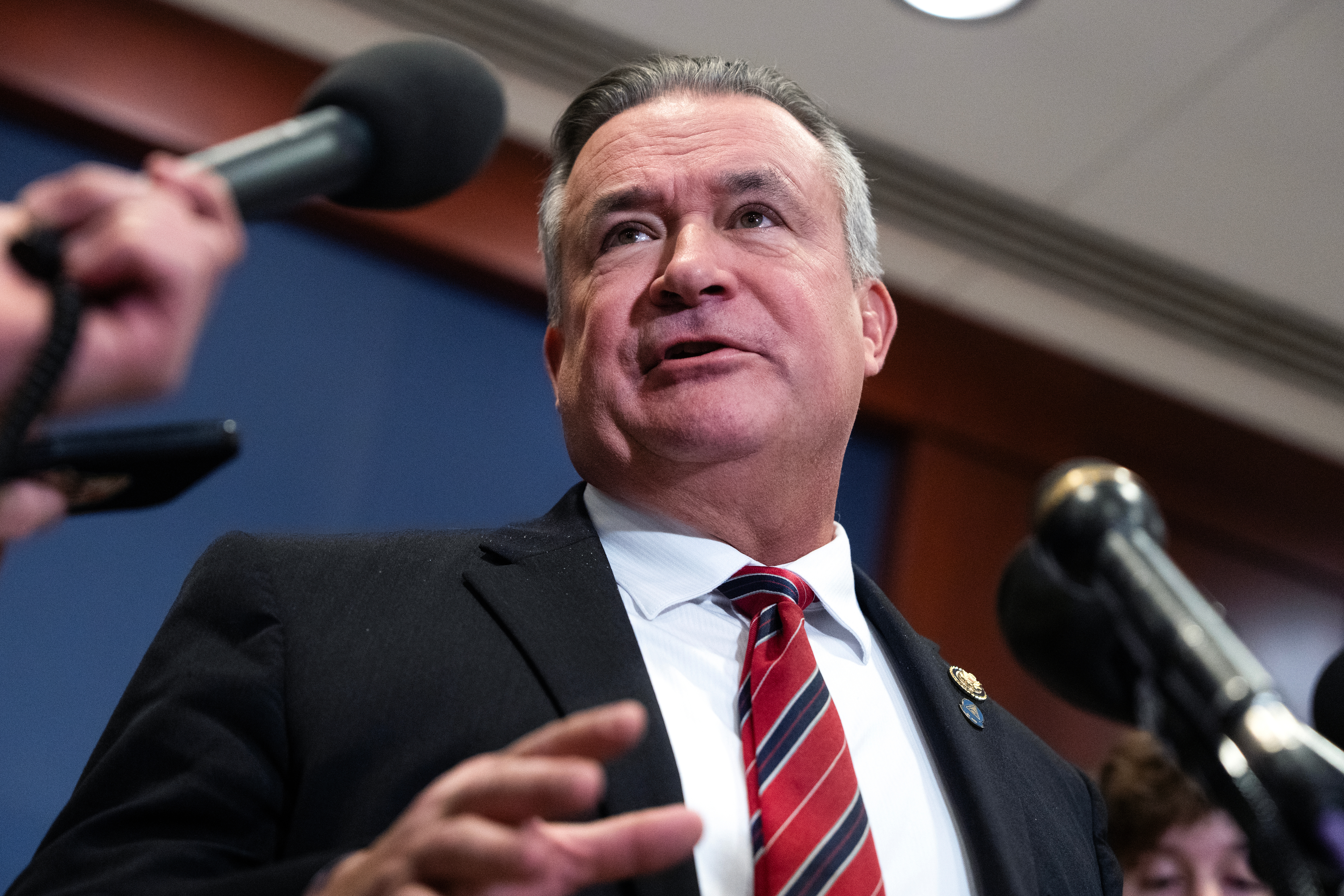
People in Yemen's capital, Sanaa, are worried about the impact of the Houthi rebels' involvement in the conflict between the United States, Israel, and Iran. The Houthis recently launched an attack on Israel, which has heightened fears of more violence, potential displacement, and economic hardship in Yemen. This tension comes on top of an already challenging humanitarian situation in the country.
Key Facts
The Houthis in Yemen have joined the conflict between the United States, Israel, and Iran by attacking Israel.
Yemenis in Sanaa are concerned about safety, economic hardships, and potential retaliation by Israel.
Past Israeli airstrikes with U.S. involvement have caused significant fear among civilians in Sanaa.
Recent Houthi attacks have been limited and intercepted by Israel.
There is a risk of rising food prices, fuel shortages, and displacement if the conflict escalates.
Yemen's economic situation is already in a critical state, and the conflict might worsen it.
A senior Israeli military official indicated that Israel is prepared to retaliate against Houthi attacks.
Read the Original
Want the full story? Tap a source to open the original
article.
President Donald Trump claimed that the United States tried to send weapons to Iranian protestors using Kurdish intermediaries. Kurdish groups denied these claims, saying they did not receive any weapons from the U.S. Amid ongoing tensions, reports have circulated about violence in Iran, but these have not been independently verified.
Key Facts
President Trump said the U.S. attempted to arm Iranian protesters through Kurdish groups.
Kurdish groups, including the Kurdistan Democratic Party of Iran, denied receiving weapons.
Trump's comments were made in the context of a U.S.-Israel conflict with Iran.
Protests in Iran began over economic issues, fueled by decades of U.S. sanctions.
U.S. media reported high civilian casualties during the protests, though these numbers are not verified.
Iranian authorities reported significantly lower death tolls and described the protestors as "rioters."
Some Kurdish groups have historically opposed Iran and operate near the Iraq-Iran border.
Read the Original
Want the full story? Tap a source to open the original
article.
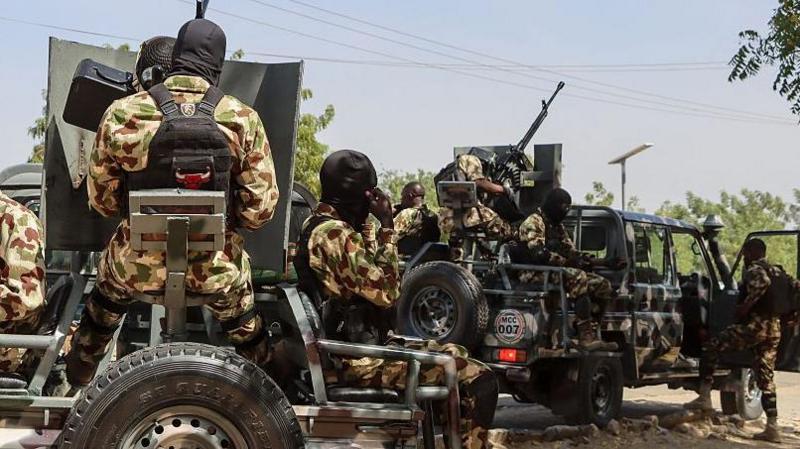
The Nigerian army rescued 31 hostages after an attack on an Easter church service in Kaduna state. The attackers, who engaged in a gunfight with soldiers, killed five people, although initial reports mentioned seven deaths. The army is working to track down the attackers and improve security in the area.
Key Facts
The attack happened during an Easter church service in Ariko, Kaduna state, Nigeria.
Thirty-one people were held hostage and later rescued by the army.
The gunmen killed five people in the attack.
A gunfight occurred between soldiers and the attackers, who then fled.
Northern Nigeria often experiences attacks and kidnappings by armed groups.
The Nigerian army is actively pursuing the attackers and strengthening local security.
President Donald Trump had commented on the situation in Nigeria, expressing concerns about the safety of Christian communities.
Recently, U.S. troops were sent to Nigeria to help train local forces against armed groups.
Read the Original
Want the full story? Tap a source to open the original
article.
The global energy crisis, affected by an ongoing war in Iran and the closure of the Strait of Hormuz, is having a major impact on the world's economy. The crisis is reducing global economic growth and affecting trade, especially for developing countries. This situation is leading to increased prices and disrupted supply chains around the world.
Key Facts
The war in Iran and the closure of the Strait of Hormuz have disrupted a key energy corridor.
The UN predicts global economic growth will slow to 2.6% in 2025.
Goods like fertilizers that travel through the region are currently delayed.
Developing countries are most affected by the crisis, but Europe and the U.S. are also impacted.
Global merchandise trade growth is expected to slow significantly.
Investors are avoiding risky assets, which affects stock and bond markets in developing nations.
Countries like Bangladesh, India, and the Philippines are taking emergency measures to manage fuel shortages.
Nations are reducing fuel taxes and increasing subsidies, which can strain national budgets.
Read the Original
Want the full story? Tap a source to open the original
article.
A corgi and husky mix named Budster was surrendered to an Indiana animal shelter due to the previous owner's housing restrictions. The shelter is using social media to help Budster, who struggles in the shelter environment, find a new home.
Key Facts
Budster is a mix between a corgi and a husky.
The dog was surrendered to Fulton County Animal Shelter in Indiana.
The surrender was because of housing restrictions faced by the previous owner.
Budster originally came from a potentially abusive situation before his previous owner rescued him.
The shelter environment is challenging for Budster, making him nervous and less able to show his true personality.
The shelter created a TikTok video of Budster to help him find a new home.
The video aims to show Budster's friendly and playful personality to potential adopters.
Shelter dogs often have limited time to make an impression on visitors.
Read the Original
Want the full story? Tap a source to open the original
article.
The United States and Israel carried out attacks in Iran, hitting a top university and several cities. These strikes followed a deadline set by President Trump for Iran to open the Strait of Hormuz. 34 people, including six children, were killed in the attacks.
Key Facts
At least 34 people died in the attacks, including six children.
The attacks targeted Sharif University in Tehran and several residential areas.
President Trump demanded Iran reopen the Strait of Hormuz, linked to the attacks.
The attacks hit cities including Tehran, Qom, Bandar Abbas, and others.
The Iranian Vice President accused the US of using a "bunker-buster" bomb on the university.
Major General Seyyed Majid Khademi of the Iranian Revolutionary Guards was killed.
The International Federation of Red Cross reported damage to ambulances and deaths of volunteers.
Iran has threatened retaliatory attacks in response to the strikes.
Read the Original
Want the full story? Tap a source to open the original
article.
A TikTok video went viral showing a woman named Chiara reuniting with her boyfriend's dog, Mylo, after being apart for two months. The video captures the Pomeranian dog initially walking past her, then recognizing her scent, and joyfully greeting her.
Key Facts
The video was posted by Chiara, a TikTok user with the username @chiara__dolce.
It shows Chiara reuniting with her boyfriend's dog named Mylo.
Chiara and Mylo had been apart for two months.
The video went viral, receiving over 1.2 million views.
Mylo, the dog, recognizes Chiara by her scent, which is a key sense for dogs.
Dogs have a highly developed sense of smell, much more so than humans.
The video received more than 277,000 likes and drew comments about dogs' sense of smell.
It is not clear why Chiara was away for so long, but the video captures the moment they were reunited.
Read the Original
Want the full story? Tap a source to open the original
article.
Laurina Adeleye married her husband and soon after was told she had only 60 days to live due to a terminal illness. Despite deteriorating health, she found strength in her faith and an old manuscript she had written, which she eventually published. Her book tour has drawn significant attention and serves as a message of hope.
Key Facts
Laurina Adeleye got married and then was told by doctors she might have just 60 days to live.
She was living with severe pain before her diagnosis.
Adeleye faced her illness in an intensive care unit, where she underwent six blood transfusions.
She wrote goodbye letters to her family due to her condition.
Her faith and an unpublished manuscript she wrote earlier gave her strength.
Adeleye published her book "The Unknown" and started a book tour.
Her story gained attention on Instagram and with readers across different cities.
Adeleye wants others to live fully and embrace their resilience.
Read the Original
Want the full story? Tap a source to open the original
article.
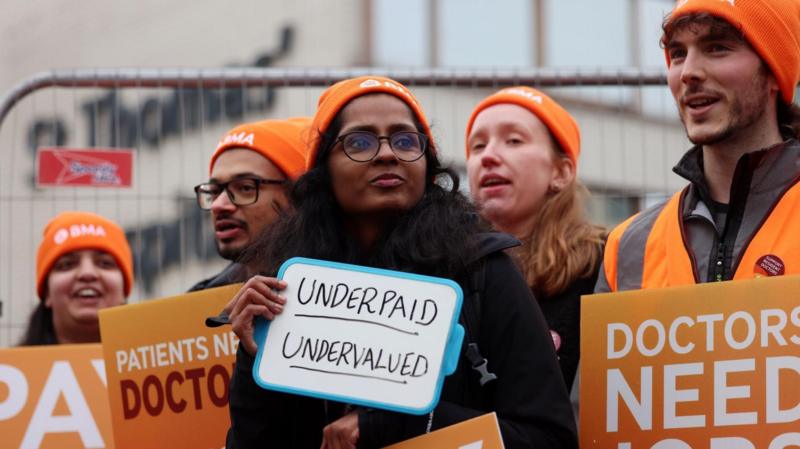
The NHS advises patients to continue seeking medical care during a six-day strike by resident doctors in England. This strike, the 15th in a long-running pay and job dispute, will have other medical staff covering for those on strike to maintain healthcare services. Despite concerns about disruptions, the NHS is preparing systems to handle the situation and keep services operational.
Key Facts
The strike begins on Tuesday and lasts six days, ending on Monday, April 13.
This is the 15th strike in a three-year dispute between resident doctors and the government.
The strike is due to issues over pay and job opportunities for resident doctors.
NHS encourages patients to attend appointments unless specifically informed of cancellations.
Other medical staff, like senior doctors, will replace striking doctors to keep services running.
Resident doctors make up almost half of the NHS's medical workforce.
The BMA, representing many resident doctors, ended talks with the government over disagreements in pay terms.
The government withdrew a package offering extra training places and support after the strike announcement.
Read the Original
Want the full story? Tap a source to open the original
article.
New youth clubs, called young futures hubs, will open across England in areas with high rates of anti-social behavior. These hubs aim to support young people with job advice, health and wellbeing, and crime prevention. The government plans to open a total of 50 such centers to offer coordinated support and reduce knife crime among youth.
Key Facts
Eight young futures hubs will initially open in cities like Bristol, Nottingham, and Leeds.
The hubs target young people up to 18 years old and those with special needs up to 25.
Services include employment advice, health support, and crime prevention efforts.
The initiative responds to the closure of over 1,000 youth centers since 2010.
The government's broader plan, Protecting Lives, Building Hope, aims to halve knife crime in 10 years.
This plan includes a £1.2 million investment for schools most affected by knife crime.
The first wave of hubs will also open in Birmingham, Brighton, Manchester, and Tower Hamlets.
The goal is to give young people opportunities, support, and a safe environment to thrive.
Read the Original
Want the full story? Tap a source to open the original
article.
Tensions are high as President Trump has set a deadline for Iran to open the Strait of Hormuz. The US and Israel have been involved in military actions against Iran and nearby regions, leading to casualties and infrastructure damage. There are also responses and interceptions in Gulf countries and Israel due to these conflicts.
Key Facts
President Trump set a deadline for Iran to open the Strait of Hormuz.
US-Israeli attacks near Tehran damaged a fuel station and killed at least 13 people, including children.
Iran's nuclear facility was hit, making it non-operational.
UAE intercepted threats and reported minor injuries from shrapnel.
Saudi Arabia's defense system intercepted two drones.
Israeli military intercepted Iranian missiles, causing injuries in Israel.
Lebanese, Gaza, and West Bank areas experienced Israeli military actions with casualties reported.
Read the Original
Want the full story? Tap a source to open the original
article.
The Bharatiya Janata Party (BJP) is working to attract voters in Assam, India, by promoting welfare programs and their Hindu nationalist agenda. Supporters at a rally expressed gratitude for government schemes, especially those benefiting women, as the state approaches its assembly election. The BJP's campaign also includes strong positions against Assam’s Bengali-speaking Muslim population.
Key Facts
The BJP held a rally in Assam, India, ahead of a state assembly election.
Many attendees supported the BJP due to government welfare programs such as Orunodoi, which provided financial aid to women.
Chief Minister Himanta Biswa Sarma seeks a third term for the BJP.
The BJP has been accused of promoting a Hindu nationalist agenda and targeting Muslims in Assam.
Assam has a high percentage of Muslims, many of whom speak Bengali, and have been labeled as "foreigners" by BJP and other groups.
Special tribunals in Assam try Bengali-speaking Muslims, with some being sent to detention centers.
An AI-generated video by the BJP showing violence against Muslims caused controversy and was removed.
Read the Original
Want the full story? Tap a source to open the original
article.
Each summary links back to the original reporting, so you can check the work. Support that, and get the daily digest every morning. Most choose $3.99/month.
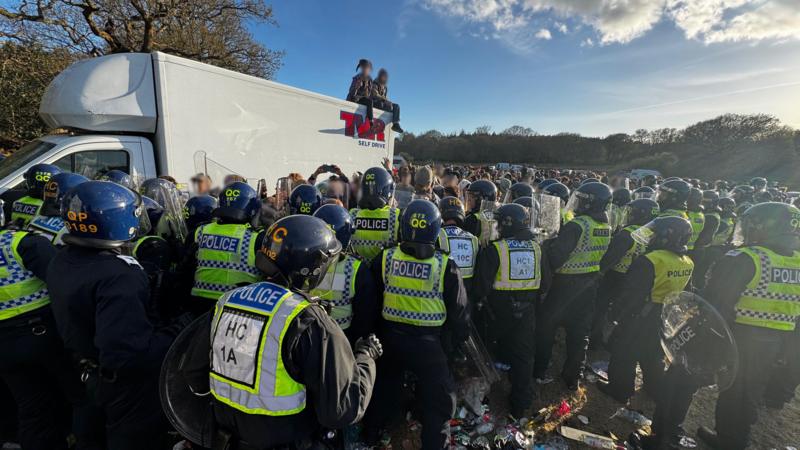
Police worked to shut down an illegal rave at a beauty spot in Dorset, England. About 2,000 people were at the event, and some threw objects at the police officers, leading to 10 arrests.
Key Facts
Police stopped an illegal rave near East Lulworth, Dorset.
About 2,000 people and over 100 vehicles attended the event.
Attendees threw objects at officers, creating a violent situation.
Police arrested 10 people for various offences, including driving under the influence and assaulting an emergency worker.
Officers seized equipment used for the rave and closed nearby roads.
The event started late Saturday night and police worked until Sunday evening to end it.
Dorset Police are reviewing evidence to find any more offences.
Read the Original
Want the full story? Tap a source to open the original
article.
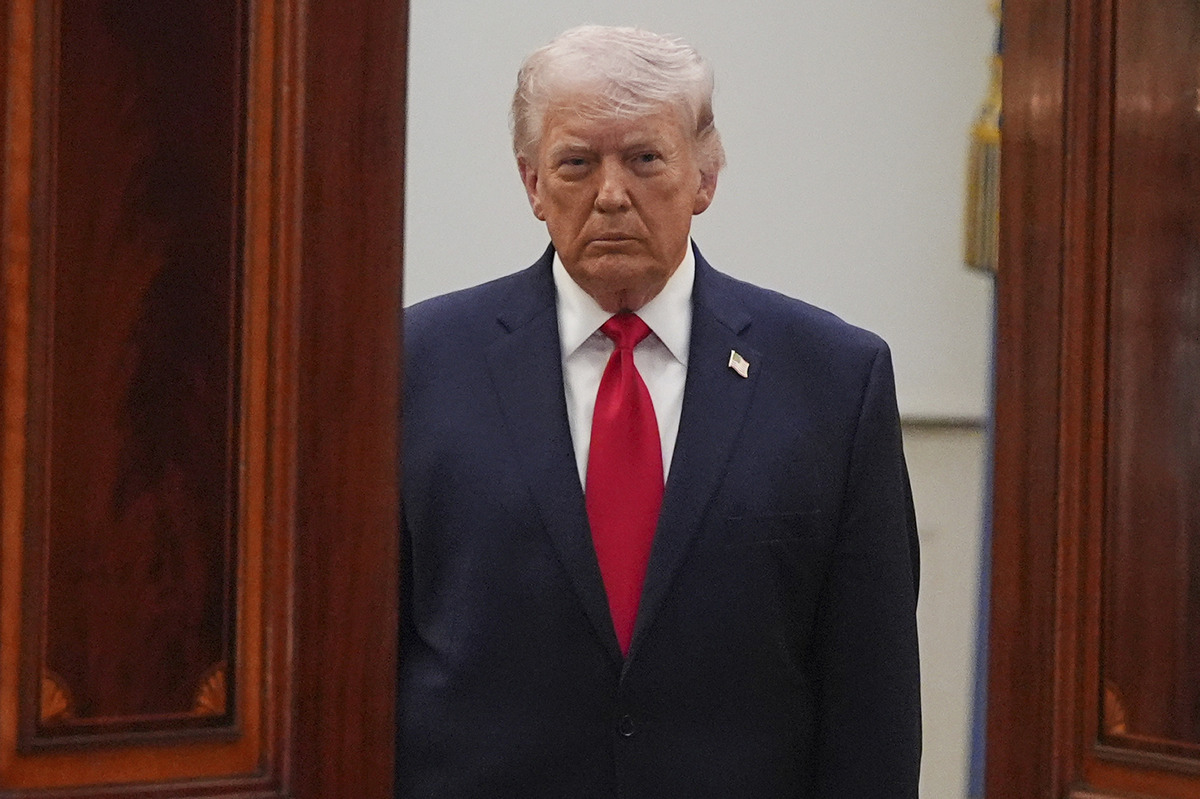
Iran has announced it will respond forcefully if the U.S. or Israel attacks its civilian areas. This follows President Donald Trump's warning that the U.S. might target infrastructure like bridges and power plants in Iran if the Strait of Hormuz remains blocked. Iran has blocked this important shipping lane, causing global fuel price concerns.
Key Facts
Iran warned of a strong response to attacks on its civilian infrastructure.
President Trump threatened to target Iranian infrastructure if the Strait of Hormuz stays blocked.
The Strait of Hormuz is a key shipping lane for oil transport.
Iran has blocked the Strait for over a month, impacting global fuel prices.
President Trump set a deadline for Iran to reopen the Strait by 8 p.m. ET on Tuesday.
The information was shared via Iran's state broadcaster and President Trump's social media.
Newsweek reported the story, using AI tools to assist in production.
Read the Original
Want the full story? Tap a source to open the original
article.
Remote workers are moving to coastal and rural towns, bringing economic benefits to these areas. This shift is helping towns become more stable year-round by increasing local spending and community engagement.
Key Facts
Remote workers are choosing to settle in coastal and rural towns instead of commuting to city offices.
These workers bring economic stability by spending locally and joining community activities.
Local businesses in these towns are experiencing more consistent trade, even on weekdays.
Coworking spaces are supporting remote workers by providing professional environments in rural areas.
Government initiatives are working to improve internet access in remote areas to support remote work.
The UK government is investing £360m in coastal communities through the Fishing and Coastal Growth Fund to support local businesses and workforce retention.
Bayspace St Ives, a coworking venue, opened in Cornwall to promote year-round jobs and economic diversification beyond tourism.
Read the Original
Want the full story? Tap a source to open the original
article.
The United States and Israel are in ongoing conflict with Iran, affecting the stability around the Strait of Hormuz. The countries near Hormuz see a chance to create their own local security system. This situation shows the limits of U.S. influence in the region and the need for a new regional order.
Key Facts
The U.S. and Israel's conflict with Iran is destabilizing the region around the Strait of Hormuz.
President Donald Trump's administration seeks a way to exit this conflict.
Hormuz littoral states have an opportunity to establish a new local security framework.
Iran has significant leverage due to its capability to disrupt maritime traffic.
The Gulf Cooperation Council (GCC) states are caught between supporting Trump or facing potential aggression from Iran.
The U.S. security support appears limited as Israeli interests dominate regional policies.
Iranian military actions and diplomat expulsions have harmed relationships with GCC states.
The Strait of Hormuz lacks an international regulatory framework, making it prone to conflict.
Read the Original
Want the full story? Tap a source to open the original
article.
The Artemis II mission, led by NASA, is a test flight sending four astronauts on a journey around the moon to test new space systems. This mission aims to break Apollo 13's record for the farthest distance traveled by humans from Earth. President Trump praised the astronauts, wishing them well on their historic trip.
Key Facts
The Artemis II mission's main goal is to test NASA's deep-space systems for future human missions beyond Earth orbit.
The crew includes Commander Reid Wiseman, Pilot Victor Glover, Mission Specialist Christina Koch, and Canadian astronaut Jeremy Hansen.
The Artemis II spacecraft will travel farther from Earth than humans ever have, exceeding the Apollo 13 distance by over 4,100 miles.
The mission involves a flyby of the moon, following a figure-eight path similar to Apollo 13's trajectory.
Artemis II prepares NASA for future missions, including potential lunar landings and Mars exploration.
This mission includes historic milestones: Hansen as the first non-American, Koch as the first woman, and Glover as the first Black astronaut to travel to the moon.
A solar eclipse viewable from the crew capsule will occur when the moon blocks the sun, exposing the solar corona.
NASA plans to continue evolving its lunar missions, with Artemis III targeted for 2027 and the first crewed lunar landing expected on Artemis IV in 2028.
Read the Original
Want the full story? Tap a source to open the original
article.
The U.S., Iran, and regional mediators are discussing a potential 45-day ceasefire to try to end an ongoing conflict. President Trump has extended a deadline for reaching an agreement, with significant risks if negotiations fail. Mediators are working on confidence-building measures to facilitate a deal.
Key Facts
Talks are aimed at agreeing on a 45-day ceasefire with hopes for a permanent peace.
President Trump extended a negotiation deadline until Tuesday at 8 p.m. ET.
President Trump warned of potential strikes on Iranian infrastructure if a deal isn't reached.
Iran has threatened to retaliate against Gulf states if attacked.
Mediators from Pakistan, Egypt, and Turkey are involved in the discussions.
Proposed a two-phase deal, starting with the ceasefire and leading to ending the conflict.
Key negotiation points include the Strait of Hormuz access and Iran's enriched uranium.
The White House has not commented publicly on the negotiations.
Read the Original
Want the full story? Tap a source to open the original
article.
In Vietnam, gig workers are struggling with rising fuel costs due to disruptions in oil supplies caused by the US-Israel conflict with Iran. Vietnam usually gets most of its crude oil from Kuwait, but supply issues have led to increased fuel prices, affecting the livelihoods of e-hailing drivers and others who rely on affordable fuel.
Key Facts
Many gig workers in Vietnam are spending a large part of their earnings on fuel.
Vietnam's crude oil supply from Kuwait has decreased because of disruptions related to the Iran conflict.
Fuel prices have significantly increased, with diesel prices more than doubling.
The Vietnamese government has temporarily suspended an environmental tax on fuel to help reduce prices.
Public transport is under strain, and airlines have reduced flights due to increased costs.
Gig workers are particularly affected because of their high fuel use and lack of labor protections.
Companies, like bus operators, are also facing financial challenges due to higher diesel costs.
Read the Original
Want the full story? Tap a source to open the original
article.
Defense Secretary Pete Hegseth removed Army chief of staff General Randy George and two other generals. This action sparked criticism from Representative Don Bacon, who questioned the moral grounds of the decision. The firings occur amidst ongoing U.S.-Israeli military involvement in the Middle East.
Key Facts
Pete Hegseth, the Defense Secretary, removed General Randy George and two others.
Randy George was the Army's 41st chief of staff, a position he held since September 2023.
Representative Don Bacon criticized these removals as lacking moral justification.
The Defense Department has not provided reasons for the generals' removal.
The U.S. is actively engaged in a military conflict in the Middle East.
General Christopher LaNeve will temporarily take over as Army chief of staff.
This decision adds to a series of military leadership changes since January.
Read the Original
Want the full story? Tap a source to open the original
article.