Tensions in the Gulf region have increased due to Iranian attacks on major industrial sites. These incidents are part of the broader conflict involving the US, Israel, and Iran, with significant damage reported in the United Arab Emirates and Bahrain. The situation has affected global energy markets and escalated regional instability.
Key Facts
Iranian attacks targeted industrial sites in the Gulf, specifically in the UAE and Bahrain.
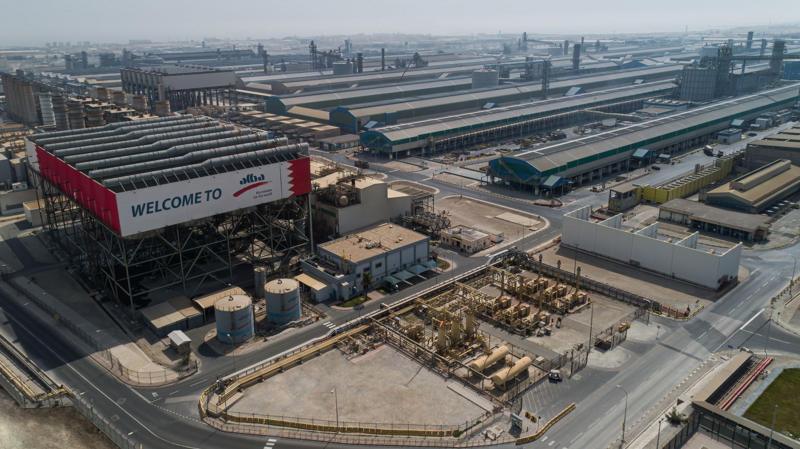
An aluminium plant in Abu Dhabi sustained damage, with injuries reported.
Aluminium Bahrain reported that two employees were injured in an attack.
Iran-backed Houthis joined the conflict and targeted Israel with missiles.
The Strait of Hormuz, a crucial energy shipping route, has been blocked by Iran.
Oil and gas prices have increased due to disrupted shipping routes.
Oman is investigating attacks on its port, with injuries reported from drone strikes.
Israel and Iran accused each other of targeting military and industrial sites.
Read the Original
Want the full story? Tap a source to open the original
article.
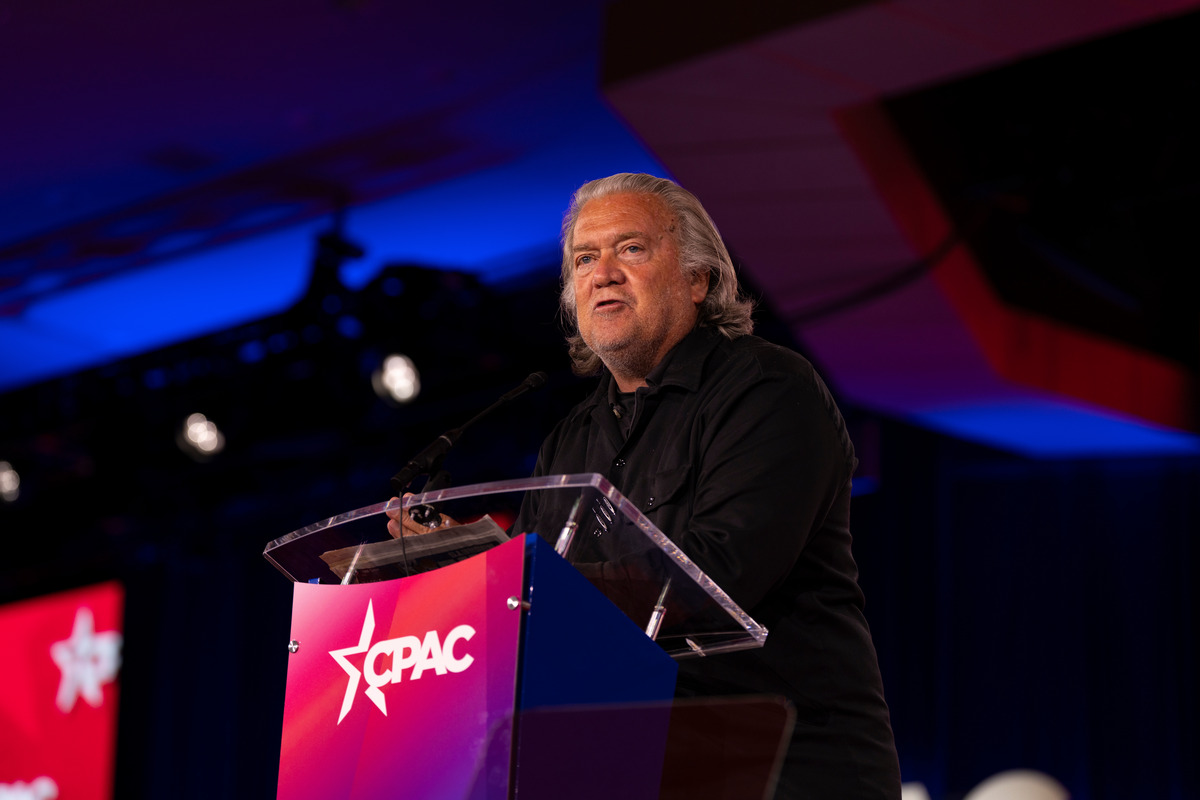
Steve Bannon, a former White House advisor, suggested that the U.S. might send troops to Iran as tensions with Tehran increase. U.S. forces, including Marines and paratroopers, are being deployed to the Middle East, and President Trump has signaled that future military actions won't be disclosed. The situation has raised concerns about potential U.S. involvement and the impact on global oil markets.
Key Facts
U.S. Marines and elite Army paratroopers are being deployed to the Middle East.
President Trump stated he won't reveal any future ground operations.
Military experts believe forces could target islands in the Strait of Hormuz.
Seizing key territories might influence Iran's control over crucial oil routes.
The conflict has already resulted in U.S. service personnel casualties.
Steve Bannon mentioned possible ground troop activities during a political conference.
The Pentagon is preparing for potential ground operations in Iran.
The situation has affected global oil prices due to restricted tanker movement.
Read the Original
Want the full story? Tap a source to open the original
article.
A cyclist found a lost credit card and tried to return it to its owner but was met with suspicion and accusations of being a scammer. The situation escalated, leading the cyclist to eventually destroy the card instead of returning it. This story highlights the issue of mistrust when trying to help strangers.
Key Facts
A cyclist found a credit card and tried to contact the owner through LinkedIn.
The owner accused the cyclist of being a scammer and threatened to report them.
The cyclist reassured the owner that they were not asking for anything in return.
The owner continued to be abusive, so the cyclist decided to destroy the card.
Reddit users shared similar stories of trying to return lost items with mixed reactions.
Experts suggest ignoring or walking away from rude strangers.
It's common for people to be suspicious of unexpected contact.
Newsweek reached out to the Reddit user but couldn't verify the story's details.
Read the Original
Want the full story? Tap a source to open the original
article.
Kemi Badenoch, a leader in the UK Conservative Party, suggests cutting taxes on energy bills before providing direct government aid to households. This comes amid rising energy prices due, in part, to the US-Israeli conflict with Iran affecting the Strait of Hormuz. The UK government is considering how best to support citizens if energy costs continue to rise.
Key Facts
Kemi Badenoch advocates for reducing taxes on energy bills over giving direct payments to households.
The conflict involving the US, Israel, and Iran has disrupted the Strait of Hormuz, increasing oil prices.
UK energy bills are expected to decrease temporarily but might rise later due to the conflict's effects.
The government discusses providing targeted support based on need, rather than universal aid.
The Conservative Party plans to eliminate certain green levies from energy bills.
The UK government emphasizes increased domestic oil and gas production but opposes new North Sea drilling licenses.
The Green Party and Liberal Democrats propose different strategies to alleviate energy bill pressures.
Read the Original
Want the full story? Tap a source to open the original
article.
Four countries—Turkiye, Saudi Arabia, Egypt, and Pakistan—are holding talks in Islamabad to encourage the United States and Iran to engage in direct discussions. These talks aim to stop the ongoing conflict between the U.S. and Iran and build trust between the two countries. The meeting is part of a larger effort to prepare for potential negotiations, with Pakistan playing a central role in facilitating communication.
Key Facts
Foreign ministers from Turkiye, Saudi Arabia, Egypt, and Pakistan are meeting in Islamabad for two days.
The goal is to encourage the United States and Iran to start direct talks.
Pakistan's Prime Minister Shehbaz Sharif spoke with Iran’s President Masoud Pezeshkian about reducing tensions and building trust.
Iran demands confidence-building measures from the United States to engage in direct talks, including an end to strikes.
The four-nation meeting evolved from a gathering earlier in Riyadh and is intended to align regional efforts for U.S.-Iran dialogue.
China supports Pakistan's mediation efforts and has encouraged Iran's participation in diplomacy.
The meeting aims to set the stage for possible talks between the U.S. and Iran, potentially involving key U.S. officials.
Any move towards negotiations may require the U.S. to pause its military actions against Iran.
Read the Original
Want the full story? Tap a source to open the original
article.
An American teacher in Seville, Spain, compared school lunches in Spain to those she had in the United States. She shared her experience through social media, highlighting the variety and quality of the food served in Spanish schools. Her observations have sparked conversations about improving school lunches in the U.S.
Key Facts
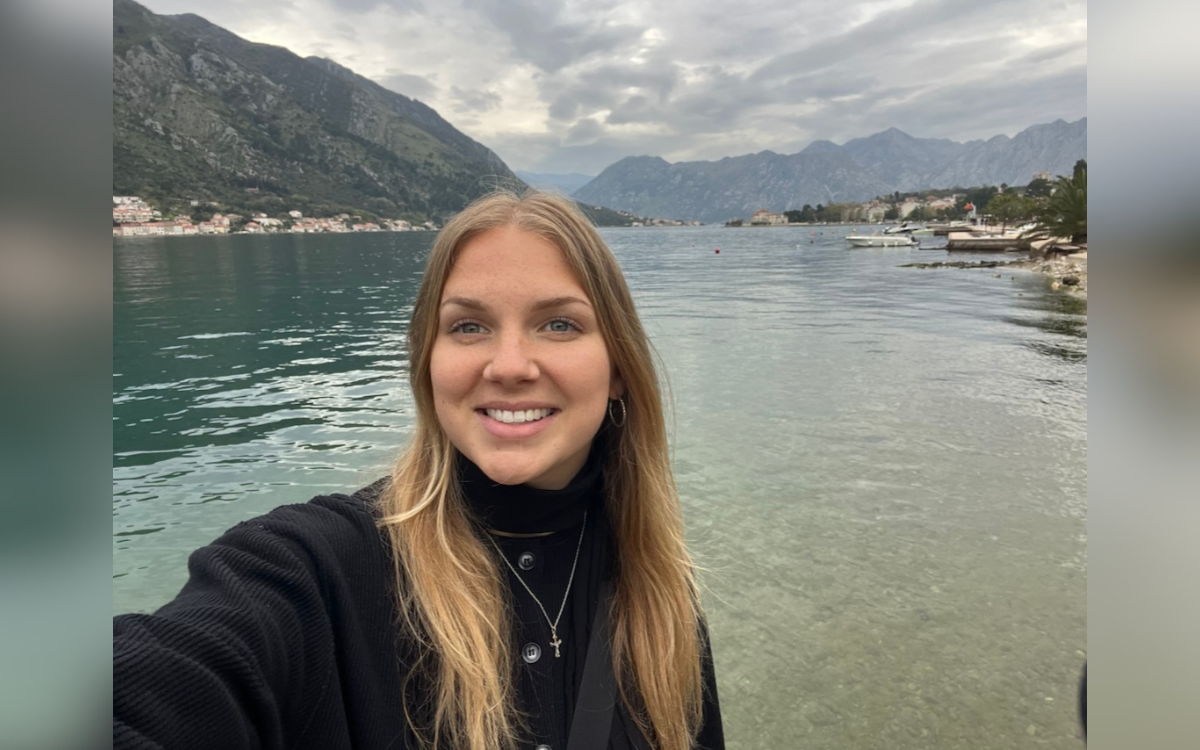
Addey Blakeney, an American teacher, works at a school in Seville, Spain.
She compared the school lunches she receives in Spain to those she had in Ohio.
Spanish school lunches include various salads, soups, fish, meat, and vegetables.
A video she shared online showcased meals like Lomo Adobado (marinated pork) and Fabada asturiana (bean stew).
Fruits and yogurt are commonly offered as dessert in Spanish schools.
Spanish students have a 90-minute lunch break allowing ample time to eat and play.
A study of U.S. parents found concerns about the quality and healthiness of school lunches.
Read the Original
Want the full story? Tap a source to open the original
article.
The article discusses six international travel destinations known for exceptional food experiences. It highlights Italy, Spain, and Croatia as top places to explore diverse and rich culinary traditions. The piece suggests engaging in local food activities like wine tastings and cooking classes to fully appreciate these destinations.
Key Facts
The article highlights international destinations known for food tourism.
Italy is famous for its diverse regional cuisines, including Venetian seafood and Tuscan pasta.
In Spain, tapas and communal dining experiences are popular, along with dishes like paella.
Croatia offers a unique blend of Mediterranean and Central European flavors, with specialties such as truffles and fresh seafood.
The article suggests hands-on experiences like cooking classes and wine tastings to enhance travel.
Important food experiences include markets, home-hosted dinners, and food tours.
The focus is on immersive and culturally authentic dining experiences across different regions.
Read the Original
Want the full story? Tap a source to open the original
article.
MP Sarah Owen, representing Luton North, has stopped in-person meetings with local people due to three recent security incidents. Two arrests have been made, and one meeting was interrupted, prompting concerns about safety. Owen plans to find other ways for direct contact with her constituents.
Key Facts
Sarah Owen is a Member of Parliament (MP) for Luton North.
She stopped face-to-face meetings because of safety concerns.
Three security incidents happened in the last three weeks.
Two men were arrested in connection with these incidents.
One incident led to the stopping of a local meeting.
MPs normally hold regular sessions, called "surgeries," to meet the public.
Safety concerns for MPs have increased after attacks on MPs Jo Cox and David Amess.
Owen will find new ways to stay in touch with her constituents.
Read the Original
Want the full story? Tap a source to open the original
article.
Colombian officials have found a body that may belong to an American Airlines flight attendant, Eric Fernando Gutiérrez Molina, who went missing in Medellín, Colombia. The body is currently being identified, and the attendant's father has been informed.
Key Facts
A body was found southwest of Medellín, Colombia.
The body is believed to be that of Eric Fernando Gutiérrez Molina, a flight attendant.
Gutiérrez Molina disappeared on March 21 after a layover in Medellín.
Colombian authorities are conducting ongoing investigations.
The body's identification process is taking place in Medellín.
Gutiérrez Molina's father is in Medellín and has been notified about the discovery.
Read the Original
Want the full story? Tap a source to open the original
article.
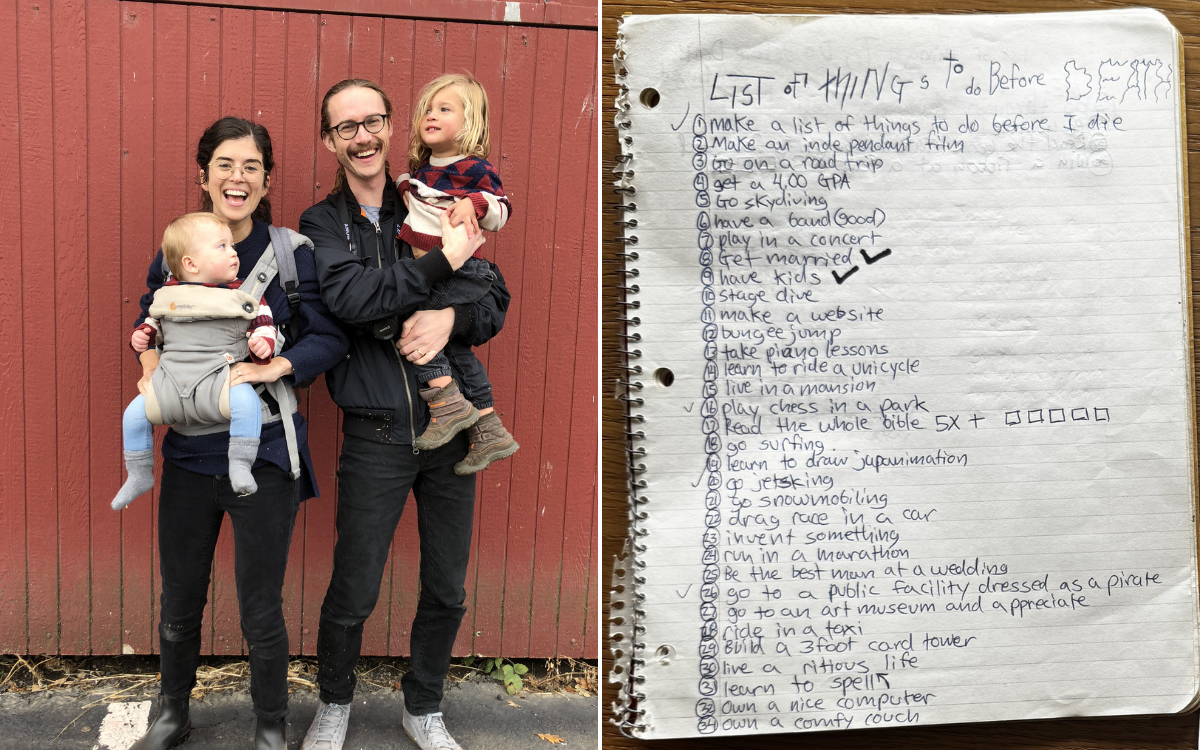
Leslie Harter-Berg from Vancouver found her late husband Ryan's bucket list, leading to a new tradition with her sons. Each year on Ryan's birthday, they pick one item from the list to do in his memory. This practice keeps Ryan's memory alive for Leslie and her children.
Key Facts
Leslie Harter-Berg's husband, Ryan, died suddenly in 2019 from a brain aneurysm and stroke.
Leslie found a list of goals Ryan made in high school, known as a 'bucket list.'
The family started a tradition to honor Ryan's memory by completing one item from the list each year.
The activities they have completed include playing chess in a park, building a card tower, and dressing as a pirate in public.
Leslie remarried in 2022, had a third son, and continues to honor Ryan's memory with her children.
Ryan died in 2019, and the family has observed this tradition for five years.
The tradition helps keep Ryan's memory alive for Leslie and her sons.
Read the Original
Want the full story? Tap a source to open the original
article.
The article explores how birth order might influence personality and sibling relationships. Catherine Carr, a writer, shares her insights on how being the oldest, middle, or youngest child can affect one's identity, although it's not the sole factor. She discusses how various family dynamics like age gaps, blended families, and favoritism can alter these traditional roles.
Key Facts
Catherine Carr wrote a book about sibling relationships titled "Who's the Favorite?"
She is a middle child with personal experience of complex family dynamics due to her parents' divorce.
Carr explains that birth order can shape personality but is not the only factor.
Psychotherapist Alfred Adler suggested that firstborns might be responsible, while youngest children could be more risk-taking.
Carr emphasizes that the environment and time shared among siblings also impact their development.
Sibling differentiation is a theory that suggests siblings develop unique identities to feel valued.
Factors like blended families and favoritism can disrupt typical birth order effects.
Carr hopes understanding birth order can lead to better sibling relationships and self-compassion.
Read the Original
Want the full story? Tap a source to open the original
article.
Police in Tel Aviv broke up a protest against the ongoing military operation by Israel and the US against Iran. The protest, which became violent, led to the arrest of up to 18 people.
Key Facts
A protest took place in Tel Aviv against Israel's military action with the US against Iran.
The protest was against a military operation that is currently in its second month.
Police dispersed the crowd during this protest.
Wartime restrictions on gatherings are still in place in Tel Aviv.
Up to 18 people were arrested during the protest, as reported by local media.
Read the Original
Want the full story? Tap a source to open the original
article.
President Donald Trump encouraged viewers to watch Mark Levin’s Fox News show, where Levin suggested the U.S. should send troops into Iran to secure its enriched uranium. Recently, the U.S. has relocated forces to the Middle East, which may suggest potential operations in Iran, but no decision has been made by the President. The international community remains concerned about Iran's nuclear materials.
Key Facts
President Trump promoted Mark Levin’s show, which discussed potential military actions against Iran.
Levin suggested deploying specialized U.S. troops in Iran to handle the country's uranium stockpiles.
U.S. military movements in the Middle East hint at possible limited ground operations in Iran.
American and Israeli strikes aim to dismantle Iran's nuclear and missile capabilities.
Iran reportedly has over 440 kilograms of highly enriched uranium.
The Pentagon is preparing for potential operations, but no decision is made.
U.S. forces, including Marines and special units, are positioned for possible limited raids.
The U.S. stresses that any decision to deploy troops in Iran is not final yet.
Read the Original
Want the full story? Tap a source to open the original
article.
The Pentagon is preparing for possible ground operations in Iran that may involve limited raids on specific sites. These plans do not mean there will be a full invasion, and it's uncertain if President Trump will approve them. The U.S. has already sent more troops to the Middle East, and discussions are ongoing about potential military actions.
Key Facts
The Pentagon is considering limited ground operations in Iran.
Possible targets include Kharg Island and areas near the Strait of Hormuz.
These actions might involve special operations and conventional troops.
President Trump's approval of the plans is currently uncertain.
About 3,500 additional US soldiers have arrived in the Middle East.
The U.S. is discussing the seizure of key Iranian locations to remove threats to shipping.
Iran has threatened to respond to any ground attacks with targeted actions.
Pakistan is mediating talks between the U.S. and Iran with other regional countries involved.
Read the Original
Want the full story? Tap a source to open the original
article.
The conflict involving the US, Israel, and Iran has been ongoing for 30 days. Foreign ministers from several countries are meeting in Pakistan to discuss how to end the hostilities. The conflict has spread to involve missile attacks and drone interceptions across the Middle East.
Key Facts
Foreign ministers from Pakistan, Turkiye, Egypt, and Saudi Arabia are holding talks in Islamabad to address the conflict.
The conflict has spread, with Yemen's Houthis firing missiles at Israel.
Tehran has threatened retaliation against Israeli and US universities following bombings.
Explosions in Tehran resulted in fatalities and injuries in a residential area.
Iranian military claimed to target Israeli and US-related sites in and around Israel.
Saudi Arabia intercepted drones, while the UAE responded to missile threats.
Iran's army attacked sites in Abu Dhabi, injuring several employees.
Iranian officials consider exiting the Nuclear Non-Proliferation Treaty (NPT) due to ongoing attacks on nuclear facilities.
Read the Original
Want the full story? Tap a source to open the original
article.
An analyst suggests that Iran might want to prolong a conflict affecting global energy markets. The United States, on the other hand, is interested in ending the war quickly.
Key Facts
An analyst from King’s College London discussed the situation involving Iran.
Iran has the capability to influence global energy markets.
The analyst believes Iran wants the conflict to last longer.
Prolonging the conflict could pressure global markets.
The United States prefers a quick resolution to the conflict.
The situation involves international security and energy market stability.
Read the Original
Want the full story? Tap a source to open the original
article.
Heavy snow and strong winds are expected in parts of Alaska and Montana, according to the National Weather Service (NWS). The weather could result in dangerous travel conditions starting from Sunday, March 29, and continuing into Monday.
Key Facts
Alaska's St. Lawrence Island may receive an additional inch of snow on Sunday.
The Yukon Delta Coast could see another 2 inches of snow, impacting visibility.
The Kuskokwim Delta Coast might get up to 6 inches of snow with winds up to 30 mph.
Montana's Glacier National Park could see up to 15 inches of snow on the highest peaks.
Winds in Montana could reach up to 65 mph, further reducing visibility.
The NWS advises travelers to prepare for dangerous conditions, especially during Monday morning commutes.
Motorists are advised to have an emergency kit and drive cautiously due to the hazardous conditions.
Read the Original
Want the full story? Tap a source to open the original
article.
Staying informed here is free for everyone. If it's worth something to you, pay what you want. Supporters also get the daily digest by email every morning.
Gaza residents, including Abdel Karim Salman, face severe electricity shortages, making daily life challenging. Salman uses phone lights to illuminate his tent, incurring costs amid limited electricity options. High expenses and scarce resources compound the difficulties for families living in areas affected by the ongoing conflict.
Key Facts
Residents in Gaza have limited access to electricity, affecting everyday life.
Abdel Karim Salman uses his and his wife’s phones as a light source in their tent.
Salman walks daily to charging points, paying up to $3.20 per day to charge phones.
Municipality-supplied electricity has been absent for two years in Gaza.
Alternatives like solar lamps and private generators are costly and scarce.
Power shortages impact basic needs like refrigeration and laundry.
Israeli restrictions have led to a scarcity of solar energy systems and other resources.
Many families in Gaza face economic strain due to war-driven hardships.
Read the Original
Want the full story? Tap a source to open the original
article.
Diplomats from Saudi Arabia, Egypt, and Turkey met in Islamabad, Pakistan, to discuss ways to reduce tensions in the ongoing US-Israel conflict with Iran. The talks, led by Pakistan's Foreign Minister, focus on promoting diplomacy and dialogue to resolve the conflict. Pakistan is attempting to mediate between the parties involved, acting as a communication channel between the United States and Iran.
Key Facts
Diplomats from Saudi Arabia, Egypt, and Turkey joined Pakistan in talks about the Iran conflict.
The discussions aim to find peaceful solutions through diplomacy.
Pakistan's Foreign Minister, Ishaq Dar, is leading the talks.
Iran has agreed to let more Pakistani ships pass through the Strait of Hormuz.
Pakistan's Prime Minister had a long call with Iran's President to prepare for the talks.
Pakistan is mediating between the US and Iran, facilitating communication.
The conflict risks escalating with Yemen's Houthi rebels attacking Israel.
Germany anticipates a direct US-Iran meeting in Pakistan soon.
Read the Original
Want the full story? Tap a source to open the original
article.