The European Union is asking its member countries to start filling their gas reserves for next winter early due to rising global gas prices following recent conflicts. An attack by Iran on a Qatari energy facility has impacted gas supplies, leading to increased prices and potential competition for resources.
Key Facts
The EU urged countries to start filling gas reserves early for the next winter.
Iranian attacks on Gulf energy sites have increased global gas prices.
Dan Jorgensen, EU Energy Commissioner, recommended cutting the filling target to 80%.
Iran attacked Qatar’s Ras Laffan complex, crucial for global liquefied natural gas (LNG) supplies.
Qatar’s export capacity was reduced, affecting mainly Asia but also potentially increasing competition in Europe.
EU gas prices have risen by over 30% since February 28 due to escalating conflicts.
The EU has been using more gas from the U.S. since reducing reliance on Russian energy.
Oil prices have also surged by more than 50% since the outbreak of the conflict.
Read the Original
Want the full story? Tap a source to open the original
article.
Tens of thousands of people in Prague protested against the government led by Prime Minister Andrej Babiš at Letná Park. Protesters are upset about the government's alliances, policies, and concerns over democratic practices.
Key Facts
Between 200,000 and 250,000 people participated in the protest in Prague.
Protesters are against Babiš's opposition to financial aid for Ukraine.
Babiš has allied with leaders from Hungary and Slovakia, which often go against EU policies.
The protests occurred at Letná Park, a historically significant site for demonstrations in the Czech Republic.
Protesters expressed concerns that media freedom might be at risk due to government plans.
Andrej Babiš spoke at a conference in Hungary where he is aligned with anti-globalist views.
There are fears that the government’s policies could lead to a decrease in democratic standards.
Efforts are underway to organize future protests.
Read the Original
Want the full story? Tap a source to open the original
article.
The National Farmers' Union in the UK warns that food prices may increase due to the conflict in the Middle East affecting the supply of crucial resources like fuel and fertilizer. The shutdown of the Strait of Hormuz by Iran is raising costs for these resources, impacting food production. This issue will be discussed by UK government ministers to address its impact on the cost of living.
Key Facts
The National Farmers' Union predicts a rise in food prices in the UK because of the Middle East conflict.
The conflict affects the Strait of Hormuz, a key passage for fuel and fertilizer shipments.
High costs in fuel and fertilizer will affect the production of foods like cucumbers, tomatoes, and milk.
An emergency meeting by UK ministers will focus on the conflict's effect on living costs.
Farmers may absorb some costs, but consumers could see higher prices.
The British Retail Consortium states that retailers will try to manage the disruption to minimize impact on customers.
Natural gas is crucial for heating glasshouses used to grow some produce.
The ongoing war could significantly affect the UK's economy, including food and energy prices.
Read the Original
Want the full story? Tap a source to open the original
article.
President Trump's administration is looking into possible peace talks with Iran after weeks of conflict. Discussions are starting on what a peace agreement could involve, and which countries might help mediate. Iran has shown interest in negotiations but has set challenging conditions.
Key Facts
President Trump is considering ending the conflict with Iran, but fighting may continue for a few more weeks.
Trump's team, including Jared Kushner and Steve Witkoff, is working on plans for potential peace talks.
Any peace deal would need to address the reopening of the Strait of Hormuz and Iran's nuclear activities and missile programs.
There has been no direct U.S.-Iran contact; Egypt, Qatar, and the U.K. are currently conveying messages.
Iran wants a ceasefire, guarantees against future conflicts, and compensation.
The U.S. wants Iran to agree to no missile program for five years and halt uranium enrichment.
Iran's Foreign Minister stated that peace requires the U.S. and Israel to stop attacking Iran.
The U.S. is considering Qatar as a mediator due to successful past relations in negotiations.
Read the Original
Want the full story? Tap a source to open the original
article.
In Gaza City, the prices of toys have soared due to Israeli restrictions, making it hard for families to buy toys for children during the Eid holiday. Parents, like Rania al-Saudi, face high prices because toys are difficult to import, leading to shortages in the market.
Key Facts
Gaza City is experiencing high toy prices, affecting families' ability to buy them for Eid.
Rania al-Saudi, a mother of two, found toy prices too expensive compared to earlier times.
Israeli restrictions on importing items into Gaza contribute to the high prices.
Many families cannot afford toys, affecting children's enjoyment of Eid celebrations.
The war beginning in October 2023 has further limited the availability of toys.
Toy vendor Anwar al-Huwaity explains that scarcity has driven prices up to three times their usual amount.
Toys have been hard to find as supply chains are disrupted.
Read the Original
Want the full story? Tap a source to open the original
article.
Hawaii called in the National Guard to help with search-and-rescue efforts after a storm caused the largest flood in the state in 20 years. The storm, known as a "Kona low," led to significant damage on Oahu's North Shore and other areas, with initial damage estimates over $1 billion. There were no reported deaths, but many rescues took place and infrastructure suffered significant impacts.
Key Facts
Hawaii activated the National Guard due to severe flooding from the storm.
The storm is referred to as a "Kona low," a weather system known for heavy rain and winds.
At least 233 rescues occurred; 32 children and 15 adults were airlifted by helicopters.
About 195 National Guard troops and 21 high-water vehicle teams were deployed.
The storm hit areas already affected by a previous storm, worsening conditions.
Infrastructure, including roads, schools, and a hospital, suffered damage.
Officials estimate that the damage could exceed $1 billion.
There are no reported fatalities or missing persons as of the last update.
Read the Original
Want the full story? Tap a source to open the original
article.
Weather warnings have been issued in several U.S. states due to a snowstorm predicted to drop up to nine inches of snow in some areas. Alaska has strong snow and wind warnings, while New York and Vermont could experience slippery roads with three to six inches of snow. The Western U.S. is also facing unusually warm temperatures.
Key Facts
The National Weather Service has issued snow warnings across numerous states.
Alaska could see up to nine inches of snow and winds up to 40 miles per hour.
Visibility in Alaska may fall below half a mile due to blowing snow.
New York and Vermont are expecting three to six inches of snow, leading to slippery roads.
The Western U.S. is experiencing a heatwave with temperatures 20-40 degrees above normal.
Several temperature records have been broken across the Western U.S.
Snow conditions in Alaska and other states are expected to improve later in the day.
Read the Original
Want the full story? Tap a source to open the original
article.
An Iranian military source has warned that if the U.S. attacks or invades Kharg Island, a crucial Iranian oil hub, Tehran may respond by disrupting key waterways such as the Red Sea and Bab al-Mandab Strait. The situation follows recent military strikes by the U.S. and Israel on Iranian targets, leading to heightened tensions.
Key Facts
Kharg Island is vital for Iran’s oil exports and is located near the Strait of Hormuz.
A U.S. military source said the island could be targeted to pressure Iran.
The Iranian response could include making other waterways unsafe, affecting global shipping.
Tensions increased after U.S. and Israeli strikes killed Iranian leaders, including Ayatollah Khamenei.
President Trump mentioned the U.S. has heavily targeted Iranian military sites on Kharg Island.
Disruptions in the Strait of Hormuz are affecting shipping, with some vessels under attack.
The Trump administration has sent more U.S. military forces to the region.
Iran threatened to destroy oil facilities if Kharg Island is attacked again.
Read the Original
Want the full story? Tap a source to open the original
article.
The Western United States is experiencing a historic snow drought that has left mountain areas with far less snow than usual. This low snowpack threatens water supplies, increases wildfire risks, and could cause problems for hydroelectric power and farming in the region during the coming months.
Key Facts
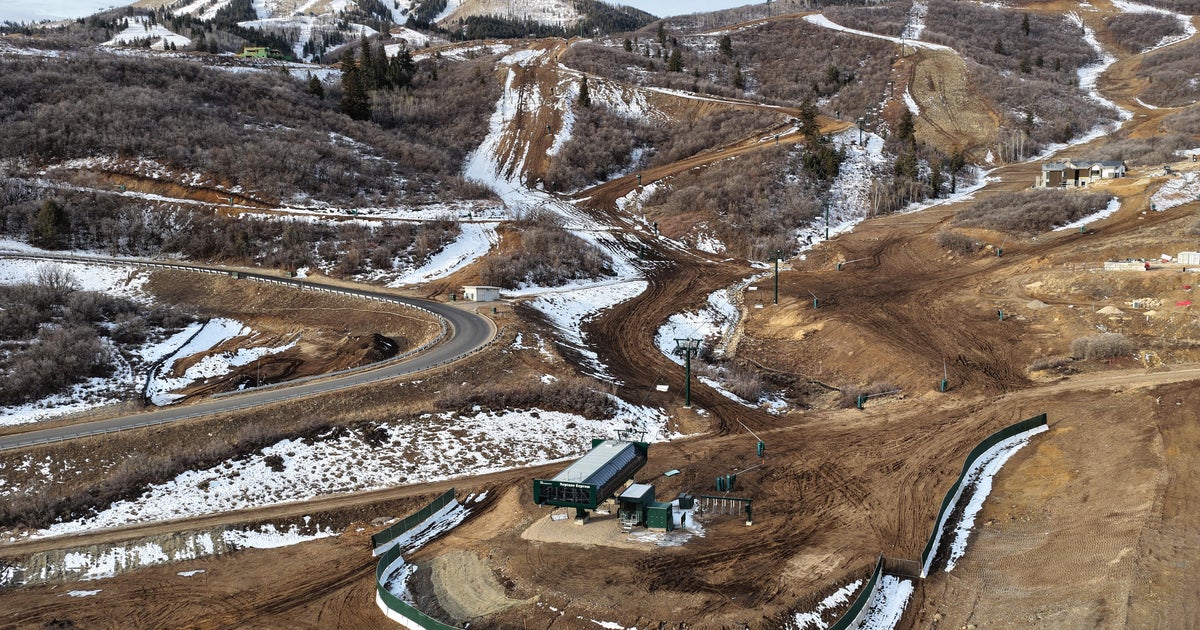
Ski resorts in the West, like Aspen (Colorado) and Park City (Utah), saw very little snow this winter.
Colorado and Utah are facing their worst snow shortage in over 40 years; New Mexico and Arizona also have record-low snowpacks.
Snowpack is the mountain snow that melts and supplies rivers, reservoirs, and drinking water in the West.
NASA satellite images showed the lowest snow cover on the Rockies and Cascades since records began in 2001.
About 75% of the West’s water supply depends on snowpack, so this drought threatens water availability for millions.
The Colorado River Basin, serving 40 million people, has hit record-low snowpack, endangering major reservoirs Lake Mead and Lake Powell.
Lake Powell’s water level is about 25%, and it may drop too low to generate hydroelectric power later this year.
Early heat waves and worsening drought conditions are expected to deepen water shortages and raise wildfire risks.
Read the Original
Want the full story? Tap a source to open the original
article.
Nicholas Brendon, known for his role as Xander Harris on "Buffy the Vampire Slayer," died at 54. His family announced that he died in his sleep from natural causes and requested privacy as they grieve.
Key Facts
Nicholas Brendon died at the age of 54.
He played Xander Harris on "Buffy the Vampire Slayer" from 1997 to 2003.
Brendon passed away in his sleep due to natural causes.
He also had a recurring role on the TV show "Criminal Minds."
Nicholas was born in Los Angeles in 1971 as Nicholas Brendon Schultz.
He pursued acting to help manage a stutter and was involved with the Stuttering Foundation of America.
Brendon had a congenital heart defect and previously suffered a heart attack.
He faced personal struggles and spoke openly about substance use and mental health issues.
Read the Original
Want the full story? Tap a source to open the original
article.
Eid al-Fitr prayers were held in Tehran following air strikes on the city. A funeral took place for the IRGC spokesman Ali Mohammad Naini, who was reportedly killed in a strike by the U.S. and Israel. The conflict involving Iran is in its fourth week.
Key Facts
Eid al-Fitr prayers happened in Tehran after air strikes the night before.
The air strikes were on the capital city, Tehran.
A funeral was held for Ali Mohammad Naini, the IRGC spokesman.
Reports say he died in a strike by the U.S. and Israel.
The ongoing conflict with Iran has lasted four weeks.
Read the Original
Want the full story? Tap a source to open the original
article.
A Bahraini official claimed that a Patriot air defense system intercepted an Iranian drone over a residential area in Manama, preventing a drone strike. The U.S. military provided a different account, stating an Iranian drone did strike a residential neighborhood, resulting in injuries.
Key Facts
A Bahraini official stated that a Patriot system stopped an Iranian drone over Manama.
The incident happened on March 9 in Bahrain's capital.
The Bahraini government claims the interception saved lives.
The U.S. military's account differs, claiming the drone hit a neighborhood, injuring 32 civilians.
Bahrain's Ministry of Interior confirmed injuries and one death from the incident.
Bahraini forces say they have intercepted numerous missiles and drones since February 28.
Iran's strikes followed a U.S.-Israeli attack on Iran beginning on February 28.
Bahrain is strategically important as it hosts the U.S. Navy's Fifth Fleet.
Read the Original
Want the full story? Tap a source to open the original
article.
Reports indicate that Jordan and Egypt have halted gas supplies to Syria amid the US-Israeli conflict with Iran. Israel's energy influence in the region is increasing, with much of the gas being imported by neighboring countries coming from Israel. The Arab Gas Pipeline is central to this regional energy trade, carrying Israeli gas to various countries, including Jordan and Egypt.
Key Facts
Jordan and Egypt reportedly cut gas supplies to Syria during the US-Israeli conflict with Iran.
Israel is increasingly controlling regional energy, influencing gas supplies to neighboring countries.
Egypt supplies gas to Syria through the Arab Gas Pipeline but faces conflicting reports about the gas's origin.
Egypt’s gas production has fallen, and it imports much of its gas needs, including from Israel.
Jordan imports the majority of its gas, primarily from Israel and Egypt, but also from other LNG sources.
The Arab Gas Pipeline, once a symbol of Arab cooperation, now largely exports Israeli gas.
Israeli gas makes up a significant part of the gas flowing through the regional pipeline system.
Read the Original
Want the full story? Tap a source to open the original
article.
The UK reported that Iran launched ballistic missiles at the Diego Garcia military base in the Indian Ocean, which is used by both the US and UK. The attack was unsuccessful according to the UK, and the government criticized Iran's actions.
Key Facts
Iran launched ballistic missiles at the Diego Garcia base.
Diego Garcia is a joint US-UK military base located in the Indian Ocean.
The UK described the missile attack as unsuccessful.
The UK government condemned Iran's actions as reckless.
An analyst noted that Diego Garcia is a significant target for Tehran.
Read the Original
Want the full story? Tap a source to open the original
article.
Iranians recently observed Nowruz, the Persian New Year, while also experiencing ongoing conflicts and economic difficulties. The celebrations took place amid airstrikes by the U.S. and Israel, resulting in casualties and impacting the festive mood. Economic hardships due to the ongoing war and inflation have also affected traditional holiday celebrations.
Key Facts
Iranians celebrated Nowruz, which marks the start of spring and symbolizes renewal and hope.
Nowruz includes Chaharshanbe Suri, a fire festival with rituals like jumping over small fires.
The celebrations occurred despite warnings and ongoing conflicts with the U.S. and Israel.
More than 1,400 people have died in the conflict, with strikes causing significant civilian casualties.
Economic issues like inflation and a weakened currency have made it difficult for families to afford traditional holiday items.
Some markets, such as Tehran’s Tajrish Bazaar, saw fewer shoppers due to war and economic pressure.
Israeli Prime Minister Netanyahu made a statement about their military actions during the festival period.
Read the Original
Want the full story? Tap a source to open the original
article.
An avalanche hit 10 people in Val Ridanna, South Tyrol, Italy, resulting in two deaths and seven injuries. The incident occurred amid high avalanche risk across the Alps, with warnings issued for increased danger in several countries.
Key Facts
The avalanche struck at 8,020 feet near Racines in northern Italy.
Two people died, and seven were injured, with three suffering serious trauma.
All group members had avalanche transceivers, aiding the rescue.
Five helicopters supported the search-and-rescue teams.
Italian authorities had earlier warned of heightened avalanche risks.
Earlier in the season, 11 people died in avalanche-related incidents in Italy.
U.S. embassies warned travelers of high avalanche risks in parts of Europe this winter.
Read the Original
Want the full story? Tap a source to open the original
article.
A video shows Dobie, a 13-year-old dog, warning his owner Ronny Herndon about high blood sugar levels, which can be risky for someone with Type 1 diabetes. Dobie's unusual behavior has caught attention online, but experts explain that dogs usually need training to become diabetes-alert dogs.
Key Facts
Dobie is a 13-year-old retriever mix.
Ronny Herndon, Dobie's owner, was diagnosed with Type 1 diabetes in 2020.
Dobie alerts Herndon by barking when his blood sugar is high.
The CDC notes that coffee can affect blood sugar levels for some people.
Expert Dr. Julie Hunt said dogs have a natural ability to smell compounds linked to blood sugar changes.
Hunt mentioned that while dogs can smell these markers, they usually need training to alert their owners.
Diabetes-alert dogs are often trained using human saliva samples from different blood sugar levels.
Training a diabetes-alert dog can take from six months to two years.
Read the Original
Want the full story? Tap a source to open the original
article.
The number of meningitis cases in Kent, UK, has increased to 34, with 23 confirmed and 11 under investigation. Vaccination centers have opened to handle the outbreak, and over 5,800 people have been vaccinated as of today. Two young individuals have died from the infection, and efforts continue to contain the outbreak.
Key Facts
There are 34 confirmed or suspected meningitis cases in Kent.
23 cases have been confirmed in the lab, with 11 still being investigated.
Five vaccination centers have opened in Kent to provide meningitis vaccines.
Over 5,841 people have received the vaccine so far.
More than 11,033 people have been given antibiotics.
Two young people have died from the meningitis outbreak.
Several schools in the Canterbury area have reported confirmed or suspected cases.
Health officials are confident they are controlling the outbreak effectively.
Read the Original
Want the full story? Tap a source to open the original
article.
On the biggest stories we show what the outlets agree on and where they differ. Readers keep that going, and get the daily digest by email every morning. Most choose $3.99/month.
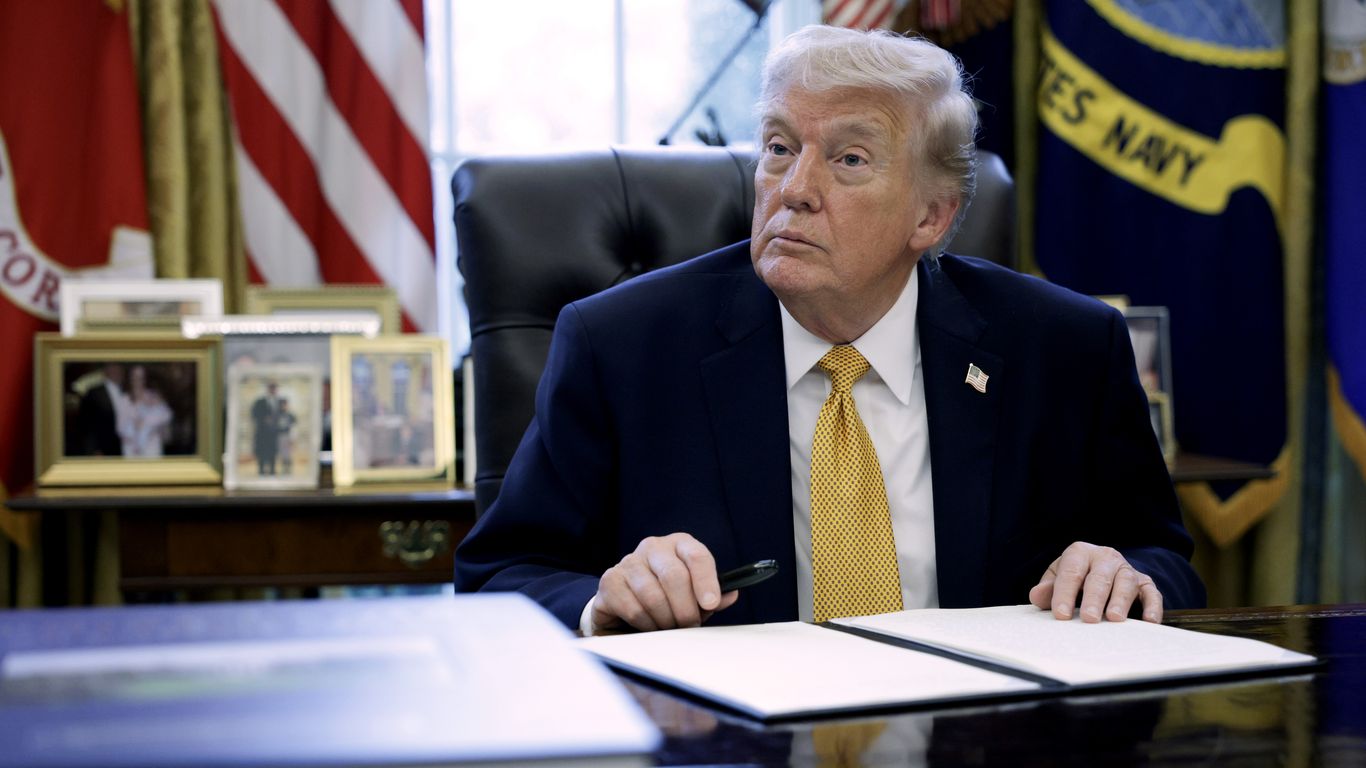
President Donald Trump referred to Japan's surprise attack on Pearl Harbor to justify his decision not to inform allies before the US and Israel launched an attack on Iran. His comments caused confusion and unease in Japan, leading to mixed reactions among Japanese officials and the public. Trump’s remarks came during a news conference with Japanese Prime Minister Sanae Takaichi at the White House.
Key Facts
President Trump cited the Pearl Harbor attack to explain why he did not inform allies about the strike on Iran.
The comments caused embarrassment and confusion in Japan.
A Japanese reporter asked Trump why allies weren't informed about the Iran attack.
Mixed reactions followed, with some criticizing Prime Minister Takaichi for not responding.
Japan and the US have a long-standing alliance, with Japan hosting US troops and relying on US military protection.
Japan's constitution limits military use, but officials are looking to expand the military’s role.
Social media accused Trump of being rude and insensitive.
The Japanese reporter explained his question aimed to reflect the concerns of some Japanese citizens.
Read the Original
Want the full story? Tap a source to open the original
article.