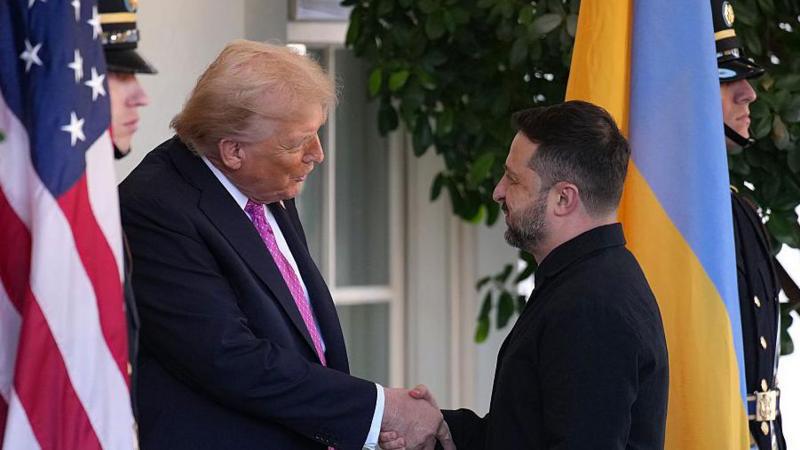
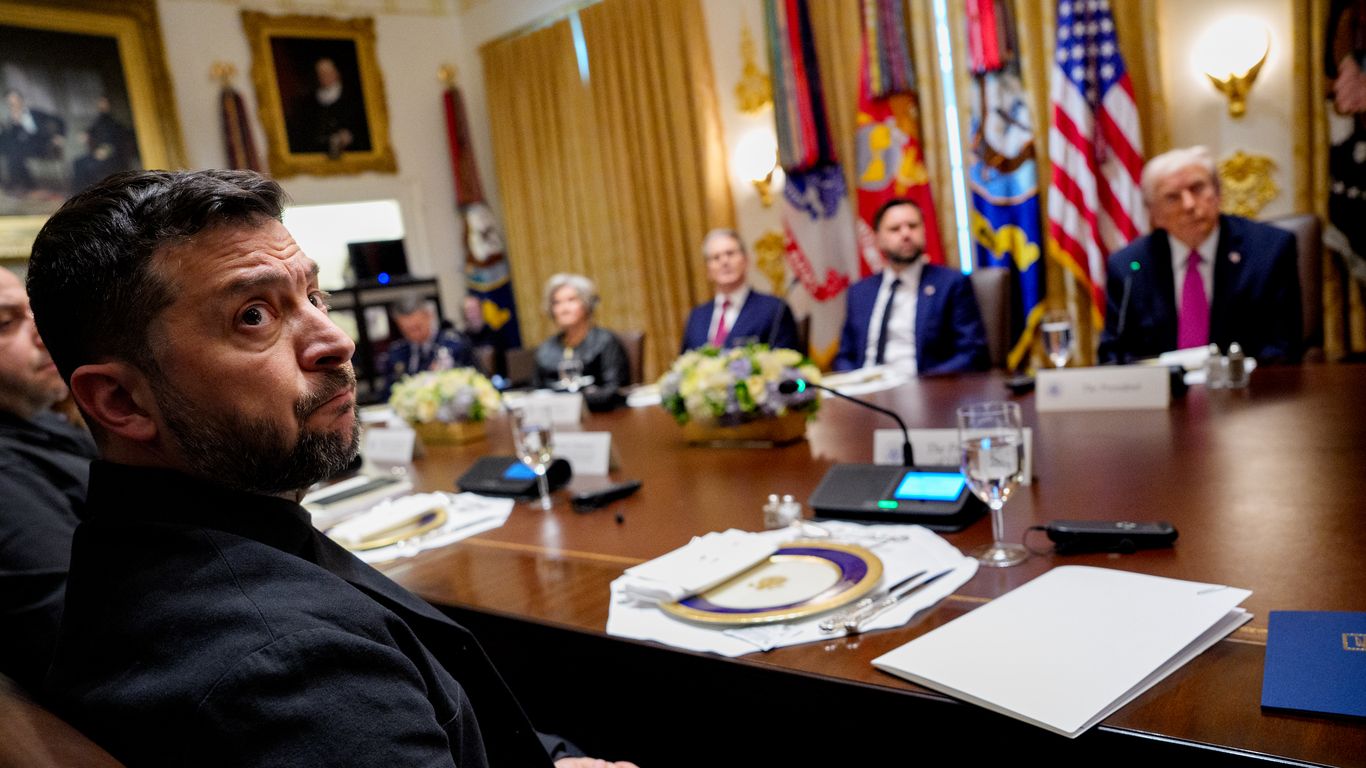
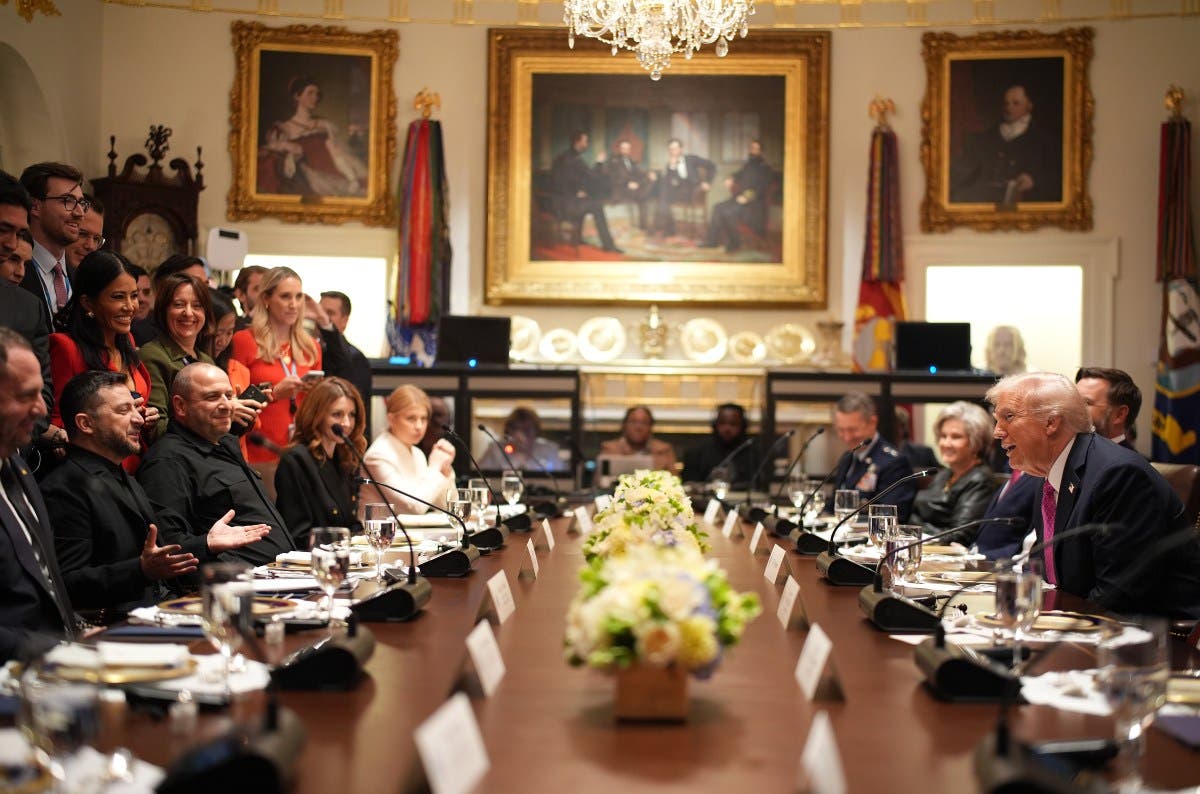
President Donald Trump and Ukrainian President Volodymyr Zelensky had a meeting at the White House where they discussed, but did not conclude, the potential supply of Tomahawk missiles to Ukraine. President Trump suggested that providing these missiles could heighten tensions and instead expressed hope for a peaceful resolution without military escalation. Trump's outreach included discussions with Russian President Vladimir Putin, with plans for an upcoming meeting to further peace talks.
Key Facts
President Trump had a meeting with Ukrainian President Zelensky at the White House.
They talked about the possible supply of Tomahawk missiles to Ukraine but made no final decisions.
Trump cautioned against escalation and emphasized seeking a resolution to the conflict without additional weaponry.
Trump suggested Ukraine and Russia should halt conflict and consider discussion instead of military action.
He communicated with Russian President Putin via phone and plans to meet him in Hungary.
Zelensky mentioned that acquiring Tomahawks could intimidate Russia due to their military power.
Discussions included the possibility of a three-way meeting between Trump, Zelensky, and Putin, despite existing tensions.
Both US and Russian teams are planning to meet to continue discussions on resolving ongoing conflicts.
Read the Original
Want the full story? Tap a source to open the original
article.
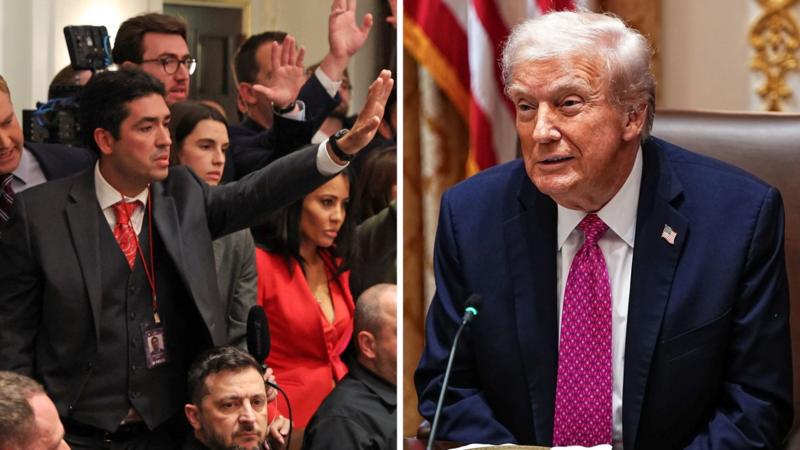
President Trump met with Ukrainian President Volodymyr Zelensky and decided not to provide Tomahawk missiles to Ukraine. The meeting was tense and focused on President Trump's emphasis on diplomacy, particularly following discussions with Russian President Vladimir Putin.
Key Facts
President Trump and Ukrainian President Zelensky had a tense meeting in Washington.
Trump decided not to give Ukraine long-range Tomahawk missiles right now.
The meeting took place after Trump's call with Russian President Vladimir Putin.
Trump believes diplomacy is the best approach and thinks giving missiles to Ukraine might hurt those efforts.
The meeting lasted 2.5 hours and ended without a firm agreement on weapons.
Trump suggested freezing current battle lines in Ukraine as part of a diplomatic solution.
European leaders expressed confusion over Trump's stance and showed support for Ukraine.
Zelensky aimed to secure commitments for various weapons from Trump, which he did not obtain.
Read the Original
Want the full story? Tap a source to open the original
article.
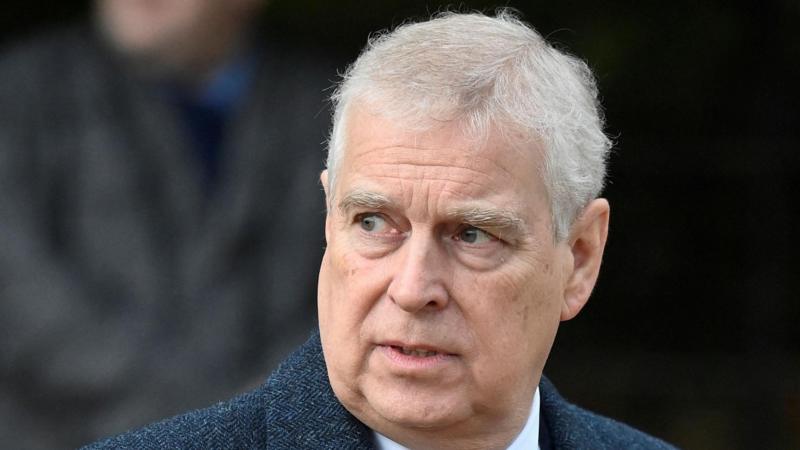
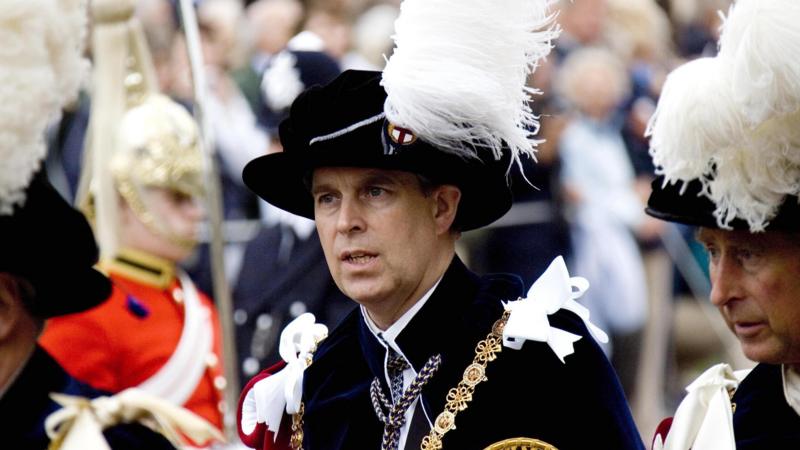
Prince Andrew has announced he is giving up his title as Duke of York and other royal honors. This decision follows ongoing scrutiny over his links to Jeffrey Epstein and related accusations. He will remain a prince but will not use his formal titles anymore.
Key Facts
Prince Andrew decided to give up his title as Duke of York.
He made this decision due to pressure from his connections with Jeffrey Epstein.
Andrew discussed this choice with King Charles and the royal family.
He will no longer use his royal honors but remains a prince.
Prince Andrew had already stopped being a "working royal" and lost some royal privileges.
His ex-wife loses her title, but their daughters keep theirs.
Andrew had faced a court case concerning Virginia Giuffre, which he settled financially.
He maintains his residence at the Royal Lodge in Windsor until 2078.
Read the Original
Want the full story? Tap a source to open the original
article.
Charlotte Morjaria went on a fun weekend trip with friends to Butlin's, where a minor accident led her to discover she had kidney cancer. A CT scan, done after a fall at the holiday park, revealed a cancerous tumor on her kidney. Charlotte later had surgery to remove her kidney and the tumor.
Key Facts
Charlotte Morjaria visited Butlin's for a weekend getaway with friends.
During a game, she got picked up and heard a pop sound, leading to pain she thought was a bruised rib.
After returning home, a CT scan in the hospital found a cancerous tumor on her kidney.
Charlotte waited 22 hours at the hospital before learning about her condition.
She was diagnosed with stage one TFE3 renal cell carcinoma, a rare kidney cancer.
Charlotte had her kidney and the tumor removed just before her 31st birthday.
Read the Original
Want the full story? Tap a source to open the original
article.
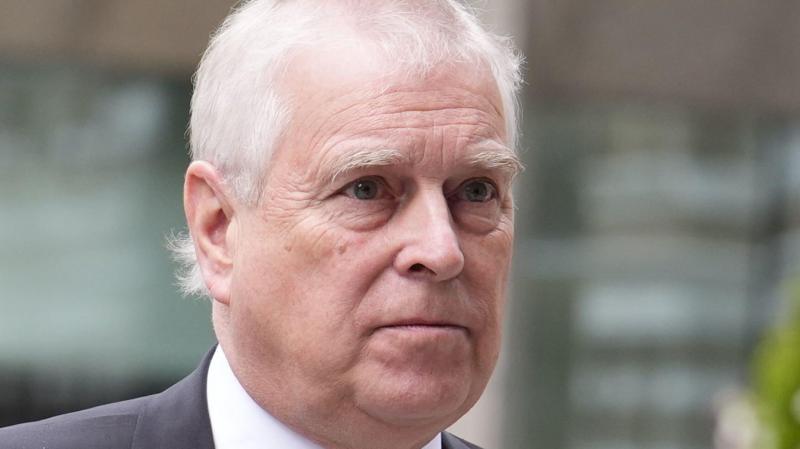
Prince Andrew has decided to stop using his royal titles amid ongoing scandals related to his connections with Jeffrey Epstein. This change was made voluntarily to avoid the need for Parliamentary involvement, which could have officially removed his titles. The decision reflects Buckingham Palace's effort to manage the royal family's reputation amid increasing negative publicity.
Key Facts
Prince Andrew no longer uses his titles, such as the Duke of York and Knight of the Garter.
His decision was voluntary, avoiding formal legislative action from Parliament.
His ties to convicted sex offender Jeffrey Epstein have been highly scrutinized.
Recent revelations showed Prince Andrew maintained contact with Epstein longer than claimed.
The move aims to protect the royal family's reputation from continuing negative media coverage.
There was internal pressure from Buckingham Palace for Andrew to step back.
A memoir by Virginia Giuffre, an Epstein victim, adds further scrutiny to Prince Andrew.
Read the Original
Want the full story? Tap a source to open the original
article.
Hamas is returning the remains of an Israeli captive in the Gaza Strip and urges mediators to persuade Israel to open border crossings for aid. The group claims the remains are of an "occupation prisoner," and Israel is working to officially identify them. The situation is tense as the recovery of other captives remains challenging due to destruction from previous bombings.
Key Facts
Hamas handed over the remains of an Israeli captive on Friday.
The remains were transferred by the Red Cross to Israeli custody.
Israel requires official identification to be first provided to the family.
Hamas says it needs more help to find other captives' remains under rubble.
Most heavy equipment in Gaza needed for searching is destroyed.
Israel has not allowed new equipment or international help into Gaza.
US President Trump warned Hamas to fulfill its agreement or risk further conflict.
Hamas has returned nine captives' remains recently, but issues persist.
Read the Original
Want the full story? Tap a source to open the original
article.
President Donald Trump expressed hope for a quick end to the war between Russia and Ukraine during a meeting with Ukraine's President Volodymyr Zelenskyy at the White House. Trump mentioned upcoming talks with Russia's President Vladimir Putin in Hungary but noted it's unlikely direct talks will happen between the Russian and Ukrainian leaders. Although Zelenskyy is willing to negotiate for peace, he emphasized the importance of security guarantees.
Key Facts
President Trump hosted Ukrainian President Zelenskyy at the White House to discuss the Russia-Ukraine conflict.
Trump expressed optimism about the war ending quickly, while noting the challenges of direct talks between the Russian and Ukrainian leaders.
Zelenskyy believes momentum is building to end Russia's invasion and stressed readiness for diplomatic talks.
Trump praised Zelenskyy but did not commit to providing Tomahawk missiles to Ukraine, citing potential escalation.
Zelenskyy proposed an exchange of Ukrainian drones for Tomahawk missiles, which Trump is open to discussing.
Ukraine is focused on obtaining security guarantees and does not plan to give up on joining NATO, despite Russian opposition.
Zelenskyy suggested a bilateral security alliance with the US could be important for Ukraine.
Russia began its full-scale invasion of Ukraine in February 2022, partly due to NATO's expansion plans.
Read the Original
Want the full story? Tap a source to open the original
article.
The Red Cross has retrieved the body of a deceased Israeli hostage from Gaza, as confirmed by Israel's military. This action is part of a ceasefire agreement that involves returning hostages and prisoners between Israel and Hamas.
Key Facts
The Red Cross collected a coffin containing the body of an Israeli hostage in the southern Gaza Strip.
The Israeli military advises the public to wait for official identification of the body.
Hamas agreed to return the bodies of all deceased hostages as part of the ceasefire.
So far, Hamas has returned 9 out of 28 deceased hostage bodies and freed 20 living hostages.
Israel has released 250 Palestinian prisoners and 1,718 detainees from Gaza under the ceasefire deal.
This development is part of a ceasefire agreement facilitated by the United States.
Read the Original
Want the full story? Tap a source to open the original
article.
Voters in Bolivia are preparing for a presidential run-off election on October 19, where no left-wing candidates are on the ballot for the first time in nearly 20 years. The contenders are Rodrigo Paz, representing the centre-right Christian Democratic Party, and Jorge Quiroga, a former president running on a right-wing platform. The election outcome is set against a backdrop of political and economic instability in the country.
Key Facts
The run-off election in Bolivia occurs on October 19, with results leading to inauguration on November 8.
The Movement Towards Socialism (MAS) party, in power since 2006, did not advance a candidate to the run-off.
Rodrigo Paz, running on a centre-right platform, won the most votes in the first round with 32%.
Jorge Quiroga, ex-president and head of a right-wing coalition, secured nearly 27% of the vote in the first round.
Neither candidate reached the required vote threshold to win outright in the first round.
Paz's campaign emphasizes moderate, pro-market policies with the slogan "Capitalism for All."
Quiroga's campaign is based on a strong pro-market stance under the Libre Alliance.
Polls suggest Quiroga holds a slight lead, though earlier polls underestimated Paz's support.
Read the Original
Want the full story? Tap a source to open the original
article.
Prince Andrew no longer uses his royal titles after discussions with his brother, King Charles III. He previously returned his military titles and royal patronages following accusations of sexual abuse, which he denied. Prince Andrew settled the case with his accuser, Virginia Giuffre, without admitting any wrongdoing.
Key Facts
Prince Andrew will not use titles like Duke of York after speaking with his brother, King Charles III.
In 2022, he gave back his military titles and royal patronages and stopped using "His Royal Highness."
He was accused of sexual abuse in a U.S. civil case by Virginia Giuffre, who claimed abuse by Jeffrey Epstein.
Prince Andrew settled the case with Ms. Giuffre out of court, paying an undisclosed amount but admitting no liability.
Prince Andrew is the third child of the late Queen Elizabeth II and is eighth in line to the British throne.
He is divorced from Sarah Ferguson, with whom he has two daughters.
Prince Andrew has independent financing sources, including previous business contacts in China and the Gulf States.
Read the Original
Want the full story? Tap a source to open the original
article.
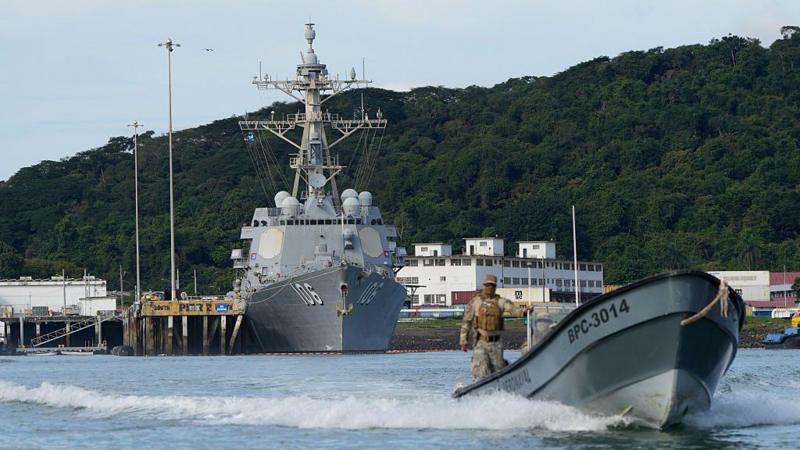
President Donald Trump confirmed a U.S. military strike on a submarine in the Caribbean Sea, which he stated was involved in drug trafficking. The attack, linked with tensions between the U.S. and Venezuela, reportedly resulted in two deaths and two individuals taken into custody. Venezuela has called on the UN Security Council to review the legality of the strikes.
Key Facts
President Trump confirmed a submarine attack in the Caribbean aimed at a drug-trafficking vessel.
The incident occurred amidst escalating tensions between the U.S. and Venezuela.
Two individuals died in the attack, and two survivors were captured.
Survivors' legal status and conditions are currently unclear.
This attack is part of a series, with five confirmed strikes resulting in 28 deaths.
Venezuelan President Nicolas Maduro reportedly offered concessions to the U.S.
Venezuela has appealed to the UN to declare the strikes illegal.
There is criticism regarding the legality of targeting drug traffickers using military force.
Read the Original
Want the full story? Tap a source to open the original
article.
The US military attacked a vessel from Venezuela thought to be carrying drugs, resulting in the capture of two survivors. President Trump stated the vessel was a "drug-carrying submarine," and this is one of several recent US strikes on Venezuelan ships. Venezuela's President Nicolás Maduro criticized the US actions, while some international voices described these strikes as extrajudicial.
Key Facts
The US military attacked a Venezuelan vessel on Thursday, believed to be carrying drugs.
Two survivors were captured by US forces and are on a US Navy ship.
President Trump confirmed the vessel was a "drug-carrying submarine."
This attack is part of a series of US strikes on Venezuelan ships in recent weeks.
Venezuelan President Maduro accused the US of trying to dominate Venezuela.
US Secretary of State Marco Rubio said the attacks target "narco-terrorists."
International experts have described the US actions as "extrajudicial executions."
The attack and increased US military presence have raised concerns of further conflict in the region.
Read the Original
Want the full story? Tap a source to open the original
article.
Prince Andrew of Britain will stop using his title, Duke of York, due to criticism about his connections to the late Jeffrey Epstein, a convicted sex offender. He denied the accusations but acknowledged that the allegations distract from the British royal family's work. Andrew will remain a prince and keep his dukedom but will give up other honorary titles.
Key Facts
Prince Andrew decided to stop using the Duke of York title due to links to Jeffrey Epstein.
He is the younger brother of King Charles and son of Queen Elizabeth.
Accusations involve a lawsuit with Virginia Roberts Giuffre, who claimed he had sex with her when she was underage.
Andrew denied Giuffre’s claims but settled a 2021 lawsuit with her in 2022.
He will not use his honorary titles but remains a prince and keeps his dukedom.
Andrew’s public denials in a 2019 interview led to him stepping down from royal duties.
The British government suspected one of Andrew's business associates of being a Chinese spy.
Read the Original
Want the full story? Tap a source to open the original
article.
President Donald Trump decided not to provide Ukraine with the Tomahawk missiles that Ukrainian President Volodymyr Zelensky requested. The meeting between the two leaders was tense, and Zelensky left without any promise of receiving the missiles. Trump emphasized a desire to avoid escalating the conflict and suggested that Ukraine and Russia should stop fighting and claim victory where they currently stand.
Key Facts
President Trump declined Ukraine's request for Tomahawk missiles.
The meeting between Trump and Zelensky was tense and ended abruptly.
Zelensky argued that the missiles would be important for defending against Russia.
Trump suggested that Ukraine and Russia both stop fighting and claim victory in their current positions.
Trump wrote on social media about stopping further bloodshed and reaching a deal.
Zelensky shared Trump's decision with European leaders, who were confused by the change.
Trump expressed a desire to end the conflict immediately.
Read the Original
Want the full story? Tap a source to open the original
article.
President Trump and Ukraine President Volodymyr Zelensky met in Washington, D.C., to talk about Russia's war with Ukraine. They discussed the possibility of supplying Ukraine with Tomahawk missiles to strengthen Ukraine's defenses against Russia.
Key Facts
President Donald Trump met with Ukraine President Volodymyr Zelensky in Washington, D.C.
The purpose of the meeting was to discuss Russia's ongoing war with Ukraine.
The leaders talked about providing Ukraine with Tomahawk missiles.
Tomahawk missiles can reach targets deep inside Russia.
This meeting comes amidst continued conflict between Ukraine and Russia.
Read the Original
Want the full story? Tap a source to open the original
article.
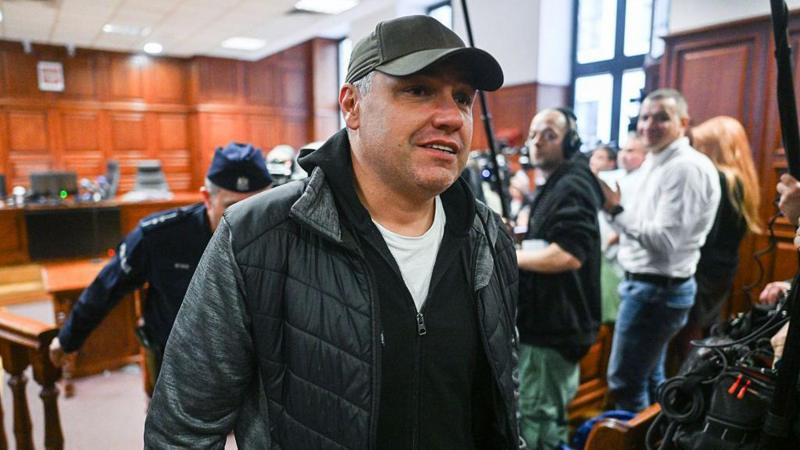
A Polish judge decided not to extradite a Ukrainian man, Volodymyr Zhuravlyov, to Germany. Germany suspects him of being involved in the sabotage of the Nord Stream pipelines. The judge justified the decision by citing the context of the war in Ukraine and suggesting that any Ukrainian involvement could be seen as self-defense.
Key Facts
A Polish court refused to extradite Volodymyr Zhuravlyov to Germany, where he is suspected of Nord Stream pipeline sabotage.
Mr. Zhuravlyov was detained in Poland on a European arrest warrant last month.
The judge argued that if Ukraine was responsible, it could be justified as an act of self-defense given the war situation.
The blasts damaged pipelines that carried gas from Russia to Germany, initially believed to be a Russian act until signs pointed to Ukraine.
Poland’s Prime Minister Donald Tusk supported the judge's ruling.
Extradition cases in the EU are usually fast but this case is different, likely due to its political context.
The court said the explosions occurred in international waters and questioned Germany’s right to pursue the case.
Mr. Zhuravlyov was released from custody and will receive compensation from the Polish state.
Read the Original
Want the full story? Tap a source to open the original
article.
The article discusses the situation in Gaza, where Israeli attacks over the past two years have resulted in significant Palestinian casualties. There is a focus on whether international bodies and countries will take action to investigate and prosecute alleged war crimes committed by Israel. A recent ceasefire has paused the attacks, but international legal proceedings may continue.
Key Facts
Nearly 68,000 Palestinians have died in Israeli attacks on Gaza in the last two years.
Among those killed, approximately 20,000 were children.
A ceasefire agreed upon last week has largely stopped the bombing.
A United Nations Commission of Inquiry stated that Israel committed genocide in Gaza.
South Africa has filed a genocide case against Israel at the International Court of Justice (ICJ).
The ICJ cannot make arrests unless supported by United Nations member countries.
The possibility of Israel being held accountable for these actions is uncertain.
The article features insights from various experts, including a human rights lawyer, a healthcare researcher, and a law professor.
Read the Original
Want the full story? Tap a source to open the original
article.
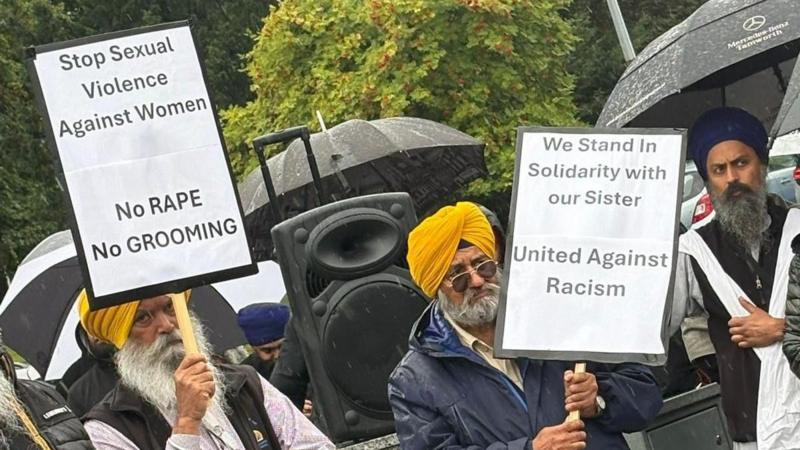
A man and a woman have been arrested in connection with the alleged rape of a Sikh woman in Oldbury, West Midlands. The attack, considered racially motivated by police, led to public protests and vigils. The suspects are in custody for questioning regarding this and a separate incident in Halesowen.
Key Facts
A Sikh woman in her 20s was reportedly attacked in Oldbury, West Midlands.
The attack was described by police as racially motivated.
A 49-year-old man and a 65-year-old woman have been arrested for questioning.
The suspects are also being questioned about a separate incident in Halesowen.
The Sikh community held protests and vigils after the attack.
Police set up a cordon at Hurst Green Park following the Halesowen incident.
The Sikh Federation UK expressed concern over the time taken for these arrests.
There is a £20,000 reward for information leading to a conviction.
Read the Original
Want the full story? Tap a source to open the original
article.
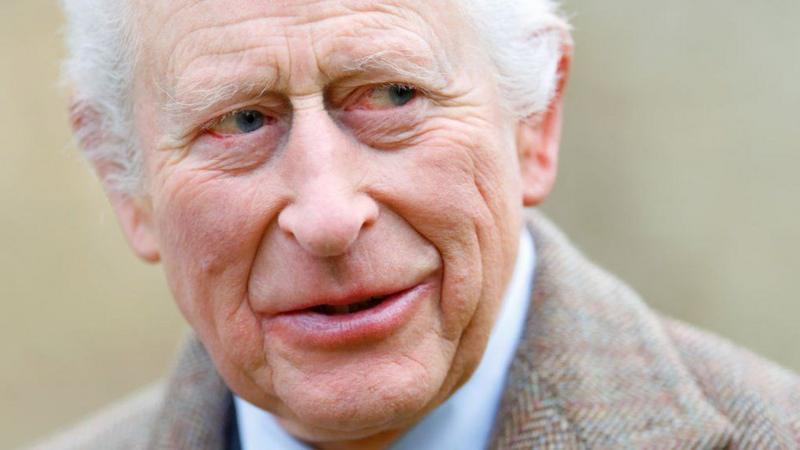
King Charles is the head of state for the UK, with largely ceremonial duties. Recently, Prince Andrew has given up his royal titles after discussions with the King. King Charles and Queen Camilla are set to visit the Vatican soon.
Key Facts
King Charles is the UK head of state and has ceremonial roles, including receiving government updates and meeting the prime minister.
Prince Andrew relinquished his royal titles and will no longer be known as the Duke of York.
King Charles appoints government leaders and formally dissolves Parliament before elections.
The King delivers a speech at the State Opening, outlining government plans.
Royal Assent is needed for laws passed by Parliament; the last refusal was in 1708.
King Charles is the head of the Commonwealth, comprising 56 countries.
He bestows honors on individuals for merit, service, or bravery during two annual events.
Prince Andrew stepped down as a "working royal" in 2019 following a controversial interview and a settled civil case regarding sexual assault allegations.
Read the Original
Want the full story? Tap a source to open the original
article.
Sixteen-year-olds in the UK can now vote in all elections because of new election changes. Some people think this will make democracy better as young people care about important issues. Others feel that 16 is too young for such important choices in voting.
Key Facts
Sixteen-year-olds can vote in all UK elections due to new reforms.
Supporters say the change will modernize democracy.
Young people are seen as engaged with issues like climate change and education.
Opponents argue that 16 is too young to vote responsibly.
Some worry it might weaken the voting system's integrity.
Stefanie Dekker is the presenter discussing this topic.
Cameron Holt, Thomas Brochure, and Nuurrianti Jalli provided insights in a discussion.
Read the Original
Want the full story? Tap a source to open the original
article.