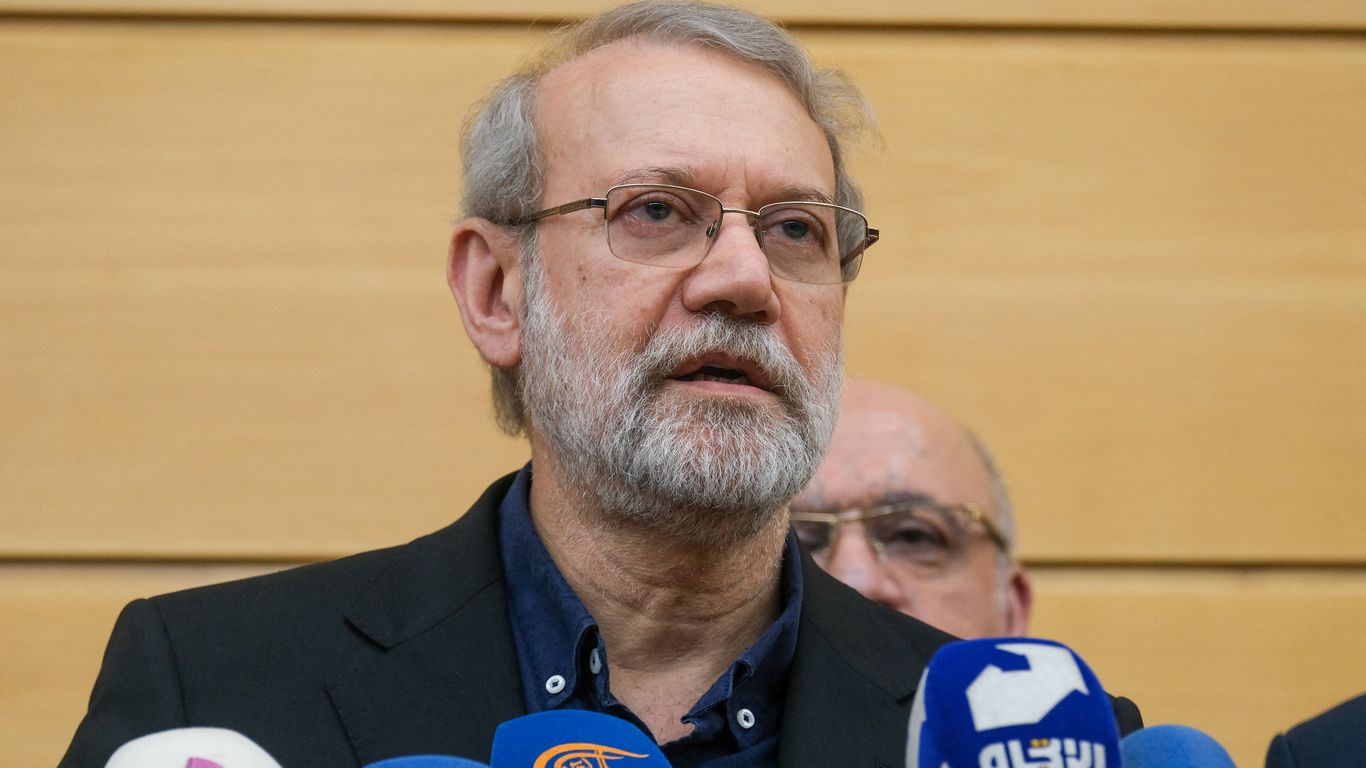
Gholamreza Soleimani, leader of Iran's Basij forces, was reportedly killed by the Israeli military. Soleimani had led Iran's internal security for six years and was a veteran of the Iran-Iraq War. The Basij forces are a paramilitary group under Iran's Revolutionary Guards.
Key Facts
Gholamreza Soleimani was the commander of Iran's Basij forces.
Israel claims to have killed him in a military strike.
Soleimani, aged 62, was a veteran of the Iran-Iraq War.
The Basij is a volunteer paramilitary force under the Islamic Revolutionary Guards Corps (IRGC).
The Basij has been involved in enforcing internal security and suppressing protests.
Soleimani was appointed as the head of the Basij in July 2019.
Iran has not confirmed the reports of his death.
Soleimani was sanctioned by the US, EU, UK, and Canada for his role in suppressing protests.
Read the Original
Want the full story? Tap a source to open the original
article.
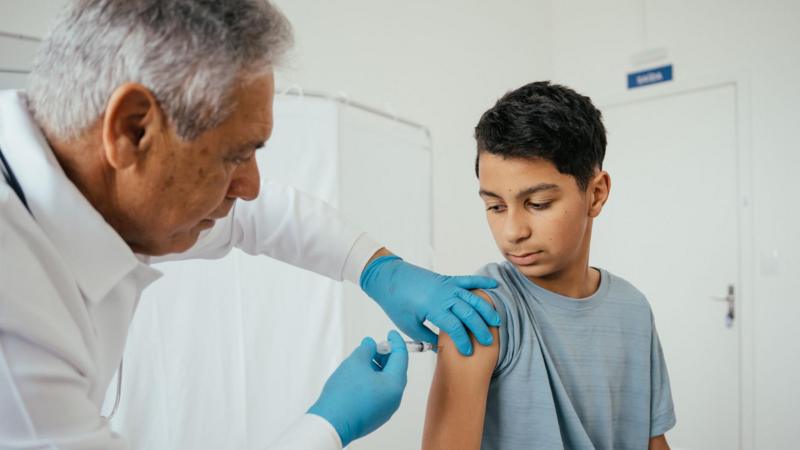
The UK is not routinely giving the MenB (meningitis B) vaccine to teenagers, even though it is a serious illness that has led to recent cases and deaths in Kent. Babies receive the MenB vaccine, and there is a call for re-examining whether teenagers should also get it due to recent outbreaks and parental concerns about vaccine coverage.
Key Facts
Meningitis B (MenB) can cause severe illness, including blood poisoning and brain damage, and it is sometimes fatal.
Recently, there have been meningitis B cases in Kent, with two deaths and more students hospitalized.
Babies in the UK have been receiving the MenB vaccine since 2015, but teenagers do not routinely receive it.
Teenagers are currently offered the MenACWY vaccine, which does not cover MenB.
A targeted vaccination program for MenB is starting at the University of Kent due to the recent outbreak.
The UK Health Security Agency is assessing if more widespread vaccination is necessary.
The Health Secretary is considering re-evaluating vaccine eligibility for teenagers.
Parents have expressed concerns about the lack of MenB vaccination and communication about its coverage.
Read the Original
Want the full story? Tap a source to open the original
article.
Prince William joined Radio 1 presenter Greg James on a tandem bike ride as part of a charity challenge for Comic Relief. The ride is part of an 8-day, 630-mile journey across the UK to raise money for the charity.
Key Facts
Prince William joined Greg James on a tandem bike ride in Yorkshire for Comic Relief.
Greg James is on an 8-day, 630-mile cycling challenge across England, Wales, and Scotland.
The goal of the ride is to raise money for Comic Relief; over £1 million has been raised so far.
Prince William participated in the ride for about 30 minutes.
Over the journey, Greg James has been joined by various celebrities, including Joe Lycett and Geraint Thomas.
Prince William praised the effort, emphasizing the importance of volunteering and charity.
Greg James shared that he was nervous but pleased with the surprise involvement of Prince William.
The ride is being broadcast live on Radio 1, iPlayer, and YouTube.
Read the Original
Want the full story? Tap a source to open the original
article.
Joe Kent, head of the U.S. National Counterterrorism Center, resigned over disagreement with President Trump's decision to go to war with Iran. Kent argues that Iran did not pose an immediate threat to the U.S. and suggests the decision was influenced by Israel. This resignation has caused tension within the Trump administration.
Key Facts
Joe Kent was the head of the National Counterterrorism Center.
Kent resigned over President Trump's decision to go to war with Iran.
Kent claims there was no immediate threat from Iran and that pressure from Israel influenced the decision to go to war.
President Trump and his administration are managing the fallout from Kent's resignation.
Trump described Kent as "weak on security."
Kent worked closely with intelligence director Tulsi Gabbard and had a background in Army Special Forces and the CIA.
Trump adviser Taylor Budowich called Kent a "crazed egomaniac."
Kent, known for his anti-interventionist views, opposed the war in Iran, unlike many in the Republican base.
Read the Original
Want the full story? Tap a source to open the original
article.
U.S. envoys met with Hamas representatives in Cairo to try and maintain a ceasefire between Gaza and Israeli forces amid tensions with Iran. The discussions aimed to address border closures and ongoing violence, with Israel agreeing to partially reopen the Rafah border crossing. The talks reflect the complex dynamics in the region and attempt to manage conflict in Gaza.
Key Facts
U.S. and Hamas representatives met in Cairo to discuss the Gaza ceasefire.
President Trump's "Board of Peace" led the U.S. delegation.
The Rafah border crossing between Gaza and Egypt will partially reopen.
Violence continues in Gaza with recent Israeli strikes causing casualties.
Talks are part of efforts to manage Israeli-Palestinian tensions amid wider regional conflicts.
Hamas reportedly seeks to avoid a full-scale return to war.
U.S. diplomatic involvement does not signify official recognition of Hamas.
Read the Original
Want the full story? Tap a source to open the original
article.
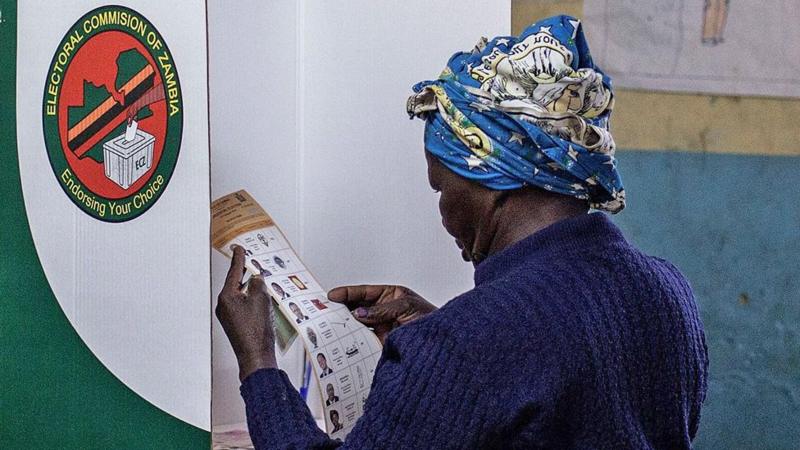
A senior official in Zambia reported that some political parties are asking women for sexual favors in return for political candidacy. This issue highlights significant gender inequality in Zambian politics, where women are under-represented. Women facing these demands are encouraged to document cases and report them.
Key Facts
A senior Zambian official claimed that women seeking political positions are asked for sexual favors.
The official urged women to record such incidents and report them.
Women in Zambia hold about 15% of the seats in parliament, showing a gender gap.
Many women refer to this issue as "sextortion."
Cultural biases and embarrassment make it hard for victims to report these demands.
The head of a gender organization called for a special court to address such cases quickly.
Zambia's general election is scheduled for August 13, when citizens will elect various leaders.
The Zambian presidency has acknowledged the gender disparities in politics.
Read the Original
Want the full story? Tap a source to open the original
article.
Afghan officials report that a suspected air strike by Pakistan hit a drug rehabilitation center in Kabul, causing many deaths, including both patients and staff. Pakistan denies these claims. The incident has increased tensions between Pakistan and Afghanistan's Taliban-led government.
Key Facts
Afghan officials claim a Pakistani air strike targeted a rehab center in Kabul.
The strike reportedly resulted in the deaths of hundreds of people.
Those affected include patients and staff at the facility.
Pakistan denies it targeted civilians in the strike.
Tensions are rising between Pakistan and Afghanistan's Taliban government.
Read the Original
Want the full story? Tap a source to open the original
article.
French President Emmanuel Macron announced on March 2 that France plans to enhance its nuclear arsenal and strengthen ties with EU countries. This action comes after the U.S. and Israel launched an assault on Iran, prompting Macron to emphasize Europe's need for its own defense strategy. France will maintain ambiguity in its nuclear strategy and work closely with other European nations.
Key Facts
President Macron announced France will boost its nuclear arsenal.
He described the policy as “forward deterrence.”
The announcement followed U.S. and Israeli military action against Iran.
France is the fourth largest nuclear power globally.
Macron wants Europe to have greater control over its security.
France will work more closely with the UK and other European countries.
France plans to keep the exact number of its nuclear warheads undisclosed.
Macron condemned U.S. and Israeli strikes on Iran as illegal.
Read the Original
Want the full story? Tap a source to open the original
article.
The ongoing conflict between the United States, Israel, and Iran involves both strategic interests and differing religious beliefs. U.S. officials have expressed concerns about Iran’s rulers based on religious ideology, linking it to broader issues within Western Christian societies. Elements within the U.S. and Israeli governments view this conflict in the context of religious prophecy and national policy.
Key Facts
The conflict includes strategic interests and religious ideologies from the U.S., Israel, and Iran.
U.S. Secretary of War Pete Hegseth and Secretary of State Marco Rubio described Iran with strong religiously-influenced terms.
There are differences in how religion is viewed and practiced in Western Christian and Muslim societies.
Some Christian groups in the U.S. see Iran as a barrier to their religious goals.
Christian nationalism and Zionism are influencing U.S. and Israeli policies toward Iran.
The Military Religious Freedom Foundation reported complaints from military members about religiously-driven views of the conflict.
Some U.S. officials have linked the conflict to religious prophecies and a perceived holy war.
Christian Zionists believe certain religious events need to occur, impacting their views on Israel and Iran.
Read the Original
Want the full story? Tap a source to open the original
article.
Iran's Foreign Minister accused the United States and Israel of causing tension in the Strait of Hormuz, affecting global oil supplies. Iran claims the waterway remains closed to its enemies, although it is asked to end military actions. President Trump called for a naval coalition to ensure the strait's security, but no nations have joined yet.
Key Facts
Iran accused the US and Israel of disrupting shipping in the Strait of Hormuz.
The Strait of Hormuz is critical for global oil shipments, with one-fifth of the world's oil passing through it.
President Trump wants a naval coalition to secure the area but has not gained support from other countries.
France declined to partake in efforts to open the strait while the conflict continues.
The EU is searching for diplomatic ways to maintain safe passage through the strait and address rising energy prices.
The International Maritime Organization stated that military help would not guarantee ship safety in the area.
Iraq has established an agreement with Iran for safe passage of its oil tankers through the strait.
Read the Original
Want the full story? Tap a source to open the original
article.
Helen and Lee Draper, parents of a teenager who died from meningitis in 2025, are asking the government for more support. Their daughter, Megan, was not vaccinated against the specific type of meningitis B strain that caused her death. The Drapers want parents to know about vaccination coverage and are urging the government to reconsider their vaccine policies.
Key Facts
Megan Draper was a student at Bournemouth University.
She died in October 2025 from meningitis.
Megan was not vaccinated against the meningitis B strain.
Her parents, Helen and Lee Draper, are advocating for increased government support regarding vaccinations.
They emphasize the need for parents to understand which vaccinations protect against specific meningitis strains.
Megan’s parents are urging the government to reconsider their vaccination policies.
Read the Original
Want the full story? Tap a source to open the original
article.
The United Nations warns that if the ongoing conflict involving the United States, Israel, and Iran lasts until June, an extra 45 million people might face severe hunger due to rising prices. The conflict has disrupted supply routes, making it harder to deliver essential aid to many affected regions. This situation adds to existing global food insecurity, affecting millions in areas like Gaza and Sudan.
Key Facts
An ongoing conflict involves the United States, Israel, and Iran.
The UN warns that continued conflict could lead 45 million more people into acute hunger by June.
Global hunger levels are already at a historic high, with 319 million people facing severe food insecurity.
The conflict has increased shipping costs by 18%, affecting aid delivery.
In Gaza, border closures have worsened food shortages, though Israel plans to reopen the Rafah crossing partially.
Over 21 million people in Sudan face acute hunger due to prolonged fighting and aid access issues.
The World Health Organization reports that daily supplies entering Gaza are far below needed levels.
The UN has highlighted severe hunger situations in both Gaza and Sudan.
Read the Original
Want the full story? Tap a source to open the original
article.
People in Pakistan's capital are protesting because thousands of Christians are being forced to leave their community. Locals and activists are voicing their concerns over these evictions.
Key Facts
Thousands of Christians are facing eviction in Pakistan's capital city.
Locals and activists are organizing protests against these evictions.
The evictions are targeting a specific Christian community in the area.
The protests highlight concerns about the treatment of religious minorities.
This issue has caught the attention of both local and international observers.
Read the Original
Want the full story? Tap a source to open the original
article.
Tehran reported damage to many of its cultural and historic sites due to a conflict involving the United States and Israel. The Iranian Cultural Heritage Ministry listed at least 56 damaged sites, including notable places like Golestan Palace in Tehran. International laws exist to protect such sites, but there are allegations against the US and Israel for targeting them.
Key Facts
The conflict between the US, Israel, and Iran began on February 28, causing damage to Iranian heritage sites.
Iran's Cultural Heritage Ministry reported 56 damaged sites, with major impacts in Tehran, Isfahan, and other provinces.
Notable sites affected include Golestan Palace and Naqsh-e Jahan Square, both UNESCO World Heritage Sites.
Golestan Palace combines Persian and European architectural styles.
Video reports showed visible damage to Golestan Palace's structure and decor.
The 1954 Hague Convention and UN Security Council Resolution 2347 protect cultural heritage against attacks.
The US and Israel state they target military sites, but accusations claim civilian structures and heritage sites are also hit.
Amnesty International suggested a US-made missile may have been used in an attack.
Read the Original
Want the full story? Tap a source to open the original
article.
Israel's defense minister announced that Israeli forces killed two top Iranian officials, Ali Larijani and Gholamreza Soleimani, in separate strikes. Larijani was a key leader in Iran following the death of the Supreme Leader, while Soleimani led efforts to suppress protests in Iran. Iran has not confirmed these deaths.
Key Facts
Israeli forces killed Iran's national security chief Ali Larijani and paramilitary leader Gholamreza Soleimani.
Larijani led Iran temporarily after the Supreme Leader's death until the new leader was chosen.
Soleimani was responsible for managing protests in Iran.
Israel indicates these actions are part of a broader strategy to weaken Iran's regime.
Iran has not confirmed the deaths of Larijani or Soleimani.
The strikes took place in Iran's capital, Tehran, and at a makeshift headquarters.
Larijani was previously a strong voice against U.S. President Trump before his death.
There are internal power struggles within Iran's government following the leadership change.
Read the Original
Want the full story? Tap a source to open the original
article.
A charity in East Yorkshire and Lincolnshire, Citizens Advice Hull and East Riding, is giving away energy-saving packs to help people reduce their energy bills. These packs include items like window insulation and a thermometer, and aim to lower bills by up to £800 annually.
Key Facts
Citizens Advice Hull and East Riding is distributing 1,000 energy-saving packs.
The packs include window insulation, draught-proofing materials, a room thermometer, a water-saving device, and a dehumidifier.
The charity is organizing weekly drop-in events to distribute the packs.
Energy advisers will provide advice on reducing energy use.
Information on solar panels, heat pumps, and boiler upgrades will be available.
Despite a reduction in the energy cap, global events and rising oil prices may increase gas prices.
The sessions are held at the charity's offices in Bridlington, Beverley, and Goole.
Read the Original
Want the full story? Tap a source to open the original
article.
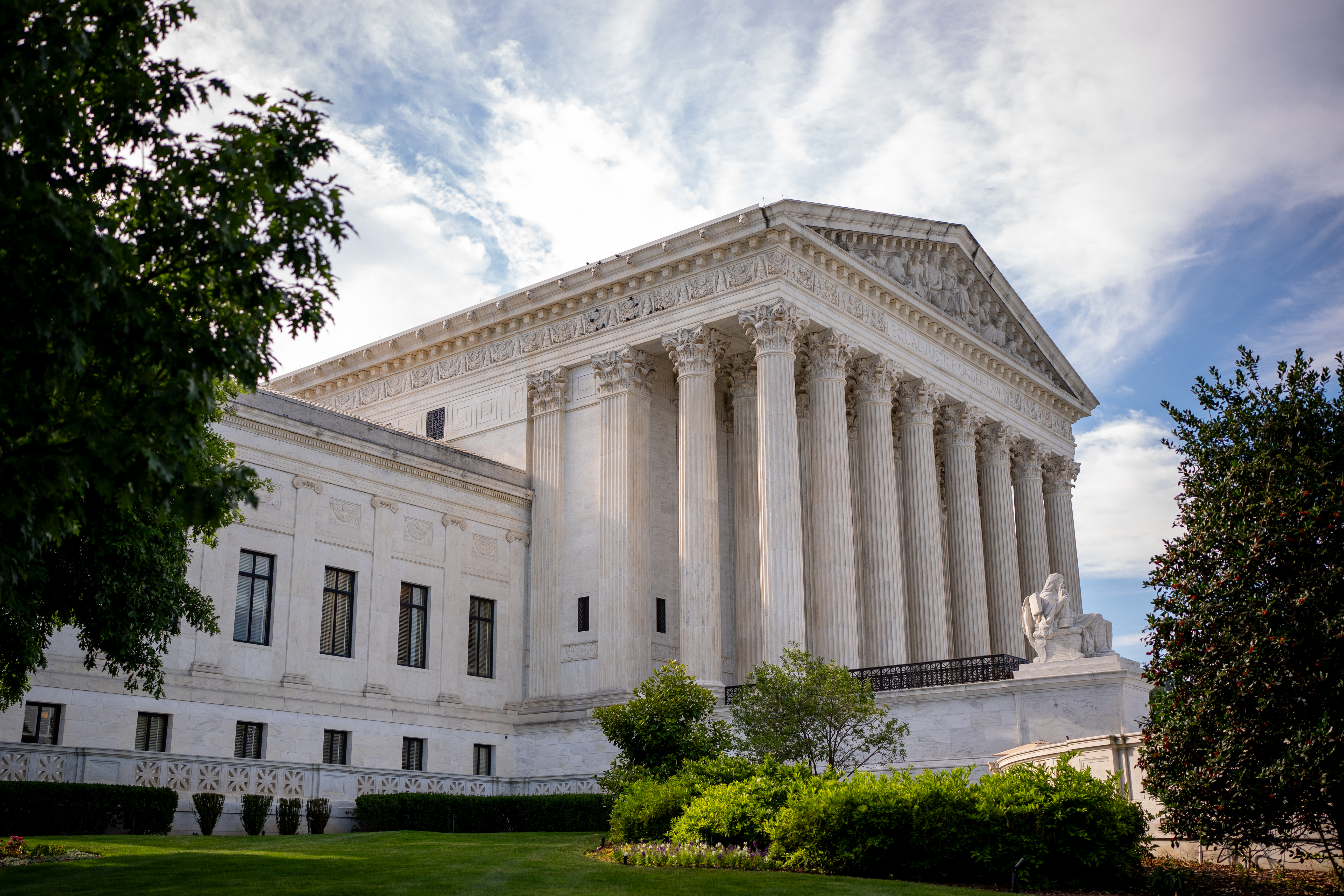
The U.S. Supreme Court will review challenges to President Trump's plan to end deportation protections for migrants from Haiti and Syria. For now, the protections remain in place while the court considers the cases.
Key Facts
The Supreme Court will hear challenges against ending Temporary Protected Status (TPS) for Haitians and Syrians.
TPS allows people from certain countries facing crises to live and work in the U.S. temporarily.
President Trump's administration aimed to end TPS for about 350,000 Haitians and 6,000 Syrians.
Lower courts have blocked these efforts, keeping current protections active.
Oral arguments in the consolidated case are scheduled for late April.
The Department of Homeland Security claims it can end TPS, while critics argue conditions in the affected countries remain unsafe.
TPS for Haiti was first granted after the 2010 earthquake and has been extended due to ongoing problems.
The administration argued that courts cannot review decisions on TPS designations.
Read the Original
Want the full story? Tap a source to open the original
article.
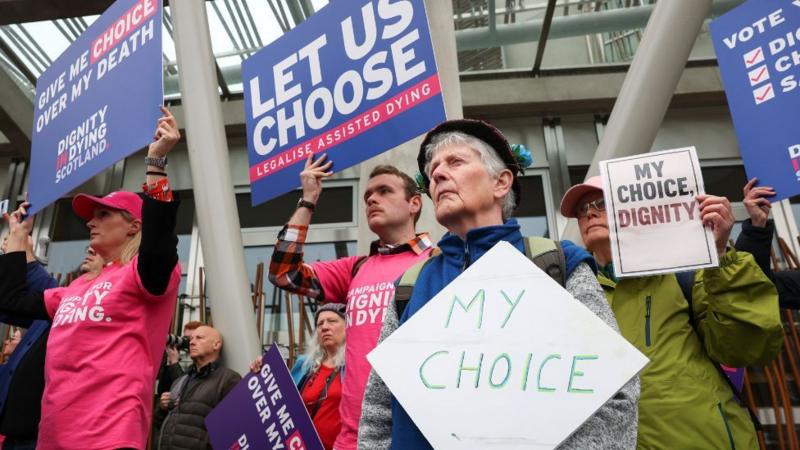
Scotland is about to vote on a law allowing assisted dying for terminally ill adults. The law would let adults who meet specific criteria, like having a terminal illness, choose to end their lives. Similar bills are being considered in England, Wales, and other parts of the British Isles, but they have not yet become law.
Key Facts
Scotland's Parliament will vote on the Assisted Dying for Terminally Ill Adults Bill.
Eligible applicants must be 18 or older, live in Scotland for at least a year, be registered with a GP, and be terminally ill with less than six months to live.
The person must have the mental capacity to understand and decide on assisted dying.
The definition of mental capacity in the Scottish bill differs from the typical legal approach in the UK.
A bill for assisted dying in England and Wales is also under consideration but is stalled in the House of Lords.
The Isle of Man and Jersey have passed bills but they are not yet laws.
In the British Isles, the Isle of Man was the first to pass an assisted dying bill in March last year.
Read the Original
Want the full story? Tap a source to open the original
article.
On the biggest stories we show what the outlets agree on and where they differ. Readers keep that going, and get the daily digest by email every morning. Most choose $3.99/month.
Iran is blocking oil tankers in the Strait of Hormuz, affecting about 20% of the world's oil supply. This situation is causing concerns about high inflation and slower economies around the world.
Key Facts
The Strait of Hormuz is a crucial route for global oil shipments.
Iran is preventing tankers from moving oil through this area.
This blockage affects around 20% of the world's oil supply.
The disruption is similar to the energy problems of the 1970s.
Such oil problems in the past led to economic difficulties, including inflation and slow growth.
Oil and gas prices are rising as a result of this issue.
People in various countries like the U.S., China, and Europe are feeling the economic impact.
Read the Original
Want the full story? Tap a source to open the original
article.
A woman named Saleena, living abroad in Dubai, rescued a stray cat named Eleven and decided to take the cat with her when she relocated to India. Saleena shared their journey on social media, highlighting the challenges and commitment involved in bringing Eleven along.
Key Facts
Saleena lived in Dubai and found a stray cat, Eleven, which she decided to care for.
She bonded with Eleven after feeding and protecting the cat from harsh conditions and other animals.
Saleena documented the relocation journey on Instagram, gaining over 108,000 views.
The process of relocating the cat involved permits, vet visits, and customs checks.
Saleena emphasized the importance of fulfilling her commitment to Eleven, describing rescue as a promise.
After moving to India, Eleven adjusted to her new home with Saleena and her family.
Read the Original
Want the full story? Tap a source to open the original
article.