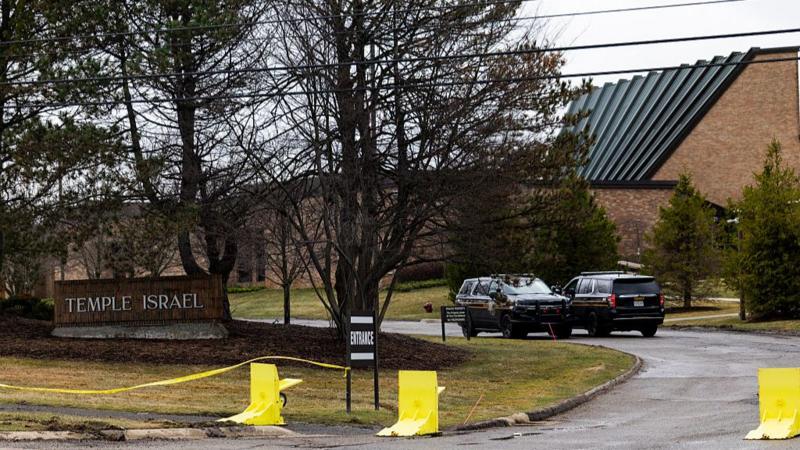
The family of a man who attacked a synagogue in Michigan had recently died in an Israeli airstrike in Lebanon, officials reported. The man, Ayman Mohamad Ghazali, died from a self-inflicted gunshot during a confrontation with police. Authorities are investigating the attack as a targeted act of violence against the Jewish community.
Key Facts
Ayman Mohamad Ghazali rammed a truck into Temple Israel, a synagogue near Detroit, Michigan.
Ghazali died from a self-inflicted gunshot wound during a gunfight with police.
He had commercial-grade fireworks and flammable liquids in his truck, which caught fire.
No staff or children at the synagogue were hurt, but a security guard was injured.
Ghazali had no previous criminal history and no registered weapons.
The attack is being investigated as an act against the Jewish community.
Ghazali lost family members in a recent Israeli airstrike in Lebanon.
Law enforcement confirms there are no new threats related to the incident.
Read the Original
Want the full story? Tap a source to open the original
article.
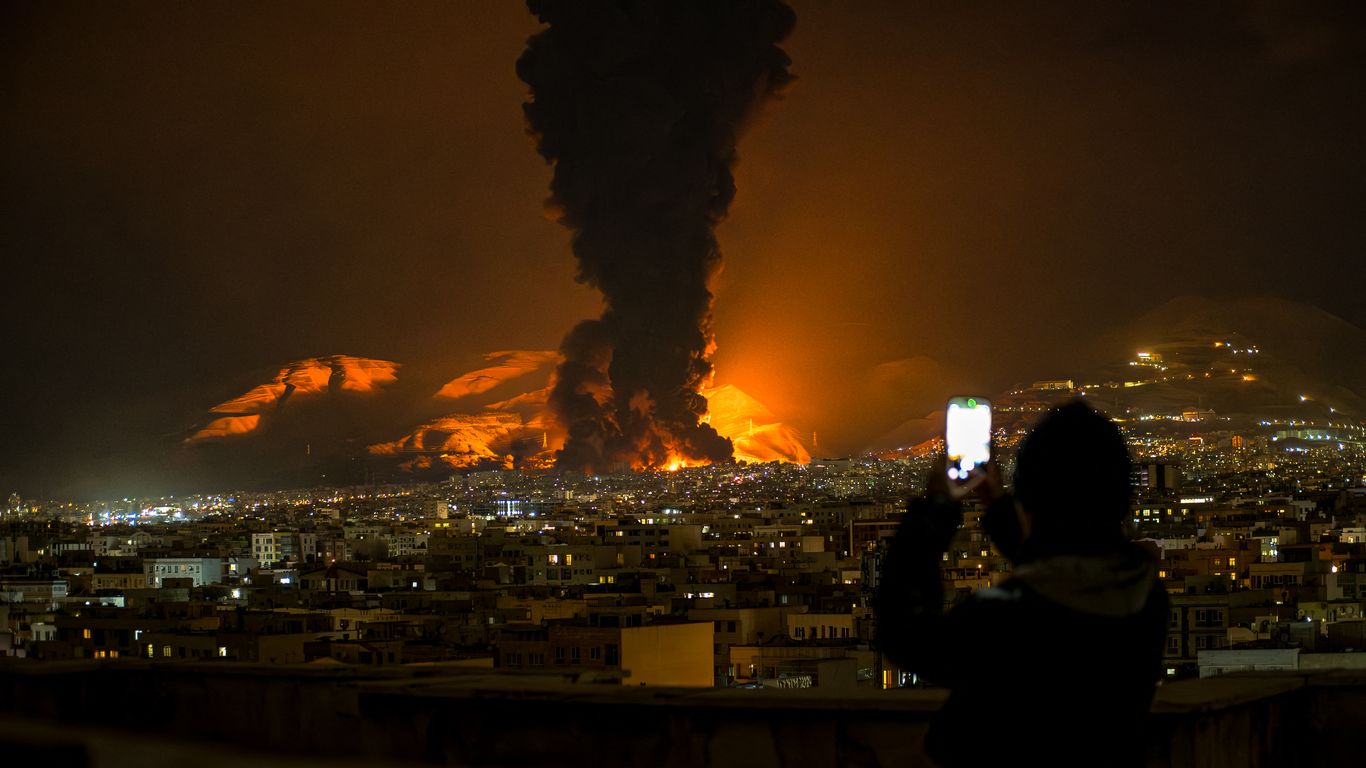
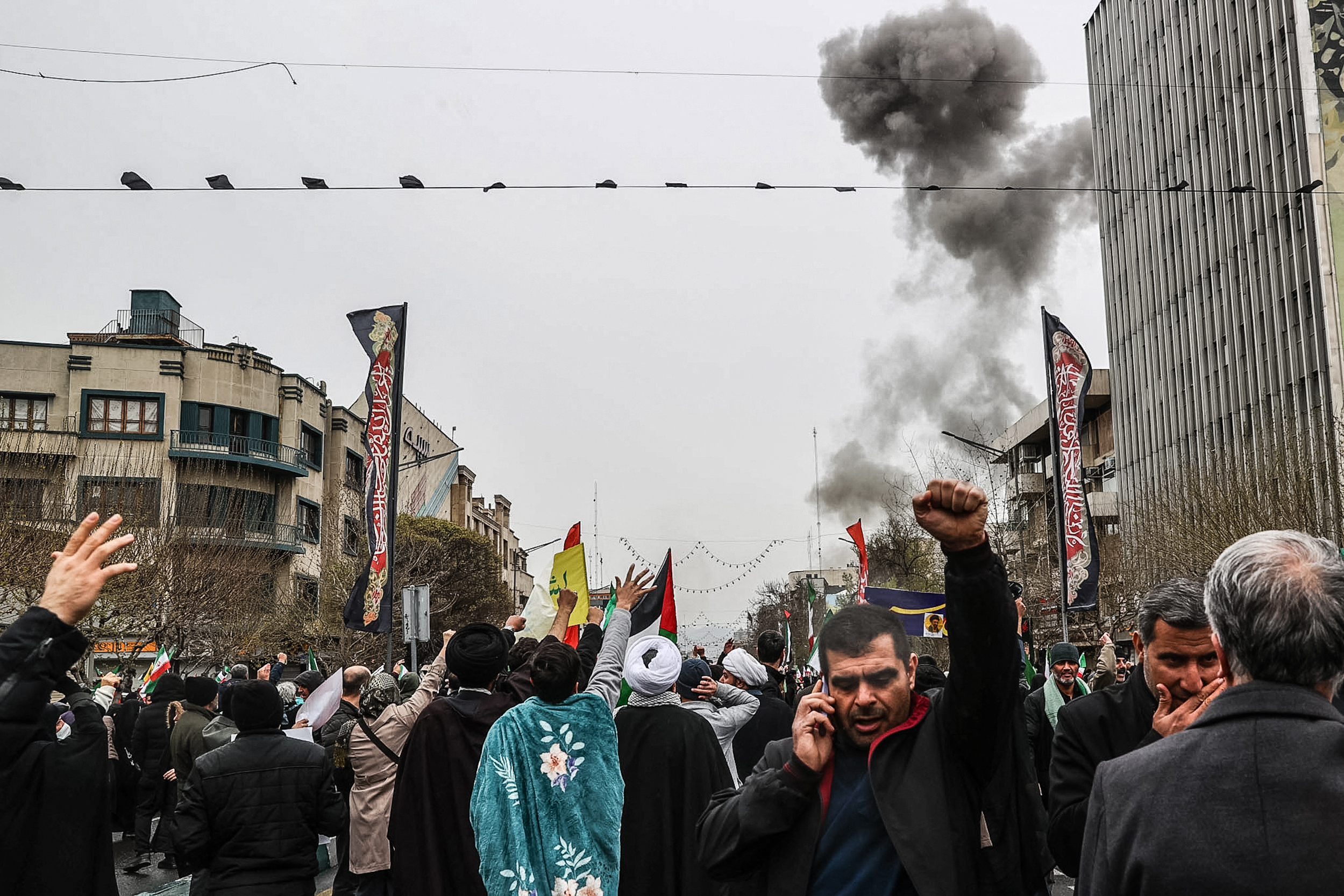
The U.S. military launched a major bombing raid on Kharg Island in Iran, a key location for the country's oil exports. President Trump stated that this action was a warning to Iran, aiming to prevent disruptions in the Strait of Hormuz, which is important for global oil trade.
Key Facts
The U.S. targeted Kharg Island in Iran with a large bombing strike.
Kharg Island is crucial for Iranian oil exports, with 80-90% of exports passing through there.
The bombing hit military targets, not the oil facilities on the island.
President Trump described the strike as a warning regarding Iran's actions in the Strait of Hormuz.
Iran's actions in the Strait have impacted the global oil market.
President Trump indicated a possibility of targeting the island's oil facilities if Iran continues its current actions.
He urged Iran's military to stop their activities and avoid further conflict.
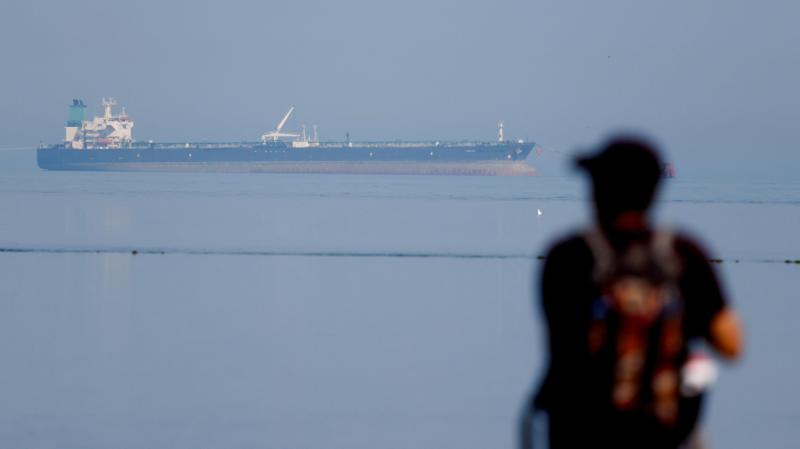
The Strait of Hormuz is a critical route for global oil shipment.
Read the Original
Want the full story? Tap a source to open the original
article.
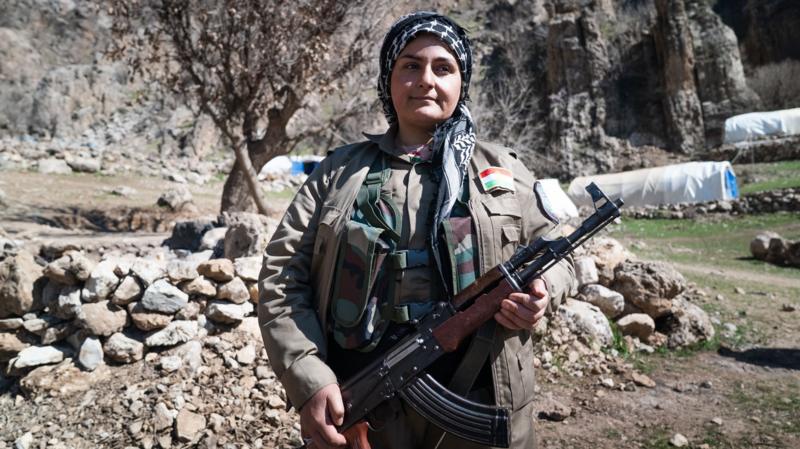
Kurdish fighters in northern Iraq, including Commander Shaho Bloori, are preparing to challenge the Iranian regime. These exiled Iranian Kurds are ready to return to Iran and fight, driven by personal losses and a desire for justice. Despite attacks from Iranian drones and mixed messages from the U.S., they remain focused on their cause.
Key Facts
Commander Shaho Bloori leads a group of Iranian Kurdish fighters called Komala, who seek to oppose Iran's regime.
Bloori's personal history includes deep losses, such as a brother executed in Iran.
The fighters are in a camp in northern Iraq, near the mountainous border with Iran.
Iranian drones have recently attacked the area, causing injuries.
Kurdish fighters are on alert, using their hilly surroundings as a warning system.
Kurds, a stateless ethnic group, primarily live in Iraq, Iran, Syria, and Turkey.
President Donald Trump has shown inconsistent support for Kurdish involvement in conflicts against Iran.
Local Iraqi Kurdish authorities are trying to keep these maneuvers discreet to avoid being drawn into broader conflicts.
Read the Original
Want the full story? Tap a source to open the original
article.
President Trump signed an executive order to increase oil production off the coast of Southern California using a Cold War-era law called the Defense Production Act. This move aims to address oil supply issues caused by the war with Iran, but it faces opposition from California's government and environmental groups.
Key Facts
President Trump used the Defense Production Act to boost oil production in response to the Iran conflict.
The executive order affects oil platforms in Southern California managed by Sable Offshore Corp.
California's Governor Gavin Newsom opposes this move, citing legal and environmental concerns.
Sable Offshore Corp. acquired assets from ExxonMobil, including the Santa Ynez Unit.
The plan could produce up to 60,000 barrels of oil per day by decade's end.
Sable faces legal challenges, including criminal prosecution and federal inquiries.
Environmentalists and state officials worry about potential oil spills, referencing a 2015 incident.
Read the Original
Want the full story? Tap a source to open the original
article.
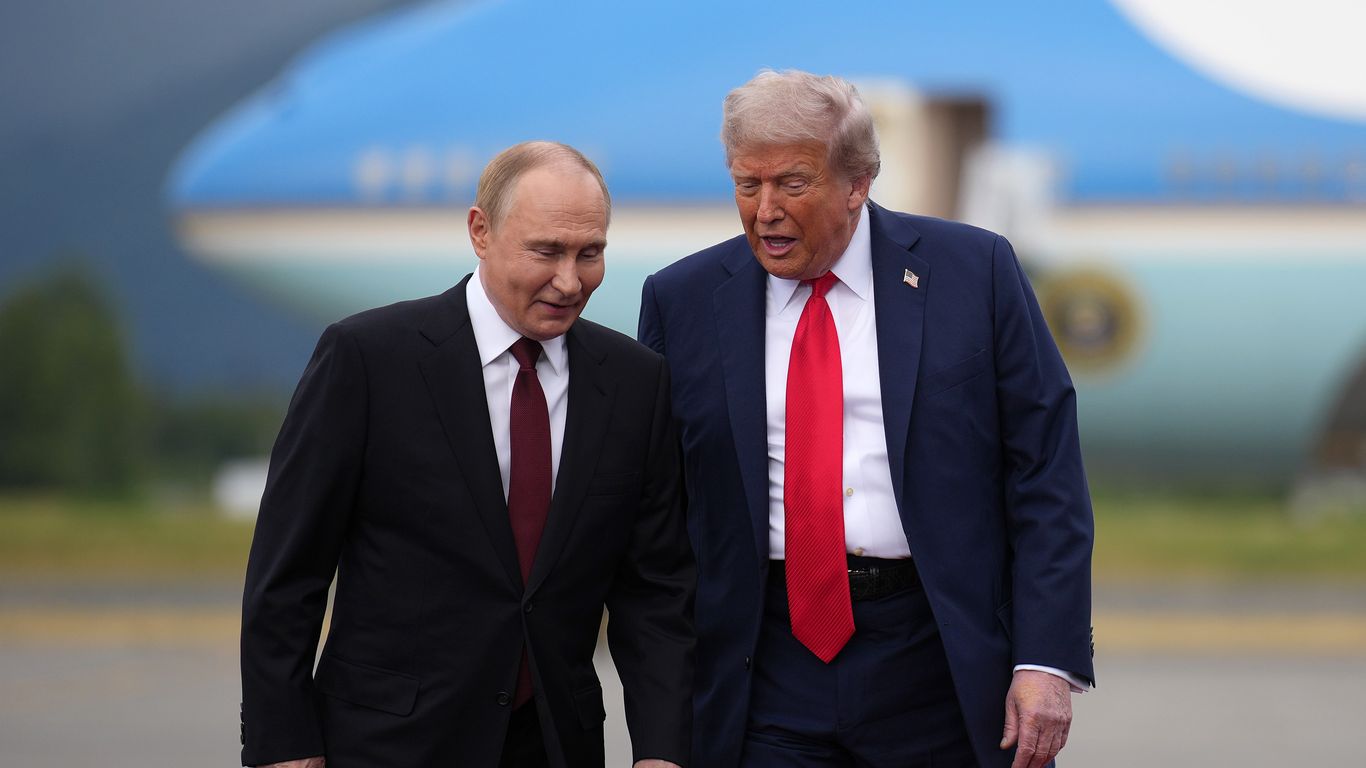
President Trump had a phone call with Russian President Vladimir Putin, who proposed moving Iran's enriched uranium to Russia to help end the war. President Trump did not accept the proposal, as the U.S. aims to secure the uranium, which is enough to make more than 10 nuclear bombs. The situation involves complex negotiations among the U.S., Russia, and Iran regarding Iran's nuclear materials.
Key Facts
President Trump had a phone call with Russian President Vladimir Putin.
Putin proposed moving Iran’s enriched uranium to Russia.
The uranium could potentially be used to make more than 10 nuclear bombs.
Russia has previously stored Iran’s low-enriched uranium under international agreements.
The U.S. wants the uranium secured to prevent its use in nuclear weapons.
Iran had rejected a similar transfer proposal before.
The U.S. and Israel have discussed other military options to secure the uranium.
President Trump acknowledged Russia is aiding Iran in the ongoing conflict.
Read the Original
Want the full story? Tap a source to open the original
article.
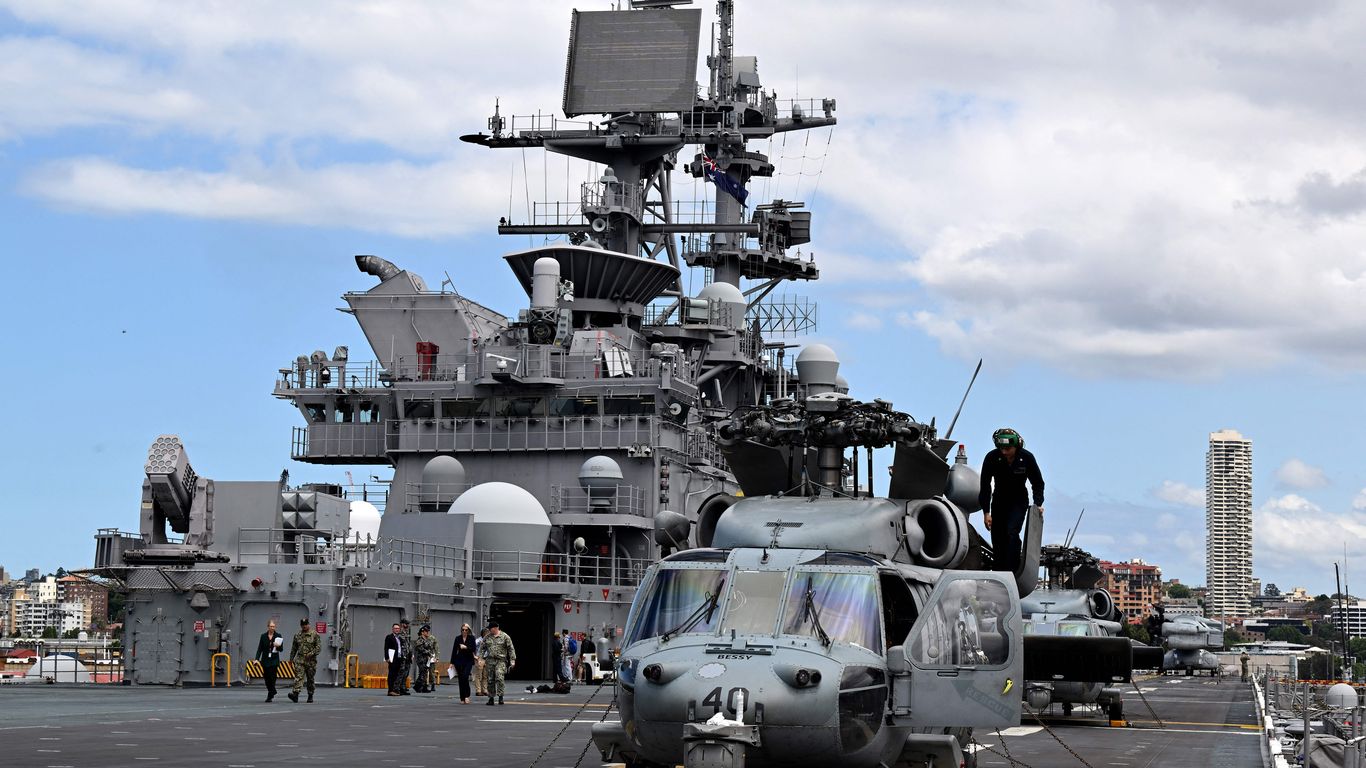
The Pentagon is sending the USS Tripoli and a Marine expeditionary unit to the Middle East to strengthen U.S. military presence there. The deployment aims to provide more options for operations against Iran amid tensions in the Strait of Hormuz. This move follows Iran's actions affecting global oil and shipping prices.
Key Facts
The USS Tripoli and its Marine expeditionary unit are being deployed to the Middle East.
Thousands of Marines, several warships, and F-35 fighter jets will support existing U.S. forces in the region.
U.S. Central Command requested this new force to have military options against Iran.
The Marine unit can conduct ground operations if needed.
Iran's actions in the Strait of Hormuz have increased global oil, shipping, and insurance prices.
Treasury Secretary Scott Bessent said U.S. Navy escorts for ships in the Strait could start soon.
Recent disruptions have cost the U.S. $11 billion.
As of Friday, 13 U.S. military members have died, partly due to a crash in Iraq.
Read the Original
Want the full story? Tap a source to open the original
article.
On the 14th day of the Iran War, four U.S. military personnel died in a plane crash in western Iraq. The conflict has led to significant casualties in Iran, Lebanon, and involvement from countries like Turkey and Saudi Arabia.
Key Facts
Four American personnel were killed in a U.S. plane crash in western Iraq.
This incident increased the total number of American fatalities in the conflict to 11.
Iran has reported a death toll of 1,444 within its borders since the start of the conflict.
The Iranian-backed Hezbollah fired rockets into northern Israel.
Oil prices remain high due to the conflict, with Brent crude trading over $100 per barrel.
Turkey intercepted a missile from Iran, marking the third such incident.
President Trump and Defense Secretary Pete Hegseth commented on attacking enemy targets during the conflict.
Saudi Arabia intercepted multiple drones, reportedly sent by Iran.
Read the Original
Want the full story? Tap a source to open the original
article.
Israel has carried out military actions in Lebanon, resulting in nearly 600 deaths and displacing over 750,000 people. The strategy involves displacing civilians, destroying infrastructure, and fragmenting governance. This approach is similar to Israeli operations previously seen in Gaza and aims at creating isolated areas rather than installing supportive governments.
Key Facts
Israel's military actions in Lebanon have killed almost 600 people in less than two weeks.
More than 750,000 people have been displaced in Lebanon due to these actions.
The strategy used includes displacement, infrastructure destruction, and fragmentation of governance.
This strategy is similar to past Israeli operations in Gaza and the West Bank.
In both Gaza and Lebanon, Israel treats civilian populations as indistinguishable from resistance groups.
Israel has issued evacuation orders for southern Lebanon and southern Beirut.
Schools in Lebanon have become shelters for displaced people.
Israel has threatened to target Lebanese state infrastructure if the government does not act against Hezbollah.
Read the Original
Want the full story? Tap a source to open the original
article.
France returned a sacred drum, known as the Djidji Ayôkwé, to Ivory Coast. The drum was taken during colonial rule and had been in French museums since 1916. This event is part of France's ongoing efforts to return cultural items to African countries.
Key Facts
The "talking drum" was used by the Ebrié community in Ivory Coast to send messages and summon people.
French colonial authorities took the drum in 1916 and displayed it in France.
The drum is over 3 meters long and weighs about 430 kilograms.
France returned the drum on a specially chartered plane to Abidjan, Ivory Coast.
The return is part of a process started in 2017 to repatriate African cultural objects.
France's parliament passed a law to return the drum and other artefacts taken during colonial times.
Ivory Coast seeks the return of 148 cultural items from France and other countries.
France has already returned other cultural treasures to countries like Benin and Senegal.
Read the Original
Want the full story? Tap a source to open the original
article.
The United States is experiencing various extreme weather conditions at the same time. These include heavy rain in Hawaii, extreme heat in the Southwest, snowstorms in the Great Lakes region, and unusually cold temperatures in the Midwest and East. Weather experts are predicting these conditions will affect all 50 states.
Key Facts
Hawaii is experiencing heavy rain, causing flood warnings in Oahu.
The Southwest, including Phoenix, will see record-breaking high temperatures of over 100 degrees Fahrenheit.
A polar vortex is bringing very cold temperatures to the Midwest and East, with some areas dropping to single digits.
Two snowstorms are expected to bring several feet of snow to the northern Great Lakes states.
The second storm will intensify rapidly, qualifying as a bomb cyclone, a rare occurrence over land.
Alaska is colder than usual for this time of year.
The unusual weather is affecting all 50 states to varying degrees.
Read the Original
Want the full story? Tap a source to open the original
article.
The UK has urged its allies to keep pressure on Russia, even as the US eases some sanctions on Russian oil to stabilize energy markets. The UK will not ease its sanctions, emphasizing the need to weaken Russia's ability to fund its military efforts. Rising oil prices are impacting consumers, leading to higher heating and petrol costs.
Key Facts
The US has eased some sanctions on Russian oil to stabilize global energy markets.
The UK plans to maintain its sanctions on Russia and has urged allies to do the same.
Oil prices have risen due to tensions in the Middle East and attacks on energy infrastructure.
The UK government emphasizes that maintaining pressure on Russia is crucial to weakening its military capability.
German and French leaders have criticized easing sanctions on Russia, viewing it as a mistake.
Rising oil prices are leading to increased heating and petrol costs for consumers.
The UK government is monitoring energy firms to prevent them from unfairly raising prices.
Discussions are ongoing about potential direct support for households affected by high oil prices.
Read the Original
Want the full story? Tap a source to open the original
article.
The International Energy Agency (IEA) has announced the release of 400 million barrels of oil from its strategic reserves. This decision comes in response to the recent conflict between the United States, Israel, and Iran, which has significantly disrupted global oil supply. The situation has caused oil prices to rise sharply, and the release is intended to help stabilize the market.
Key Facts
The IEA's release of 400 million barrels is the largest in its history.
This release accounts for one-third of the IEA's total reserves of 1.2 billion barrels.
The conflict began after the US and Israel attacked Tehran, leading to Iran closing the Strait of Hormuz.
The Strait of Hormuz is a crucial passage for about one-fifth of the world's oil supply.
Crude oil prices rose above $100 per barrel following the conflict.
Before the conflict, Brent crude was trading at about $65 per barrel.
The IEA has previously released emergency reserves five times due to major global events.
The exact timeline for the release of the oil has not yet been provided by the IEA.
Read the Original
Want the full story? Tap a source to open the original
article.
There are no ads, so there is no reason to bait you. Readers who chip in keep it that way. Most choose $3.99/month, and get the daily digest every morning.
The trailer for Steven Spielberg's new film "Disclosure Day" has sparked online discussion about its depiction of the Roswell incident. The trailer includes mysterious footage believed by some to represent real UFO evidence. President Trump has mentioned possibly declassifying information about extraterrestrial life, which has contributed to the public's interest.
Key Facts
Spielberg's movie "Disclosure Day" features a clip suggesting it might involve the Roswell incident.
The Roswell incident in 1947 involved debris found in New Mexico, leading to UFO theories.
President Trump has previously hinted at releasing information on extraterrestrial life.
The trailer for the film has been widely viewed online, with over 375,000 views on YouTube and 2.5 million on X (formerly Twitter).
Social media users are debating whether the footage in the trailer is real or fictional.
The film stars Emily Blunt, Josh O'Connor, and Colin Firth and will release in the U.S. on June 12, 2026.
Interest in UFOs and extraterrestrial life remains high, with recent public comments by figures like President Trump and former President Obama.
Read the Original
Want the full story? Tap a source to open the original
article.
This article discusses the unpredictability of the current Academy Awards season, focusing on major nominations and likely winners in categories such as Best Supporting Actor and Best Supporting Actress. The awards season, which culminates with the Oscars, features strong competition between films like "One Battle After Another" and "Sinners." Predictions are made about who might win key awards.
Key Facts
The Academy Awards air on Sunday and can be watched on ABC and streamed on Hulu.
"Sinners" and "One Battle After Another" are main contenders for major awards.
Predictions suggest Sean Penn may win Best Supporting Actor for "One Battle After Another."
Stellan Skarsgård is highlighted for his role in "Sentimental Value" as a deserving candidate.
In Best Supporting Actress, Amy Madigan, Wunmi Mosaku, and Teyana Taylor are considered strong contenders.
Wunmi Mosaku is praised for her role in "Sinners."
Michael B. Jordan is expected to win Best Actor for his dual roles in "Sinners."
Timothée Chalamet was an early frontrunner for Best Actor for "Marty Supreme."
Read the Original
Want the full story? Tap a source to open the original
article.
A woman arguing with staff at a CVS pharmacy was captured in a viral TikTok video. The video showed tensions between pharmacy staff and customers over prescription processes. The incident sparked online debate about customer behavior and pharmacy operations.
Key Facts
A woman was recorded arguing at a CVS pharmacy, which went viral on TikTok.
The video received six million views in a week.
The woman was frustrated with entering information on the pharmacy's touchscreen system.
Pharmacy staff explained protocol, which she found frustrating.
The video highlighted existing issues like staffing shortages and operational pressures in pharmacies.
Pharmacists balance responsibilities like filling prescriptions and handling insurance, which can lead to tense interactions.
The woman eventually received her medication and left the store.
Read the Original
Want the full story? Tap a source to open the original
article.
Cuba's President Miguel Díaz-Canel announced talks with the United States and the release of 51 prisoners. These moves suggest Cuba is using a different strategy than Venezuela under U.S. pressure. Unlike Venezuela's confrontational approach, Cuba is opting for dialogue and small concessions.
Key Facts
Cuba's President Miguel Díaz-Canel confirmed high-level talks with the U.S.
Cuba plans to release 51 prisoners, framed as a "sovereign decision."
Venezuela faced similar U.S. pressure, with their leader Nicolas Maduro now jailed in the U.S.
Diaz-Canel mentioned "international factors" helping these negotiations.
The U.S. has increased economic pressure on Cuba with sanctions.
Speculation exists about exile offers for Cuban leaders, though nobody has confirmed this.
Cuban officials claim the releases are humanitarian, but the timing suggests it is a diplomatic move.
Cuba aims for dialogue without changing its political system.
Read the Original
Want the full story? Tap a source to open the original
article.
A large study suggests the Mediterranean diet might help lower the risk of bone fractures, while diets that cut a lot of calories could increase bone breakdown. Researchers reviewed data from over 500,000 adults and found that although most diets didn't change bone density much, the Mediterranean diet was linked to fewer fractures.
Key Facts
The study was conducted by researchers at Chester Medical School in England.
The Mediterranean diet includes lots of vegetables, fruits, whole grains, beans, and olive oil, with moderate fish, poultry, and dairy.
A Mediterranean diet was associated with a lower risk of hip and overall bone fractures.
Calorie-restricted diets were linked to increased markers of bone breakdown.
The analysis involved over 500,000 adults across 30 studies.
The study also looked at high-protein, low-carbohydrate, and ketogenic diets.
Researchers suggest overall dietary patterns affect bone health, not just individual nutrients.
This study is the first to examine the impact of these diets on bone health in a large number of people.
Read the Original
Want the full story? Tap a source to open the original
article.
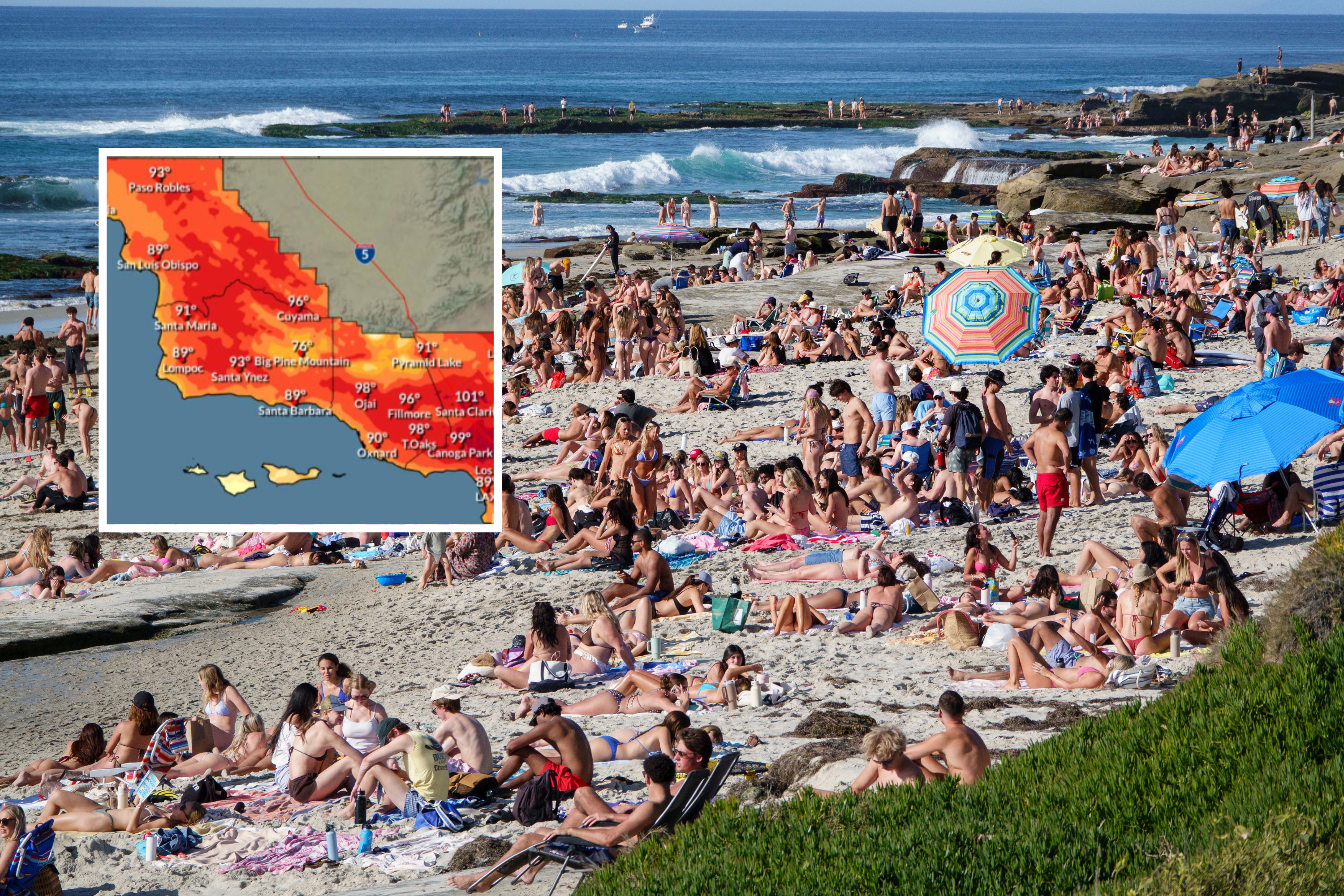
Southern California is experiencing an intense heat wave with temperatures much higher than normal for this time of year. The National Weather Service has warned residents to avoid outdoor activities during the hottest parts of the day and to take precautions against heat-related illnesses.
Key Facts
Southern California is under a heat wave with higher-than-normal temperatures.
The National Weather Service advises avoiding outdoor activities during peak heat hours.
The heat wave is expected to persist beyond the weekend.
Temperatures are predicted to be 15 to 30 degrees above average for mid-March.
Several locations might set new records for high temperatures in March.
Areas affected cover various counties, including Los Angeles, Ventura, and San Diego.
The most vulnerable people include young children, older adults, and those without air conditioning.
Health officials recommend staying hydrated and using air-conditioned places to avoid heat-related illnesses.
Read the Original
Want the full story? Tap a source to open the original
article.
That's the point of this site, and readers keep it that way. Support for any amount and the daily digest lands in your inbox every morning at 7am Eastern.
A woman named Mady Gilbert shared videos of two German shepherds that followed her home. The dogs were left abandoned, and after failing to find their owner, Gilbert and her family decided to keep them.
Key Facts
Two German shepherds were abandoned and followed Mady Gilbert home.
Gilbert shared videos of the dogs, which gained over 1.3 million views.
The family attempted to find the dogs' owner with no success.
Gilbert's husband, despite being allergic, researched and agreed to keep the dogs.
The ASPCA reports that most dogs in shelters come in as strays, accounting for 60 percent in 2024.
The AKC offers guidance on how to handle lost dogs, such as avoiding direct eye contact and checking for microchips.
Viewers reacted positively to Gilbert's decision to keep the dogs.
Read the Original
Want the full story? Tap a source to open the original
article.
The article discusses ongoing military actions in Gaza and the West Bank amid the war involving the United States, Israel, and Iran. Since the start of the conflict, thousands of people in these regions have been killed, and significant disruptions have affected daily life and access to essential services.
Key Facts
Israeli strikes in Gaza have killed over 72,000 people since October 7, 2023, with many casualties being women and children.
In Israel, 1,200 people were killed, and over 250 were captured by Hamas fighters on October 7, 2023.
The Israeli military closed the Rafah border crossing with Egypt on March 1, impacting the flow of humanitarian aid to Gaza.
More than 1,000 Palestinians have died in the West Bank due to Israeli military actions as of the conflict's start date.
Panic buying has occurred in Gaza due to fears of shortages following the border closure.
The United Nations Secretary-General called for the reopening of Gaza's border crossings to deliver aid.
A reported gas shortage is affecting many residents in Gaza.
Amnesty International reported that women in Gaza lack necessary health services, affecting their well-being.
Israeli forces have closed access to the Al-Aqsa Mosque in East Jerusalem, impacting religious practices.
Read the Original
Want the full story? Tap a source to open the original
article.